































_2026-10-13_14-11-48.png)

.jpg)
The Dopamine Debate: Is Social Media More Damaging Than Sugar?
Both trigger reward pathways and keep us coming back for more. We asked experts which habit carries the bigger health cost and whether we're focusing on the wrong problem.

Written by: Samantha Nice
Written on: 28 July 2026
Following growing concern about the impact of social media on young people's mental health, several countries have introduced stricter restrictions on youth access, including Australia's decision to ban social media platforms for under-16s. The move reignited a broader conversation that has been building for years: what is social media actually doing to our health?
At the same time, another familiar target continues to dominate public health discussions. Excess sugar consumption has been linked to obesity, type 2 diabetes, cardiovascular disease, and metabolic dysfunction, making it one of the defining health debates of the modern era.
One is something we eat. The other is something we scroll. Yet both activate reward pathways, encourage repeated engagement and can be surprisingly difficult to moderate. Both have been accused of hijacking dopamine. Both have been blamed for many of our modern health problems. Both leave many people wondering whether they should cut back.
But which one is actually doing more damage? That depends on which aspect of wellbeing you're measuring. While sugar's effects are easier to track, social media’s influence may also extend to attention, sleep, stress, mood and the everyday decisions that shape long-term health.
So is social media the new sugar? Or does the comparison oversimplify two very different health challenges? To find out, we asked a clinical psychologist and a longevity doctor to examine the evidence behind both habits, where the risks overlap, where they differ, and which one they would remove from daily life if forced to choose.
Why are we comparing social media and sugar?
Comparing social media and sugar can sound like a stretch, yet both exert a remarkable influence over our behaviour. The parallel is actually useful, provided it isn't taken too literally, according to Dr. Becky Spelman, HCPC-registered counselling psychologist and clinical director at The Private Therapy Clinic. "Sugar and social media both pull on the brain's reward and habit-forming machinery, and both can slide into something that can be a struggle to rein in," she says.
It also challenges the idea that health behaviours are purely a matter of willpower. Scrolling for longer than intended is frequently framed as a personal failing. Social media platforms, however, are specifically designed to hold attention through an endless stream of novelty, unpredictability, and reward. "This lets you see compulsive scrolling as something that was designed to hold your attention, rather than some failure of character or willpower on your part," says Dr. Spelman.
Where the comparison becomes more complicated is that sugar and social media are fundamentally different things. Sugar is a substance we consume, social media is a platform that fosters a specific behaviour. Despite the popularity of the term "sugar addiction", researchers remain divided on whether sugar meets the criteria for a true addiction in humans.
"The evidence that sugar is genuinely addictive in humans is thinner than most people think," says Dr. Spelman. "When researchers have looked at this properly in people, they have found very little to support the idea of sugar addiction."
That doesn't mean sugar is harmless. Excess consumption remains strongly associated with obesity, insulin resistance, fatty liver disease, and cardiovascular risk, but losing control around a food is not necessarily the same thing as substance addiction.
Social media presents a different challenge altogether. Its power comes less from what it gives us and more from what it promises us. As Dr. Spelman puts it: "Its grip comes from somewhere simpler and stranger. Not knowing what the next scroll is going to bring." That uncertainty turns out to be central to understanding why both habits can feel so compelling.
The dopamine connection
Any comparison between social media and sugar mostly revolves around dopamine. Unfortunately, so do most of the misconceptions. Dopamine is often dubbed the brain's "pleasure chemical". However, Dr. Spelman says that explanation completely misses what dopamine actually does. "The most common mistake, by a mile, is treating dopamine as the brain's pleasure chemical," she says. "It’s really a signal of anticipation." Rather than creating pleasure itself, dopamine helps drive motivation and reward-seeking behaviour. It encourages us to pursue something that might be rewarding.
Research has shown that once the brain learns to associate a cue with a reward, dopamine activity increases in anticipation of the reward rather than after receiving it. That helps explain why social media can be so difficult to put down. "You keep refreshing the feed. Not because the last ten posts were any good, but because the next one might be," says Dr. Spelman. This is known as a variable reward system. The brain never knows exactly when something interesting, entertaining or socially rewarding will appear, which keeps us checking.
Sugar activates reward pathways too, although through different mechanisms. Sweet tastes signal a valuable source of energy, something the human brain evolved to seek out long before food was available at the tap of a screen.
In both cases, anticipation becomes a powerful driver of behaviour. The result is a phenomenon psychologists sometimes describe as a gap between wanting and liking. "You can end up chasing something you do not even enjoy that much anymore," says Dr Spelman.
This helps explain why somebody can find themselves mindlessly scrolling long after they've stopped enjoying the content, or reaching for another sugary snack despite no longer feeling hungry. The common denominator isn't pleasure, it's pursuit.
Social media vs sugar for mental health
When we’re talking purely about mental wellbeing, the balance starts to change. Both sugar and social media can influence mood, but they affect the brain through very different routes.
Sugar's psychological effects are usually linked to energy fluctuations and blood glucose regulation. A large intake can produce a temporary lift in energy followed by a crash that leaves some people feeling sluggish, irritable or fatigued.
Social media reaches much further. "Compulsive scrolling works on you in a different way. The constant checking and switching trains your mind to expect a little hit of novelty every few seconds, and holding proper focus gets harder."
Over time, that fragmentation of attention can spill into other areas of life. "A day spent half-attending to everything and properly attending to nothing tends to leave you flat, and a bit behind in your own life," she says. This means social media may influence several drivers of psychological wellbeing simultaneously like your attention, sleep, emotional regulation, social comparison and perceived stress.
The relationship between social media and mental health becomes much less clear-cut when experts start asking why those associations exist. Research consistently finds associations between heavy social media use and poorer mental health outcomes, including anxiety, depressive symptoms and loneliness. The challenge is determining cause and effect.
People experiencing anxiety or depression may spend more time online. Heavy social media use may worsen those symptoms. Both may be true at the same time. "There’s a real and reasonably consistent association between heavy social media use and poorer mental health," says Dr Spelman. "What is genuinely in dispute is what that association actually means."
What the research does suggest is that context changes things entirely. What someone is viewing, how they engage with platforms, their age, baseline mental health and the amount of time spent online all influence the outcome. If social media has a psychological superpower, it's comparison.
Unlike sugar, which affects physiology directly, social media constantly exposes users to carefully curated snapshots of other people's lives. For some individuals, that can contribute to feelings of inadequacy, dissatisfaction and chronic self-evaluation. When mental wellbeing is the priority, Dr Spelman believes social media is the more impactful place to intervene.
"For the average person, the return you get on your mental health from getting a grip on compulsive phone use tends to be bigger, and it tends to come faster," she says. "It comes down to reach. Your phone has its hand in your sleep, your attention, your comparisons and how present you are with the people around you, all at once."
Social media vs sugar for physical health
If social media appears to carry the greater burden for attention and mental wellbeing, things change when we look at physical health. Here, sugar has a considerable head start in the evidence. Decades of research have linked excess sugar consumption, particularly from sugar-sweetened beverages and ultra-processed foods, to obesity, insulin resistance, fatty liver disease, type 2 diabetes.
"Unlike social media, sugar has a very clear metabolic footprint," says Dr. Tamsin Lewis, MD, MRCPsych, a longevity doctor and lifestyle medicine specialist. "We can measure its impact through glucose regulation, insulin dynamics, liver fat, triglycerides, inflammatory markers, and body composition over time."
What makes sugar particularly useful to study is that its effects can be tracked through objective biomarkers. Dr. Lewis says she looks beyond fasting glucose alone, assessing measures including fasting insulin, HbA1c, triglycerides, HDL cholesterol, blood pressure, waist circumference, liver enzymes, and inflammatory markers such as hs-CRP. Many of these can be measured through Healf Zone using our at-home Healf Bloods tests, offering a clearer picture of blood sugar regulation, cardiovascular risk, and metabolic function than body weight or BMI alone. Together, they can reveal early signs of metabolic dysfunction years before a diagnosis appears.
That said, sugar doesn't affect everyone in the same way. "Two people can consume similar diets and have very different metabolic responses depending on their genetics, physical activity, sleep quality, microbiome and overall metabolic health," says Dr. Lewis.
The same goes for social media. Some can engage with digital platforms without noticeable consequences, while others experience disruptions to sleep, mood, stress regulation, and attention.
The debate isn't as simple as declaring one habit universally worse than the other. Sugar may be the more direct metabolic threat, but social media may influence the behaviours that shape metabolic health in the first place.
The hidden battleground: how social media and sugar both wreck your sleep
If sugar and social media intersect anywhere, it's in the bedroom. Most people understand how late-night scrolling can interfere with sleep. Notifications, stimulating content, and the temptation of "just one more video" can delay bedtime and reduce total sleep duration.
The effects extend beyond just going to bed a bit later. According to Dr. Lewis, excessive social media use can influence sleep architecture, heart rate variability, cortisol rhythms, perceived stress, and emotional regulation. "It can keep the system in a low-grade sympathetic state," she says. "Not acute trauma, but a chronic inability to fully downshift." That means the body may struggle to transition into the recovery state required for restorative sleep.
Sugar affects sleep differently. Large amounts of sugar, particularly later in the evening, can contribute to blood glucose fluctuations that some people experience as overnight wakefulness, restlessness or disrupted sleep quality. Poor metabolic health is also strongly associated with sleep disturbances more broadly.
The more interesting question is how the two interact. "Social media can worsen sleep, and poor sleep directly worsens glucose regulation, hunger hormones, cravings and insulin sensitivity," says Dr. Lewis.
This creates a feedback loop. Late night scrolling leads to less sleep. Less sleep increases cravings for highly palatable foods. Those food choices can worsen glucose control and energy regulation the following day. Fatigue then increases the likelihood of reaching for more stimulation, whether that's social media, sugar or both.
Viewed this way, social media and sugar aren't competing health risks. They're working together. For Dr. Lewis, this is why sleep sits above almost everything else. "If I had to choose one universal priority, I would protect sleep," she says. "Sleep is where metabolic repair, emotional processing, glymphatic clearance, immune regulation and hormonal rhythm all converge." Improving sleep quality has the potential to influence almost every system involved in long-term health, regardless of whether the original challenge was excessive scrolling, excess sugar consumption or chronic stress.
Which has the bigger impact on longevity?
If we're looking purely at hard outcomes such as type 2 diabetes, cardiovascular disease and metabolic dysfunction, sugar has the stronger evidence against it. The link between excess sugar consumption and poorer long-term health is well established. Social media is a far newer exposure, making its impact on healthspan a lot harder to measure. That doesn't mean it should be dismissed though.
"Social media is more subtle, but potentially just as disruptive because it works upstream through the nervous system," says Dr Lewis. While sugar directly affects metabolic health, social media can influence the behaviours that determine it. Sleep quality, stress levels, food choices, movement, attention, and recovery can all be shaped by our relationship with technology.
This is why Dr. Lewis believes longevity discussions have focused heavily on nutrition while overlooking digital habits. "Social media affects attention, sleep, mood, stress chemistry, comparison, dopamine signalling, loneliness, and often the behaviours that then drive metabolic disease," she says.
Sugar contributes directly to disease pathways. Social media influences the habits that feed them. One leaves measurable changes in biomarkers. The other can shape how you eat, sleep, move and think.
So, which one should you address first?
If your priority is metabolic health, reducing excess sugar is likely to deliver the biggest measurable benefit. If your priority is sleep, focus, mood, and feeling less overstimulated, social media may be the better place to start.
When forced to choose, both experts lean towards excessive social media use as the habit they'd remove, because social media stretches into so many other areas of wellbeing, creating a ripple effect that extends far beyond the time spent scrolling.
That doesn't mean you have to delete every app or attempt a digital detox. A more realistic approach is to create boundaries around the moments that matter most. Protect the first hour of the morning. Protect the final hour before bed. Turn off unnecessary notifications. Notice when you're reaching for your phone out of habit rather than intention.
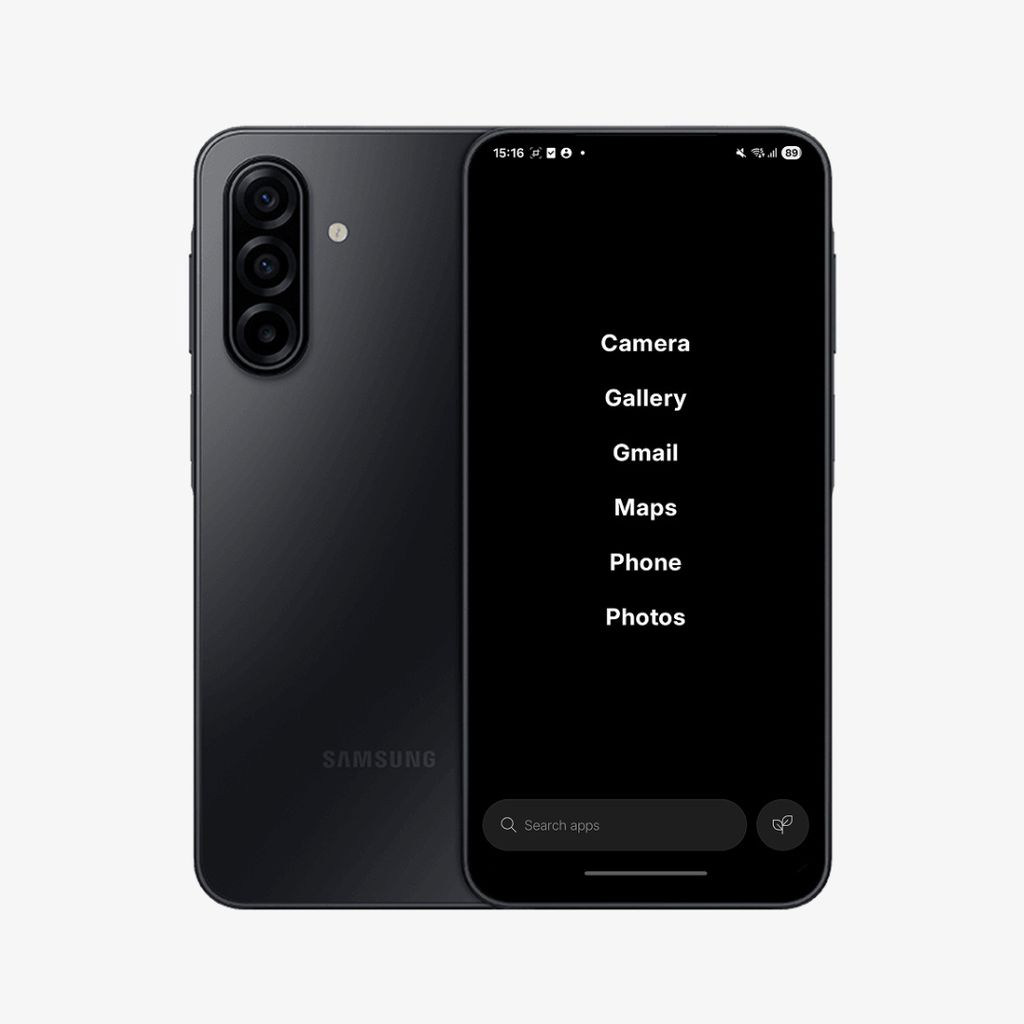
For people who find app limits and screen-time settings easy to override, a distraction-free device can create a stronger boundary. Phones such as the Balance Phone remove access to the most addictive apps and websites while retaining everyday essentials like messaging, maps, and calls, making it easier to stay connected without the constant pull of social feeds.

The same principle applies to sugar. Focus on the biggest sources first, particularly sugary drinks, ultra-processed snacks and late-night grazing, rather than chasing perfection.
The verdict isn't that sugar is harmless or that social media is uniquely dangerous. It's that they affect health through different routes. Sugar leaves evidence in blood markers. Social media leaves evidence in behaviours, habits and routines. The most effective place to start is usually the habit that's creating the biggest knock-on effects across your sleep, energy, focus and daily decisions.
The sugar vs social media debate, answered
Is social media worse for your health than sugar?
It depends. Sugar has the strongest evidence for physical harm; social media affects more areas like sleep, attention, mood, and stress. Both experts would cut social media first, because its effects ripple furthest.
Is social media the new sugar?
Sort of. Both activate reward pathways that can encourage repeated behaviour, but sugar is a substance and social media is a behaviour, so their effects on your wellbeing are very different.
Is sugar actually addictive?
Probably not in the way we describe other forms of substance use disorders. While it's strongly linked to insulin resistance and heart disease, losing control around food isn't the same as substance addiction.
What biomarkers reveal the impact of too much sugar?
Fasting insulin, HbA1c, triglycerides, HDL cholesterol, liver enzymes, and hs-CRP – plus blood pressure and waist circumference. Together they flag metabolic issues years early. Healf Bloods measures many of these.
Should I quit sugar or social media first?
Start with the bigger knock-on effect. For metabolic health, cut sugar first. For sleep, focus and calm, start with your phone. You don't need to quit either entirely.


This article is for informational purposes only, even if and regardless of whether it features the advice of physicians and medical practitioners. This article is not, nor is it intended to be, a substitute for professional medical advice, diagnosis, or treatment and should never be relied upon for specific medical advice. The views expressed in this article are the views of the expert and do not necessarily represent the views of Healf
Samantha Nice is a seasoned wellness writer with over a decade of experience crafting content for a diverse range of global brands. A passionate advocate for holistic wellbeing, she brings a particular focus to supplements, women’s health, strength training, and running. Samantha is a proud member of the Healf editorial team, where she merges her love for storytelling with industry insights and science-backed evidence.
An avid WHOOP wearer, keen runner (with a sub 1:30 half marathon) hot yoga enthusiast and regular gym goer, Samantha lives and breathes the wellness lifestyle she writes about. With a solid black book of trusted contacts (including some of the industry’s leading experts) she’s committed to creating accessible, well-informed content that empowers and inspires Healf readers.