

























_2026-10-13_14-11-48.png)


Is Your Mind Standing In The Way Of Your Flexibility?
As it turns out, your mindset is everything when it comes to stretching.

Written by: Pippa Thackeray
Written on: 4 August 2025
Most people assume flexibility depends on muscle length. In truth, how far you can go is determined by what your brain deems to be safe.
Who knew mindset was everything when it comes to stretching? All that lies between the splits and the simplest yoga pose, none of it works without an aligned mindset. The mind-body connection is well established, but how exactly do the brain and muscle range tension go hand in hand to allow for improved flexibility?
You’re probably not as tight as you think
Good news. If you’ve been stretching hamstrings for months, for example, but you still feel stuck, it may not be your body that’s limiting you; it might be the brain that isn’t giving. And here’s how you can fix it.
Stretching is not only a physical act. It’s a continual negotiation between tissue and the nervous system. When your brain perceives risk it applies the brakes. And then it can be understood that the resistance you feel isn’t tight muscle, it’s actually a safety mechanism. And no amount of force can override a system that doesn’t trust the movement.
Therefore the key is in building trust.
So, what’s really stopping you?
The nervous system sets the limit
Your tissue might be capable in isolation, but if the nervous system senses something unfamiliar, it will stop you.
Turning off protection can backfire
Imagine removing all signals of pain and tension. You might drop into the splits. But without control or conditioning you’d risk tissue damage. Flexibility without neurological control is like removing the brakes on a car, i.e., you’ll go further but likely crash.
Ignoring inhibitory signals from your nervous system and pushing through the pain could result in:
- Torn hamstrings or groin muscles
- Joint dislocations
- Ligament injuries
Your brain decides how far you go
Visualisation changes what your body allows
Mindset matters, that’s why techniques like ideokinesis used by dancers and Olympic athletes reflect that imagining movement rewires motor patterns and reduces involuntary tension.
“The more an athlete can image the entire package, the better it’s going to be,” – Nicole Detling, United States Olympic team, Sports Psychologist
Visualising your hips opening or legs lengthening is so much more than wishful thinking. By practising with the mind first, you can set the stage for real bodily practice, with calming signals in the body to boost your progress.
How ideokinesis translates to stretching flexibility
- A trained practitioner might ask you to mentally picture your hip joints widening or your spine growing taller while lying supine, these are just a few examples (you may apply similar mental suggestions to any position you endeavour to achieve).
- Ideokinesis, by design, is directing imagery toward alignment so the nervous system recalibrates muscle tone and joint positioning.
- Used in somatic methods like Feldenkrais and Alexander Technique, it’s applied during restful positions or slow movement to reshape habitual tension patterns.
The breath signals safety
Slow exhale patterns activate the parasympathetic system responsible for rest and repair. That calming effect allows the body to let go and open. Fast or shallow breathing, by contrast, feeds into tension and blocks progress.
Therefore, the breath is a simple yet effective tool, shaping flexibility not by force but by presence. It is something that Yogic traditions have taught for millennia.
When mind and body align: trauma, tension and perception
This link between brain and body doesn’t only show up in yoga classes or physiotherapy rooms, it has been seen to shape entire fields of therapeutic movement.
Take The Body Keeps the Score, for example. Its author, Bessel van der Kolk, opened wide a conversation about how unprocessed trauma might be stored, not just in memory, but in the body itself.
Its influence reached far beyond the trauma field. Suddenly, in the eyes of the general public, practices like yoga, breathwork and martial arts were being explored as routes to healing. A decade on, the impact of that book remains debated, but one idea endures: if the nervous system is dysregulated, no stretch, no posture, and ultimately no breath will feel safe.
And if the mind and body are on different levels, flexibility becomes difficult, if not, near impossible.
How to train your brain to trust the stretch
These methods work by increasing your brain’s willingness to allow greater range. Therefore, they create an environment where the nervous system feels confident enough to relax progressively.
1. Prepare with visualisation
Close your eyes, imagine your desired position before you try to achieve it. Imagine what it would feel like to hold this pose, and eventually, you will be there. It is a form of mental rehearsal that helps reduce internal resistance before the stretch begins.
2. Use breath as your safety cue
Try box breathing or long, slow exhales to shift into rest mode. Inhale into your belly and ribs. Exhale even slower. Notice how your body softens.
3. Scan and try to surrender
Pause inside each stretch. Feel where your body is gripping, experience every sensation and get into those spots and allow tension to melt rather than push. If you can, allow the nervous system to gradually relax as you practice.
4. Build strength where opening occurs
Incorporate gentle isometric or loaded holds in deep positions, think lunge holds, glute bridges, split-lean presses. These teach the brain that depth is supported and safe.
5. Return to the edge often
Stretch regularly but with ease. Think of each session as a conversation and not a battle of willpower. As the nervous system learns that nothing bad happens near your ‘edge’, it will begin permitting more range.
Tools to support deeper flexibility
- Performance Lab Flex offers plant‑based joint support to keep movement comfortable and fluid. Formulated with turmeric curcumin, glucosamine and MSM, it aids connective tissue health and mobility.
- Bala Balance Blocks provide semi‑circular foam support ideal for yoga, stretching, or rehabilitation. They enhance balance, encourage proper alignment and reduce strain during deeper movements.
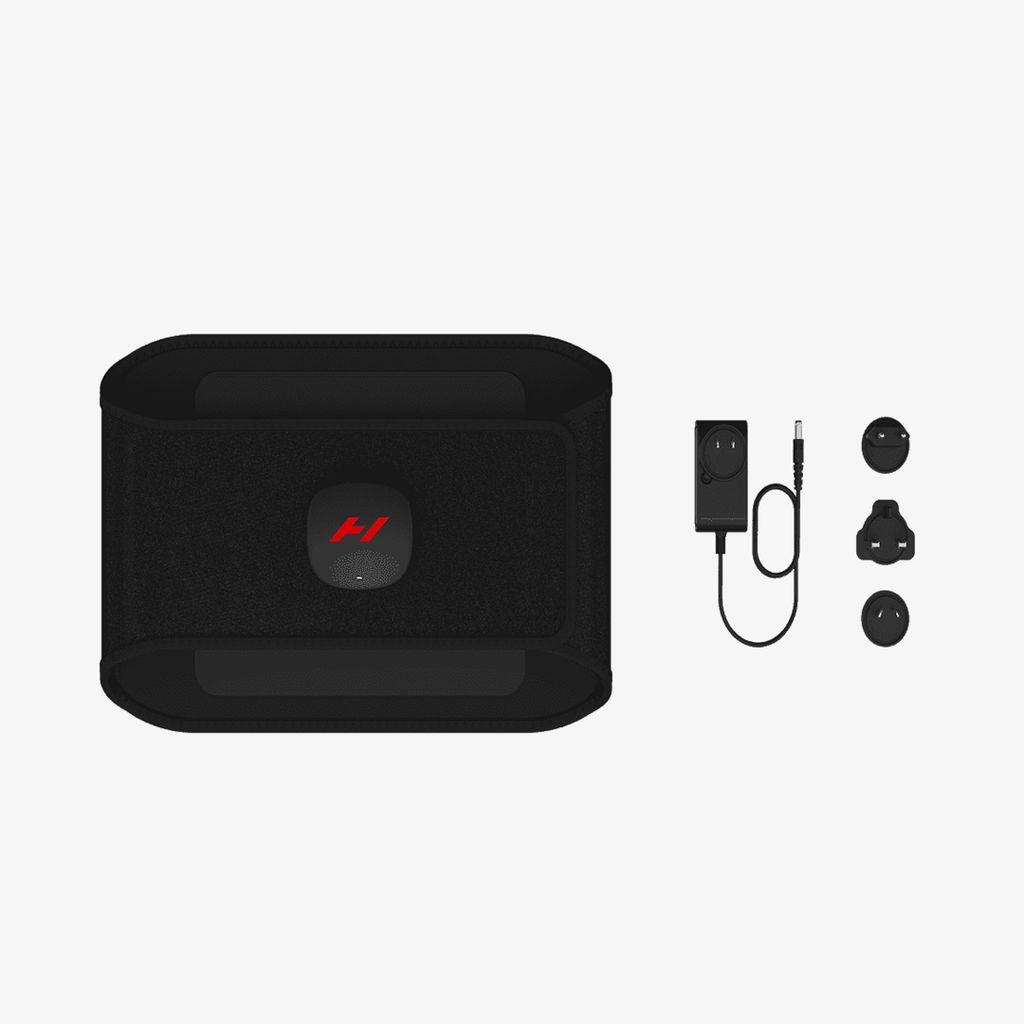
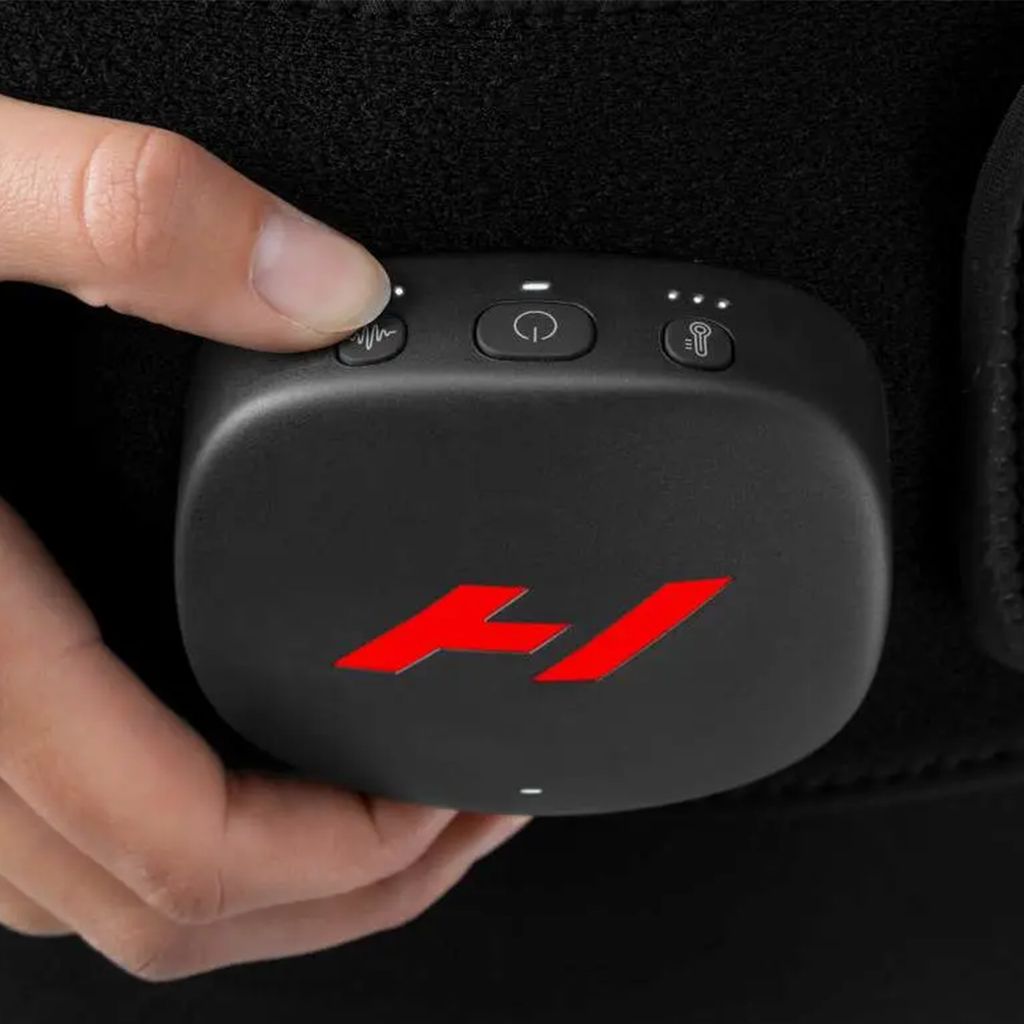
- Hyperice Venom 2 Back delivers heat and soothing vibration to melt tension in tight tissues and help maintain flexibility through increased blood flow and relief.
What to consider for your flexibility
- Flexibility is limited not only by muscle length but by what the brain allows.
- Protective signals from the nervous system often feel like tightness.
- Visualisation and intentional breathing help reduce protective tension.
- Strength at end range builds confidence and control.
- Small steps repeated build trust over time. Force is not improvement.
Shop Flexibility at Healf
Here you can explore practical ways to bring presence, permission and greater ease to your stretching practice.

References:
1. https://pubmed.ncbi.nlm.nih.gov/8278664/
2. https://pmc.ncbi.nlm.nih.gov/articles/PMC2797860/
3. https://pmc.ncbi.nlm.nih.gov/articles/PMC8950379/ 4. https://pmc.ncbi.nlm.nih.gov/articles/PMC3415184/
This article is for informational purposes only, even if and regardless of whether it features the advice of physicians and medical practitioners. This article is not, nor is it intended to be, a substitute for professional medical advice, diagnosis, or treatment and should never be relied upon for specific medical advice. The views expressed in this article are the views of the expert and do not necessarily represent the views of Healf
Pippa is a content writer and qualified Nutritional Therapist (DipNT) creating research-based content with a passion for many areas of wellbeing, including hormonal health, mental health and digestive health.
As a contributor to The Healf Source, she regularly attends seminars and programmes on a plethora of contemporary health issues and modern research insights with a drive to never stop learning. In addition, interviewing experts and specialists across The Four Pillars: EAT, MOVE, MIND, SLEEP.
In her spare time, she is an avid swimmer, mindfulness and yoga lover, occasionally bringing a raw, honest approach to the topics she faces. You may also discover some personal accounts of eye-opening wellbeing experiences amidst the reality of a disorientating, and often conflicting, modern wellbeing space.