





















Sculpting Your Jawline Naturally: What Actually Works?
Written by: Pippa Thackeray
Written on: 5 March 2025
Have Jawlines Become So Pivotal To Male Beauty? - YouTube · Dr Tim Pearce13 Nov 2020
A guide to sculpting a sharper look with some simple and smart daily habits.
A-list celebs, secretly or not so secretly, swear by fillers, buccal fat removal, and other invasive means to obtain that radical jawline transformation. It’s a trickle down trend that now takes up a lot of space online, perhaps making people feel like they should be spending upwards of £12,000 on cosmetic treatments to get ‘chiselled’.
Explaining the jawline obsession
It’s fair to say, the desire for a sharper jawline has gone mainstream, with growing popularity for a masculine look among males. For females, a strong jawline is also said to balance out the profile of high cheekbones and make for a slimmer face and neck.
A quick scroll through social media reveals a flood of tutorials, from “mewing” to face yoga, all promising a more ‘snatched’ look without surgery. Elsewhere, celebrities who once had softer features now sport striking jawlines, claiming late onset puberty ‘glow-ups’ and happy accidents. They fuel speculation about surgical procedures and ultimately come full circle in inspiring a fresh wave of non-invasive cosmetic hacks. So, who is telling the truth? Does it matter? And most importantly, which methods of getting a stronger jawline naturally prove most effective?
Popular perception of the ‘ideal’ jawline
People queuing up for jawline surgeries are now said to be more of a 50/50 split, in stark comparison to a historically more female-dominated area of interest.
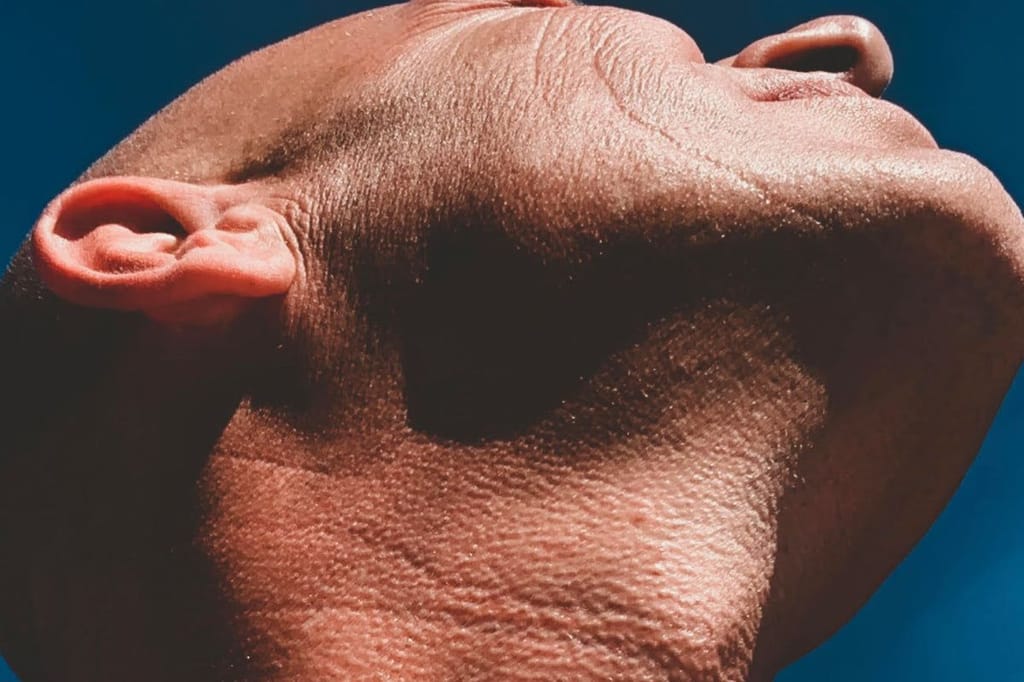
In the 1930s and 1940s, the prominent-jawline look began to take hold as a beauty standard in the West. Throughout the subsequent decades, until the present, the jawline plays a starring role in how the face is perceived and reflects a person’s character upon first glance. According to Dr. Tim Pearce, a leading aesthetic clinician, many patients seeking definition generally end up with a more masculine appearance, and sometimes unintentionally. He claims this is because creating sharpness often requires adding volume, which can widen the face and shift its overall structure.
Understanding these nuances allows one to grasp the popular perception of what a jawline ‘should’ look like according to modern beauty standards. A square jaw with a sharp angle projects strength and dominance, while a softer V-shape enhances elegance. To sum it all up, the ‘right’ balance suited to the individual depends not just on gender preference but on the harmony of all their facial features.
Why men are paying attention to face shape
Exercises to sculpt your jawline
This draw to define the jawline, be it for status, power, or even economic advantage, doesn’t necessarily necessitate a trip to the clinic. It could be argued that muscle engagement alone can enhance definition, making facial exercises a non-invasive alternative worth exploring.
An eight-week study found that resistive jaw-opening exercises with elastic bands significantly strengthened suprahyoid muscles and increased tongue pressure. Although a method originally explored for swallowing therapy, findings ultimately proved that muscle training has the capacity to sculpt facial contours.
Try these simple daily steps
- Neck Tilts: Slowly tilt your head back, hold for a few seconds, and return to neutral. Repeat.
- Chin Lifts: Lift your lower jaw toward the ceiling while keeping your lips closed. Hold and release.
- Resistance training: Use resistance bands for neck-strengthening exercises that target the neck, upper back, and jawline. Experiment with a variety of moves and see what works for you: Chin tucks Neck rotations Side neck bends Shoulder blade squeezes Jaw clenches Isometric neck holds


Puffiness versus definition, why drainage counts
It isn’t just muscle that defines the jaw, fluid retention is also a big factor. Lymphatic drainage techniques help flush out excess water, reducing puffiness and revealing natural contours. Hydration is key to flushing out the lymphatic system, as is gentle facial massage to encourage circulation. In particular, the lymphatics that drain the jawline include the submental, supra-mandibular, and submandibular nodes.
A sculpted jawline isn’t just for those genetically blessed



This article is for informational purposes only, even if and regardless of whether it features the advice of physicians and medical practitioners. This article is not, nor is it intended to be, a substitute for professional medical advice, diagnosis, or treatment and should never be relied upon for specific medical advice. The views expressed in this article are the views of the expert and do not necessarily represent the views of Healf
Pippa is a content writer and qualified Nutritional Therapist (DipNT) creating research-based content with a passion for many areas of wellbeing, including hormonal health, mental health and digestive health.
As a contributor to The Healf Source, she regularly attends seminars and programmes on a plethora of contemporary health issues and modern research insights with a drive to never stop learning. In addition, interviewing experts and specialists across The Four Pillars: EAT, MOVE, MIND, SLEEP.
In her spare time, she is an avid swimmer, mindfulness and yoga lover, occasionally bringing a raw, honest approach to the topics she faces. You may also discover some personal accounts of eye-opening wellbeing experiences amidst the reality of a disorientating, and often conflicting, modern wellbeing space.
_2026-10-13_14-11-48.png)