












































_2026-10-13_14-11-48.png)


What Does It Really Mean To Have A ‘Normal B12 Level’?

Written by: Pippa Thackeray
Written on: 21 April 2025
Many B12 test results fall within the ‘normal’ range, yet fatigue, brain fog and other symptoms can still occur. This article evaluates why standard thresholds may overlook deficiency and what’s considered optimal, taking away the mystery.
Key takeaways
- Insufficient B12 levels can lead to various health issues, including neurological problems, anaemia, and even infertility or birth defects.
- Many practitioners recommend maintaining levels above 300 ng/L to avoid adverse effects.
- Functional markers provide a more complete picture than serum tests alone.
- Age, diet, medication, and digestive health all affect absorption and availability.
Blood tests for B12 are typically performed if a person presents with symptoms like persistent fatigue, poor concentration, or low mood. This test may be done once other factors are ruled out.
The results you then get back might be reassuring, showing you that you fall within the laboratory reference range. It looks like a big green tick, so you move swiftly on. But it may not be so simple.
The dangers associated with low B12
Some practitioners argue that these thresholds are too broad and may miss the early signs of insufficiency.
B12 is definitely something to get right because, while most symptoms of vitamin B12 deficiency can improve with treatment, some neurological damage caused by prolonged deficiency may be irreversible, including nerve damage leading to numbness, tingling, loss of balance, and memory problems, and in severe cases, even dementia and paralysis. It has been found that results falling between 200 and 300 ng/L often coincide with symptoms, even when labelled as ‘borderline’. So the key issue here is not whether a result clears a minimum threshold, but if levels are enough to adequately support each unique individual.
"Not all ‘normal’ is optimal"
Factors like individual metabolism, absorption rates, and specific health conditions can influence how B12 levels impact a person’s wellbeing. In other words, like many issues involving nutritional science, there isn’t a convenient one-size-fits-all.
What is ‘normal’ B12 levels?
This is where it can get confusing.
In the UK, B12 reference ranges vary considerably. Laboratories may typically set lower thresholds between 110 ng/L and 140 ng/L, while some use 200 ng/L or 250 ng/L as the minimum. Such inconsistency can complicate diagnosis and lead to under-treatment in cases that fall between the margins. Clinical symptoms have been reported below 300 ng/L, even when blood results are considered within range, prompting a careful assessment for a safe B12 level. These symptoms may include low energy, numbness, tingling, mood disturbances and memory issues.


Functional practitioners and B12 thresholds
For older adults, levels ideally between 300–350 ng/L, are often viewed as more supportive of energy, cognition and neurological resilience.
Levels below 200 ng/L are generally regarded as deficient. There is a distinct difference between deficiency and insufficiency as deficiency comes with dangers like higher risk of irreversible nerve damage. Therefore, between 200 and 300 ng/L, many practitioners will recommend further investigation or proactive intervention.
What influences your B12 status?
A number of factors affect B12 levels and uptake:
- Age: Absorption declines with reduced stomach acid production
- Medication: Metformin and antacids interfere with B12 metabolism
- Diet: Vegan (and some vegetarian) diets lack reliable B12 sources
- Digestive health: Inflammatory bowel disease, Coeliac disease, or surgical history can impair absorption
- Alcohol: Excessive intake depletes B12 stores
- Autoimmune disorders: Conditions such as pernicious anaemia block absorption pathways
Symptoms can appear long before blood levels fall below official reference ranges, particularly in those with impaired utilisation or absorption. So testing really is a must if B12 levels are thought to be low.
What to know about B12 testing
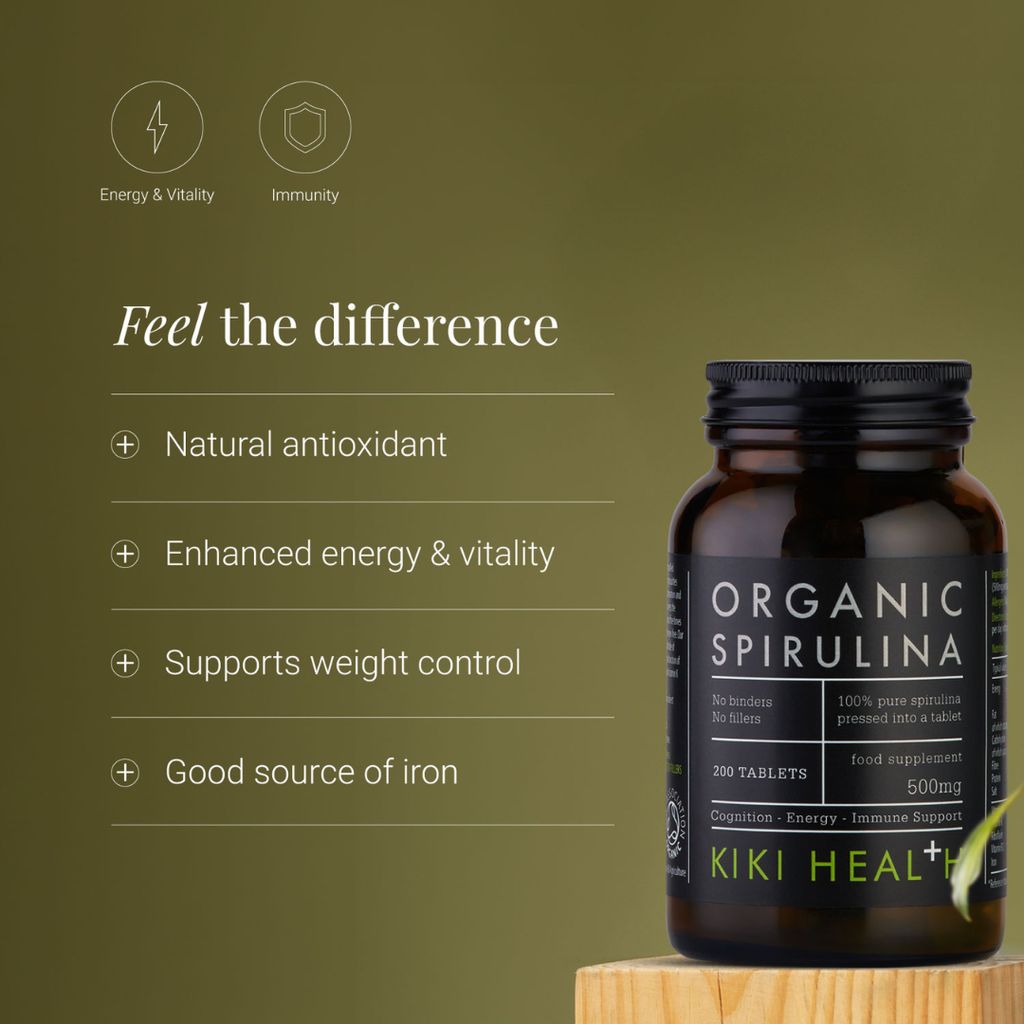
The standard test offered by most GPs measures serum B12. This reflects circulating levels in the bloodstream, while not necessarily taking into account the amount available to cells. It is worth being aware that spirulina and seaweeds contain something known as ‘B12 analogues’, essentially a different form of B12 that can interfere with serum tests, potentially masking a deficiency.
What else can we learn from the blood?
Symptoms can still be present, even when B12 levels are deemed sufficient in testing.
One of the telltale signs, visible in a full blood count, is the presence of macrocytic normochromic red blood cells: abnormally large cells that still contain normal levels of haemoglobin. This typically occurs in B12 or folate deficiency, where red blood cells are poorly formed and less efficient at transporting oxygen. Though haemoglobin is present, the size and function of these cells can impair their ability to circulate effectively, contributing to fatigue, weakness or breathlessness.
A full blood count is able to pick up this red cell enlargement, but it can’t determine whether B12 or folate is the underlying cause. Such distinction often requires further biochemical testing. Without it, diagnosis remains uncertain, and the wrong nutrient may be targeted.
B12 assessments in nutritional therapy
Standard blood tests show how much B12 is circulating, but not always how well it’s being used. These functional markers may offer a clearer view of what’s happening at the cellular level:
Methylmalonic acid (MMA)
Rises when B12 is too low to support normal cell function.
Homocysteine
Elevated when B12, B6 or folate is insufficient. Also associated with cardiovascular risk.
HoloTranscobalamin (Active B12)
The form of B12 the body can absorb and use.
These tests provide a clearer indication of metabolic sufficiency but are not widely available via GPs. In many cases, private testing may be required.
Why vegans need to watch their B12
Vitamin B12 is found almost exclusively in animal-based foods: in meat, fish, eggs and dairy. That means anyone following a strict vegan diet is at risk of deficiency unless they supplement effectively. Unlike iron or vitamin C, B12 doesn’t occur naturally in plants. And while fermented foods or seaweed are sometimes cited as sources, they often contain B12 analogues that the body can’t actually use.
So left uncorrected, even a mild deficiency can affect energy, memory, and nerve function. If you follow a vegan or plant-based diet, regular testing and a reliable supplement are a must.
8 smart ways to support your B12 levels
Protect your energy, focus, and neurological health in later life. Try these evidence-backed strategies:
- Test annually if you're plant-based: Even if you feel fine. Supplementation is essential if you’re vegan.
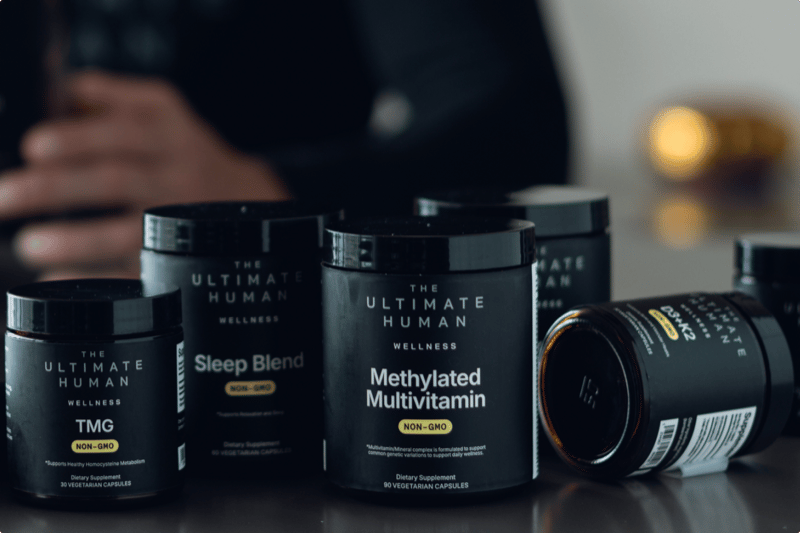
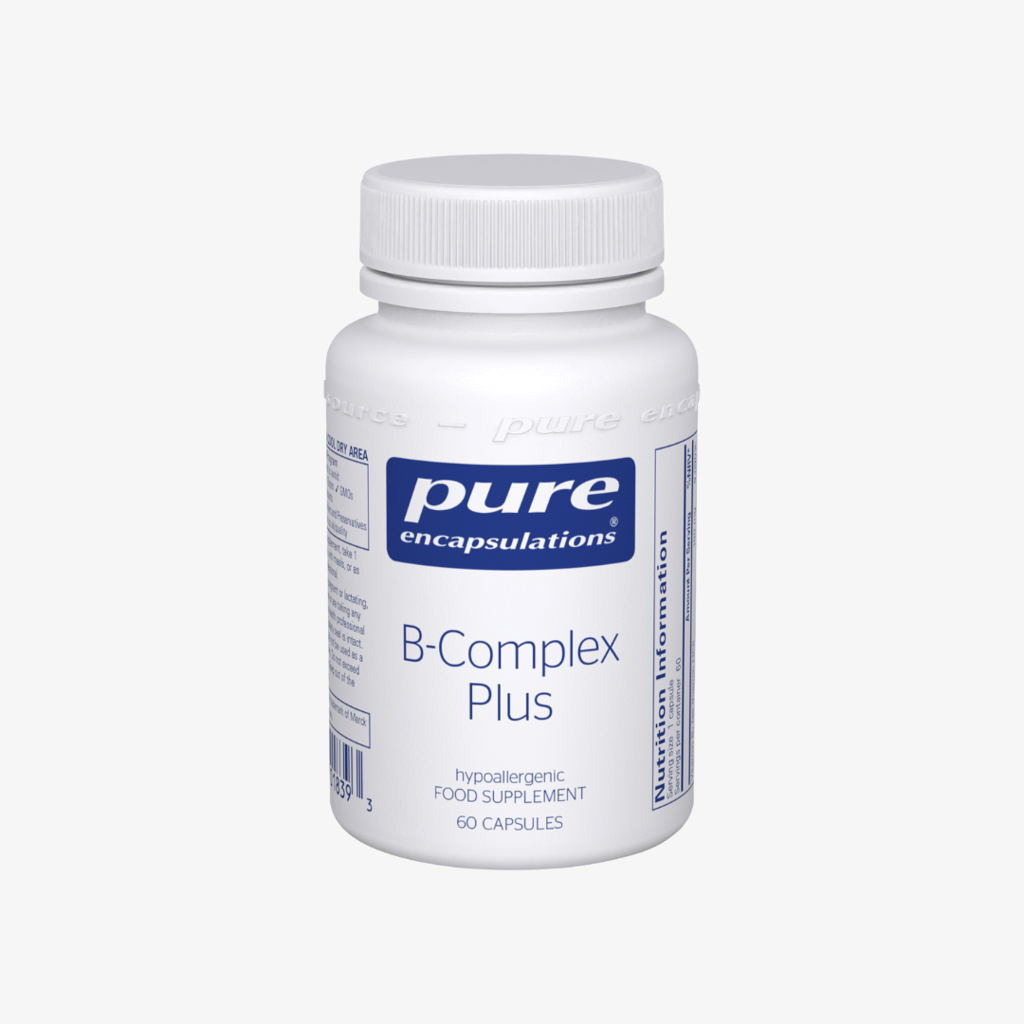
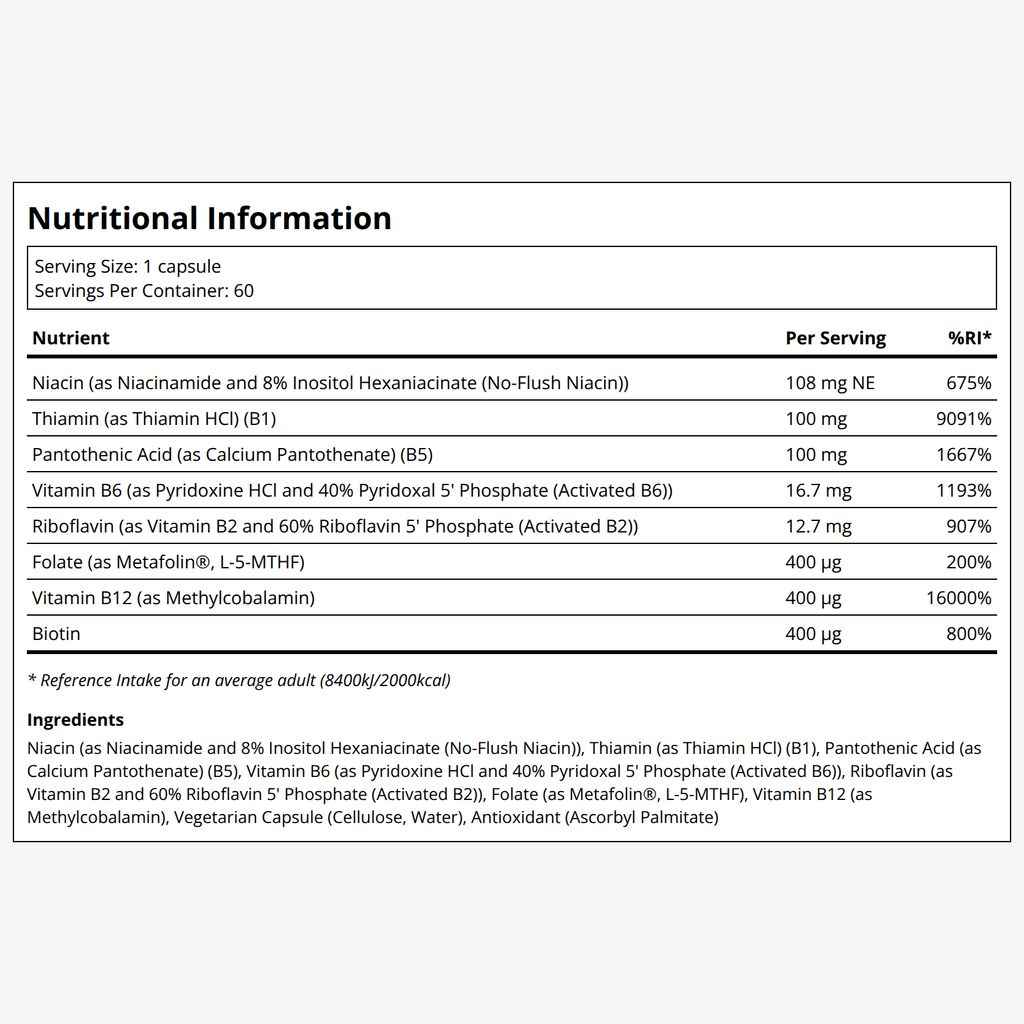
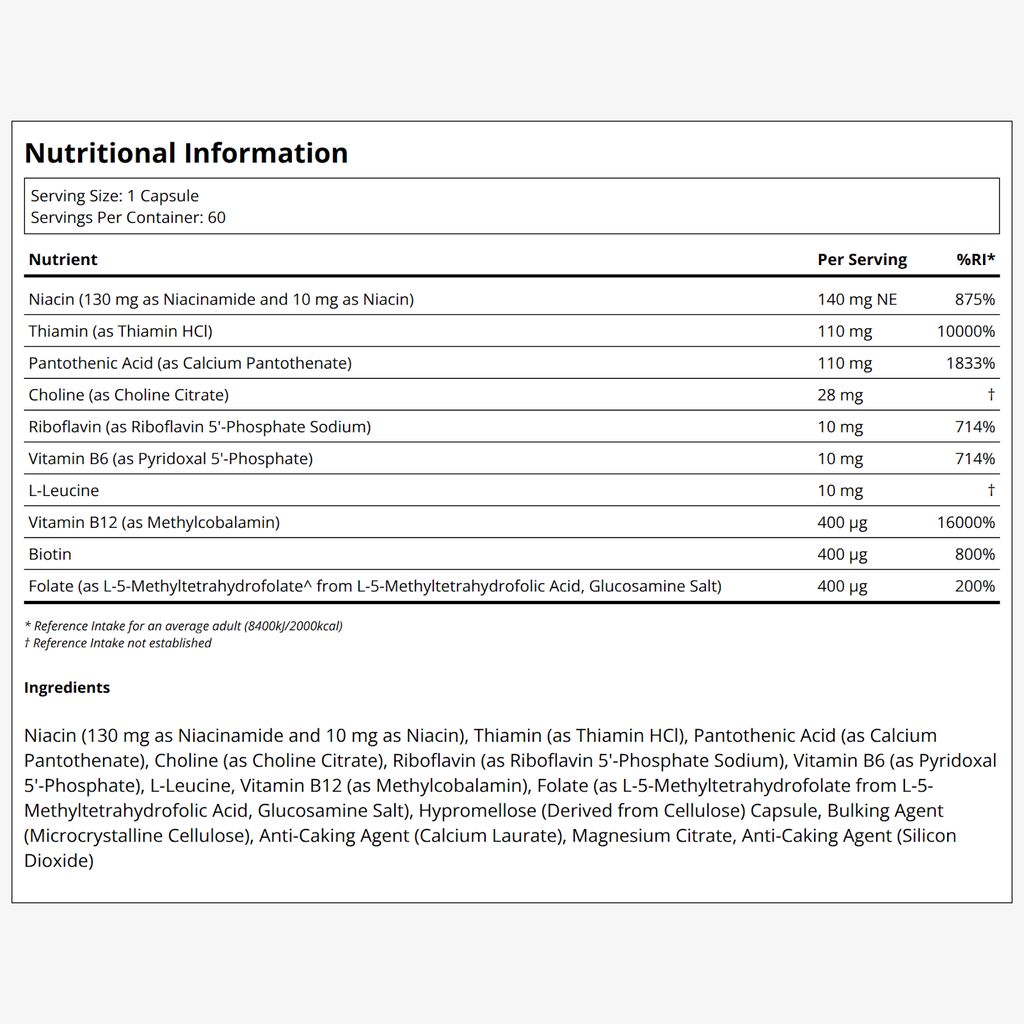
- Choose a methylated B12 supplement: Look for methylcobalamin rather than cyanocobalamin for better absorption. Try the Pure Encapsulations B-Complex Plus.
- Go sublingual or spray if absorption is poor: B12 lozenges or oral sprays are ideal if you have gut issues or low stomach acid. Try NBPURE Methyl B12.
- Take a B-complex if you’re stressed or tired: B vitamins work synergistically. A blend may help if you’re running on empty. Consider Thorne Stress B Complex.
- Mind your gut health: Your small intestine is where B12 gets absorbed. Address bloating or gut dysbiosis early.
- Watch your medications: If you're on metformin or PPIs long-term, ask your doctor about monitoring your B12.
- Don’t rely on fortified foods: Some turn to fortified plant milks etc, but these sources often aren’t enough alone, and don’t usually contain the most bioavailable forms
- Get regular injections if you’re diagnosed deficient: Intramuscular B12 injections are highly effective, anyone can use them but they are particularly useful in cases of pernicious anaemia and serious deficiency.
Shop EAT at Healf
Support optimal nutrition with products trusted by nutritionists. Explore smarter tools for energy, absorption and metabolic balance.




This article is for informational purposes only, even if and regardless of whether it features the advice of physicians and medical practitioners. This article is not, nor is it intended to be, a substitute for professional medical advice, diagnosis, or treatment and should never be relied upon for specific medical advice. The views expressed in this article are the views of the expert and do not necessarily represent the views of Healf
Pippa is a content writer and qualified Nutritional Therapist (DipNT) creating research-based content with a passion for many areas of wellbeing, including hormonal health, mental health and digestive health.
As a contributor to The Healf Source, she regularly attends seminars and programmes on a plethora of contemporary health issues and modern research insights with a drive to never stop learning. In addition, interviewing experts and specialists across The Four Pillars: EAT, MOVE, MIND, SLEEP.
In her spare time, she is an avid swimmer, mindfulness and yoga lover, occasionally bringing a raw, honest approach to the topics she faces. You may also discover some personal accounts of eye-opening wellbeing experiences amidst the reality of a disorientating, and often conflicting, modern wellbeing space.