






















_Madeline_Spanier_Photos_ID7424.jpg)
7 Reasons “Clean Label” Means Nothing Without Proof
Want to know what you're really getting with your supplements? This guide is for you.
-2.jpg)
Written by: the Healf Editors
Written on: 1 July 2026
The phrase “clean label” feels like it’s everywhere in the supplement industry. You’ll probably see it on the packaging for most brands, alongside words that try to signal that the product is ‘natural’ and ‘pure’, but the term is actually one of the least meaningful descriptors you can find. For people who care about what goes into their body, it’s important to know the difference between truly clean ingredients and this buzzy phrase. However, navigating the gap between claim and evidence is not always straightforward.
Puori, a Danish supplement brand founded in 2009, was built around the idea that transparency has to be verifiable. Rather than simply stating that its products are clean, Puori publishes the full batch-level test report for every product it sells, and tests every finished batch against more than 200 contaminants before it’s released into the world.
“Transparency is not a claim on the label. It is the consumer’s ability to retrieve the report for the unit in their hand,” says Puori CEO Oliver Amdrup-Chamby.
Here, drawing on Puori’s testing standards and the broader landscape of supplement regulation, Healf is breaking down seven reasons why a “clean label” claim only carries weight when it comes with proof. Here’s what you need to know, and what to keep an eye out for when scanning your supplement labels:
1. “Third-party tested” is a claim, not a guarantee
It is now almost standard practice for supplement brands to print “third-party tested” on their packaging, but the phrase tells you almost nothing on its own. The term tends to cover a very wide range of testing processes — from things like specific potency checks on active ingredients to a comprehensive contaminant screen of a finished product. Without a published report attached to a specific batch, it’s hard for someone purchasing the product to independently verify the claim.
With Puori, every product carries a QR code that links directly to the full batch-level test report. The batch reports for all products are also published on the Clean Label Project Transparency Project page and searchable by lot number on the Puori website.
2. A standard Certificate of Analysis covers much less than you think
The term “Certificate of Analysis” sounds comprehensive. In practice, a conventional CoA typically verifies the identity and potency of the active ingredient and screens a limited regulatory panel — commonly the four major heavy metals (lead, cadmium, mercury and arsenic) and basic microbiology. As such, “CoA available” can still be technically accurate while leaving most contamination risks entirely untested.
Puori takes a broader approach. Every finished batch of Puori products is tested against more than 200 contaminants, including pesticide residues, glyphosate, residual solvents, plasticisers (phthalates and bisphenols), and an expanded heavy-metal panel, in addition to potency and microbiological screening. This extended scope matters because a standard CoA is less likely to screen for the specific contaminants consumers are most concerned about.
3. Raw material testing and finished product testing are not the same thing
Testing raw materials is not the same as testing a finished product. Variation can be introduced at every stage of the manufacturing process — blending, encapsulation, tableting, packaging — and any contaminants that are introduced after the raw-material stage will be missed. The only test that meaningfully represents what the consumer is actually ingesting is one performed on the finished, batched product.
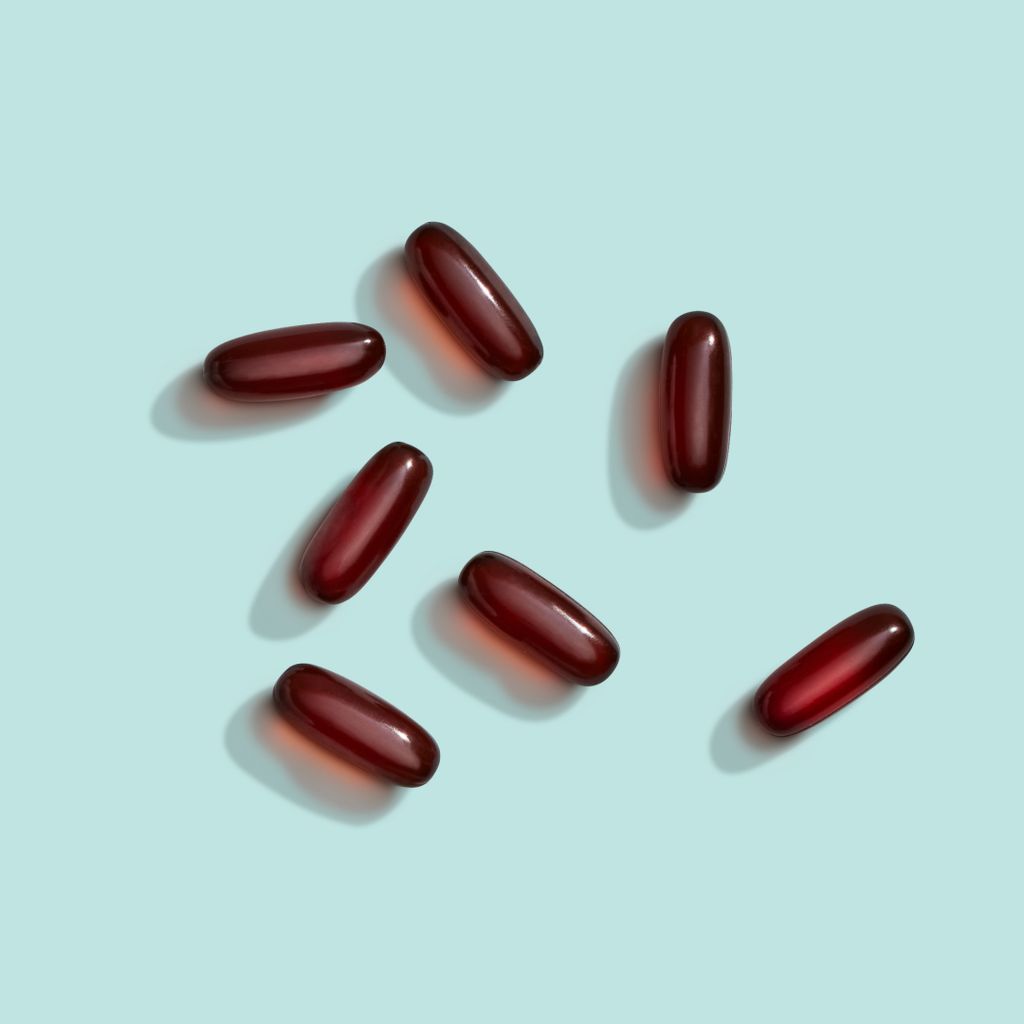
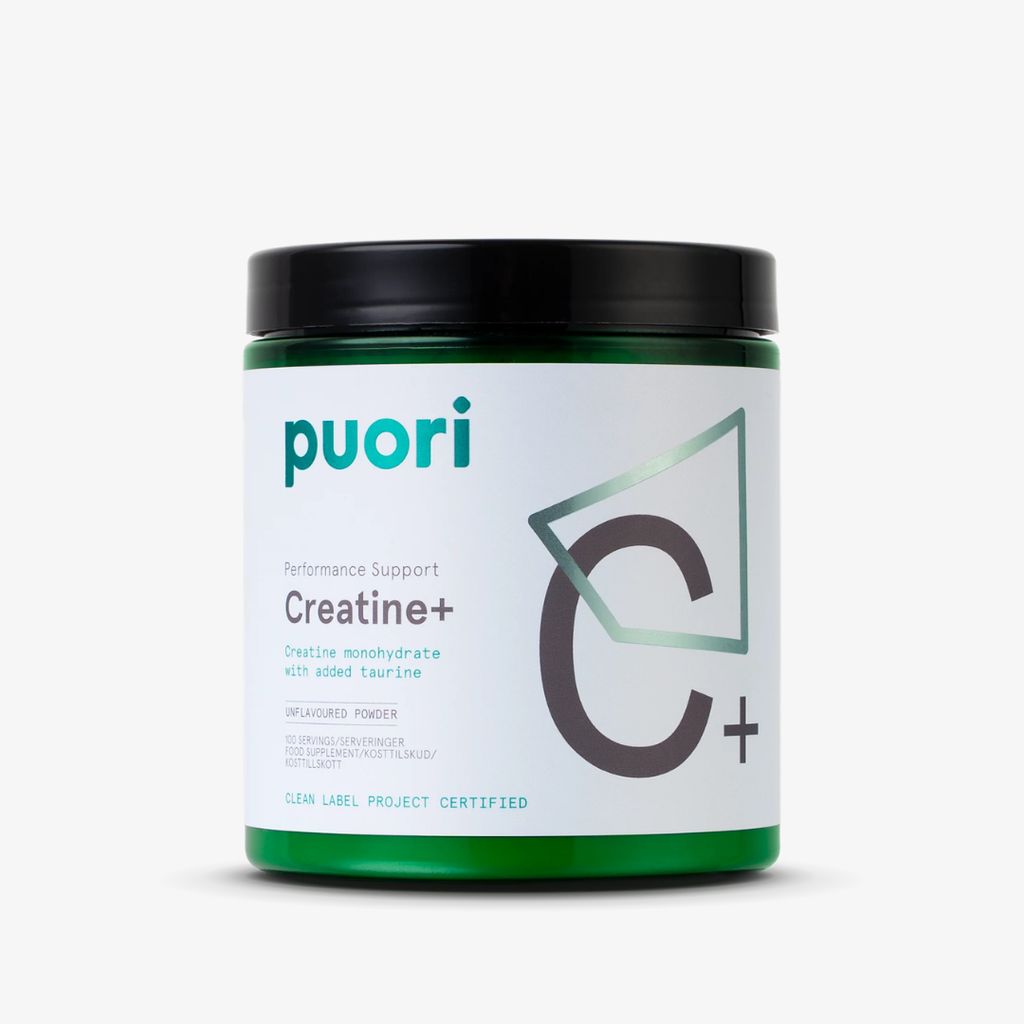
Puori tests every finished batch before release. This means the test report a consumer accesses corresponds to the product they have purchased, not to a single ingredient sourced months earlier or a sample from a different production run. This principle applies across the entire Puori range, including their O3 Omega-3, C+ Creatine, and PW1 Grass-Fed Whey Protein.


4. The supplement market in the UK is not pre-market regulated
In the UK, food supplements are regulated as food, not medications, which means they fall outside The Medicines and Healthcare products Regulatory Agency’s pre-market evaluation regime: there is no mandatory batch-level quality testing, no pre-approval process, and no requirement for a brand to demonstrate that its product contains what the label says or that it is free from contaminants. Independent third-party testing is, in effect, the only mechanism by which a UK consumer can verify what is actually in a finished supplement product.
This regulatory gap is not unique to the UK, but it means the burden of verification falls squarely on the brand. If there’s no testing data available, brands are basically just asking consumers to take their word for it.
5. Omega-3 oxidation is a real and widespread problem
Fish oil is particularly vulnerable to oxidation, which degrades the omega-3 fatty acids and may reduce or eliminate their physiological benefit. The IFOS (International Fish Oil Standards) programme, which is one of the most rigorous independent standards for omega-3 products, sets a total oxidation threshold of 19.5 for certification. For context, the voluntary industry limit set by the Global Organisation for EPA and DHA Omega-3s is 26. Studies of retail fish oil samples have found products that exceed both.
Puori has held IFOS 5-star certification on every batch of its O3 Omega-3 since the first production batch in 2009. But the certification threshold is not the target — it is the floor. In practice, 93% of Puori O3 batches test below a total oxidation value of 10, and more than half test below seven — well under half the IFOS certification threshold and substantially below the GOED voluntary limit. The most recent batch IFOS report recorded a total oxidation of 5.12. If you want to see for yourself, the Puori O3 Omega-3 IFOS certification results are publicly searchable at certifications.nutrasource.ca.
6. Protein powders are among the most contaminated products in the supplement category
Independent testing by the Clean Label Project has found that protein powders are among the most contaminated products in the supplement market, with heavy metals — including lead, cadmium, arsenic and mercury — detected across a wide range of brands. This type of contamination is typically introduced through the raw materials and agricultural processes used to produce the protein source.
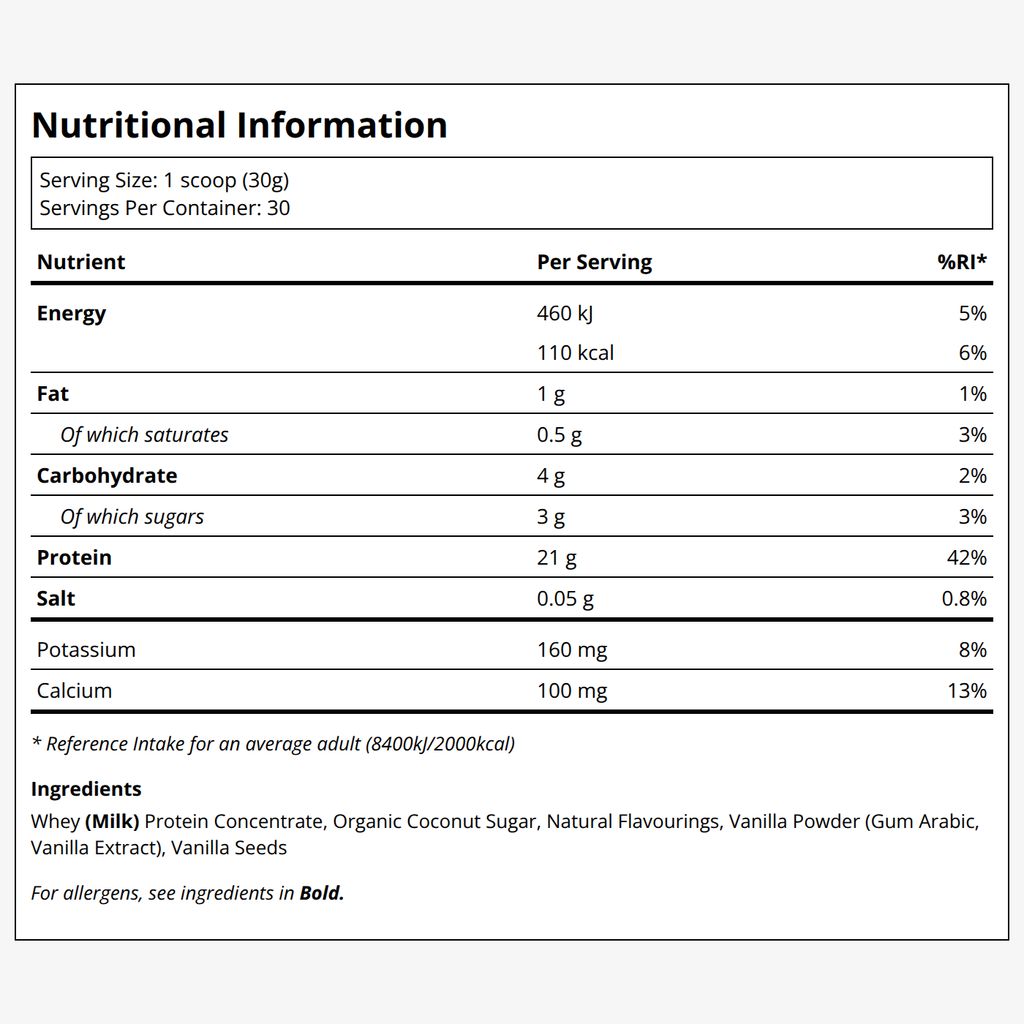
Puori PW1 Grass-Fed Whey Protein addresses this issue by using the same batch-level contaminant testing every Puori product goes through. Sourced from pasture-raised dairy in Scandinavia, PW1 is tested against more than 200 contaminants, with results benchmarked against California Proposition 65 thresholds — among the strictest consumer-protection limits in the world — where applicable. The most recent batch passed across all categories, according to the company, including heavy metals, bisphenols, glyphosate, phthalates, pesticides, residual solvents and antibiotics, and confirmed label claim accuracy at 20.85g protein per serving against a stated 21g.
7. Selective certification can mislead without technically lying
One of the more subtle forms of greenwashing in the supplement industry involves selective certification: a single product within a range carries an independent certification, while the brand’s communications imply — without stating explicitly — that the entire range meets the same standard. A consumer who sees a brand associated with a credible certification may assume this applies across products, when that’s not necessarily true.
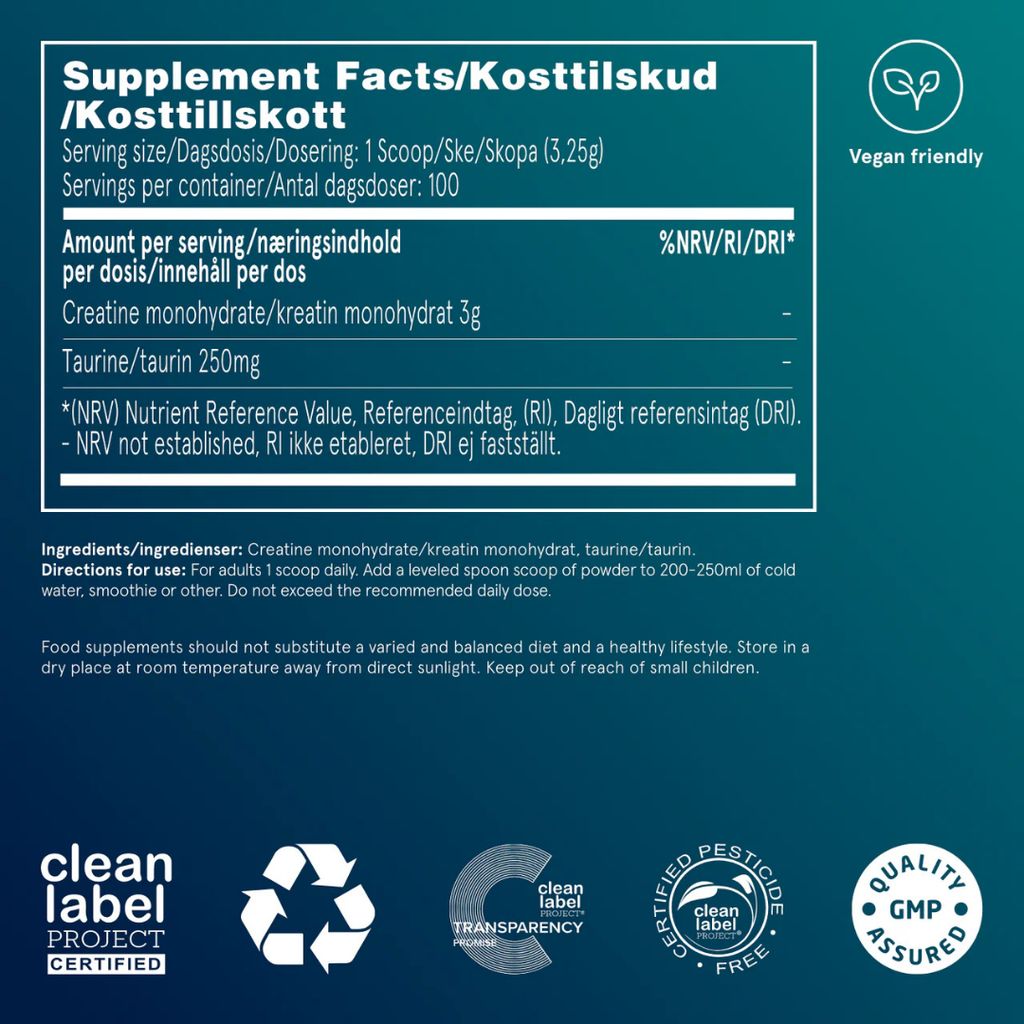
Puori uses the same testing standard — 200+ contaminants, batch level, finished product, independent accredited laboratory — for every product in its range, not select products. This includes its C+ Creatine, which combines creatine monohydrate with taurine. Creatine is a category with its own documented purity concerns, including contamination with creatinine, and, at the lower end of the market, with stimulants or undisclosed additives. “Every component of Puori C+, not only the headline active, is subject to the same batch-level contaminant testing,” says Amdrup-Chamby.
Full batch reports for all Puori products are publicly available at the Clean Label Project Transparency Project and on the Puori website, searchable by the lot number on each unit.
The bottom line
At the end of the day, it’s important to keep these key things in mind. First, the concept of a “clean label” is a good thing, but it only becomes truly meaningful when a brand can provide proof that is accessible, specific, and independently verified. Second, certification thresholds matter less than how far below them a product consistently performs. Remember that published reports matter more than printed claims. And batch-level transparency — the consumer’s ability to look up the exact product they are holding — is the standard against which all other claims should be measured.


This article is for informational purposes only, even if and regardless of whether it features the advice of physicians and medical practitioners. This article is not, nor is it intended to be, a substitute for professional medical advice, diagnosis, or treatment and should never be relied upon for specific medical advice. The views expressed in this article are the views of the expert and do not necessarily represent the views of Healf
Healf's editorial team works hard to produce science-backed, expert-vetted stories to break down trends and cut through the noise in the wellbeing ecosystem. Our team of writers and editors specialise in everything from nutrition, to exercise science, women's health, skincare, sleep, and more.