



































_2026-10-13_14-11-48.png)


How to Boost Your Metabolism Naturally: The 5 Habits That Matter Most
Forget metabolism teas and miracle powders. The biggest drivers of metabolic health are muscle, movement, sleep, nutrition and stress.

Written by: Samantha Nice
Written on: 21 July 2026
Metabolism has become the wellbeing world’s favourite explanation for almost everything. Feeling tired? Your metabolism. Struggling to lose weight? Your metabolism. Hit a plateau in the gym? Apparently, your metabolism again.
Spend a few minutes scrolling and you'll find no shortage of solutions. From metabolism-boosting coffees, powders, supplements and morning routines promising to "switch on" your body's fat-burning engine, if only it were that simple.
Metabolism isn't a single process that can be turned up or down overnight. It's the sum of all the energy-producing processes that keep you alive and functioning, from breathing and circulation to muscle contraction, recovery and cellular repair.
Although some aspects of metabolism are inherited, much of what determines metabolic health comes down to everyday behaviours. The strongest evidence points to five key areas: muscle mass, movement, nutrition, sleep and stress management. If you're looking to support a healthier metabolism naturally, that's where your attention is best spent.
Most metabolism advice focuses on the wrong things
We talk about metabolism as though everyone falls into one of two camps. You’re either blessed with a "fast" metabolism or cursed with a "slow" one. Energy expenditure is actually influenced by a range of factors, including body composition, age, sleep, physical activity and nutrition.
Muscle tissue uses more energy than fat tissue, even at rest. Sleep affects appetite hormones and blood sugar regulation. Daily movement increases energy expenditure, while chronic stress can spill into food choices, recovery and sleep quality.
The behaviours that move the needle most aren't particularly elaborate or groundbreaking, but they're the ones backed by the strongest evidence.
1. Build and maintain muscle mass
If there’s one intervention with the strongest evidence behind it, it's preserving and building muscle. Muscle is metabolically active tissue. Clinical exercise physiologist Tom Cowan, BSc explains that skeletal muscle requires more energy than fat tissue, contributing to a higher resting metabolic rate.x
The calorie-burning argument is only half the reason muscle is so valuable. Muscle acts as the body's largest storage site for glucose. After a meal, muscle tissue helps remove glucose from the bloodstream, helping maintain healthy blood sugar levels and insulin sensitivity.
Muscle becomes a much bigger talking point after your thirties, when age-related muscle loss starts to ramp up. Adults naturally lose muscle mass as they get older, particularly if they aren't strength training. That decline can affect mobility, physical function, body composition and metabolic health.
What type of training works best?
Resistance training remains the most effective way to grow and preserve muscle. That doesn't mean spending hours in the gym. Two to four strength sessions per week can produce meaningful results. Compound movements such as squats, rows, deadlifts, lunges and presses recruit multiple muscle groups at once and offer a time-efficient approach.
Cowan notes that muscle growth can occur across a wide range of repetition ranges and training loads, provided the exercises are challenging enough and progressively increase over time. The objective isn't chasing soreness. It's creating consistent mechanical tension that encourages the body to build stronger muscle tissue.


2. EAT 20-30g of protein at every meal
Protein is one of the most powerful nutritional tools for metabolic health. It helps build and maintain muscle, supports recovery and influences appetite regulation. There's also the thermic effect of food to consider. Protein requires more energy to digest and process than carbohydrates or fat, meaning your body uses more calories breaking it down.
According to registered nutritionist and ARTAH founder, Rhian Stephenson, protein recommendations have moved beyond the traditional UK RDA of 0.8g per kilogram of body weight. "Current research shows that 1.2g per kilogram of body weight per day is a better figure, with recommendations increasing further during pregnancy and periods of heavy exercise."
Timing is worth thinking about as well. A common pattern is consuming very little protein at breakfast and lunch before relying on dinner to make up the difference. Leaving most of your protein until dinner means missing opportunities to support appetite, recovery and muscle maintenance earlier in the day.
Start with breakfast
Stephenson recommends focusing on a high-protein, high-fibre breakfast. Doing so can help regulate appetite, improve satiety and create steadier blood sugar levels throughout the day. Some good options include:
- 200g Greek yoghurt with berries, seeds and nuts
- 2-3 eggs with sourdough
- Protein oats made with chia seeds, nut butter and a scoop of protein powder
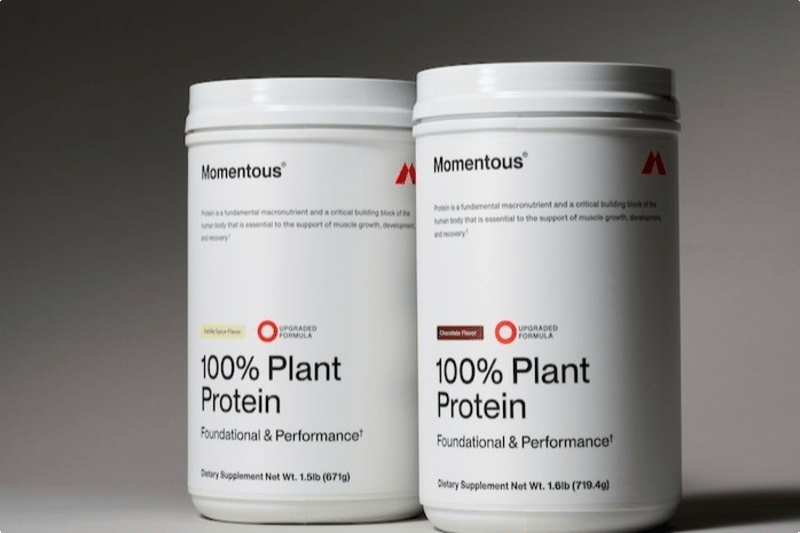
- A protein smoothie packed with protein powder, berries and flaxseed
Each gives around 20-30g of protein, helping you make a meaningful contribution towards your daily protein target early on in the day.
3. MOVE more throughout the day
Metabolism isn’t just about how long you’re in the gym. A one-hour workout is great but what you do during the other 15 or so waking hours can have just as much impact on how much energy your body uses each day.
Researchers call this NEAT, or non-exercise activity thermogenesis and it spans everything from walking and standing to carrying shopping, doing housework, gardening, taking the stairs and even fidgeting. None of these activities feels particularly demanding on its own, but added together, they can account for a substantial amount of daily energy expenditure. For some, NEAT actually contributes more to overall energy burn than structured exercise.
Why walking deserves more credit
Walking remains one of the most accessible tools for metabolic health. Research suggests a short walk after meals can help improve post-meal blood sugar control. Regular movement breaks throughout the day can also improve glucose and insulin responses compared with prolonged sitting. For desk-based workers, Cowan recommends standing up and moving every hour where possible. This could look like:
- Walking during phone calls
- Taking stairs instead of lifts
- Parking further away
- Using a standing desk
- Scheduling short movement breaks between meetings
- Going for a walk after lunch
4. Improve SLEEP quality and aim for 7-9 hours every night
Sleep is often the first thing sacrificed when life gets busy. It's also one of the fastest ways to derail appetite, energy levels and metabolic health.
Stephenson points to changes in ghrelin and leptin, two hormones involved in hunger and satiety. Sleep restriction can increase hunger while making it harder to feel satisfied after eating. People often find themselves craving sugary, highly processed foods while feeling far less motivated to exercise.
Sleep and blood sugar are closely connected
Sleep loss doesn't just affect appetite. It can also disrupt insulin signalling and blood sugar regulation, creating changes that start to resemble early insulin resistance. The knock-on effects extend beyond metabolic health. Poor sleep can make recovery feel slower, energy levels lower and training harder to show up for consistently.
For most adults, seven to nine hours of sleep per night is a sensible target. Consistency counts too. Going to bed and waking up at roughly the same time each day helps support healthy circadian rhythms, which help regulate sleep quality.
5. Manage your MIND and stress levels
Stress is often thought of as an emotional issue, but its effects show up in physical habits too. When stress levels rise, healthy routines are usually the first thing to slip. Stephenson regularly sees the same patterns emerge:
- Late-night snacking
- Greater reliance on ultra-processed foods
- Excess caffeine
- More alcohol
- Skipping balanced meals
- Eating quickly or while distracted
Focus on consistency, not perfection
Sustainability beats intensity when it comes to most things but especially stress. You don't need an elaborate morning routine or a retreat in the mountains. Small moments woven into daily life can make the biggest difference. Here are some worth trying:
- A daily walk
- Breathwork
- Meditation
- Strength training
- Time outdoors
- Social connection
- Journalling
A ten-minute habit you repeat most days will do far more for your long-term health than a two-hour routine you abandon by next Tuesday.
What about metabolism-boosting foods and supplements?
This is usually where metabolism content starts to drift away from the evidence. No food or supplement will dramatically transform metabolic rate on its own.
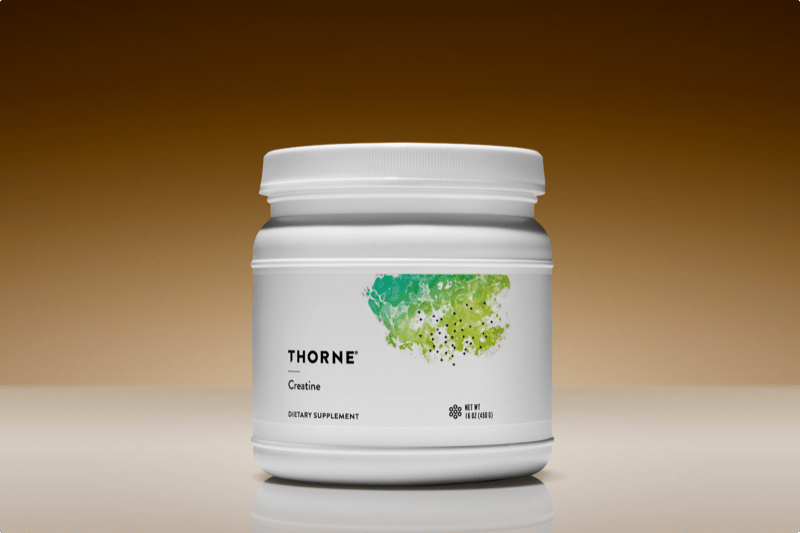
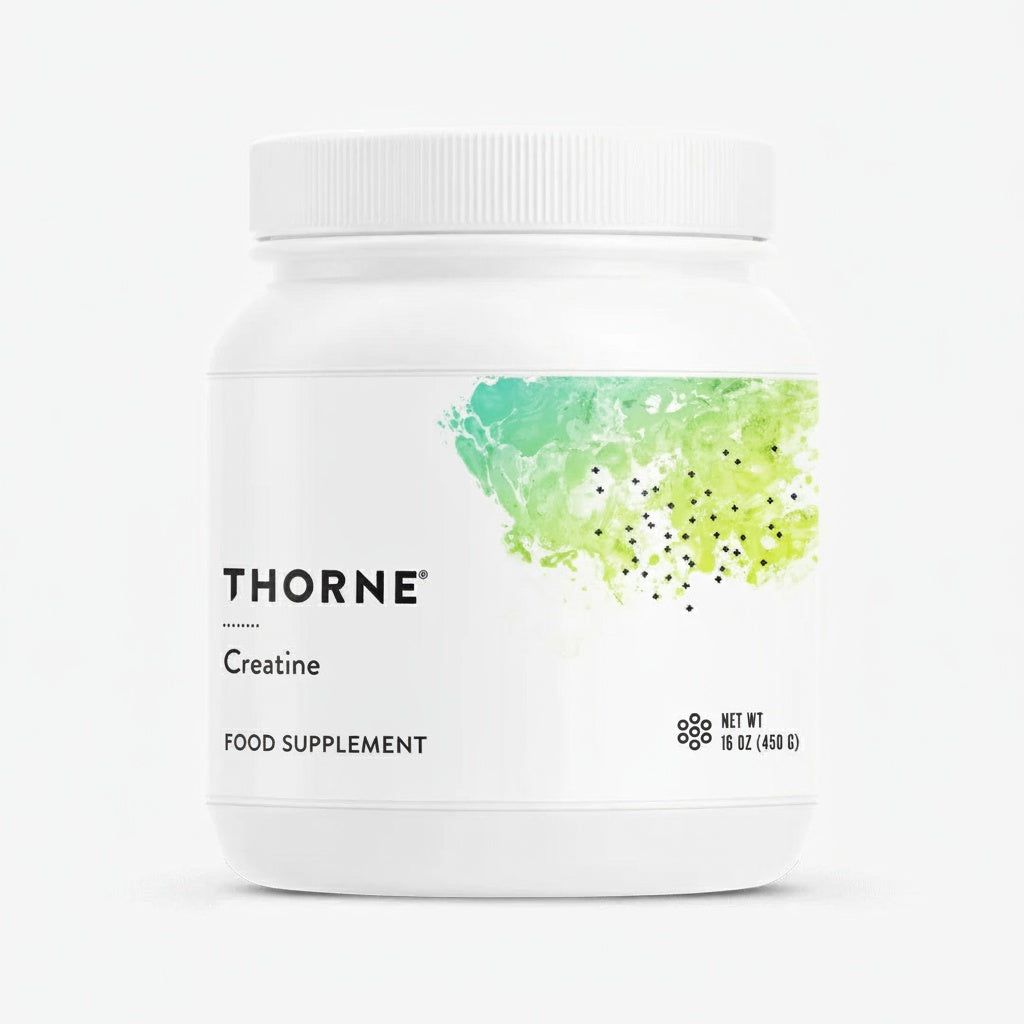
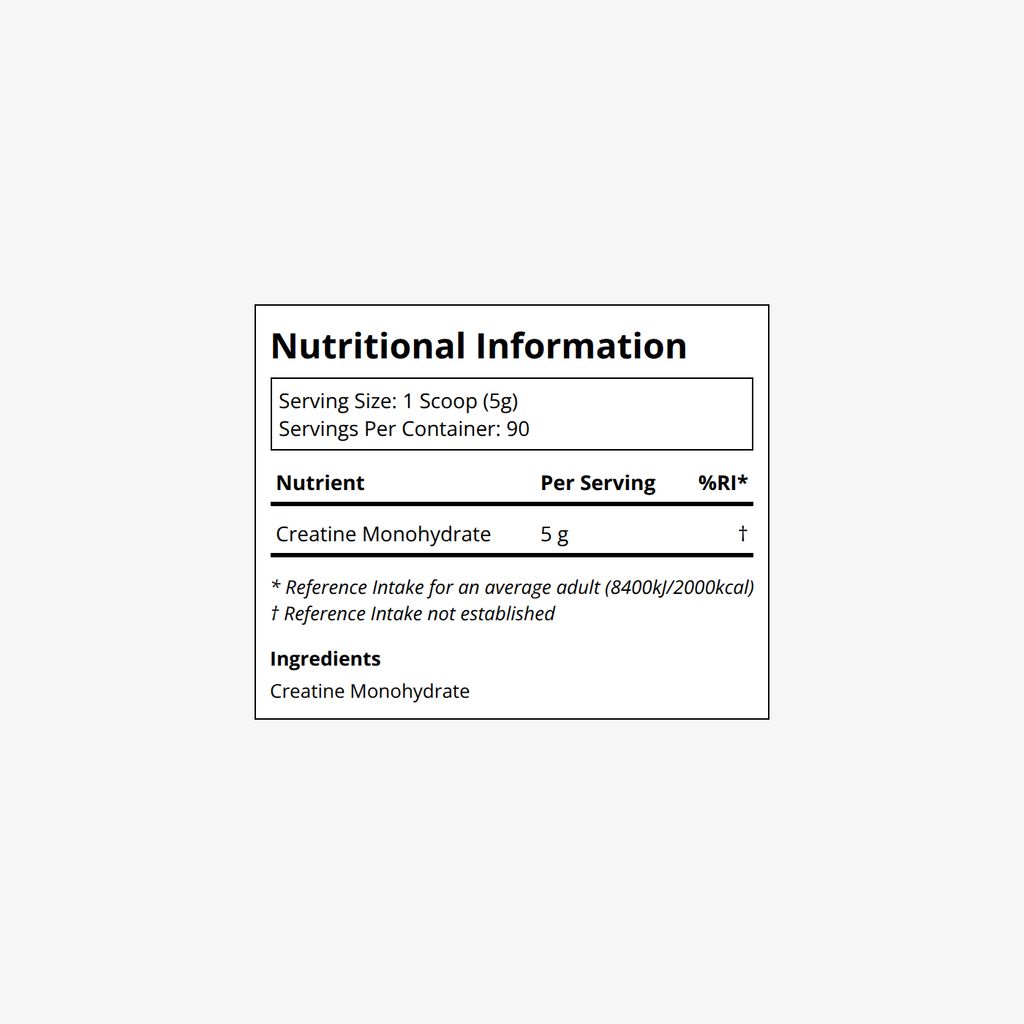
There are some compounds that can have modest effects. Caffeine can temporarily increase energy expenditure, while green tea extract and capsaicin have shown small increases in calorie burn in some studies, although the effects are generally too small to make a meaningful difference on their own. Creatine may improve training performance and help preserve muscle mass, particularly during midlife and older age.
Stephenson's preferred supplement foundations include:
- Fibre supplements where intake is low
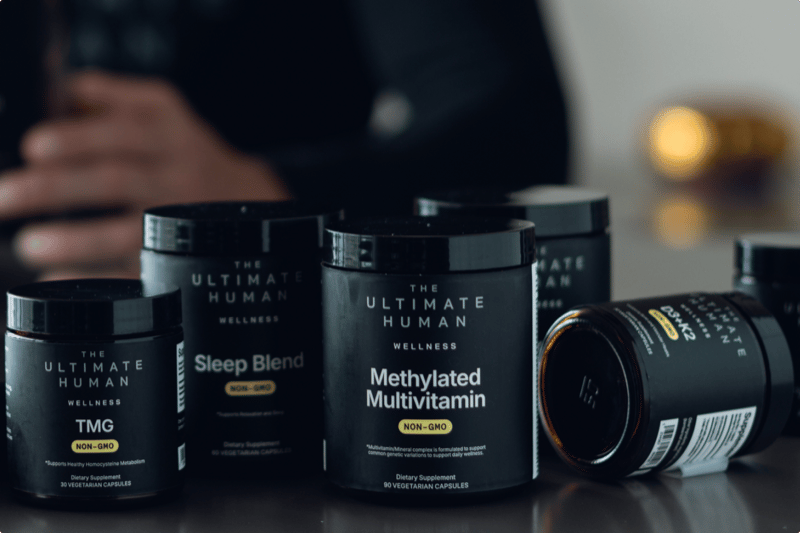
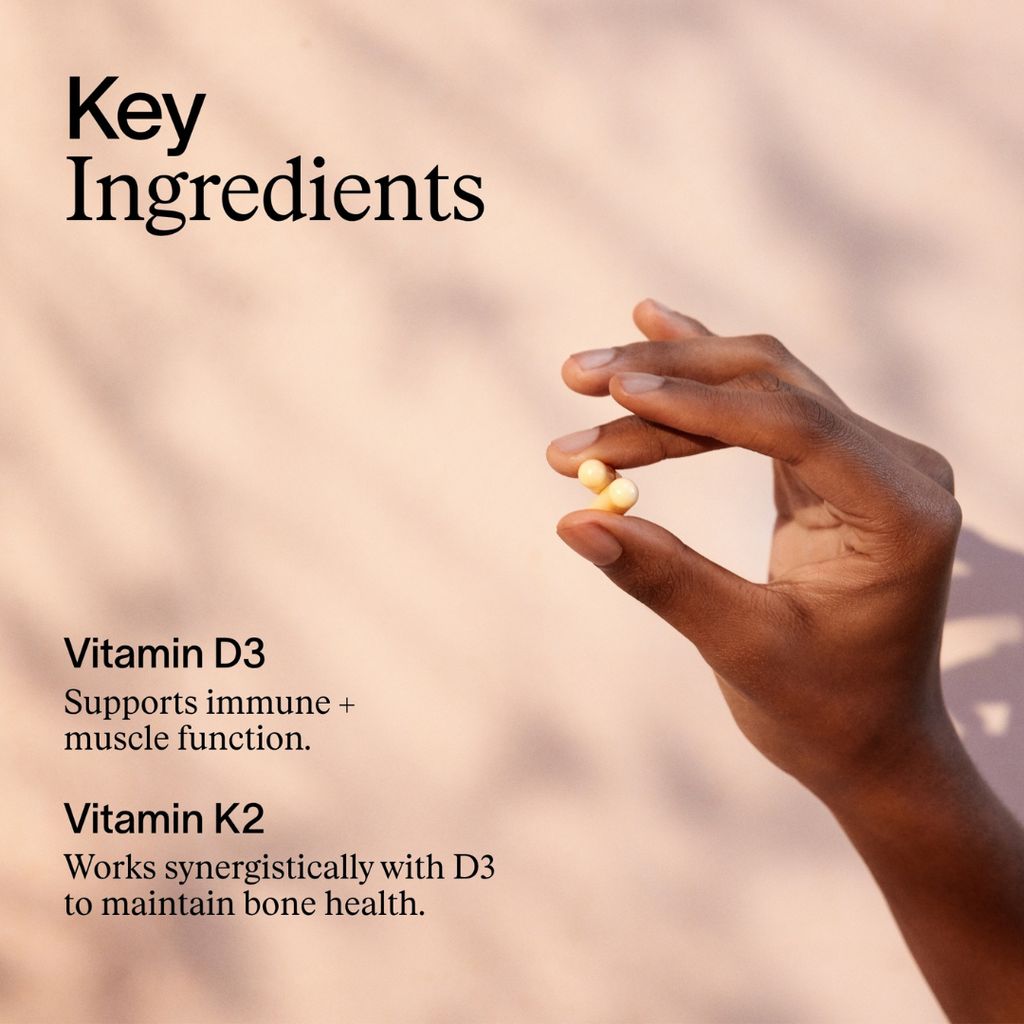
- Vitamin D3 and K2
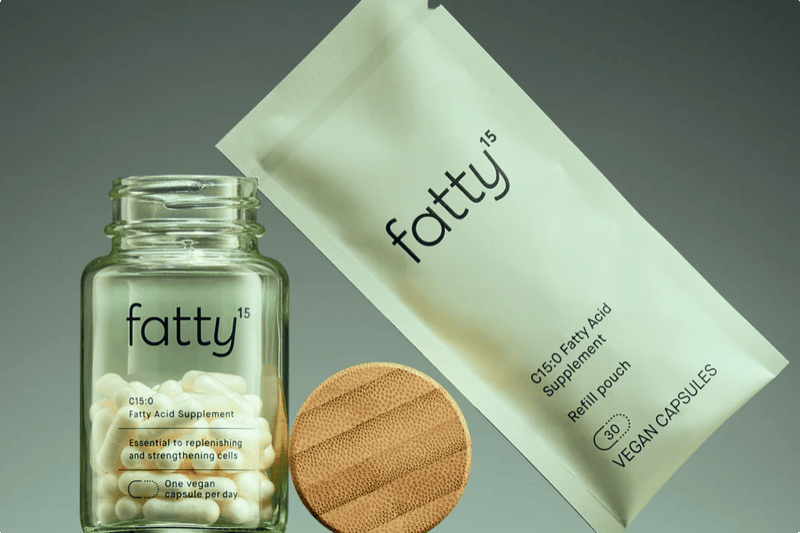
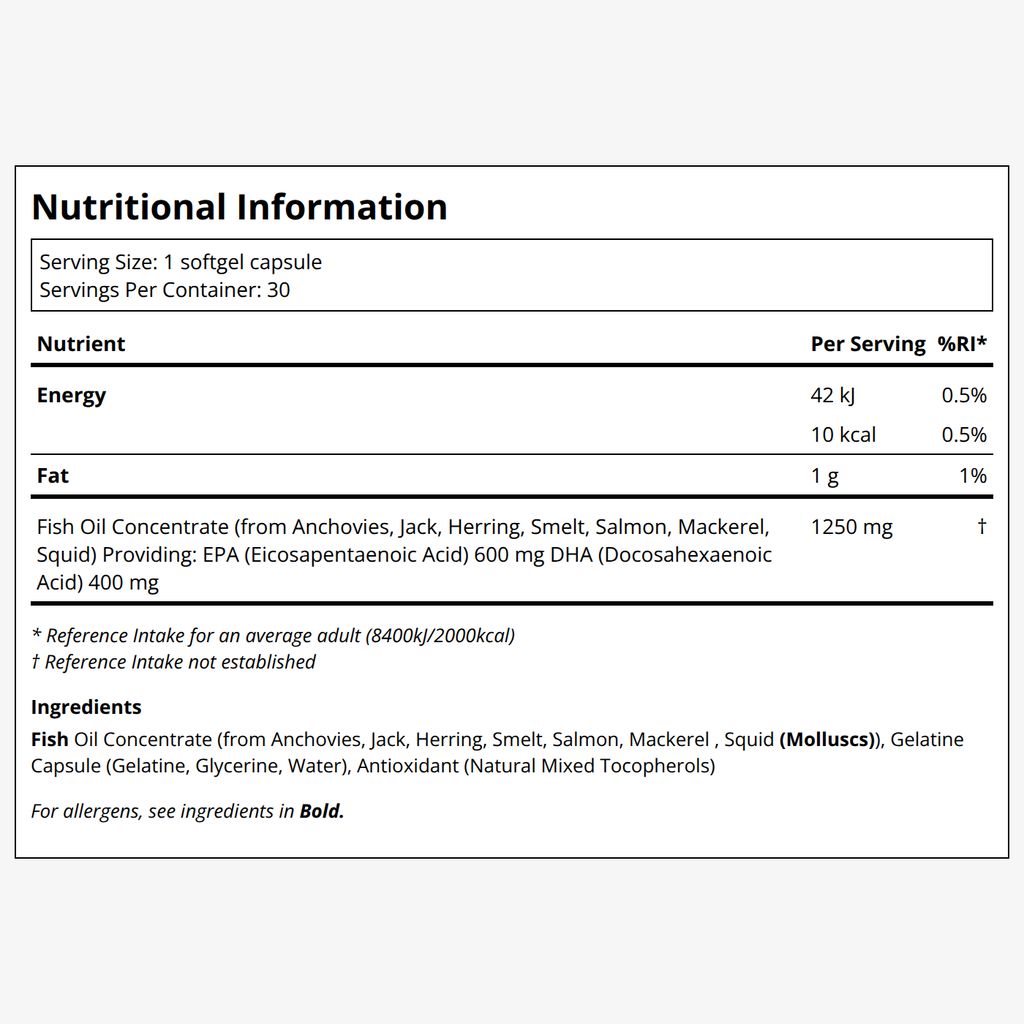
- Omega-3 fatty acids
- Creatine if you’re super for active or are in perimenopause or menopause
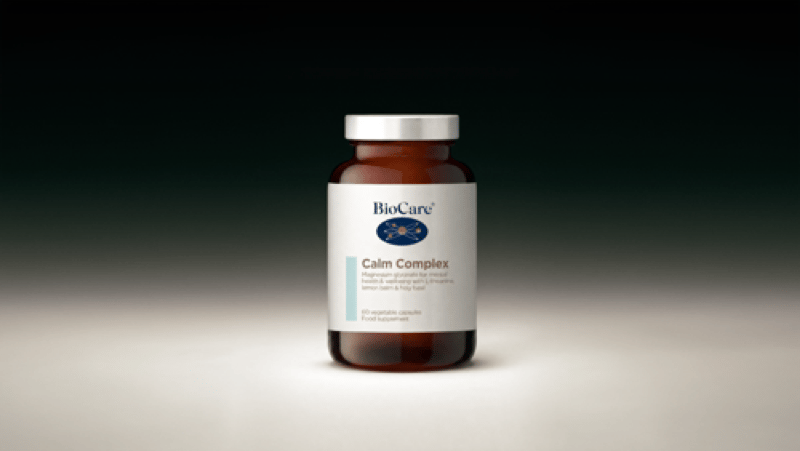
- Magnesium where stress, exercise demands or dietary intake warrant it


Biomarkers that can offer clues about metabolic health
Two people can weigh exactly the same and have very different levels of metabolic health. That's why practitioners often look beyond body weight when assessing metabolic function.
Markers such as fasting glucose, HbA1c, fasting insulin, triglycerides, HDL cholesterol and waist circumference can help create a more complete picture of how the body is regulating energy, blood sugar and cardiovascular risk.
Many of these can be measured through Healf Zone using our at-home Healf Bloods tests, helping to uncover changes in metabolic health long before they show up on the scales. Tracking them can reveal patterns that body weight alone simply can't. You can read more about this here - How To Read Blood Test Results: The Biomarkers Practitioners Look At First
Forget the hacks and focus on the basics
If you want a healthier metabolism six months from now, the answer probably isn't a supplement you haven't discovered yet. It's:
- Two strength-training sessions a week
- A protein-rich breakfast
- A walk after lunch
- Going to bed at roughly the same time each night
- Finding a way to keep stress levels in check
None of these habits are particularly revolutionary. They're just the things that show up again and again in the research. And unlike most metabolism hacks, they still work long after the trend has disappeared from your feed.
Disclaimer: Always consult your GP, healthcare practitioner or qualified exercise professional before starting a new training programme, significantly changing your diet or introducing new supplements, particularly if you have an underlying medical condition or take medication.


This article is for informational purposes only, even if and regardless of whether it features the advice of physicians and medical practitioners. This article is not, nor is it intended to be, a substitute for professional medical advice, diagnosis, or treatment and should never be relied upon for specific medical advice. The views expressed in this article are the views of the expert and do not necessarily represent the views of Healf
Samantha Nice is a seasoned wellness writer with over a decade of experience crafting content for a diverse range of global brands. A passionate advocate for holistic wellbeing, she brings a particular focus to supplements, women’s health, strength training, and running. Samantha is a proud member of the Healf editorial team, where she merges her love for storytelling with industry insights and science-backed evidence.
An avid WHOOP wearer, keen runner (with a sub 1:30 half marathon) hot yoga enthusiast and regular gym goer, Samantha lives and breathes the wellness lifestyle she writes about. With a solid black book of trusted contacts (including some of the industry’s leading experts) she’s committed to creating accessible, well-informed content that empowers and inspires Healf readers.