
















Are We Overthinking Lead In Protein Powders?
A hot topic right now, here’s what the experts really say before you ditch yours…

Written by: Samantha Nice
Written on: 3 November 2025
You’ve probably seen the latest news claiming that protein powders are contaminated with lead and rightly so, are unsure whether to be concerned that your daily shake is putting you at risk.
But like with most things, the reality is a little more nuanced. While independent investigations have detected trace amounts of lead (and other heavy metals) in some powders, the levels, risk and context vary hugely depending on the brand, protein source and even individual batches. Plant-based powders, chocolate-flavoured blends and certain mass-market mixes often show higher levels, but the story really isn’t as simple as “all protein powders are dangerous.”
Before you toss your tub of whey or vegan blend away, we’ve quizzed the experts to help get the real facts, understand where the metals come from and what you can do to minimise exposure.
The truth behind the protein powder panic
The recent online uproar regarding lead in protein powders started when investigations by Consumer Reports and the Clean Label Project found measurable levels of heavy metals such as lead in a range of popular brands. From there, the headlines took off, with social media going wild for claims that our daily shakes were ‘toxic’. So what’s really going on?
“Lead and other metals can end up in powders because the raw ingredients absorb them from soil or water,” explains Samantha Mare, registered nutritionist. “That’s why we tend to see slightly higher levels in plant-based proteins like pea, soy or rice and especially in chocolate-flavoured blends, since cocoa plants are particularly efficient at drawing metals from the soil.”
Harriet Renkin, performance nutritionist, agrees, noting that this isn’t a case of companies adding contaminants, but rather a natural byproduct of where and how ingredients are grown. “Lead exists naturally in soil and water,” she says. “When crops absorb it, trace amounts can carry through into the final product. Cocoa is a common culprit because tropical soils can be richer in heavy metals due to volcanic geology or fertiliser residues.”
Even “clean” or “organic” labels don’t guarantee purity. As Samantha points out, “Organic means no synthetic fertilisers or pesticides… It doesn't mean the soil is metal-free. The most reliable way to know if a product is low in heavy metals is to look for transparent brands that test every batch and publish their results.”
Why context is everything
It’s important to remember that the presence of lead doesn’t automatically mean danger. Trace amounts are common in many foods (like spinach and sweet potatoes) simply because they’re grown in the ground. What matters is how much, how often and for who.
“Some powders do contain elevated lead, but the actual risk varies by product, user and total exposure,” says Harriet. The confusion, both experts explain, comes from the way different safety standards are applied. “California’s Proposition 65 is one of the strictest benchmarks in the world,” says Samantha. “It flags products that would be considered safe under FDA or WHO guidance. That’s why the same lab result might sound terrifying in one headline and acceptable in another.”
So, are all protein powders suddenly unsafe? Not at all. The real takeaway isn’t panic - it’s perspective. The industry simply needs better transparency, consistent testing and clearer communication about what’s in each tub.
As Samantha puts it, “Recent reports are useful because they show variability in the market and the need for stronger standards. But for most people, the goal isn’t to ditch protein altogether… It's to buy smarter.” Or as Harriet sums it up: “Think about awareness, not alarm. If brands are upfront with their testing data, consumers can make informed choices without fearmongering.”
How much lead is too much?
This is where the debate heats up… and where the confusion really begins. There’s technically no known “safe” level of lead exposure. Even very low amounts have been linked to measurable effects on brain development in children. But that doesn’t mean every trace detection equals danger. Instead, agencies use reference levels to help gauge risk.
“The FDA’s interim reference level for lead from food is 2.2 micrograms per day for children and 8.8 micrograms per day for women of childbearing age,” says Harriet. “By comparison, California’s Proposition 65 limit (often cited in consumer reports) is far stricter at just 0.5 micrograms per day.”
That huge gap explains why one headline may scream ‘toxic!’ while another insists ‘well within limits.’ As Samantha puts it, “Because benchmarks differ so widely, the same product can be described as ‘above’ one standard but ‘below’ another. That’s why context really does matter. The key is not whether a product contains any lead, but whether its contribution to your total daily exposure is significant.” For most healthy adults, the answer is: probably not. A single serving from a reputable, third-party-tested brand is unlikely to push you anywhere near harmful territory - especially if your overall diet and environment are low in lead exposure.
Who should be most cautious
Not everyone’s risk is equal. “Pregnant women, those who are breastfeeding, infants, and young children are the most sensitive,” says Samantha. “Even small increases in exposure have been said to affect brain and nervous system development.”
Harriet agrees, adding that those with kidney disease or other conditions that affect toxin excretion should also be extra careful. “Your kidneys play a big role in filtering out heavy metals. If that system is compromised, even modest exposure can have a bigger impact.”
Then there are lifestyle factors: people who consume large quantities of supplements daily (especially plant-based blends) can unknowingly accumulate higher levels over time. “If you’re drinking multiple shakes a day or using protein as a meal replacement, you’ll want to be more selective and seek out batch testing results,” Harriet advises.
A closer look at the possible risks
The known health effects of lead come down to dose + duration + vulnerability. Chronic exposure (even at low levels) has been linked to reduced IQ in children, increased blood pressure, kidney strain and potential reproductive effects in adults.
But for someone who uses protein powder occasionally, the added risk is minimal. “If you’re healthy, use a low-contaminant brand, and get most of your protein from whole foods, the overall exposure is tiny,” says Samantha. “The concern is for those with high cumulative intake (AKA multiple scoops, every day) from powders that haven’t been properly tested.” Harriet puts it simply. “It’s not about fear - it’s about balance. Protein powders can be a convenient part of a healthy lifestyle, but they shouldn’t be your sole source of nutrition.”
How to choose a protein powder
So what can you actually do? Here are a few practical steps that can make all the difference:
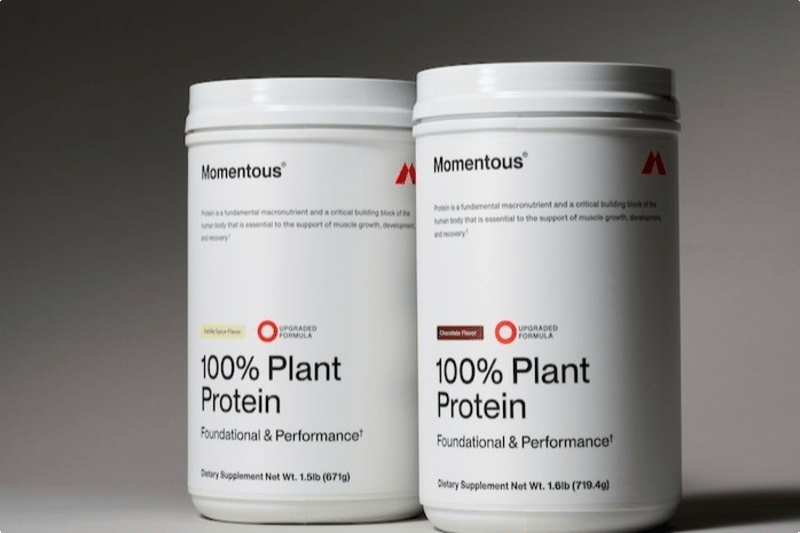
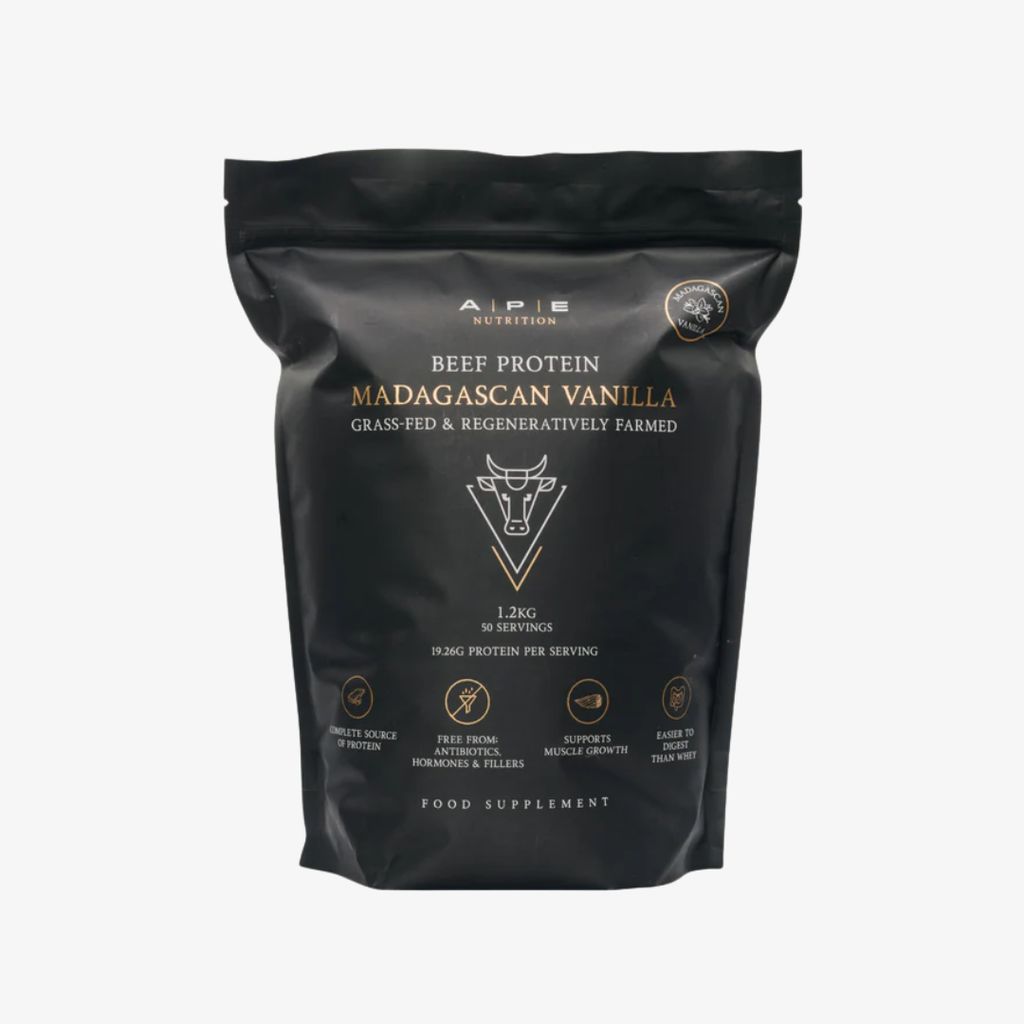
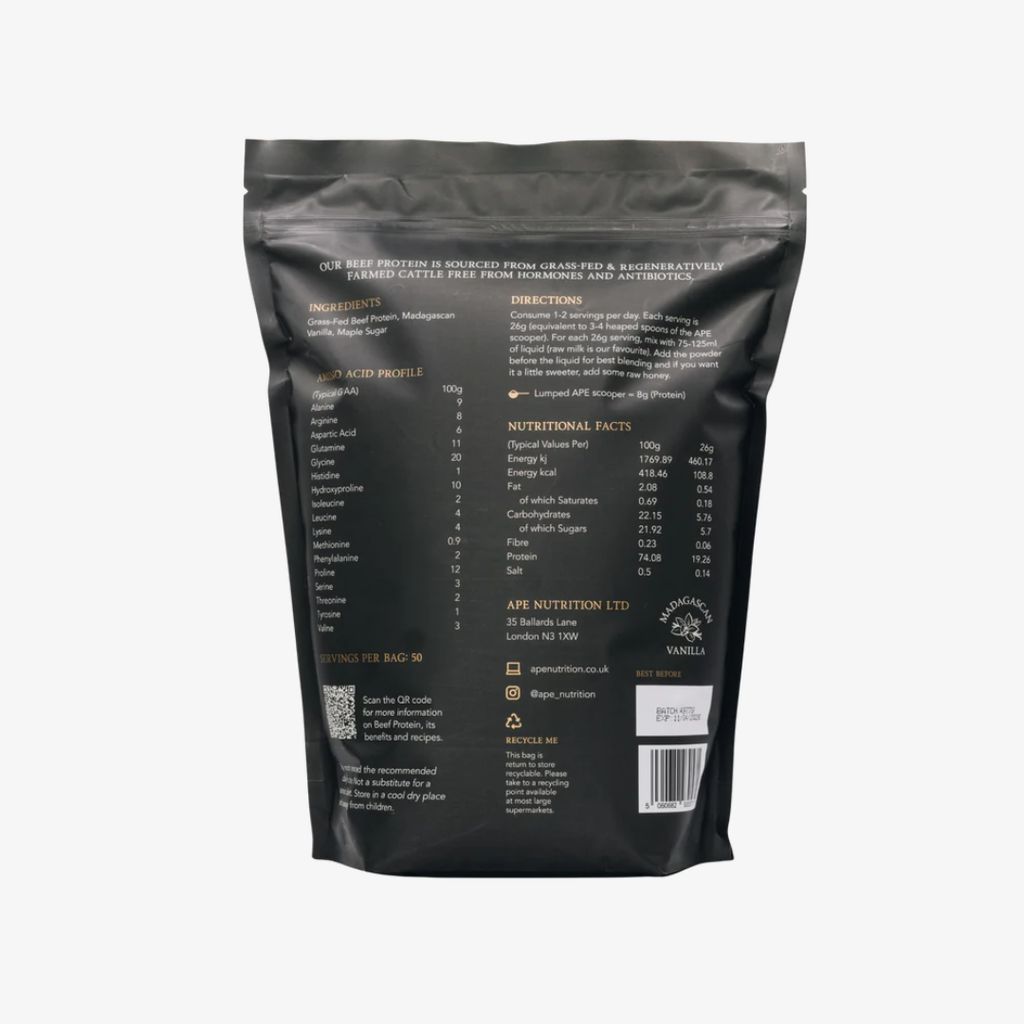
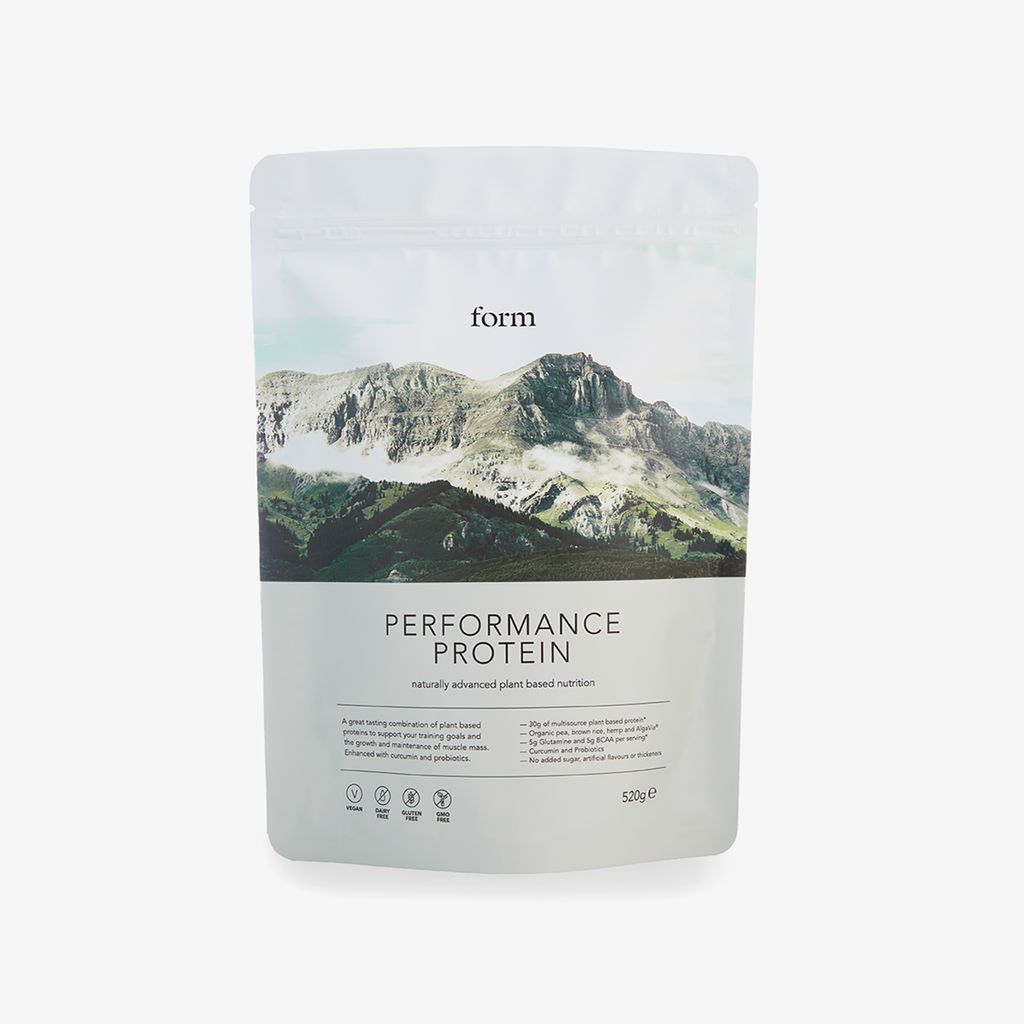
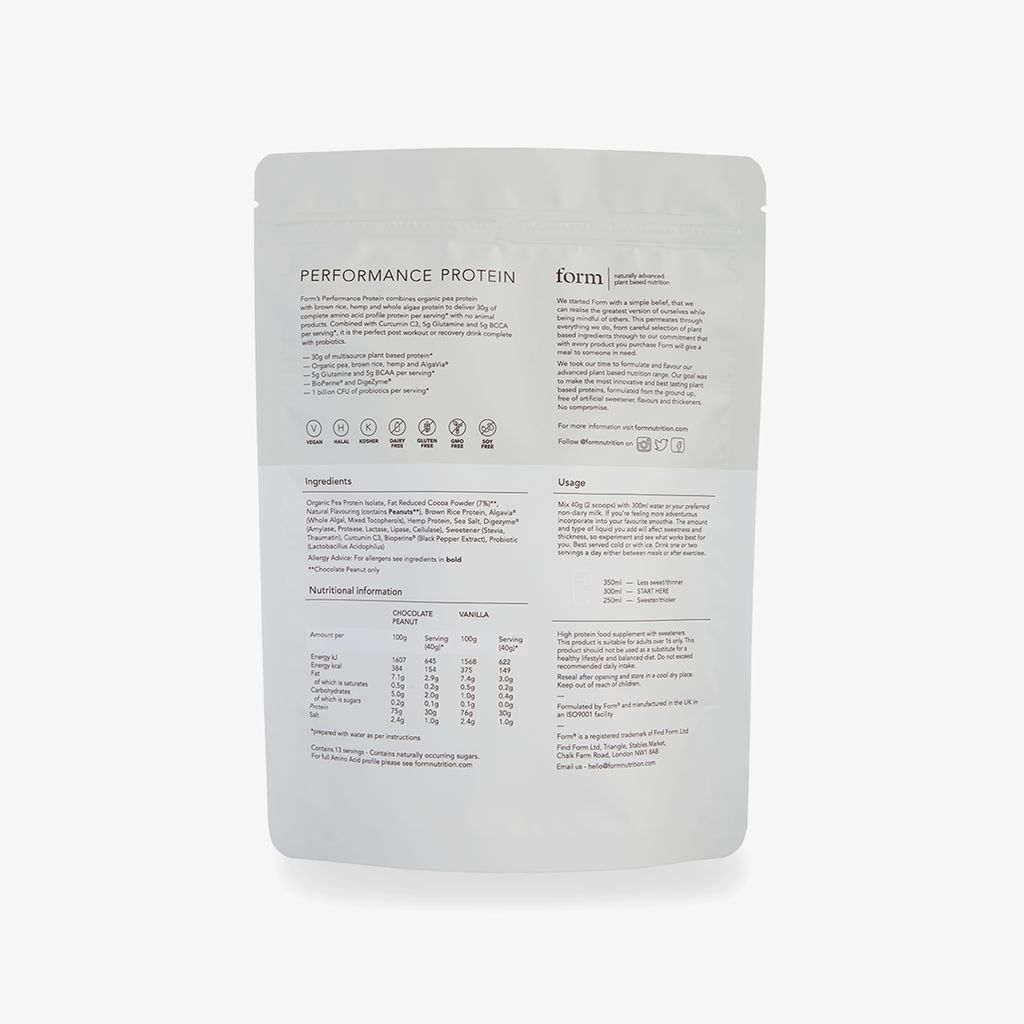
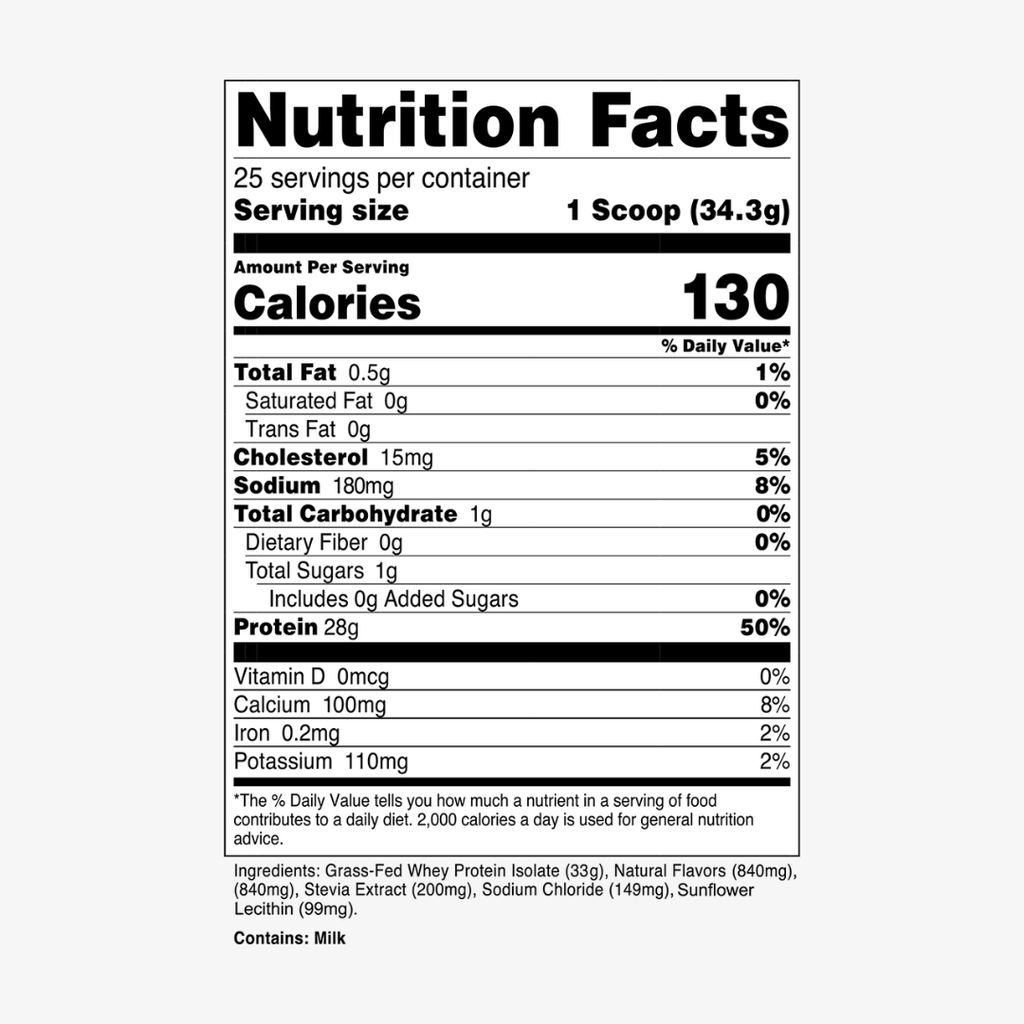
1. Look for third-party testing or certification Seek out seals from organisations like NSF Certified for Sport, Informed Choice or USP Verified. These programmes test for contaminants, including heavy metals and confirm that what’s on the label matches what’s actually in it.
2. Ask for a Certificate of Analysis (CoA) “The best brands publish batch-specific test results showing exactly how much lead, cadmium, arsenic and mercury their products contain,” says Samantha. “If a brand won’t share this data, that’s a red flag.”
3. Choose lighter flavours If you’re particularly concerned, skip chocolate varieties as they consistently test higher due to cocoa’s natural metal uptake.
4. Rotate your sources Avoid relying exclusively on one powder. “Use a mix of high protein foods (like eggs, dairy, meat and fish) and rotate your supplements,” Harriet suggests. “Diversifying reduces your risk from any single source.”
5. Don’t assume ‘organic’ means metal-free As both experts emphasise, soil contamination can affect both conventional and organic crops. Testing, not labelling, is what matters.



The bottom line
Yes, some protein powders contain measurable lead, but as mentioned, the risk depends on how much and how often. The current headlines have brought valuable attention to an issue that needs more transparency, but it’s also sparked some unnecessary panic.
“The goal isn’t to avoid all protein powders. It’s to choose the ones that are transparent, properly tested and responsibly made,” says Samantha. Harriet agrees: “Awareness is power. With better testing and informed choices, protein powders can remain a safe, effective, and convenient way to hit your nutrition goals… without the heavy metal drama.”

This article is for informational purposes only, even if and regardless of whether it features the advice of physicians and medical practitioners. This article is not, nor is it intended to be, a substitute for professional medical advice, diagnosis, or treatment and should never be relied upon for specific medical advice. The views expressed in this article are the views of the expert and do not necessarily represent the views of Healf
Samantha Nice is a seasoned wellness writer with over a decade of experience crafting content for a diverse range of global brands. A passionate advocate for holistic wellbeing, she brings a particular focus to supplements, women’s health, strength training, and running. Samantha is a proud member of the Healf editorial team, where she merges her love for storytelling with industry insights and science-backed evidence.
An avid WHOOP wearer, keen runner (with a sub 1:30 half marathon) hot yoga enthusiast and regular gym goer, Samantha lives and breathes the wellness lifestyle she writes about. With a solid black book of trusted contacts (including some of the industry’s leading experts) she’s committed to creating accessible, well-informed content that empowers and inspires Healf readers.