


















Which Protein Powder Should I Use? A Guide To Help Find The Best Type For You
There's a lot of noise around this little macro, but it's hard to know which type of protein supplement might be right for you. Here's a full breakdown.

Written by: the Healf Editors
Written on: 15 January 2026
With so many protein powders on the market and everyone everywhere telling us we need to up our protein it can be daunting to know which one is right for you?
Including a protein powder is are a quick, easy and convenient way to reach your protein targets whether you’re an athlete, fitness enthusiast or anyone looking to hit their protein goals. Protein is key to support a myriad of things from muscle recovery and growth, metabolism, satiety, blood sugar levels, recovery and contribute to overall health. The right one for you depends on your goals, dietary restrictions and preference.
Discovering the different types of protein powder
Whey Protein:
A the liquid material created as a by-product of cheese production that is rich in amino acids like leucine that are key in muscle synthesis.
Best for: Muscle building, post workout recovery and athletic performance.
Types of Whey Protein:
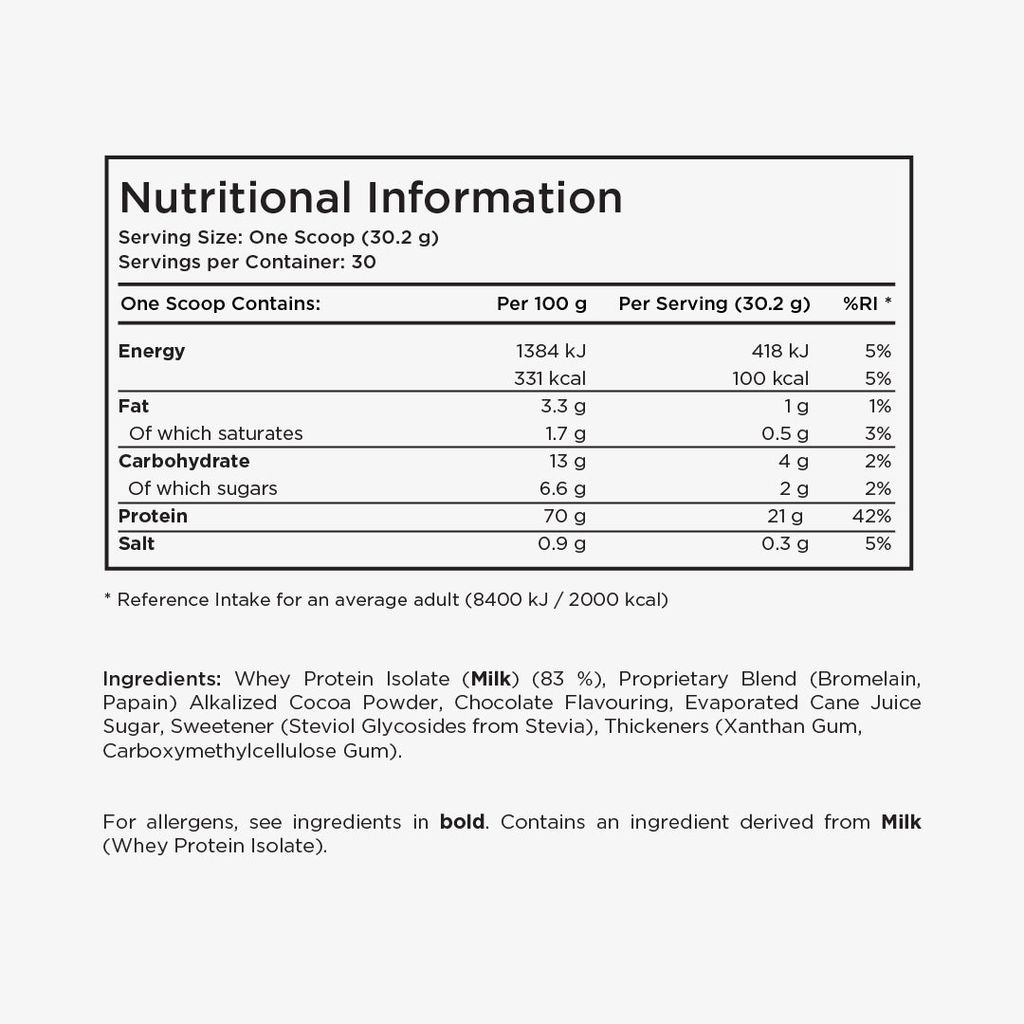
Whey Concentrate: 75% protein content containing fats and carbohydrates that make it more tasteful but higher in calories.
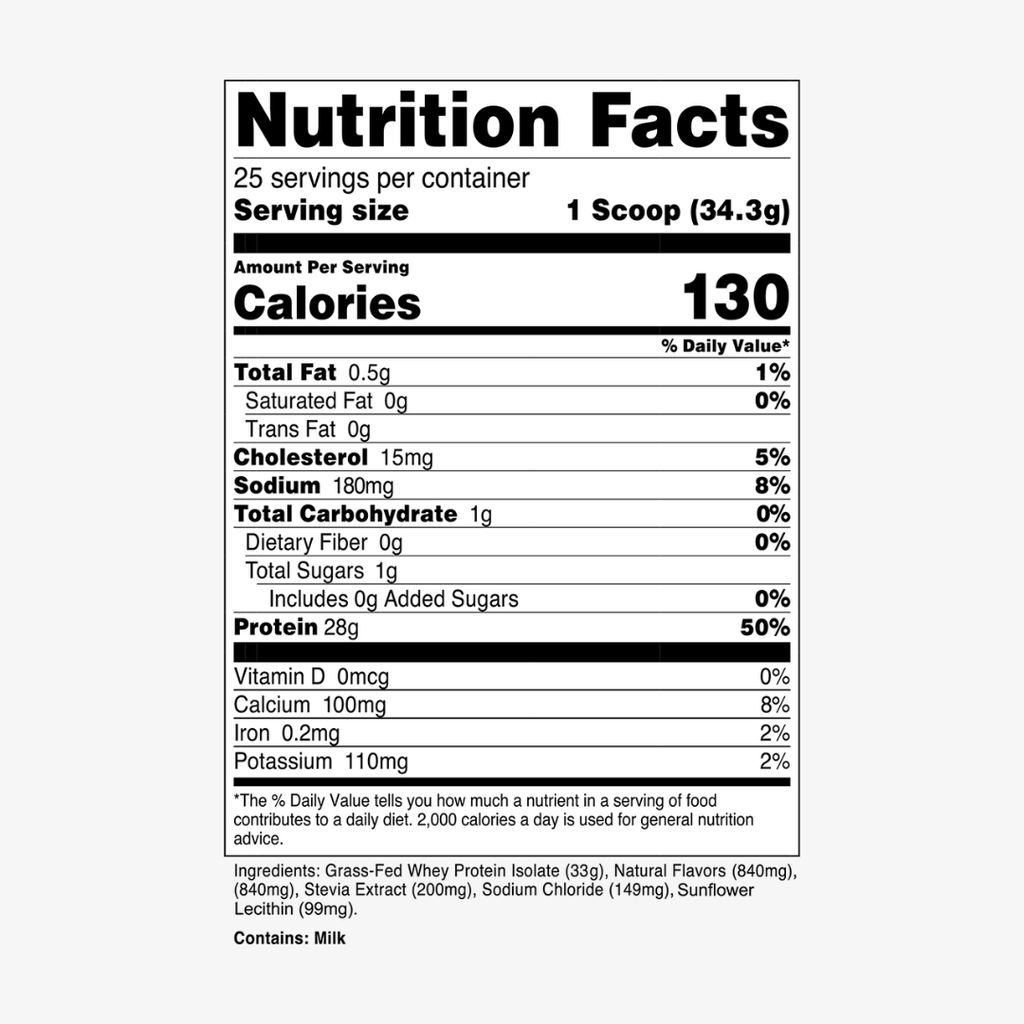
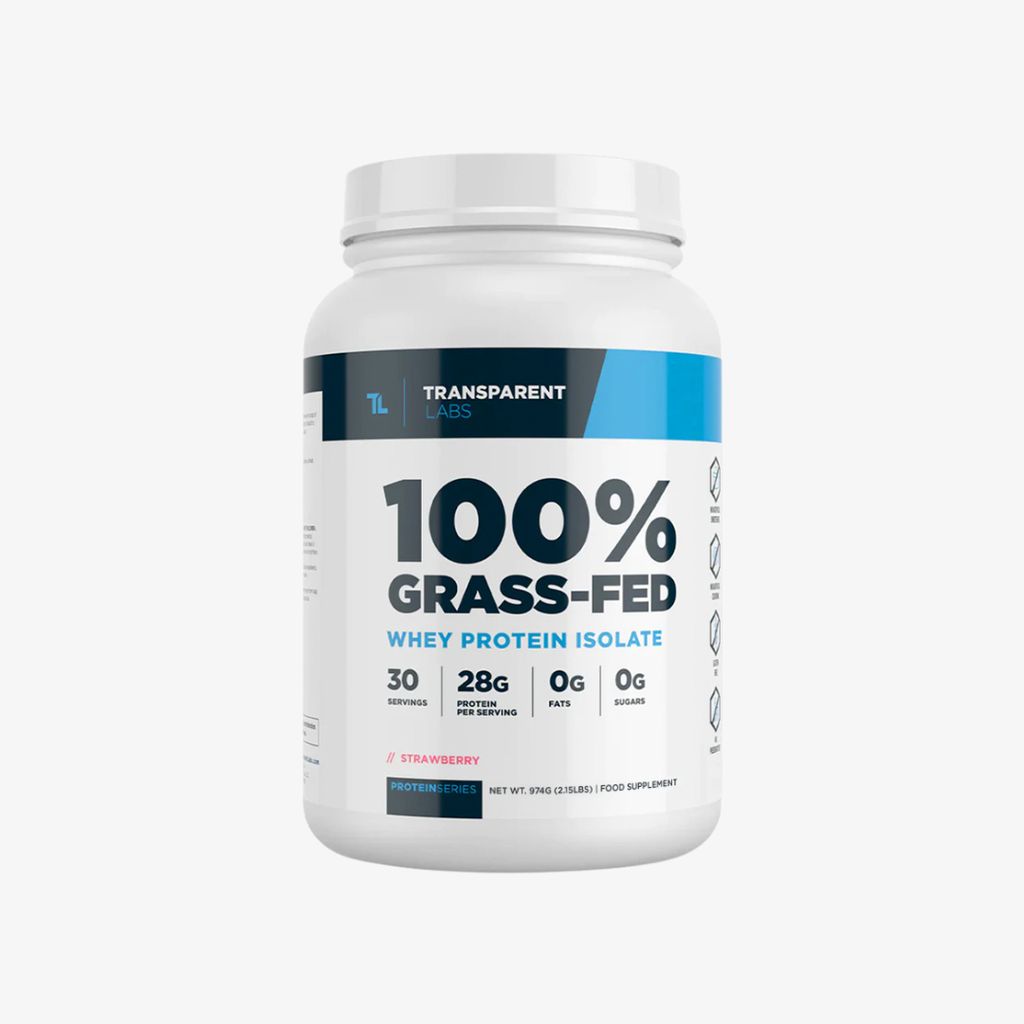
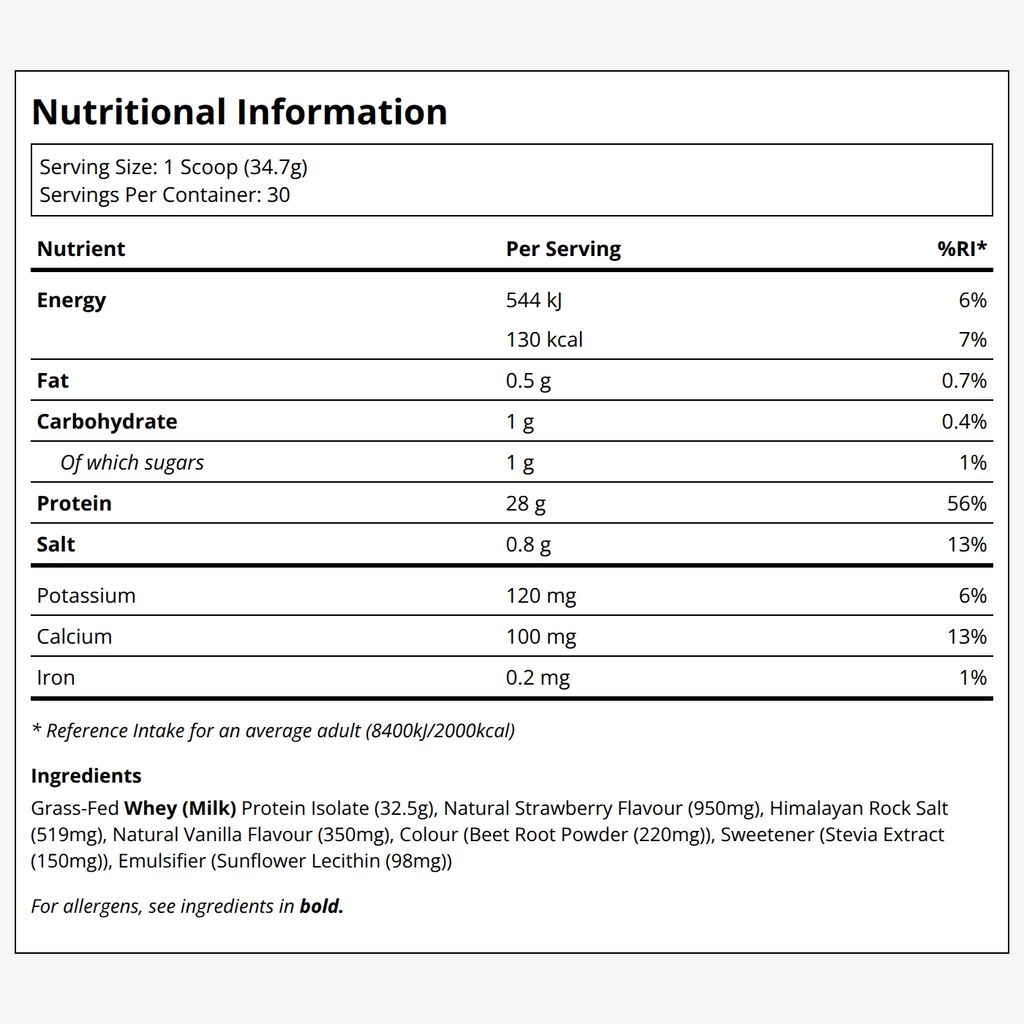
Whey Isolate: This type is filtered removing most of its fat and carbohydrates making it higher in protein 90% and lower in lactose and calories making it suitable for those with lactose intolerance.
Hydrolysed Whey: This type is predigested for faster absorption. It's excellent for post workout as it is fast absorbing. It is usually quite bitter tasting and more on the expensive side.


Casein Protein
Casein is the other main milk protein besides whey with it’s slow absorbing and releasing amino acids over several hours - it's good to use at night to avoid muscle breakdown during sleep.
Best for: Those interested in overnight recovery from muscle building.
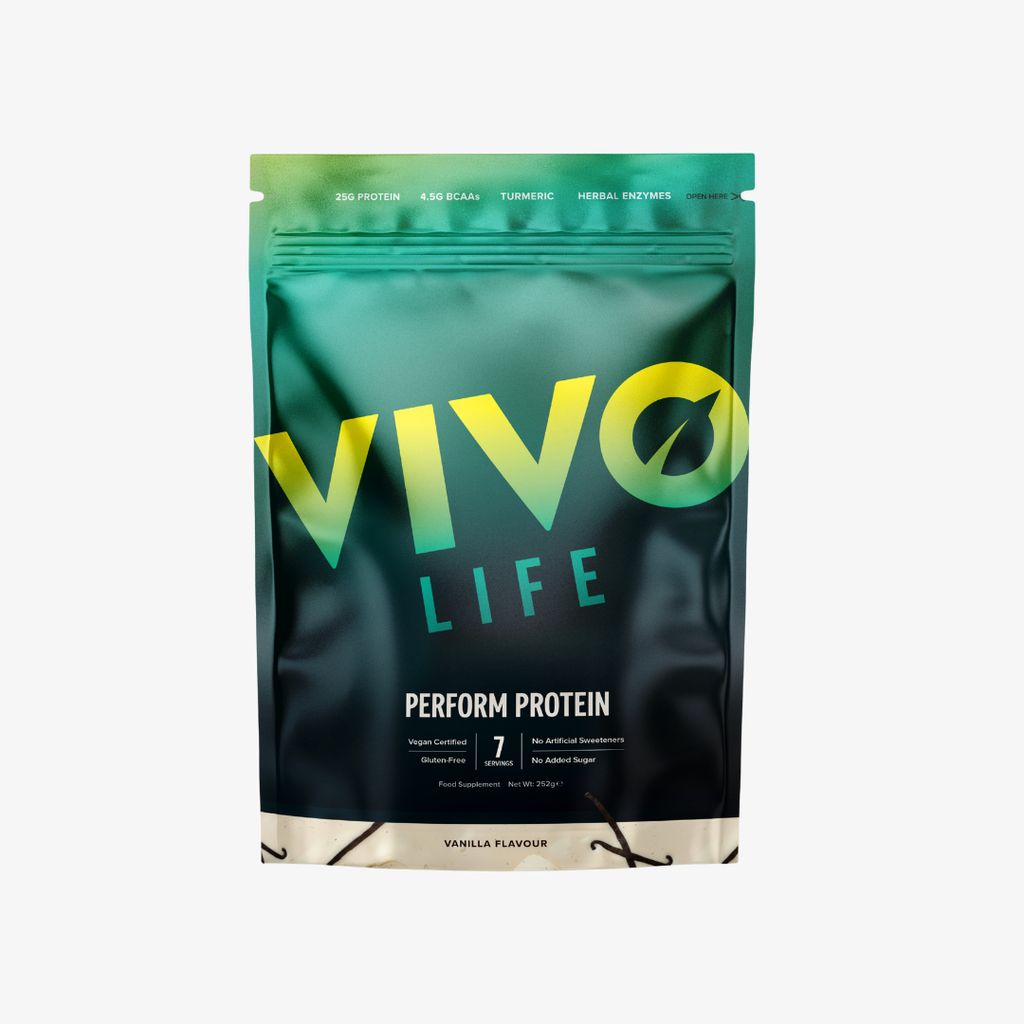
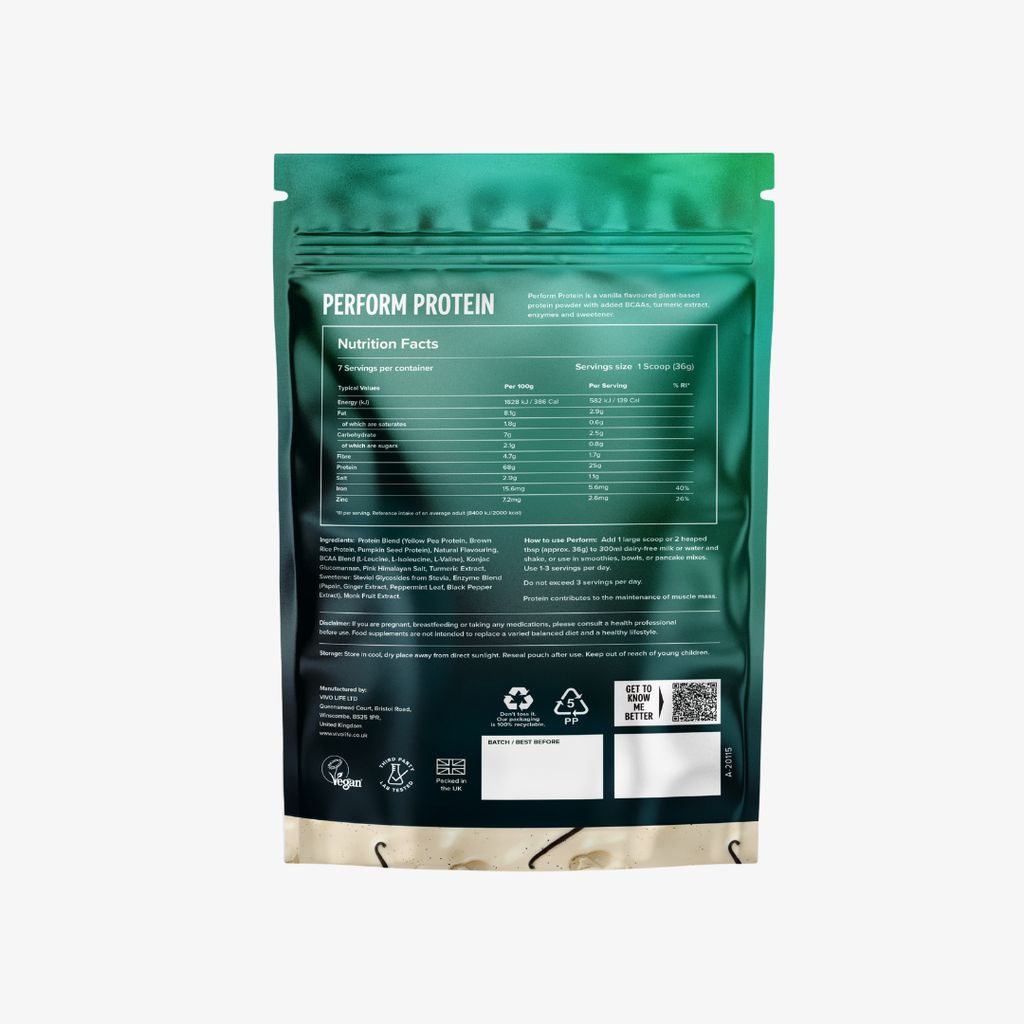
Plant-Based Proteins
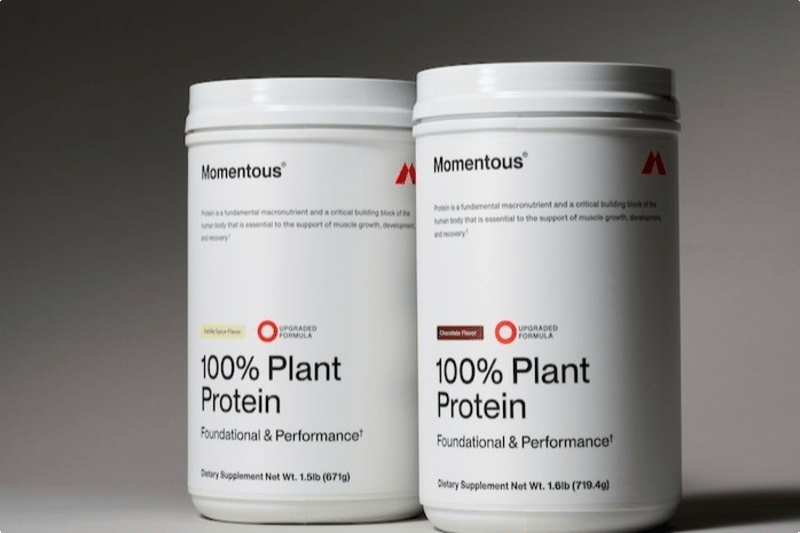
Derived from peas, brown rice, pumpkin seeds, hemp, soy and chia seeds. They are ideal for vegans, vegetarians or those with dairy intolerance. High in fibre and other nutrients and with a good amino acid profile.
Best For: Those on a plant based diet and/or are looking for a protein powder that is easy on the digestive system.
Types:
Pea Protein: High in Amino Acids often paired with rice protein to create a complete amino acid profile.
Soy Protein: Complete amino acid profile whilst being high in glutamine aiding in muscle recovery. The only downside is it contains phytoestrogens that may lower testosterone and fertility and may interfere with thyroid function for those deficient in iodine.
Hemp Protein: Contains essential fatty acids and fibre but lower in protein compared to other plant based options.
Egg White Protein
Made from egg whites making it dairy and fat free it offers a high quality complete protein free from fat and carbs.
Best for: Those looking for a complete high quality protein free from dairy. Ideal for those that are lactose intolerant and are sensitive to plant based protein powders.
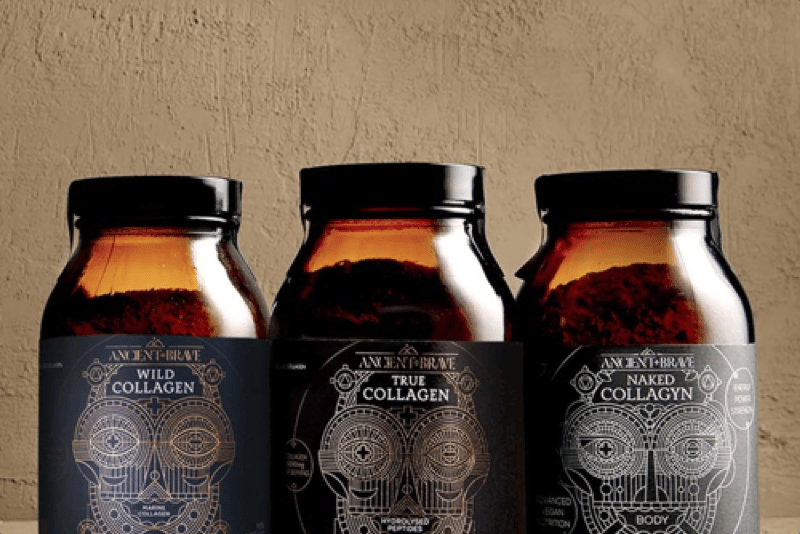
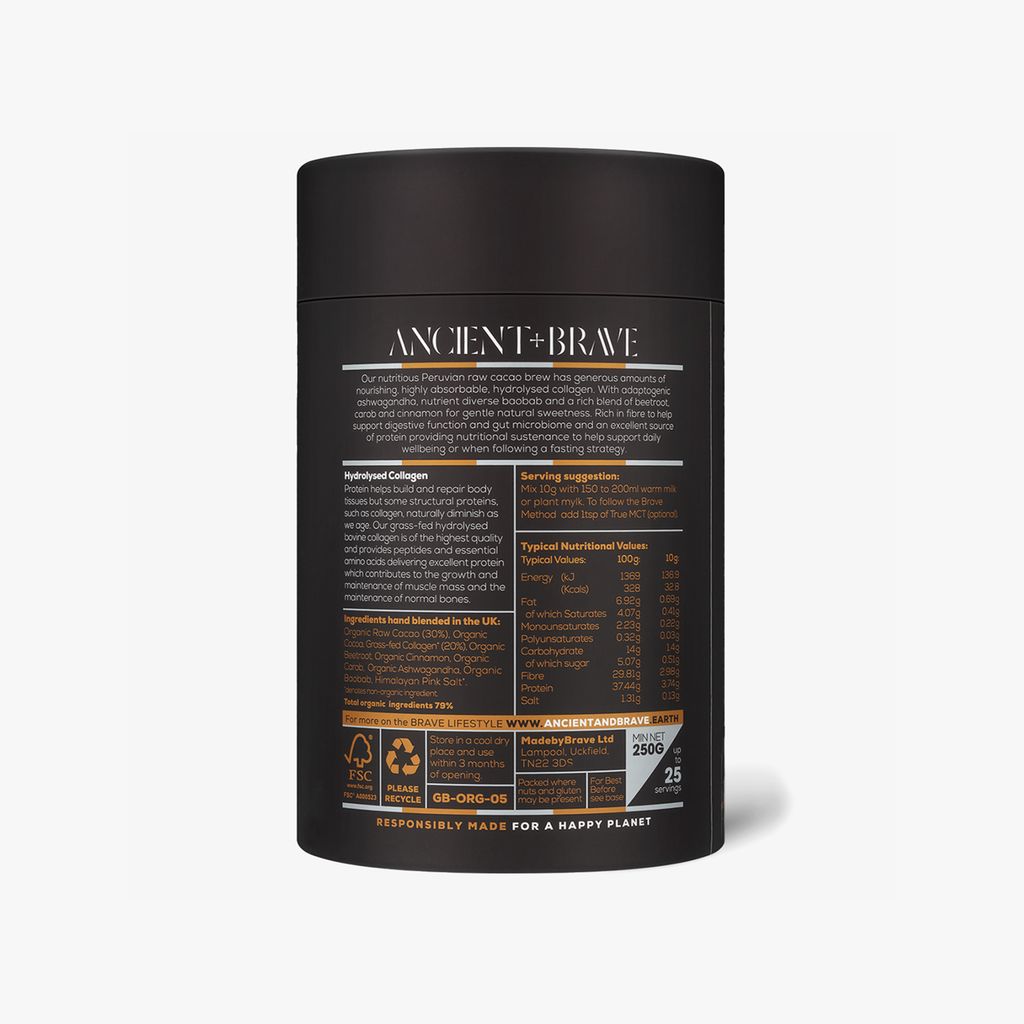
Collagen Protein
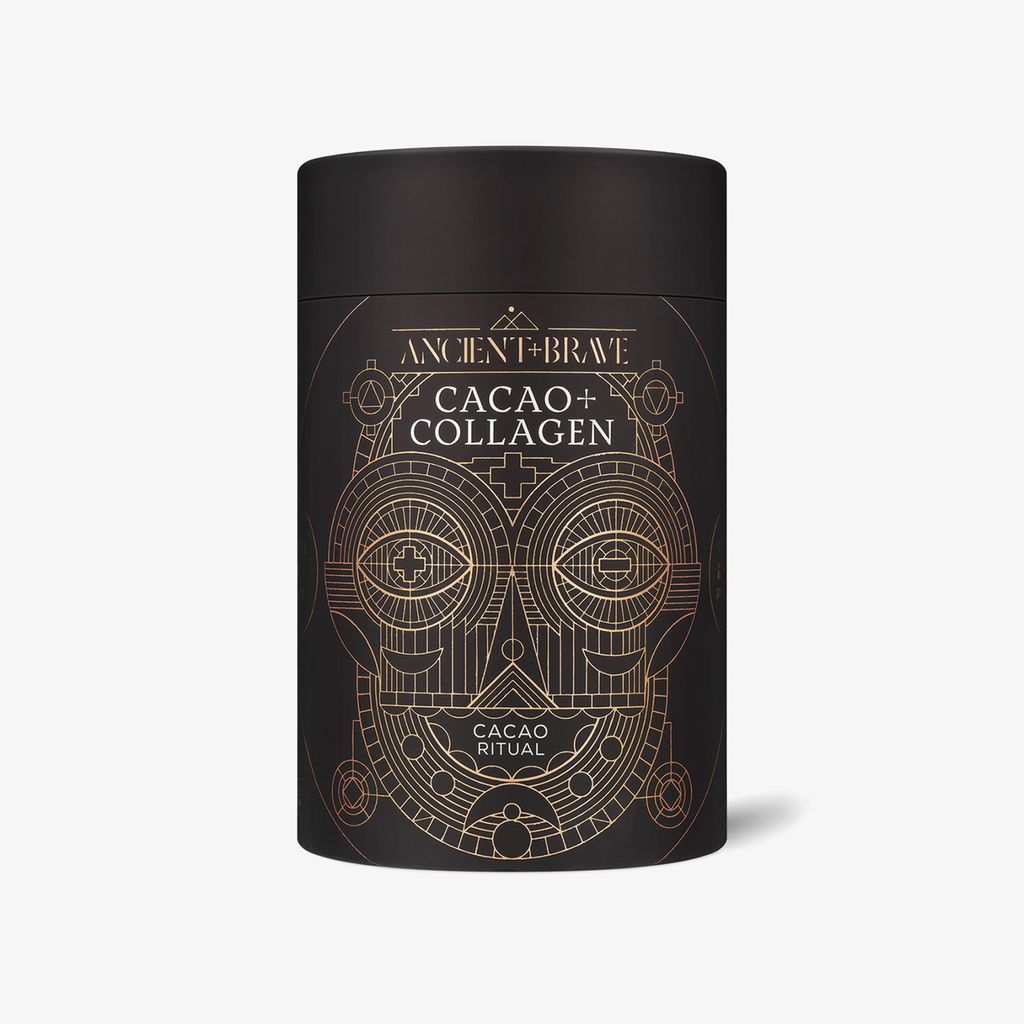
The animal tissues from fish, chicken or cattle known to supports skin, joints and bone health. Not a complete protein as it is lacking in some essential amino acids needed for building muscle.
Best for: People who need support for joints, skin and connective tissues rather than muscle building.
What are your goals?
Different protein powders work best for different purposes:
To build muscle - whey protein has a complete amino acid profile and high leucine content making it very popular for those who want to build muscle.
To lose weight - plant based protein or whey isolate have less carbohydrates and fats, keeping calories at bay.
For optimal recovery - hydrolysed Whey is excellent as it's fast absorbing and aids muscle recovery after workouts.
For those with dietary restrictions - a plant based protein or allergen friendly proteins are going to work better for those who are lactose intolerant, vegan or allergic to dairy.
Which protein powder is right for me?
Choosing the right protein powder is highly individual. It all depends on your goals, dietary needs and taste. Whey remains the top choice for those wanting to build muscle whilst Plant based proteins are great for vegans and those with dietary restrictions. No protein powder can substitute a balanced diet but can certainly be of great help in hitting those protein macros.
It is important to remember that protein powders are a supplement and as such can interfere with certain medications and it is therefore important to consult your healthcare provider if you have specific health conditions.
For Muscle building: Whey Isolate or Concentrate.
For Vegan/Plant based: Pea and Rice protein blend.
For Recovery: Hydrolysed Whey or Casein.
For Joints and Skin Health: Collagen.
For Low-Calorie Needs: Plant Protein or Whey Isolate.


This article is for informational purposes only, even if and regardless of whether it features the advice of physicians and medical practitioners. This article is not, nor is it intended to be, a substitute for professional medical advice, diagnosis, or treatment and should never be relied upon for specific medical advice. The views expressed in this article are the views of the expert and do not necessarily represent the views of Healf
Healf's editorial team works hard to produce science-backed, expert-vetted stories to break down trends and cut through the noise in the wellbeing ecosystem. Our team of writers and editors specialise in everything from nutrition, to exercise science, women's health, skincare, sleep, and more.