





















_2026-10-13_14-11-48.png)


The Best Non-Toxic Swaps That Actually Make A Difference
A low-effort, high-reward guide to non-toxic living, with the swaps that actually make a difference from cookware and cleaning to skincare and scenting.

Written by: Samantha Nice
Written on: 27 January 2026
These days, it feels like there’s a constant stream of news about the potential chemicals and toxins in our lives: the plastic water bottle on your desk, the coating on your non-stick pan, the ingredients in your skincare, the cleaning spray under your sink and even the candle in your lounge. The list is overwhelming.
Studies suggest the average adult is exposed to hundreds of synthetic chemicals daily, many of which are linked to hormone disruption, inflammation and low-grade stress on the body’s detox systems. While it’s impossible to be zero-tox, the good news is that a few smart swaps (especially in your most-used products) can have a meaningful impact on lowering your overall exposure.
Here, we’ve curated the best non-toxic swaps - the alternative products that cut the biggest chemical load without costing your aesthetic or everyday ease. From cookware and cleaning, to skincare, deodorant and fragrances, these switch-ups are simple but can genuinely transform how your home feels and works.
Why toxin load matters (and what the science says)
“Toxin load” is basically the total amount of toxins, chemicals, and harmful stuff your body either encounters in your day-to-day… Think everyday chemicals like household product residues, air pollution, plastics, synthetic fragrances and the trace materials your skin absorbs from products you use on repeat.
It’s rarely one product that makes a big difference; it’s the build-up over time. Even low-level exposure from multiple different sources can create a “load” of toxins that your body has to constantly process. Some research suggests this exposure may cause inflammation while also affecting important biological functions like hormone signalling and immune function.
In the UK, environmental inquiries have looked at how chemicals from everyday products (including flame retardants, plastics and other manufactured substances) can be found in indoor air, dust, food, and even bodily tissues. These reports highlight that exposure comes from very ordinary items like furniture and electronics.
Two buzzy terms that come up a lot include “PFAS” and “endocrine disruptors”:
PFAS (per- and polyfluoroalkyl substances) are a large family of synthetic compounds. They’re often called “forever chemicals” because they don’t easily break down in the environment or in the body. They’re widely used in products for their water, stain and grease-resistant properties, from cookware coatings to workout gear. You can read more about them here.
Endocrine disruptors are compounds that can interfere with natural hormone signalling. There’s still a lot we don’t know about these compounds, and they’re the focus of lots of current scientific studies. There are more than a thousand potential endocrine disrupting chemicals identified, spread across plastics, preservatives, cosmetics and more.
Living a low-tox life isn’t about fearmongering or perfection. Occasional contact with chemicals doesn’t automatically mean harm. In fact, it’s completely normal to live with some degree of exposure—and total avoidance isn’t realistic. But it can be useful to think about your overall “chemical load” in a practical, upgrade-focused way and make smart choices where they matter most.
A few simple swaps to the products you use most often can do the trick. Think of it as upgrading your everyday essentials, not overhauling your entire world.
The best non-toxic swaps that make the biggest difference
Not all swaps are equal. Some changes barely move the needle, while others, like what’s in your cookware or cleaning cupboard, can significantly reduce your daily chemical load. Here are the highest-impact non-toxic swaps, grouped by everyday categories…
Cookware
Why it matters: Your pans and baking trays are in constant contact with heat and food which is why cookware is one of the biggest “bang for your buck” swaps.
Traditional non-stick pans are typically made with fluorinated coatings called Teflon (or PTFE). Older pans also tend to have chemical coatings made with PFOA, which is in the PFAS group. While non-stick pans are supposed to be convenient, when they’re overheated, scratched or worn, the coating can break down more easily, releasing harmful chemicals. Upgrading your most-used pieces can meaningfully reduce your everyday exposure.
The swaps to make:
Swap scratched or worn non-stick pans for new, non-toxic options.
Swap traditional non-stick coatings for ceramic-coated.
Swap high-heat cooking in non-stick pans for stainless steel or cast iron.
Swap non-stick baking trays for stainless steel, glass or uncoated alternatives.
Swap metal utensils for wooden or silicone.
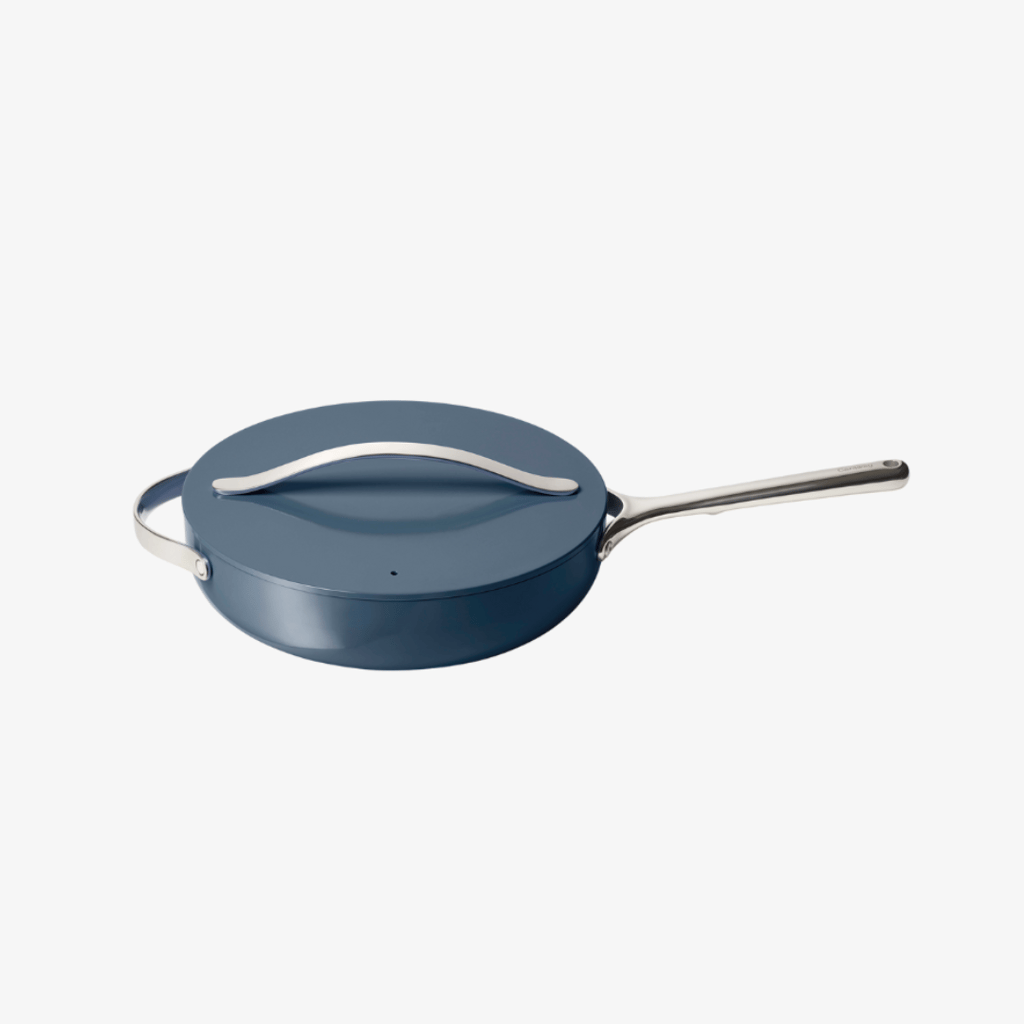
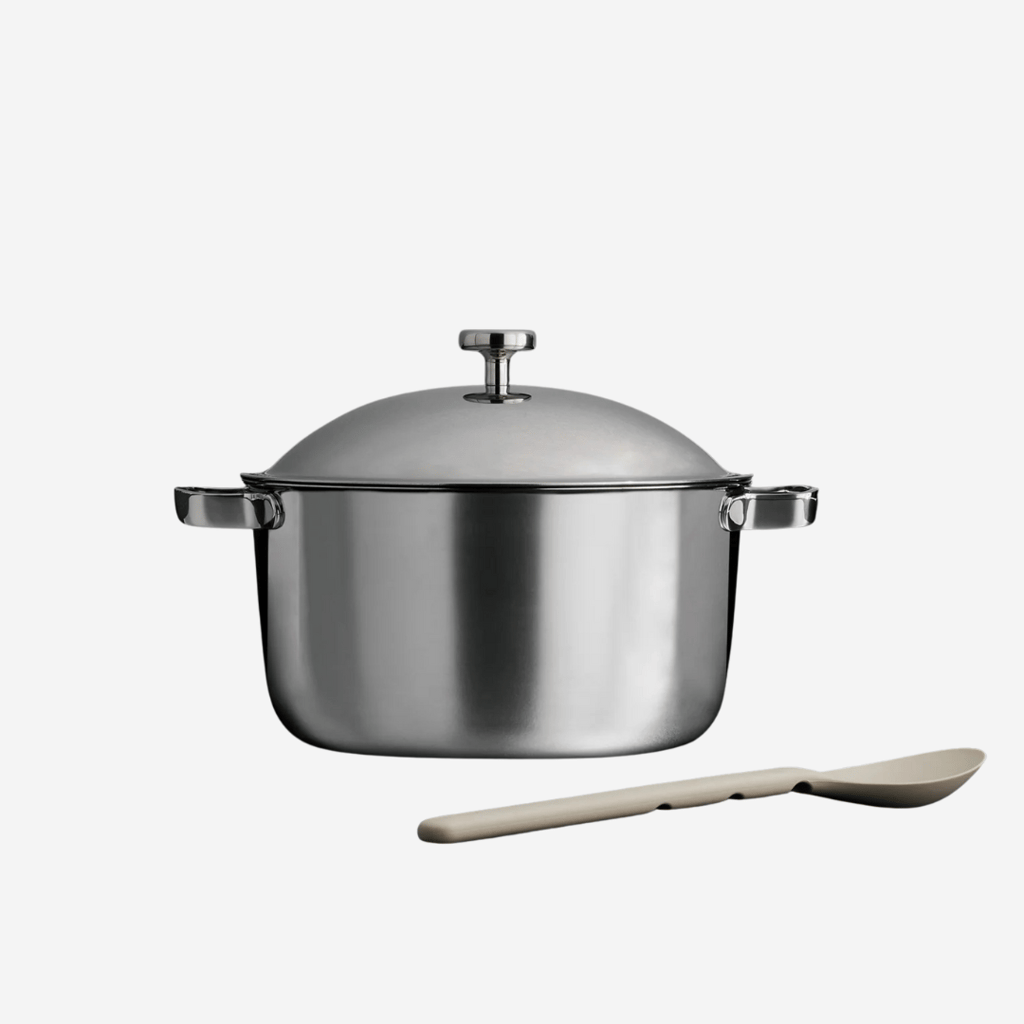
If you love the ease of non-stick, choose cookware that’s built with safer materials and actually performs. Look for brands that are transparent about what’s in the coating, avoid chemicals like PFOA, and prioritise durability so it holds up to real daily use. Caraway is a go-to for sleek ceramic-coated sets that feel modern, cook beautifully and look good left out on the hob. Our Place brings the same cleaner-material mindset, but with smart, space-saving design and genuinely practical pieces you’ll reach for every day.




Storage containers
Why it matters: What you store your food in and how you reheat it has a direct impact on your chemical exposure. Many softer plastics contain additives (like phthalates, BPA/BPS and other plasticisers) that can migrate into food, especially when exposed to heat, oils or repeated washing. Glass, stainless steel and high-quality silicone don’t leach these compounds and are far more stable over time.
The swaps to make:
Swap plastic food containers for glass or stainless steel containers.
Swap single-use plastics (cling film, sandwich bags) for reusable silicone or stainless alternatives.
Swap reheating food in plastic containers for reheating in glass or ceramic.
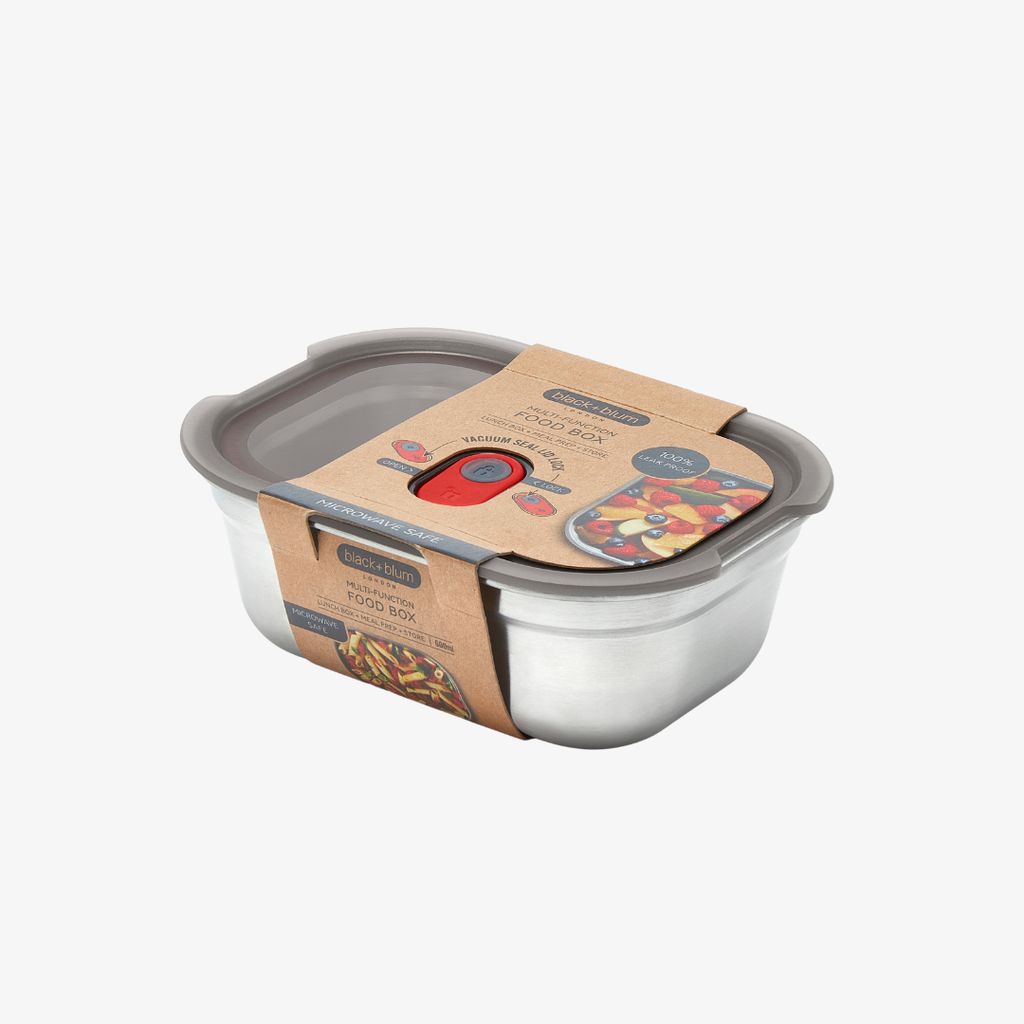
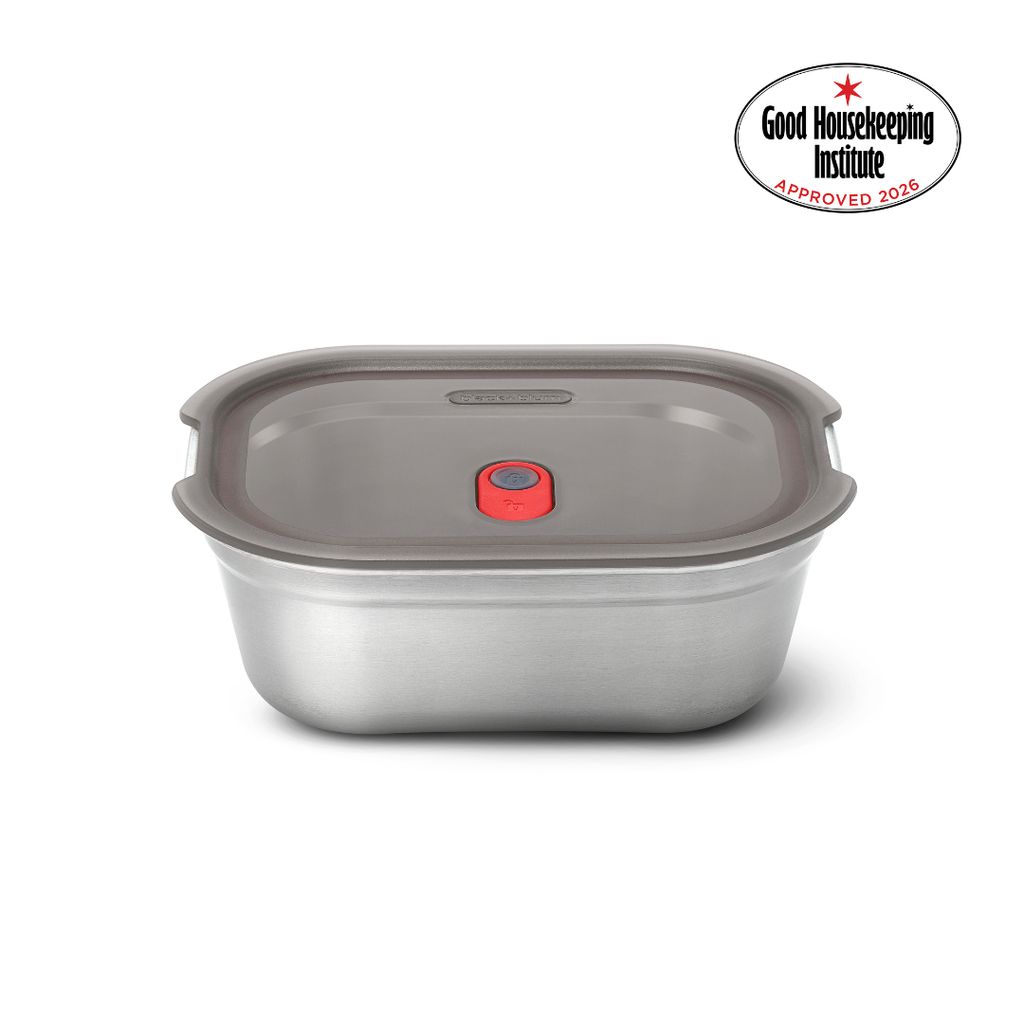
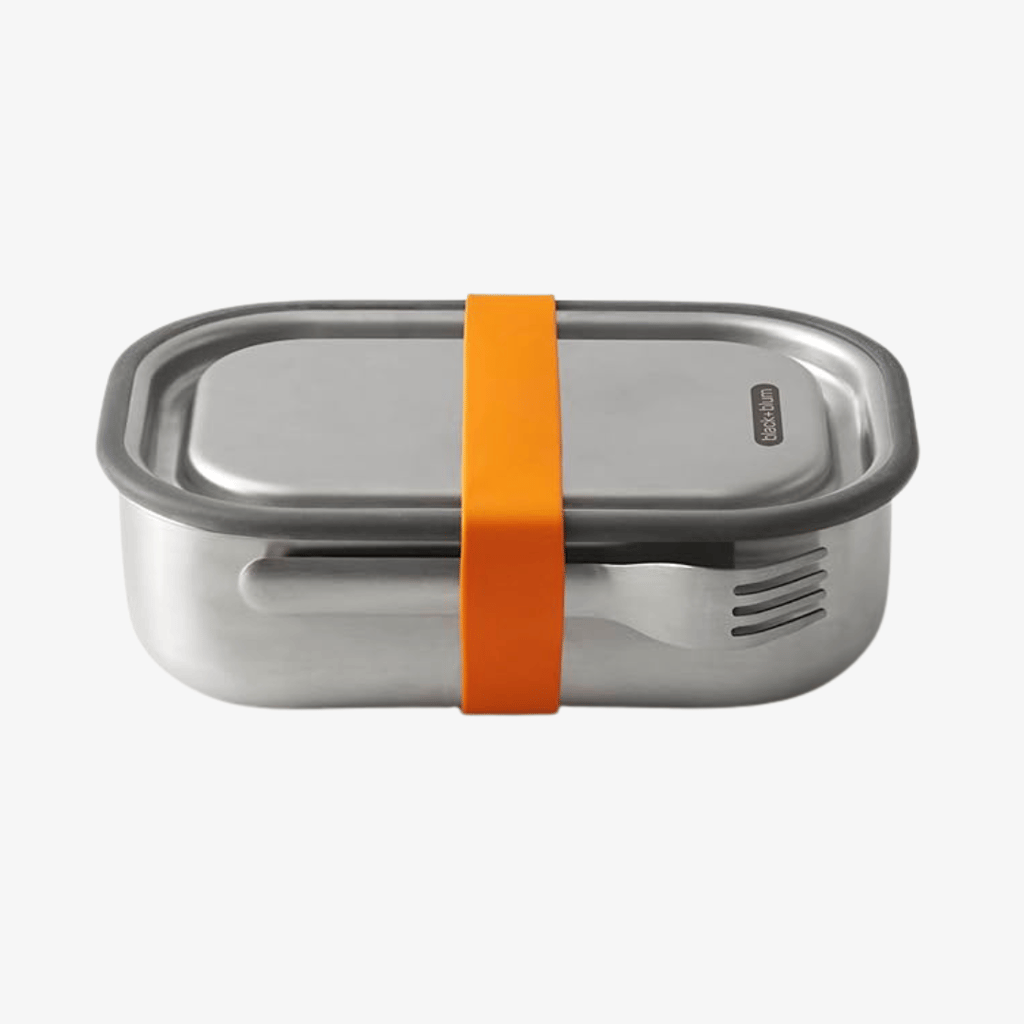
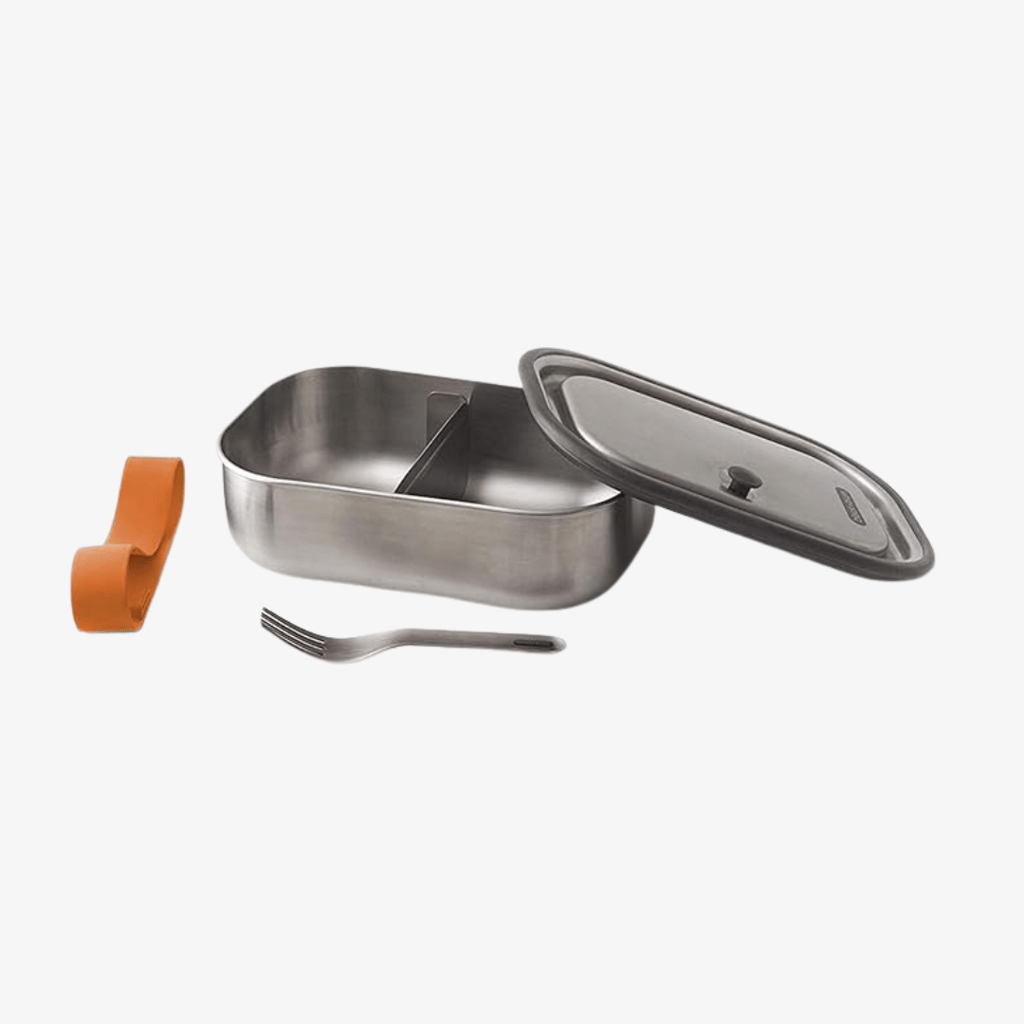
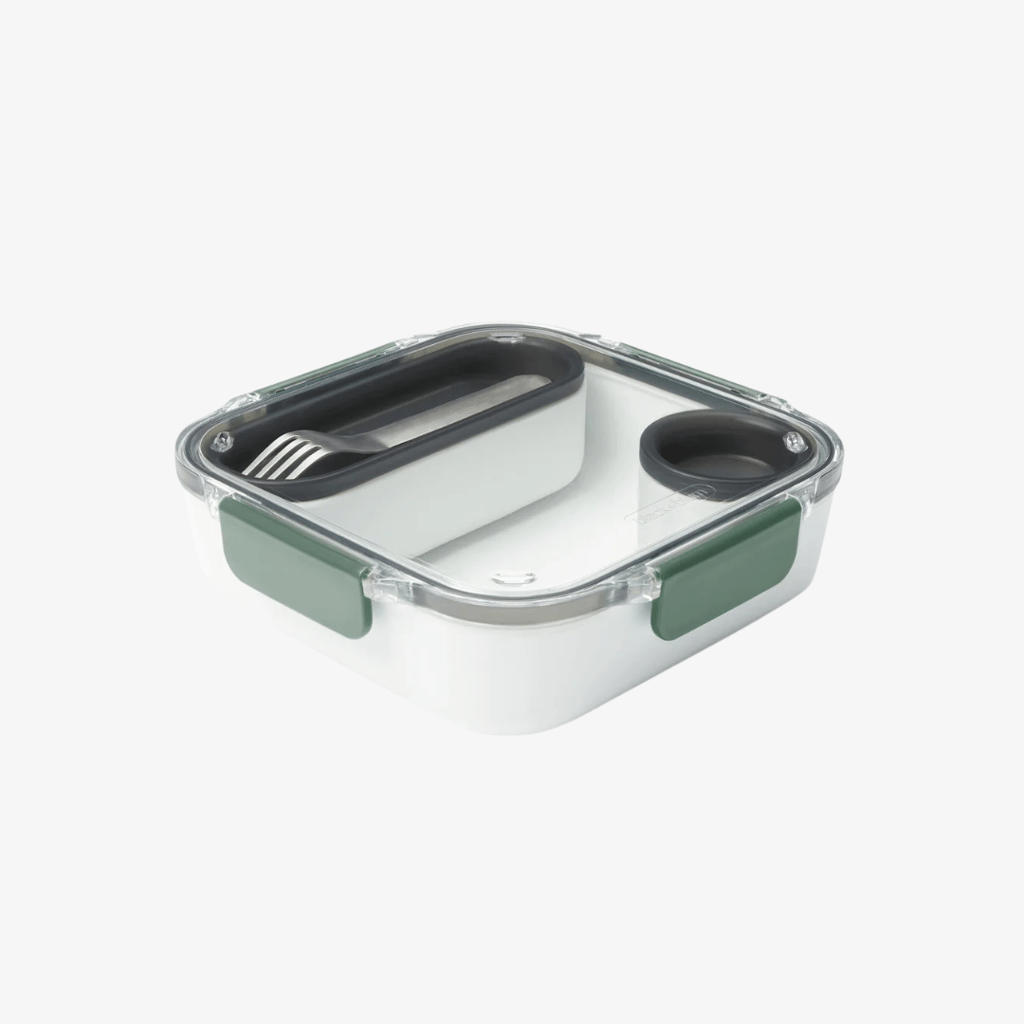
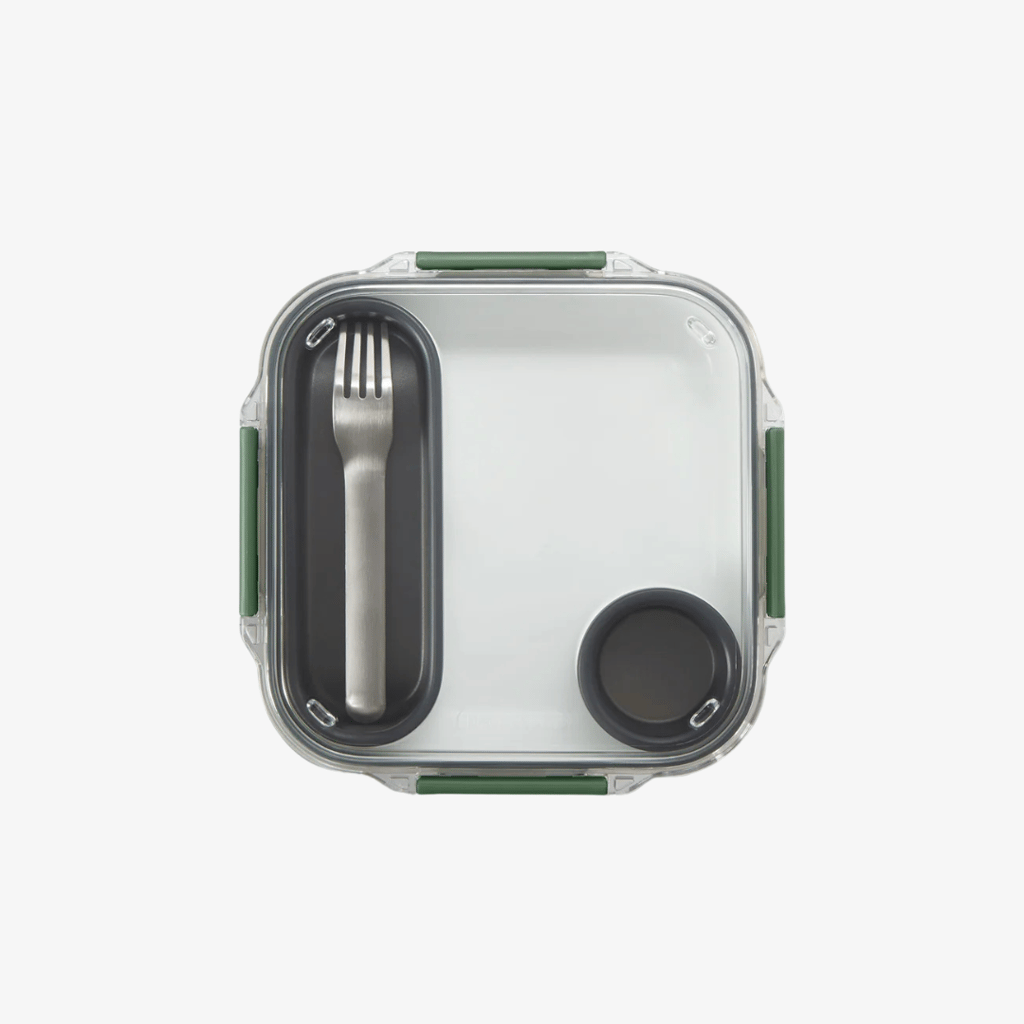
Black+Blum, a UK-based brand, has durable, functional, leak-proof and genuinely good-looking products. Their stainless steel containers are a smart upgrade if you want something plastic-free and long-lasting. They’re also big on sustainability (including their commitment to 1% for the Planet), so it’s a swap that feels better in every sense.
Skincare & body care
Why it matters: Skincare is one of the most overlooked yet consistent toxin exposures in your routine… you’re applying it daily, often in multiple layers, and leaving it on your skin for hours. Small upgrades here can be a smart way to reduce unnecessary irritants and “extra” ingredients you don’t really need, especially if you’re prone to sensitivity, dryness, breakouts or eczema. In general, the biggest wins come from choosing formulas with simpler ingredient lists, fewer fragrances and gentler cleansing systems that support your skin barrier.
The swaps to make:
Swap heavily fragranced formulas for minimal-ingredient, transparent skincare.
Swap sulfates for gentler cleansers and body washes.
Swap traditional sunscreen for cleaner, mineral-based options (especially if you’re sensitive or breakout-prone).
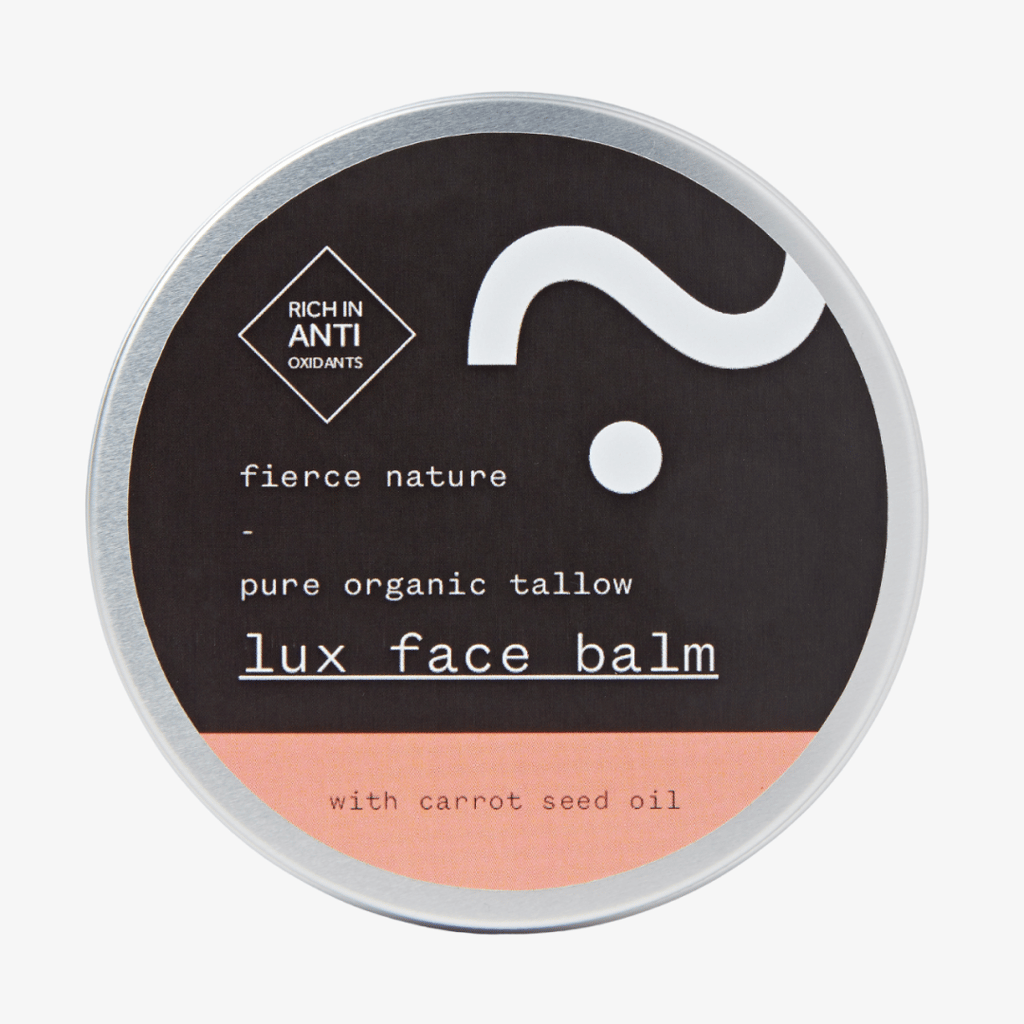
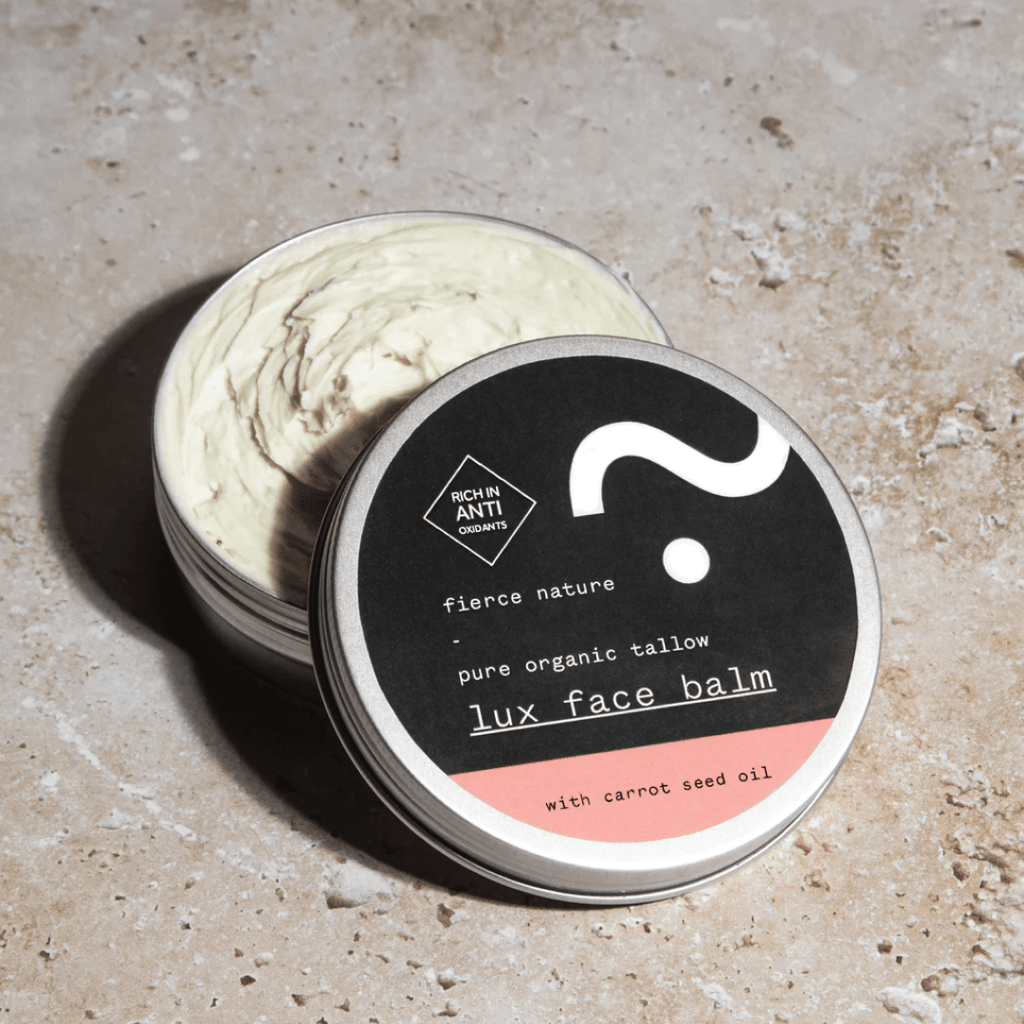
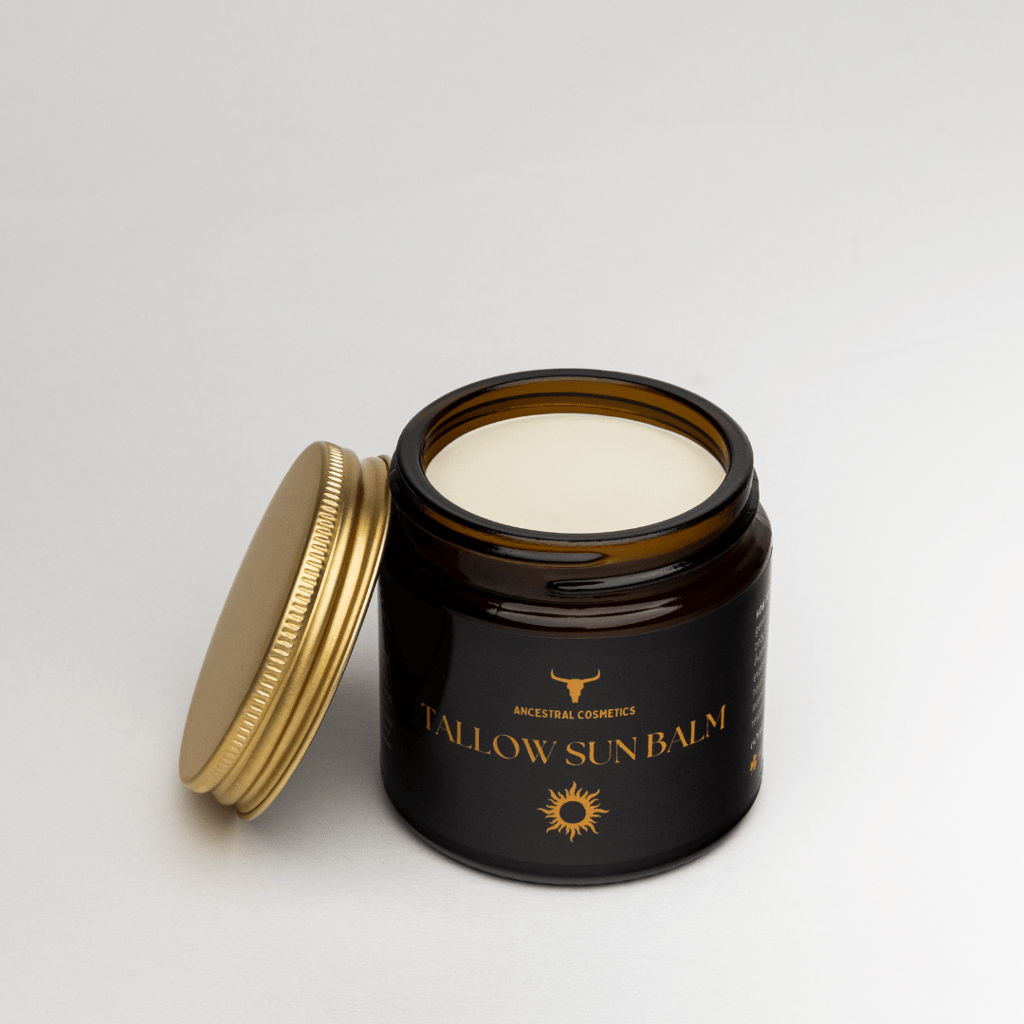
Brands leading the charge here include Agent Nateur, known for its nature-led, clean, non-GMO ingredients in formulas that still feel high-performance and results-driven. If you love a rich, skin-restoring balm, Fierce Nature’s Pure Tallow Luxe Balm is a deeply nourishing face and body option made with 100% natural ingredients, including carrot seed oil for its soothing, skin-supportive properties. For sun care, Ancestral Cosmetics Tallow Sun Balm uses non-nano zinc oxide to create a physical UV barrier, paired with grass-fed tallow and antioxidant-rich oils for protection that feels genuinely nourishing.

Deodorant & personal fragrance
Why it matters: Your underarms are one of the most sensitive, high-contact areas of the body. They’re warm, high-friction, often shaved and exposed to sweat glands and bacteria. The issue with many conventional deodorants and antiperspirants isn’t that they’re “bad”, it’s that they can rely on heavy fragrance, strong actives and ingredients that don’t always suit sensitive skin. At the same time, a lot of people are hesitant to try natural deodorant because it can feel like a downgrade and no one wants to swap to something “cleaner” if it doesn’t actually work.
The swaps to make:
Swap conventional antiperspirants for a high-performance natural deodorant.
Swap heavily fragranced body products for lighter, skin-friendly scents.
Swap traditional perfume sprays for cleaner fragrance formats like essential oil blends or lower-irritant formulas.
Agent Nateur holi (stick) deodorant perfume is a standout natural option that manages to feel both high-performance and genuinely sensorial. It’s aluminium-free, made with clean botanical ingredients, and designed to neutralise odour while keeping underarms comfortable and hydrated. The texture is velvety, absorbs easily, and doesn’t leave that sticky residue some natural formulas do. The scents are seriously good too and wear more like a soft skin fragrance than a deodorant.
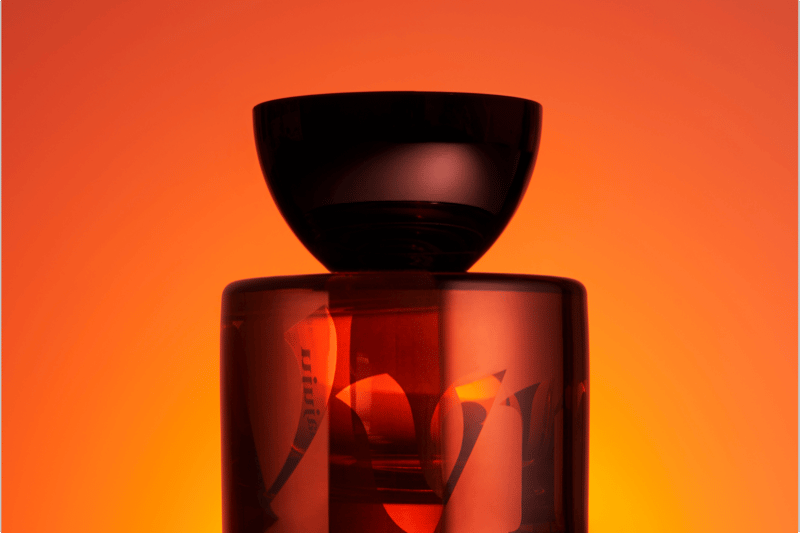
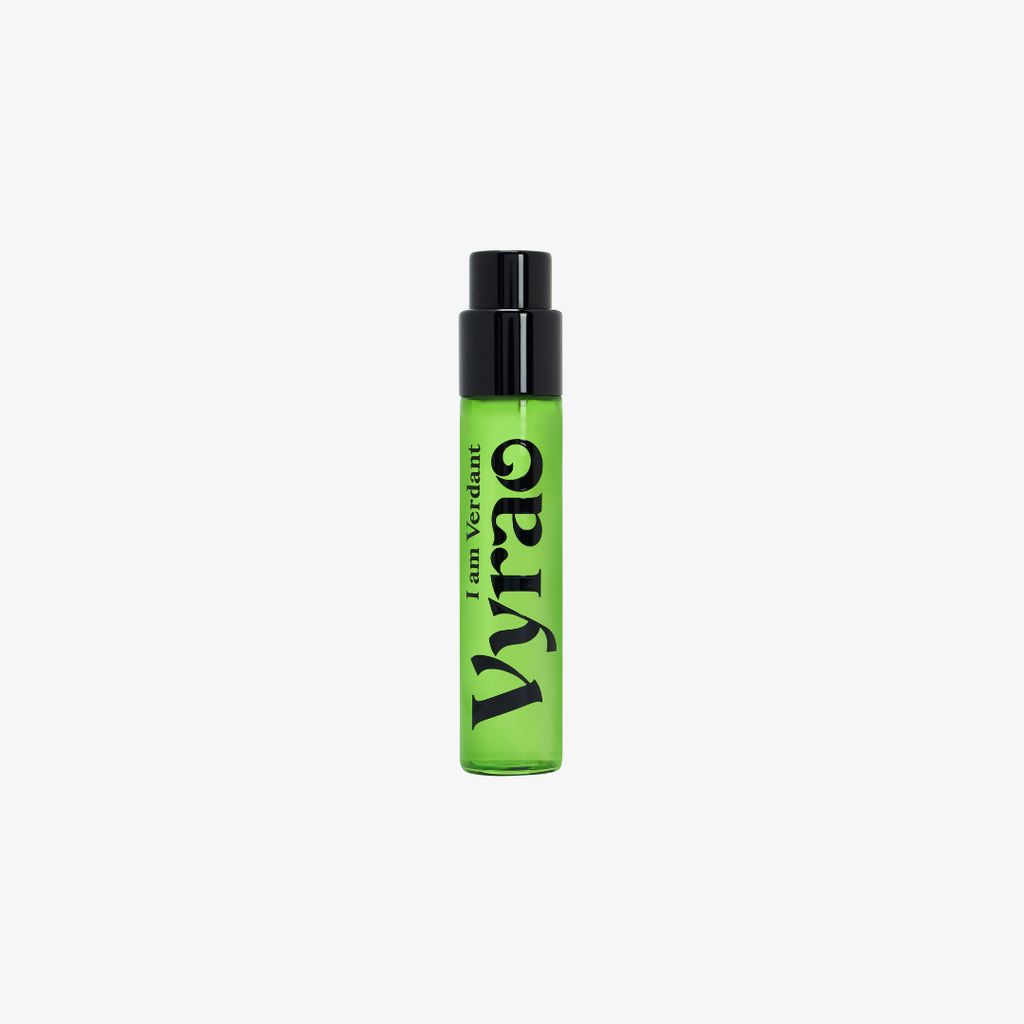
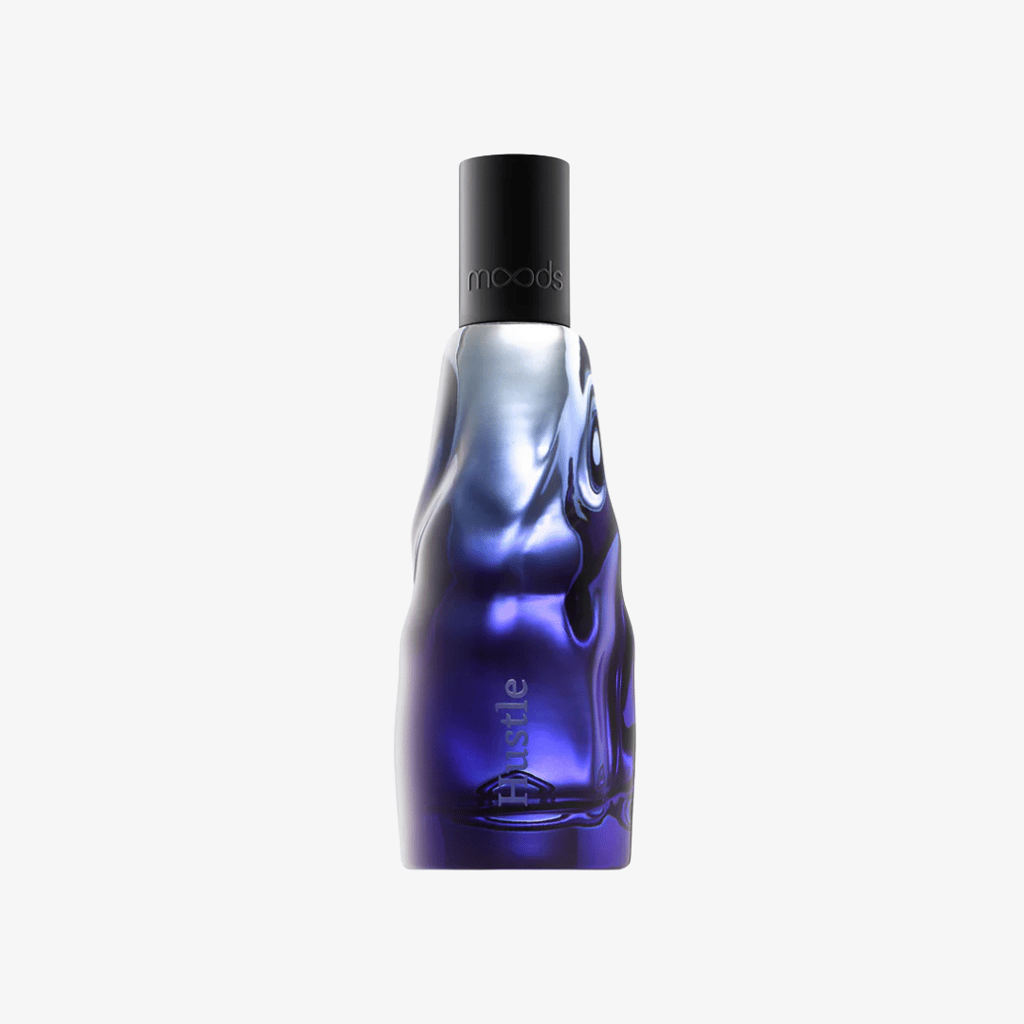
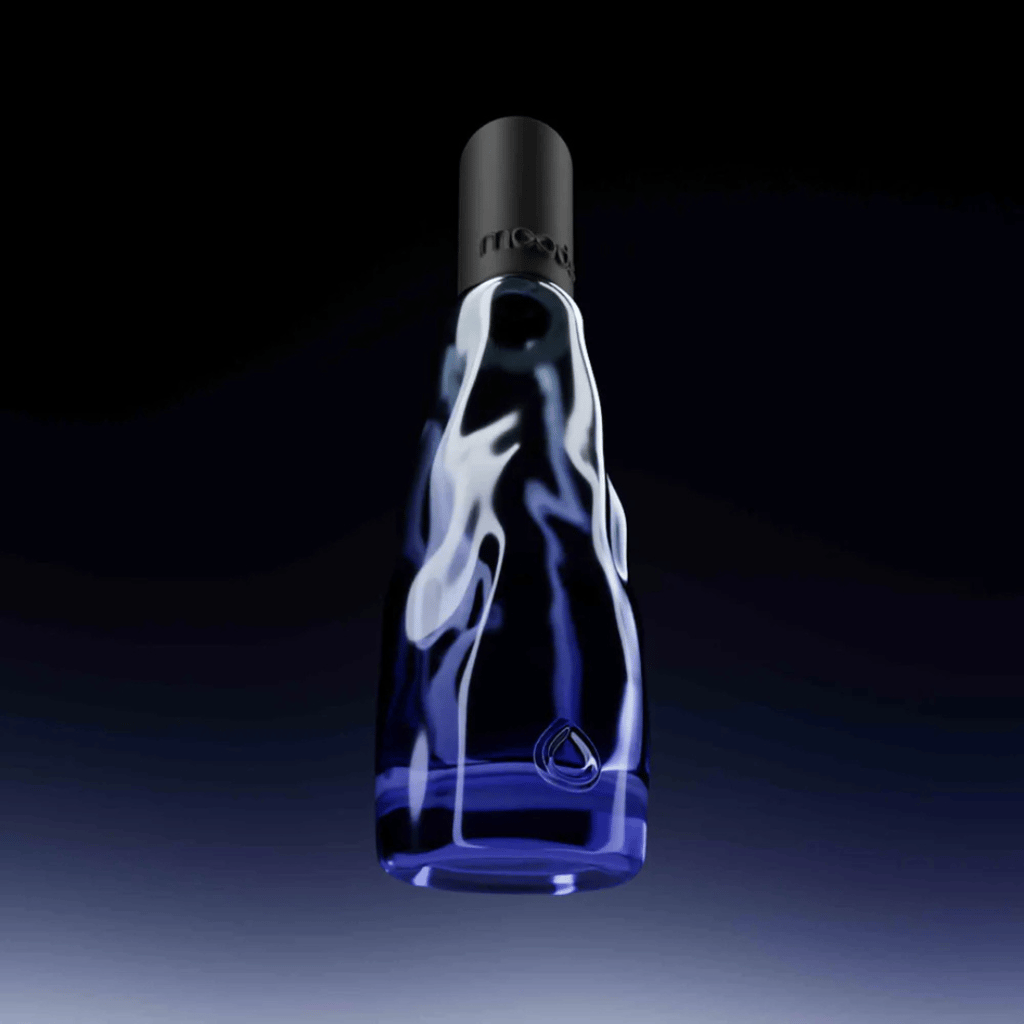
If you want to wear a proper scent and not just rely on deodorant, Moods takes a modern aromatherapy approach with essential oil blends that also have mood-boosting benefits (hence the name). Vyrao delivers that “signature scent” energy with a more considered, cleaner ingredient approach, so it feels sensual and expressive without the heavy synthetic overload.


Toothpaste
Why it matters: When you’re using something twice a day every day for your entire life, it’s a good swap to consider. Most conventional toothpaste formulas are designed to foam, taste minty and feel intensely clean, but they can also include harsh additives, unnecessary fillers and ingredients that don’t always support a healthier oral microbiome long-term.
The swaps to make:
Swap SLS (sodium lauryl sulfate) for gentler, SLS-free cleansers.
Swap harsh abrasive whiteners for hydroxyapatite (especially nano-hydroxyapatite).
Swap intense mint and essential oil-heavy flavouring for gentler, low-irritant flavours (especially if you’re sensitive).
Swap antibacterial-heavy formulas for prebiotic/probiotic, microbiome-friendly blends.
Swap alcohol-based mouthwash for an alcohol-free, microbiome-friendly rinse.
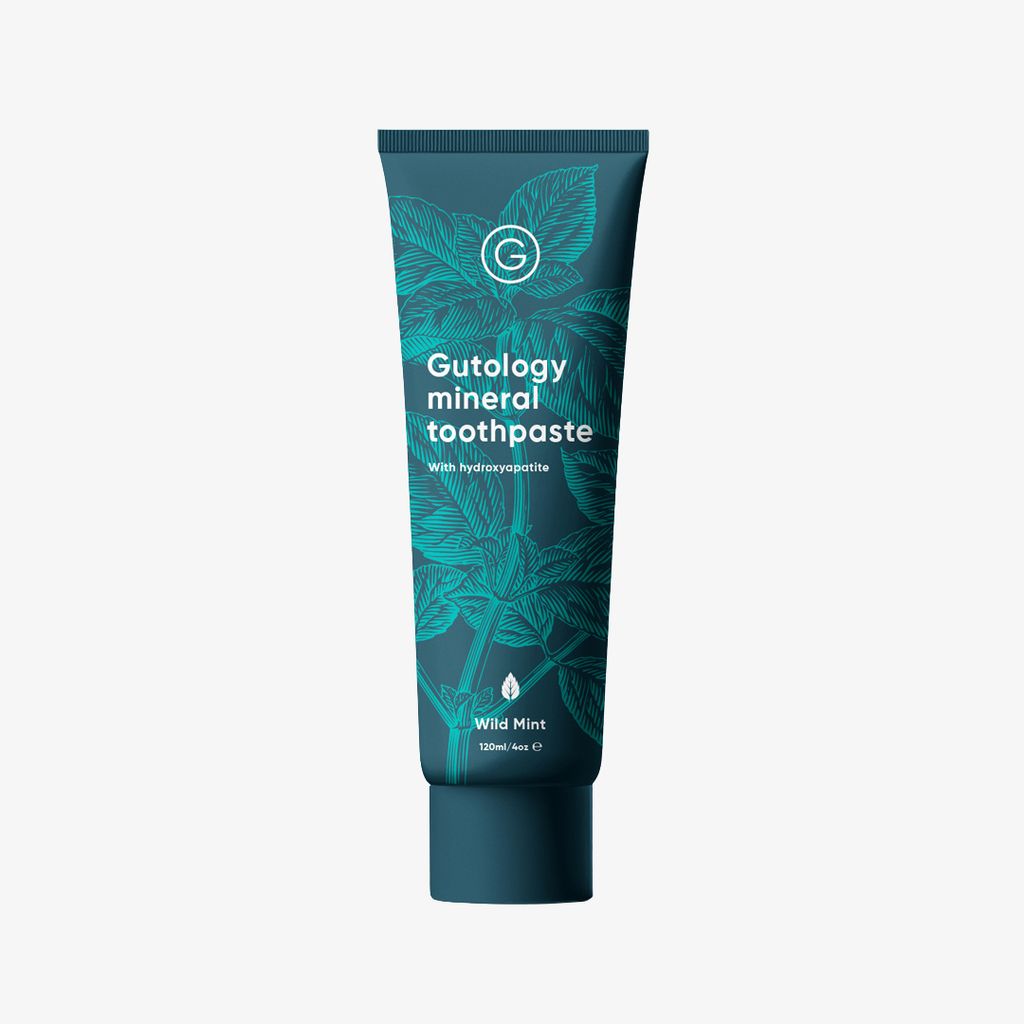
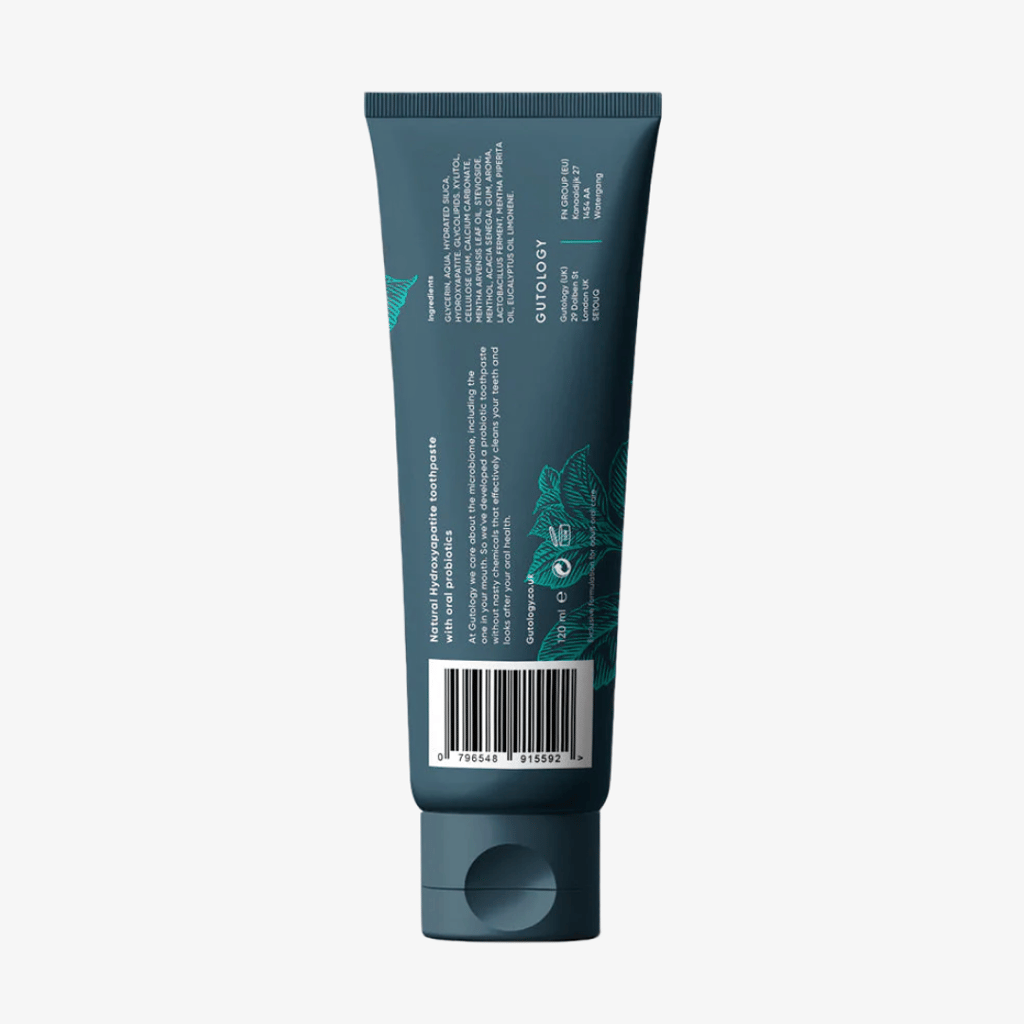
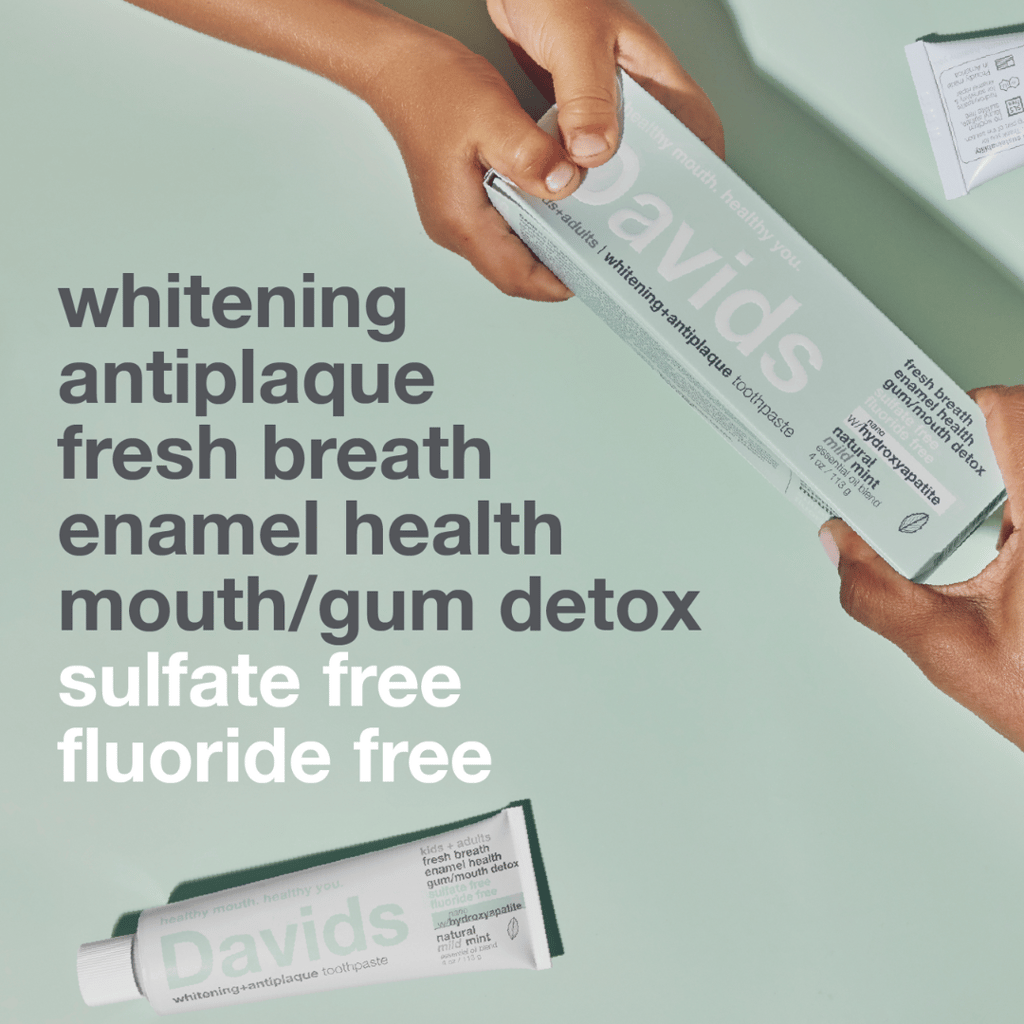
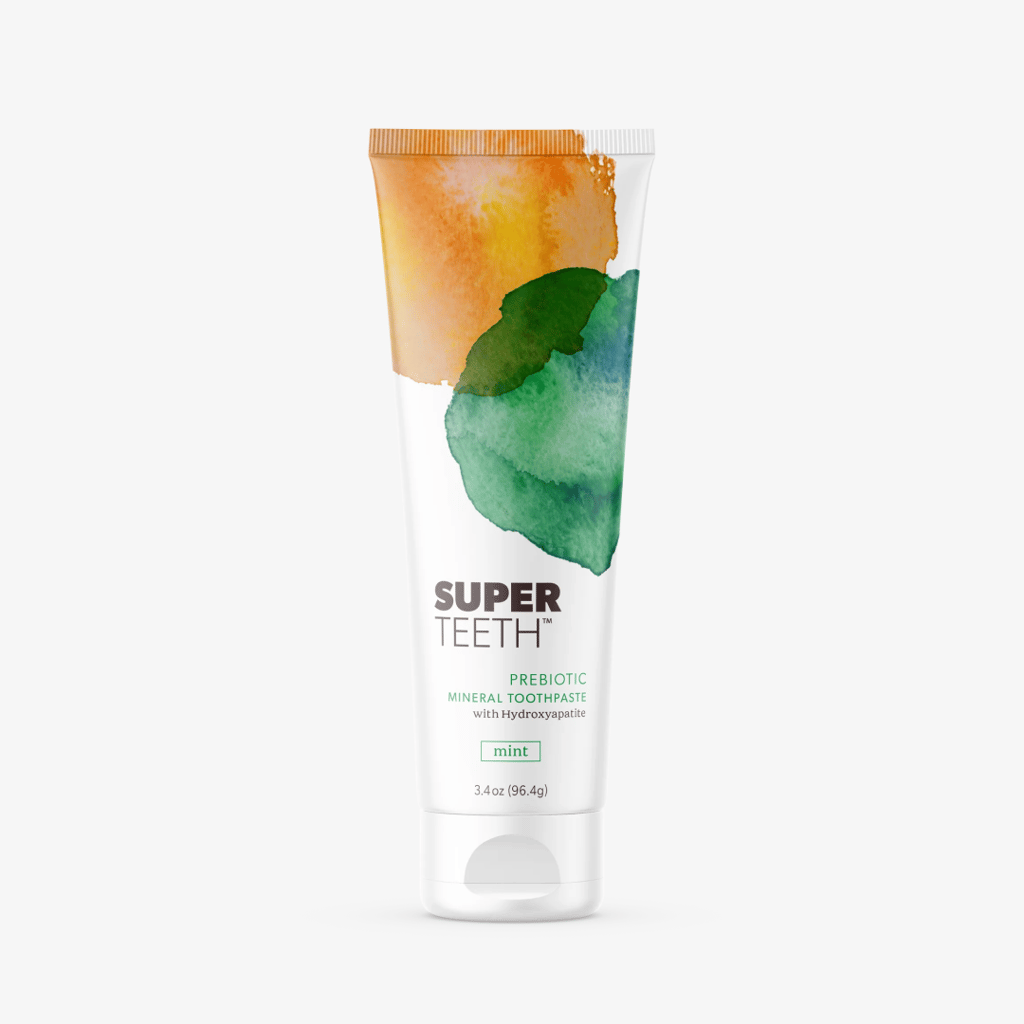
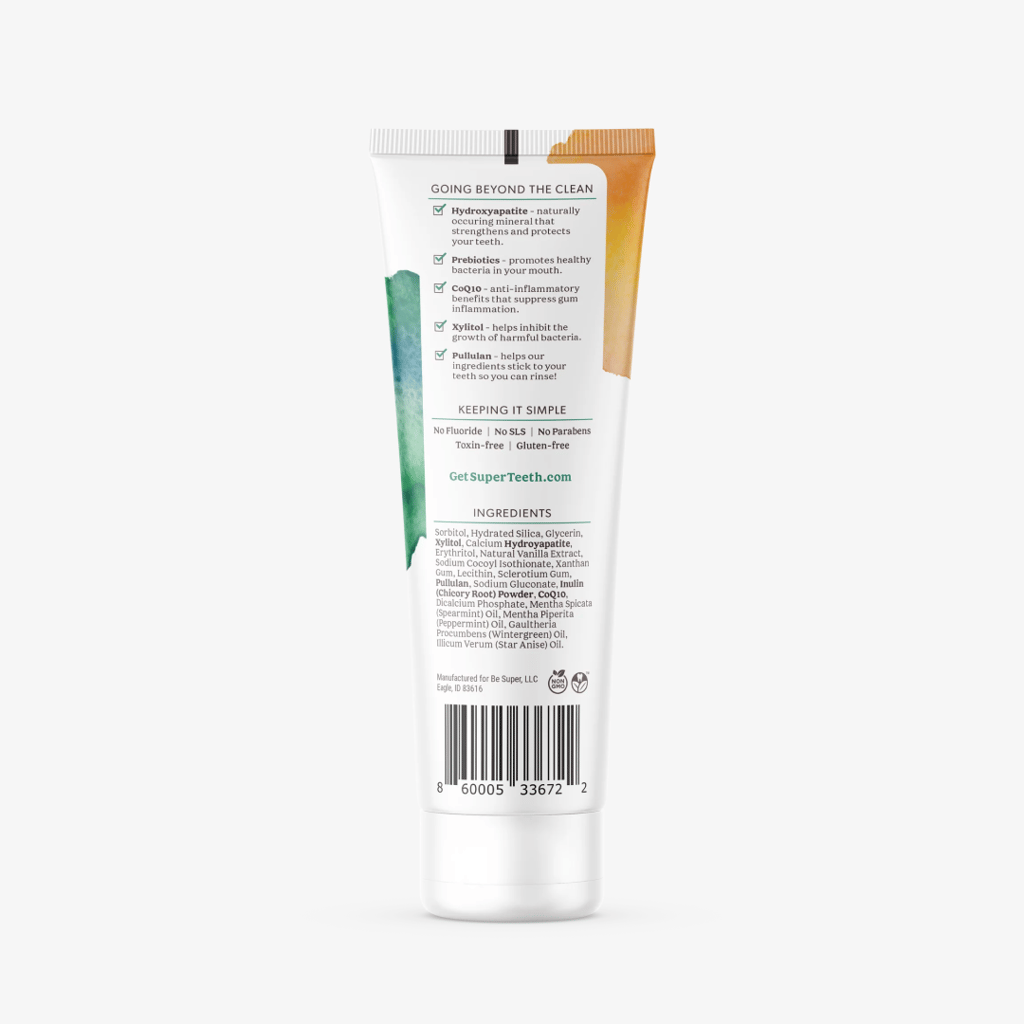
If you want something that feels effective without the chemical overload, Davids is a great place to start (including hydroxyapatite options). For a more microbiome-led approach, Gutology supports the mouth’s natural ecosystem with its Truebiotics approach rather than relying on harsh additives to do all the work. For a fresh, fluoride-free clean that still feels genuinely high-performance, SuperTeeth’s Prebiotic Mineral Toothpaste combines hydroxyapatite with xylitol and inulin to support daily oral care and a happier mouth microbiome too.

Home fragrance & cleaning
Why it matters: Your home air is something you’re breathing in all day, every day. And while a quick anti-bac spray or scented candle might feel like a small thing, home fragrance is literally designed to linger. Conventional air fresheners and heavily scented cleaners often rely on synthetic fragrance blends (which can include irritants like phthalates and VOC-releasing ingredients), plus propellants and solvents that can build up in enclosed spaces. Candles can also be a big one to watch depending on the wax type, wick, and fragrance load. You don’t need a scent-free home, but choosing better formulas can make a real difference.
The swaps to make:
Swap aerosol air fresheners for non-aerosol room sprays or essential oil-based mists.
Swap paraffin wax candles for soy, beeswax or coconut wax.
Swap candles with unknown wicks for cotton or wooden wicks which are lead-free.
Swap harsh disinfectant-style cleaners for plant-based or enzyme cleaning formulas.
Swap strong scented multipurpose sprays for fragrance-free cleaning where possible and then add scent separately.
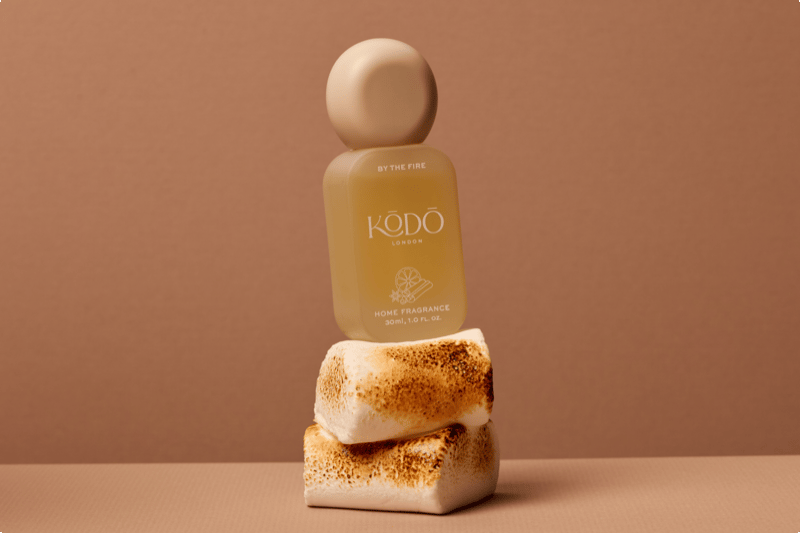
If you want a home fragrance that still smells great, KŌDŌ is a prime example of the new wave of cleaner scent. It’s designed to deliver that proper “atmosphere” effect without relying on the usual shortcuts found in conventional home fragrance, like heavy synthetic fragrance overload, harsh solvents or ingredients that can feel irritating in smaller spaces.
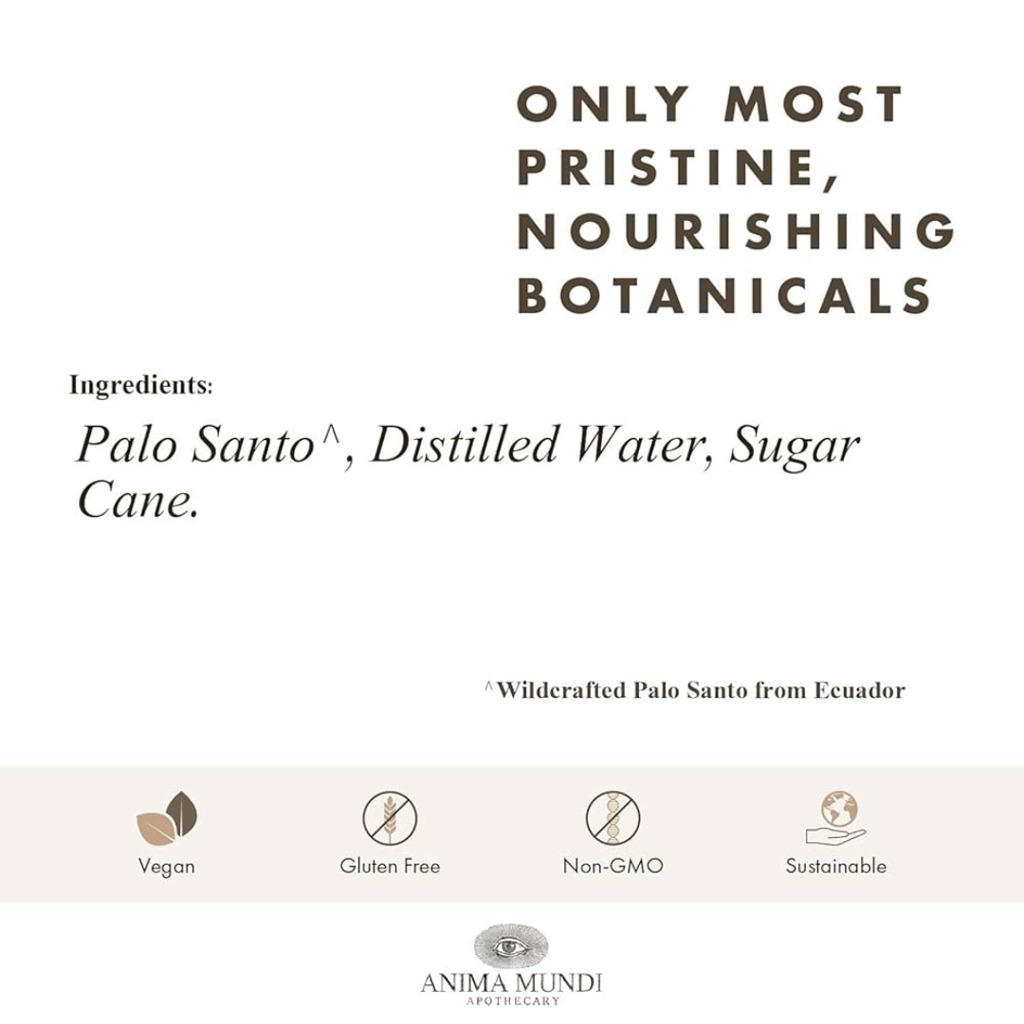
For candles, the Erewhon Candle is a great non-toxic upgrade. It’s made with clean-burning soy wax, a lead-free cotton wick and a botanical essential oil blend that gives your space that warm, calm, “hotel lobby” feel without the chemical fog. If you’re after a room spray but want to avoid aerosols, Anima Mundi’s Palo Santo Protection Myst is a Healf-approved favourite. It uses sustainably sourced Palo Santo essential oil, so you get that grounding, cleansing vibe in one simple mist.
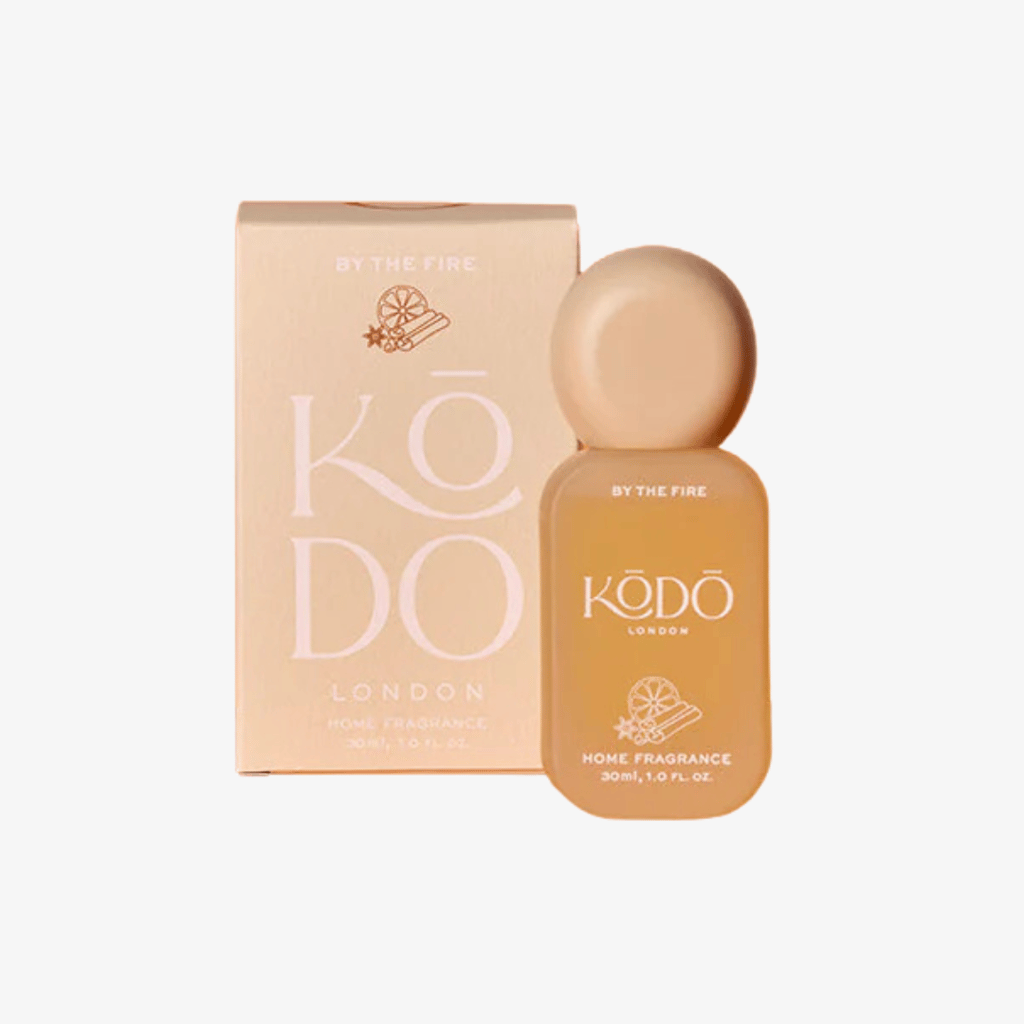
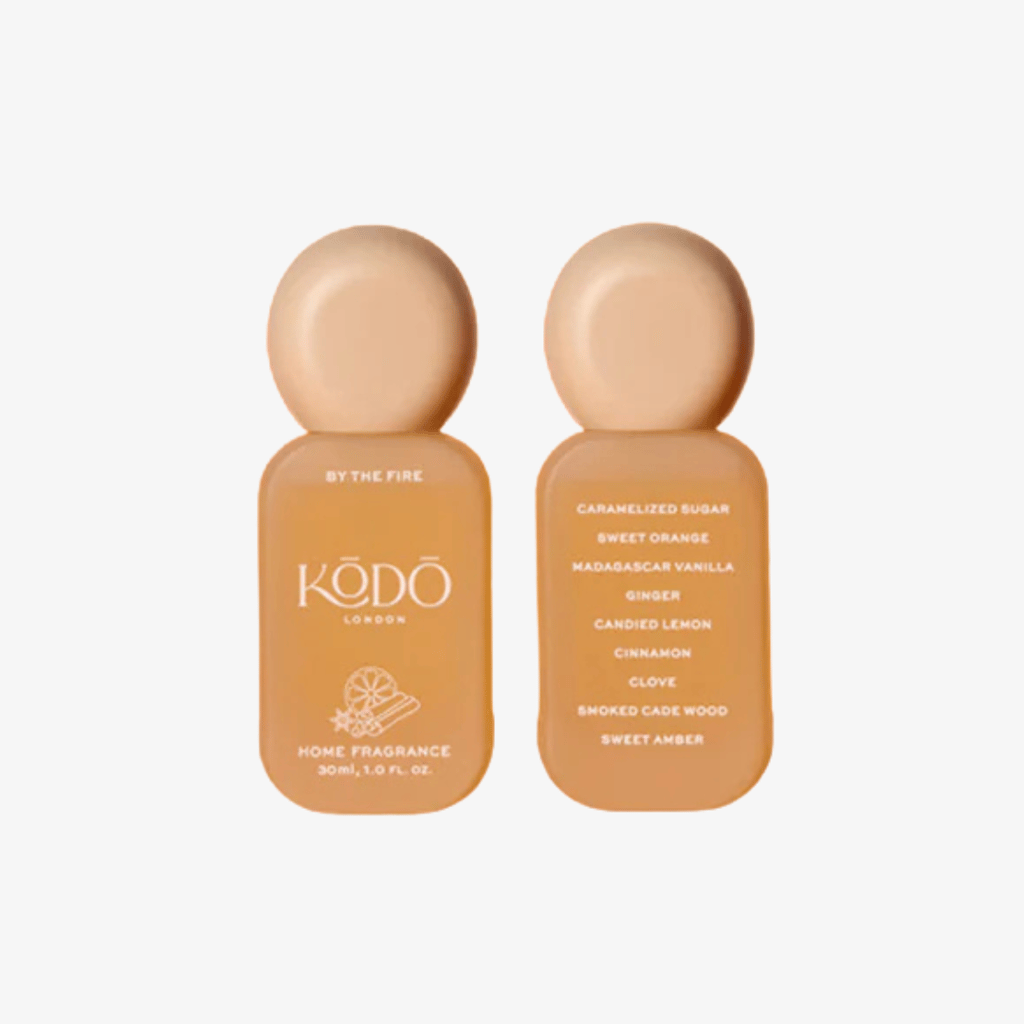
HOME FRAGRANCE - BY THE FIRE


A few other everyday items
Why it matters: Sometimes the biggest wins are the ones you don’t even think of, because they’re the items you use on repeat. A water bottle is basically in your hand all day and then there are the less obvious upgrades, like your razor, which is in direct contact with skin and often used on sensitive areas.
The swaps to make:
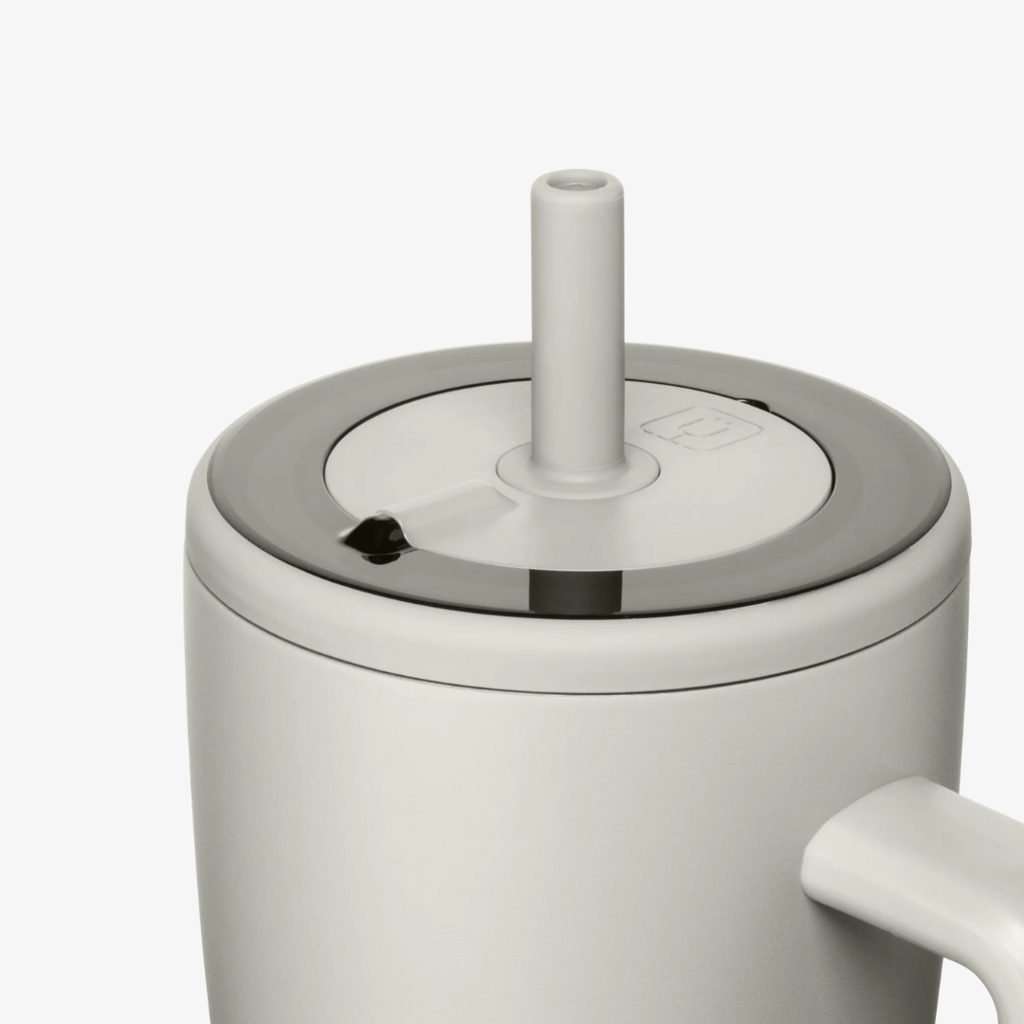
Swap disposable plastic bottles for glass or stainless steel, especially if you use it daily, leave it in a warm bag, or use it for hot drinks.
Swap plastic razors for a metal safety razor.

How to transition without overwhelm
The easiest way to start living more non-toxic is to swap one room at a time, not everything overnight. Begin with the products you use most often (cookware, food storage, deodorant, cleaning sprays), then build from there. When you’re shopping, read (or scan) labels for things like synthetic fragrance, phthalates, parabens and formaldehyde releasers. You don’t need to memorise every ingredient… just get good at spotting the repeat offenders. Prioritise the biggest wins first. These include anything that touches heat or food, sits on your skin daily or affects your indoor air.
Small changes, big impact: Why non-toxic living feels better
Non-toxic swaps aren’t about being perfect, they’re about making everyday life feel a little better. When you reduce your background “chemical load”, a lot of people notice small but real shifts. These include things like calmer skin, fewer flare-ups, less irritation from fragrance and a home that feels fresher to breathe in. Even sleep can improve when you’re not surrounded by heavy scents and harsh cleaners. This isn’t a dramatic before and after; it’s subtle. Keep it balanced, stay realistic and focus on the things you’ll actually stick with. Small changes really do add up.
Your most asked non-toxic living questions, answered
What are the best non-toxic swaps to start with?
Start with the swaps that have the biggest daily impact like cookware, food storage, cleaning sprays, deodorant and home fragrance. These are high-use items that involve heat, skin contact or indoor air. You don’t need to replace everything at once. Upgrading your most-used essentials first is the fastest way to reduce your overall chemical load without feeling overwhelmed.
What does “non-toxic” actually mean in products?
“Non-toxic” isn’t a regulated label, so it can mean different things depending on the brand. In practice, it usually refers to products made without common ingredients people try to minimise, like PFAS, phthalates, parabens, harsh solvents or heavy synthetic fragrance. The best approach is to look for brands that are transparent about ingredients and prioritise safer materials, not vague marketing claims.
What ingredients should I avoid for non-toxic living?
You don’t need a fear-based checklist, but a few common ones are worth watching for on labels: synthetic fragrance/parfum, phthalates, parabens and formaldehyde releasers. For home products, also look out for aerosol sprays and strong solvent-heavy cleaners. A simple rule; if it’s heavily scented and you use it daily, it’s a good thing to upgrade.
Is natural deodorant actually effective?
Yes, but the right one makes all the difference. Some natural deodorants are great at controlling odour, while others feel like a “clean swap” that doesn’t hold up in real life. Look for formulas that balance performance with skin comfort, especially if you’re sensitive or shave often. The goal isn’t perfection, it’s finding a deodorant you’ll genuinely want to wear every day.
How do I live non-toxic without spending loads of money?
Non-toxic living doesn’t have to be expensive. It’s about prioritising. Replace items as you run out, start with one room at a time and focus on high-impact upgrades. Many swaps also save money long-term (like refillable cleaners, a safety razor, or durable glass containers). Think of it as upgrading your essentials, not reinventing your life.



This article is for informational purposes only, even if and regardless of whether it features the advice of physicians and medical practitioners. This article is not, nor is it intended to be, a substitute for professional medical advice, diagnosis, or treatment and should never be relied upon for specific medical advice. The views expressed in this article are the views of the expert and do not necessarily represent the views of Healf
Samantha Nice is a seasoned wellness writer with over a decade of experience crafting content for a diverse range of global brands. A passionate advocate for holistic wellbeing, she brings a particular focus to supplements, women’s health, strength training, and running. Samantha is a proud member of the Healf editorial team, where she merges her love for storytelling with industry insights and science-backed evidence.
An avid WHOOP wearer, keen runner (with a sub 1:30 half marathon) hot yoga enthusiast and regular gym goer, Samantha lives and breathes the wellness lifestyle she writes about. With a solid black book of trusted contacts (including some of the industry’s leading experts) she’s committed to creating accessible, well-informed content that empowers and inspires Healf readers.