














_2026-10-13_14-11-48.png)


Could Your Diet Be Affecting Fertility Before You Even Try?
From ultra-processed foods to omega-3, these are the nutrition habits experts say may support fertility long before pregnancy is even on the horizon.
Written by: Samantha Nice
Written on: 14 July 2026
Fertility has a habit of feeling relevant right up until the moment it suddenly is. For many, it only becomes something to think about when they decide they want a baby. Until then, it can feel firmly parked in the future.
The catch is that sperm, eggs and early embryo development don't work to that timeline. "The preconception window, broadly the three to six months before you start trying, is one of the most underappreciated periods in reproductive health," says Dr Nagla Elfaki MBBS MRCOG, reproductive medicine fellow and OBGYN resident doctor. "What we do with our bodies during this time can meaningfully influence not just the chances of conception, but the environment in which an embryo first develops."
That doesn't mean every fertility challenge can be solved with food. Fertility is shaped by age, genetics, medical conditions and plenty of factors beyond our control. Diet isn’t a guarantee of pregnancy, just as a less-than-perfect diet isn’t a guarantee of fertility struggles.
What nutrition can do is help create the conditions for reproductive health. "There's a wealth of research to support dietary patterns and particular micronutrients to boost fertility so we can no longer dismiss the fact that what you eat genuinely affects fertility, both positively and negatively," says Jen Walpole, BANT-registered nutritionist specialising in fertility and pregnancy nutrition.
Scientists are looking more closely at how diet and lifestyle may affect egg quality, sperm health and early embryo development. There’s growing interest in everything from omega-3 intake and antioxidants to ultra-processed foods and the Mediterranean diet.
Taken together, the message is fairly consistent. The months before conception are no longer being treated as a waiting period. Nutrition, lifestyle and overall health are already shaping what comes next.
So, can diet affect fertility?
Researchers certainly think it can, although probably not in the way fertility content online right now is suggesting. Unfortunately there’s no single fertility diet, no list of fertility foods guaranteed to improve your chances of conceiving and no supplement that can override underlying fertility issues. What the research does consistently point towards is the overall pattern. The meals you eat most of the time appear to carry more weight than any individual ingredient crowned the latest fertility superfood.
"When it comes to specific foods, the picture is less clear cut," says Dr Elfaki. "The only diet that’s been studied and shown a link with improved fertility outcomes is the Mediterranean diet, rich in whole foods, nuts, oily fish and seeds."
That's one reason fertility specialists and nutritionists spend far more time talking about what’s on your plate day after day than whether you are eating one particular food. Walpole also points to research linking Mediterranean-style eating with improved fertility and IVF outcomes, while highlighting evidence suggesting higher intakes of ultra-processed foods may be associated with poorer fertility outcomes and differences in early embryonic development.
For something that takes two people, fertility advice can feel surprisingly one-sided. "I often find women have started making changes when they are considering motherhood," says Walpole. "Men sometimes underestimate their role, mostly because there’s not enough emphasis on the man, which is very much 50:50."
"For men, sperm health can impact not only the ability to conceive, but the risk of miscarriage and even how the placenta functions during pregnancy," says Dr Elfaki.
For all the differences between male and female fertility, the nutritional advice is pretty similar. Whether you're looking at a fertility diet for women or a male fertility diet aimed at optimising sperm health, the emphasis stays on what your diet looks like week to week, not on chasing specific foods or supplements.
Why fertility starts before you're trying
For many couples, fertility preparation starts with folic acid and perhaps cutting back on alcohol. Both Walpole and Dr Elfaki would argue it starts earlier. "Ideally three to six months prior to conception, couples should start thinking about their nutrition and lifestyle," says Walpole.
Dr Elfaki sees the same pattern repeatedly in clinic. "Many people don't think about their health in relation to pregnancy until they're already trying, or even until something goes wrong," she says.
That three-month window isn't arbitrary. Sperm take roughly three months to develop, meaning the sperm involved in a future pregnancy are already being shaped by today's habits. Changes made now may not show up immediately, but they can still affect sperm quality several months down the line.
Women don't have the same opportunity to alter egg quality over a matter of months. However, smoking, alcohol intake, body weight and overall nutritional status can all contribute to reproductive health before pregnancy.
Fertility is also increasingly being viewed as a shared responsibility. Historically, advice has focused heavily on women, but science is making it clear that male health isn't a side note when it comes to conception.
Sperm health can be particularly responsive to day-to-day lifestyle habits. According to Dr Elfaki, smoking, vaping, excessive alcohol intake, anabolic steroid use and regular heat exposure from saunas, hot tubs or even laptops resting directly on the lap can all have an impact. "The testicles sit outside the body for a reason," says Dr Elfaki. "To stay cool."
For women, under-fuelling is another consideration. Walpole says regular strength training can be hugely beneficial, but it needs to be matched with enough food to meet the demands of training and maintain hormonal health.
The nutrients linked to fertility
When people search for foods for fertility, they’re usually hoping for a fully fledged shopping list, but fertility nutrition doesn’t come down to one standout ingredient. It’s about making sure the body has access to the variety of nutrients involved in hormone production, DNA repair, sperm development and early embryo growth.
These are some of the nutrients that come up again and again in fertility research.
Folate
If there’s one nutrient fertility experts consistently agree on, it’s folate. "Whilst folate is often associated with pregnancy, it also plays a crucial role in DNA synthesis and repair," says Walpole. Unlike many fertility nutrition recommendations, this isn’t an area where the evidence is still developing. Dr Elfaki says folic acid supplementation should ideally start before conception rather than waiting until a positive pregnancy test.
Best food sources: Dark leafy greens, beans, lentils, citrus fruit and liver.
Supplement option: Women trying to conceive are advised to take a daily folic acid supplement before pregnancy and during early pregnancy.
Omega-3
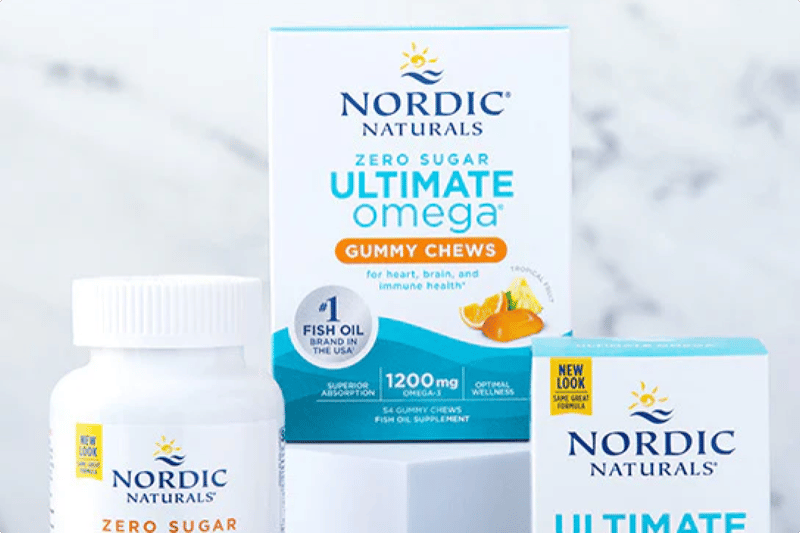
Another nutrient that comes up repeatedly in fertility research is omega-3. "There's some interesting research around omega-3 reducing ovarian ageing," says Walpole. "We also understand that the sperm head contains DHA, a form of omega-3, as well as supporting semen parameters including sperm motility and concentration." Researchers have also explored links between omega-3 intake, fertilisation rates and embryo quality during IVF treatment. Many people in the UK still fall short of recommended oily fish intake, making omega-3 one of the first places nutritionists often look.
Best food sources: Salmon, sardines, mackerel, herring, trout, walnuts and algae-based supplements.
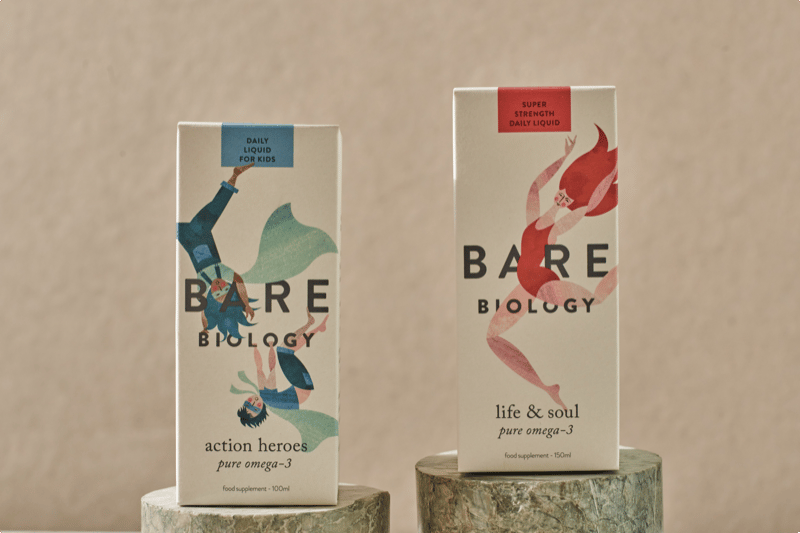
Supplement option: If you don’t eat oily fish, an omega-3 supplement providing EPA and DHA may help bridge the gap.
Antioxidants
Eggs and sperm are constantly exposed to oxidative stress, a process that can damage cells over time. That’s where antioxidants come in. "They play a vital role in helping to protect eggs and sperm from oxidative stress," says Walpole. A colourful plate is usually a good place to start. Many antioxidant-rich foods also deliver vitamin C, polyphenols and other compounds linked to reproductive health. Research has explored their potential role in supporting both sperm quality and female fertility.
Best food sources: Berries, citrus fruit, peppers, tomatoes, leafy greens and brightly coloured vegetables.
Zinc
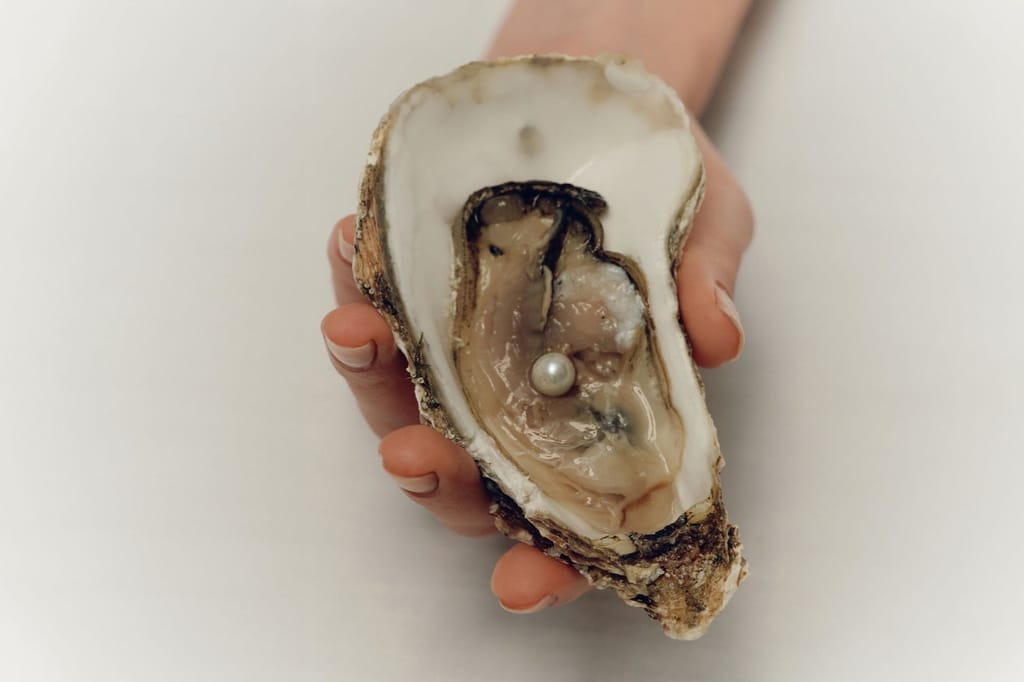
Oysters tend to steal the spotlight whenever fertility nutrition comes up. Not because they’re an aphrodisiac, but because they’re packed with zinc. Walpole highlights zinc as an important nutrient for testosterone production and overall sperm health. While no single nutrient is going to transform fertility on its own, regularly including zinc-rich foods can help support some of the biological processes involved in reproduction.
Best food sources: Oysters, shellfish, red meat, eggs, pumpkin seeds, chickpeas and lentils.
Iron
Feeling constantly tired isn’t always a sign that life is busy. Sometimes it’s a sign that iron levels aren’t quite where they need to be. Iron helps transport oxygen around the body and becomes increasingly important before and during pregnancy. Low iron levels can affect energy long before pregnancy enters the picture. If symptoms or blood tests suggest deficiency, it’s worth discussing with a healthcare professional rather than self-diagnosing.
Best food sources: Red meat, lentils, beans, tofu, spinach and fortified cereals.
Choline
Choline is appearing in more fertility appointments and preconception nutrition advice than it did a few years ago. Researchers are uncovering more about its involvement in foetal growth and brain development, while some prenatal supplements still contain relatively modest amounts. That has prompted many nutritionists to place greater emphasis on choline-rich foods during the months leading up to conception.
Best food sources: Eggs, liver, fish, chicken and turkey.
Could ultra-processed foods be getting in the way?
Ultra-processed foods have already found themselves under the microscope in discussions around heart health, weight management and metabolic health. Fertility is now joining that list.
Walpole points to a recent study that found associations between higher intakes of ultra-processed foods and reduced fertility outcomes in men, alongside differences in early embryonic development. That doesn't mean the occasional takeaway or bag of crisps is going to derail your chances of conceiving. What researchers are interested in is what ends up on your plate most often.
Diets built around convenience foods can end up squeezing out many of the things fertility researchers are most interested in, from fibre and healthy fats to antioxidants and key nutrients.
Despite all the attention fertility nutrition receives, the foods that keep showing up are usually very familiar and not very exotic at all. They’re the ones we should all be eating more of regardless. Vegetables. Beans and pulses. Oily fish. Nuts and seeds.
"Supporting your fertility through food should be a positive process," says Walpole. "Think more whole foods, trying new recipes and eating and enjoying foods together."
What to eat when trying to conceive
If you're wondering what to eat before pregnancy, or what to eat to improve fertility, most experts would point you towards a Mediterranean way of eating. Research suggests it’s the most consistently associated with positive fertility outcomes. On a practical level, that means filling your plate with:
- Vegetables and fruit: Berries, citrus fruit, leafy greens, broccoli, peppers, tomatoes and carrots
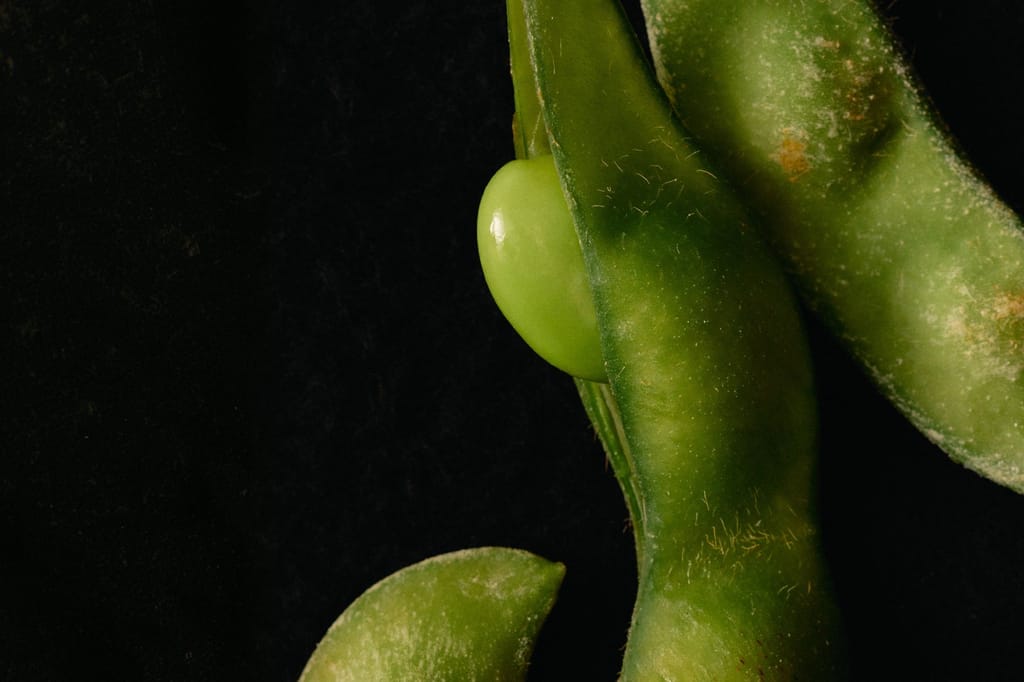
- Beans, lentils and pulses: Chickpeas, butter beans, cannellini beans, lentils and edamame
- Wholegrains: Oats, quinoa, brown rice, barley and wholegrain bread
- Extra virgin olive oil: Used for dressings, cooking and drizzling over meals
- Nuts and seeds: Walnuts, almonds, pumpkin seeds, chia seeds and flaxseeds
- Oily fish: Salmon, sardines, mackerel, herring and trout
- Protein sources: Eggs, Greek yoghurt, chicken, turkey, tofu and tempeh
Walpole encourages couples to spend less time worrying about what to cut out and more time thinking about what’s missing. A day of fertility-friendly eating might look like:
- Breakfast: Greek yoghurt, berries, walnuts and chia seeds
- Lunch: Salmon, quinoa, roasted vegetables and olive oil
- Dinner: Lentil and vegetable stew with leafy greens and pumpkin seeds
- Snacks: Fruit, boiled eggs, hummus, nuts or oatcakes
Let’s be real, nobody eats like this at every meal. The idea is that these foods show up often enough to become the default rather than just a one-off.
Do fertility supplements help?
Supplements can be useful for filling nutritional gaps, but they work best alongside a balanced diet rather than instead of one. Folic acid remains the supplement most consistently recommended before pregnancy. After that, things become far more individual. Walpole also points to growing interest in probiotics and CoQ10, particularly in relation to sperm quality, egg health and early pregnancy support.
The key is knowing why you're taking something in the first place. It can be tempting to fill a basket with every fertility supplement you come across, but stacking multiple supplements isn't necessarily going to improve outcomes. If you're unsure where to begin, testing can help identify potential nutritional gaps before reaching for multiple supplements. Knowing which fertility biomarkers are worth testing can show you where to focus, and our Healf Zone at-home blood tests can be a useful place to start.
When to speak to a fertility specialist
Prepping for pregnancy doesn’t mean waiting indefinitely before asking for help. For couples under 35, most will conceive within a year of trying. For couples over 35, Dr Elfaki advises speaking to your GP after six months without a pregnancy. Earlier conversations may also be appropriate if there are known fertility concerns, irregular periods, endometriosis, PCOS, previous reproductive health issues or chronic medical conditions.
Five habits worth focusing on first
Fertility nutrition can get complicated very quickly. One minute you are reading about folate, the next you are three tabs deep into supplements, antioxidants and foods to avoid. The encouraging part is that most fertility experts keep coming back to the same fundamentals. If you’re not sure where to start, these are the habits worth adopting:
- Build more meals around vegetables, beans, lentils, wholegrains and other fibre-rich foods.
- Aim for two portions of oily fish a week, or consider an omega-3 supplement if you don’t eat fish.
- Include a source of protein at every meal, whether that is eggs, yoghurt, fish, tofu, beans or meat.
- Start thinking about folic acid before you start trying to conceive, not after a positive pregnancy test.
- Give yourself a runway. Three to six months gives nutrition and lifestyle changes a chance to bed in before conception.
Food is only part of the story, too. Smoking, vaping, excessive alcohol intake, under-fuelling, poor sleep and recovery can all influence reproductive health. The aim isn’t to overhaul your entire life overnight. It is paying attention to the habits that support health overall and giving them a chance to compound.
One thing both experts are keen to emphasise is that fertility preparation is not a women-only job. "Preconception health is about giving both partners the best possible starting point," says Dr Elfaki. There’s no miracle food, fertility hack or supplement stack hiding at the end of this article. What there is, however, is a growing body of research suggesting the months before conception are doing more work than many of us realise.

This article is for informational purposes only, even if and regardless of whether it features the advice of physicians and medical practitioners. This article is not, nor is it intended to be, a substitute for professional medical advice, diagnosis, or treatment and should never be relied upon for specific medical advice. The views expressed in this article are the views of the expert and do not necessarily represent the views of Healf
Samantha Nice is a seasoned wellness writer with over a decade of experience crafting content for a diverse range of global brands. A passionate advocate for holistic wellbeing, she brings a particular focus to supplements, women’s health, strength training, and running. Samantha is a proud member of the Healf editorial team, where she merges her love for storytelling with industry insights and science-backed evidence.
An avid WHOOP wearer, keen runner (with a sub 1:30 half marathon) hot yoga enthusiast and regular gym goer, Samantha lives and breathes the wellness lifestyle she writes about. With a solid black book of trusted contacts (including some of the industry’s leading experts) she’s committed to creating accessible, well-informed content that empowers and inspires Healf readers.