
















































A Chiropractor’s Expert Guide To Beating Back Pain
From how you sit and train, to how you recover and sleep, these easy everyday habits will actually help protect your back.

Written by: Samantha Nice
Written on: 17 February 2026
Back pain used to be something we associated with getting older, but these days it feels like most of us have some kind of niggle. It shows up whether you spend your day in back-to-back meetings, on your feet, on the train, or at a laptop. It can rear its head if you train hard, run regularly, lift heavy, or squeeze workouts in around long working days. In fact, many of us probably never even had back problems when they appear out of nowhere.
What’s changed isn’t our bodies, it’s how we use them. Most people now move very little throughout the day, sitting for long periods in the same positions and relying on short bursts of intense exercise to compensate. Add in less-than-ideal desk set-ups, poor posture habits, disrupted sleep, high stress, and inconsistent recovery, and it becomes pretty easy to understand why back pain has quietly become one of the most common complaints, no matter how old (or young) you are.
To understand what’s really going on and what genuinely helps, we spoke to London-based chiropractor Ellie Richardson, DC. Working with everyone from corporate professionals to active, high-performing clients, she shares the practical, evidence-led habits she uses in clinic to help people reduce back pain and build more resilient, less achy backs.
Why are so many of us dealing with back pain now?
From Richardson’s clinical perspective, one issue stands out above almost all else: Immobility. “Many people are working long hours, commuting more and spending large parts of the day sitting, travelling and being desk-bound. This often leaves very little opportunity for regular movement, good sleep and consistent daily routines,” she says. “In my clinical experience, this lack of movement is the most significant contributor to back pain that I currently see.”
Most of the gentle, everyday movement our bodies crave has quietly dropped out of many people’s lives. “Even walking is often reduced,” Richardson says.
In reality, back pain is rarely about one awkward lift or one bad workout. Far more often, it’s the result of how little we move during the day, combined with the physical and mental loads we ask our bodies to tolerate over time.
The many different back pain patterns and what they usually mean
Back pain can take all shapes and forms. “There are several different patterns of back pain, although no two people present in exactly the same way,” Richardson explains. In people who move very little, particularly those sitting at a desk for long periods, she often sees changes in the shape and movement of the spine itself—specifically, a reduction or flattening of the spine’s natural curves. “This increases joint loading through the spine and can lead to joint-related pain,” she says. Over time, this may contribute to disc bulges, disc herniations and nerve-related symptoms such as sciatica or radicular pain.
At the other end of the spectrum are people who frequently train hard, pushing their bodies to the limit. These people tend to present very differently. “In very active or over-training individuals, pain is more commonly musculoskeletal in nature,” Richardson explains. “This often means overactive or tight spinal extensor muscles with insufficient support from the anterior core system, leading to local pain or referred symptoms from muscular trigger points.”
To sum it up, long-term sitting more often drives joint- and disc-related issues, while heavy training without enough balance and recovery more commonly leads to muscular overload and compensation.
Is posture really the problem?
Posture often takes the blame for all things back pain, but Richardson thinks the bigger focus should be on how long we stay still. “There is no such thing as a single bad posture, but staying in any posture for prolonged periods becomes problematic,” she says. “For example, sitting with the head held forward for hours at a time limits joint movement in the neck and upper spine, leading to stiffness and pain.”
It’s not about sitting up straight. Instead, you should aim to get regular movement in a variety of position, she adds.
Chiropractor-approved habits that can actually help
Richardson is very clear that back pain is best addressed through simple, repeatable habits rather than complicated routines. Here are the small, realistic changes she prioritises most in clinic:
“For desk workers looking to prevent back pain, this really is key,” Richardson says. “This does not need to be complicated. Standing desks, walking breaks, walking meetings and simply changing positions frequently can make a significant difference.”
She also encourages people to take advantage of any structured movement opportunities during the day, whether that’s a workplace gym, lunchtime workout class, yoga or Pilates. “Any opportunity to move joints regularly throughout the day should be taken,” she says. By reducing long periods of stillness, your joints and tissues can continue to move as they are designed to and help you avoid back pain.
When back pain flares during training, most people blame one exercise. But when it comes to training-related back pain, it is rarely caused by one isolated movement, per Richardson. “A deadlift, for example, may be the final trigger, but we have to consider the total load on the body,” she explains.
She’s not just referring to the weights you’re lifting, she’s talking about all the things that are happening outside of the gym, like physical stress—from carrying heavy work bags, poor sleep, over-training—or chemical stressors from your diet, hydration, and hormones. “When total stress exceeds the body’s capacity to adapt, injury becomes more likely. Sudden increases in training volume or intensity are a common factor.”
A practical takeaway is to look at your week as a whole. If work stress is high, sleep is poor, or training volume has just increased, your back may need recovery more than it needs intensity.
Sleep plays a much bigger role in back health than most people realise, both through recovery and positioning. One of the simplest changes Richardson recommends is avoiding sleeping on your front, as this places the neck in sustained rotation for many hours.
There are also easy positioning adjustments that can reduce strain through the lower back and hips. “When sleeping on the back, placing a pillow under the knees can help support the lower back. Side sleepers may benefit from a pillow between the knees.”
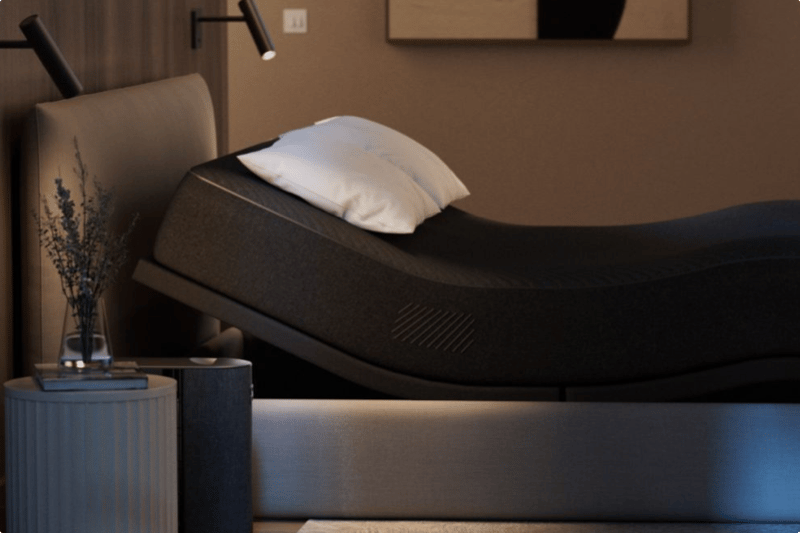
Your pillow and mattress matter too. “The pillow should keep the head in line with the spine rather than pushing it too high or allowing it to drop,” Richardson says. “A supportive, firmer mattress is usually preferable as it encourages more movement rather than sinking into the mattress.”
One of the most common patterns Richardson sees in people who train regularly is that their back ends up doing too much of the work, while deeper support muscles around the trunk and hips remain under-used.
Balancing high-intensity workouts with structured strength work that supports the trunk and hips can reduce the load throughout the lower back and improve how force is transferred through the body. This is one of the reasons Richardson consistently encourages strength training alongside sport and cardio, rather than as an optional add-on.
Back pain often builds when recovery quietly falls behind, and Richardson consistently sees cumulative fatigue playing a role in clients’ discomfort. Poor sleep, repeated heavy lifting days, limited rest, and high stress can all reduce the body’s ability to adapt and injuries become more likely, she says.
The answer? Treat recovery as a non-negotiable part of your routine. That means spacing intense sessions, scaling back on some days, and recognising when your overall load is already high. Recovery really is one of the most effective ways to protect your back.
Pain is not just physical. “Ongoing back pain can have a profound impact on mental health, stress levels and quality of life,” Richardson explains. For people already dealing with other health challenges, the impact can be even greater.
“If you’re dealing with chronic illness, pregnancy or hormonal conditions, back pain can be overwhelming and may lead to fear of movement,” she says. What helps most is shifting away from blaming one exercise, one posture or one moment. “Breaking this cycle involves helping people see the bigger picture rather than focusing on one event. Understanding how emotional, chemical and physical stressors interact allows people to regain confidence and return to movement gradually and safely.”
When it comes to her own back health, Richardson keeps things simple and consistent. “My non-negotiables for maintaining a healthy back are regular movement throughout the day, ideally every 30 minutes, stress management and balanced joint loading,” she explains.
That includes both strength and mobility. “I strength train two to three times per week alongside daily mobility and fun physical activities that encourage consistency. For me, that includes dancing.”
The real goal is variety and awareness. “Maintaining movement variety and listening to your body’s overall load is key,” she adds.
The key takeaway
If there’s one thing to take from Richardson’s work, it’s that back pain usually builds quietly and gradually. It is shaped by small, repeated behaviours such as how often you move, how long you sit for, how you balance training with recovery, how well you sleep, and how much stress you carry through the week. The good news is that this also means back health is something you can influence without needing a complete lifestyle overhaul.
Richardson’s approach is simple and realistic: Build more movement into your day, not just your workouts. Train in a way that supports your joints, not just your performance. Take recovery seriously. Set your sleep up properly. And pay attention to early warning signs rather than pushing through them. It’s also wise to know when self-management is no longer enough. If your back pain is persistent, worsening, interfering with daily life or not improving after making changes to movement, training, sleep and recovery, it is worth getting it assessed by a professional.
Back pain may be common, but it does not have to be something you simply accept. Small, consistent changes really do add up, and knowing when to ask for support is part of looking after your body properly.




This article is for informational purposes only, even if and regardless of whether it features the advice of physicians and medical practitioners. This article is not, nor is it intended to be, a substitute for professional medical advice, diagnosis, or treatment and should never be relied upon for specific medical advice. The views expressed in this article are the views of the expert and do not necessarily represent the views of Healf
Samantha Nice is a seasoned wellness writer with over a decade of experience crafting content for a diverse range of global brands. A passionate advocate for holistic wellbeing, she brings a particular focus to supplements, women’s health, strength training, and running. Samantha is a proud member of the Healf editorial team, where she merges her love for storytelling with industry insights and science-backed evidence.
An avid WHOOP wearer, keen runner (with a sub 1:30 half marathon) hot yoga enthusiast and regular gym goer, Samantha lives and breathes the wellness lifestyle she writes about. With a solid black book of trusted contacts (including some of the industry’s leading experts) she’s committed to creating accessible, well-informed content that empowers and inspires Healf readers.