































_2026-10-13_14-11-48.png)


Eat Your Electrolytes: The Foods That Hydrate Better Than Drinks
From sardines to potatoes, these foods deliver multiple electrolytes and support hydration more effectively than most powders.

Written by: Samantha Nice
Written on: 16 April 2026
These days, we’re all sipping electrolytes, with flavoured powders, pre-mixed drinks, and travel-friendly sachets all promising better hydration and faster recovery. It’s an easy sell, and one most of us have bought into. These drinks contain minerals like sodium, potassium, and magnesium that help regulate fluid balance, support nerve signalling, and keep everything running properly. But the thing is, those minerals aren’t exclusive to special electrolyte products. In fact, the most effective sources can be found in everyday foods.
The baseline nutrients in our diet should come from food, with supplements there to fill gaps. When it comes to electrolyte-rich foods, you should look beyond the ones that provide only sodium or potassium, and focus on getting the full mineral mix your body relies on daily, including calcium, magnesium, and chloride. For most, that shift in thinking changes everything. Better hydration doesn’t start with what you drink; it starts with what you eat.
Do you actually need electrolyte drinks?
It’s easy to assume you need to drink your electrolytes, especially when specialised powders and drops have become part of everyday routines, from workouts to workdays. But for most people, they’re not the starting point. “Food is not just an effective way to meet daily electrolyte needs, it is generally the best way,” says Tina Lond-Caulk, BSc., a high performance nutritionist.
Electrolytes like sodium, potassium, calcium, and magnesium are already widely available in everyday foods, often in forms your body absorbs well. “The core advantage of food over drinks is that it provides electrolytes alongside protein, fibre, vitamins and phytonutrients that no drink can replicate,” Lond-Caulk explains.
That doesn’t mean electrolyte drinks don’t have their place. They can be useful during longer sessions of exercise, heavy sweating in heat, or illness where fluids are being lost quickly. Think: endurance sessions lasting over 60 to 90 minutes or training in hot conditions where fluid loss is high. Still unsure? Have a read of this journal, When Should You Take Electrolytes?
Outside of those scenarios, most people don’t need to rely on electrolyte supplements. In fact, sodium is one area where intake is often already high. “The majority of UK adults exceed the recommended maximum of 6 grams of salt per day,” Lond-Caulk adds, largely through packaged and processed foods.
Electrolyte drinks are situational, whereas food is what you build everything else on.
The best foods to eat for natural hydration
Rather than thinking about electrolytes individually, it’s more useful to focus on foods that deliver a solid mix in one hit. “There are certain foods that stand out because they cover several electrolytes efficiently,” says Lond-Caulk. “What makes them effective is not just the quantity, but the fact they deliver those minerals within a whole-food matrix that the body processes well. Minerals from whole foods tend to be absorbed more steadily and regulated by the body, whereas drinks deliver them quickly but without the same nutritional context,” she adds.
These are the ones worth making space for on your plate.
Sardines: the closest thing to an all-in-one electrolyte food
Sardines are one of the few foods that naturally deliver multiple electrolytes at once, including calcium, potassium, magnesium, and sodium, making them one of the most efficient options for supporting hydration and muscle function in a single serving.
“When eaten with their soft, edible bones, sardines provide a significant amount of calcium alongside potassium and magnesium,” says Lond-Caulk. “They’re one of the most nutritionally dense everyday foods you can include.”
They’re also incredibly practical, require little to no prep, and are easy to add into most meals, whether that’s on toast, in salads, or alongside grains.
Per portion: A standard 100 g tin of sardines (with bones) provides approximately 350–400 mg of calcium (around 50–57% of daily needs), 400 mg of potassium (around 11%) and 35–40 mg of magnesium (around 10–13%).
Potatoes (with skin): one of the easiest ways to boost potassium
Potatoes are one of the most effective and accessible ways to increase potassium intake, which plays a key role in fluid balance and muscle function. “A medium jacket potato with the skin can give close to 950 mg of potassium, which is over a quarter of daily needs,” says Lond-Caulk.
Keeping the skin on makes a meaningful difference, as much of the mineral content sits just beneath it. Super simple, very affordable, and easy to pair with other foods, potatoes are one of the most practical ways to support hydration through meals. For more on the importance of potassium, read Why Potassium Is Actually The Most Important Electrolyte.
Per portion: One medium jacket potato (around 160 g) provides 950 mg of potassium (27% of daily needs) and 30–40 mg of magnesium (10–13%).
Dairy: a reliable source of calcium and potassium
“Milk and yogurt provide a combination of calcium and potassium, and importantly, in a form that’s well absorbed,” says Lond-Caulk. Both minerals are important for muscle contraction, nerve signalling, and fluid balance. And since these minerals are delivered together in a highly bioavailable form, dairy becomes one of the easiest ways to consistently support electrolyte intake without needing to think too much about it.
Per portion: A 200 ml glass of milk provides 300–320 mg of potassium (around 9% of daily needs) and 240 mg of calcium (around 34%).
Beans and lentils: the underrated electrolyte staple
Beans and lentils are undeniably one of the most efficient plant-based sources of potassium and magnesium, supporting hydration, muscle function, and energy production. They also come with fibre and plant protein, making them a strong foundational food rather than just a mineral source.
Easy to add into soups, salads or grain bowls, they’re one of the simplest meal upgrades you can make.
Per portion: Lond-Caulk says that 200 g of cooked beans can provide around 700-800 mg of potassium and a meaningful amount of magnesium. This is around 20-23% of your daily potassium and 25-30% of your daily magnesium needs.
Leafy greens: small additions that deliver magnesium and potassium
Leafy greens like spinach and kale are an easy way to add both magnesium and potassium into your diet to help support muscle function and fluid balance. “Spinach is particularly high in magnesium for a vegetable, while also contributing potassium,” says Lond-Caulk.
They don’t need to be eaten in huge quantities to make a difference. A handful added to meals here and there is often enough to steadily increase your intake over time.
Per portion: A 100 g serving of spinach gives 290 mg of potassium (around 8% of daily needs) and 60–65 mg of magnesium (around 20–22%).
Olives and sauerkraut: simple ways to add sodium when you need it
Olives and sauerkraut are primarily sodium sources, according to Lond-Caulk. Sodium plays a key role in fluid balance, particularly when you’re losing fluids through sweat. While most people already consume enough sodium, these foods can be useful in specific situations, particularly when paired with other whole foods. They also bring added benefits, from olives’ healthy fats to the gut-supporting bacteria in fermented foods like sauerkraut.
Per portion: 30 g of olives gives 300–500 mg of sodium and 20–40 mg of potassium. A 100 g serving of sauerkraut provides 400–600 mg of sodium and 150–200 mg of potassium.
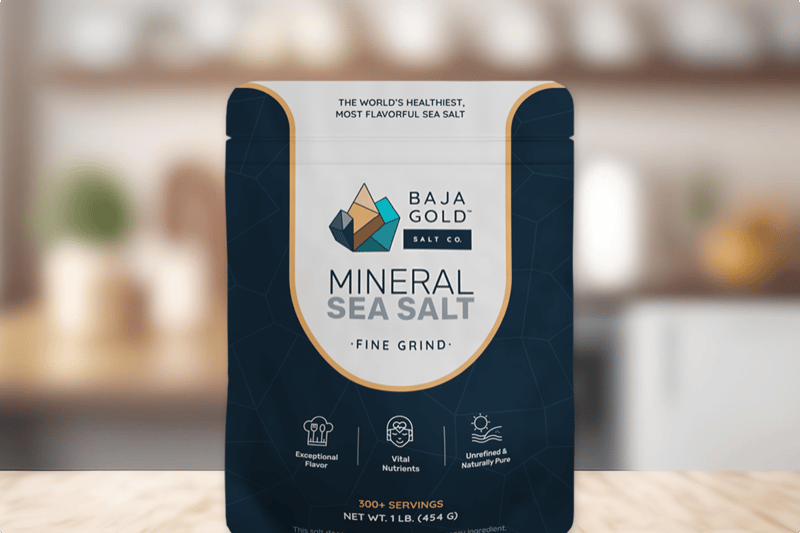
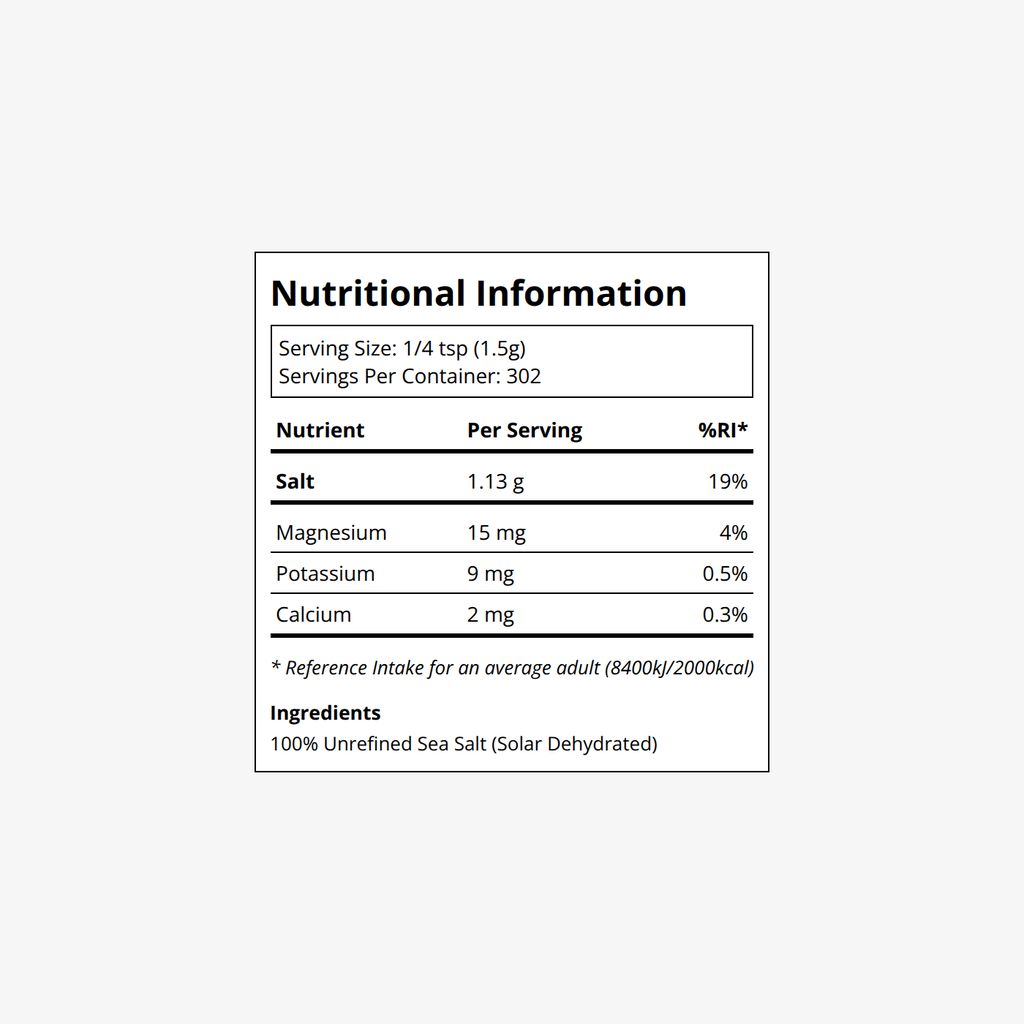
You can take a similar approach with higher-quality salts too. Baja Gold’s Mineral Sea Salt offers sodium alongside trace minerals like magnesium and potassium, making it a more considered option than standard table salt.

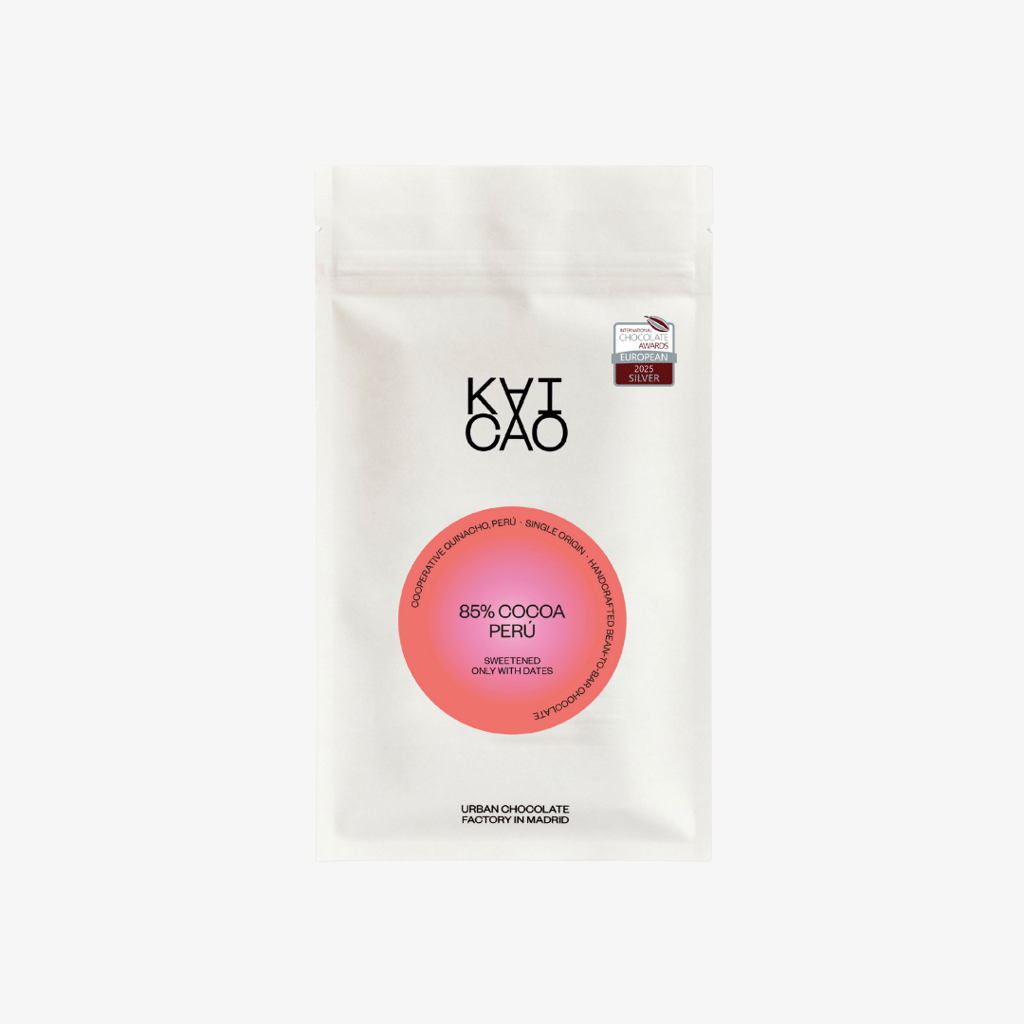
Nuts, seeds and dark chocolate: easy wins for magnesium
Magnesium is one of the more commonly under-consumed electrolytes, but nuts, seeds, and dark chocolate offer a simple way to increase your intake without overthinking it. “Pumpkin seeds are one of the highest magnesium-containing snack foods you can find,” says Lond-Caulk.
These work best as small, consistent additions to meals or snacks rather than something you rely on occasionally. A handful here and there adds up surprisingly quickly.
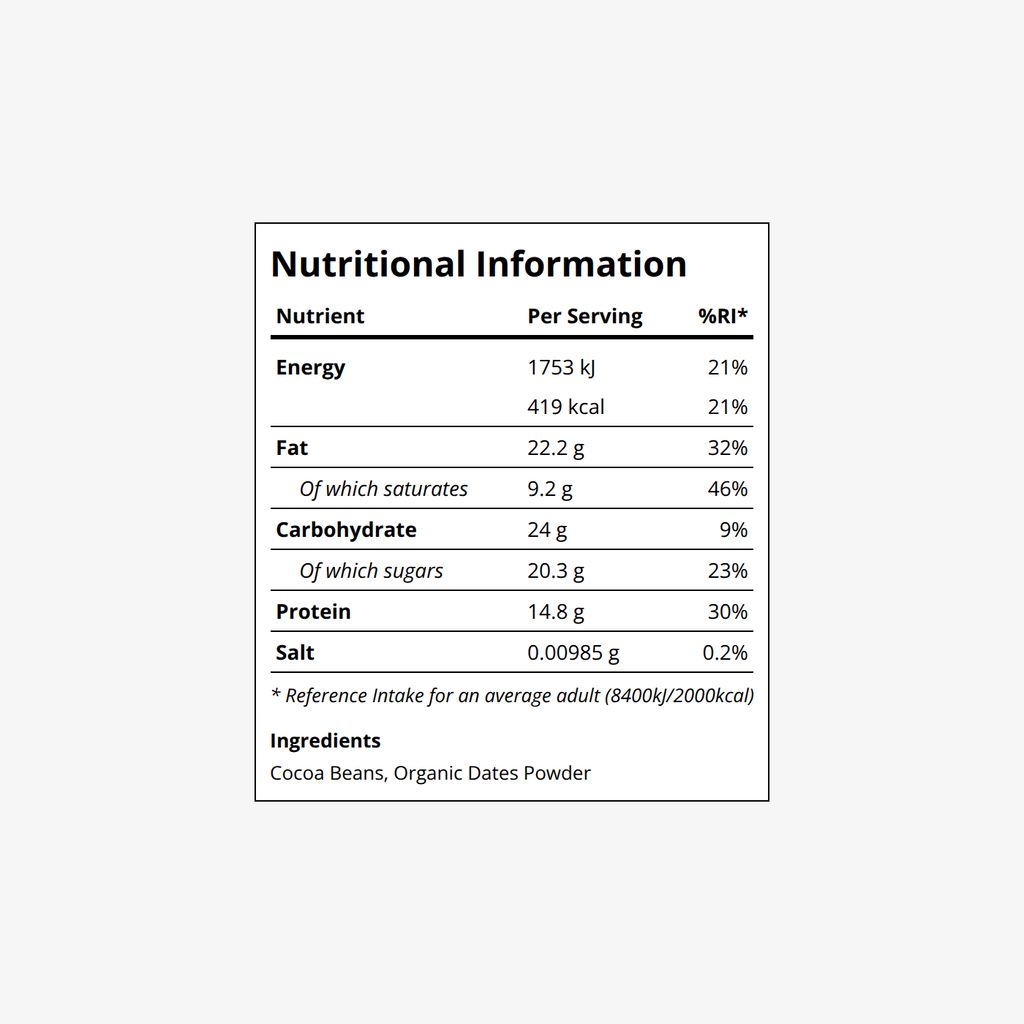
Per portion: 30 g of pumpkin seeds provides 80–90 mg of magnesium (around 25–30% of daily needs), almonds provide 70–75 mg (around 20–25%), and 30 g of dark chocolate (70%+) delivers 60–65 mg (around 15–20%).
Hydration, rethought
Electrolytes haven’t gone anywhere; they’ve just been packaged into something easy to sell. For most people, hydration is much simpler. It’s less about what you add in and more about what’s already on your plate, with the same minerals found in powders and drinks naturally built into everyday foods your body can use well. That doesn’t make electrolyte drinks irrelevant. They’re still a good go-to when demands are higher, like long workout sessions, heat, or illness, but they’re not something you need to rely on day to day.
Instead, look to build meals around foods that naturally deliver a mix of electrolytes, keep them in regular rotation, and let your diet do the work. Get that right, and hydration stops being something you chase and becomes something you stay on top of without needing to rely on another drink.
-2.jpg)

This article is for informational purposes only, even if and regardless of whether it features the advice of physicians and medical practitioners. This article is not, nor is it intended to be, a substitute for professional medical advice, diagnosis, or treatment and should never be relied upon for specific medical advice. The views expressed in this article are the views of the expert and do not necessarily represent the views of Healf
Samantha Nice is a seasoned wellness writer with over a decade of experience crafting content for a diverse range of global brands. A passionate advocate for holistic wellbeing, she brings a particular focus to supplements, women’s health, strength training, and running. Samantha is a proud member of the Healf editorial team, where she merges her love for storytelling with industry insights and science-backed evidence.
An avid WHOOP wearer, keen runner (with a sub 1:30 half marathon) hot yoga enthusiast and regular gym goer, Samantha lives and breathes the wellness lifestyle she writes about. With a solid black book of trusted contacts (including some of the industry’s leading experts) she’s committed to creating accessible, well-informed content that empowers and inspires Healf readers.