






































_2026-10-13_14-11-48.png)


When Should You Take Electrolytes?
From workouts to workdays, travel to sick days, here’s when electrolytes actually belong in your hydration routine.

Written by: Samantha Nice
Written on: 6 February 2026
Is it just us, or is everyone’s sipping on electrolytes? Somewhere along the way, electrolytes shifted from endurance fuel to an everyday “just in case” habit, popping up in morning routines, gym bags, travel kits, desk drawers and productivity stacks. But here’s the part no one really explains: When are you supposed to drink electrolytes? And are they actually helping? Or are you just sat in the office with an overpriced (and unnecessary) flavoured drink?
While electrolytes can be genuinely useful, they are not an everyday essential for everyone and they definitely aren’t a shortcut for poor sleep, stress, or under-fuelling.
To get a clear, science-backed answer, we spoke to Samantha Mare, SENr, MSc, a performance nutritionist at London’s The Running Room, who explains exactly when you should take electrolytes, when water does the job just fine, and how to time them properly around training, travel, illness and real life.
What are electrolytes?
Electrolytes are not a trend or a flavoured water upgrade. They’re basic, behind-the-scenes minerals your body already depends on to function properly.
“Electrolytes are minerals that carry an electrical charge and regulate fluid balance, nerve signalling, muscle contraction, blood pressure and acid-base balance,” says Mare. “For most healthy adults eating a balanced diet, daily electrolyte needs are met through food.”
When we sweat, we mainly lose sodium and chloride, along with smaller amounts of potassium, magnesium and calcium. Supplementation becomes useful when losses increase and fluid balance is disrupted, explains Mare. That distinction is important, because electrolytes are often marketed as instant hydration, when in reality they don’t hydrate you on their own. They help your body retain and absorb the fluid you drink more effectively, especially when sodium has been lost.
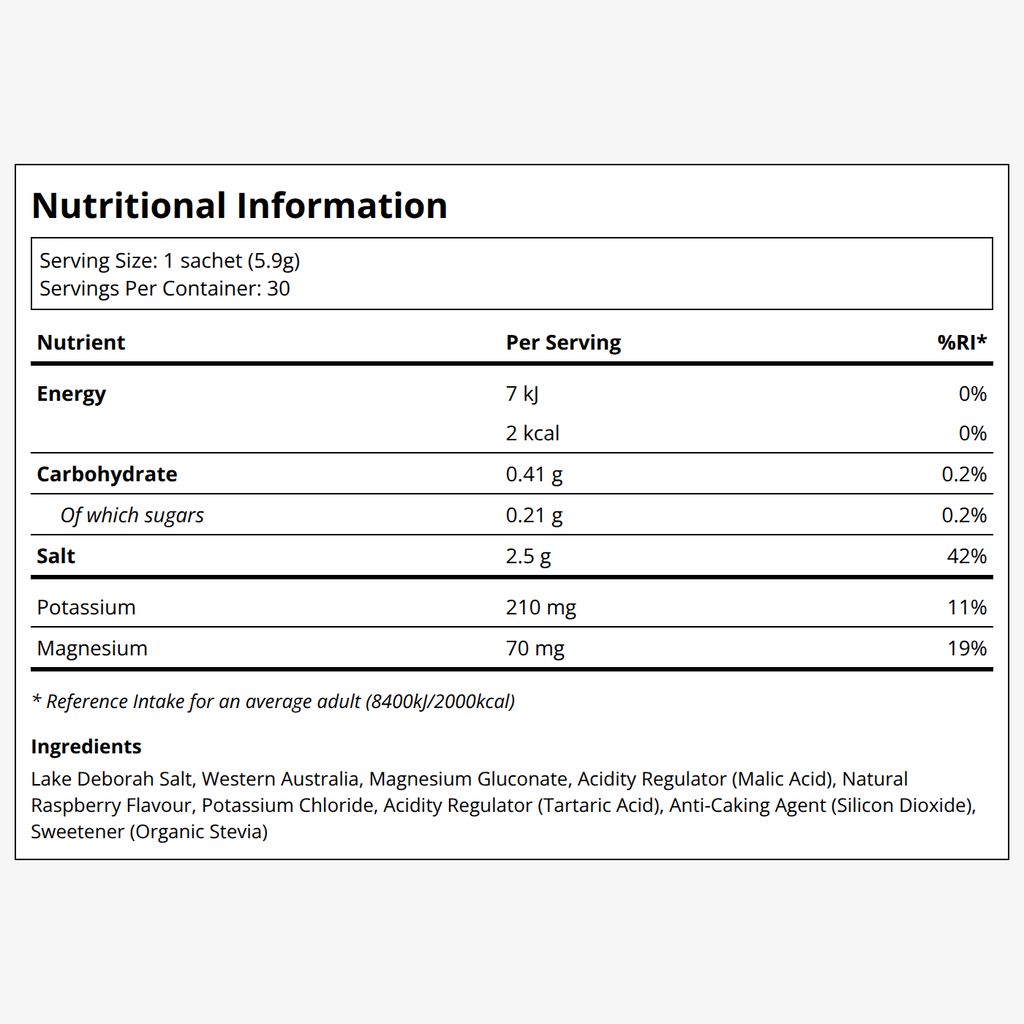
Most electrolyte supplements are simply a blend of sodium (often as salt or sodium citrate), potassium, magnesium and sometimes calcium, mixed with flavouring and a small amount of sugar or carbohydrate to help absorption.
This is the real starting point for understanding when to take electrolytes and when plain water already does the job perfectly well.
When should you take electrolytes?
Electrolytes can be genuinely useful. But understanding when to take electrolytes is what makes them effective. Used strategically around sweat, heat, illness and real fluid losses, they can support hydration and performance. Used out of habit, they are often just expensive flavoured water.“Think of electrolytes as a strategic supplement, not an everyday essential,” says Mare.
Here are some of the situations where she says electrolyte use is genuinely helpful and evidence-based.
Heavy sweating and long or intense exercise
If you’re training for more than an hour, exercising hard in the heat or doing physically demanding work, this is one of the clearest situations where you should take electrolytes. “Sweat contains significant sodium, roughly 400 to 1,000 milligrams per litre depending on the person,” says Mare. “Replacing water without sodium during heavy sweating can dilute blood sodium levels and impair performance and recovery.”
She also highlights common signs that water alone may not be enough to replenish you: “White salt marks on clothes, headaches after exercise, dizziness when standing, muscle cramps or persistent fatigue despite drinking plenty.”
Illness (vomiting, diarrhoea or fever)
Another important situation where electrolytes come in handy is when you’re ill. “In gastro illness, sodium and fluid losses are high,” Mare explains. “In these cases, oral rehydration solutions are evidence-based and more effective than plain water because they use the sodium-glucose transport system in the gut to enhance fluid absorption.”
She is clear that water alone is not ideal here. “Plain water can worsen dilution if electrolytes aren’t replaced.”
Hot climates and travel
You don’t need to be sweating it out at the gym to warrant a little electrolyte love. “In hot climates, heat increases sweat losses even at rest,” Mare explains. Long-haul travel adds further challenges. “During long-haul flights, the air is dry, fluid intake is often low and alcohol and caffeine increase diuresis.” In these situations, electrolytes can support fluid retention better than water alone, especially if intake has been poor.
Very low-carbohydrate or fasting phases
A less obvious answer to when to take electrolytes is during low-carbohydrate or fasting phases. “When carbohydrate intake drops significantly, insulin levels fall and the kidneys excrete more sodium,” Mare says. “This is why people on ketogenic diets often experience ‘keto flu’ symptoms like headaches, fatigue and dizziness, which are often sodium-related rather than true dehydration.”
High stress or poor sleep
This one is a bit nuanced. Stress increases cortisol levels, which then influence your body’s fluid regulation and can increase the amount of sodium you excrete in your urine, according to Mare. “While this doesn’t automatically require electrolytes, some people feel subjectively better with mild sodium support if intake has been low.” One thing Mare does note is that stress alone isn’t a blanket reason to supplement.

When are electrolytes usually unnecessary?
Just as important as knowing when to take electrolytes is knowing when you probably don’t need them. Mare says electrolytes are usually unnecessary if you are:
Having a sedentary day in a mild climate
Doing a standard exercise session under 60 minutes
Eating regular meals with normal salt intake
Drinking to thirst
“If urine is pale straw coloured, energy is stable and there are no dizziness or cramping symptoms, water is typically sufficient,” she explains.
Is there a best time of day to take electrolytes?
Wondering when, exactly, to take electrolytes during your day? Here is how Mare suggests timing them across the day.
First thing in the morning
“There’s no proven evidence that everyone needs electrolytes on waking,” says Mare. “Breakfast and fluids will usually cover your needs.” They can be useful if you trained hard the previous evening, you’re in a hot climate, you wake with headache or light-headedness, you drank alcohol the night before, or you are in a low-carbohydrate phase.
Around exercise
This is where the strongest evidence exists for when to take electrolytes. “For exercise under 60 minutes at moderate intensity, water is fine,” Mare explains. “For 60 to 90 minutes or high sweat rates, include sodium,” she adds. “After two hours, sodium becomes increasingly important. This is because it improves fluid retention, thirst drive, performance maintenance and helps prevent hyponatremia, which is dangerously low sodium.” This is especially relevant for endurance athletes.
When travelling
Electrolytes can help maintain plasma volume (the volume of the liquid component of your blood) during long flights or hot travel destinations, particularly when appetite is low or fluid intake is inconsistent.
When you feel run down or depleted
This one really depends on why you feel flat. Electrolytes can help when that low, drained feeling is linked to fluid and mineral loss. “If this feeling follows heavy sweating, illness, poor intake or heat exposure, electrolytes may help,” says Mare. In these situations, electrolytes can support rehydration by helping your body absorb and retain the fluid you’re drinking, which can ease symptoms like light-headedness, headache, weakness or that general ‘washed out’ feeling that often comes with dehydration.
However, Mare is very clear about where electrolytes stop being useful. “If the feeling is due to chronic stress, under-eating, poor sleep, iron deficiency or relative energy deficiency in sport, electrolytes won’t fix the root cause.” In other words, electrolytes can help you rehydrate and rebalance fluids when your body has genuinely lost them, but they are not a fix for burnout, poor recovery or ongoing fatigue that comes from deeper lifestyle or health issues.
How do you know when water isn’t enough?
Instead of guessing when to take them, Mare recommends looking at both the situation and your symptoms. Electrolytes should match the problem you are trying to solve.
For heavy sweating, add sodium
For gastro illness, use an oral rehydration solution
For long endurance or heavy training sessions, add sodium
For mild dehydration on a normal day, water is sufficient
For fatigue without sweat loss, investigate broader causes
Despite how popular electrolyte products have become, most people are not deficient, says Mare. “In fact, public health guidelines focus on reducing excess sodium intake for cardiovascular health.” Her key perspective is simple. “Electrolyte supplementation is about loss replacement, not daily optimisation. More is not better.”
A simple, practical guide for most people
Mare keeps her advice on when to take electrolytes very straightforward.
For daily life, water and balanced meals is absolutely fine
For training (over 60-90 minutes) or if in a hot or humid environment, add around 300 to 600 milligrams of sodium per hour
For illness, use a medically formulated oral rehydration solution
For significant sweating, add electrolytes
Your most asked questions, answered
Should I take electrolytes every day?
No. Unless you are regularly losing large amounts of fluid and sodium, daily supplementation is usually unnecessary.
Are electrolytes better than water?
Only in situations where sodium and fluid losses are high. Otherwise, water is usually enough.
Can electrolytes help fatigue or brain fog?
Only if those symptoms are caused by fluid and sodium loss. If they are driven by poor sleep, stress, under-fuelling or nutrient deficiencies, electrolytes will not address the root cause.
Is it wrong to drink electrolytes warm or first thing in the morning?
Whether electrolytes help first thing in the morning depends far more on your context than on the time of day. What matters is your environment, recent training, illness, travel and whether you’ve actually lost meaningful fluid and sodium.
As for drinking them warm, the temperature itself doesn’t change how electrolytes work. Your body absorbs the minerals in the same way whether the drink is cold, room temperature or warm. If warm electrolytes help you sip more comfortably in the morning or when you’re feeling unwell, that’s absolutely fine. The benefit comes from replacing fluid and sodium, not from the temperature of the drink.
A final word
Want to go deeper on what actually replaces electrolytes properly? We’ve got an in-depth guide that breaks down the science of fluid, sodium and absorption, plus how to rehydrate properly after training, travel or illness. Read - How To Replace Electrolytes: Best Sources And Signs You Need More
If you are going to use electrolytes, choosing the right one really does matter. We’ve reviewed the best electrolyte powders based on ingredients, sodium content and real-world use. Have a read of this - The Very Best Electrolyte Powders For Optimal Hydration


This article is for informational purposes only, even if and regardless of whether it features the advice of physicians and medical practitioners. This article is not, nor is it intended to be, a substitute for professional medical advice, diagnosis, or treatment and should never be relied upon for specific medical advice. The views expressed in this article are the views of the expert and do not necessarily represent the views of Healf
Samantha Nice is a seasoned wellness writer with over a decade of experience crafting content for a diverse range of global brands. A passionate advocate for holistic wellbeing, she brings a particular focus to supplements, women’s health, strength training, and running. Samantha is a proud member of the Healf editorial team, where she merges her love for storytelling with industry insights and science-backed evidence.
An avid WHOOP wearer, keen runner (with a sub 1:30 half marathon) hot yoga enthusiast and regular gym goer, Samantha lives and breathes the wellness lifestyle she writes about. With a solid black book of trusted contacts (including some of the industry’s leading experts) she’s committed to creating accessible, well-informed content that empowers and inspires Healf readers.