



















Float Your Way To Calm: Is Flotation Therapy Worth The Hype?
Zero gravity. Zero noise. Zero distractions. We dive into the trending therapy that’s claimed to boost recovery, reduce stress and reset your brain.

Written by: Samantha Nice
Written on: 22 October 2025
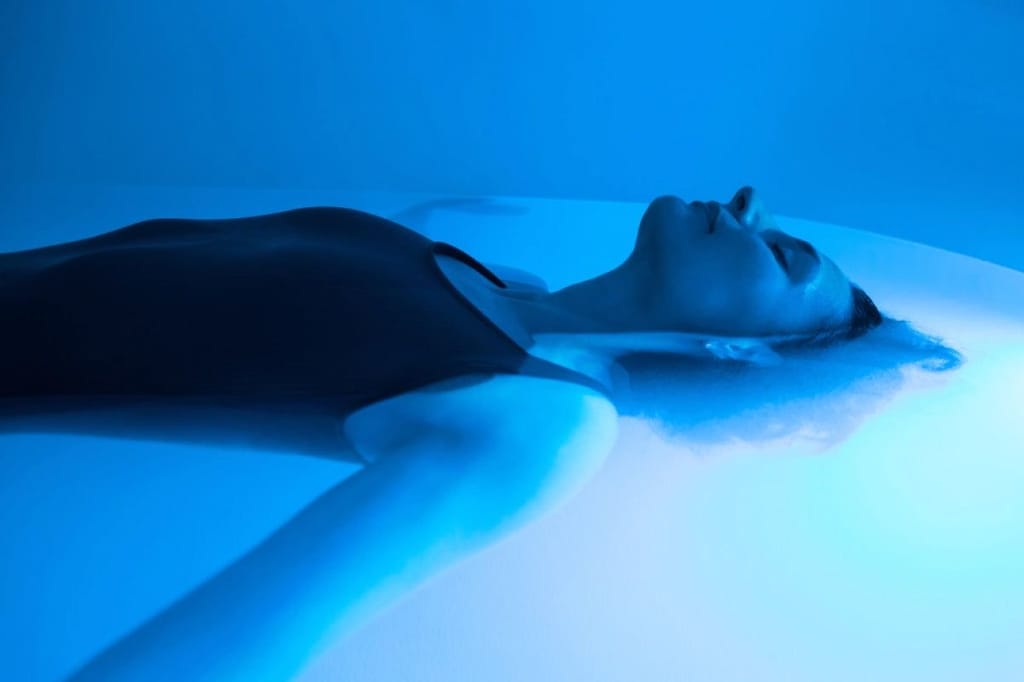
You’ve probably seen it on Instagram or TikTok… sleek white pods, soft blue light and people floating weightlessly in silence. It looks part sci-fi, part spa day but flotation therapy, also known as sensory deprivation, is where you float in a tank of warm, Epsom-salt-infused water designed to eliminate all sensory input.
The idea? By removing light, sound and gravity, your nervous system hits pause, giving your brain and body a chance to fully decompress. Users are calling it “meditation on steroids” - claiming benefits from stress relief and muscle recovery to better sleep and sharper focus.
But can simply lying in salty water really rewire your brain and body, or is it just another wellness indulgence with a fancy price tag? We dive into what actually happens inside the tank and what science says about whether you should give it a float.
What is flotation therapy?
Flotation therapy - formally known as Floatation-REST (Restricted Environmental Stimulation Therapy) - is a practice that combines science, sensory control and stillness. Each session takes place in a private pod filled with warm water and around 500kg of Epsom salts, creating a density that allows the body to float effortlessly, like zero gravity.
“At its simplest, it’s a full sensory reset,” says Tim Allan, founder of London’s yue float. “When you float, sound, sight, and gravity all disappear. Your brain and body finally get a chance to completely switch off.”
Inside the pod, the water is heated to skin temperature (about 36°C), blurring the line between body and environment. It’s dark, silent and still… the perfect conditions for deep physical and mental rest.
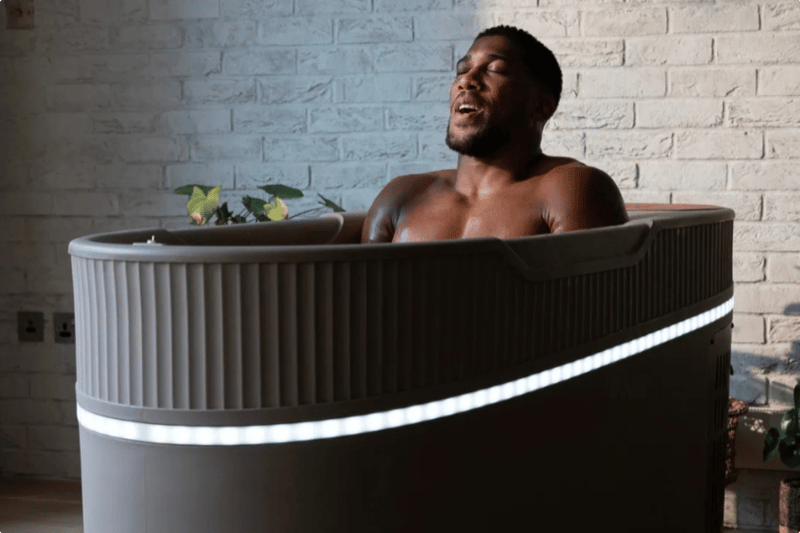
“There are a few types of float setups including pods, cabins and open rooms,” Tim explains. “We use Float Spa pods from Hungary because they’re designed for comfort and hygiene. They’re larger than most (2.32 metres long and 1.59 metres wide) and the lid can be left open or closed at any position. That flexibility really helps people who are nervous about feeling enclosed.”
Each pod is fully drained and sanitised after every session, using UV filtration and hydrogen peroxide for gentle, effective sterilisation. “It means we can physically wipe down the full interior each time,” Tim adds. “That’s how we keep the experience spotless and relaxing for everyone.”
In essence, floating removes the constant noise of everyday life (the pull of gravity, the hum of technology, the weight of thought) leaving your body weightless and your mind deeply still. The setup alone can be deeply calming, but it’s what happens in your brain and body that makes floating truly fascinating.
How it actually works: the science behind the float
When you step into a float pod, your brain begins to downshift into a profoundly relaxed yet alert state. Scientists call it Floatation-REST, and while the field is still growing, research led by Dr Justin Feinstein at the Laureate Institute for Brain Research offers some of the strongest evidence for its effects.
Mental stillness and quietening the mind
“Floating reduces connectivity within the brain’s Default Mode Network (DMN),” explains Tim. “That’s the part responsible for self-referential thinking such as the internal monologue, the overthinking, the mental chatter.”
Studies show that during floating, DMN activity decreases dramatically, leading to a sense of spaciousness, timelessness and calm. “People often describe feeling like they’ve stepped outside of time,” says Tim. “That mental stillness can last up to two days afterwards.”
Emotional regulation and creating calm
Floating also appears to quieten the amygdala - AKA the brain’s anxiety hub. Studies show that reduced amygdala activity correlates with lower stress and anxiety levels. “Essentially, the brain stops firing its stress signals,” says Tim. “You move into a state of deep safety and relaxation.”
Heightened awareness
With light, sound, and touch minimised, your focus also turns inward. “Internal sensations like heartbeat and breath become more noticeable,” Tim explains. “That’s interoception - your ability to sense what’s going on inside your body. It’s linked to mindfulness, emotional regulation and self-awareness.” This is mediated by activation in the insula and anterior cingulate cortex, brain areas involved in emotional balance and self-connection.
Deeper relaxation
Studies also suggest floating increases theta brainwaves which are those associated with creativity, meditation and dreaming. “It’s that liminal state between waking and sleep where ideas flow freely,” Tim says.
Physical effects of the body in zero gravity
While your mind quietens, your body also responds too. Floating activates the parasympathetic nervous system (the “rest and digest” mode) which helps to lower heart rate, blood pressure and cortisol levels. “The buoyancy removes all gravitational pressure from your joints and spine,” says Tim. “Your muscles can finally let go. It’s like giving your body permission to exhale.”
In one study, floating reduced muscle tension and pain in those with chronic neck and back issues after multiple sessions.
The benefits and what floating can actually do for you
From stress relief to creative clarity, floating’s benefits span the mind, body and mood. Here’s just some of the best reasons it’s worth giving it a go…
1. Stress and anxiety relief
“The combination of reduced sensory input and parasympathetic activation helps the nervous system completely unwind,” says Tim. Studies confirm significant drops in anxiety after just one float.
2. Improved sleep
Many floaters report deeper, more restful sleep in the nights following a session which is likely linked to lower cortisol and calmer brainwave activity.
3. Pain and muscle recovery
“The zero-gravity effect removes all pressure from joints and muscles, allowing deep relaxation,” says Tim. “It’s brilliant for recovery, especially for people with chronic pain or post-exercise soreness.”
4. Enhanced creativity and focus
Floating’s theta brainwave state mirrors what many artists and meditators experience during peak creativity. “Without distractions, your mind is free to create,” says Tim. “The concept and aesthetic of Yue Float actually came to me in a float pod.”
5. Emotional balance and self-awareness
By enhancing interoception and quieting rumination, floating helps build emotional regulation and resilience. “You become more aware of what’s happening inside you and less reactive to what’s happening outside,” Tim adds.
6. Chronic stress reset
Over time, regular floating can “train” your nervous system to find calm more quickly. “It’s like teaching your body how to relax on demand,” Tim says.
Who it’s for (and who shouldn’t float)
Floatation therapy is safe and beneficial for most people, but Tim notes a few exceptions. “It’s not suitable for people with severe claustrophobia, epilepsy, open wounds, or skin infections,” he says. “Anyone with psychotic disorders or certain balance conditions should avoid it too.”
You should also wait if you’ve recently dyed your hair or got a new tattoo as salt water can irritate skin or strip colour.
“Pregnant women can benefit hugely, particularly in the second trimester,” Tim adds. “It relieves back pain, helps with sleep and deepens connection with the baby. It’s like a womb within a womb.” As always, it’s best to check with your healthcare provider if you have any medical conditions or concerns before booking though.
How long until you feel results?
“You can feel the calming, more relaxed effects after a single float but lasting results come with regular practice,” says Tim.
After one session
Research shows one 60 to 90-minute float can significantly reduce anxiety, muscle tension and stress markers. “These benefits can last up to two days, but will fade if you don’t float again,” says Tim.
After several sessions
“For sustained improvements like lowered baseline anxiety, chronic pain relief, better mood, you’ll need around five to 10 sessions,” he says. Protocols in anxiety studies often use six sessions over three weeks, while pain studies report results after nine sessions.
Longer term, more regular floating
A 2025 survey of 83 regular floaters found that most floated one to three times per month. The most common benefits? Relaxation (91%), stress reduction (77%), mental clarity (57%), better sleep (55%), and reduced anxiety (47%). Effects typically lasted one to four days post-float. “Over time, you learn to let go faster,” says Tim. “By your third or fourth float, your mind recognises the environment and drops into stillness more easily.”
How to get the most out of your float
Floating is simple, but a few smart choices can make your first experience truly transformative. Here’s are Tim’s tried and tested top tips:
Skip caffeine. “Avoid coffee or energy drinks beforehand as they make it harder to relax.”
Eat light. “A small meal a couple of hours before is perfect… too hungry or too full can distract you.”
Don’t shave the day of. “The salt can sting freshly shaved skin.”
Go in open-minded. “The first float is about getting used to the sensation and learning to let go.
Take time after. “Don’t rush out. Journal, walk, eat something nourishing. Many people find their senses feel heightened post-float - even food tastes better.”
“Floating isn’t about escape,” Tim adds. “It’s about recalibration. In a world that’s constantly ‘on,’ it gives you the rare chance to completely switch off and reconnect with yourself.”
The bottom line
Flotation therapy isn’t just another wellness trend with a pretty aesthetic. It’s a science-backed practice that helps calm the nervous system, ease pain, and enhance focus and creativity all by removing the noise of the outside world. Whether you’re seeking better sleep, faster recovery, or a deeper sense of calm, floating offers something increasingly rare: true stillness. As Tim puts it, “You don’t need to do anything. The environment does the work for you.”


This article is for informational purposes only, even if and regardless of whether it features the advice of physicians and medical practitioners. This article is not, nor is it intended to be, a substitute for professional medical advice, diagnosis, or treatment and should never be relied upon for specific medical advice. The views expressed in this article are the views of the expert and do not necessarily represent the views of Healf
Samantha Nice is a seasoned wellness writer with over a decade of experience crafting content for a diverse range of global brands. A passionate advocate for holistic wellbeing, she brings a particular focus to supplements, women’s health, strength training, and running. Samantha is a proud member of the Healf editorial team, where she merges her love for storytelling with industry insights and science-backed evidence.
An avid WHOOP wearer, keen runner (with a sub 1:30 half marathon) hot yoga enthusiast and regular gym goer, Samantha lives and breathes the wellness lifestyle she writes about. With a solid black book of trusted contacts (including some of the industry’s leading experts) she’s committed to creating accessible, well-informed content that empowers and inspires Healf readers.