



























_Madeline_Spanier_Photos_ID7424.jpg)

Colostrum VS Vitamin C: Which Defence Is Better?
Colostrum and vitamin C can be compared side by side for immune benefits. We explore expert opinions and practical takeaways for stronger defence.

Written by: Pippa Thackeray
Written on: 4 January 2026
The wellbeing world can often fall prey to ‘quick fixes’ and so-called ‘miracle’ supplements. And knowing where to begin with immune health benefitting supplements can be a challenge.
For this reason, it is worth investing in products with a solid body of research behind them, such as colostrum and vitamin C. You may also be wondering, of these two, which one has the edge in terms of supporting our defences this winter?
What colostrum “Liquid Gold” brings to the table
Colostrum is often referred to as “liquid gold” for both its colour and dense nutritional makeup.
What is colostrum?
It is the first milk produced in the hours following birth, supplying antibodies, growth factors and immune-supporting compounds that help nourish and protect a newborn at the very start of life.
When taken supplementally, it is typically from a bovine source.
Nutritional benefits of colostrum for the immune system
Kayleigh Stannard, Registered Nutritional Therapist specialising in gut health and digestion, explains, “Both human and bovine colostrum are naturally very nutrient-dense, including proteins, healthy fats, B vitamins, and fat-soluble vitamins like A, D, E and K, along with minerals such as calcium, magnesium and zinc, which together work effectively to support our defences.”
She adds that “bovine colostrum is abundant in immune-supporting properties, particularly Immunoglobulin G, a type of antibody that may help prevent and manage infections, targeting unwanted disease-causing pathogens such as bacteria and viruses.”
ARMRA colostrum is a simple way to complement your routine
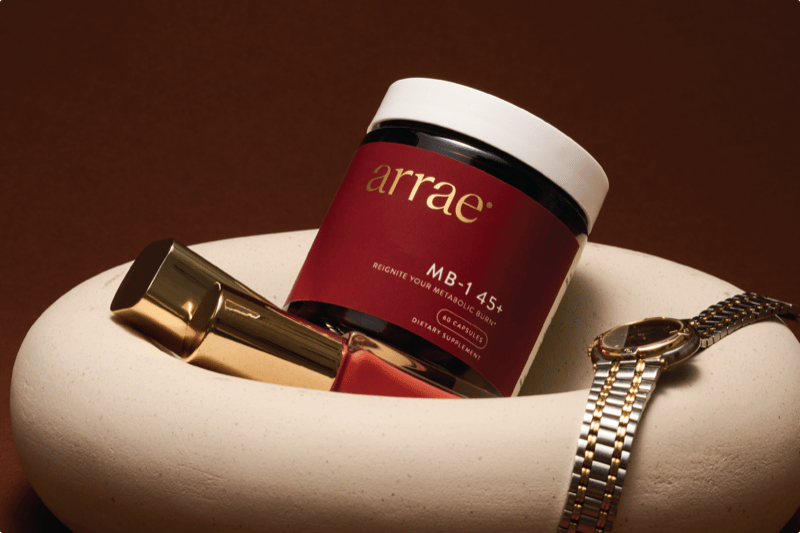
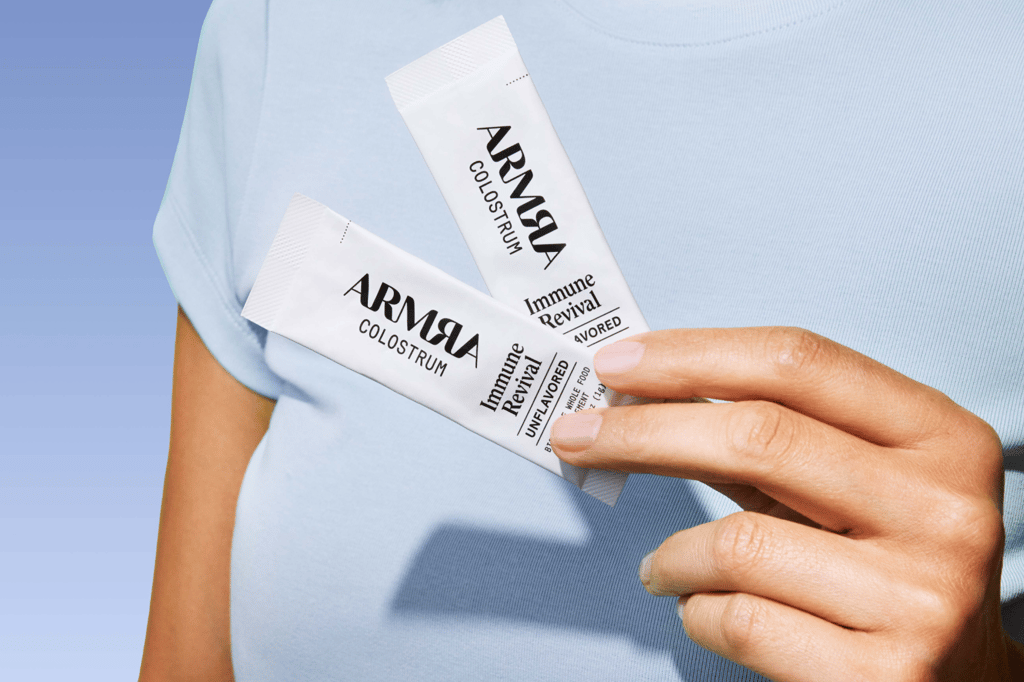
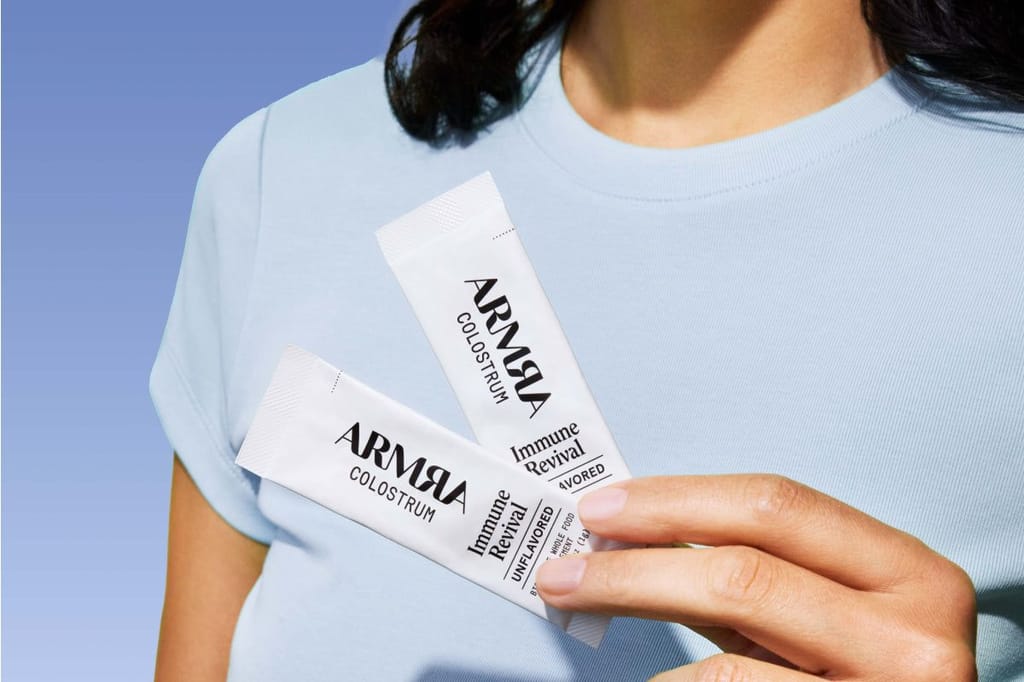
ARMRA is taking the US market by storm. Now available in the UK, it has gained a reputation as an effective supplement, working to combine multiple actives, rather than rely on a single nutrient, all whilst reflecting a broader understanding that immune health is rarely supported by one mechanism alone.
ARMRA colostrum powder provides over 400 bioactive nutrients. Founded by Dr Sarah Rahal, a double board-certified paediatric neurologist, ARMRA was born from her personal health journey and extensive research. "I take it on an empty tummy and believe it has strengthened my immune system. I think I now have had far less colds during flu season." - Claudia Schiffer shared as part of our recent Wellbeing Made Personal campaign.
Dr Sarah Rahal details that “Colostrum is uniquely equipped to tackle modern health challenges because it addresses root causes. It works on a cellular level to regenerate the body from the inside out.”
Immune function support and the gut
Components like immunoglobulins, growth factors, lactoferrin, and proline-rich polypeptides (PRPs), have a shared primary action that is to heal and repair the gut lining, which in turn, supports the immune system.
70-80% of immune cells are located in the gut. Therefore, it is worth recognising that when your gut is healthy, your immune system is too.
What does the research say?
Research has been conducted to examine the effect of colostrum on common infections. For example, a study included both healthy participants and those with high cardiovascular risk and suggested that taking oral colostrum may be effective in preventing influenza infections.
Likewise, researchers have noted that colostrum supplements may also protect those at higher risk of infection from respiratory tract infections.
Clinical trials and animal studies show that bovine colostrum (BC) and lactoferrin (LF) can reduce the unwanted side effects of common treatments (such as antibiotics, steroids and NSAIDs) while also making those treatments more effective. This is true whether they’re taken alone, or as part of supplements that also include probiotics.
Bovine colostrum and lactoferrin support immune health through several mechanisms, including promoting T and B cell development, stimulating immune cell production, regulating iron metabolism and inflammation, and supporting gut integrity. They also inhibit harmful microbes and encourage beneficial gut bacteria.
Antibodies in colostrum: A fast-acting form of passive immunity
The immunoglobulins contained in colostrum, such as IgG, IgA and IgM are antibodies. These are immune agents that can recognise and neutralise specific bacterial and viral threats within the gut.
This is why colostrum is often described as providing passive immunity, supplying components that act immediately.
Research has shown promising results in reducing common infections in athletes, and other groups whose immune systems are often under strain due to training load, travel or stress.
Colostrum versus probiotics
Most probiotics target a single layer of the gut wall. Colostrum products, like those from ARMRA and Heart & Soil, take a different approach, working across the entire gut barrier to support repair and maintain immune balance.
ARMRA founder, Dr Sarah Rahal explains that one of the fascinating properties of high-quality colostrum is its inherent stickiness. The stickiness enables colostrum to coat and adhere to intestinal membranes, creating a protective barrier that promotes healing of the gut. This property means that colostrum is effective in managing conditions that could dampen immune protection against infections.
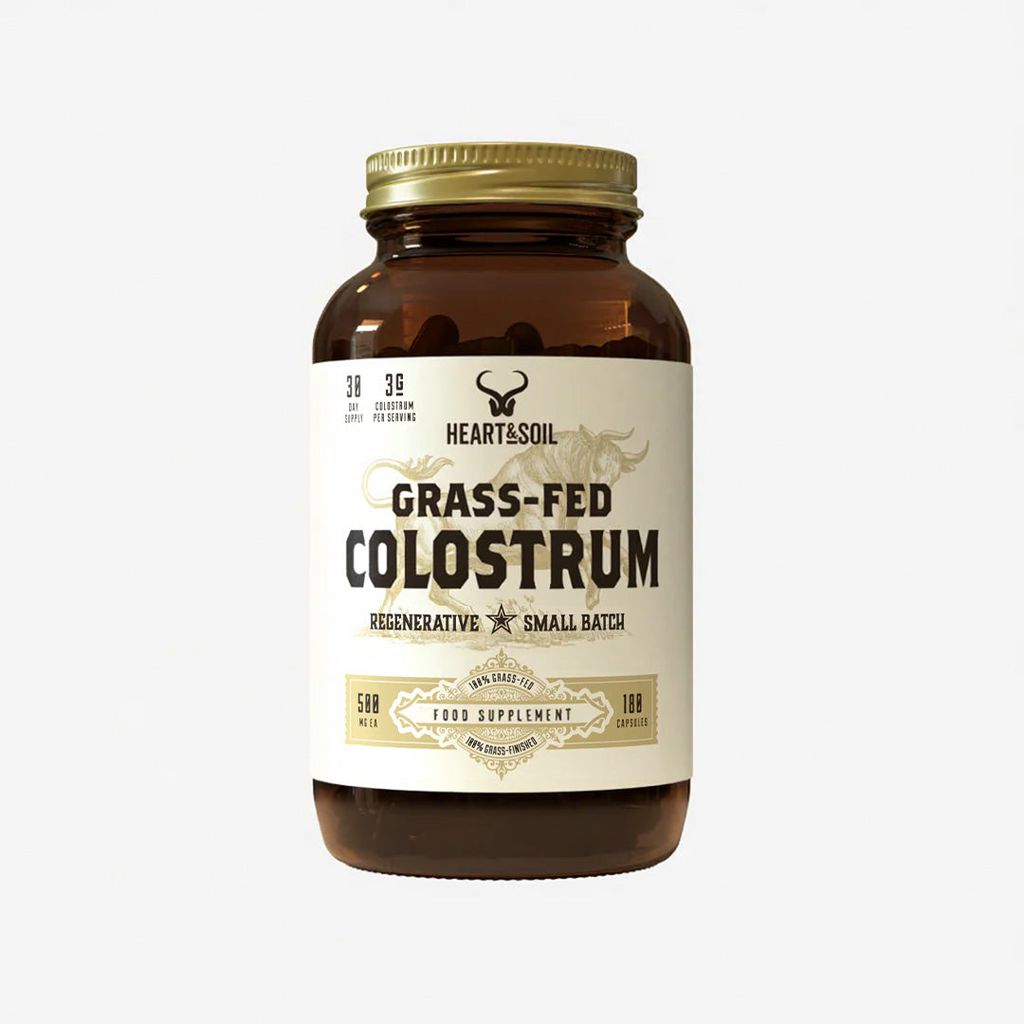
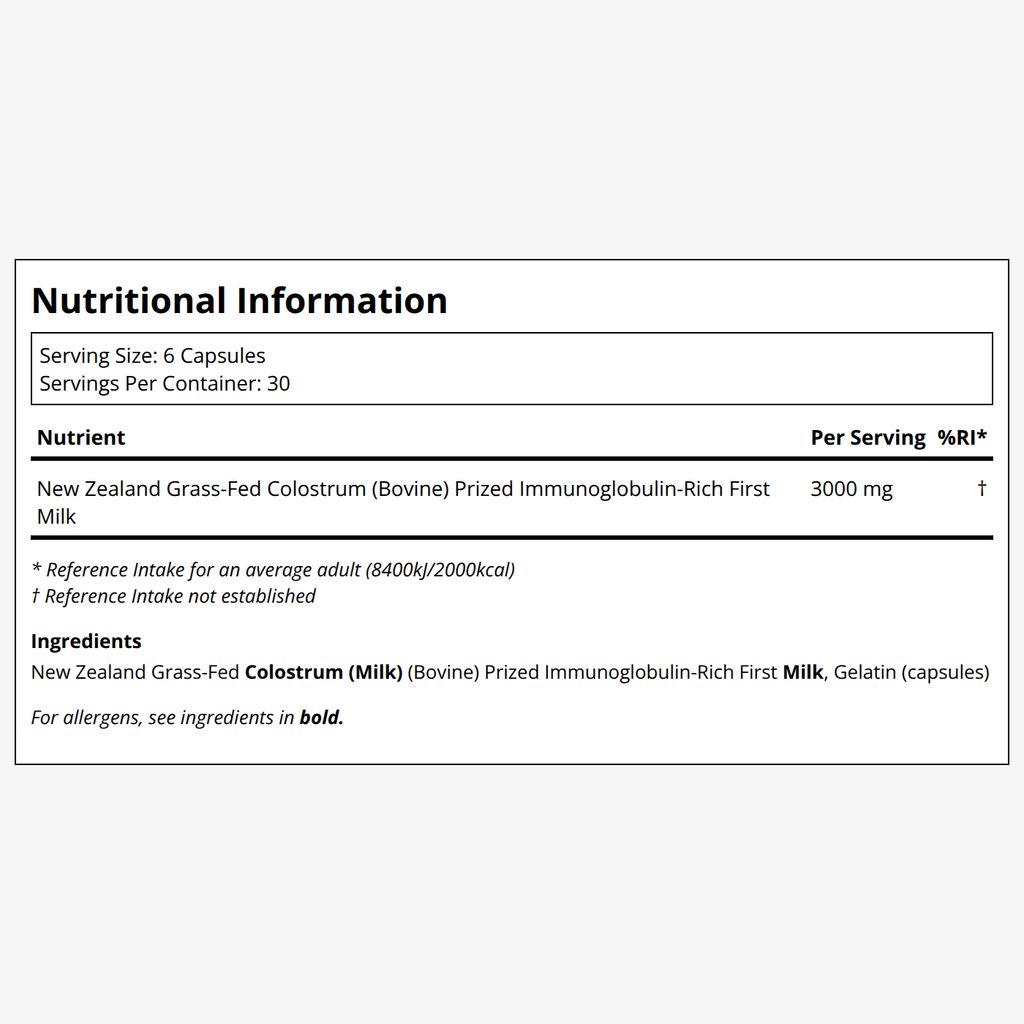
In a whole-food format, Heart & Soil’s Grass-Fed Colostrum offers a gently processed supplement sourced from grass-fed New Zealand cows. Free from additives, hormones and GMOs, it reflects an ancestral approach to immune and gut support, rooted in the original composition of first milk.
Why vitamin C is still a non-negotiable
Vitamin C is an essential micronutrient involved in a wide range of physiological processes, including immune function.
The go-to for daily defence and energy support
Unlike colostrum, it is not a source of immune cells or antibodies. Instead, it supports systems that allow the immune response to function normally.
Vitamin C is considered a vital essential vitamin
Humans cannot synthesise vitamin C internally, which means intake nutritionally is essential.
Vitamin C is a water-soluble vitamin, which means that the body does not store large amounts of it. As a result, when it is used up through normal metabolic processes and excretion, it must be regularly replenished through diet or supplements.
How vitamin C strengthens the immune system
At the cellular level, vitamin C acts as an antioxidant, protecting tissues from oxidative stress caused by free radicals. This protection becomes especially relevant during immune responses, when oxidative activity increases as part of the body’s defence strategy.
Vitamin C supports several types of immune cells, including phagocytes, which engulf and break down pathogens, and lymphocytes, which help coordinate targeted immune responses. Without adequate vitamin C, these cells may not function as effectively.
Its influence goes beyond immunity. Vitamin C is also required for collagen formation, supporting skin integrity and wound healing. It contributes to energy-yielding metabolism and plays a role in reducing tiredness and fatigue, which is why low intake is often associated with feeling sluggish or making a slower recovery.
Vitamin C has also been studied for its potential to reduce post viral fatigue.
Colostrum and vitamin C: not simply a case of either or
Placed side by side, the distinction between colostrum and vitamin C becomes clearer.
What makes them different
Colostrum delivers immune compounds directly, so that they can have immediate effects. Its immunoglobulins, lactoferrin and growth factors act locally within the gut. For this reason, it presents a targeted approach, especially for those dealing with recurrent infections or digestive vulnerability.
Vitamin C works to support immune cell function over time and it contributes to antioxidant defence across the body. Regular intake is key to supporting the immune system's general function, as opposed to a one-time "fix" when symptoms begin.
Research consistently shows that while regular vitamin C supplementation (around 1g/day) doesn't prevent colds for most people, it offers a consistent benefit by reducing the duration and severity of cold symptoms, potentially cutting cold days by around 8-13% in adults, with even greater effects seen in children and those under extreme physical stress.
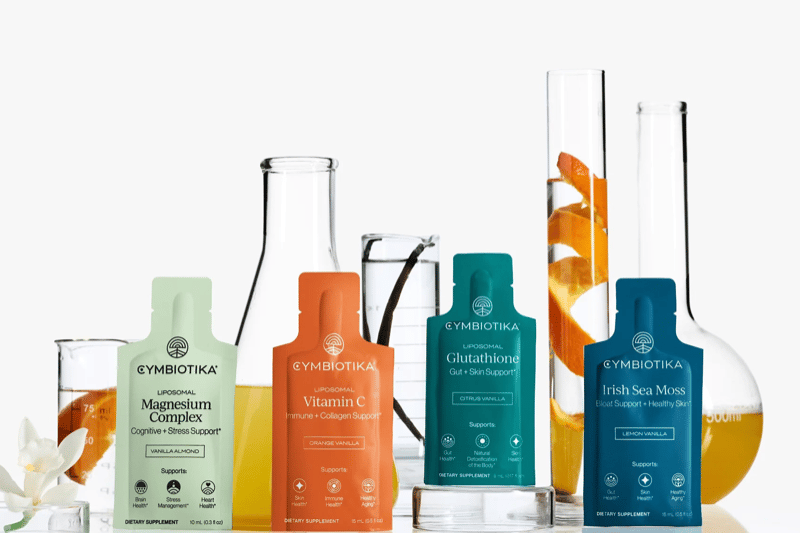
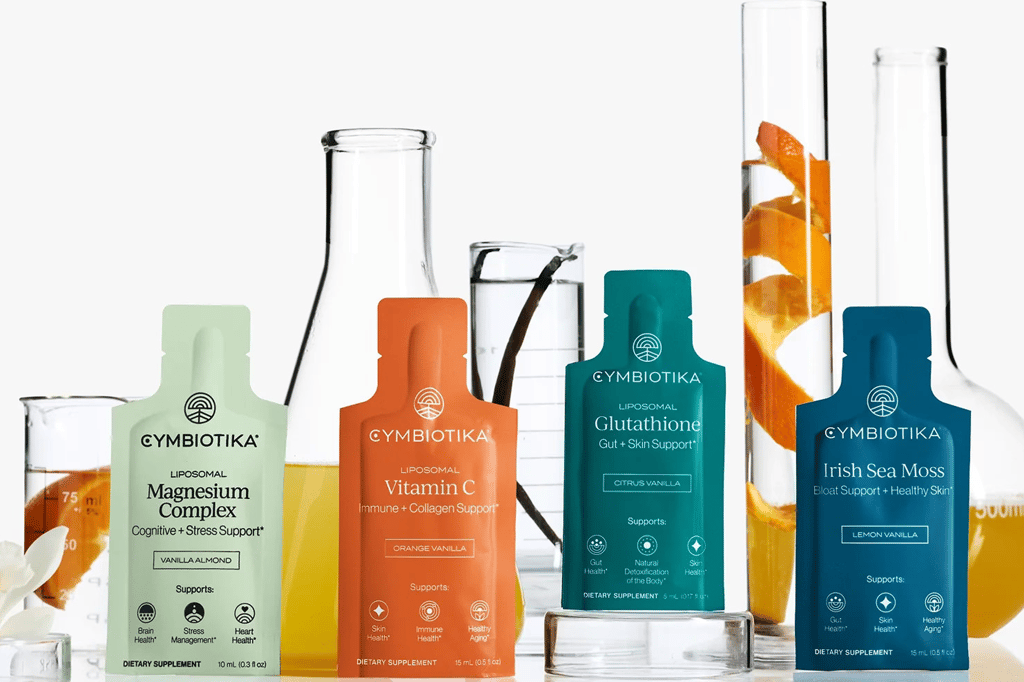
Cymbiotika and Altrient both focus on liposomal delivery to improve absorption and efficacy, offering formulations aimed at supporting immune function and energy metabolism.
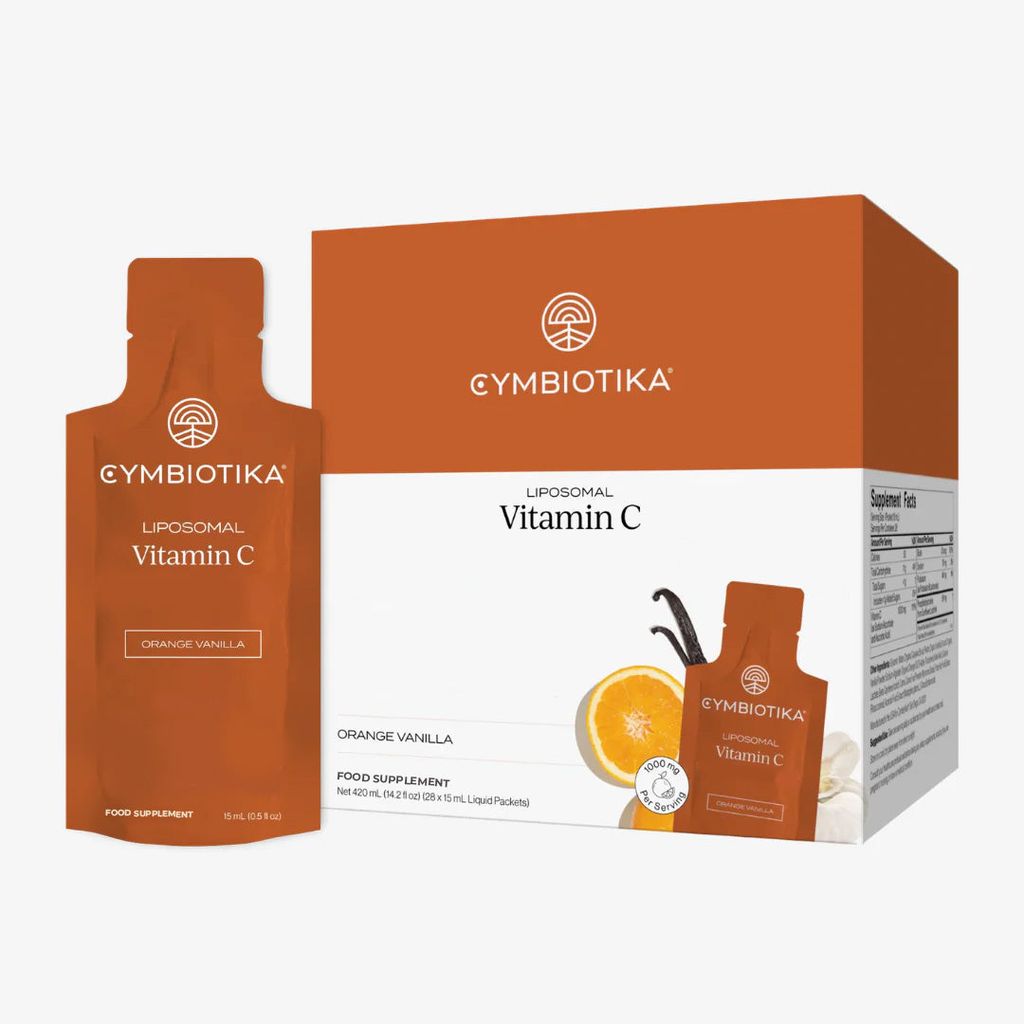
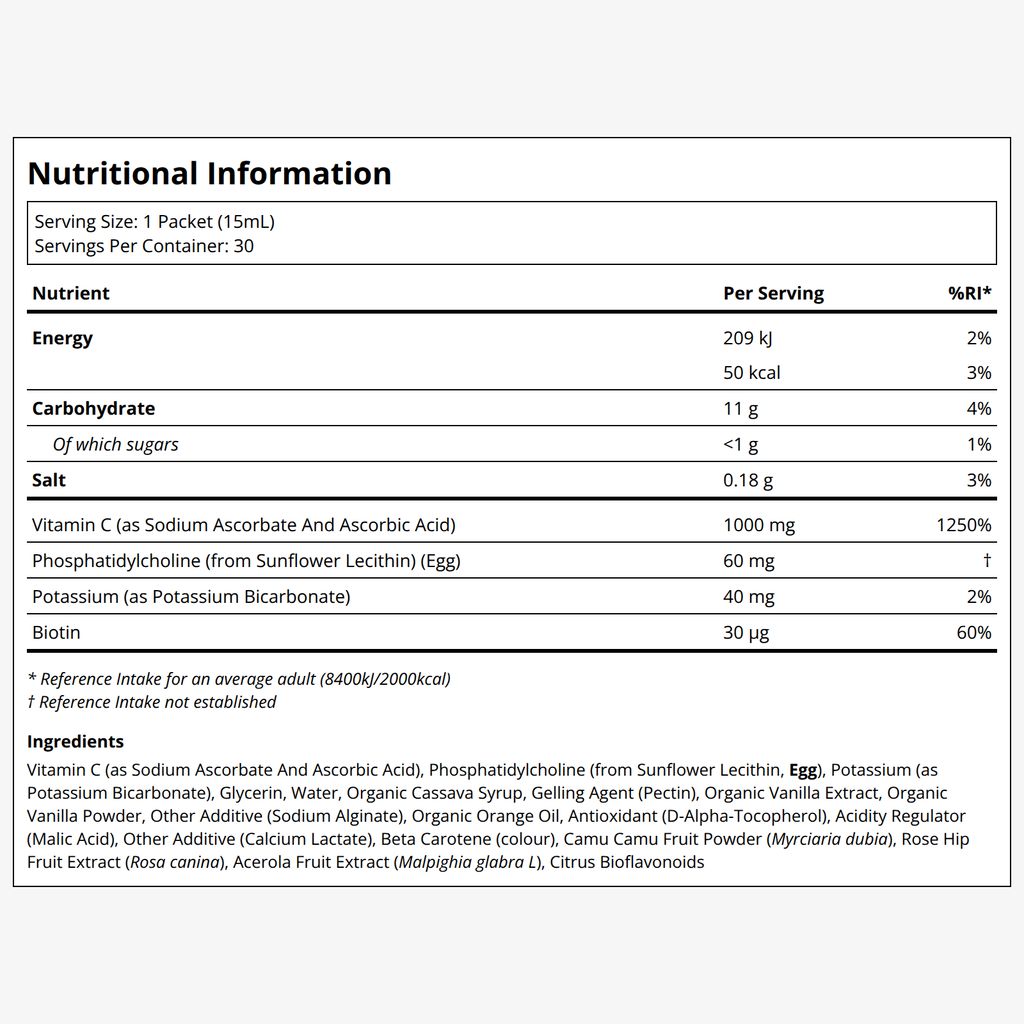
Cymbiotika Liposomal Vitamin C combines 1,000mg of vitamin C with biotin and potassium bicarbonate in a liposomal base.
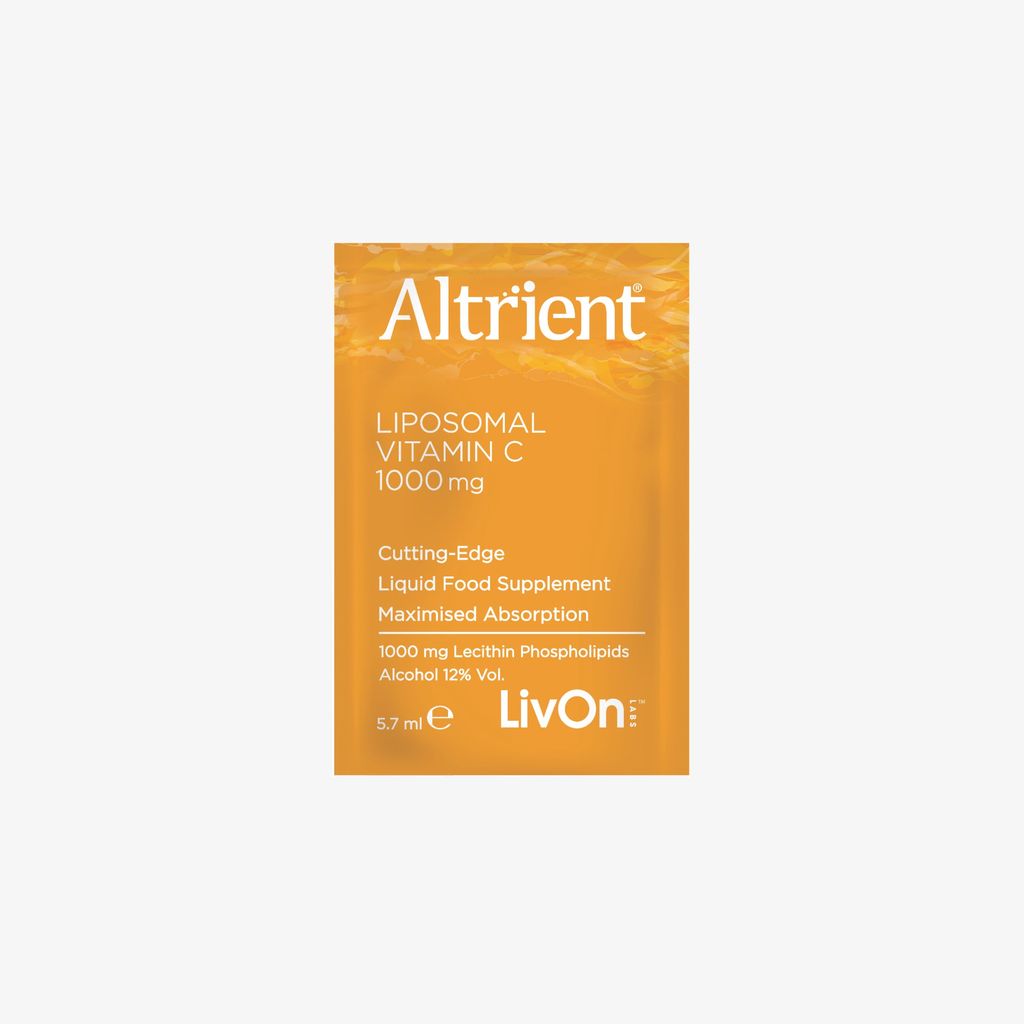
Altrient Liposomal Vitamin C also delivers 1,000mg of vitamin C per sachet using phospholipid encapsulation.

Colostrum versus Vitamin C: Who should take what?
The choice between colostrum and vitamin C depends on what kind of nutritional support is required.
When colostrum makes sense
Colostrum is often favoured by people seeking targeted gut support or those experiencing frequent upper respiratory infections. It is particularly relevant for athletes and physically active individuals whose immune systems may be challenged by intense training, travel or recovery demands.
When vitamin C should be your focus
Vitamin C suits those looking for foundational immune support. It makes sense for anyone prioritising antioxidant protection, managing a general nutrient shortfall or navigating periods of high stress or seasonal exposure.
When both is better
Because colostrum and vitamin C operate through different mechanisms in the body, in many supplement regimes to support the immune system it may make sense to combine the two.
This layered approach allows colostrum to support immediate gut and immune defences, while vitamin C maintains broader cellular function over time.
Ultimately, rather than overlapping, their actions tend to complement one another.
Colostrum and vitamin C: Side-by-side comparison
How to actually support your immune system: The verdict
Supplements do not work in isolation, particularly with regards to immune system function.
Immune resilience depends on a synergistic relationship between great nutrition and solid everyday habits. Think sleep quality, regular movement, stress regulation.
When these foundations are in place, supplements such as colostrum and vitamin C are all the more valuable.
And the verdict? Used with clarity and purpose, neither colostrum nor vitamin C needs to be framed as the better defence. Each plays a distinct role. Together they reflect a more realistic understanding of how immune support actually works, involving multiple systems in the body such as the health of the gut, inflammatory pathways and cellular repair.
Shop immune support at Healf
Explore targeted colostrum and advanced vitamin C with ARMRA, Cymbiotika and Altrient, three science-led brands formulated to support gut health, energy and everyday immune resilience.
FAQs
What is colostrum and why is it used in supplements?
Colostrum is the first milk produced after birth. It contains immunoglobulins and growth factors that can support gut health and immune response in adults when taken as a supplement from a bovine source.
How does vitamin C help the immune system?
Vitamin C is an essential micronutrient that supports immune cells, acts as an antioxidant and contributes to overall immune function and tissue health.
Can colostrum replace vitamin C for immune support?
No. Simply put, colostrum and vitamin C work in different ways. Colostrum provides antibodies and gut support. Vitamin C supports immune cell function and antioxidant protection. They are best used together depending on need.
Are there any side effects when taking colostrum or vitamin C?
Vitamin C is generally well tolerated though high doses can cause digestive discomfort. Colostrum may not be suitable for people with dairy intolerance or allergy. Always consult a health professional if unsure.
Should I take supplements if I eat a healthy diet?
Supplements can help fill gaps and support specific goals. But a balanced diet rich in fruits and vegetables, good sleep and regular exercise remain the foundation of immune health. Supplements are seen as an addition not a replacement.



This article is for informational purposes only, even if and regardless of whether it features the advice of physicians and medical practitioners. This article is not, nor is it intended to be, a substitute for professional medical advice, diagnosis, or treatment and should never be relied upon for specific medical advice. The views expressed in this article are the views of the expert and do not necessarily represent the views of Healf
Pippa is a content writer and qualified Nutritional Therapist (DipNT) creating research-based content with a passion for many areas of wellbeing, including hormonal health, mental health and digestive health.
As a contributor to The Healf Source, she regularly attends seminars and programmes on a plethora of contemporary health issues and modern research insights with a drive to never stop learning. In addition, interviewing experts and specialists across The Four Pillars: EAT, MOVE, MIND, SLEEP.
In her spare time, she is an avid swimmer, mindfulness and yoga lover, occasionally bringing a raw, honest approach to the topics she faces. You may also discover some personal accounts of eye-opening wellbeing experiences amidst the reality of a disorientating, and often conflicting, modern wellbeing space.