




















_2026-10-13_14-11-48.png)


Colostrum Powder: What It Is And How It Works

Written by: Dahlia Rimmon
Written on: 31 October 2025
Medically reviewed by: Jared Meacham, PhD, RD, CSCS and Nesochi Okeke-Igbokwe, MD, MS
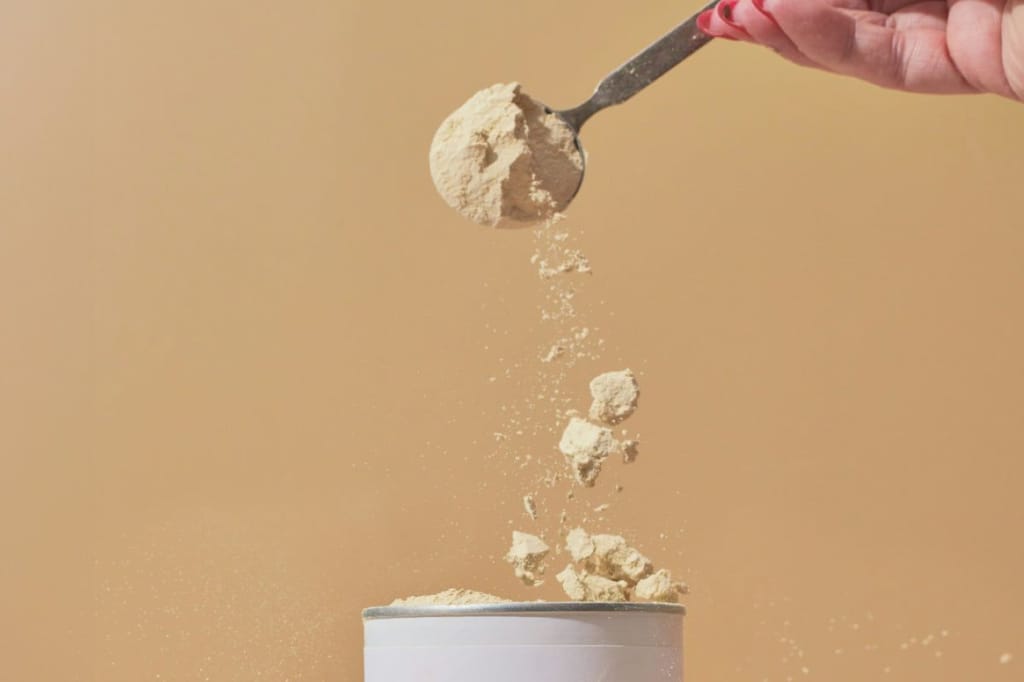
Colostrum — or, as it’s often called, liquid gold — is the very first milk a mammal produces after giving birth, and it’s packed with nutrients, antibodies, and growth factors. But colostrum is not just for newborns. Adults can and are supplementing with colostrum powder too, thanks to its immune-boosting and gut-supporting properties. Here’s a closer look at how this powerful elixir can support a whole host of wellbeing goals.
If you’ve spent even just a few minutes scrolling your social feed, chances are you’ve come across people raving about colostrum powder. Touted as a cornerstone of gut health, immune support, and overall wellbeing, colostrum powder supplements have quickly gained traction in the wellness space. But why is it generating so much buzz?
Here we break down what colostrum powder is, how it works, who might benefit from it, and what to look for when choosing a high-quality supplement so you can reap the rewards.
What is colostrum powder?
Unlike regular milk, colostrum is thick, yellowish, and packed with vital compounds designed to nourish and protect newborns during their earliest days of life. Colostrum is rich in both macronutrients and micronutrients, as well as immunoglobulins, lactoferrin, antimicrobial peptides, and growth factors — all of which play a key role in strengthening immunity, supporting gut development, and promoting overall health.
The exact composition of colostrum can vary depending on the species, breed, age, health of the animal, and feeding practices. Bovine colostrum (from cows) is the most widely used in supplements because it naturally contains less lactose, which makes it easier to tolerate for individuals who have issues digesting dairy.
When it comes to production, colostrum must go through several processes to make it safe for us to consume , including pasteurisation, sterilisation, spray drying, or freeze-drying. The priority during manufacturing is to preserve protein quality and bioactive compounds so that the colostrum retains its full range of health benefits.
Freeze-drying is considered the gold standard because it uses low processing temperatures, which minimises nutrient loss. It also helps produce a higher-quality final product, better preserves the bioactive proteins, and improves the shelf-life of the supplement.
How colostrum works for adults who supplement
Colostrum is naturally rich in immunoglobulins, complex proteins (also known as antibodies) that help the body fight pathogens, like bacteria, viruses, and other harmful microbes. Colostrum also contains lactoferrin, a protein with antibacterial, antifungal, antiviral, antiparasitic, antitumor, and anti-inflammatory properties. Lactoferrin can prevent the growth of disease-causing microbes and may prevent pathogens from attaching to the gut lining, which reinforces intestinal stability.
The gut barrier is a protective mucosal lining inside the intestines that helps prevent harmful bacteria, toxins, and other unwanted substances from leaking into the bloodstream. When this barrier becomes weakened or damaged, it can no longer function properly, increasing the risk of inflammation, digestive problems, and other health issues.
This is where colostrum can potentially help — and Healf has plenty of great options to choose from! Colostrum is rich in nutrients that help repair and strengthen the gut lining to restore barrier integrity and helps create a more resilient and balanced gut environment.
The potential colostrum benefits for adults
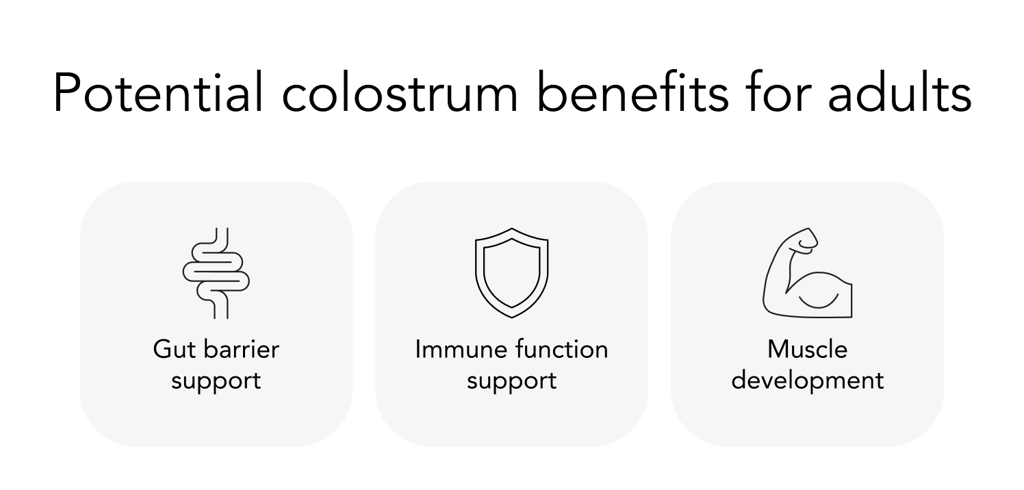
Research on colostrum powder in adults is in its early stages, but some studies suggest it may support gut health, immune function, and athletic performance. “With that said, many studies conducted so far on colostrum have been small or focused on specific populations, such as young female athletes,” says Melissa Mitri, MS, RD. More high-quality research is needed to confirm general effects and whether colostrum benefits extend to the broader adult population.
Gut barrier support
Everyday factors like a poor diet, stress, lack of sleep, or gut infections can weaken your gut barrier, making it harder for your digestive system to protect against harmful substances. Conditions like traveler’s diarrhea or inflammatory bowel issues can make this even worse.
Colostrum’s nutrient-rich profile may support mucosal healing and help restore gut barrier function in a variety of infectious, inflammatory, and injury-related conditions.
“Bovine colostrum contains proteins and growth factors that help strengthen the gut by promoting repair and maintaining the intestinal lining's integrity,” says Mitri. “Early studies suggest it may be useful in conditions where the barrier is weakened, such as IBS, reflux, or food sensitivities.”
Marcie Vaske MS, LN, CNS, explains that growth factors in colostrum can help regenerate the epithelial cells in the gut lining. “There are also immunoglobulins that act as natural antibodies, neutralizing harmful bacteria, viruses, and toxins directly within the gut, limiting local infections and supporting a stronger mucosal barrier,” she says. “It is also rich in prebiotics, which nourish beneficial bacteria.” Additionally, proteins and various cytokines (cell signaling proteins) work together to reduce inflammation and regulate immune responses that could otherwise harm gut tissues.
Immune function support
Colostrum is rich in nutrients that support the immune system, like immunoglobulins, growth factors, lactoferrin, and proline-rich polypeptides (PRPs). They work together to heal and repair the gut lining, which in turn, supports the immune system. In other words, when your gut is healthy, so is your immune system. It’s no surprise, given that 70-80% of immune cells are located in the gut.
Some research suggests that colostrum may help protect against upper respiratory tract infections. For example, an older study involving both healthy people and those with high cardiovascular risk found that taking oral colostrum might be more effective in preventing the flu than vaccination, though more research is needed. Colostrum supplements may also protect against upper respiratory tract infections in people with higher risk of infection. “By boosting these protective factors and utilizing its antibodies to combat infection, colostrum may help enhance overall immune function,” says Mitri.
On top of that, colostrum has lactoferrin and other antimicrobial compounds that prevent the growth of harmful bacteria and encourage the growth of good bacteria in the gut. That said, how these benefits translate to humans is not yet fully understood. Animal studies have shown immune-supporting effects, but more research in humans is needed.
Muscle development
Athletes and fitness enthusiasts are also turning to colostrum supplements because of its nutrient density and high concentration of growth factors that support muscle development. Intense training puts a lot of stress on the body, and colostrum may speed up tissue repair to help the muscles recover faster.
Heavy training can also weaken the immune system, and make athletes more vulnerable to illness and infections. This can significantly disrupt training schedules and negatively affect performance. Colostrum’s bioactive components may counteract these effects and provide extra immune support.
In fact, a study in football players found that while bovine colostrum supplementation didn’t directly enhance exercise performance, it may help reduce inflammation, supporting faster muscle healing and recovery. While these findings are encouraging, more research is needed to how colostrum works for athletes.
Safety, risks, and who should avoid
Colostrum supplements are generally considered safe for most people. However, they should be avoided by:
Those with a dairy allergy or severe dairy intolerance
Those with hormone-sensitive cancer
If you have a pre-existing health condition, routinely take prescription medications, are pregnant or breastfeeding, it’s important to consult a healthcare professional before using colostrum supplements.
Research on the potential side effects of colostrum supplements is limited. In one systemic review, participants who took colostrum supplements had side effects including nausea, flatulence, skin rashes, itching, gas, and stomachache. Always consult your healthcare provider before taking a new supplement.
How to choose a colostrum supplement
With many colostrum supplement options, choosing the right one can feel overwhelming. Before making a purchase, consider these key factors to help you make the best choice.
Third-party testing: Since supplements aren’t regulated the same way as medications, it’s a good sign if the brand uses independent, third-party testing. These independent labs check for contaminants and toxins, verify that the ingredients listed are actually in the product, and ensure rigorous manufacturing standards.
Form: You can purchase colostrum supplements in powder, capsule, or liquid form. Choose the form that best fits your lifestyle and preferences. Powder and liquid colostrum can be mixed into foods (like smoothies, shakes, or overnight oats) and capsules are more convenient if you prefer something portable.
Manufacturing process: “Look for one that is freeze-dried, as this process preserves the most essential nutrients such as proteins and antibodies,” says Mitri. She adds that low-heat or cold processing methods are also preferred, as high heat can damage immune-supporting compounds. If details aren’t clear on the label, don’t hesitate to contact the colostrum manufacturer.
How to use colostrum powder
The best way to take colostrum powder is to weave it into your daily routine in a way that feels sustainable. For some, that might mean blending it into a morning smoothie or stirring it into yogurt. For others, capsules may be easier to remember with an afternoon supplement routine. Whichever form you choose, stay consistent.
Here are a few best practices to keep in mind when taking colostrum supplements:
Take it on an empty stomach: Mitri recommends taking colostrum on an empty stomach, to support absorption.
Mix with cold or lukewarm liquid: When using powder, add it to cold or room-temperature water, milk alternatives, or smoothies. Avoid hot liquids, which can cause clumping and may reduce the effectiveness of heat-sensitive proteins.
Dose: There is no standardised dose for colostrum powder. However, Mitri notes that most research cites between 10 and 60 grams per day, split between two servings. Make sure to discuss the dosage with your healthcare provider.
Who might take colostrum powder?
You may want to consider colostrum supplements if you are:
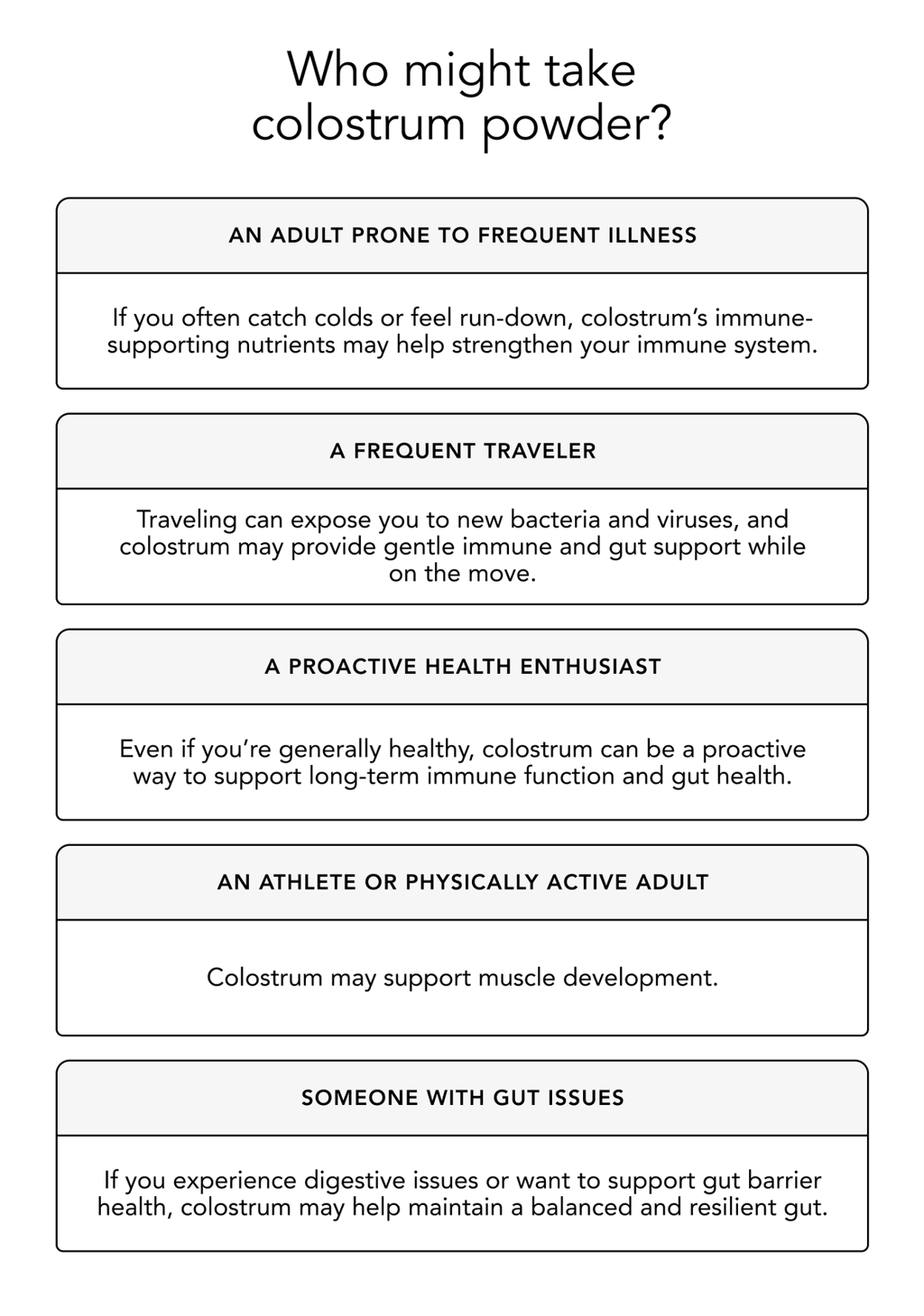
Prone to frequent illness: If you often catch colds or feel run-down, colostrum’s immune-supporting nutrients may help strengthen your immune system.
A frequent traveller: Travelling can expose you to new bacteria and viruses, and colostrum may provide gentle immune and gut support while on the move.
A proactive health enthusiast: Even if you’re generally healthy, colostrum can be a proactive way to support long-term immune function and gut health.
An athlete or physically active: Colostrum may support muscle development. However, professional athletes should be cautious as its use could result in a positive doping test. If you’re a professional athlete, consult your doctor or sports medicine specialist before taking colostrum supplements.
Someone with gut issues: If you experience digestive issues or want to support gut barrier health, colostrum may help maintain a balanced and resilient gut.
Our Healf-approved top picks
Whether you’re focused on gut health, immune support, or athletic performance, here are our go-to colostrum supplement picks:
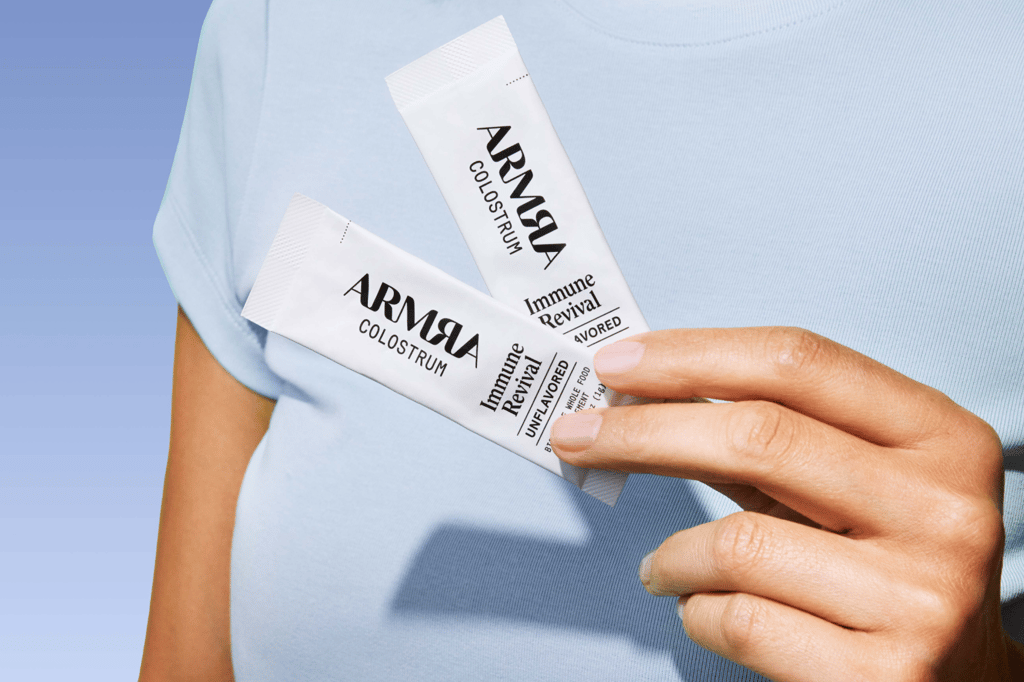
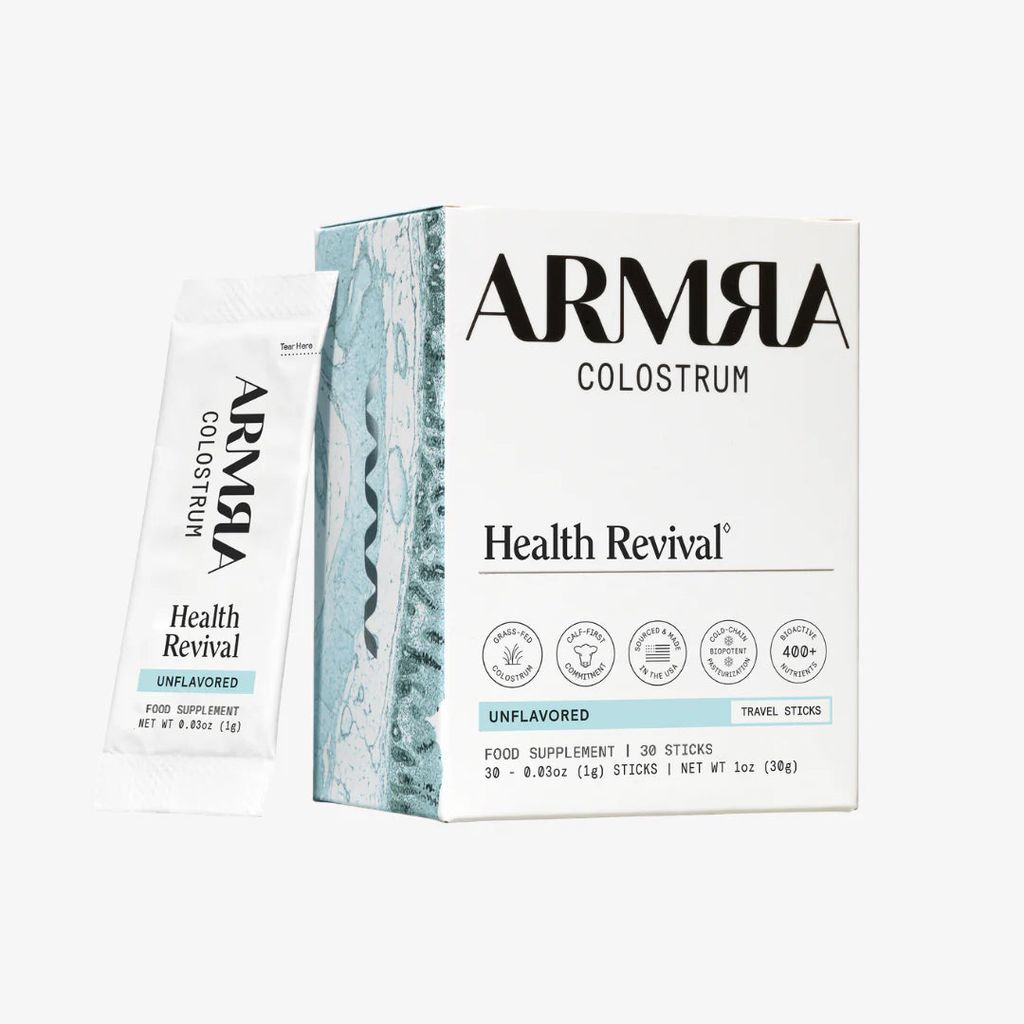
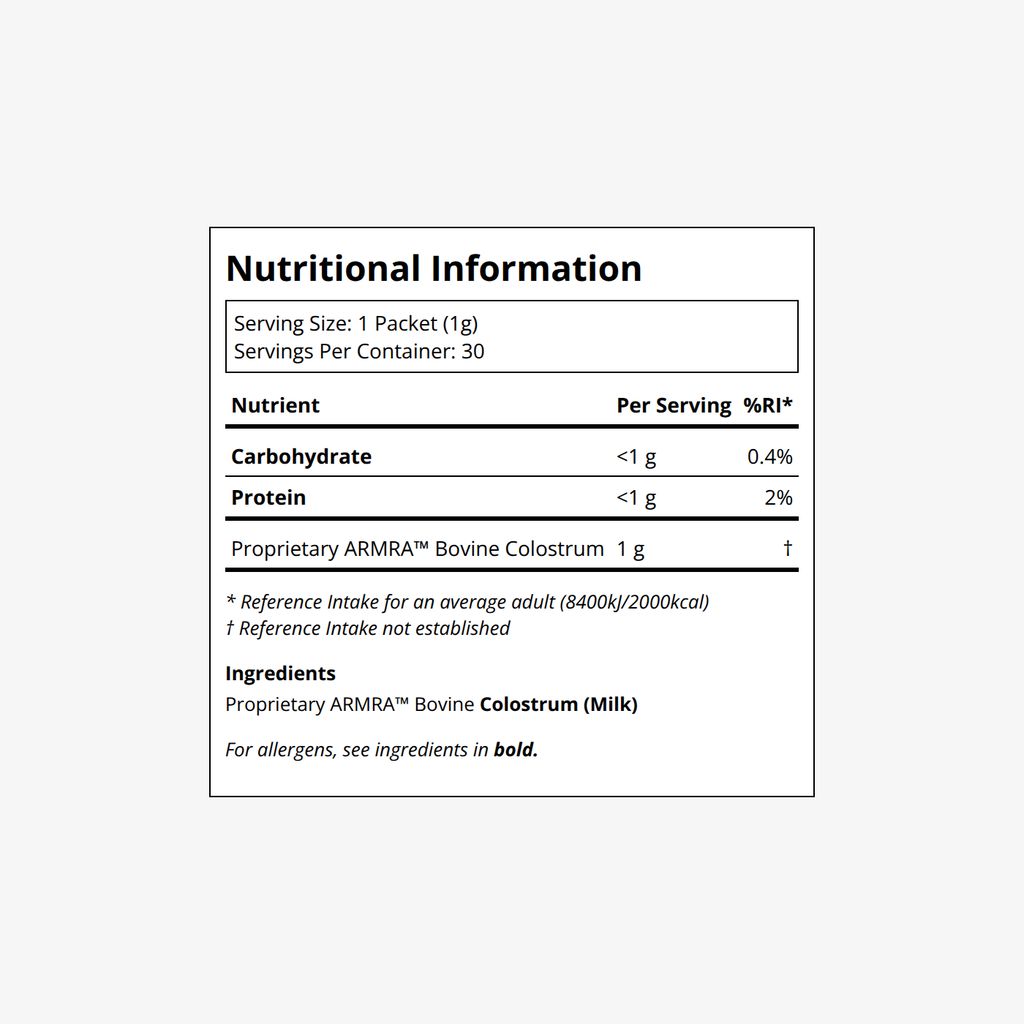
For colostrum travel sticks, try, Armra Colostrum Immune Revival Travel Sticks
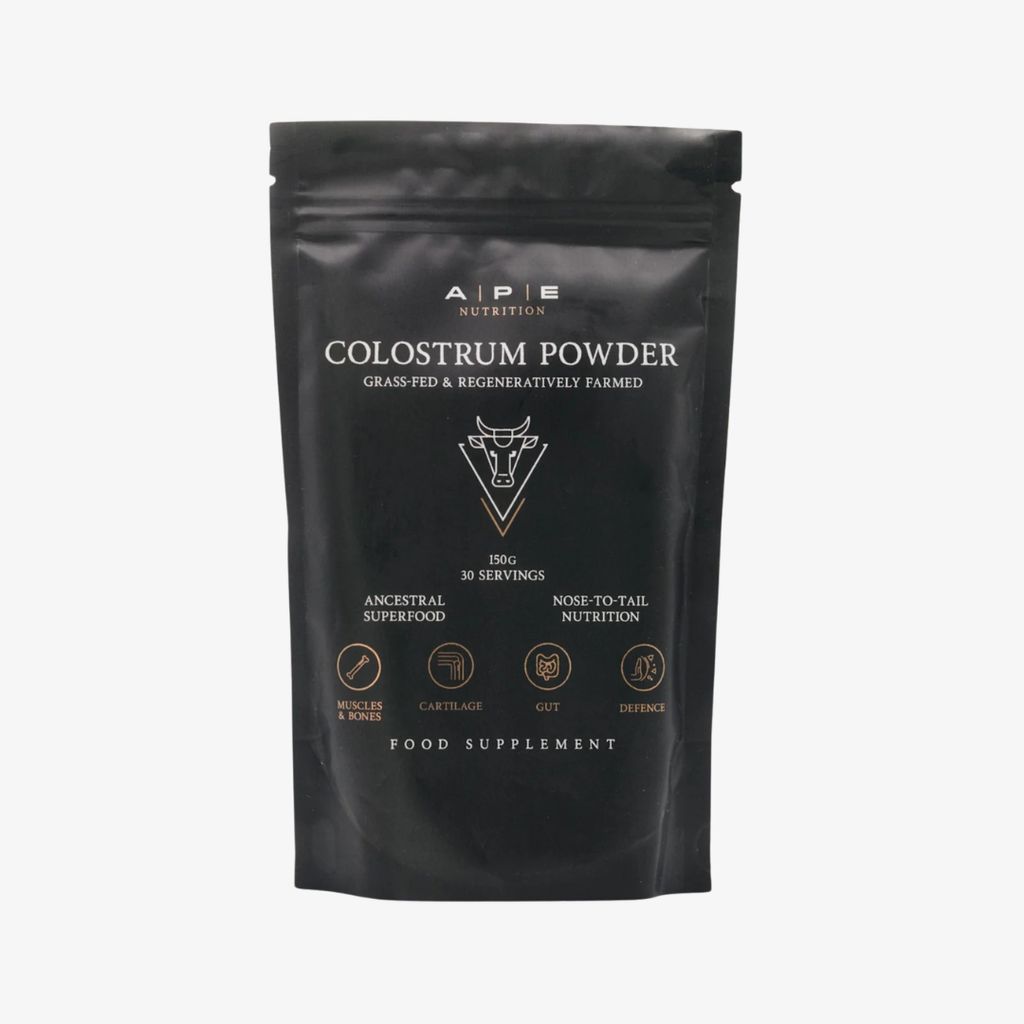
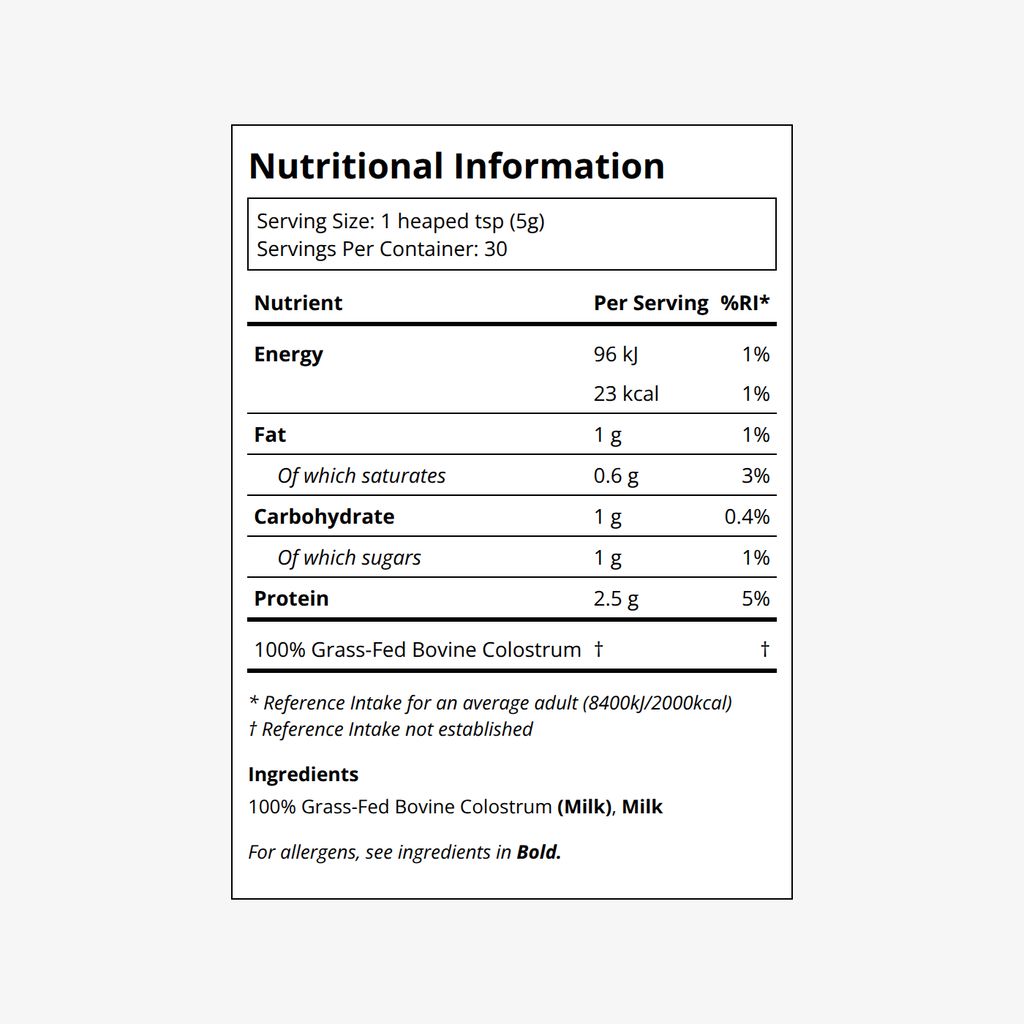
For colostrum from a grass-fed cows, try, APE Nutrition Colostrum Powder
For colostrum capsules, try Heart & Soil Grass-Fed Colostrum
For protein powder with colostrum, Paleovalley Grass Fed Whey Protein with Colostrum
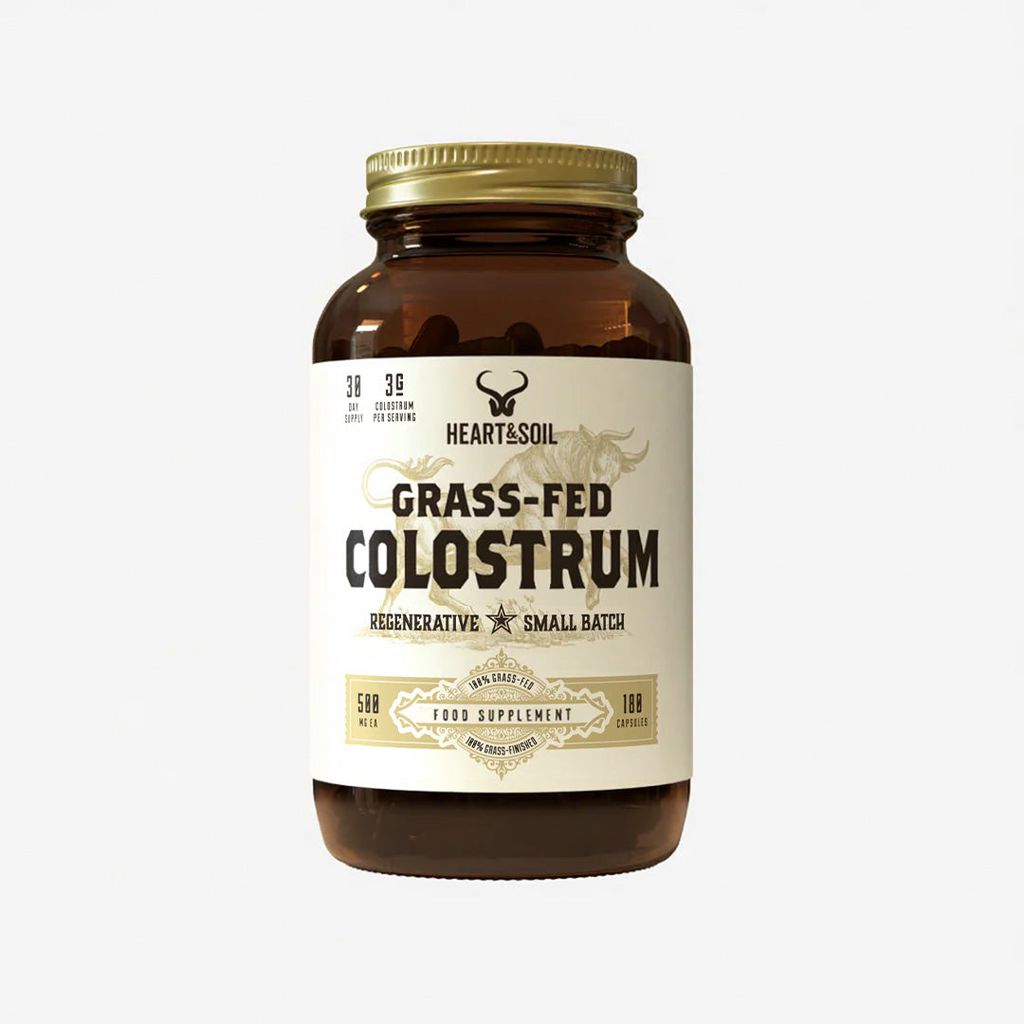
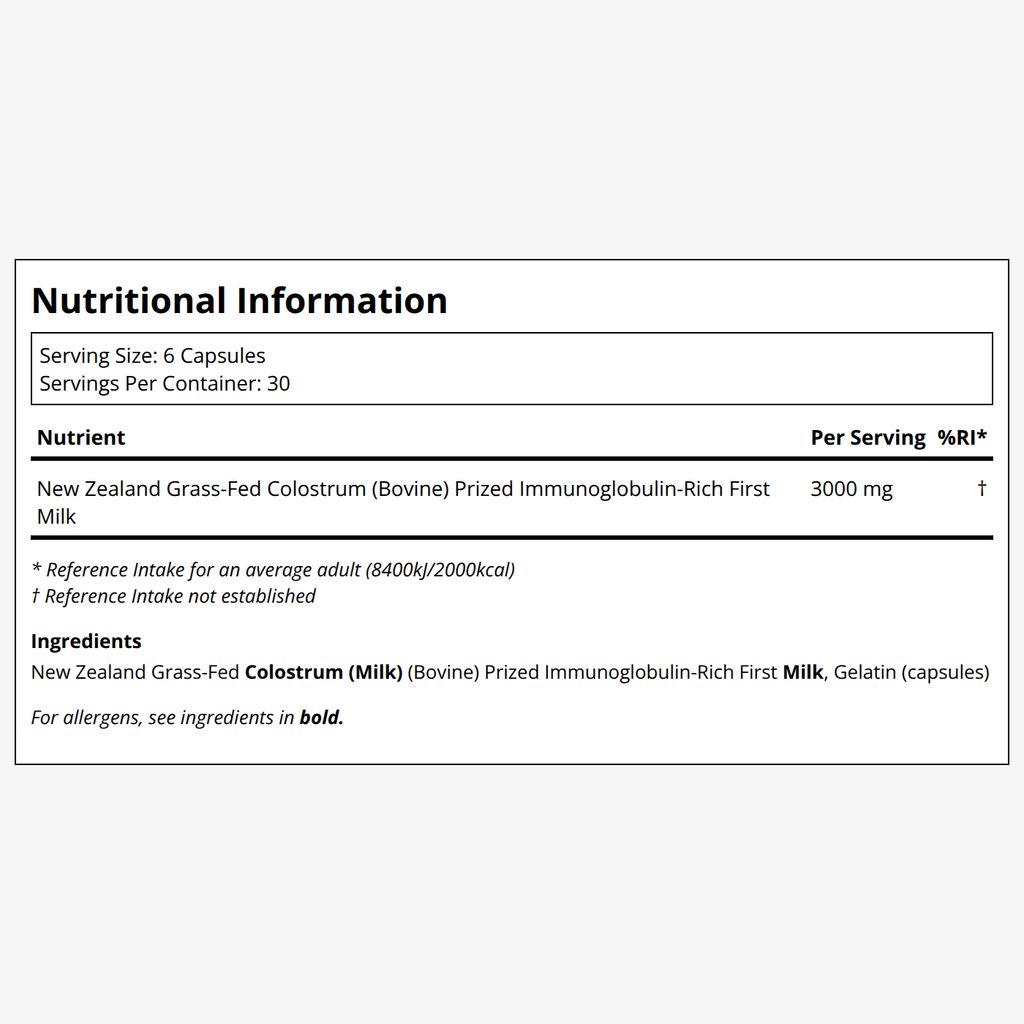
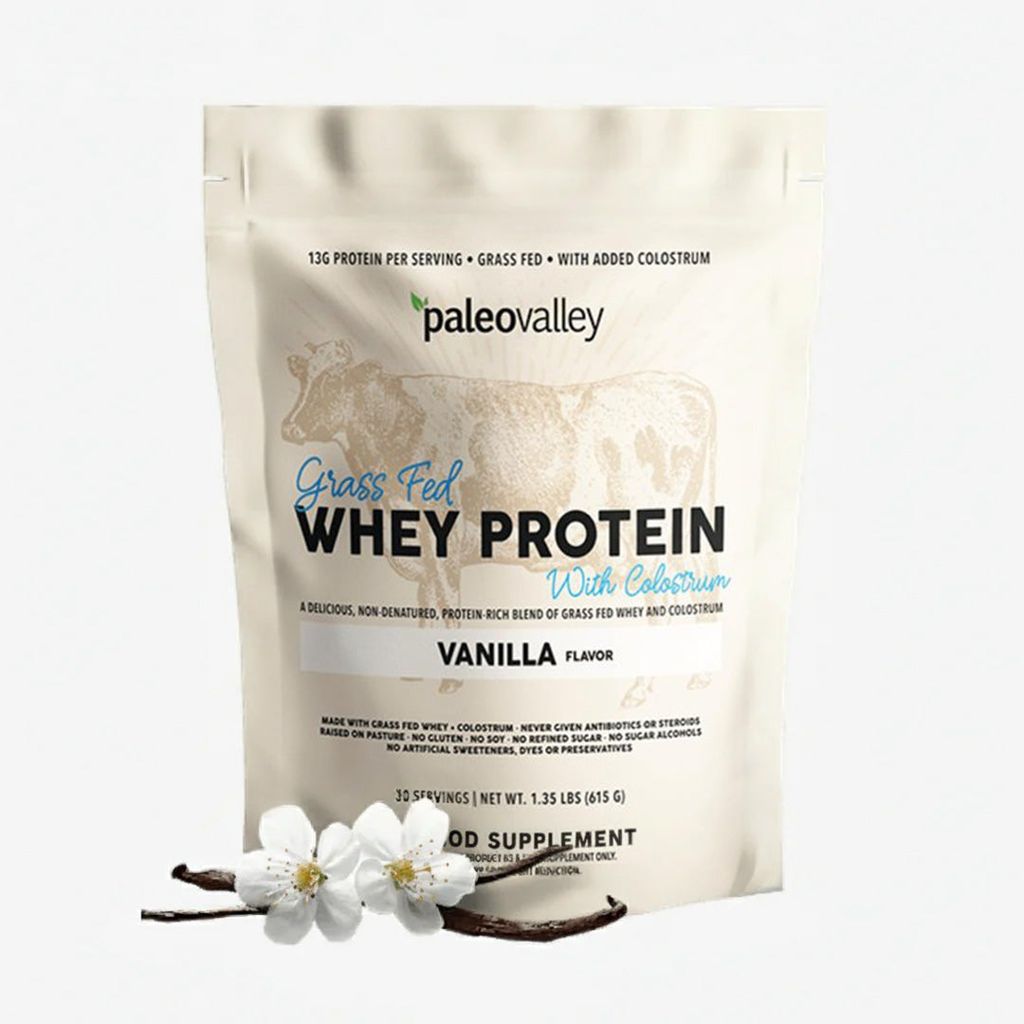
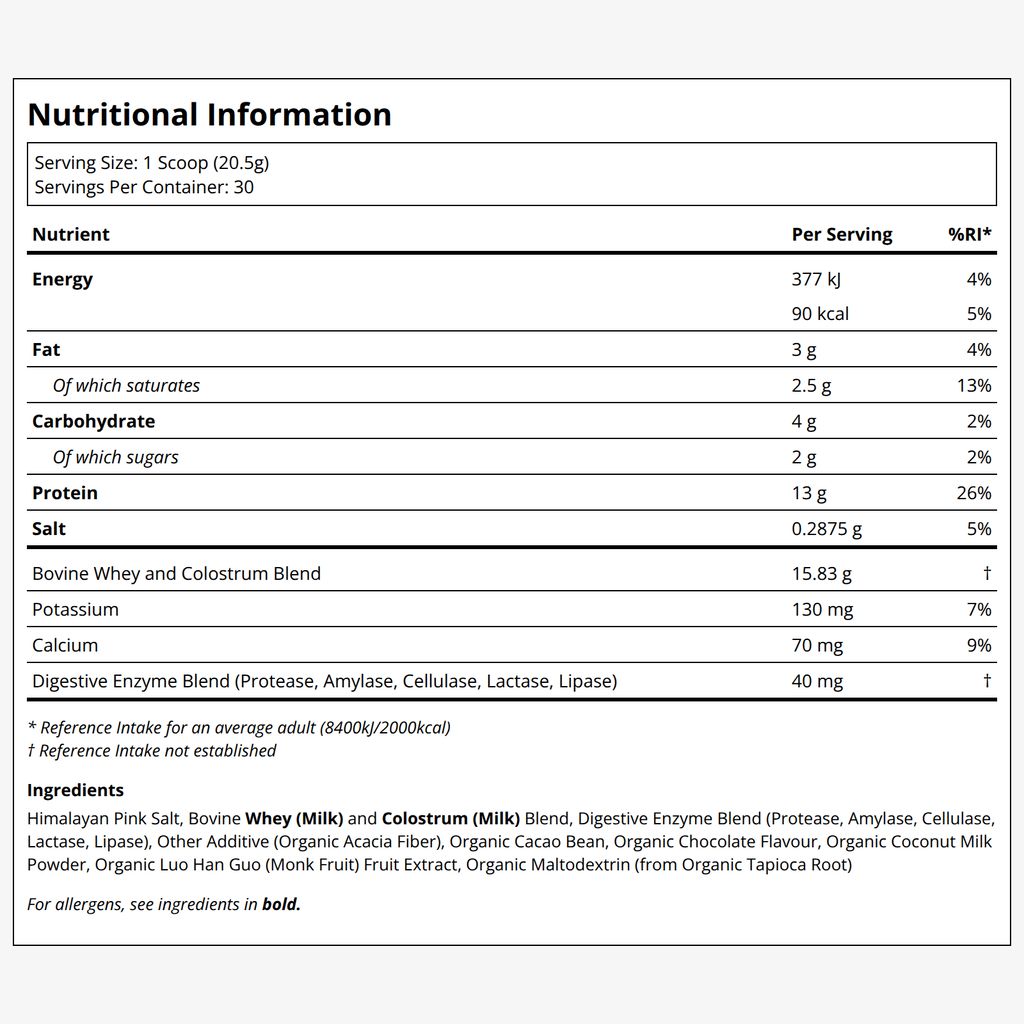
Need help choosing the right supplement? Just ask — The Healf Zone is here to guide you. We offer at-home blood testing and provide personalised health insights and recommendations based on your results. Each test includes a one-on-one consultation with a Healf Practitioner to help you understand your results and take actionable steps towards your wellbeing goals.
Your frequently asked questions, answered
Q: What does powdered colostrum do?
A: Mitri explains that research on colostrum is new, but studies suggest it may support immunity, gut health, athletic performance, and reduce inflammation. She adds the strongest evidence related to gut health is its potential healing properties in digestive conditions such as inflammatory bowel disease and infectious diarrhea.
Q: Should adults take colostrum?
A: While colostrum is the first milk that mammal babies drink, colostrum for adults has become increasingly popular. “Colostrum may be beneficial for adults with weakened immune systems, digestive issues, athletes who need recovery support, and older adults aiming to maintain muscle and immune health,” says Vaske.
However, it’s important to note that evidence for widespread use in healthy adults is limited, and colostrum is not beneficial for every adult. Adults with dairy allergies and hormone-sensitive cancer should avoid colostrum supplements. Pregnant or breastfeeding women should consult their healthcare provider first.
Q: What are the side effects of taking colostrum powder?
A: There is limited research on the side effects of colostrum supplements, but most concerns relate to dairy content and allergies. People who are lactose intolerant may experience digestive upset, and those with a true dairy allergy should avoid colostrum entirely. As with any supplement, there is always a risk of adverse reactions, so it’s best to consult your healthcare provider before adding colostrum to your routine.
Q: What does colostrum do for the female body?
A: “Colostrum may support women’s health by strengthening immunity, improving gut function, and aiding exercise recovery,” says Mitri. “It also contains growth factors and bioactive compounds that may help support skin health, bone density, reduce the risk of urinary tract infections, support vaginal microbiome, and hormone balance.” That said, research on women’s health is in the early stages and more clinical human studies are needed.
Q: Is colostrum better for you than collagen?
A: Colostrum and collagen are two different supplements. “[They have] different sources, compositions, and health benefits, so whether one is "better" depends on individual health goals,” says Vaske. Collagen is a protein naturally produced by the body that provides structural and functional support to connective tissues, bones, and skin. It may support skin, bones, and joints, so if you’ve noticed your skin losing its plumpness or your joints feeling stiff, collagen supplements might be worth considering.
On the other hand, colostrum is the first milk produced by mammals and primarily supports gut and immune health. Choosing between the two depends on whether your focus is skin and joint support or strengthening immune and gut function.


This article is for informational purposes only, even if and regardless of whether it features the advice of physicians and medical practitioners. This article is not, nor is it intended to be, a substitute for professional medical advice, diagnosis, or treatment and should never be relied upon for specific medical advice. The views expressed in this article are the views of the expert and do not necessarily represent the views of Healf
Dahlia Rimmon is a freelance health writer and registered dietitian. She writes for a variety of publications and wellness brands, specialising in translating complex medical and nutrition information into clear, engaging content. Through her work, Dahlia aims to empower readers to make informed choices about nutrition, embrace a healthy lifestyle, and confidently navigate their overall health journey. She lives with her family in the Midwest.