











_2026-10-13_14-11-48.png)


Can The “Meat Molecule” Really Help Beat Low Mood And SAD?
From biceps to the brain, emerging research suggests creatine could genuinely help fight fatigue and winter blues…

Written by: Samantha Nice
Written on: 3 November 2025
As the days get shorter and darker, many of us feel it - the tiredness, lack of drive and motivation, the low mood that signals the onset of Seasonal Affective Disorder (SAD). While light therapy, vitamin D and a few lifestyle tweaks are the obvious first steps, a surprising new contender has quietly moved into the spotlight: Creatine.
Once seen purely as a performance-boosting supplement, creatine is now being studied for its potential to support brain health and mood. In fact, new research that emerged last month has shown that higher dietary creatine intake was associated with significantly lower rates of depression and suicidal thoughts suggesting that the “meat molecule” may be more than just muscle fuel. So could this clever compound help us beat the winter slump?
The science: Why energy matters for mental health
Low mood and depression (including SAD) has long been associated with changes in brain chemistry, but newer research points to a more subtle problem… energy deficit at a cellular level.
When the brain’s mitochondria struggle to produce enough ATP (adenosine triphosphate, the body’s energy currency), neurons can’t communicate effectively. That sluggishness manifests as brain fog, fatigue and low mood.
“Creatine acts almost like a cellular battery pack,” explains Joey Leek, functional nutritionist. “It recycles ATP which is the brain’s main energy currency. When energy runs low, phosphocreatine donates a phosphate group to recharge ATP, keeping brain cells running smoothly during stress or low energy.”
This energy-buffering role becomes particularly valuable in winter, when shorter days affect both circadian rhythm and mitochondrial function. Studies using brain imaging show that creatine supplementation increases phosphocreatine stores which then give the brain more backup power when natural energy systems are sluggish.
What the research actually shows
The good news? Clinical trials are encouraging. “Because mood regulation depends on healthy brain energy metabolism, trials are exploring whether boosting brain creatine could ease depression,” Joey says. “Low cellular energy and mitochondrial stress are seen in depression and creatine supports both of those systems.”
A notable 2012 double-blind trial found that women with depression who took 5g of creatine daily alongside antidepressants responded twice as fast and achieved remission twice as often as those who took medication alone. While these studies weren’t specific to SAD, the overlap is clear as both involve reduced brain energy and increased fatigue. Another more recent study in 2024 also reported that creatine supplementation improved emotional resilience and motivation which are two things that often diminished in winter months.
“By improving cellular energy supply, creatine could buffer the low-mood fatigue that characterises SAD,” Joey explains. “It’s not a replacement for light therapy, but it may complement it by helping your brain cells make and use energy more efficiently.”
Why the winter link makes sense
When daylight fades, the body produces less serotonin and melatonin becomes dysregulated. Combine that with less physical activity and reduced time spent outside and it’s no surprise the brain’s mitochondria takes a real hit.
Creatine’s ability to stabilise neuronal energy output may help prevent this though. Some researchers even speculate that supplementing through winter could help maintain cognitive clarity, motivation and emotional stability… essentially acting as a biochemical buffer against seasonal mood swings.
“It’s about giving the brain a little more resilience,” Joey says. “If your energy systems are better supported, you’re less likely to hit that wall of exhaustion and low mood when the light disappears.” This emerging perspective is shifting how experts view mental health - not just as a neurotransmitter imbalance but as an energy imbalance too.
The “meat molecule” and the plant-based problem
“Those who don’t consume animal products tend to have lower creatine levels,” Joey notes. “That could make them more susceptible to low energy or fatigue, particularly in winter when other energy systems are also under pressure.” Studies show that those on vegetarian or vegan diets typically have 20-30% lower baseline levels - both in muscle and possibly in brain tissue.
This might explain why data from the NHANES survey found that higher dietary creatine correlated with lower depression rates. While we know correlation doesn’t always equal causation, it does raise some pretty interesting questions about diet diversity and brain energy support, especially in those with plant-based diets.
So should you try it for SAD?
The short answer is maybe but only as part of a bigger winter wellbeing plan. “Compared with proven treatments like light therapy or vitamin D, creatine’s mood-boosting potential remains early-stage,” says Joey. “But science is optimistic so it could be a valuable addition for those struggling with low energy, motivation and focus right now.”
Creatine may not directly increase serotonin like antidepressants or light therapy, but by improving brain energy metabolism, it could make those systems function more effectively and give a subtle yet meaningful difference.
How to use creatine properly
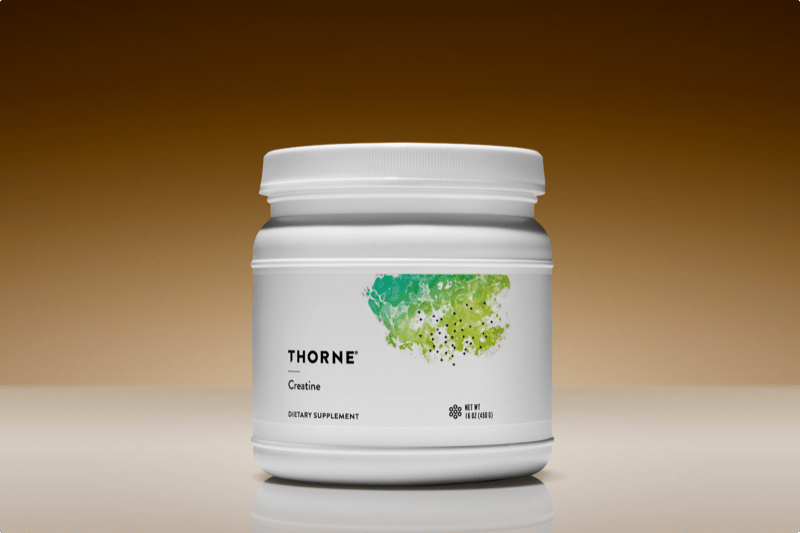
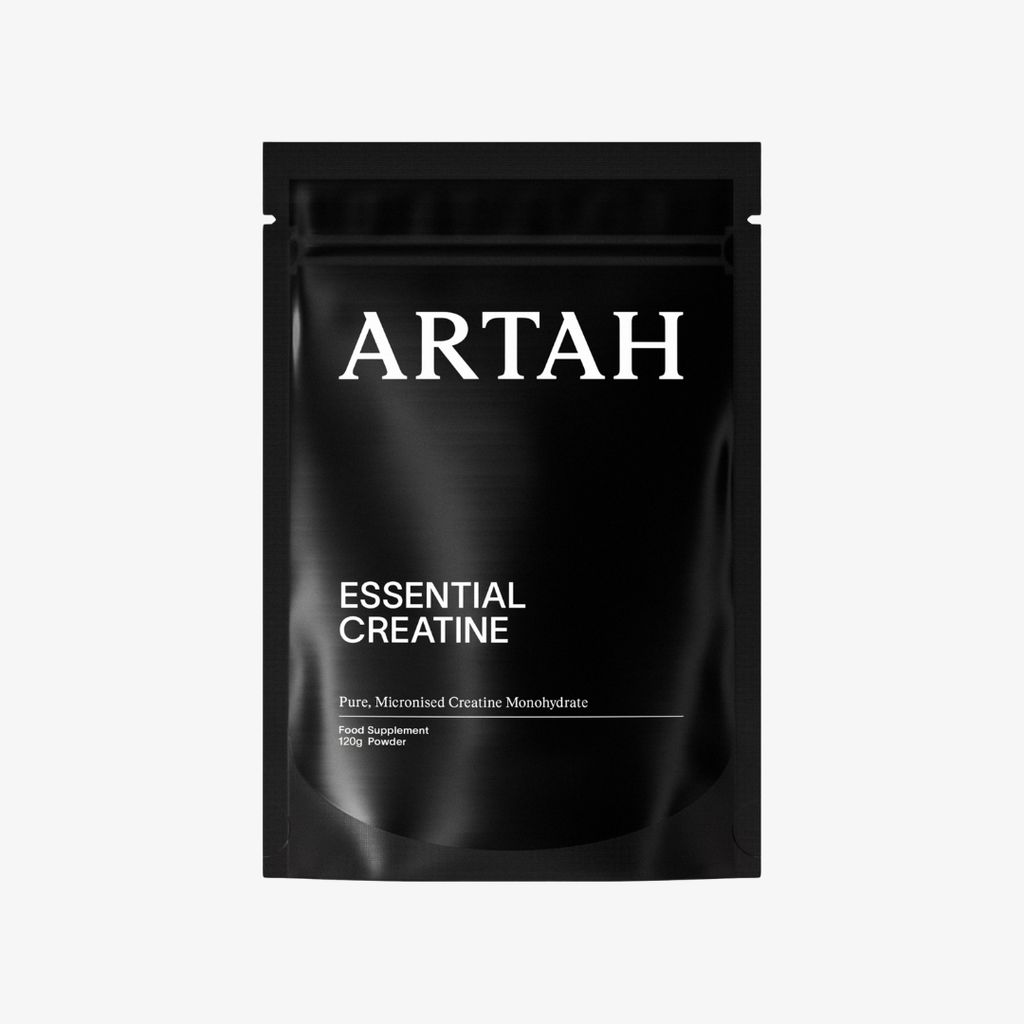
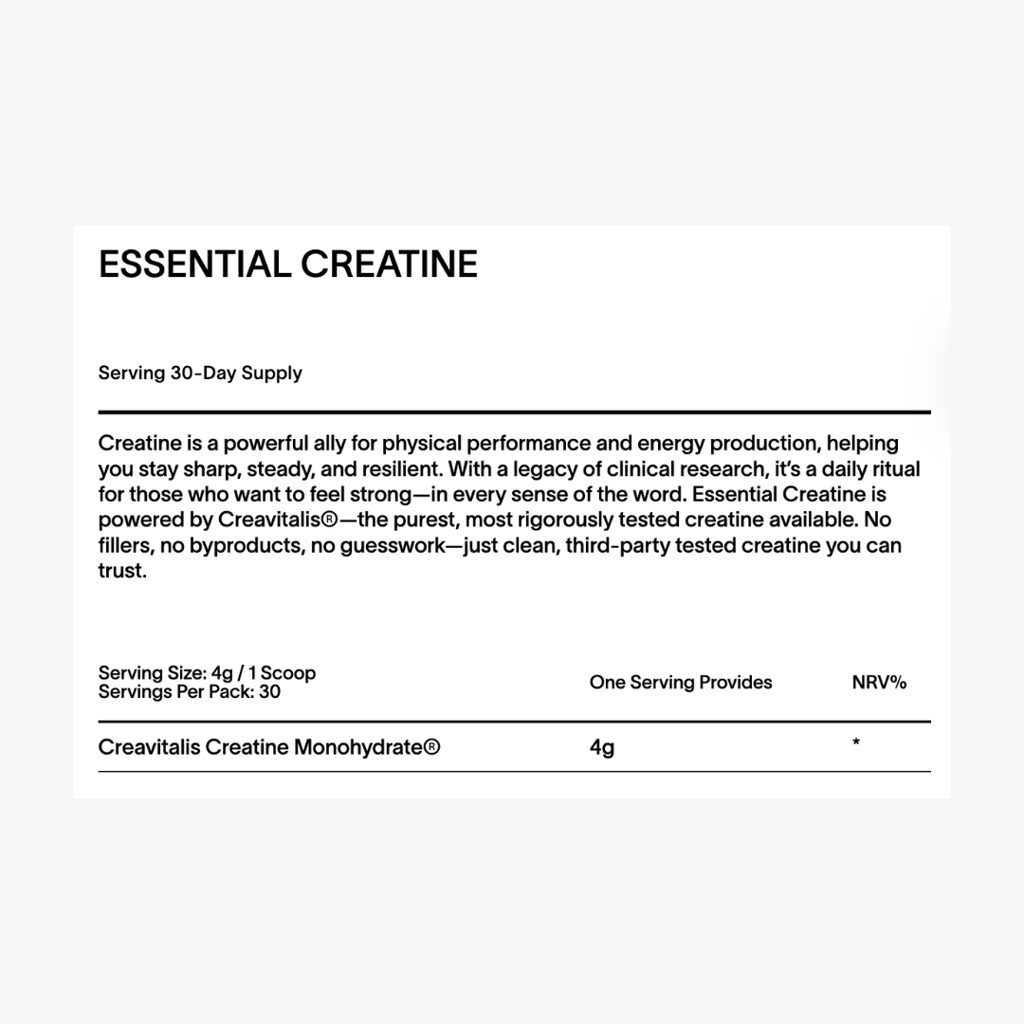
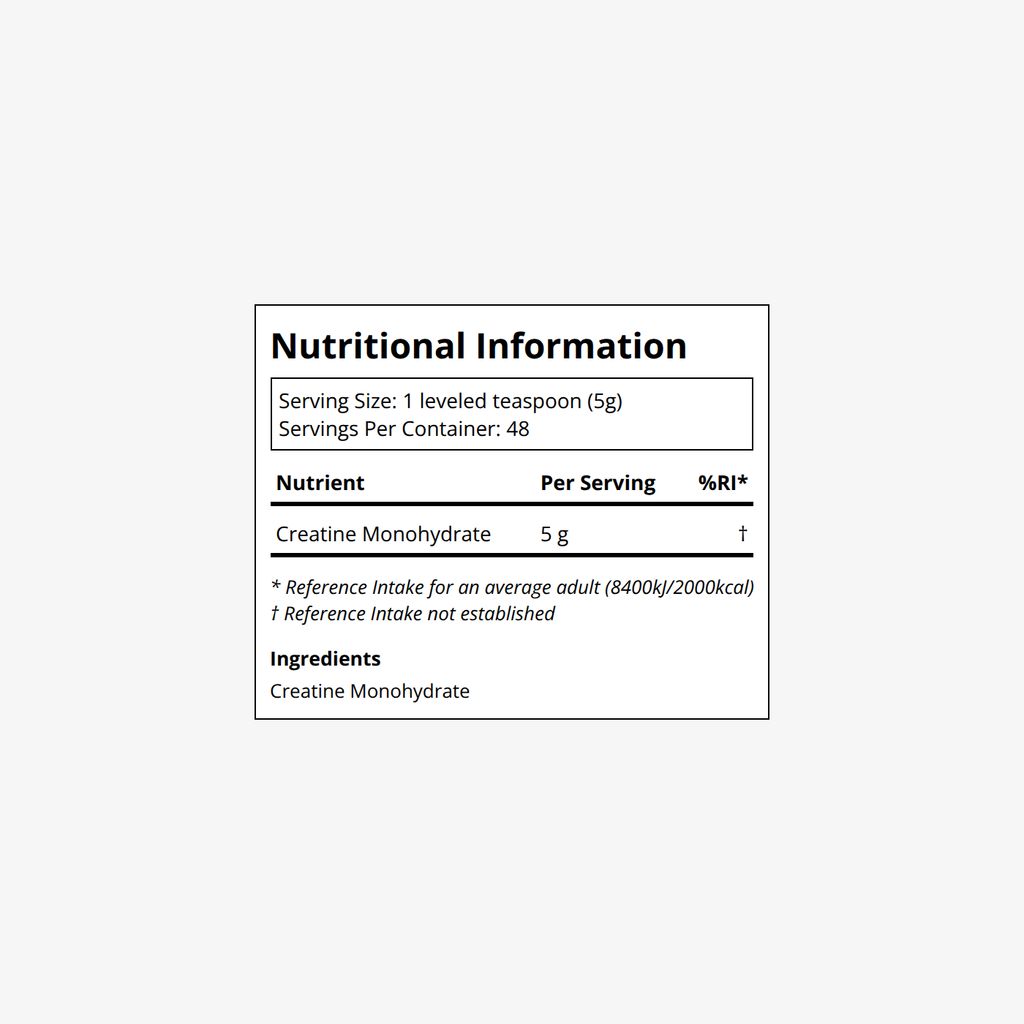
“Creatine monohydrate is the most studied form and is considered safe for healthy adults at 3-5 grams per day,” says Joey. “Our bodies make about 1 gram daily but use around 2 grams, so the rest usually comes from animal protein or supplements.” There’s no need for the high-dose “loading phase” that’s popular in bodybuilding circles though. Consistent daily intake works just as well and avoids bloating or water retention.
Creatine can be mixed into water, coffee or a morning smoothie and, unlike caffeine or pre-workout supplements, it doesn’t need to be timed around exercise. The key is steady, regular use.

The bottom line? Power up your mood from the inside out
Creatine might have started as a muscle-builder, but the science is showing it to now be a possible brain-builder too. By replenishing the brain’s energy reserves, it may help counteract the fatigue, mental fog, and low drive that winter often brings.
“Creatine may well do more than just fuel your workout… it could also energise your mind,” Joey concludes. “While it’s no replacement for therapy, medication or holistic interventions, it may one day join the toolkit for boosting your mood.”
So, if the darker days are getting to you, adding a little extra cellular energy could be one of the simplest, and most surprisingly scientific, ways to help your brain stay bright through the winter.



This article is for informational purposes only, even if and regardless of whether it features the advice of physicians and medical practitioners. This article is not, nor is it intended to be, a substitute for professional medical advice, diagnosis, or treatment and should never be relied upon for specific medical advice. The views expressed in this article are the views of the expert and do not necessarily represent the views of Healf
Samantha Nice is a seasoned wellness writer with over a decade of experience crafting content for a diverse range of global brands. A passionate advocate for holistic wellbeing, she brings a particular focus to supplements, women’s health, strength training, and running. Samantha is a proud member of the Healf editorial team, where she merges her love for storytelling with industry insights and science-backed evidence.
An avid WHOOP wearer, keen runner (with a sub 1:30 half marathon) hot yoga enthusiast and regular gym goer, Samantha lives and breathes the wellness lifestyle she writes about. With a solid black book of trusted contacts (including some of the industry’s leading experts) she’s committed to creating accessible, well-informed content that empowers and inspires Healf readers.