














_2026-10-13_14-11-48.png)


The Overlooked Molecule You Can Now Test At Home
Why nitric oxide could be the missing link in your recovery, energy and cardiovascular health and how a simple saliva test is changing the game.

Written by: Samantha Nice
Written on: 12 October 2025
There’s no denying wearables have transformed the way we monitor our health - from sleep scores and step counts to HRV trends. Now, the next wave of biohacking is here with at-home testing that goes deeper than your annual blood test. From gut microbiome kits to vitamin checks, personalised health is no longer reserved for clinics.
One of the most intriguing (and overlooked) molecules now entering the mainstream is nitric oxide. While zone 2 cardio, protein tracking and sleep dominate wellness conversations, nitric oxide rarely gets airtime despite its central role in blood flow, mitochondrial energy, cardiovascular health and even exercise recovery. The good news? Thanks to Berkeley Life Nitric Oxide Test Strips, you can now measure your levels at home in under a minute.
This shift reflects a bigger trend in the wellbeing space and longevity circles as people want deeper answers about their health, and what a surprise - they want them now.
What is nitric oxide and why does it matter?
First up, let’s go back to basics. “Nitric oxide (NO) is called the ‘miracle molecule’ for a reason,” says Cathy Eason, Chief Science Officer at Berkeley Life. “It helps your blood vessels relax, improves circulation and ensures your heart, brain and muscles get the oxygen they need. Research (like this and this) shows NO is central to blood pressure regulation, exercise performance, sexual wellness and even cognitive health,” she adds.
In simple terms, nitric oxide is your body’s natural way of keeping blood flowing and energy up. Without enough of it, your cardiovascular system struggles and the effects show up as fatigue, poor recovery or even long-term risks to heart health.
Why nitric oxide declines with age and lifestyle
Like many core biological processes, nitric oxide production peaks early in life. “NO production peaks in your twenties, then steadily declines. By your 40s and 50s, you’re making half as much as you did in your 20s,” says Cathy. “And after 40, for both men and women, NO drops by up to 50%.” Lifestyle certainly compounds this decline with things like poor sleep, stress, and ultra-processed foods all chipping away at nitric oxide availability. Over time, even "healthy" people may test low because of unavoidable oxidative stressors like poor food quality and environmental toxins. Cathy has seen this impact first-hand both clinically in her 20+ year nutrition practice, and throughout the healthcare practitioner community where 90% of professional conference attendees she meets fall below target.
How a nitric oxide test works
Unlike usual blood work, which can take weeks for results, nitric oxide testing is instant. “It’s as simple as a 10-second test using a saliva strip,” explains Cathy. “Just make sure you have enough saliva, place the designated end against it for 5-10 seconds, and then fold the strip in half, pinching the ends together to reveal your result. The brighter pink your result is, the better!”
The science behind it is pretty straightforward as the test strip specifically measures the nitrite concentration in saliva. What makes the Berkeley Life test different is its credibility. “We worked with scientists, clinicians and other nitric oxide researchers to adapt the same Griess reaction chemistry used in labs into a quick, non-invasive saliva strip. Unlike generic test kits, it’s the only one designed to give you an instant, actionable snapshot of your nitric oxide status at home. And it’s patented and clinically validated,” she adds.
What nitric oxide test results really mean
So what do the colours on the strip actually tell you? “Think of it like a highlighter of health. Bright pink means you're making enough, pale pink or white means you're low. It’s not a diagnosis, but it’s a clear signal about how well your lifestyle is supporting your cardiovascular and metabolic health,” says Cathy.
This makes it a practical everyday tool - especially since results appear instantly. “It takes about 10 seconds and you’ll get a colour result right away. The beauty is you can track changes quickly and some see improvements within days of starting supplementation.”
How to boost nitric oxide naturally
If your test strip shows you’re low, now’s the time to start reconsidering a few things like your daily habits and what you’re eating… or not eating. “Nitric oxide levels change throughout the day depending on activity level, so testing more frequently can help you track your patterns of depletion. Load up on nitrate-rich foods like spinach, arugula and beets. Move your body too. Even short bursts of exercise stimulate nitric oxide. Diet alone often is not enough to meet the fluctuating nitric oxide needs of the body, and that’s where supplements can come in handy to help bridge any nutritional gaps,” says Cathy. Unlike other markers that may take months to shift, nitric oxide can improve quickly with concentrated support which makes it highly motivating for people to track.
The role of nasal breathing in nitric oxide production
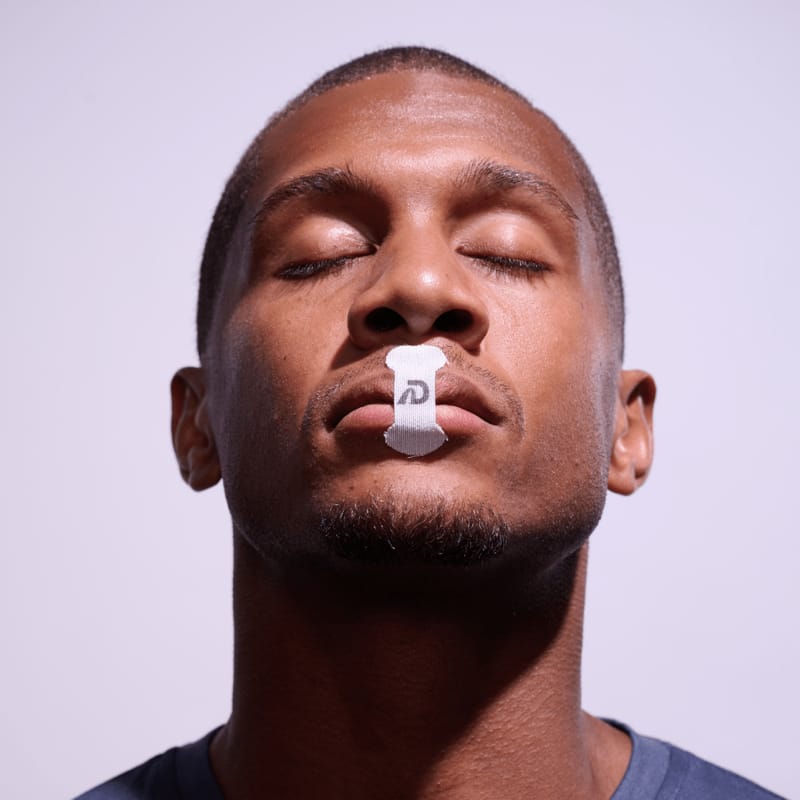
Breathing habits also matter. “Without realising it, many people are habitual mouth-breathers rather than the nasal breathers we are meant to be,” adds Cathy. “Chronic sinus congestion, food sensitivities, environmental toxin exposure and chronic stress can all lead to shallow, open mouth breathing habits that inhibit your nitric oxide production in the nasal cavities while also disrupting the balance of oral microbes needed to help us break down nitrates from food sources into nitric oxide.” Nasal breathing not only improves oxygen intake but it also directly supports nitric oxide production in the body.
Oxidative stress and its impact
Modern life presents us with multiple oxidative stressors daily, and this collective oxidative stress creates inflammation that directly impairs the health of our blood vessels where NO is naturally produced. “Lifestyle factors like lack of physical activity (and even over exercising), excess intake of sugar and alcohol, smoking, vaping and exposure to environmental chemical toxins all generate oxidative stress,” says Cathy who warns that the factors are all linked to increased risk of cardiovascular issues (inflammation, poor diet, toxin exposure) and are the same ones that deplete nitric oxide.
So, who should be testing?
“It’s especially valuable for people over 40, those with cardiovascular risk factors, athletes looking to boost performance, men and women experiencing sexual dysfunction, and women in midlife as estrogen and NO both decline,” says Cathy. It’s not just for biohackers or elite athletes though - everyone can learn from it. If you’re struggling with fatigue or recovery challenges, nitric oxide testing could provide some missing answers.
Nitric oxide tracking and the future of personalised wellness insights
Personalised health is shifting towards real-time data and long gone are the days of waiting months for annual blood tests at your local GP..
“With instant biofeedback and not having to wait for lab results, you can test, tweak and track in real time which makes biohacking tangible for the everyday person,” says Cathy.
Practically, this could look like using the test to guide your diet or supplement choices which is a huge benefit. “Testing your saliva nitrite levels first thing in the morning gives you a good idea of your baseline. You can then eat a nitrate-rich meal or take a targeted supplement and retest to see whether these choices are working for you,” she adds. This turns nitric oxide into an everyday biomarker, as central as HRV or sleep scores in guiding your recovery and resilience.
Easy ways to test without the overwhelm
Cathy’s advice for newbies is simple. “Start by testing once or twice a week. If your levels are low, add more greens or try a supplement and then retest to see if it worked. Think of it like brushing your teeth - a small, quick daily habit that pays off big over time.”
Final thoughts
Nitric oxide may be the most overlooked molecule in wellness, but that could now be starting to change. With super simple, easy-to-use at-home test strips, you can measure your levels instantly, take action through food, lifestyle or supplements and track improvements within days. Don’t get us wrong, blood work will always have its place, but the future of personalised wellness is real-time feedback and nitric oxide testing is a powerful way to unlock it.
Beyond nitric oxide and the rise of at-home testing
Nitric oxide is one of our go-to at-home tests but it’s part of a much bigger movement. Just like wearables changed how we track sleep and steps, this new wave of at-home test kits is reshaping how we measure what’s happening inside our bodies.
Our very own Healf Zone is a comprehensive at-home kit designed to give you a far deeper read on your health and covers over 35 biomarkers across key areas like:
Cardiovascular health: cholesterol, triglycerides, HDL/LDL balance
Inflammation: markers like hs-CRP that reveal underlying stress on the body
Nutrients like vitamin D, active B12, folate, iron and more
Hormones and metabolism: thyroid function, blood sugar control, liver and kidney function
The process is simple but not quite as instant as the nitric oxide strips. Just order the kit, take a small blood sample at home and send it off for analysis. Whilst the nitric oxide test strips give you instant biofeedback on circulation and recovery capacity, Healf Zone offers the big-picture view showing how multiple systems in the body are working together (or not). Used alongside each other, they provide a powerful combination - NO strips for quick, daily feedback and Healf Zone panels for quarterly or annual deep dives. If the goal of biohacking and personalised health is to make the invisible visible, these kinds of at-home tests are the next big leap giving you clarity, control and a great way to make smarter, more informed choices. Sold? We thought you might be. Get started with Healf Zone here.




This article is for informational purposes only, even if and regardless of whether it features the advice of physicians and medical practitioners. This article is not, nor is it intended to be, a substitute for professional medical advice, diagnosis, or treatment and should never be relied upon for specific medical advice. The views expressed in this article are the views of the expert and do not necessarily represent the views of Healf
Samantha Nice is a seasoned wellness writer with over a decade of experience crafting content for a diverse range of global brands. A passionate advocate for holistic wellbeing, she brings a particular focus to supplements, women’s health, strength training, and running. Samantha is a proud member of the Healf editorial team, where she merges her love for storytelling with industry insights and science-backed evidence.
An avid WHOOP wearer, keen runner (with a sub 1:30 half marathon) hot yoga enthusiast and regular gym goer, Samantha lives and breathes the wellness lifestyle she writes about. With a solid black book of trusted contacts (including some of the industry’s leading experts) she’s committed to creating accessible, well-informed content that empowers and inspires Healf readers.