



































_2026-10-13_14-11-48.png)


Can Peptides Really Help Your Body Repair And Recover Faster? The Science, Explained
A growing cohort of experimental injections promise to aid muscle growth, cell repair, and recovery. Experts weigh in on the pros and cons of this trending wellbeing hack.

Written by: Pippa Thackeray
Written on: 12 October 2025
Peptides are shaking things up in longevity and recovery science. Some say they are offering new ways to heal faster, age smarter and to strengthen the body from within. But where are the limits?
Peptide treatment is now a major topic of conversation in areas such as regenerative medicine, fitness as well as aesthetic recovery.
Some remain cautious due to limited high quality human data, while others forecast them to be the next wave in wellbeing.
For those focused on training, performance and longevity, peptides are part of a fascinating discussion, proposed as precision tools that may support the body’s natural processes, rather than override them.
So, what does the research say, and what, if any, are the drawbacks?
Peptides for recovery
The peptide appeal lies in their efficiency and potential to help the body repair and maintain energy with less downtime.
This growing attention likely mirrors a broader move in medicine towards restoration, away from simply intervening once disease has taken hold.
Why peptides are becoming popular in medical research
Over the last two decades, research in this area has accelerated. Pharmaceutical interest has grown as new synthetic peptides become patentable, opening opportunities across sports medicine, longevity and aesthetics.
First things first, what are peptides?
Peptides are short amino acid chains, typically made up of between 2 and 50 amino acids, linked together by chemical bonds called peptide bonds.
A vast majority of these small but powerful molecules essentially act as the body’s messengers via chemical signalling, i.e., hormones, neuropeptides, or growth factors.
How peptides form
Each amino acid connects to the next through a chemical reaction that binds them in sequence.
These sequences create specific shapes and patterns that determine what each peptide can do inside the body.
They influence everything from how tissues heal to how energy is produced and used.
Why structure matters
You can think of a peptide as a chain of uniquely shaped “pearls,” where each pearl represents one of the 20 amino acids found naturally in the body.
Some act as hormones, carrying signals that regulate growth, metabolism and mood. Others help coordinate tissue repair, immune balance and energy production.
Even small changes in amino acid order can completely alter how a peptide interacts with cells.
Collagen offers a clear example of a structural protein as it contains one amino acid that repeats at regular intervals, creating a strong and flexible network that supports skin, cartilage and tendons.
The same principle applies across the entire body.
You may remember from biology class the old mantra: Structure dictates function.
Types of proteins and what they do in your body
Where peptides show promise for our health
Targeted peptide treatments are touted for their potential to improve body composition, support joint strength and speed recovery after procedures. Although popular online among bodybuilders and those undertaking intense training, interest in peptides now stretches far beyond sport.
People are turning to peptide therapy to refine skin texture and explore longevity benefits, such as maintaining steady energy as they age.
Recovery
Specific peptides like GHK-Cu, BPC-157, and Thymosin Beta-4 are being researched for their roles in collagen production, tissue repair, and pain reduction.
Longevity
Inflammation and immunity
Some peptides help moderate immune activity, reducing the risk of persistent inflammation while supporting the body’s natural defence against infection. Peptides such as Thymosin Alpha-1 and LL-37 are under study for their role in immune regulation and antimicrobial protection.
Organ and cellular support
Certain peptides are being researched for their potential to protect organs and aid treatment for conditions including chronic hepatitis and some cancers.
Others help maintain energy balance at the cellular level, supporting repair and long-term vitality.
Antimicrobial potential
Specific compounds known as antimicrobial peptides can disrupt bacterial membranes, preventing harmful bacteria from multiplying. These properties have made them a focus in early medical trials exploring safer, more targeted ways to manage infection.
Aesthetic recovery
Peptides are increasingly being used in aesthetic post-procedure settings to support faster, smoother recovery.
Some are believed to stimulate collagen formation and cellular repair, helping skin restore itself more efficiently after treatments such as laser therapy or microneedling.
The role of peptides in wound healing
They support cell proliferation and migration, guiding fibroblasts and other repair cells to the wound site. At the same time, they can promote angiogenesis, the formation of new blood vessels, which improves nutrient and oxygen delivery to damaged areas.
Athletic performance
Some peptides influence the growth hormone pathway, prompting the release of IGF 1, a signal involved in muscle repair and fat metabolism. Others target inflammation and help muscles adapt more efficiently to stress.
What makes peptides like BPC-157 or GHK-Cu stand out?
BPC-157
Peptides in general are amino acid chains that send signals to repair and maintain balance. There are countless variations, each with its own biological effect.
BPC-157, short for Body Protection Compound 157, is a synthetic peptide studied for its potential to support healing and reduce inflammation across tissues including ligaments, tendons and the gut.
Preclinical studies suggest it may work by promoting angiogenesis, the formation of new blood vessels, and by modulating growth factors that drive tissue repair. It appears on the World Anti Doping Agency list of substances prohibited in competitive sport, but ongoing research continues to explore its medical potential.
For those interested in responsible, non injectable options, ProHealth Longevity BPC-157 offers 500 mcg per capsule, produced to high standards of purity and third party tested for quality.
GHK-Cu
GHK-Cu is a naturally occurring tripeptide that binds copper, supporting collagen formation and tissue renewal.
Levels decline with age, but supplementation may help sustain repair and elasticity. Examples include Quicksilver Scientific Copper GHK.
Liposomal delivery improves absorption, helping maintain normal immune function and connective tissue health while promoting recovery and skin vitality. See below for the research findings.
Peptide forms and what the research suggests
The role of peptides and amino acids in nutrition
While advanced peptides are at the fore of discovery, some are already widely known for recovery and general health.
They supply the amino acids needed to support skin elasticity, joint resilience and connective tissue repair.
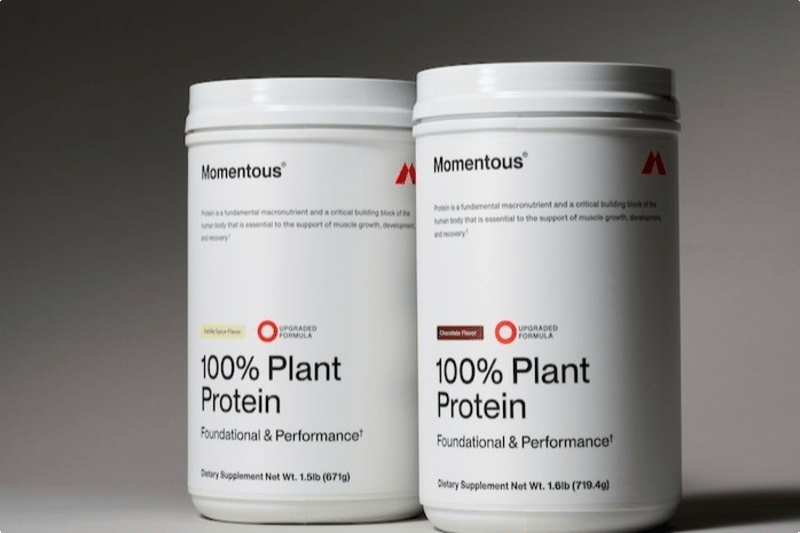
Designs for Health Performance Peptides offer a plant-based alternative, delivering bioactive peptides derived from fava beans through PeptiStrong, a fava bean protein hydrolysate.
Collagen peptides, by contrast, focus on structural repair. Found in products such as Hunter & Gather Collagen Peptides, they provide the amino acids needed for skin elasticity, tendon strength and connective tissue repair.
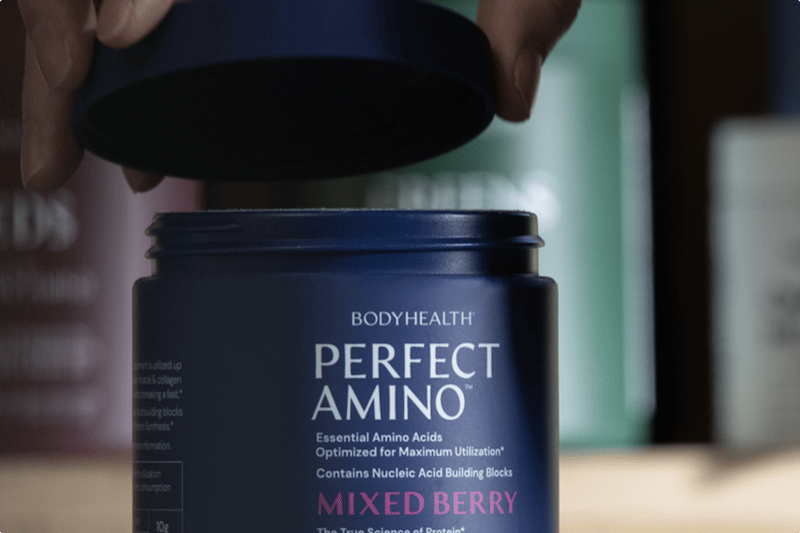
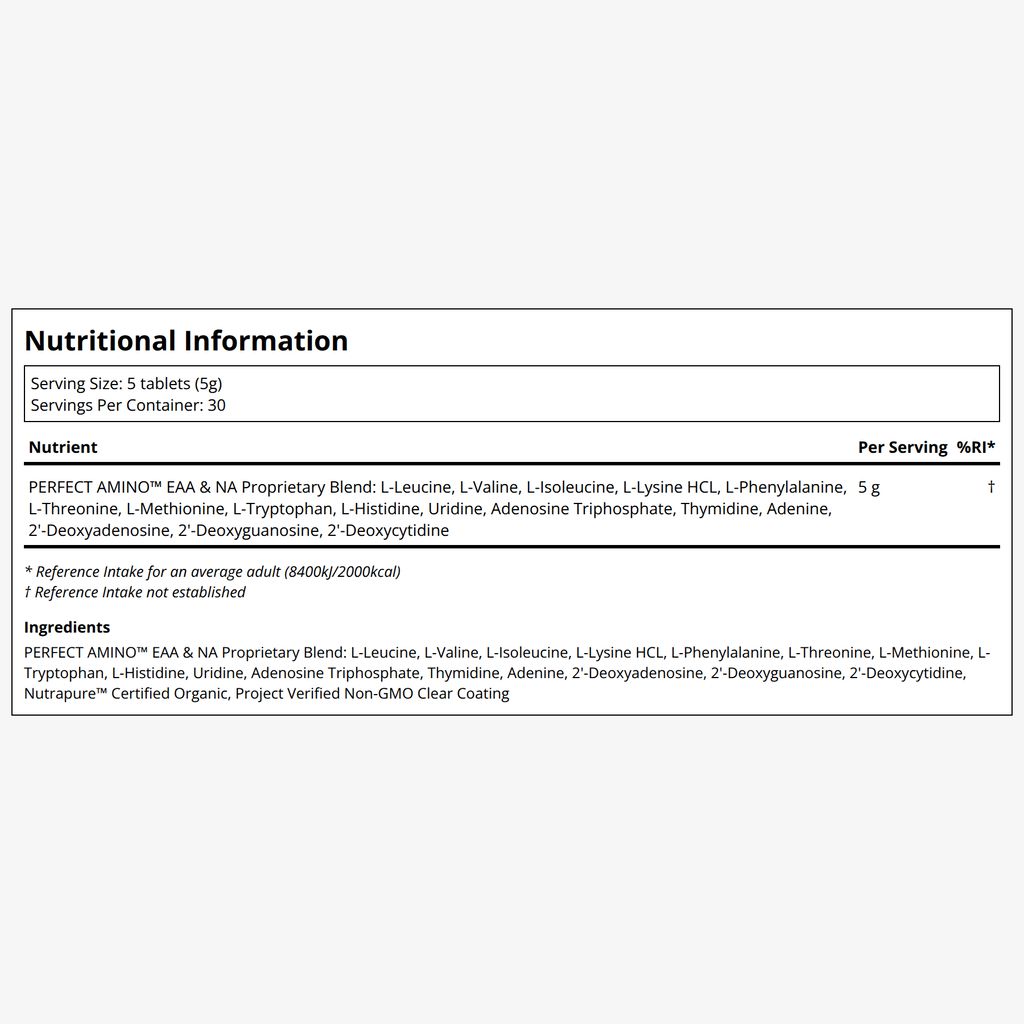
Amino acid complexes, such as BodyHealth Perfect Amino, are another peptide product type, supplying a full range of essential amino acids that feed cellular repair.

How practitioners use them
Medical and nutrition practitioners often combine specific peptides with movement and rest protocols. They may select specific compounds to address particular issues.
Results can vary between individuals, depending on genetics, sleep quality, diet and training habits.
Collagen peptides in performance research
In a 12-week randomised controlled trial published in the International Journal of Environmental Research and Public Health, men aged 30 to 60 who took 15 grams of specific collagen peptides daily alongside resistance training gained more lean muscle and lost more fat than those taking a placebo.
The researchers found that collagen peptides appeared to help the body use training more efficiently, likely through their unique amino acid profile and their role in signalling tissue repair.
How to build your peptide plan
The most reliable results still come from the basics. Good sleep, balanced nutrition and consistent training create the environment in which any supplement or peptide can work.
Once those foundations are in place, peptides and amino acid support can help fine tune recovery and regeneration. For injury rehabilitation or heavy training cycles, they may be useful additions alongside physiotherapy or structured rest periods.
Those focused on longevity or aesthetic recovery can explore collagen peptides or amino acid complexes as daily nutritional support.
Key takeaways
Peptides represent a developing intersection of fitness, medicine and longevity.
They are being explored for muscle recovery, injury repair, skin health and healthy ageing, and their role in regenerative care is only just beginning.
From targeted compounds like BPC 157 to daily collagen peptides and amino acid complexes, they offer a glimpse of what smarter supplementation can look like, precise, biologically aligned and focused on quality.
Used responsibly and sourced with care, peptides can support recovery, strength and resilience, the essential foundations of lifelong wellbeing.
Shop Peptides at Healf and explore evidence led supplements supporting performance, repair and longevity for everyday active living.
FAQs
1. Are peptides legal to use for performance or wellbeing goals?
For general wellbeing, recovery or longevity, legal peptide based supplements can be used responsibly within the guidelines of suggested product usage or with practitioner guidance (at higher than the specified dosage).
Some peptides are available for certain conditions, while others are unregulated or banned in competitive sport. Always check your country’s regulations and competition guidelines before use.
2. Can peptides reliably build muscle or improve body composition?
Certain peptides may influence growth hormone and IGF-1 activity, which could support recovery and muscle repair. However, consistent clinical evidence showing significant muscle gains in healthy trained individuals remains limited.
Combining structured resistance training, rest and nutrition remains the most reliable way to build lean mass.
3. Are peptide injections safer than steroids?
Not necessarily. Safety depends on the compound, source, dosage and supervision. Peptides from unverified online sellers carry high risk of contamination or inaccurate dosing.
Capsule and powder formats from trusted producers with third party testing offer a safer alternative for those exploring recovery or longevity support.
4. Can peptides support longevity or healthy ageing?
Research into longevity peptides is still developing, but early studies suggest certain compounds may help regulate inflammation, support tissue repair and stabilise energy balance as we age.
Peptides should be seen as one part of a broader wellbeing strategy alongside good nutrition, movement, rest and stress management.
5. Do peptides have a role in aesthetic recovery or skin health?
Yes, some peptides are being studied for their ability to support collagen formation, wound healing and skin renewal. They are used after procedures such as laser resurfacing or microneedling to help speed recovery. Collagen peptides taken orally can also support elasticity and hydration for visible skin health over time.
6. What natural habits help stimulate growth hormone?
Quality sleep, regular strength training, interval exercise, balanced nutrition and consistent fasting patterns can naturally support healthy growth hormone rhythms without using external compounds.


This article is for informational purposes only, even if and regardless of whether it features the advice of physicians and medical practitioners. This article is not, nor is it intended to be, a substitute for professional medical advice, diagnosis, or treatment and should never be relied upon for specific medical advice. The views expressed in this article are the views of the expert and do not necessarily represent the views of Healf
Pippa is a content writer and qualified Nutritional Therapist (DipNT) creating research-based content with a passion for many areas of wellbeing, including hormonal health, mental health and digestive health.
As a contributor to The Healf Source, she regularly attends seminars and programmes on a plethora of contemporary health issues and modern research insights with a drive to never stop learning. In addition, interviewing experts and specialists across The Four Pillars: EAT, MOVE, MIND, SLEEP.
In her spare time, she is an avid swimmer, mindfulness and yoga lover, occasionally bringing a raw, honest approach to the topics she faces. You may also discover some personal accounts of eye-opening wellbeing experiences amidst the reality of a disorientating, and often conflicting, modern wellbeing space.