

































_2026-10-13_14-11-48.png)


Do Sesame Seeds Reverse Grey Hair?
Written by: Pippa Thackeray
Written on: 1 June 2025
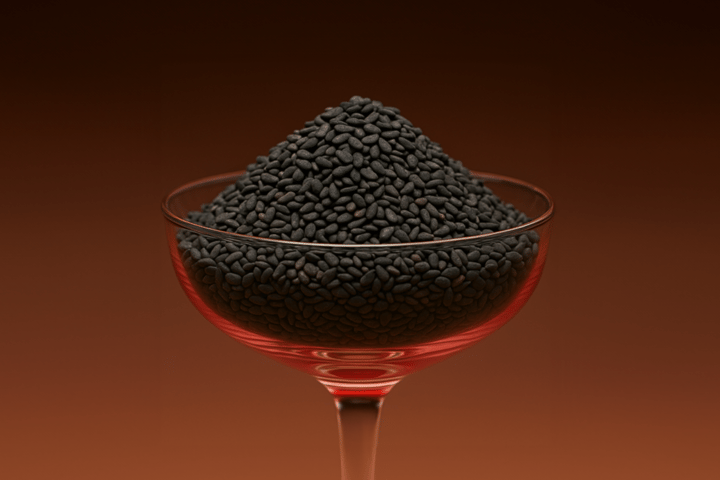
Black sesame is trending, packed with antioxidants, minerals and healthy fats. Its draw is clear for anti-ageing, hair health, liver and kidney health. This impressive seed is finding new relevance thanks to social media exposure of ancient health secrets and modern analysis of nutritional content.
The ancient seed making a comeback
Black sesame seeds are known as Hei Zhi Ma in Traditional Chinese Medicine (TCM). They have been celebrated for centuries for their nourishing qualities and links to longevity. In TCM, their actions are associated with tonifying the liver and kidneys, supporting blood health and lubricating the intestines.
In terms of Western perspectives on their nutritional power, these tiny black seeds are rich in calcium, magnesium and iron required for vital functions such as maintaining energy levels and cellular repair.
Traditional approaches to black sesame and health
Sesame (Sesamum indicum L.) is one of the oldest cultivated oil crops. It sits alongside soy, rapeseed and peanuts as one of China’s four main oil sources. Traces of early sesame farming have been found at archaeological sites in Pakistan. It has been valued for its nutrient density and its role in traditional food and health practices across cultures.
Do sesame seeds spport the liver and kidneys?
In TCM, the liver and kidneys are linked to emotional balance, energy, and long-term vitality. Black sesame is believed to nourish these organs and help to prevent disharmony, restoring strength in people who feel depleted, anxious or low on reserves. Additionally, they contain minerals like copper, manganese, and calcium, which are essential for various bodily functions, including nerve function.
Nourishing and replenishing the blood
It is also considered a blood tonic. That means it supports blood quality and volume, which can be helpful for those dealing with fatigue, cold extremities or poor skin tone. It’s traditionally used to help lift low energy and restore a natural radiance for the skin and nails.
Keeping digestion moving
Thanks to its oils and fibre, black sesame helps to lubricate the intestines. It is a gentle option for easing dry digestion (a concept in TCM) and supporting smoother bowel movements, which is particularly useful for people prone to sluggish digestion or constipation. The seeds are also traditionally used for creativity, artistry and for deepening a sense of intuition.
Why your hair loves black sesame
As mentioned previously, in Traditional Chinese Medicine, black sesame seeds are known for nourishing the kidneys and liver. They are also the two organs believed to be responsible for hair vitality and growth. A common remedy in TCM is black sesame paste, regularly eaten to support hair health, encourage regrowth and slow greying. It’s far from a modern trend, although it is still very popular in modern-day TCM practices.
Hair pigmentation
Black sesame seeds are thought to stimulate melanocyte activity, which may delay hair greying. This is because their high copper content plays a role in melanin production, required for maintaining pigment in hair strands.
Antioxidant protection from the inside
Of all sesame varieties (white, yellow, brown and black), black sesame seeds are the richest source of sesamin and sesamolin, which have potent antioxidant properties to combat ageing, high blood pressure and chronic disease risk. Sesamin in particular is a compound shown to help regulate cholesterol and support liver enzyme activity.
Hormonal function
Studies on sesame extract suggest it may help regulate hormone levels, improve ovarian function, and support PCOS symptoms in women. Its phyto-oestrogenic and anti-inflammatory compounds show potential for supporting hormonal balance and reproductive health.
Good fats and nutrient content of black sesame
Black sesame stands out from the other types of sesame in that it has a higher content of polyunsaturated fats and micronutrients, including fat soluble nutrients, such as:
- Magnesium for muscle recovery and mood balance.
- Zinc for immune function and repair.
- Calcium for bones, teeth and nerve signalling.
- Iron for oxygen transport and energy metabolism.
- Vitamin E and phytosterols to support overall cellular health.
How to introduce black sesame daily
- On top of smoothies: Add a tablespoon of black sesame seeds to your morning blend for a rich flavour.
- YES Bar in Black Sesame Sea Salt flavour: A satisfying snack for great taste and nutrition.
- Yoghurt toppings: Sprinkle toasted seeds over Greek yoghurt with a drizzle of organic honey.
- Baking: Add seeds to a bread recipe or granola bars for added crunch.
- COSMIC DEALER chocolate in Black Sesame and Chai: Try this unique spread for a warming twist on your usual nut butter.
- Traditional black sesame paste: Lightly toast the black sesame seeds, and grind them into a fine powder. Then mix the ground sesame seeds with honey into a smooth paste, as per the common TCM practice.
- Lattes: Stir black sesame paste into warm milk for a nutty flavoured drink and add vanilla for a sweet taste.
Black sesame: Key takeaways
Black sesame seeds are historically grounded in centuries of Chinese medicine, renowned for nourishing the blood and vital organs.
Their compounds support hair pigment, liver function and antioxidant defence. They’re rich in good fats and micronutrients. They also balance mood and metabolism, with new research showing they could potentially do even more for our health.
Shop EAT at Healf and find more ways to include sesame, good fats and optimum nutrition into your routine.




This article is for informational purposes only, even if and regardless of whether it features the advice of physicians and medical practitioners. This article is not, nor is it intended to be, a substitute for professional medical advice, diagnosis, or treatment and should never be relied upon for specific medical advice. The views expressed in this article are the views of the expert and do not necessarily represent the views of Healf
Pippa is a content writer and qualified Nutritional Therapist (DipNT) creating research-based content with a passion for many areas of wellbeing, including hormonal health, mental health and digestive health.
As a contributor to The Healf Source, she regularly attends seminars and programmes on a plethora of contemporary health issues and modern research insights with a drive to never stop learning. In addition, interviewing experts and specialists across The Four Pillars: EAT, MOVE, MIND, SLEEP.
In her spare time, she is an avid swimmer, mindfulness and yoga lover, occasionally bringing a raw, honest approach to the topics she faces. You may also discover some personal accounts of eye-opening wellbeing experiences amidst the reality of a disorientating, and often conflicting, modern wellbeing space.