






















_2026-10-13_14-11-48.png)


Does Face Yoga Actually Work?
From puffiness and jaw tension to wrinkles and sculpting, what facial massage can realistically do and where expectations often run ahead of the evidence.
Written by: Samantha Nice
Written on: 24 June 2026
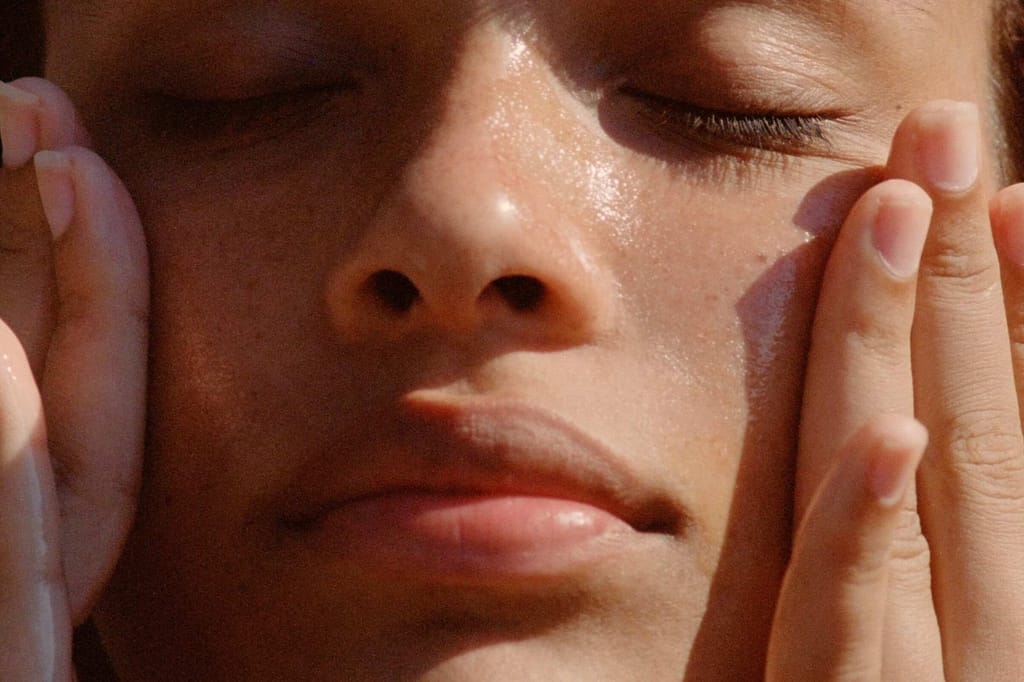
From jawline sculpting and lymphatic drainage to facial workouts and depuffing routines, looking after your face has started to feel a bit more like looking after the rest of your body. Instead of relying on skincare alone, more people are paying attention to what sits underneath it too, things like facial massage, muscle tension, and blood flow.
Treatments such as FACEGYM and at-home face yoga have become increasingly popular among people looking for alternatives to injectables, or those interested in a more preventative approach to skin ageing. Alongside skincare, SPF and the occasional facial, facial workouts now occupy a space of their own.
The attraction is obvious. A sharper jawline, less puffiness, fresher-looking skin and maybe even softer lines, all without needles, downtime or a clinic appointment. Whether it lives up to the hype depends largely on what you expect it to do.
What is face yoga?
Face yoga sits somewhere between facial massage, muscle work and skincare. It can include facial exercises, lymphatic drainage, acupressure, gua sha, facial cups or microcurrent tools.
While most skincare is concerned with the skin's surface, face yoga looks at what is happening underneath it. “Your face has over 40 muscles,” says Phillipa Bradley, head of product at FACEGYM. “But there’s a key difference. Facial muscles attach directly to skin to create expression. Think of them as the scaffolding to the skin, the structural support that helps keep skin lifted, sculpted and toned.”
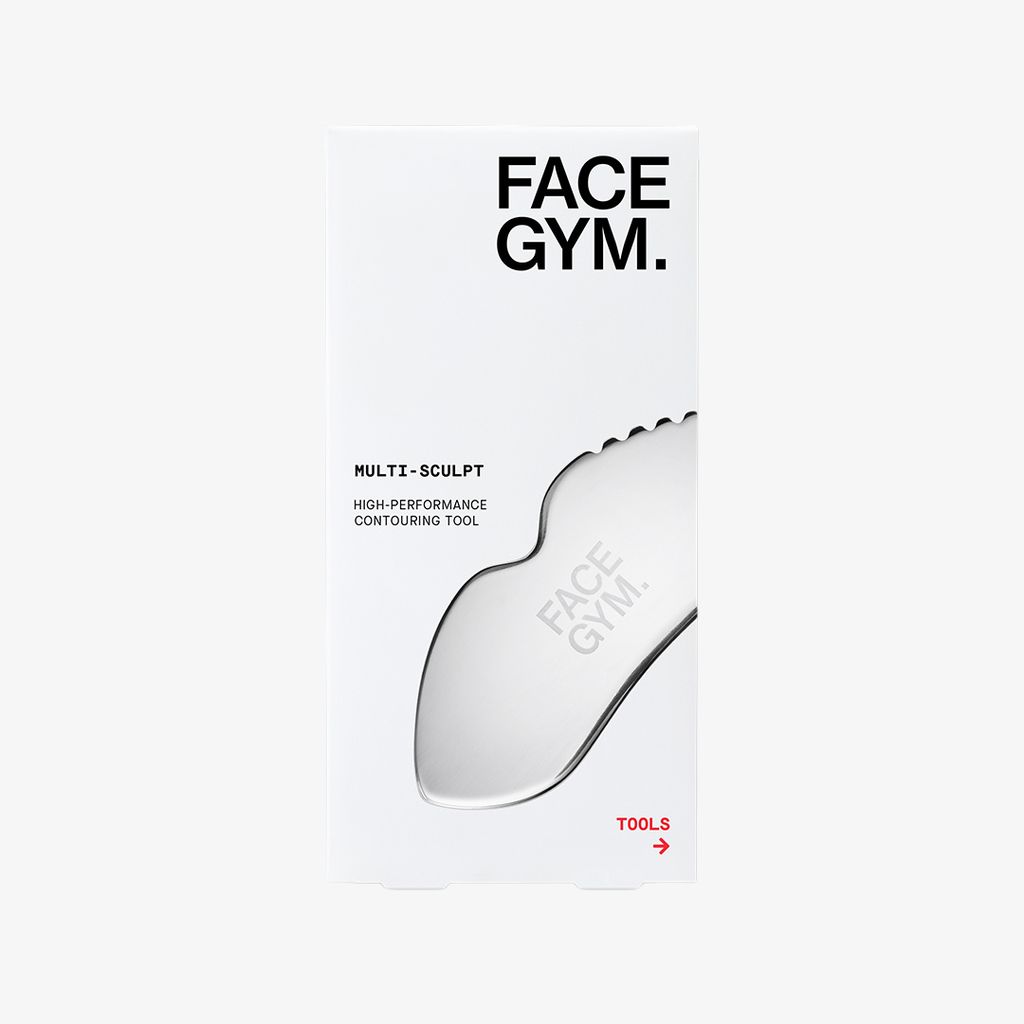
That same thinking sits behind treatments like the ones offered at FACEGYM, where sessions combine massage, sculpting, and muscle stimulation techniques rather than relying on skincare products alone. At home, it tends to be less of a "workout" and more simply a few minutes of facial massage, gua sha, or quick guided movements layered into your skincare routine.
Why more people are trying face yoga
A decade ago, most anti-ageing talk surrounded skincare and injectables. Now there’s a growing middle ground where people are interested in circulation, facial tension, depuffing, and maintaining skin over time rather than waiting until someone feels ready for more invasive treatments.
Face yoga also fits naturally into routines people already have. If you're cleansing, moisturising, and applying serums, adding a few minutes of massage doesn't feel like a major commitment.
“There’s a real interest now in taking care of the facial muscles and not just the skin,” says Bradley. FACEGYM has helped bring that concept to a wider audience. While a traditional facial is built around relaxation, these newer treatments are designed to feel active and targeted.
“Unlike most facials that work at skin level only, FACEGYM workouts target both the skin and the facial muscles beneath,” says Luke Bajjon, head of education at FACEGYM. “People tend to notice instant depuffing, tension release, lift, and sculpt.”
That instant results are also where some of the confusion starts. A face that looks more awake after massage isn't the same thing as a permanently lifted face, reducing wrinkles, or changing facial structure. Those are very different claims.
Does face yoga actually work?
The answer depends on what you're expecting it to do. If you're hoping for a face that looks a bit less puffy, a jaw that feels less tight, or skin that appears fresher after a workout, there is some logic behind it. If you're expecting face yoga to lift sagging skin, erase wrinkles, or work like Botox, the evidence becomes much harder to support.
“What is happening physiologically is temporary increased blood flow and reduced fluid retention,” says consultant dermatologist Dr Anjali Mahto, BSc MBBCh FRCP. “That may give the skin a short-lived glow or feeling of firmness.”
That helps explain why facial massage can leave you looking more sculpted or energised afterwards. Increased blood flow, reduced puffiness, and easing muscular tightness can all change how the face looks in the short term.
Things get muddier when short-term changes are presented as lasting ones. For many people, the biggest draw isn’t looking completely different; it is looking a bit less swollen, a bit more defined or awake. Face yoga starts to lose credibility when it’s sold as a natural facelift or a replacement for treatments designed to do something entirely different.
Face yoga benefits people notice most
Most of the benefits people rave about fall into three categories. Fluid, tension, and how the face looks immediately afterwards. Those are also the areas where the benefits are easiest to see and feel.
Puffiness
If you've ever woken up looking noticeably puffier than usual after a late night, a long flight, or a super salty dinner, you'll already have a sense of where facial massage can help. “Gentle massage can temporarily reduce puffiness, particularly around the eyes,” says Dr. Mahto. A lot of that comes back to lymphatic drainage, the movement of fluid through tissues.
Drainage techniques are a big part of the FACEGYM approach. “Your lymphatic system is your body's waste filtration system,” says Bajjon. “Unlike other systems in the body, it has no pump to keep things moving.” The result is often less fluid retention around the eyes, cheeks, and jawline, which can make facial features look a little sharper and more defined.
Jaw tension and jawline definition
This is arguably one of the first places people notice a difference, particularly if you clench your jaw, grind your teeth, or spend most of the day staring at a screen. “The jaw is where most people carry the most tension,” says Bradley. “Release work here is a staple in almost every session.”
Working through the jaw, temples, and forehead can help ease that tight, clenched feeling many people don't even realise they are carrying. For some, the payoff isn't what they see afterwards. It is in realising their jaw has stopped doing so much work.
The jawline effects are also one big reason people become interested in face yoga. Reducing fluid retention and easing muscular tightness can temporarily make this area look a little more defined.
A fresher-looking face before an event
This is often when facial workouts make the most sense. “We see instant depuffing, lift, and sculpt with zero downtime,” says Bajjon. “It makes it a great treatment before a big event.” That doesn't mean the face has been permanently lifted or reshaped. What people usually see is a combination of increased blood flow, less fluid retention, and eased muscular tension. Together, those can leave the face looking brighter and more defined.
That is why many face yoga before-and-after photos look most noticeable immediately after a workout, when puffiness is reduced, and circulation is increased.
Where face yoga gets overhyped
This is where expectations need a little calibration. Face yoga is often discussed alongside terms such as "natural facelift", "Botox alternative", and dramatic before-and-after transformations.
“The honest answer is not in any meaningful or lasting way,” says Dr. Mahto, referring to claims around significantly lifting the face or reducing wrinkles through facial exercises alone. “The evidence simply isn't there to support the claims being made.”
That doesn’t mean people are imagining the benefits they see, it just means they’re usually different from the ones being advertised.
Massage can help with circulation, puffiness and tension. What it’s not convincingly been shown to do is tighten loose skin, significantly alter facial contours or act like Botox. “Botox works by blocking neuromuscular signals,” says Dr. Mahto. “No amount of facial movement is going to replicate that mechanism.”
For anyone considering face yoga, it’s probably most useful to think of it as facial maintenance rather than facial transformation.
Face yoga vs FACEGYM vs gua sha
These three often get grouped together, but they’re not quite the same thing.
Face yoga
Face yoga is the DIY option. Most routines combine facial massage and exercises aimed at areas such as the jawline, cheeks, and forehead. One reason face yoga has become so popular is that the barrier to entry is low. It takes a few minutes, costs very little, and can be layered into a skincare routine you are already doing. The trade-off is that results tend to rely on consistency. A five-minute routine done regularly is likely to have more impact than an ambitious one you abandon after a week.

FACEGYM
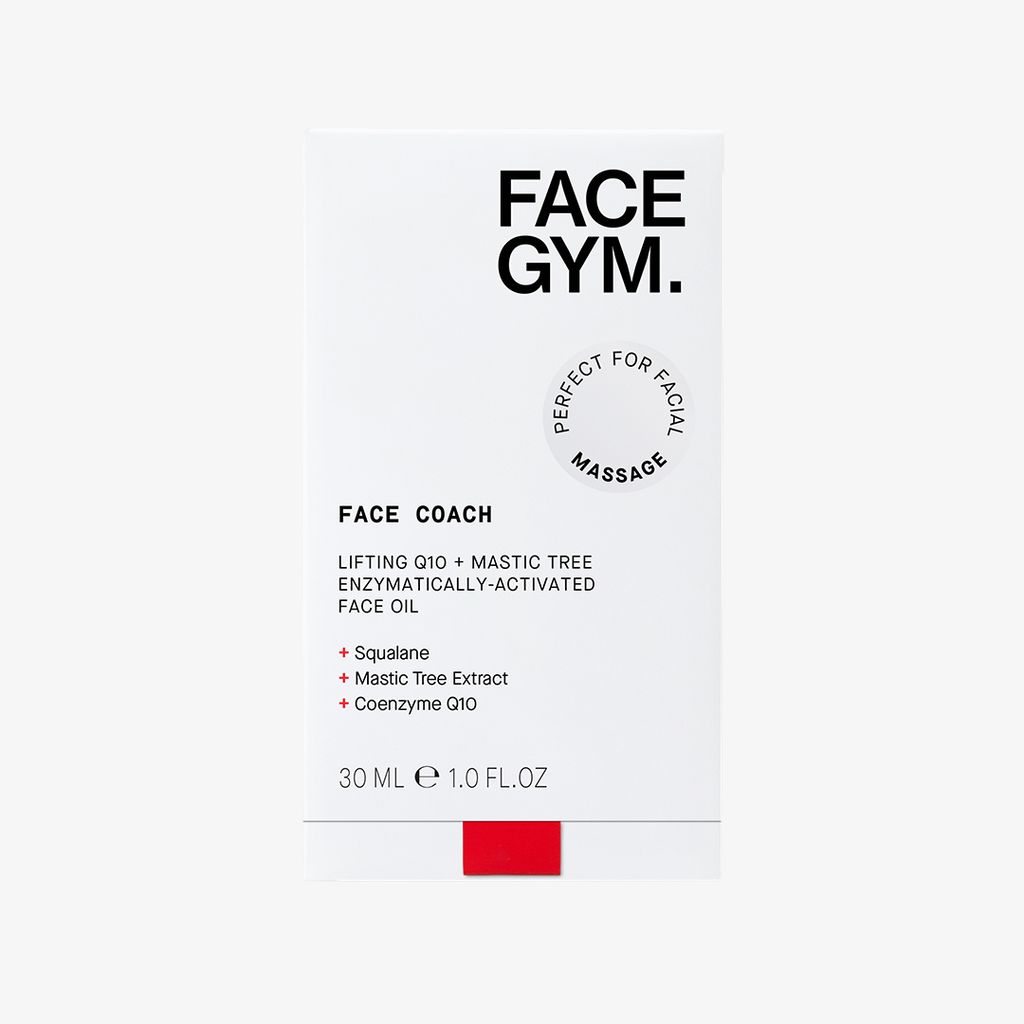
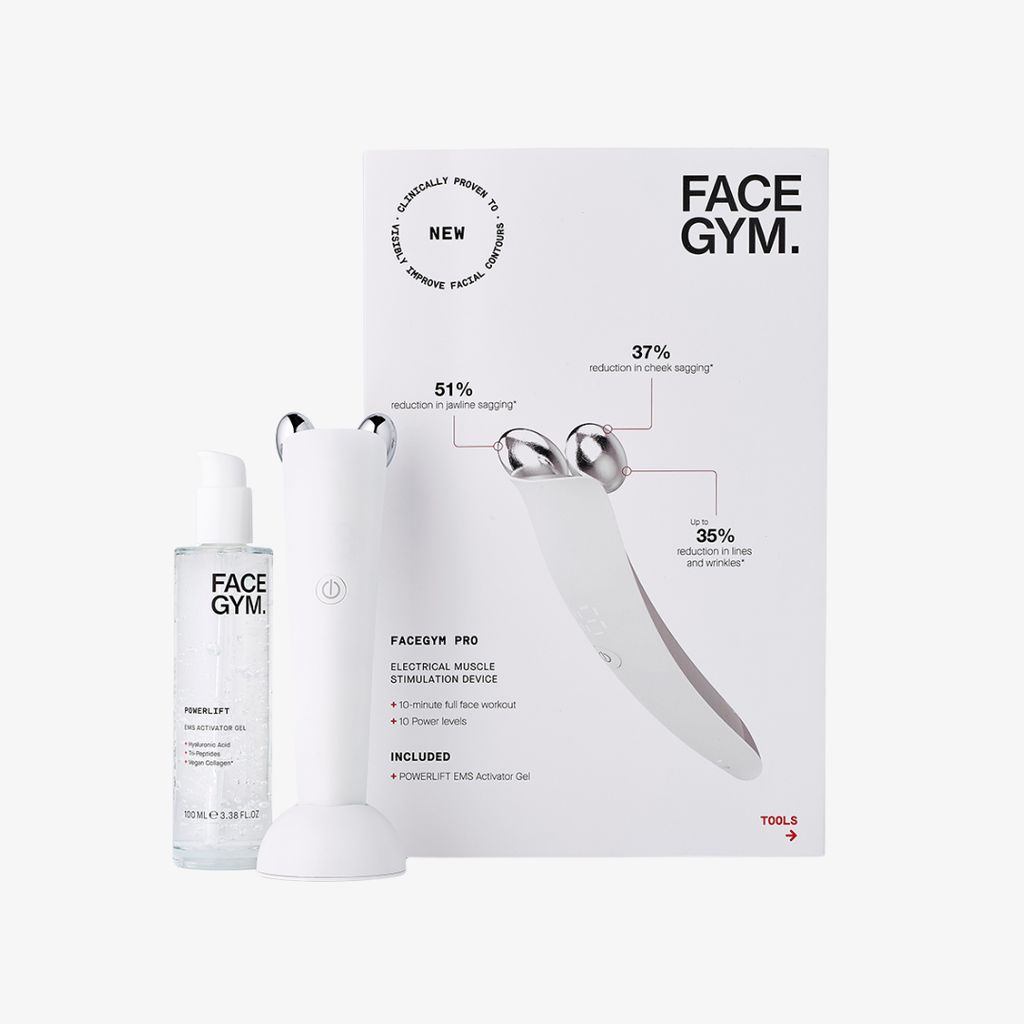
FACEGYM is essentially the studio version of the idea. Treatments combine massage, sculpting, lymphatic drainage and muscle stimulation techniques delivered by trained practitioners. The focus is often on puffiness, jaw tension, cheek definition and the eye area.
“You'll see results after your very first workout,” says Bradley. “But just like the gym, consistency is key. The more consistent you are, the longer those results last.” It’s a more hands-on, results-focused approach than most traditional facials, which is largely why it has developed such a loyal following.

Gua sha
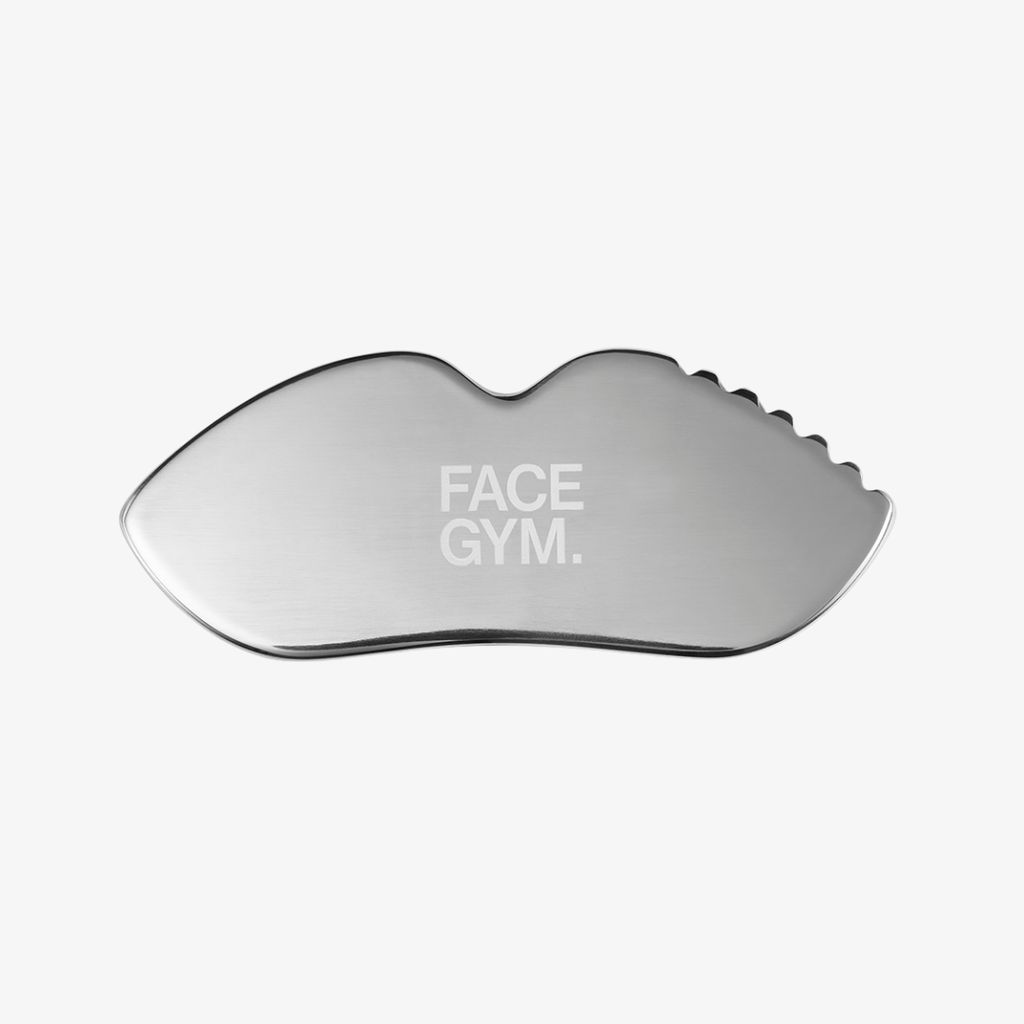
Using a smooth stone tool, gua sha combines massage and gentle sweeping movements designed to support circulation, ease tension, and reduce puffiness. It is also one of the easiest entry points into facial massage, requiring little more than a facial oil and a few spare minutes.
Most people don’t end up choosing one approach over another. A FACEGYM treatment before an event, gua sha during the week, and the occasional face yoga routine can all comfortably sit in the same routine.
Face yoga: Healf or hype?
If you're hoping to skip Botox, dramatically tighten skin or reshape your face, you will probably be disappointed. If you regularly wake up puffy, carry tension in your jaw or enjoy the ritual of facial massage, face yoga makes a stronger case for itself.
“When it comes to at-home maintenance, think little and often,” says Bajjon. “Five minutes every day will always outperform 30 minutes once a week.”
Your face yoga questions, answered
Does face yoga actually work?
Face yoga can help with puffiness, facial tension, and creating a fresher-looking appearance in the short term. Evidence for significant wrinkle reduction, lifting or facial reshaping remains limited.
Can face yoga reduce wrinkles?
Current research does not strongly support the claim that face yoga can reduce wrinkles. Some people notice smoother-looking skin immediately afterwards, but that is usually linked to increased blood flow, massage and reduced puffiness rather than lasting changes to skin texture itself.
Is face yoga better than Botox?
Face yoga and Botox are designed to do very different things. Botox is a neurotoxin that works by blocking neuromuscular signals that create expression lines. Face yoga focuses on massage, blood flow, easing tension, and facial awareness.
How long does face yoga take to work?
Many people notice reduced puffiness, a more defined jawline or a fresher-looking appearance immediately after massage. Longer-term changes are less clear and are likely to depend on consistency.
Does FACEGYM work?
FACEGYM is designed to improve puffiness, facial tension, and facial definition in the short term. Many people notice the biggest difference immediately after treatment, particularly around the jawline, cheekbones, and eye area.
Is gua sha or face yoga better?
Neither is necessarily better than the other. Gua sha focuses more heavily on massage and lymphatic drainage, while face yoga often combines massage with facial exercises. Both may help reduce puffiness and ease facial tension.
Is face yoga good for your jawline?
Face yoga for the jawline may help create a more defined look temporarily by reducing puffiness and easing muscular tightness around the face. Evidence for permanent changes to jawline shape or facial contours remains limited.
This article is for informational purposes only, even if and regardless of whether it features the advice of physicians and medical practitioners. This article is not, nor is it intended to be, a substitute for professional medical advice, diagnosis, or treatment and should never be relied upon for specific medical advice. The views expressed in this article are the views of the expert and do not necessarily represent the views of Healf
Samantha Nice is a seasoned wellness writer with over a decade of experience crafting content for a diverse range of global brands. A passionate advocate for holistic wellbeing, she brings a particular focus to supplements, women’s health, strength training, and running. Samantha is a proud member of the Healf editorial team, where she merges her love for storytelling with industry insights and science-backed evidence.
An avid WHOOP wearer, keen runner (with a sub 1:30 half marathon) hot yoga enthusiast and regular gym goer, Samantha lives and breathes the wellness lifestyle she writes about. With a solid black book of trusted contacts (including some of the industry’s leading experts) she’s committed to creating accessible, well-informed content that empowers and inspires Healf readers.