

























_2026-10-13_14-11-48.png)


Lymphatic Drainage, Explained: The System Everyone’s Suddenly Obsessed With
From sluggish lymph signs and sculpting massages to vibration plates and dry brushing, London specialist Dimple Amani breaks down what actually works.

Written by: Samantha Nice
Written on: 7 January 2026
Right now it seems everyone’s talking about the lymphatic system. From recognising signs it’s not flowing properly to the morning hops, trunk twists and vibration plates all over your feed, lymphatic health is very much a thing right now.
Popping up on more clinic and spa menus than ever before, it’s inspiring a new wave of bodywork promising de-bloating, detoxification, sculpting and improved circulation. And yet, for something that plays such a fundamental role in how we feel day to day, most of us were never really aware of what the lymphatic system does or why it matters.
Unlike the heart, the lymphatic system doesn’t have its own pump. It relies on movement, breath and gentle stimulation to keep fluid moving through the body. When that flow slows, the effects can show up in several different ways. Think puffiness, heaviness, low energy, frequent illness or a general sense that your body just isn’t quite firing as it should.
So who better to answer your most asked questions than Dimple Amani, one of London’s most respected lymphatic drainage specialists. With treatments offered at Selfridges, Liberty, Soho Farmhouse and her very own Knightsbridge flagship, Dimple is known for her deeply informed, clinical approach to lymphatic health. Her work focuses on supporting circulation, recovery and whole-body wellbeing… not quick fixes or cosmetic promises.
Here, Dimple answers it all, breaking down what the lymphatic system actually does, how lymphatic drainage massage works, the real benefits, how often to do it and whether at-home tools like dry brushing, gua sha and vibration plates are worth your time.
What is the lymphatic system and what does it do?
At its core, the lymphatic system is the body’s internal clean-up crew. “The lymphatic system is the body’s detox and drainage network,” Dimple explains. “It removes waste, toxins, excess fluid and inflammation from the body.”
It runs throughout the entire body, parallel to the circulatory system, collecting fluid from tissues and returning it to the bloodstream once it’s been filtered. When functioning well, this process supports immunity, circulation and overall wellbeing… quietly and efficiently in the background.
Why is lymphatic health so often overlooked?
Despite its importance, lymphatic health rarely gets the same attention as digestion or circulation. According to Dimple, there’s a simple reason for this. “Because it doesn’t have a pump like the heart,” she explains. “It relies on movement, breath and touch, so when life gets busy, it slows down.”
In modern life, where most of us sit for long periods, experience chronic stress and don’t move as naturally as we once did, the lymphatic system often doesn’t get the stimulation it needs to stay flowing freely.
What happens when the lymphatic system becomes sluggish?
When lymph flow slows, waste products can linger for longer than they should. “Toxins stay trapped,” Dimple says. “This shows up as bloating, puffiness, inflammation, low energy and hormonal congestion.” Over time, sluggish lymph can contribute to a feeling of heaviness in the body, fluid retention and a general sense of being inflamed or run-down, even when blood tests look “normal”.
What are the signs your lymphatic system isn’t functioning well?
Many of the signs are subtle, but pretty common. “Morning puffiness, bloating, water retention, heavy legs, dull skin, fatigue and feeling swollen by the end of the day,” says Dimple. These symptoms are often brushed off as stress, hormones or diet, but they can also be signs that the body’s drainage system needs some support.
What is lymphatic drainage massage?
Lymphatic drainage massage is designed specifically to support this system. “It’s a gentle, rhythmic massage that helps move lymph fluid so the body can naturally detox and rebalance,” Dimple explains. Rather than forcing anything out, the technique works with the body’s natural pathways, encouraging fluid to move towards lymph nodes where it can be processed and cleared.
How is lymphatic drainage massage different from regular massage?
This is where a lot of people are surprised. “Regular massage works on muscles,” Dimple explains. “Lymphatic massage instead works on fluid meaning it’s much slower, lighter and more precise.” Because lymph vessels sit just beneath the skin, deep pressure isn’t necessary and can actually be counterproductive. The goal is rhythm and direction, not force.
What are the main benefits of lymphatic drainage massage?
When done properly, the effects can be felt both immediately and cumulatively. “These include things like reduced bloating, less puffiness, better digestion, boosted immunity, clearer skin, improved circulation and a lighter body overall,” says Dimple. Many clients also report feeling calmer and more regulated afterwards, reflecting the close relationship between the lymphatic system and the nervous system.
How quickly do people see results?
“For many people, they feel and see results after the first session,” Dimple says. Swelling often reduces, digestion feels lighter and the body feels less congested. That said, she’s clear that consistency matters. “Regular treatments create long-term change,” she explains. This is because they can help retrain the system rather than offering just a temporary release.
How do you usually feel after a session?
The most common feedback is a sense of lightness, both physically and mentally. “Expect to feel lighter, calmer, less bloated, deeply relaxed and more connected to your body,” Dimple says. Her treatments also incorporate Ayurvedic principles, which help support deep relaxation and parasympathetic nervous system activation which is something many clients didn’t realise they were missing.
How often should you get a lymphatic drainage massage?
This depends a lot on your lifestyle and symptoms. “As close as weekly is ideal to keep a healthy lymphatic system, which supports immunity,” says Dimple who also adds that home rituals can help really in between. During periods of stress, bloating or hormonal imbalance, she recommends weekly or bi-weekly sessions. Maintenance can then be tailored once the system feels more balanced.
Talking of bloating, you may like to have a read of this - How To Beat Bloating: Expert-Approved Dos & Don’ts
Can you do lymphatic drainage massage at home?
Yes, gently and consistently. “Five minutes a day at home is enough,” says Dimple who prefers oils to create glide with your hands, wooden tools or a body gua sha tool. “Dry brushing can be too harsh for the lymph,” she notes, especially for people who are already inflamed or sensitive.
Simple, rhythmic self-massage can help maintain lymph flow between professional treatments. If you’re curious how this looks in practice, we recently explored why doing the ‘Big 6’ lymphatic massage daily can make such a noticeable difference and how a few minutes of intentional touch can support circulation, de-bloating and overall body awareness.
Using a supportive tool, like a body applicator, and a high-quality oil can make the practice both more effective and more enjoyable. Oils help hands move smoothly over the skin, encouraging lymph flow without pulling or pressure, which is exactly what this system responds best to.

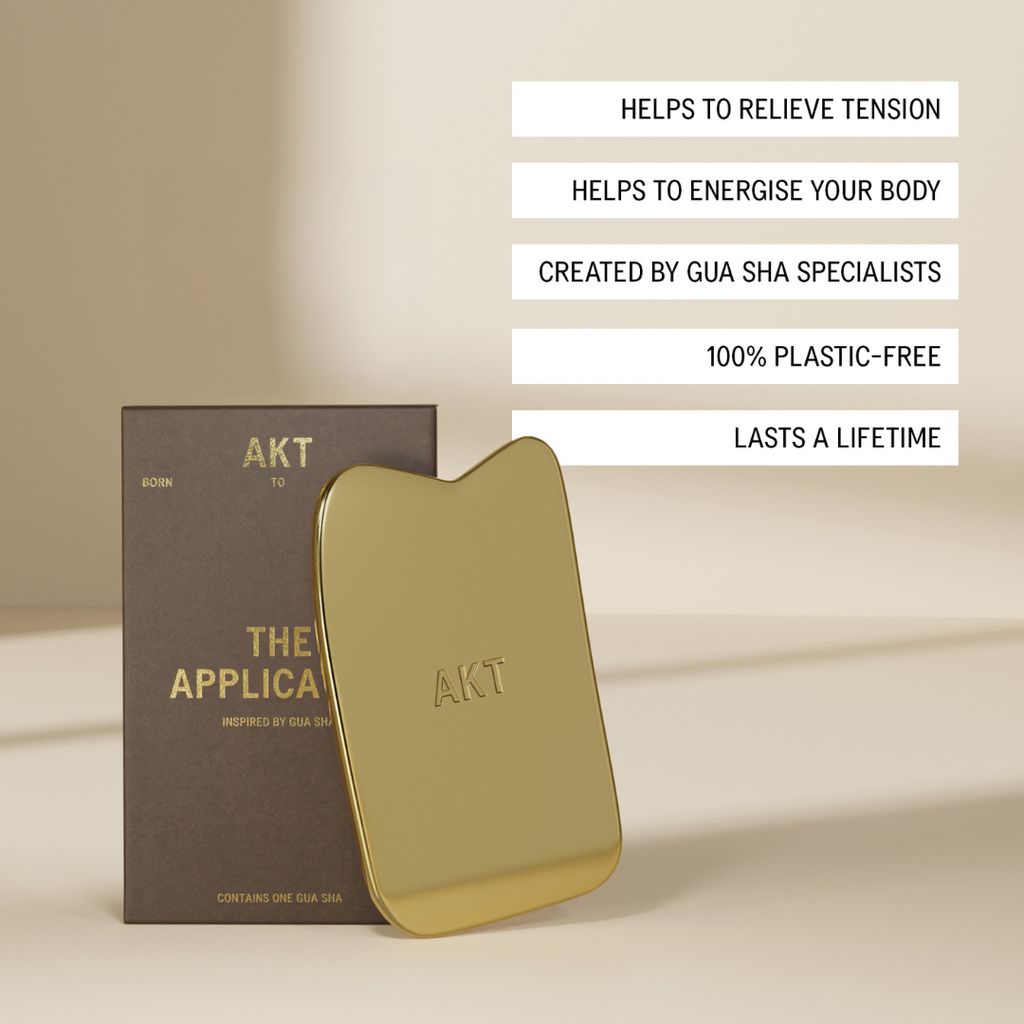
The Applicator


Geranium Body Oil
What’s the biggest misconception about lymphatic massage?
“That harder is better,” Dimple says. “Lymph moves best with softness and rhythm, not force.” This is why aggressive techniques or overly intense DIY methods can sometimes backfire, leaving people feeling worse rather than better.
What’s the difference between MLD and Brazilian lymphatic drainage?
MLD (manual lymphatic drainage) is traditionally very gentle and clinical. “Brazilian techniques are faster and more sculpting,” Dimple explains. “At Dimple Amani, we blend both with Ayurveda to be super effective,” she adds. This hybrid approach supports both drainage and nervous system regulation together.
Do at-home tools, vibration plates and viral techniques actually help?
Tools can play a role, but they’re most definitely not the whole picture. “Tools help, but aftercare is everything,” Dimple explains. “Herbal tea, hydration, oils and rest help flush toxins after treatment.”
The current trending videos showcasing vibration plates, body hops and trunk twists can support circulation and gentle movement, but Dimple is clear they’re complements, not replacements. “Lymphatic health is about rhythm and consistency,” she says. “Overdoing fast or aggressive movements can overstimulate the system, especially when the body is already stressed,” she adds. Intentional, guided touch remains the most effective way to move lymph safely and deeply.
The takeaway
The lymphatic system may be having a moment, but its importance isn’t new. It’s a foundational system that quietly supports detoxification, immunity, fluid balance and energy, and unlike your heart, it needs your input to keep moving.
If you’re dealing with persistent bloating, puffiness, heaviness or low energy, booking a professional lymphatic drainage massage is one of the most effective ways to reset and support the system properly. As Dimple’s work shows, guided, rhythmic touch moves lymph far more safely and deeply than aggressive DIY methods. Many people feel a noticeable difference after just one session.
Alongside professional treatment, a few simple, science-backed habits can make a real difference day to day:
Gentle daily movement (walking, light stretching, breath-led mobility) to stimulate lymph flow.
Five minutes of soft, oil-based self-massage using your hands or a gua sha tool.
Hydration and herbal support to help flush waste after movement or treatment.
Focus on consistency over intensity as the lymph responds best to rhythm, not force.
Viral techniques and at-home tools can complement these habits, but they’re not substitutes. The goal isn’t to “hack” your lymph. It’s to support it in a way your body recognises and responds to.
When lymphatic care becomes part of your routine rather than a one-off fix, the results tend to feel less cosmetic and more systemic.



This article is for informational purposes only, even if and regardless of whether it features the advice of physicians and medical practitioners. This article is not, nor is it intended to be, a substitute for professional medical advice, diagnosis, or treatment and should never be relied upon for specific medical advice. The views expressed in this article are the views of the expert and do not necessarily represent the views of Healf
Samantha Nice is a seasoned wellness writer with over a decade of experience crafting content for a diverse range of global brands. A passionate advocate for holistic wellbeing, she brings a particular focus to supplements, women’s health, strength training, and running. Samantha is a proud member of the Healf editorial team, where she merges her love for storytelling with industry insights and science-backed evidence.
An avid WHOOP wearer, keen runner (with a sub 1:30 half marathon) hot yoga enthusiast and regular gym goer, Samantha lives and breathes the wellness lifestyle she writes about. With a solid black book of trusted contacts (including some of the industry’s leading experts) she’s committed to creating accessible, well-informed content that empowers and inspires Healf readers.