
























_2026-10-13_14-11-48.png)


How To Beat Bloating: Expert-Approved Dos & Don’ts
From meal timing and fibre balance to digestive support and other at-home remedies, a nutritionist and lymphatic drainage expert break down what actually works and what doesn’t…

Written by: Samantha Nice
Written on: 24 November 2025
Feeling bloated can look (and feel) like many things - gentle swelling, slower digestion or a fullness that doesn’t match what you’ve eaten. And with the rise of “anti-bloat” supplements, digestive enzymes, probiotics and trending hacks like lymphatic drainage or castor oil packs, it’s never been harder to know what actually helps, or what may be making things worse.
According to both a nutritionist and a lymphatic drainage expert, the real fix isn’t a single miracle product but instead about understanding how digestion actually works. From meal timing and fibre balance to chewing more and lymphatic drainage, bloating is almost always a sign of something upstream that needs support.
Here we break down the true dos and don’ts of beating bloating with evidence-led, practical and genuinely effective top tips. From the foods that help, the lifestyle shifts that matter most, the rituals worth trying and the supplements that actually help, consider this everything you need to know and try.
Why we bloat: The real reasons behind puffiness and digestive discomfort
Before diving into the dos and don’ts, it’s worth understanding what’s actually going on when you feel bloated. Despite how common it is, bloating isn’t one single issue - it’s a symptom with multiple upstream causes. As lymphatic drainage specialist Flavia Morellato explains, “Bloating is rarely ‘just digestive.’ It’s often a sign of systemic stagnation – lymphatic, hormonal or emotional.”
In other words, that tight, swollen, uncomfortable feeling is often the end result of something deeper like slowed gut motility, poor lymphatic flow, stress-triggered vagus nerve dysfunction, imbalanced stomach acid, too little (or too much) fibre, fluid retention or even inflammation from processed foods, sweetener alcohol or hormonal shifts.
Your digestive system is designed to move efficiently… breaking down food, absorbing nutrients and clearing waste. But when any part of that chain slows down, gas builds, fluids pool, and pressure rises. Add modern habits like fast eating, constant snacking, minimal movement, late-night meals and high stress levels and bloating becomes almost inevitable.
Understanding these root causes is what turns guesswork into strategy. Once you know why it’s happening, the most effective fixes become much clearer.
Do support your lymphatic system every day to keep it moving
When lymph stagnates, you don’t just feel puffy… you feel bloated, heavy and sluggish. Because it relies on movement, it needs daily stim “The lymphatic system is your body’s natural detox network but unlike your bloodstream, it has no pump of its own. Manual stimulation can really help it flow,” says Flavia. “Think of it as keeping the river flowing every day so waste doesn’t accumulate,” says Flavia, who notes consistency matters more than intensity.
Try this: A 5-10 minute abdominal self-drainage routine using light circular motions around the navel, directing towards the groin.
Don’t constantly snack and instead give your gut a break
One of the most underrated causes of bloating? Not giving your gut a rest. The migrating motor complex (MMC) is your body’s internal “cleaning wave” that sweeps food and waste through the digestive tract between meals. “Constant snacking can put a real strain on our digestive system,” says registered nutritionist and founder of ARTAH, Rhian Stephenson. “Try leaving at least 3 hours between meals to give your system adequate time to digest and allow proper stimulation of the migrating motor complex.”
Try this: Aim for 3 set meals ideally 3 hours apart and at most, one snack.
Do eat earlier and avoid late meal times
Your gut doesn’t just care what you eat - it cares when and how. Late heavy dinners and rushed, stressed meals are a bloating trigger. “Our digestive system is most active in the morning and becomes less efficient as the day goes on,” says Rhian. “Eating early and more in line with our circadian rhythm can help support gut function overnight,” she adds.
Try this: Shift your main meal earlier where possible and avoid large meals right before bed.
Don’t eat too quickly
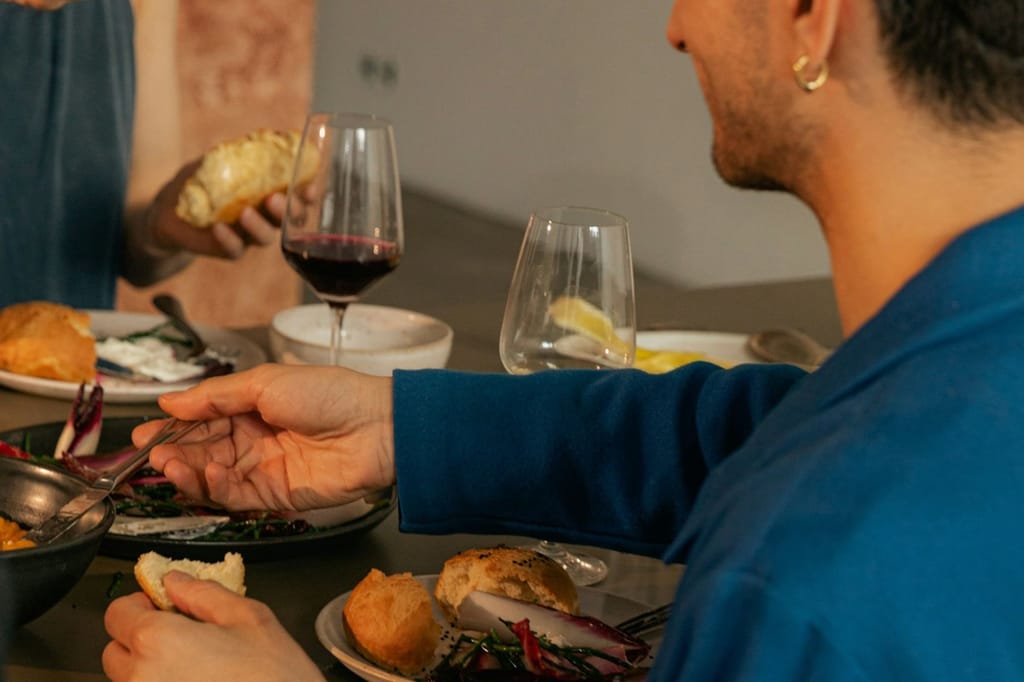
Eating fast is one of the quickest ways to trigger bloating. Rushing meals means you swallow more air and give your digestive enzymes less time to do their job - a double hit for discomfort. Slowing down helps your body shift into the “rest-and-digest” state your gut actually needs. As Flavia explains, “Calm nervous system = better motility, more stomach acid, more enzymes and less bloat.” Rhian agrees: “Mindful eating is important so try slowing down, chewing more thoroughly and eating stress-free if possible.”
Try this: Take five slow breaths before eating, then chew each mouthful 15–20 times.
Do keep moving and try a post-meal walk
Movement is one of the simplest, most effective tools for reducing bloating. “Walking after meals can help with discomfort, and exercise is really important,” says Rhian. “The more sedentary we are, the more it can worsen bloating.”
Try this: A 10 minute walk after eating to stimulate digestion and support better gut motility.
Do be mindful of certain foods
Even the best gut can struggle with certain foods. “Excess sugar, alcohol, deep fried foods, ultra processed foods, too much sodium and sugar alcohols found in ‘sugar-free’ products like sorbitol, mannitol, xylitol can all contribute to bloating,” says Rhian.
Try this: Reduce ultra processed foods where possible and opt for whole foods instead. Realistically, this one is about lowering your overall load so your gut can cope… not complete elimination.
Do focus on fibre-rich foods
Fibre is essential for motility, microbiome diversity and healthy stools, but it’s also a classic double-edged sword. Too little = constipation and bloat, but too much, too fast = gas and bloat. “Only 1 in 10 adults in the UK hit the minimum 30g of fibre each day, which is critical to the health of our gut. Getting your fibre up to a good level is one of the most impactful things you can do,” says Rhian. “The less fibre you eat, the less tolerant you may be so when you first start increasing your intake you may feel uncomfortable as your microbiome adapts. Go slow and work your way up.”
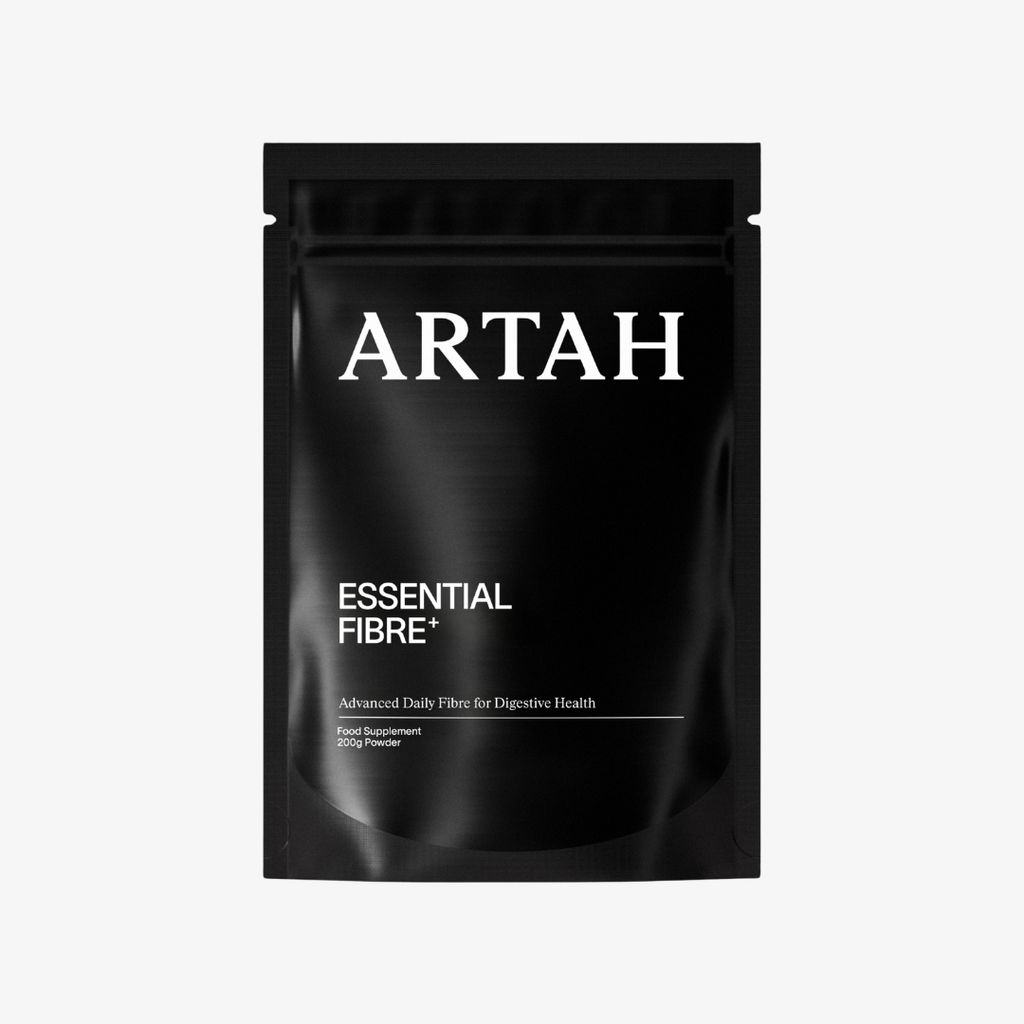
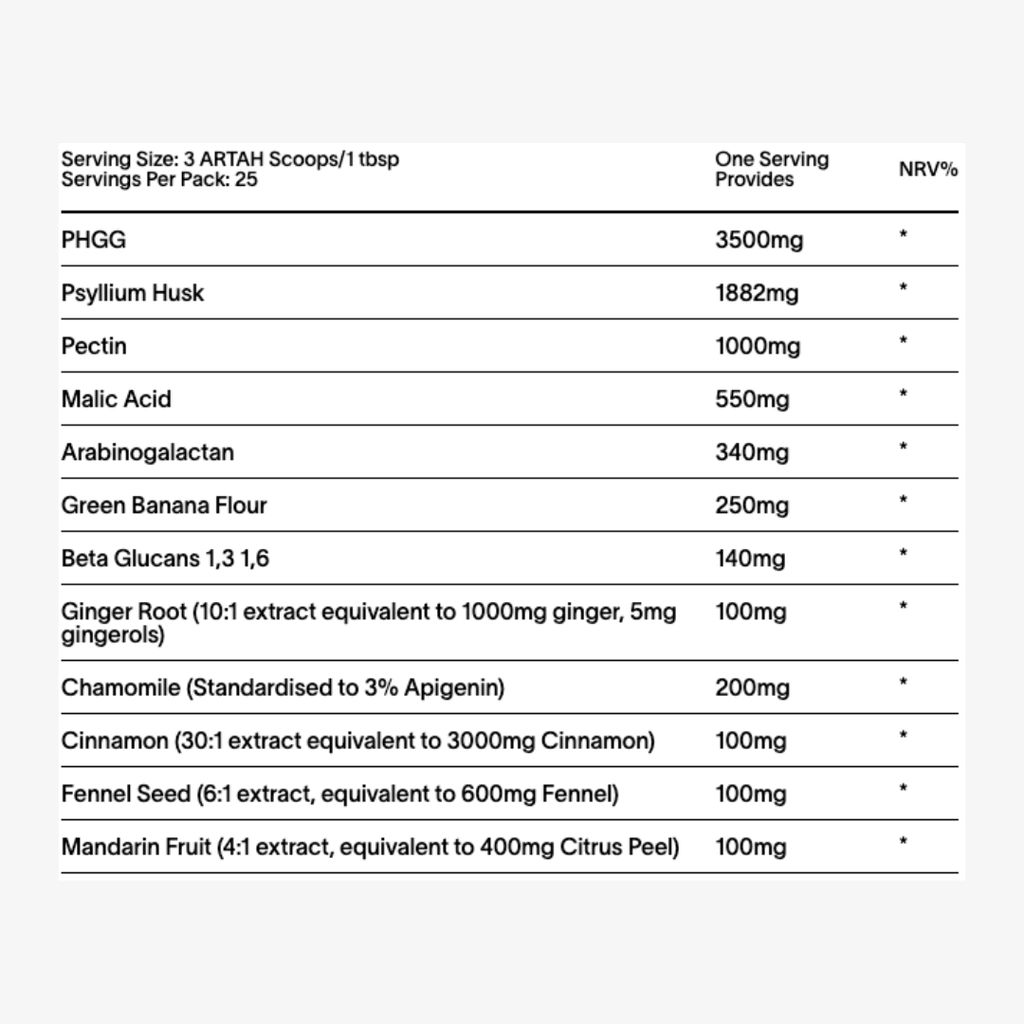
Try this: Increase your fibre intake by around 3-5g per week. Foods high in fibre include plant foods like fruit, vegetables, wholegrains, nuts, seeds, lentils and beans. You could also look at a fibre supplement to plug any gaps too. ARTAH’s Essential Fibre+ is formulated with 11 plant fibres and botanicals offering an impressive 7g of fibre per serving.
Don’t try debloating supplements blindly… or rely on them
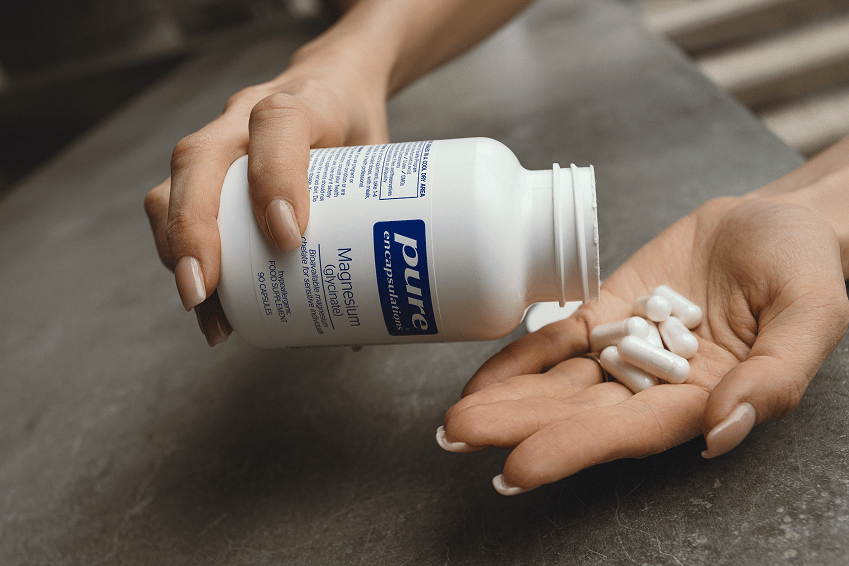
Supplements can be game-changing but only when matched to the root cause. “As with anything, taking supplements without understanding what’s driving your bloating can aggravate things,” says Rhian. “Taking supplements with a laxative effect without addressing the root cause can make symptoms worse, as can combining too many supplements with similar actions.”
Here’s how Rhian breaks it down:
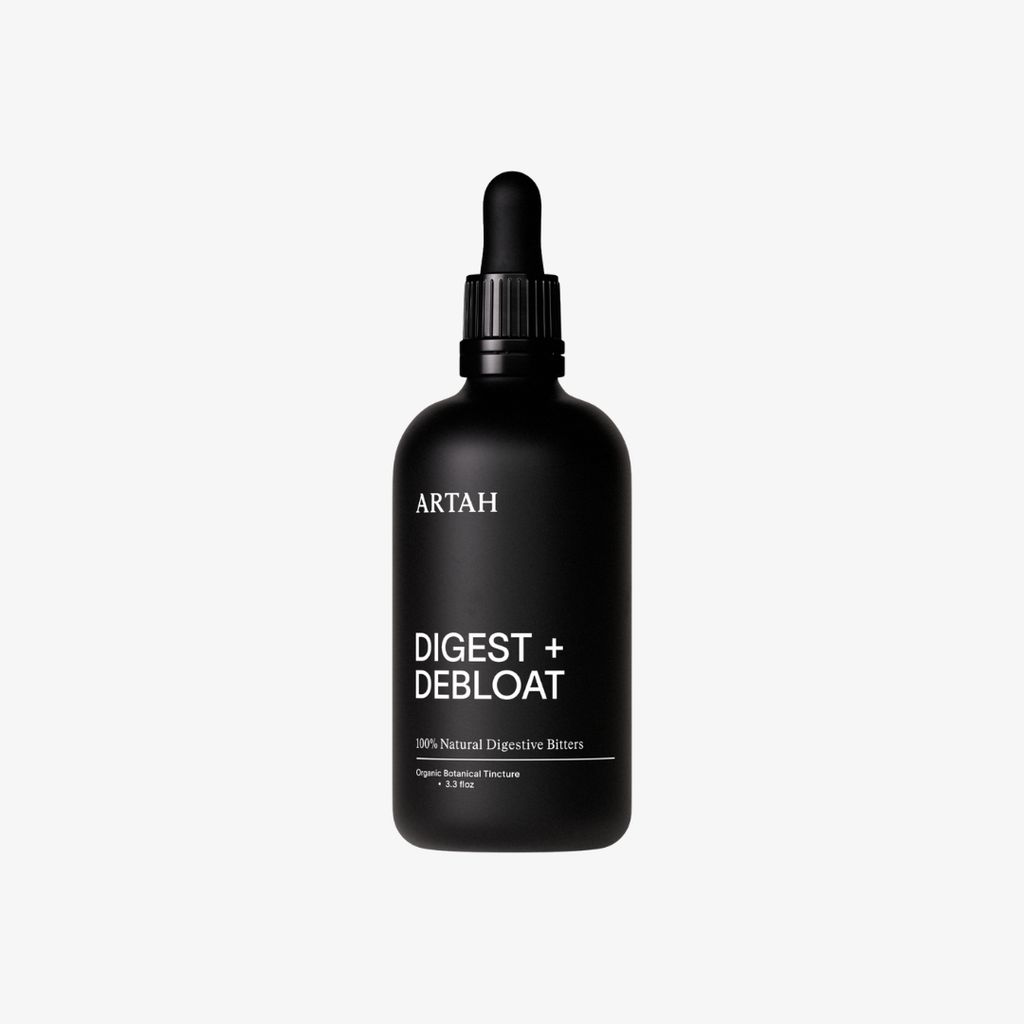
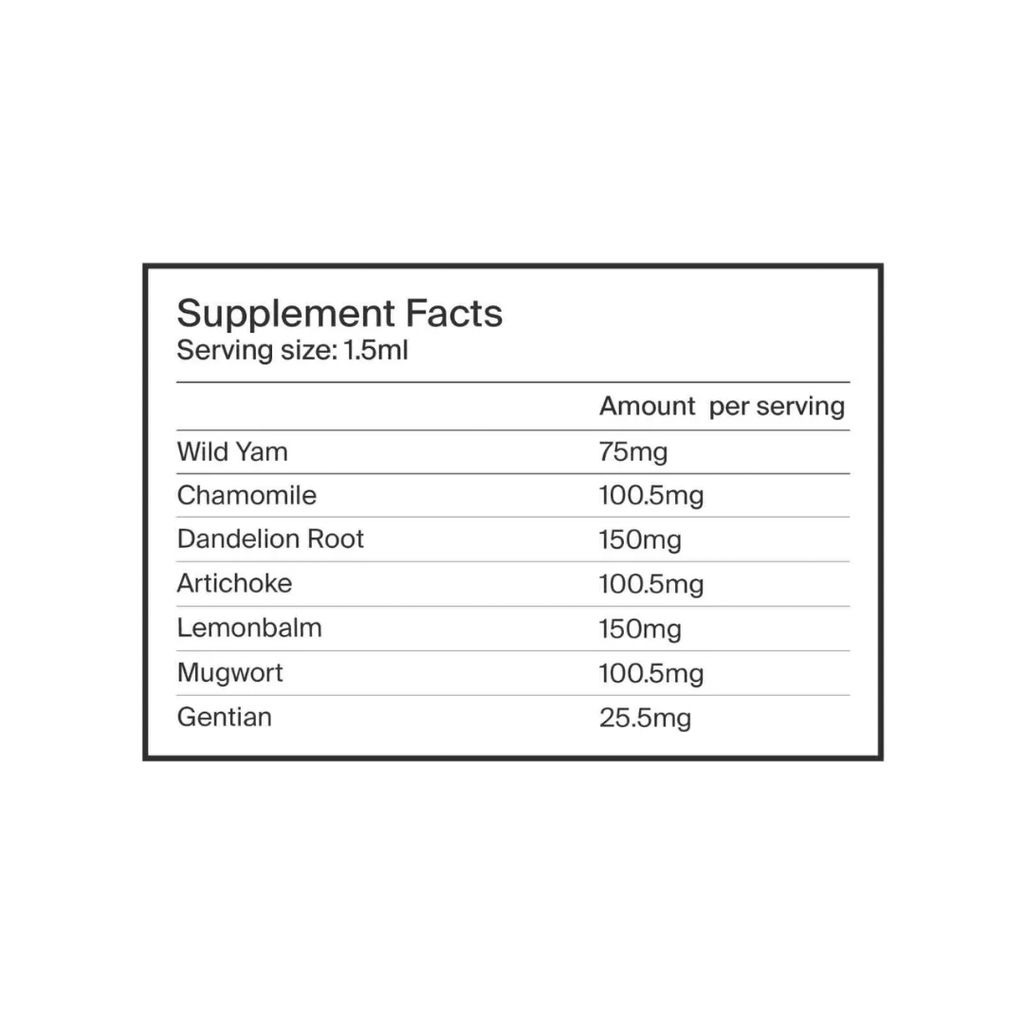
For occasional or food-induced bloating, try Digest + Debloat. “Digestive bitters like Digest + Debloat help stimulate stomach acid and enzyme release,” says Rhian. This supports digestion right at the top of the chain.
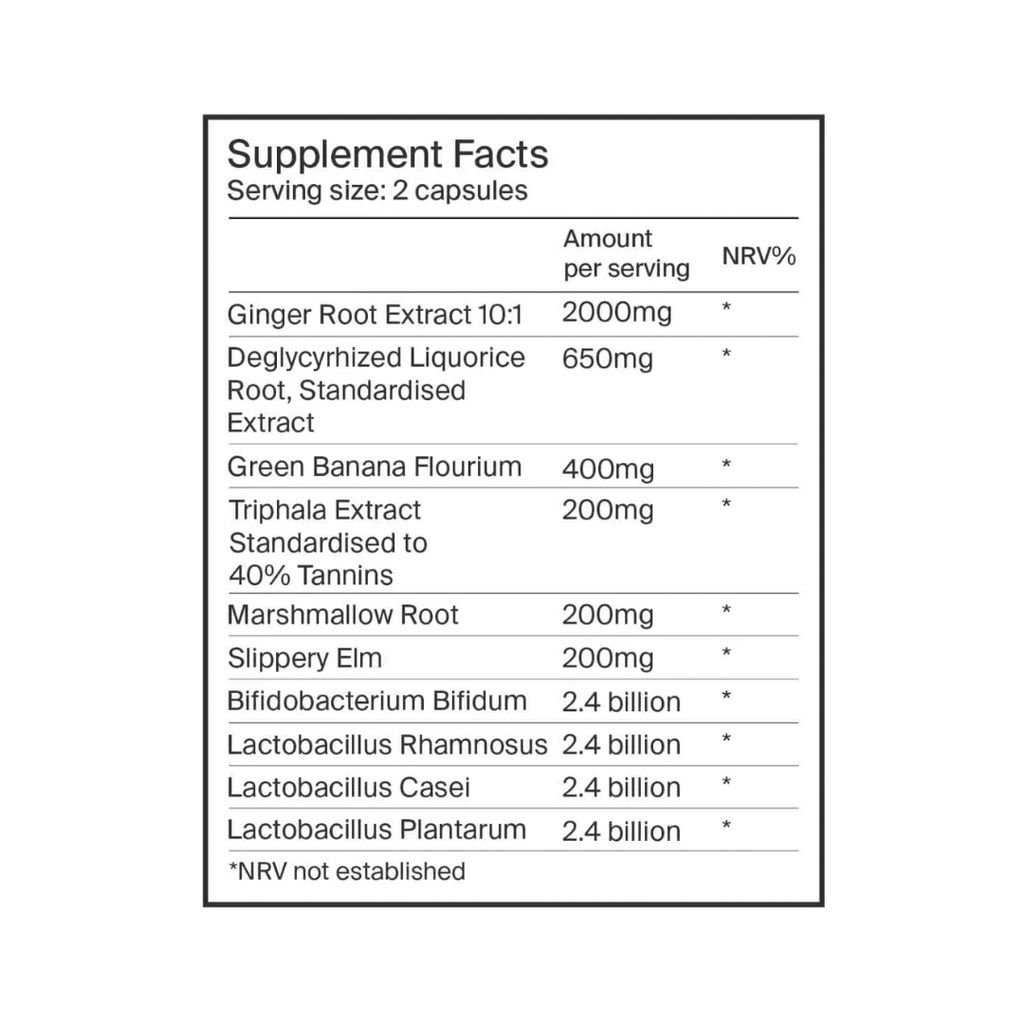
For sluggish bowels or slow transit, try GI Fix which is her go-to for ongoing constipation-related bloating.
For low fibre intake or microbiome support, try Essential Fibre+ as mentioned above.
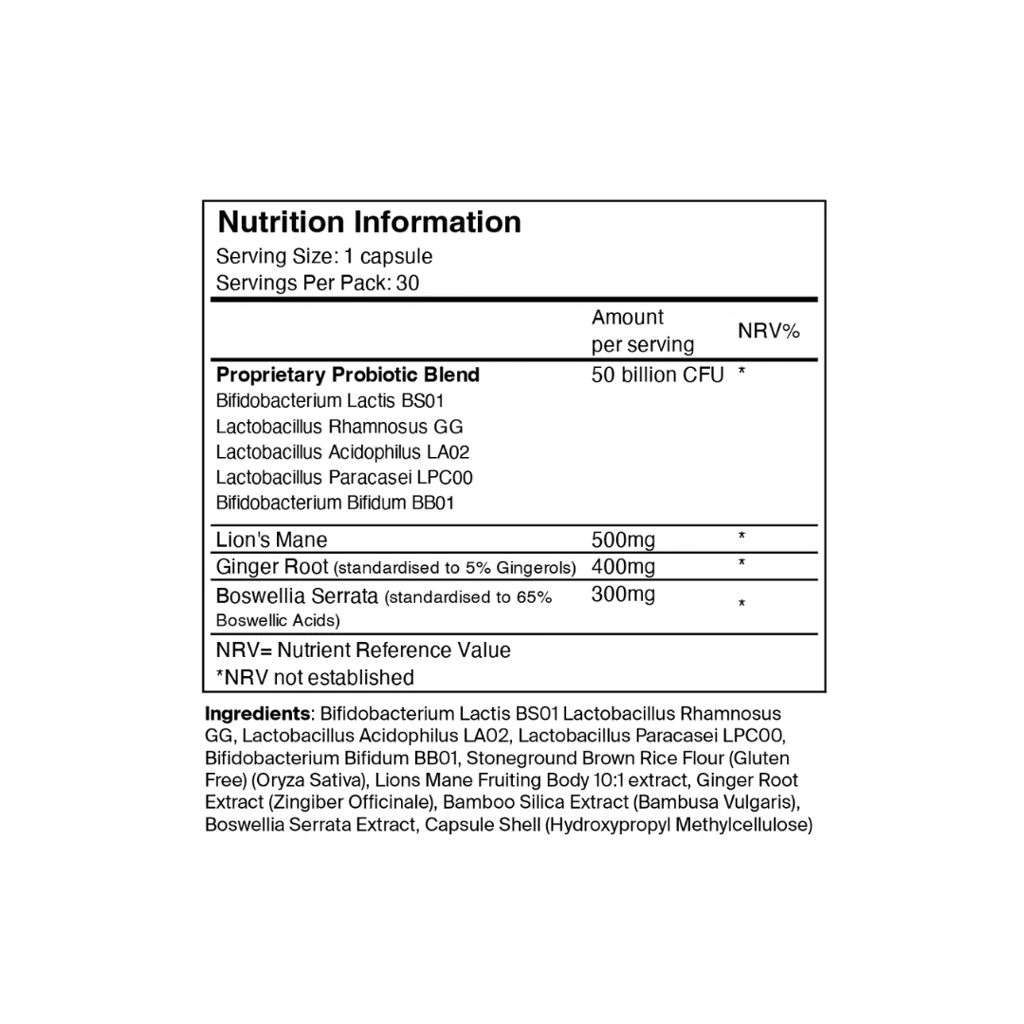
For post-illness support, try Biome Restore. “The right probiotic can help (especially after infection or antibiotics) but it must be paired with adequate fibre.”
For suspected dysbiosis or microbial imbalance, try GI Cleanse which is a targeted herbal antimicrobial blend.
Try this: Only use supplements intentionally, not reactively. Pick one area to support at a time.


Do stimulate your vagus nerve to switch on gut motility
We’re all becoming wiser to the power of our vagus nerve and its role as the communication highway between the brain and the gut. “The gut and lymphatic systems work hand in hand,” says Flavia, who explains chronic bloating often comes from a blocked vagal output or intestinal stagnation. When it’s underactive (often from stress, shallow breathing or being stuck in always ‘on’ mode), digestion slows, peristalsis weakens and bloating becomes the norm. “Relaxation techniques such as abdominal breathing or humming can help calm the nervous system and stimulate the vagus nerve,” she adds.
Try this: Five deep, slow breaths before each meal or gentle humming while you cook.
Do consider a professional lymphatic drainage massage
“Lymphatic drainage is one of the most effective physical therapies to relieve bloating,” says Flavia. “It stimulates the lymphatic and intestinal systems, helping eliminate excess water, toxins and inflammatory mediators.” When the abdomen is treated specifically, clients often feel immediate relief, a flatter tummy and clearer digestion.
Think of it as both a detox and a nervous-system reset — ideal if your bloating flares with stress, hormones or travel. And if you can’t see a therapist? “Professional sessions provide deeper detox, but self-care routines like body brushing can maintain results,” says Flavia.
Do try an at-home castor oil packs as a gentle add-on
Castor oil packs won’t magically fix chronic bloating overnight, but they can be a soothing, supportive ritual layered on top of core habits. “Castor oil packs are a traditional practice, and whilst there isn’t a lot of data behind them, their action is thought to be from ricinoleic acid, which is absorbed through the skin,” explains Rhian. “When absorbed, ricinoleic acid may have systemic effects, including anti-inflammatory and potential immune-modulating actions.” Rhian emphasises they’re a supportive tool, not a primary treatment but many find the ritual deeply calming, which in itself improves digestion.
Try this: Apply a castor-oil–soaked flannel to your lower abdomen or liver area, cover with a towel and gentle heat, and relax for 30–60 minutes. Always choose pure, cold-pressed castor oil. We love this one from Fushi.
Do add tongue scraping to your morning routine
Tongue scraping might sound like a purely oral hygiene thing, but it’s sneakily powerful for digestion and lymph. “It’s one of the simplest yet most effective anti-bloating habits. Overnight, your tongue accumulates toxins, bacteria and metabolic waste eliminated through the digestive system. If not removed, these can be reabsorbed and affect gut health,” says Flavia.
Try this: After brushing your teeth in the mornings, spend just 20 seconds scraping your tongue - a microscopic habit with some pretty big benefits.


Don’t ignore persistent bloating
If you’re always bloated, despite eating well and applying these tips, it’s a sign to investigate. “From a clinical point of view, I also see many cases of bloating linked to undiagnosed dysbiosis or parasites. These conditions create chronic inflammation in the gut, alter the microbiota and directly impact lymphatic congestion and fluid retention,” says Flavia.
Try this: Consider working with a practitioner or using deeper testing. Our Healf Zone at-home kits


This article is for informational purposes only, even if and regardless of whether it features the advice of physicians and medical practitioners. This article is not, nor is it intended to be, a substitute for professional medical advice, diagnosis, or treatment and should never be relied upon for specific medical advice. The views expressed in this article are the views of the expert and do not necessarily represent the views of Healf
Samantha Nice is a seasoned wellness writer with over a decade of experience crafting content for a diverse range of global brands. A passionate advocate for holistic wellbeing, she brings a particular focus to supplements, women’s health, strength training, and running. Samantha is a proud member of the Healf editorial team, where she merges her love for storytelling with industry insights and science-backed evidence.
An avid WHOOP wearer, keen runner (with a sub 1:30 half marathon) hot yoga enthusiast and regular gym goer, Samantha lives and breathes the wellness lifestyle she writes about. With a solid black book of trusted contacts (including some of the industry’s leading experts) she’s committed to creating accessible, well-informed content that empowers and inspires Healf readers.