




Meet The Female Founders Leading The Wellbeing World

Written by: Eleanor Hoath
Written on: 3 March 2025
As we celebrate International Women’s Day, we shine a spotlight on the women redefining leadership in the wellbeing industry—not just as founders but as caretakers of their own wellbeing. They are at the helm of innovative brands, shaping the future of health and self-care while navigating the daily demands of entrepreneurship. But how do they balance the pressures of running a business with the personal commitment to wellbeing they advocate?
From personal health struggles to industry-defining solutions, these women have turned their experiences into transformative businesses. They are living proof that wellbeing is not just about discipline or routines; it is about self-awareness, adaptability, and the courage to prioritise health alongside ambition. Here, they share how they integrate wellbeing into their daily lives while leading thriving companies.
Wellbeing as a personal compass
For many women in the wellbeing industry, the journey to entrepreneurship was not just about business—it was a necessity, born out of personal experiences with health, recovery, and self-discovery. Wellbeing, for them, is both a deeply personal practice and a professional mission. We interviewed them to find out what wellbeing truly means to them.
Lauren from By Sarah describes wellbeing as “feeling at home in your skin—physically, mentally, and emotionally.” This philosophy stems from her personal battle with acute myeloid leukaemia, during which her sister, Sarah, became her stem cell donor. Through this experience, they realised the importance of nurturing the skin as a reflection of inner health, leading to the birth of their skincare brand. Despite the demands of running a company, Lauren prioritises daily self-care rituals, including 30 minutes of reading, as a way to ground herself amidst the fast pace of entrepreneurship.
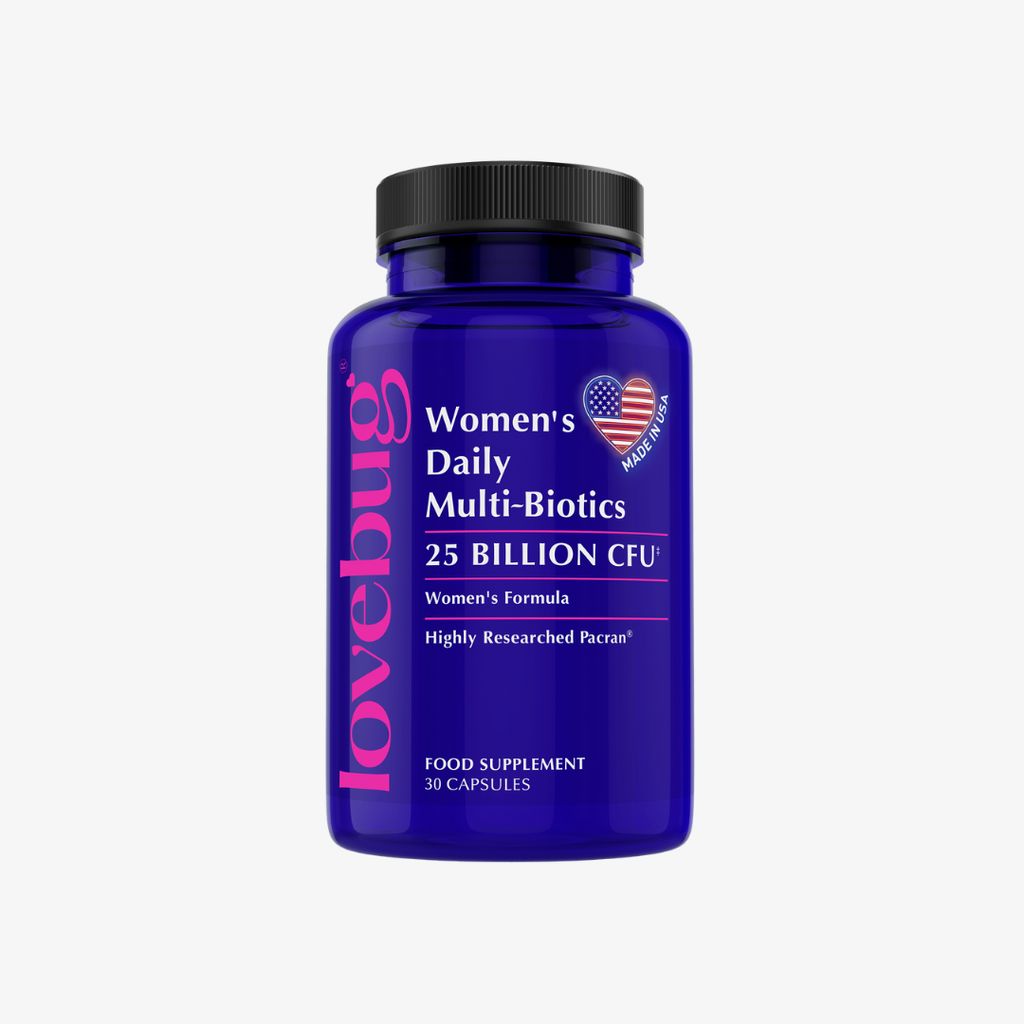
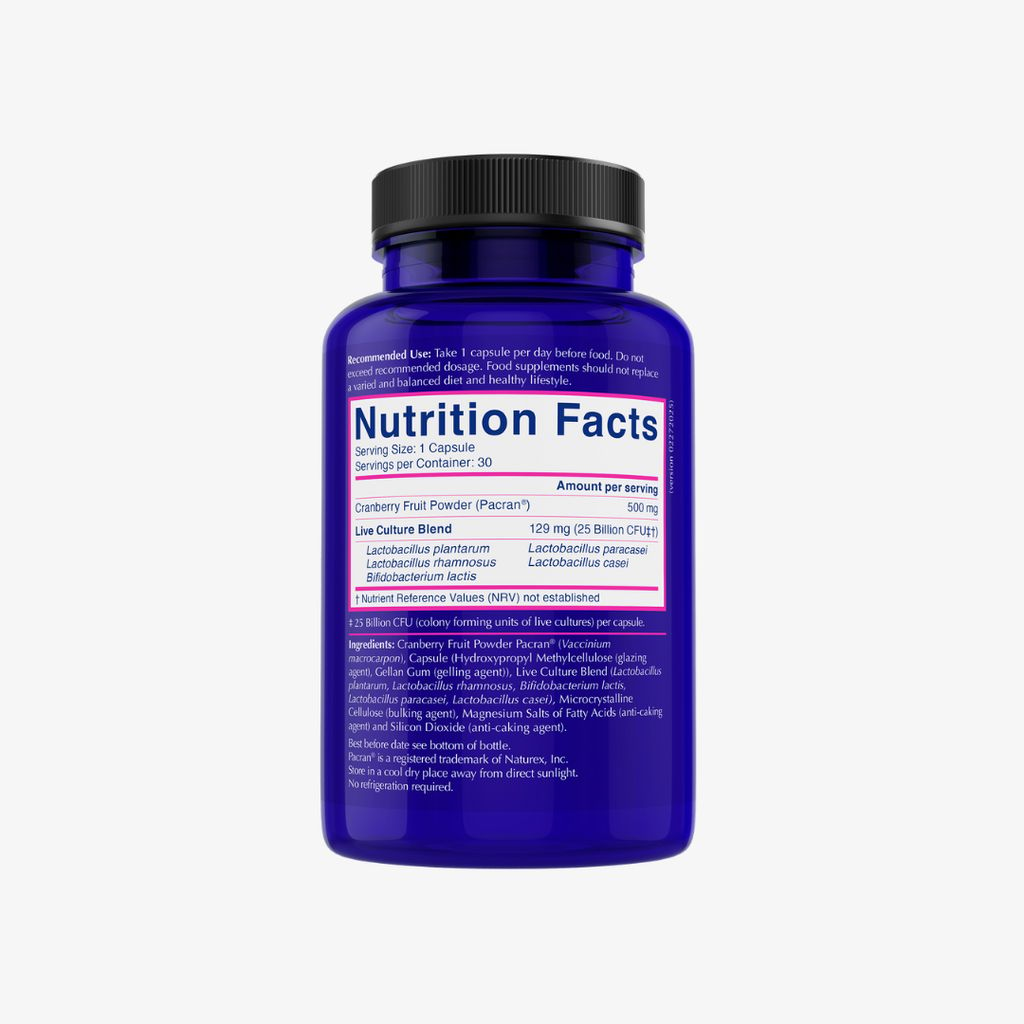
Ashley from Lovebug Probiotics takes a more structured approach, viewing every decision as a health decision. “If you prioritise wellbeing above all else, it makes many decisions easier,” she explains. Her wake-up call came after she and her newborn son experienced severe health issues due to antibiotic treatments during childbirth. This experience led her to develop Lovebug Probiotics to help other mothers navigate gut health. Despite the chaos of business ownership, Ashley ensures she makes daily micro-decisions that support her wellbeing, whether it’s adjusting her schedule to avoid burnout or making conscious choices about her diet and environment.
For Indie Lee, wellbeing is about cultivating a life of “wellth”—an abundance of health, vitality, and balance. Following multiple brain surgeries, she radically shifted her approach to living, moving away from hustle culture and towards a more intuitive, holistic lifestyle. Her daily wellbeing practices include nourishing her body with clean foods, protecting her mental clarity by setting boundaries, and embracing rest without guilt. For her, wellbeing is not a to-do list but a way of being—an approach that influences how she leads her company and inspires others.
The entrepreneurial balancing act
Running a wellbeing business requires more than just passion; it demands resilience, strategy, and the ability to manage stress effectively. These women understand that to sustain their businesses, they must first sustain themselves.
Estée from MIRROR WATER has learned that balance and self-awareness are key. Having spent years as a beauty and lifestyle content creator, she openly shared her struggles with mental health. When she moved to London at 19, she craved grounding and peace, which she eventually found through nature and bathing rituals. This led to the creation of MIRROR WATER, a brand that celebrates self-reflection and relaxation. Estée ensures that she makes space for personal wellbeing amidst the demands of her company—whether through distraction-free walks, long baths, or simply allowing herself moments of stillness.
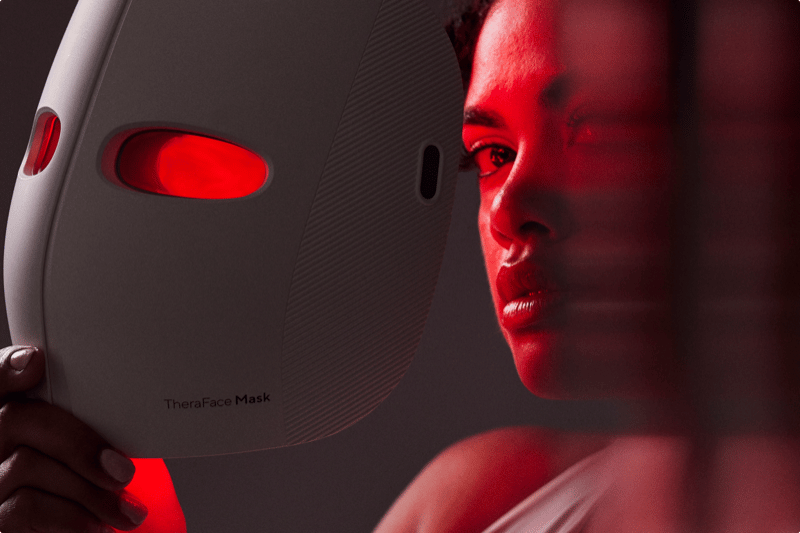
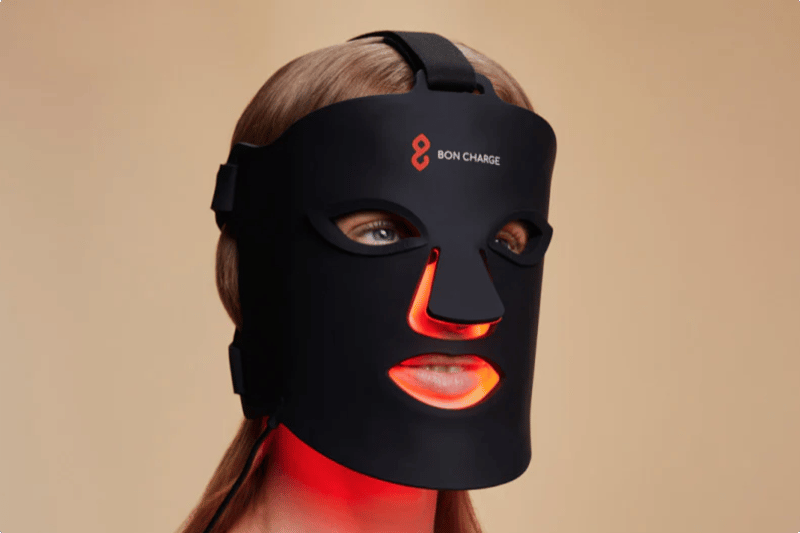
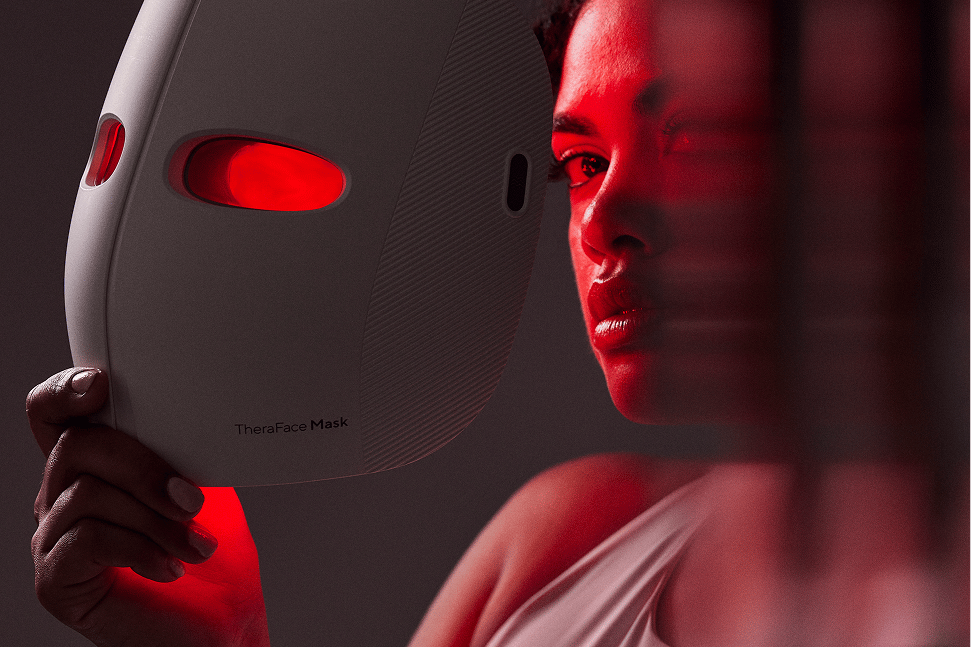
Kostas from LYMA believes that consistency is more powerful than intensity. After a severe illness left her physically depleted, she discovered the power of scientifically-backed supplements and wellbeing technology. Now, as the founder of LYMA, she maintains a strict commitment to her own health by prioritising daily rituals like morning sunlight exposure, a consistent skincare routine, and disciplined supplementation. “I don’t rely on motivation; I rely on habits,” she says. As a leader, she understands that leading by example is essential, ensuring that wellbeing is not just a brand message but a lived experience.
Overcoming challenges and industry biases
Despite their success, many of these founders acknowledge the challenges of being women in an industry that, ironically, often fails to recognise female leadership. The wellbeing space, while seemingly inclusive, still presents barriers—especially in areas like funding, visibility, and scaling businesses.
Ashley highlights the disparity in funding opportunities for female entrepreneurs, noting that women often have to work harder to secure investments compared to their male counterparts. However, she sees this as an advantage in some ways: “Women in wellbeing often create brands out of personal necessity, which leads to authenticity and trust. That connection with consumers is something money can’t buy.”
For Indie Lee, the biggest challenge has been resisting the pressure to conform to industry expectations. She has had to redefine wellbeing on her own terms, advocating for a slower, more intuitive approach in a world that often glorifies overachievement. Her breakthrough moment was realising that the greatest impact comes from authenticity. “By sharing my journey—raw, real, and imperfect—I hope to create space for other women to feel seen and empowered.”
Kostas, meanwhile, faced the challenge of starting a wellbeing brand in her 40s—an industry that often prioritises youth and trends. When investors dismissed her vision, she funded LYMA herself. Now, years later, she has been recognised in the Forbes 50 Over 50 list, proving that success in wellbeing is not about fitting into industry stereotypes but about perseverance and self-belief.
Explore the Women in Wellbeing brands:
Creating a legacy of wellbeing
Beyond their personal and professional successes, these women are committed to shaping the future of wellbeing for other women. Their businesses are not just about selling products but about fostering a deeper cultural shift—one that encourages women to prioritise their health without guilt.
For Lauren, this means leading with empathy and ensuring that skincare is not just a beauty routine but a form of self-care.
Ashley hopes to empower more women to enter the wellbeing industry and create healthier alternatives in a market saturated with unhealthy products.
Indie Lee envisions a world where women embrace wellbeing as an evolving, intuitive journey rather than a rigid standard.
Estée is on a mission to help women slow down and reconnect with themselves through rituals that nourish both body and mind.
And Kostas wants women to know that it’s never too late to take control of their health—or to build a company that disrupts an entire industry.
Final thoughts: women leading wellbeing with purpose
The women leading the wellbeing industry today are more than just entrepreneurs—they are advocates for self-care, resilience, and change. They embody the philosophy that true wellbeing is not about perfection but about presence, intention, and sustainability. By prioritising their own health while building impactful businesses, they are setting a powerful example for future generations of women in wellbeing.
Their journeys remind us that wellbeing is not a luxury or a trend—it is a fundamental, lifelong commitment to oneself. And in leading by example, they are not just shaping their own lives but transforming the way wellbeing is perceived and practised across the world.


This article is for informational purposes only, even if and regardless of whether it features the advice of physicians and medical practitioners. This article is not, nor is it intended to be, a substitute for professional medical advice, diagnosis, or treatment and should never be relied upon for specific medical advice. The views expressed in this article are the views of the expert and do not necessarily represent the views of Healf
Eleanor Hoath is a Registered Nutritional Therapist (DipNT, mANP, mBANT) specialising in gut, skin and women’s health. She is the Editor of The Healf Source and founder of Well Nourished Nutrition Ltd.
Passionate about holistic wellbeing and balanced living, Eleanor combines evidence-based nutrition with a practical, approachable style to help people feel their best through content.
Based in London, she is dedicated to empowering individuals to nurture their health and understand the root cause of their symptoms from the inside out.
_2026-10-13_14-11-48.png)