
































_2026-10-13_14-11-48.png)


Is Your Kitchen One Of The Biggest Sources Of Microplastics In Your Day?
From worn non-stick pans to plastic chopping boards, everyday kitchen habits may expose us to more microplastics than we realise, but a few smarter swaps can hugely help.
Written by: Samantha Nice
Written on: 20 March 2026
Microplastics have quickly become one of the most talked-about environmental health topics. In recent years, studies have detected them in drinking water, household dust and even in our bloodstream. At the same time, scientists are still working to understand what these findings really mean for our long-term health and the research is still evolving.
When microplastics are mentioned, attention usually lands on packaging or bottled drinks. But Jordan Nathan, founder of cookware brand Caraway, believes the kitchen deserves more attention. “It’s one of the few places in the home where heat, food, and materials interact every single day,” he says. “Cookware, utensils, cutting boards, and storage containers are all food-contact materials, so it’s natural that people are becoming more curious about how they're made and what materials they use.”
From old non-stick pans to plastic chopping boards and food containers, the materials we use in everyday cooking are beginning to attract more scrutiny. Not as a reason to overhaul the entire kitchen overnight, but as an opportunity to understand where exposure can happen and where a few simple swaps may help reduce it.
A quick explainer: microplastics and PFAS
Microplastics are tiny fragments of plastic — usually smaller than five millimetres — that form as larger plastic items break down over time. Understanding how these particles interact with the human body and what different levels of exposure may mean for long-term health is still something science is continuing to explore however.
Alongside microplastics, another term that often appears is PFAS which is short for per- and polyfluoroalkyl substances. They’re a group of synthetic chemicals used in products designed to resist heat, oil and water. Because they break down very slowly, they’re sometimes referred to as “forever chemicals”. Some older non-stick coatings and household materials have historically used PFAS compounds, which is one of the reasons cookware materials are now in the spotlight.
The everyday kitchen habits most people don’t think about
In many cases, exposure doesn’t come from anything unusual. It often comes from everyday kitchen routines that simply become second nature. Jordan says some of the most common habits are also the easiest to overlook. “Most of them are normal things, such as cooking in older pans with heavily worn surfaces, heating food in plastic containers, or using the same plastic cutting boards or utensils,” he says. “None of these feel unusual, but over time, they really add up. Small habits that are repeated can become meaningful places to make simple swaps if someone wants to be more intentional about the materials in their kitchen.”
Why cookware materials are getting more attention
Traditional non-stick cookware has been a staple of home kitchens for decades thanks to its convenience. Recently, though, researchers and consumers have both started asking more questions about how these materials perform over time.
Jordan has seen that shift happen quickly. “There’s been a growing conversation among researchers and in the media about the materials used in everyday consumer products and how they perform over time,” he says. “That broader discussion has made consumers more curious about what their cookware is made from and how brands approach materials and testing.”
Just as we now read ingredient labels on food or skincare more closely, a lot of us are applying this same mindset to household products — especially when it comes to things that come into direct contact with food.
The moment that changed how one founder saw cookware
Jordan’s interest in cookware materials began with a personal experience that led him to question how everyday kitchen products are made. “It made me start asking questions about materials in a category most of us rarely think about,” he says. “Around that time, I was leading product for a manufacturing group and attending manufacturing expos, where I saw firsthand how many everyday housewares are produced using very low-cost materials and large amounts of plastic.”
Seeing that process up close shifted how he thought about cooking at home. “If people care deeply about the ingredients in their food, it makes sense to care about the materials used to cook it as well,” he says. “That idea ultimately became the foundation for Caraway.”
What “non-toxic cookware” actually means
The phrase “non-toxic cookware” can sometimes sound like a marketing term, but the idea behind it is relatively simple: cookware designed without certain chemical coatings or additives. For Jordan, the starting point is transparency. “It’s about treating materials the same way we are thinking more about ingredients in our food,” he says. “You want to know what’s in it, what’s not in it, and how those claims are verified.”
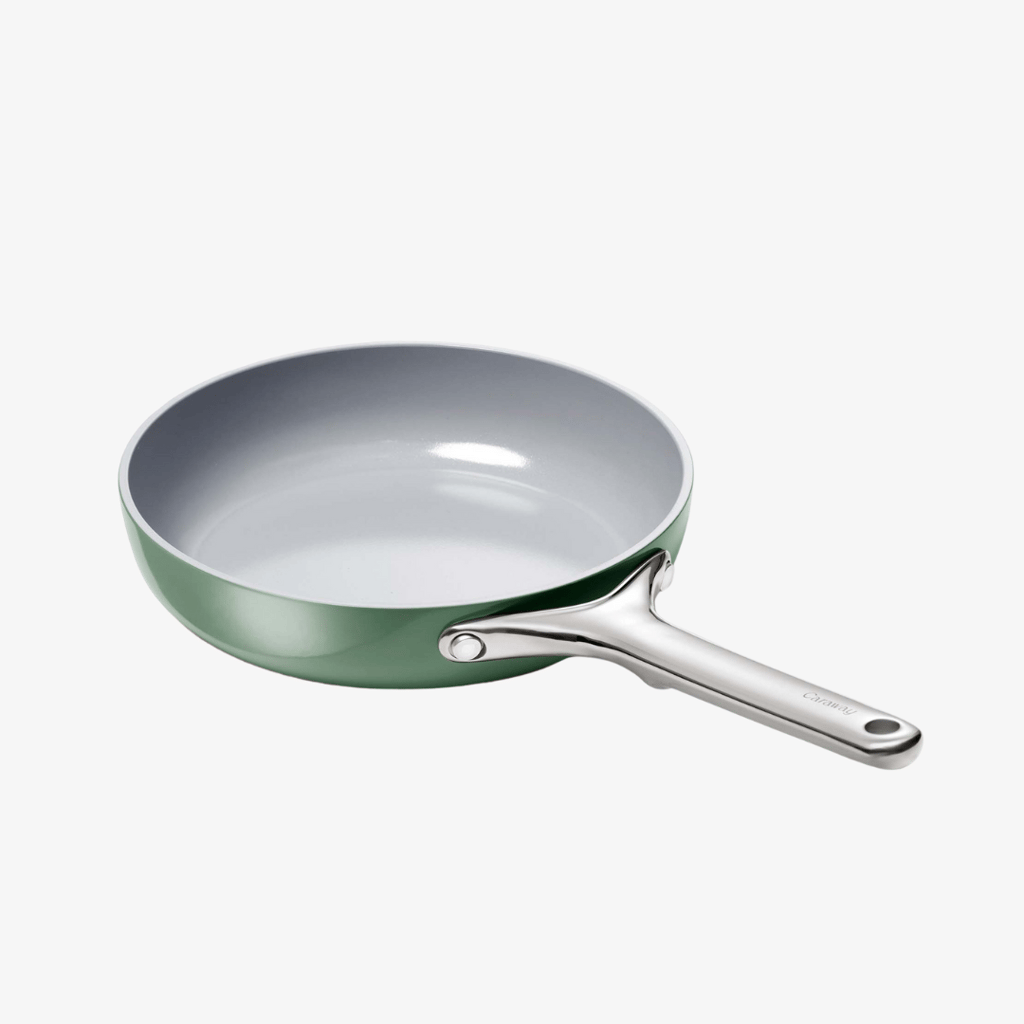
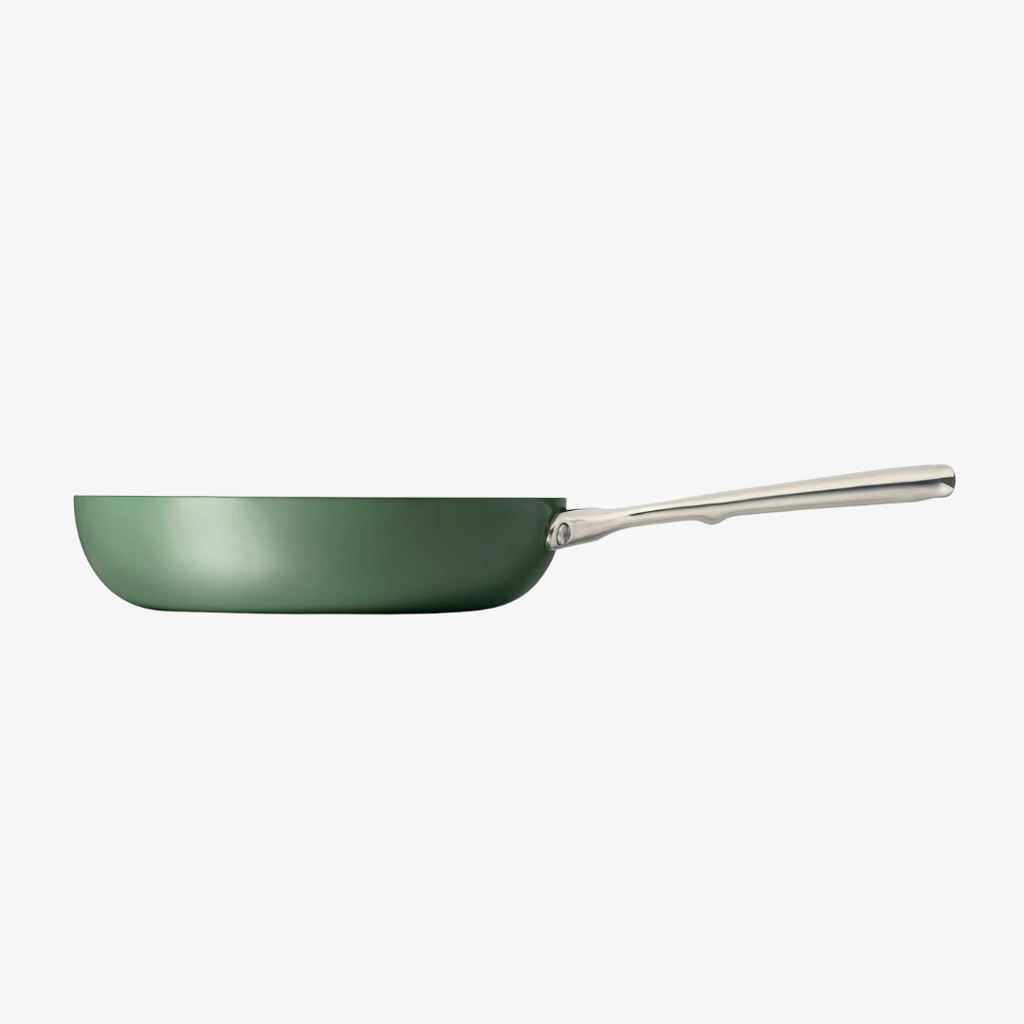
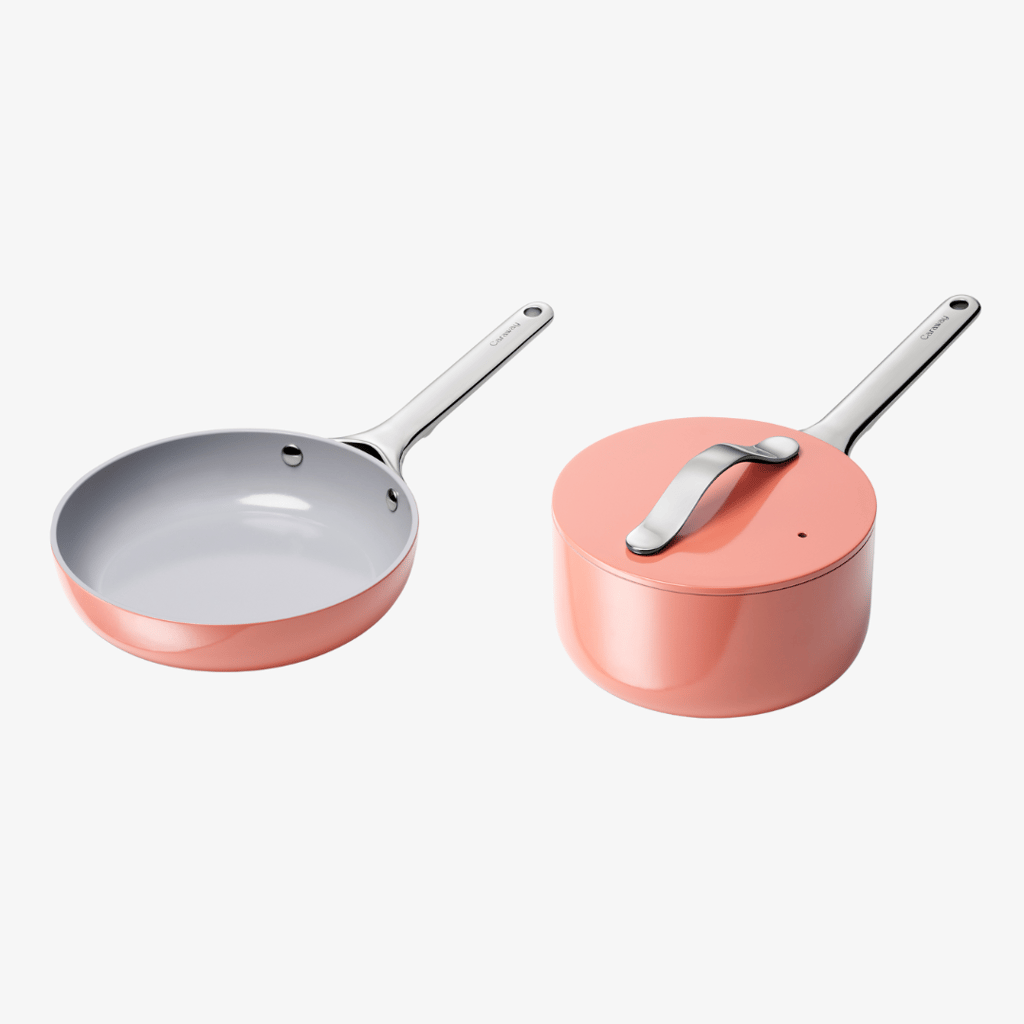
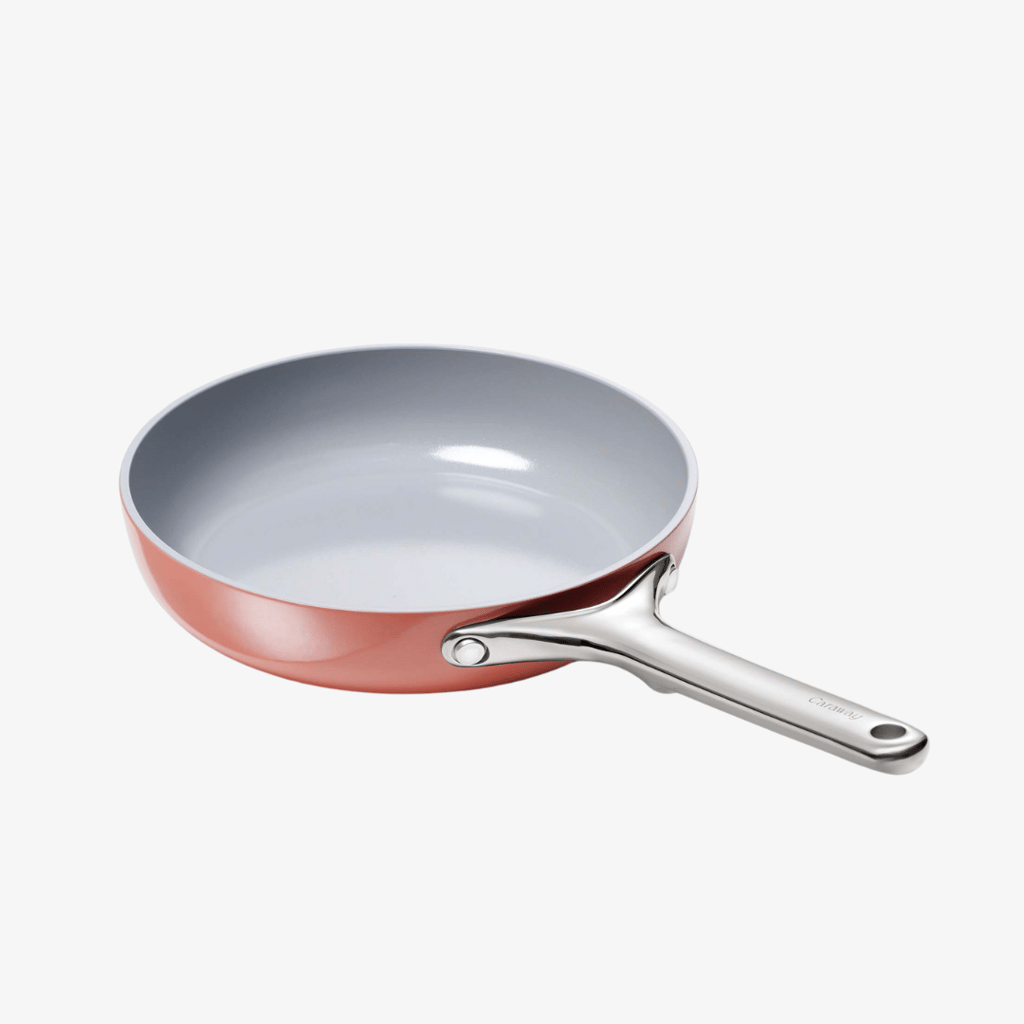
That thinking shapes how Caraway approaches cookware design and testing. “We’ve always approached this with a mindset of progress over perfection,” Jordan says. “Materials science is evolving quickly, and our job as a brand is to keep raising the bar as the science advances. Today, we test our products for more than 200 PFAS types and over 21 heavy metals through independent labs, and we’re continuing to expand that standard as new research and testing capabilities emerge.”


Reducing exposure without trying to be perfect
Trying to eliminate microplastics completely is of course not realistic. These materials are deeply embedded in our everyday life. Instead, Jordan encourages a more practical mindset. “The goal shouldn’t be perfection,” he says.
Instead, small swaps can go a long way. “A more practical mindset is simply being thoughtful about the materials used each day” Jordan says. “The kitchen is a natural place to start because cooking is something we all do several times a day. A few thoughtful changes can help people feel more intentional about the products they use without turning their entire lifestyle upside down.”
Five simple ways to reduce microplastic exposure in your kitchen
If you’re on board with making a few tweaks, these are some of the easiest places to start.
- Replace heavily worn non-stick pans
Older cookware with scratched or peeling surfaces is often the first place materials begin to break down. - Rethink plastic chopping boards
Deep knife marks can cause small fragments to shed over time. - Avoid heating food in plastic containers
Glass or ceramic containers tend to perform better under heat. - Swap plastic utensils for wood or stainless steel
These materials are typically more durable and don’t shed in the same way. - Focus on the items you use every day
Cookware, chopping boards and utensils tend to have the most frequent contact with food.
Jordan suggests starting small rather than replacing everything at once. “I’d focus on the things that combine heat, frequency, and food contact,” he says. “That might mean replacing older cookware with heavily worn surfaces or gradually updating frequently used prep tools like cutting boards or utensils over time. You don’t need to redo your entire kitchen at once,” he adds. “Starting with the items you use every day is a practical place to begin.”
The future of the modern kitchen
For years, cookware was simply something we bought and used daily, but rarely thought much about. That’s beginning to shift as more people take an interest in the materials they’re cooking with.
“Cookware is going through a similar shift we’ve already seen in food and beauty,” Jordan says. “Consumers are asking thoughtful questions. They want transparency around materials, clearer standards, and products designed for real life. The brands that win will be the ones that treat design, performance, and clean materials as equally important, not trade-offs.”
Ultimately, this movement is a positive one. It means better information, better materials and more choice. And while microplastics may have helped bring the issue into focus, the main takeaway here is simple: the kitchen is becoming a place where thoughtful design, safer materials and everyday cooking can work together.


This article is for informational purposes only, even if and regardless of whether it features the advice of physicians and medical practitioners. This article is not, nor is it intended to be, a substitute for professional medical advice, diagnosis, or treatment and should never be relied upon for specific medical advice. The views expressed in this article are the views of the expert and do not necessarily represent the views of Healf
Samantha Nice is a seasoned wellness writer with over a decade of experience crafting content for a diverse range of global brands. A passionate advocate for holistic wellbeing, she brings a particular focus to supplements, women’s health, strength training, and running. Samantha is a proud member of the Healf editorial team, where she merges her love for storytelling with industry insights and science-backed evidence.
An avid WHOOP wearer, keen runner (with a sub 1:30 half marathon) hot yoga enthusiast and regular gym goer, Samantha lives and breathes the wellness lifestyle she writes about. With a solid black book of trusted contacts (including some of the industry’s leading experts) she’s committed to creating accessible, well-informed content that empowers and inspires Healf readers.