























_Madeline_Spanier_Photos_ID7424.jpg)
The Ultimate Running Essentials Every Runner Needs Right Now
Training for a race or just logging more miles? These recovery tools, supplements and fuelling essentials help keep every run on track.

Written by: Samantha Nice
Written on: 20 March 2026
With marathon season approaching and training blocks ramping up, runners are covering more distance than usual. Add the first signs of spring and the urge to get outside a little more, and it’s safe to say running motivation is on the rise.
Whether you’re chasing a PB, building endurance or simply staying consistent through longer efforts, the right running essentials can make a real difference to how your training feels and progresses.
While running shoes often get most of the attention, experienced runners know performance depends on far more than what’s on your feet. Smart fuelling, proper hydration, recovery tools and sleep-supporting supplements all play a role in helping your body keep up with the demands of a heavy training block.
In true Healf style, we’ve curated an expert edit that covers every base. From energy gels and electrolytes to muscle recovery tools, nervous system support and wearables that help you understand when to push or pull back, these are the running essentials worth adding to your training kit this season.
The best running essentials for training, recovery and performance
Ready to dive in? Here’s what we’d add to a runner’s toolkit.
At a glance:
For fuelling long runs: Maurten Gel 100, Maurten Gelflask
For hydration support: Artah Cellular Hydration
For muscle recovery: Hyperice Hypervolt 3, Puresport Gua Sha Tool
For nervous system recovery: Nurosym
For deeper sleep: Pure Encapsulations Magnesium Glycinate
For training insights: WHOOP
For full-body recovery: BON CHARGE Infrared Sauna Blanket
For post-run protein: Ancient + Brave Brave Ancestral Protein
Maurten Gel 100 for clean, efficient race fuelling
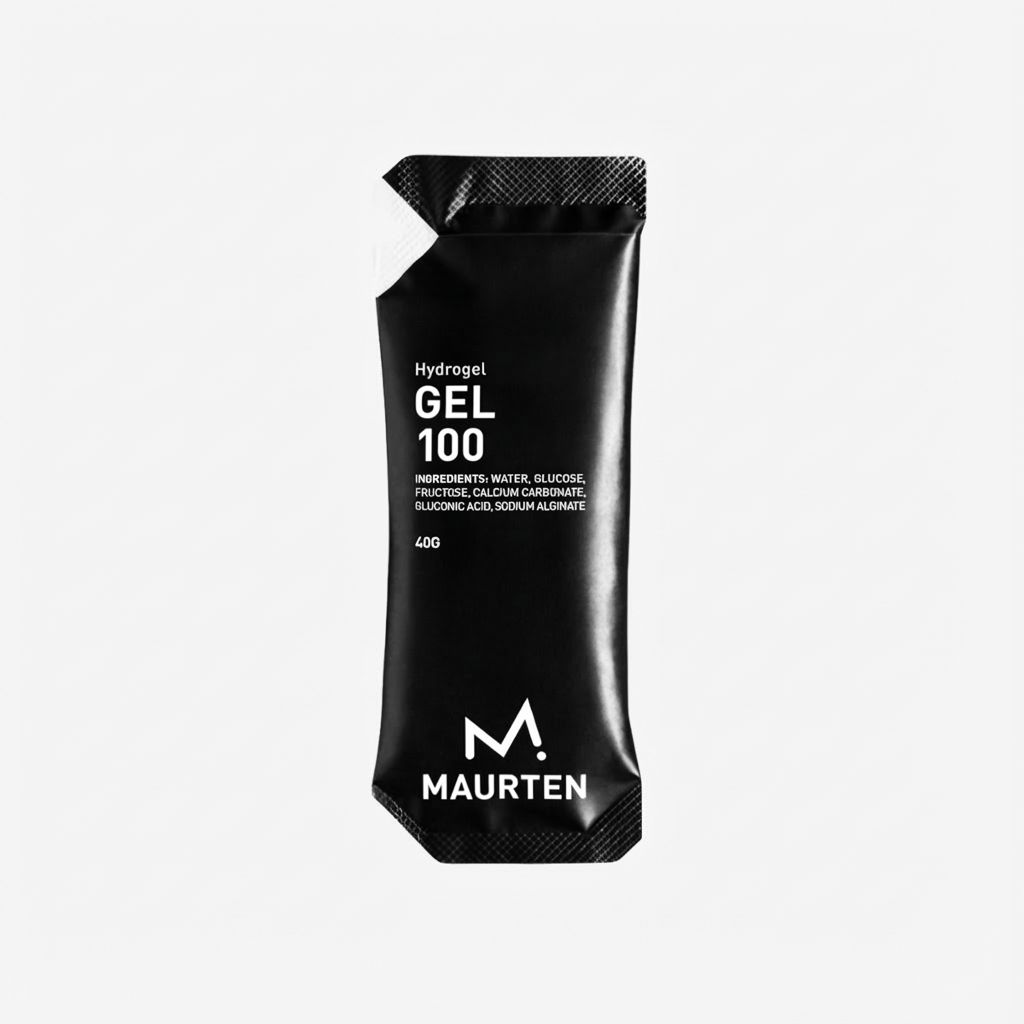
Proper fuelling can be the difference between finishing strong and fading late in a run. Maurten Gel 100 has become a go-to among endurance athletes for good reason. Each sachet delivers 25g of carbohydrates using Maurten’s hydrogel technology, combining glucose and fructose in a format designed to be easier on the stomach during intense effort. The texture is noticeably smoother than most gels, making it easier to take mid-run without the overly sticky sweetness many runners struggle with.
During marathon training, energy gels quickly become essential. The key is testing them in training rather than waiting until race day. Use them on longer runs to practise fuelling strategy and understand how your body responds. If you want to dive deeper into fuelling strategies, read our guide: A Runner’s Guide To Energy Gels: Timing, Tolerance And Top Picks

Maurten Gelflask for easier fuelling on longer runs
If you’ve ever tried juggling multiple energy gels mid-run, you’ll appreciate the simplicity of Maurten’s Gelflask. This compact bottle holds up to 200g of gel, allowing you to carry multiple servings at once. Instead of fumbling with sachets during longer efforts, you can take quick sips as needed.
Lightweight and easy to grip, it fits comfortably into a running vest and works particularly well for trail runs, marathon training and endurance sessions where fuelling consistently becomes critical.

Hyperice Hypervolt 3 for post-run muscle relief
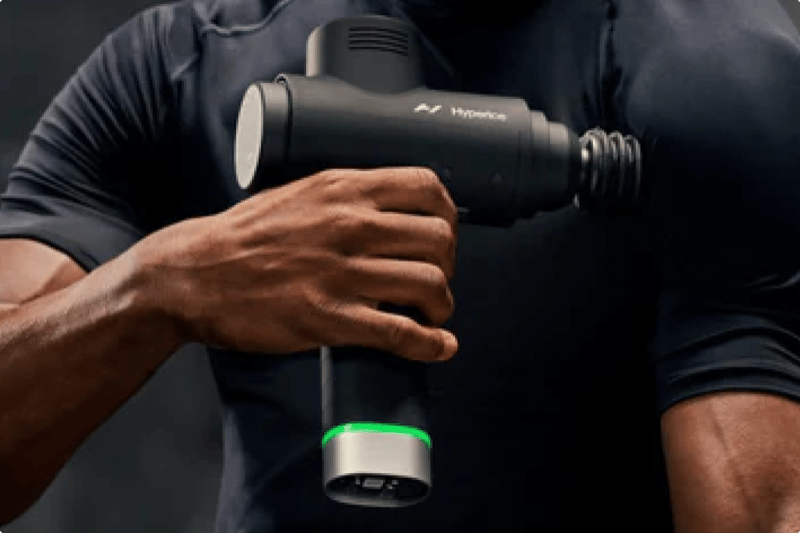
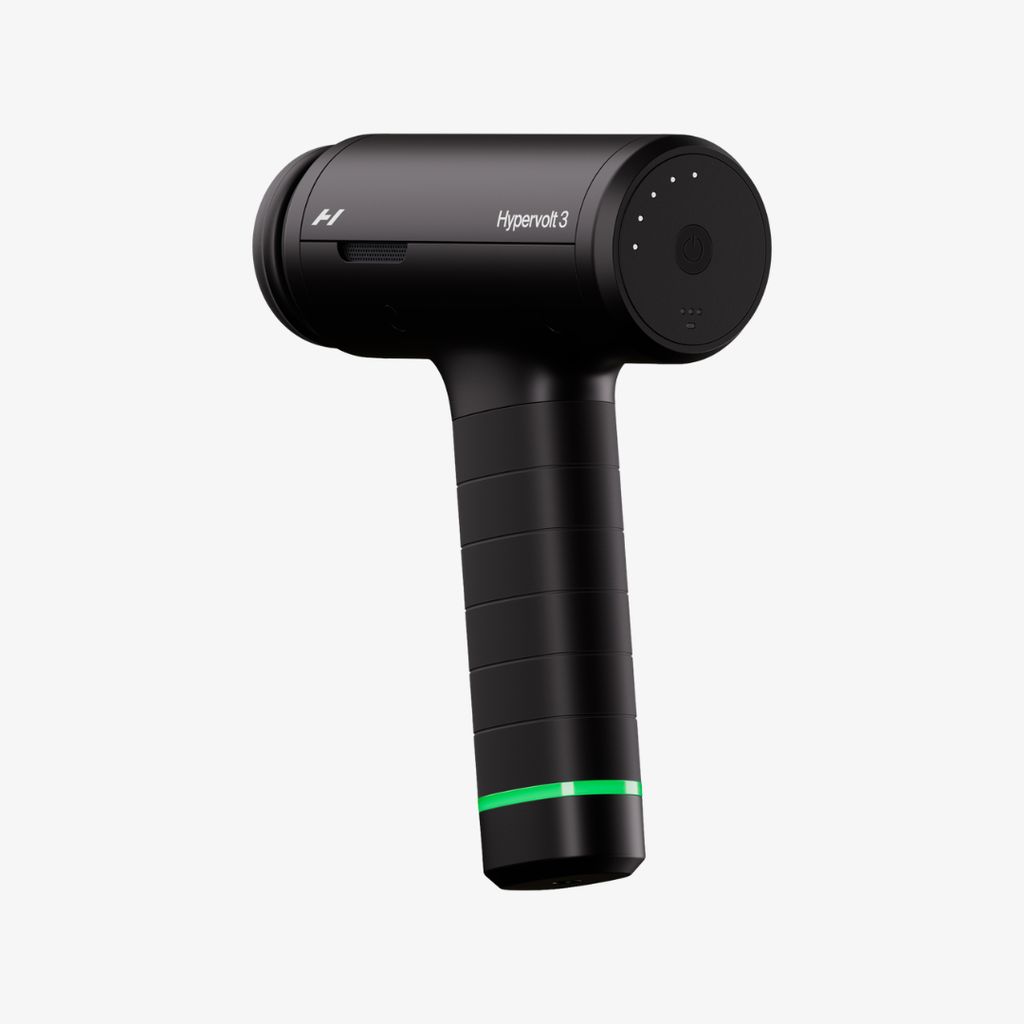
Tight quads, stiff calves and sore hamstrings are all common complaints when training volume ramps up. That’s where a good percussion tool becomes invaluable. The Hyperice Hypervolt 3 delivers targeted therapy designed to reach deep into muscle tissue and help relieve tension after tough sessions. It’s particularly effective on the big muscle groups runners rely on most, including the quads, hamstrings, glutes and calves.
Use it after runs to loosen tight areas, improve circulation and help reduce that heavy, fatigued feeling that can build up across a training week. Quiet, ergonomic and easy to control, it’s one of those recovery tools that quickly becomes part of your post-run routine.

Artah Cellular Hydration for electrolyte support
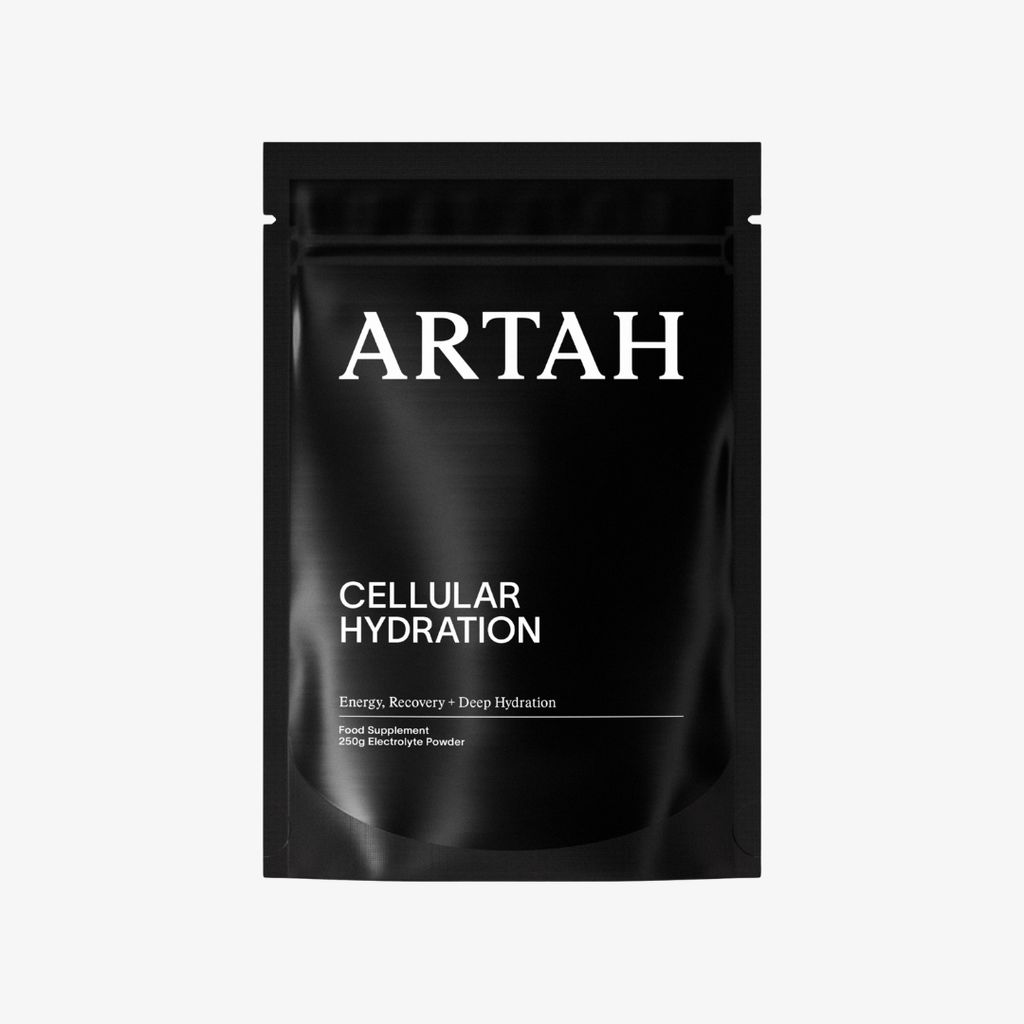
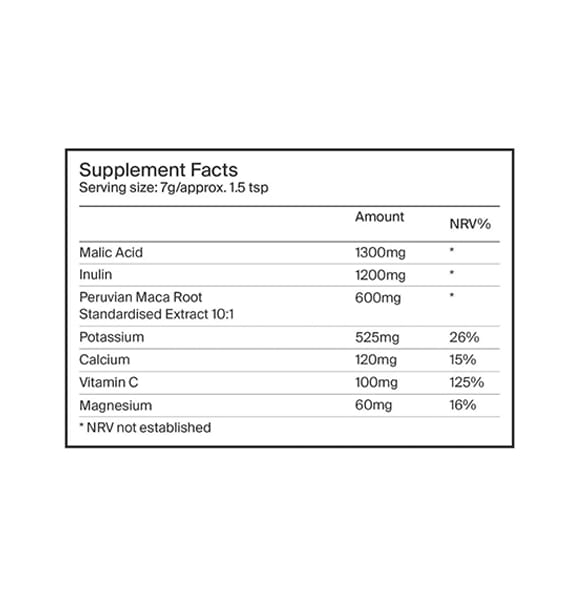
Sweaty runs demand more than just water. When you’re losing fluids over longer distances, electrolytes help keep muscles firing properly and prevent that heavy, depleted feeling afterwards. This combines magnesium, potassium, calcium and vitamin C, supporting muscle function, nervous system activity and energy metabolism. The addition of Peruvian maca provides a gentle lift in energy, while inulin helps support digestive balance.
Add it to your bottle before heading out, or mix it into water afterwards to help replenish the minerals lost through sweat.
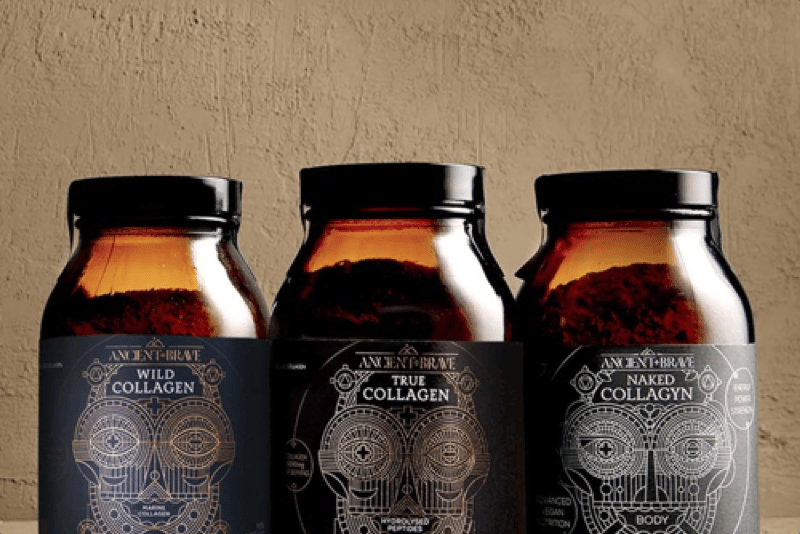
Ancient + Brave Brave Ancestral Protein for post-run recovery
When training load increases, recovery nutrition becomes even more important. Your muscles need adequate protein to repair and rebuild, helping your body adapt and come back stronger for the next effort.
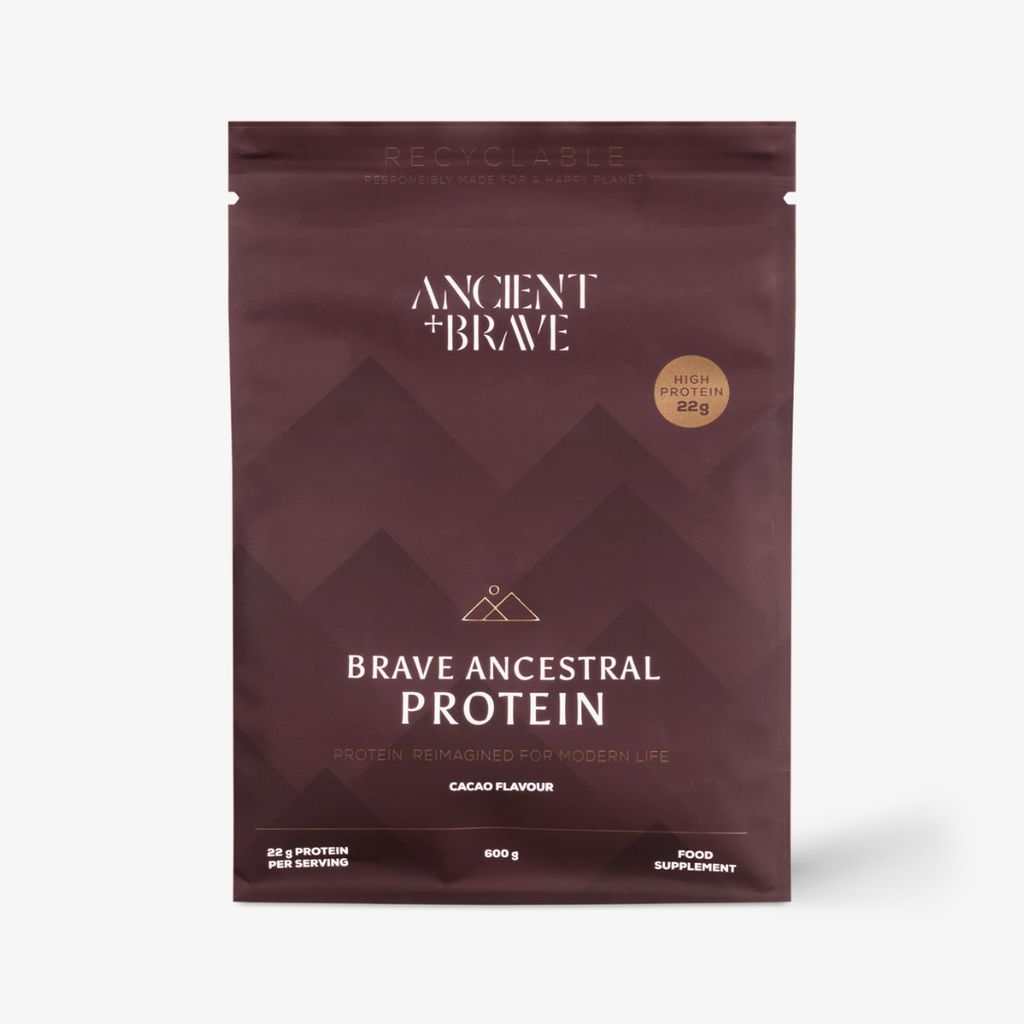
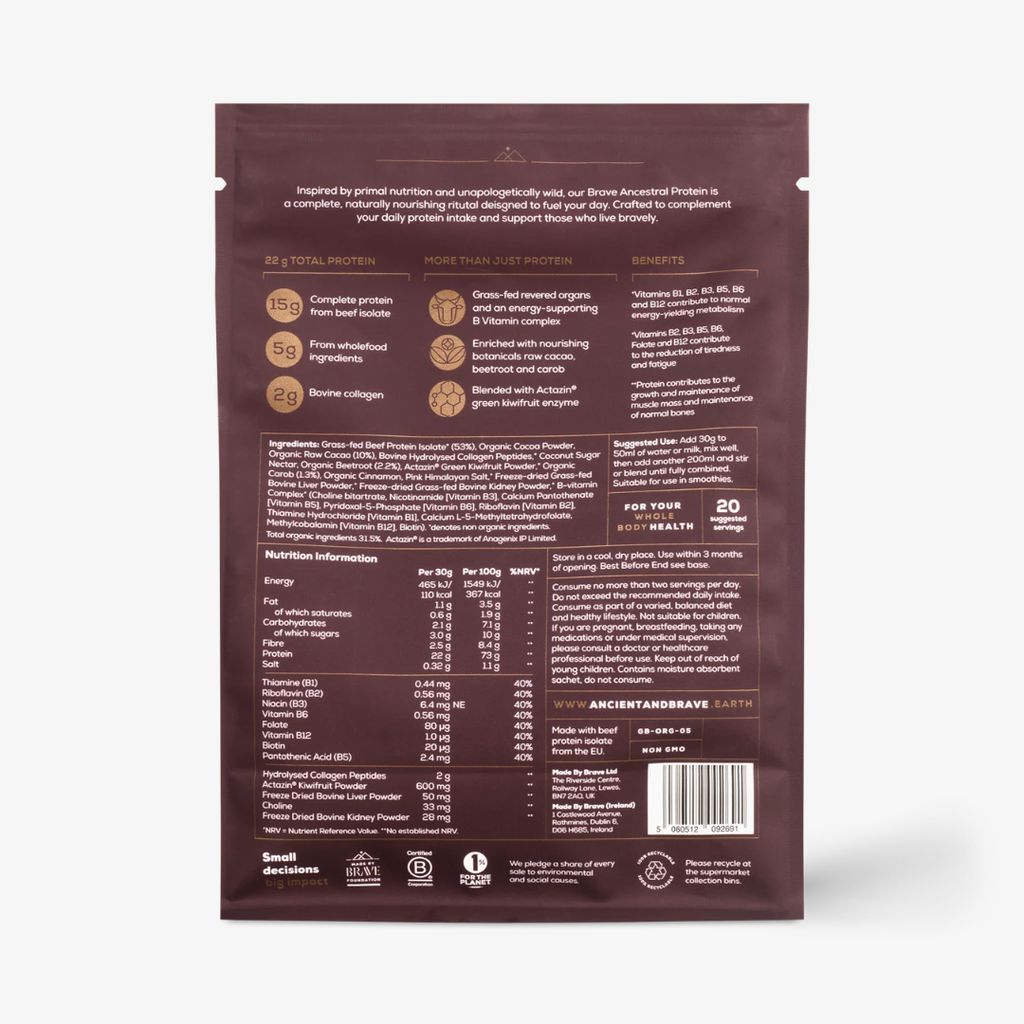
Ancient + Brave’s Brave Ancestral Protein delivers 22g of protein per scoop, combining beef protein isolate, collagen peptides and cacao for a rich blend that tastes more like a chocolate treat than a supplement.
Blend it with milk and a banana for a quick post-run shake that supports muscle maintenance while topping up energy — particularly useful when a full meal doesn’t feel appealing immediately after a run.
Nurosym for nervous system recovery and pre-race calm
Real progress can only really happen when your nervous system can properly settle and vagus nerve stimulation can really help with that. Nurosym is a non-invasive device that’s clinically proven to activate the body’s parasympathetic “rest and recover” response. For runners, this can be especially helpful when stress levels start creeping up or switching off at night feels harder after intense sessions. By helping regulate your nervous system, this clever little device supports deeper relaxation, better sleep quality and improved heart rate variability (HRV), a key recovery marker a lot of runners now track closely.
It can also be a good tool before race day. Just a few minutes can help calm pre-race nerves and bring your system back into a more balanced state before you even reach the start line. Curious about how else vagus nerve stimulation fits into running performance? Have a read of this: Can Vagus Nerve Stimulation Help You Achieve A PB?


WHOOP for understanding when to push and when to pull back
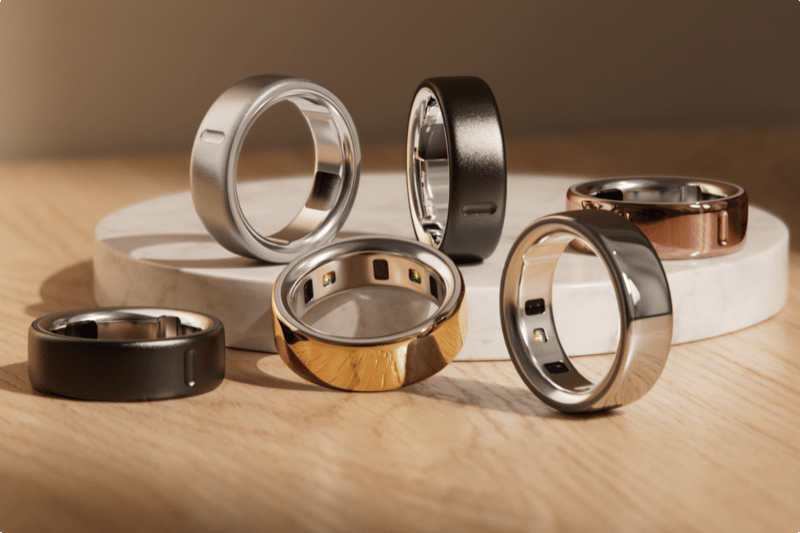
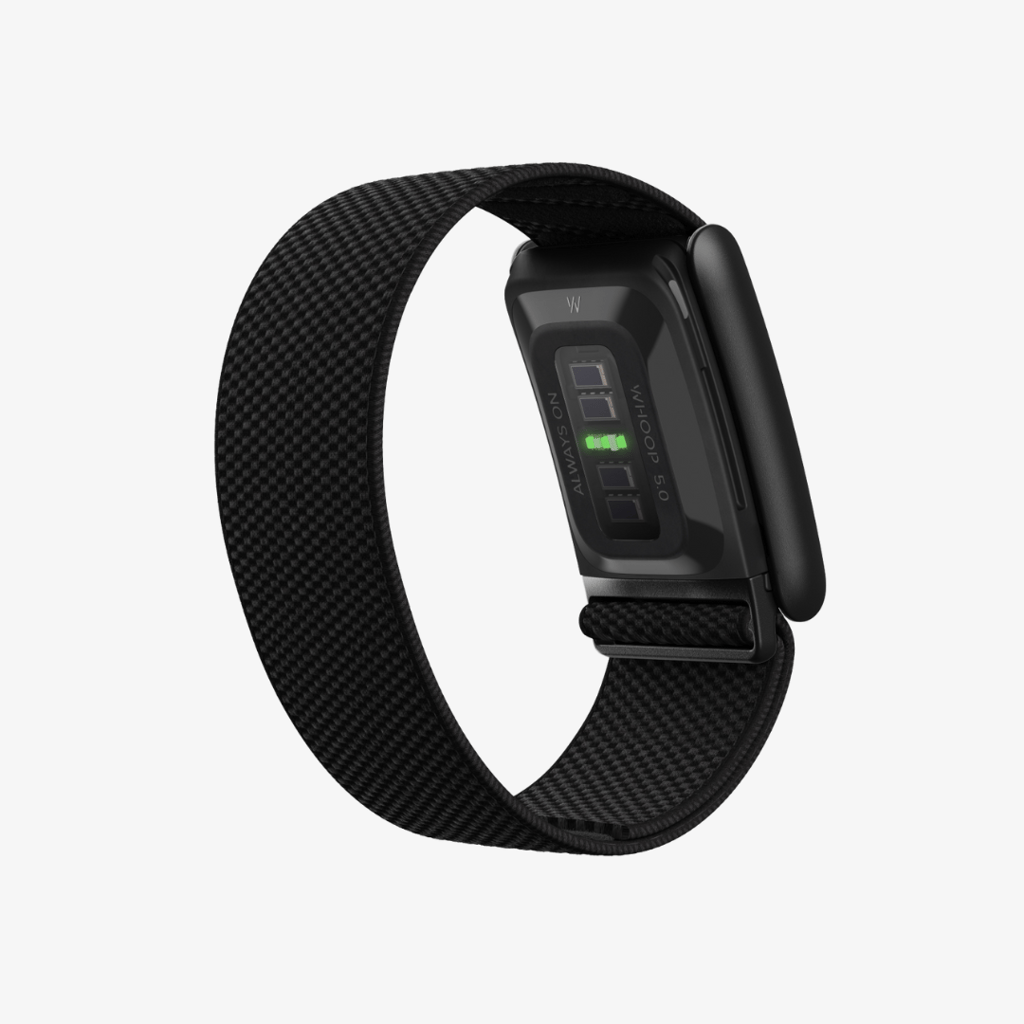
One of the biggest challenges in training isn’t motivation. It’s knowing when to push harder and when your body genuinely needs recovery. WHOOP has become one of the most trusted wearables because it tracks the metrics that matter most: sleep, strain, recovery and heart rate variability.
It continuously monitors your physiology, turning that data into daily guidance that helps you understand whether your body is primed for a hard session or better suited to a lighter day. Over time, the insights become incredibly useful. Patterns start to emerge around how sleep, stress, training load and recovery interact, helping runners build smarter routines that support long-term progress rather than burnout. Still need convincing? Have a read of this - 10 Reasons To Wear WHOOP In 2026

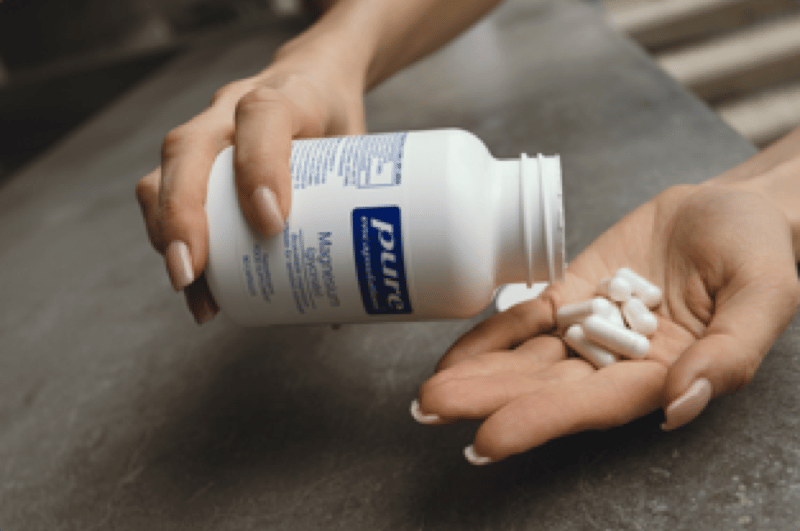
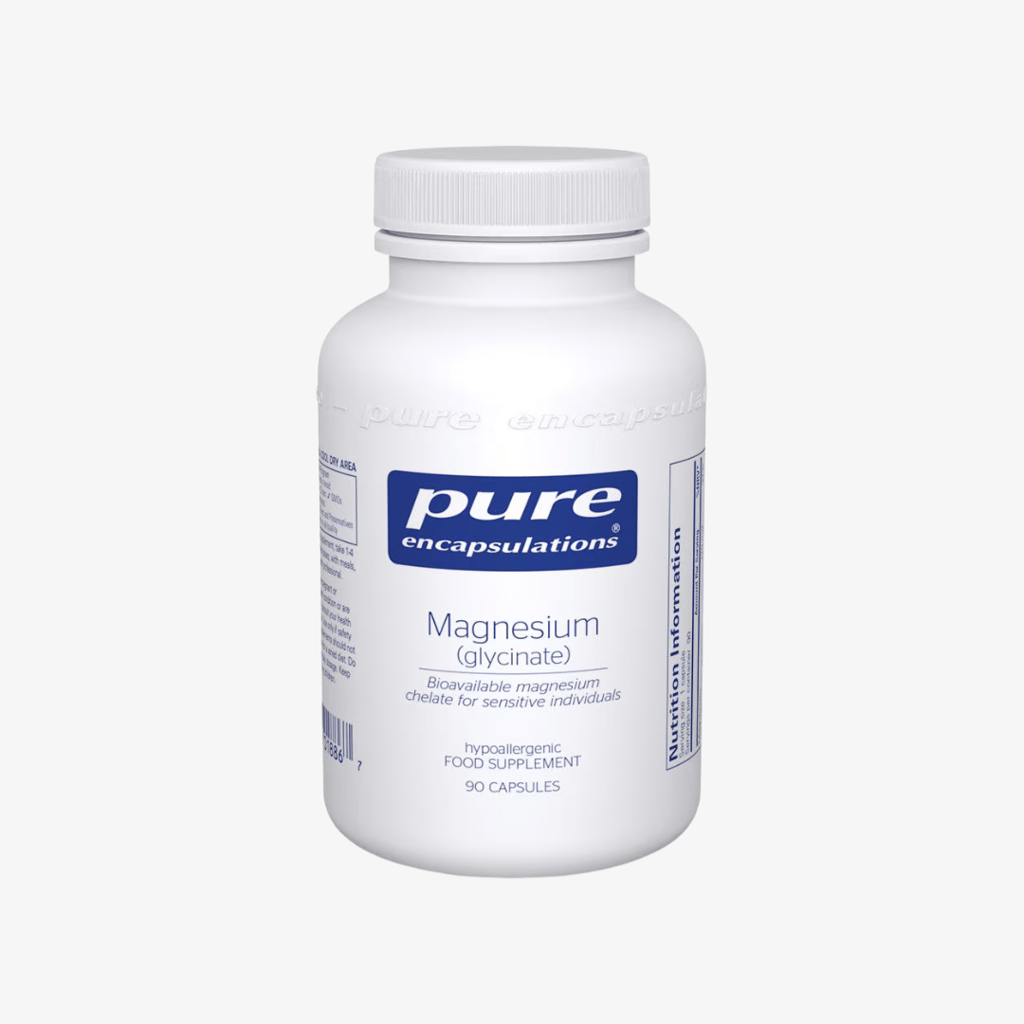
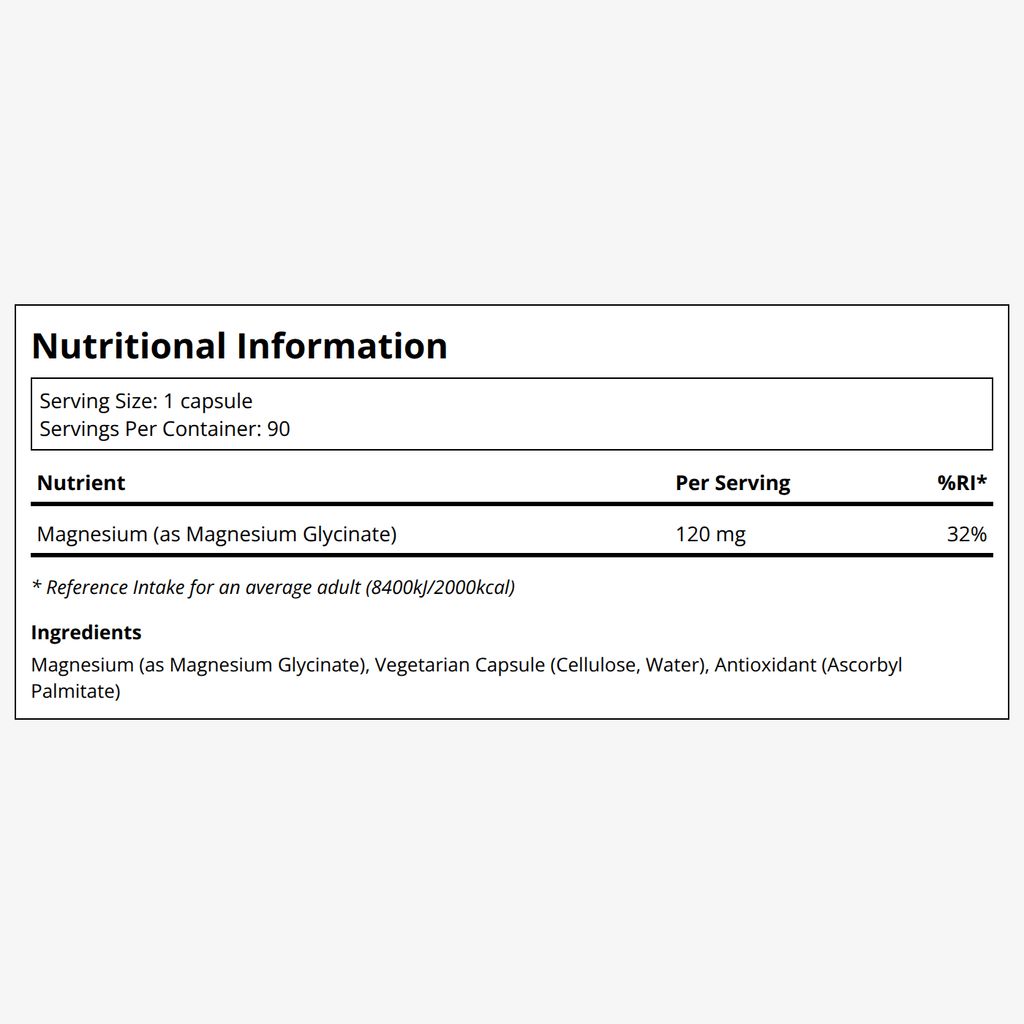
Pure Encapsulations Magnesium Glycinate for deeper recovery sleep
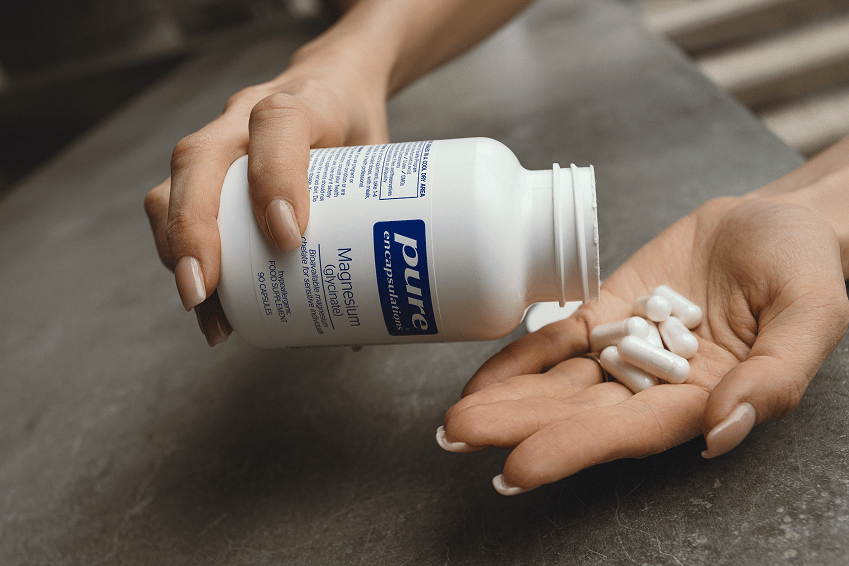
If there’s one thing runners consistently underestimate, it’s the power of good sleep. Quality sleep is where muscle repair, hormonal balance and nervous system recovery all happen. Magnesium glycinate is one of the most bioavailable forms of magnesium, making it particularly helpful for supporting relaxation and improving sleep quality.
For runners, that means better overnight recovery, reduced muscle tension and a more refreshed feeling heading into the next session. Magnesium also contributes to normal muscle function and recovery and helps reduce tiredness and fatigue, making it a wise addition when the body’s recovery systems are working overtime.
Puresport Gua Sha Tool for targeted muscle release
Recovery doesn’t always need high-tech gadgets. Sometimes a simple tool used regularly can be just as effective. The Puresport stainless steel Gua Sha tool is designed to help increase circulation and release tension in sore muscles. Runners often use it across the calves, IT bands, quads and hips to help reduce tightness after harder efforts.
Try using it after a warm bath, sauna session or shower when muscles are already relaxed. Pairing it with magnesium oil or muscle gel can make the effect even more noticeable.
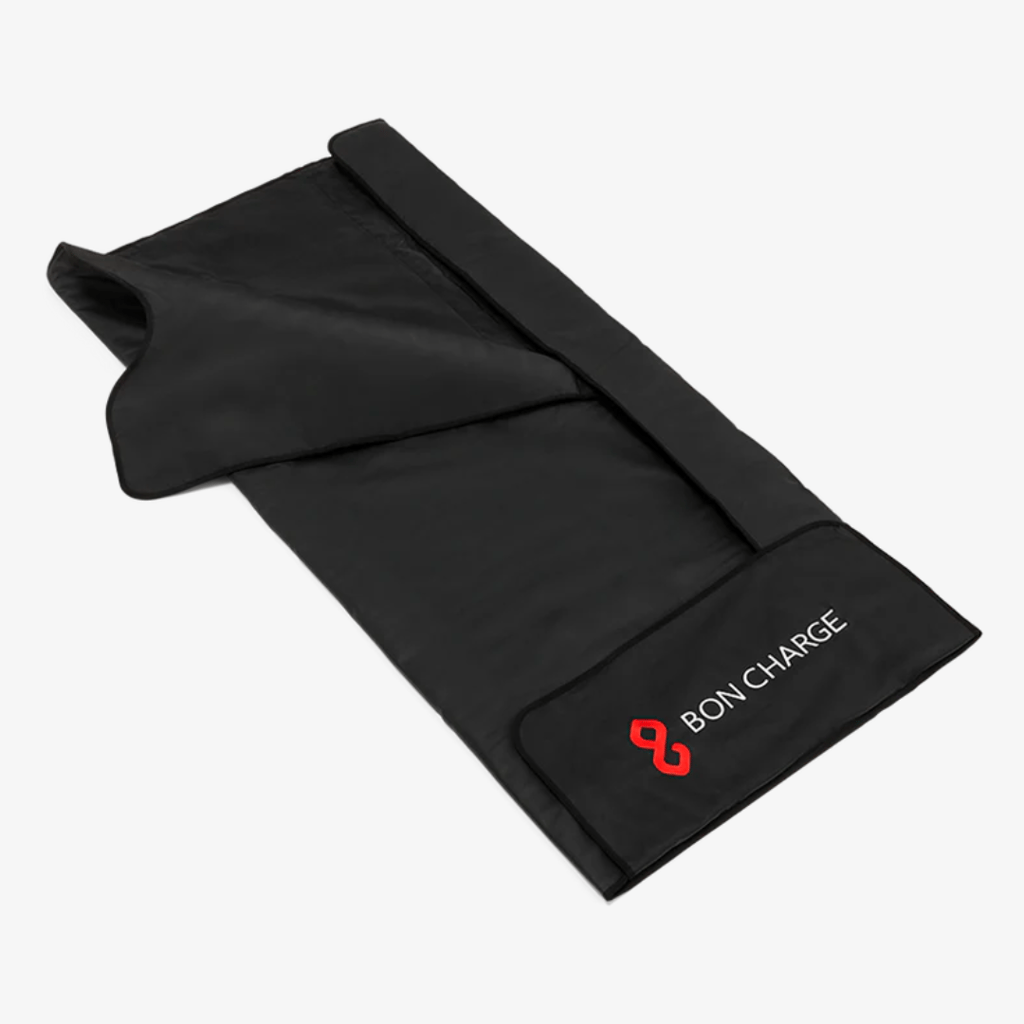
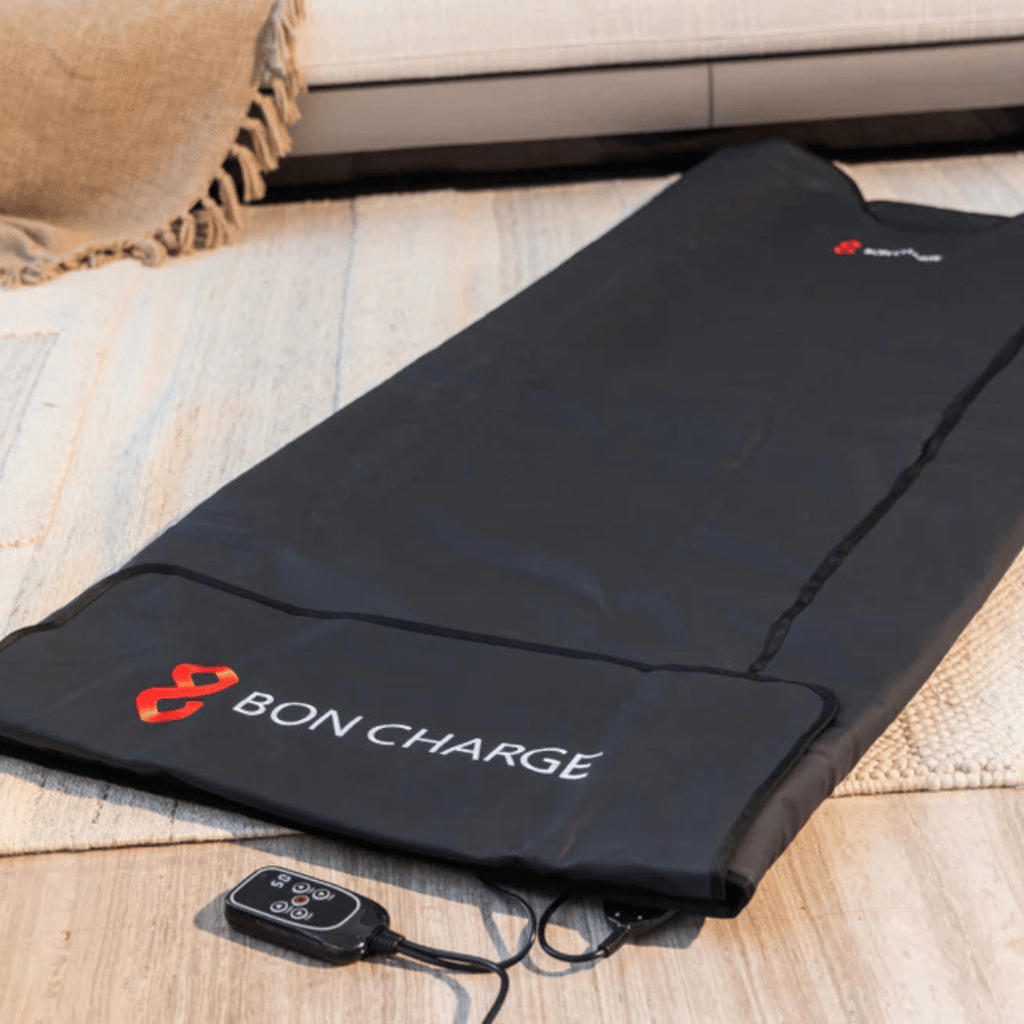
BON CHARGE Infrared Sauna Blanket for full-body recovery
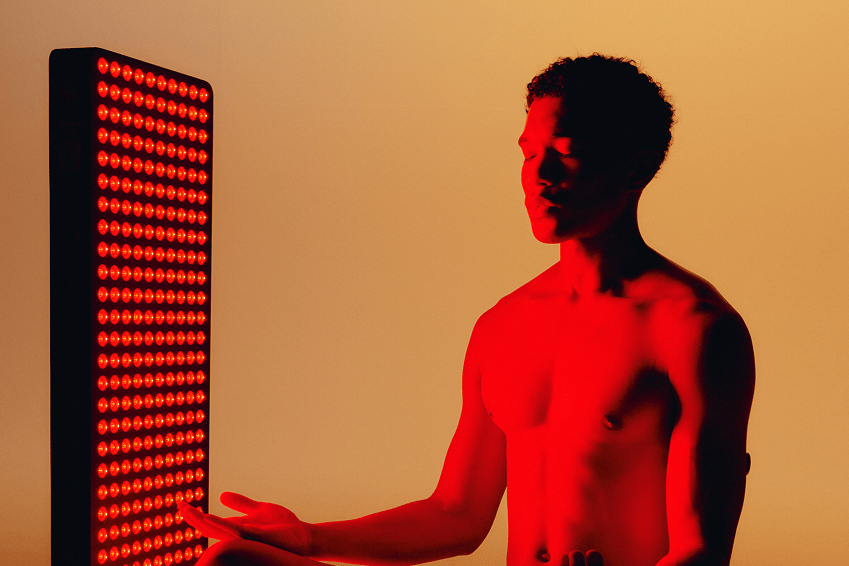
Few recovery tools feel as rewarding as heat therapy. Infrared sauna sessions are known for helping relax muscles, boost circulation and encourage the kind of deep relaxation that makes recovery feel more complete. This Sauna Blanket brings that experience into your own home, making it far easier to turn recovery into a regular routine rather than an occasional treat.
Far infrared heat penetrates deeper into muscle tissue than traditional heat, helping ease soreness and support circulation after training. Many runners also find that regular sauna sessions help them sleep better and feel more recovered between runs.
It’s an investment, but one that can pay off across the entire training cycle and continue delivering benefits long after race day.
Running well isn’t just about logging more miles. The runners who stay consistent are usually the ones who take recovery, fuelling and sleep just as seriously as their training sessions. From smart fuelling strategies and electrolyte support to recovery tools and wearables that help you understand your body better, the right running essentials can make every session feel a little more sustainable.
Whether you’re deep into marathon training or simply enjoying the return of longer spring runs, building a training setup that supports your body properly is one of the best investments you can make in your running.
Your most asked questions about running essentials
What running essentials do beginners actually need?
At a minimum, prioritise a good pair of trainers, hydration, fuelling strategies and recovery support. As mileage increases, things like electrolytes, energy gels, recovery devices and sleep-supporting supplements can make training far more sustainable.
What should you carry on long runs or marathon training runs?
For longer runs, the focus should be on hydration and fuelling. Go for energy gels or chews and electrolytes. A small fuelling flask or vest can make it easier to refuel consistently without interrupting your stride.
Do runners really need energy gels?
Energy gels should be non-negotiable during longer efforts. They provide fast carbohydrates that help maintain energy levels once your body begins to deplete stored glycogen.
What helps runners recover faster?
Recovery is best supported by proper fuelling, sleep, hydration and muscle recovery tools like massage guns or heat therapy. Nervous system regulation and wearables that track recovery metrics can also help you avoid overtraining.

This article is for informational purposes only, even if and regardless of whether it features the advice of physicians and medical practitioners. This article is not, nor is it intended to be, a substitute for professional medical advice, diagnosis, or treatment and should never be relied upon for specific medical advice. The views expressed in this article are the views of the expert and do not necessarily represent the views of Healf
Samantha Nice is a seasoned wellness writer with over a decade of experience crafting content for a diverse range of global brands. A passionate advocate for holistic wellbeing, she brings a particular focus to supplements, women’s health, strength training, and running. Samantha is a proud member of the Healf editorial team, where she merges her love for storytelling with industry insights and science-backed evidence.
An avid WHOOP wearer, keen runner (with a sub 1:30 half marathon) hot yoga enthusiast and regular gym goer, Samantha lives and breathes the wellness lifestyle she writes about. With a solid black book of trusted contacts (including some of the industry’s leading experts) she’s committed to creating accessible, well-informed content that empowers and inspires Healf readers.