
































_2026-10-13_14-11-48.png)


A Runner’s Guide To Energy Gels: Timing, Tolerance And Top Picks
Hitting the hour-mark on your runs and starting to flag? Here's everything you need to know to avoid those lows.

Written by: Samantha Nice
Written on: 8 April 2026
You’ve laced up, set off and you’re deep into your long run. But somewhere past the one-hour mark, your legs feel heavier, your pace dips and your focus starts to fade. Sound familiar? That’s where energy gels come in.
Used by everyone from elite marathoners to casual weekend warriors, these pocket-sized packets of fuel can make or break your performance on longer runs. But what exactly are they? When should you take them? And how do you know which one is right for you?
We spoke with sports nutritionist Samantha Mare, an expert in endurance fuelling, to demystify the gel game and help you get the most out of your training and race day.
What do energy gels actually do?
When you’re running for longer than about an hour, your body starts to tap into its stored energy reserves to fuel your muscles. Once those begin to run low, your performance and energy can take a hit. That’s where energy gels come into play.
“During prolonged endurance exercise (typically anything over 60–75 minutes) the body’s stored carbohydrate (glycogen) begins to deplete,” says Samantha. “Energy gels provide a concentrated source of fast-absorbing carbohydrates to top up blood glucose and delay fatigue. This helps maintain pace, focus and muscle function, particularly in the latter stages of a long run or race,” she adds.
Think of energy gels as a quick pit stop for your fuel system, designed to rapidly replenish energy so you can keep moving especially when the tiredness starts creeping in.
What’s actually in an energy gel?
Energy gels might look simple, but their ingredients can vary quite a bit depending on their purpose and formulation. The key component is always carbohydrate, but the type and blend can differ to help optimise absorption and effectiveness.
As Samantha points out, “Most contain glucose (as maltodextrin) and, or fructose. Blends, like a 2:1 glucose-to-fructose ratio, allow higher absorption rates of up to 90g per hour by using different intestinal transporters.” Many gels also include caffeine to give a further boost. “Caffeine can help enhance alertness and reduce perceived effort and is most beneficial in the latter stages of endurance events,” Samantha adds.
Another important addition for many runners is electrolytes (sodium, potassium and sometimes magnesium) which help maintain fluid balance and can be crucial for preventing cramps, especially in hot weather or longer events.
When should you take a gel and how much do you need?
Fuelling too late is one of the most common (and costly) mistakes runners make. Starting early and staying consistent is key to keeping energy levels stable and avoiding that dreaded crash.
“A general guideline is to start fuelling from 20–30 minutes in, then aim for 30–60g of carbohydrate per hour, increasing to 60–90g/hr for runs over 2.5 hours,” says Samantha. “This usually equates to 1 gel every 20–40 minutes, depending on the gel’s carb content.”
How you take your gel is just as important as when you take it. “Always take gels with water to support absorption and reduce GI upset,” she advises. Without water, digestion can slow, and you risk stomach discomfort… something no runner wants to deal with mid-race.
While many assume fuelling is based on body size, Samantha clarifies that effort and time matter far more. “Fuel needs depend more on duration and intensity rather than your body weight.” Samantha recommends skipping gels altogether for runs under 75 minutes, as they’re not usually necessary. For runs lasting between 75 and 120 minutes, she suggests aiming for 30-60g of carbohydrate per hour. “For longer sessions (2.5 hours or more) runners can work up to 90g per hour, if their gut can tolerate it. If you’re new to fuelling, start low (30g per hour) and build up your tolerance,” she says. “Using a mix of glucose and fructose can help increase uptake too.”

When should you change your gel strategy?
It’s not just about the distance or time. The type of session you’re doing, the weather conditions and even the terrain can all influence how (and what) you fuel with. “Harder sessions = higher carb burn = higher fuelling needs. But at very high intensities, GI tolerance may be reduced, so lighter or smaller gels are preferred,” says Samantha. Weather matters too… especially in the heat. “In hot conditions, electrolyte-containing gels or combining gels with electrolyte drinks can help.” This matters because when you sweat (especially during hot or humid runs), you lose sodium. Replacing that sodium helps maintain hydration, supports muscle function and may help reduce the risk of cramping or fatigue later in the run.
How do you know if a gel works for you?
Not all gels will suit everyone. The right one should feel like a subtle boost but not a battle to swallow. “Signs a gel works for you include no stomach upset or bloating, easy to swallow and palatable and you feel a noticeable energy lift or sustained effort,” says Samantha. “Your performance metrics like pace, heart rate, RPE should also be more stable.” The best way to find your match? Test it during training. “Trialling gels in training is crucial and ideally in runs that mimic race-day distance and intensity.”
Common mistakes and how to avoid them
Even with practice, there are a few common mistakes runners should be mindful of:
Taking too many carbohydrates at once, which can cause bloating, cramping or nausea.
Not drinking water with the gel, which slows absorption and increases the risk of GI distress.
Trying a new gel for the first time on race day, instead of testing it during training.
Overdoing caffeine - especially if you’re combining caffeinated gels with coffee or other stimulants.
To avoid these and build a gut that’s race-day ready, Samantha recommends a structured approach to what’s known as gut training - a crucial but often overlooked part of endurance prep. “Practice fuelling during your long runs and tempo sessions… not just on easy days and try to mimic race-day timing and conditions as closely as possible,” she says.
Samantha also suggests mixing up the format of your fuel. “Using a variety of carb sources (liquids, gels or chews) can also help build tolerance.” It’s not just a habit either. Over time, your gut actually adapts. “Your digestive system increases carbohydrate transporters and improves gastric emptying capacity,” she explains. Training your gut might not sound glamorous, but it could be the secret weapon that gets you through the final miles strong and without stomach issues slowing you down.
Choosing the best energy gels… or alternatives
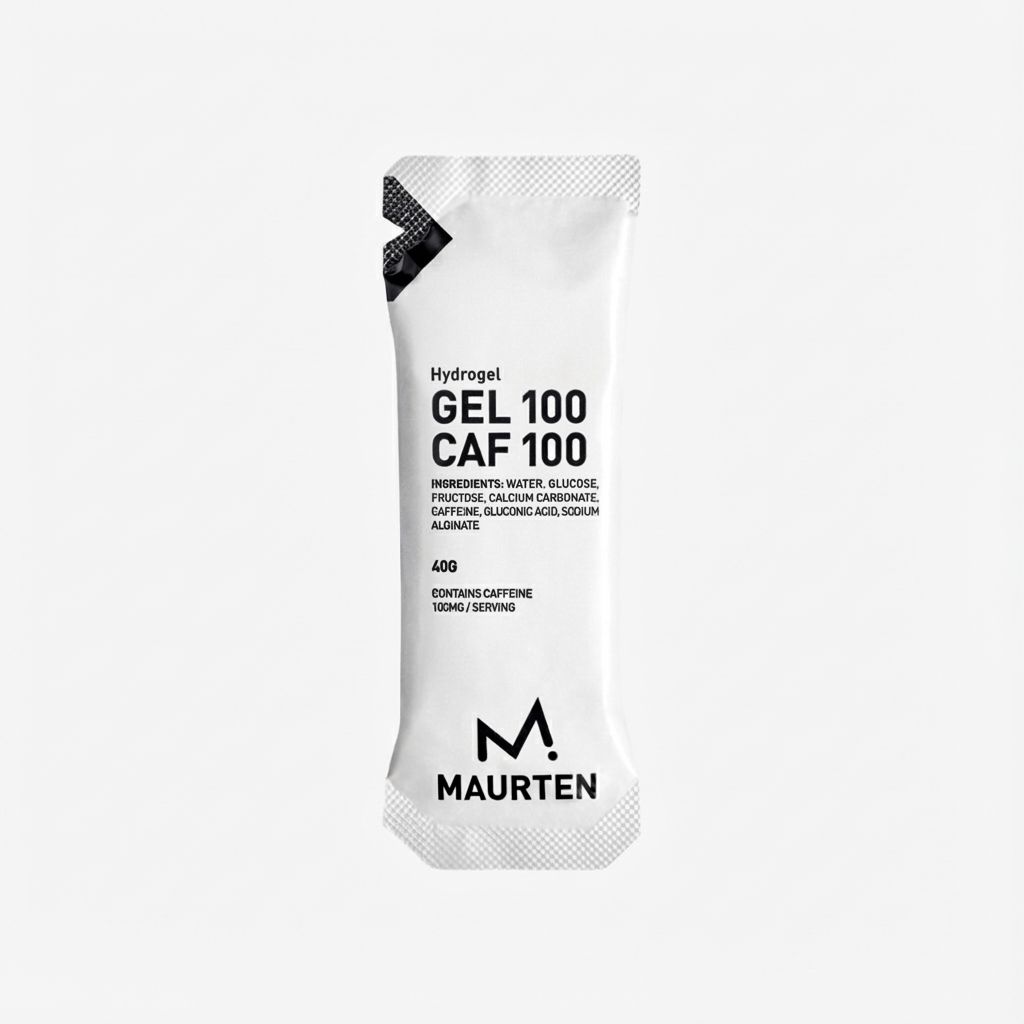
When it comes to picking the right gel, performance matters but so does what your body can actually tolerate. Samantha’s go-to recommendation is Maurten. “They’re scientifically formulated for high performance, gentle on the gut thanks to hydrogel technology and have clear, simple ingredients with no artificial additives. They’re also easy to dose and combine across gel and drink formats.”
So what should you be looking for on the label? “When deciding, look for 20-30g carbs per serving, clear caffeine content (if included), mild flavour, good texture, and a glucose/fructose blend for higher uptake if fuelling above 60g per hour,” she says. Texture and taste can be major factors in what works for you. “Some brands also use subtle flavours or lighter textures, which may be more tolerable,” she adds.
If the texture of gels just doesn’t sit right with you, there are other options. “Alternatives include chews or blocks, energy drinks and real food options like the Maurten Solid bars, gummy sweets or bananas,” Samantha explains. Whether you’re a gel person or not, the key is finding something you can consistently take on board… without upsetting your gut, your rhythm or your race.




This article is for informational purposes only, even if and regardless of whether it features the advice of physicians and medical practitioners. This article is not, nor is it intended to be, a substitute for professional medical advice, diagnosis, or treatment and should never be relied upon for specific medical advice. The views expressed in this article are the views of the expert and do not necessarily represent the views of Healf
Samantha Nice is a seasoned wellness writer with over a decade of experience crafting content for a diverse range of global brands. A passionate advocate for holistic wellbeing, she brings a particular focus to supplements, women’s health, strength training, and running. Samantha is a proud member of the Healf editorial team, where she merges her love for storytelling with industry insights and science-backed evidence.
An avid WHOOP wearer, keen runner (with a sub 1:30 half marathon) hot yoga enthusiast and regular gym goer, Samantha lives and breathes the wellness lifestyle she writes about. With a solid black book of trusted contacts (including some of the industry’s leading experts) she’s committed to creating accessible, well-informed content that empowers and inspires Healf readers.