













_2026-10-13_14-11-48.png)

Can This Ancient Herb Really Help With Hair Loss?
A new study is putting polygonum multiflorum back in the spotlight and is raising questions around how it works and whether it’s worth using.
Written by: Samantha Nice
Written on: 19 April 2026
Hair loss tends to creep up on us, gradually getting worse over time, and it affects far more people than most realise. Globally, over 160 million people experience some form of thinning or hair loss, driven by genetics, hormones, stress or nutrient deficiencies. So, it’s no surprise that any remedy hinting at regrowth quickly gets attention.
A recent study has brought renewed attention to how polygonum multiflorum, a herb used in Traditional Chinese Medicine, may interact with the hair growth cycle, particularly at the level of the hair follicle. Early findings suggest it could influence signalling pathways linked to inflammation and immune activity, which is where the idea of “reactivating” dormant hairs comes from. It sounds promising, but whether that translates into visible regrowth is a different question.
The herb that’s been linked to hair for centuries
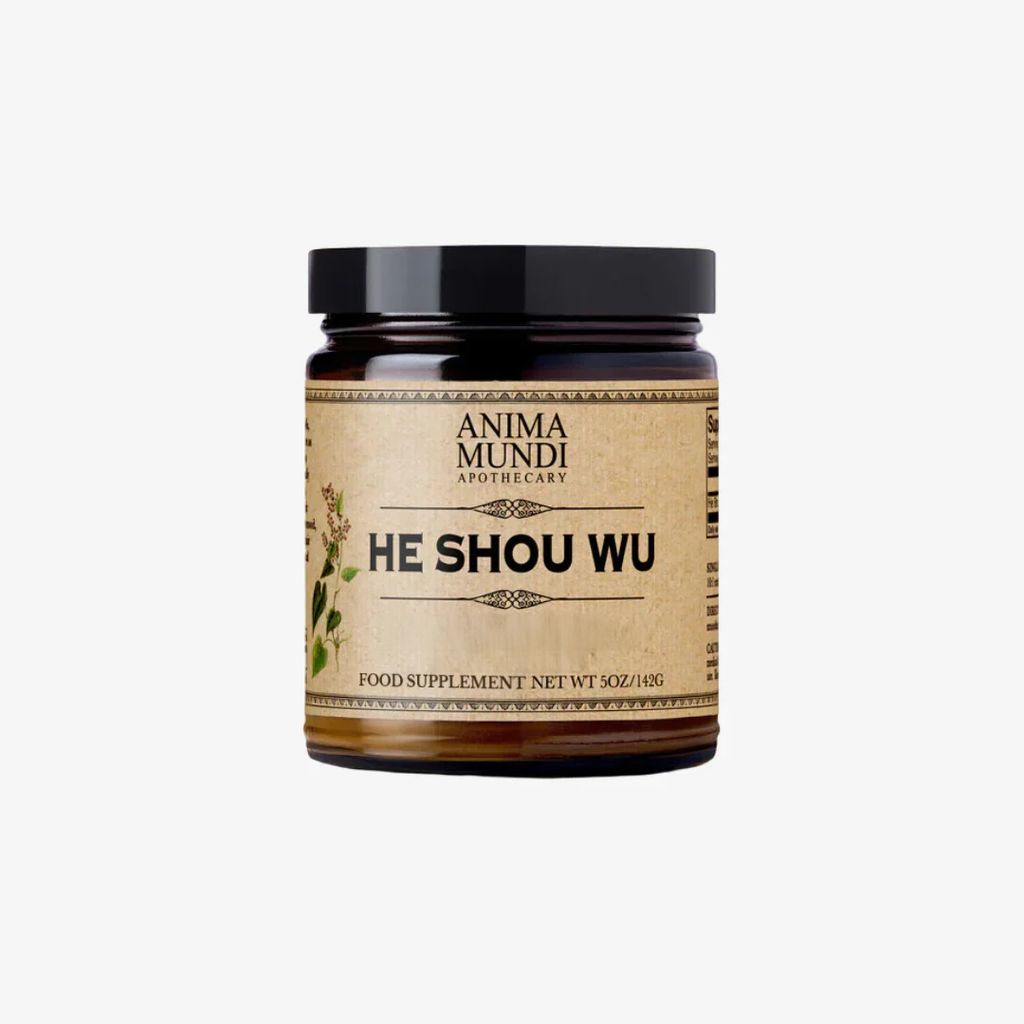
Polygonum multiflorum, also known as “he shou wu”, is often linked to hair growth in traditional Chinese medicine and has been used for centuries to support hair health, pigmentation and overall vitality.
“It’s a form of Chinese traditional medicine and offers a more holistic approach to hair loss,” explains trichologist Hannah Gaboardi. “The root of this plant has been used for many years to help restore hair colour, improve thickness and support longevity.”
The herb’s reputation for fighting hair loss largely comes from how it’s thought to interact with the hair growth cycle. “Some studies suggest it may influence it by prolonging the growth phase and reducing shedding,” says Gaboardi. “It is also linked to melanocyte production, which pigments the hair. This is why it’s often associated with reversing greying too.”
What the new research is actually suggesting
The latest study has brought renewed attention to how polygonum multiflorum might interact with the hair growth cycle, particularly at the level of the follicle. These findings suggest it may play a role in the signalling pathways linked to inflammation and immune activity around the follicle, which is where the idea of “reactivating” dormant hairs comes from.
Gaboardi is careful not to overstate what that means in practice. “There is very limited clinical research on how polygonum multiflorum can reactivate dormant follicles and it is unlikely that this alone can stimulate follicles,” she explains.
Hair growth is rarely driven by one single factor, which is why most approaches rely on consistency and a combination of treatments working together. If you want a deeper breakdown of what actually drives thinning, read Why Hair Thins And What Actually Works To Slow Hair Loss
“Dormant follicles are activated through constant stimulation,” she says. “Anti-androgenic treatments that block or reduce DHT (dihydrotestosterone, a hormone linked to hair thinning) remain the best option for hormone-driven hair loss, as they help prevent ongoing follicle miniaturisation. Minoxidil, whether topical or oral, is also very well supported for stimulating follicles and prolonging the growth phase when used consistently.”
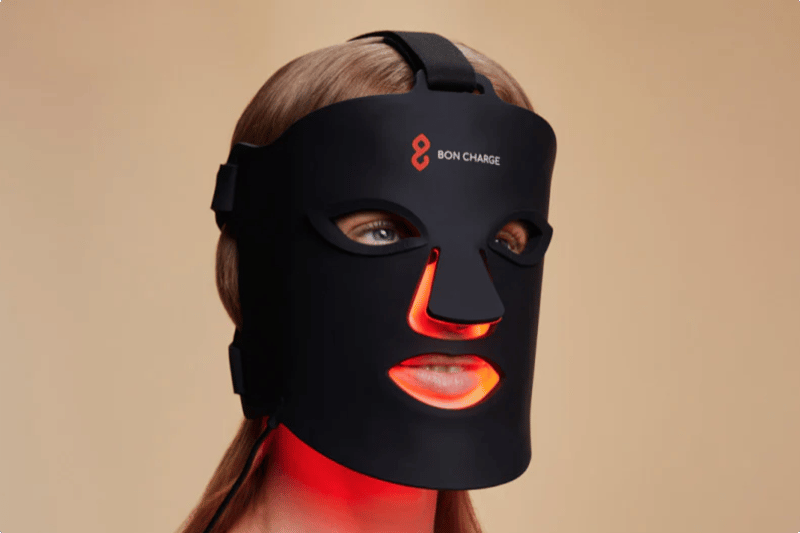
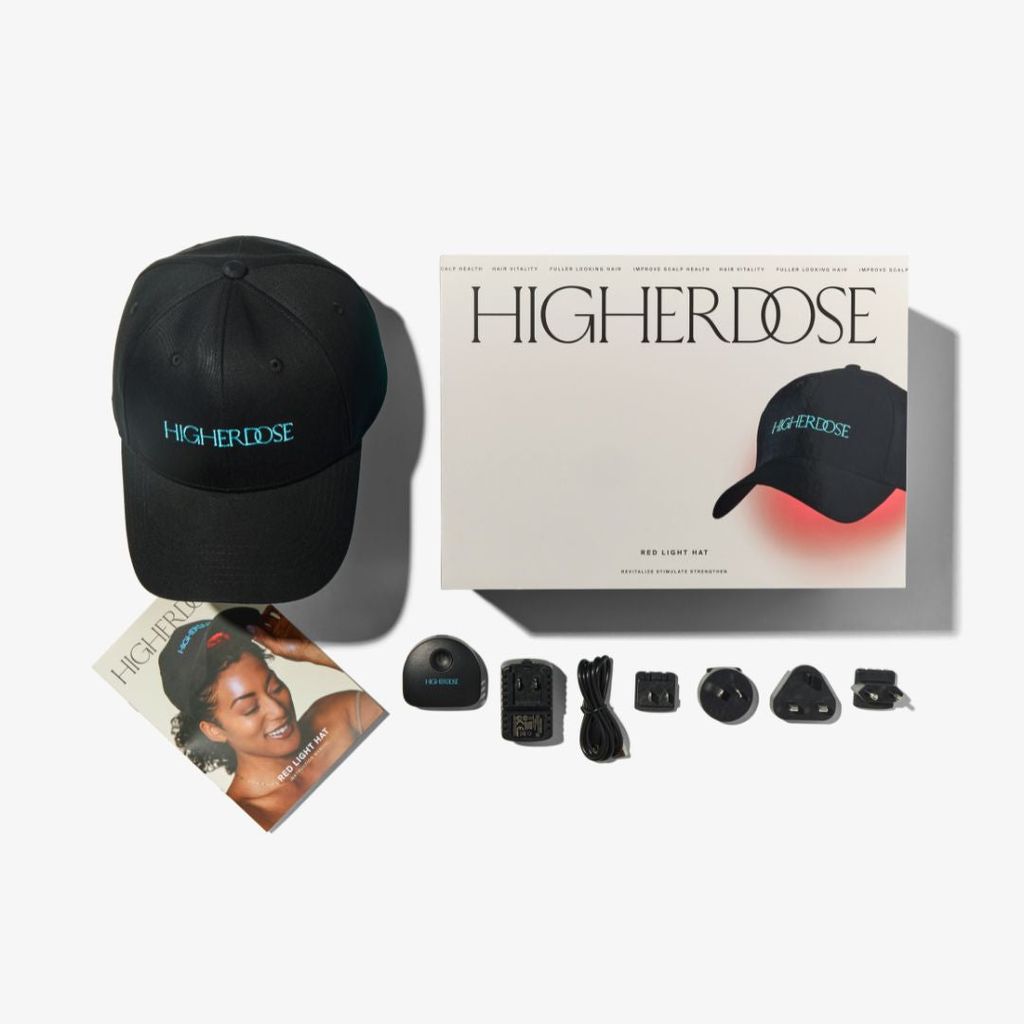
She also points to treatments like PRP and red light therapy, which are backed by growing evidence for improving density and supporting follicle function. However, it’s also important to address underlying factors, like nutrient deficiencies and hormonal balance, alongside these treatments, which is why most plans tend to combine approaches rather than rely on a single intervention.

Where the evidence currently stands
Despite its long history, today’s evidence is still catching up. “There is very limited clinical evidence that this works on its own for hair loss,” says Gaboardi. “This isn’t to take away from centuries of this medical practice, however from a modern medicine perspective, it cannot be a single solution for regrowth.”
Most of the research so far has been carried out in lab and animal settings, with far fewer large-scale human trials available. “It does appear to influence the exact pathways we target in hair growth,” she explains. “But there are not enough consistent, high-quality human trials and it’s not a primary treatment recommended.”
That puts the herb in an interesting position: it’s biologically relevant, with mechanisms that would appear to fight hair loss, but its potential as a front-line treatment for hair loss is not yet supported with strong enough data.
Who polygonum multiflorum may actually work for
The herb is likely to be more beneficial in specific situations, rather than something that works for everyone. “If polygonum multiflorum has any real effect, it’s most relevant in early-stage hair thinning where follicles are still active but weakened,” says Gaboardi.
She notes that its potential to prolong the growth phase could make it more suited to cases like telogen effluvium, a type of hair loss where more hairs than usual shift into the shedding phase, often triggered by stress, illness or hormonal changes.
Even then, it’s not a treatment you’d rely on in isolation. Addressing underlying factors like nutrient deficiencies, stress levels and hormonal imbalances tends to have a much bigger impact on how well hair recovers over time. For more complex types of hair loss, including hormonal, genetic or autoimmune conditions, a more structured, medical approach is still your best move.
Topical vs oral supplements: what to know before trying
Polygonum multiflorum can be used in two ways; either applied topically to the scalp, or taken as an oral supplement, but Gaboardi doesn’t typically recommend taking the herb in supplement form without proper medical supervision. “The oral supplement has documented risks of liver toxicity, especially with unregulated supplements,” she says.
Topical use is often the more straightforward option, as it is applied directly to the scalp and tends to work locally. “It’s generally safe and can be used if the scalp tolerates it well as topical application has minimal absorption into the bloodstream,” says Gaboardi. “However there are possible risks of dermatitis or irritation so when starting a new product, it’s also worth patch testing a little first.”
It ultimately comes down to understanding the trade-offs between the two methods and choosing the approach that makes the most sense for you.

So, Healf or hype?
Polygonum multiflorum has been relied on for generations, with modern research only just beginning to catch up. Whilst early findings point to some promising biological pathways, it’s not a standalone treatment. That doesn’t make it irrelevant, but it does change how you should think about using it.
“There’s definitely more interest in traditional ingredients and some of them are biologically interesting. But they don’t compare to established treatments in terms of consistency or clinical evidence,” says Gaboardi. “I see them as supportive tools, not replacements. If you combine them with the right professional approach, they can enhance results but on their own, they’re unlikely to give significant regrowth.”
For those dealing with early-stage thinning or looking to support an existing routine, it may be worth considering, particularly when used alongside other approaches that are better supported. For more pronounced, diagnosed or complex forms of hair loss, the fundamentals still carry more weight. Diagnosis, consistency, and targeted treatment tend to have a far bigger and more meaningful impact.

This article is for informational purposes only, even if and regardless of whether it features the advice of physicians and medical practitioners. This article is not, nor is it intended to be, a substitute for professional medical advice, diagnosis, or treatment and should never be relied upon for specific medical advice. The views expressed in this article are the views of the expert and do not necessarily represent the views of Healf
Samantha Nice is a seasoned wellness writer with over a decade of experience crafting content for a diverse range of global brands. A passionate advocate for holistic wellbeing, she brings a particular focus to supplements, women’s health, strength training, and running. Samantha is a proud member of the Healf editorial team, where she merges her love for storytelling with industry insights and science-backed evidence.
An avid WHOOP wearer, keen runner (with a sub 1:30 half marathon) hot yoga enthusiast and regular gym goer, Samantha lives and breathes the wellness lifestyle she writes about. With a solid black book of trusted contacts (including some of the industry’s leading experts) she’s committed to creating accessible, well-informed content that empowers and inspires Healf readers.