










































Breaking Down Biotics: A Deep Dive Into Pre, Pro And Postbiotics
The gut health trio explained: what they do, how they work together and which one you actually need

Written by: Samantha Nice
Written on: 5 January 2026
Gut health is no longer a niche interest. From digestion and immunity to mood, skin and metabolic health, the gut microbiome is now recognised as one of the biggest players in how we feel day to day. Supporting your gut isn’t just about avoiding bloating anymore… it’s about supporting your whole system.
We hear a lot about probiotics and prebiotics, but there’s a third, equally important piece of the puzzle that gets far less airtime: postbiotics. Together, these three work as a connected system, each playing a distinct role with none of them working properly on their own.
Once you understand how prebiotics, probiotics and postbiotics interact, it becomes much easier to take a more intelligent, personalised approach to gut health, rather than reaching for supplements blindly. Here, registered nutritional therapist Karen Murray breaks down what each one actually does, the benefits they offer and how to work out what kind of support your gut really needs.
What are prebiotics?
“Prebiotics are a type of dietary fibre found in certain plant-based foods that our bodies can’t fully digest,” explains Karen. “Instead of being broken down like other nutrients, prebiotics travel to the gut, where they serve as food for beneficial gut bacteria.”
By feeding these bacteria, prebiotics help them grow and thrive, supporting a healthier and more balanced gut microbiome. This microbial diversity is a key marker of gut resilience and long-term digestive health. Some of the most common prebiotic fibres include inulin, fructooligosaccharides (FOS) and resistant starch. These fibres support digestion, nutrient absorption, immune regulation and regular bowel movements.
“Prebiotics are found in foods such as garlic, onions, asparagus, leeks, bananas, apples, chicory root and dandelion greens,” says Karen. In reality, many of us don’t eat enough of these foods consistently, which is where prebiotic supplements can be helpful — particularly for those with low fibre intake, dietary restrictions, gut sensitivity or increased microbiome demands.
Prebiotics at a glance
Best for:
Supporting long-term gut resilience
Feeding beneficial bacteria
Improving regularity and digestion
Consider prebiotics if: your diet is low in fibre, you’re recovering from antibiotics, or you want to strengthen your microbiome over time.
What are probiotics?
Probiotics are live beneficial microorganisms that help maintain balance within the gut ecosystem.
“Probiotics are best thought of as beneficial bacteria and yeasts that, when consumed in the right amounts, can help maintain a healthy balance in your gut microbiome,” says Karen. “This balance is essential for proper digestion, immune function and overall wellbeing.”
The most well-researched probiotic strains belong to the Lactobacillus and Bifidobacterium families. These strains have been shown to aid digestion, help prevent the overgrowth of harmful bacteria and reduce symptoms such as bloating, gas and irregular bowel movements.
“You’ll find natural probiotics in fermented foods such as yoghurt, kefir, kimchi and sauerkraut,” Karen adds. For those who don’t regularly consume fermented foods, probiotic supplements can help increase beneficial bacteria intake; especially during or after periods of disruption such as illness, stress or antibiotic use.
Probiotics at a glance
Best for:
Rebalancing the gut after disruption
Supporting digestion and immune function
Reducing bloating or irregular bowel movements
Consider probiotics if: you’ve recently taken antibiotics, you’re experiencing digestive upset, or fermented foods aren’t a regular part of your diet.
What are postbiotics?
Postbiotics are often less discussed, but they’re a crucial part of how gut health actually works. “Postbiotics are the non-living beneficial compounds produced when gut bacteria digest prebiotic fibres,” explains Karen. “Essentially, they are the byproducts of this process.”
These compounds include short-chain fatty acids (SCFAs), enzymes, certain vitamins and other bioactive substances produced during fermentation in the large intestine. “Unlike probiotics, postbiotics are not alive,” Karen explains. “But they still deliver many of the health benefits associated with a healthy gut microbiome.”
Postbiotics help fuel and protect the gut lining, strengthen the intestinal barrier, support immune regulation and influence inflammation and metabolic processes throughout the body. In simple terms, when probiotics digest prebiotics, your body produces postbiotics, and these compounds are responsible for many of the positive effects we associate with good gut health.
Postbiotics at a glance
Best for:
Supporting gut barrier health
Regulating inflammation and immunity
Offering gut benefits without live bacteria
“Postbiotics may be especially helpful for people with sensitive digestion, weakened immune systems or those who experience bloating from probiotics,” says Karen. Because they’re non-living, they’re stable and don’t need to survive stomach acid to be effective.
How prebiotics, probiotics and postbiotics work together
Rather than functioning separately, they are best thought of as an integrated system. “They essentially work together as a team,” says Karen. “Prebiotics provide the food or fuel that beneficial gut bacteria need to thrive. Probiotics help increase and maintain healthy bacteria in the gut. When these bacteria break down prebiotic fibres, they produce postbiotics.”
Together, they support a balanced microbiome, strengthen the gut lining and help regulate digestion, immunity and inflammation. This is why focusing on just one component (for example, taking probiotics without adequate fibre) may limit results.
Gut health isn’t about adding bacteria alone. It’s about supporting the entire ecosystem and the processes that keep it functioning well.
The benefits of supporting all three
Improved digestion and reduced bloating
“A balanced gut microbiome plays a central role in breaking down food efficiently and absorbing nutrients,” says Karen. Supporting prebiotics, probiotics and postbiotics can help ease bloating, gas and irregular bowel movements and may alleviate symptoms associated with conditions like IBS.
Immune and inflammation support
Over 70% of the immune system resides in the gut. “Postbiotics, particularly short-chain fatty acids, play a key role in supporting immune function and regulating inflammation,” Karen explains. This helps protect the gut barrier and reduce low-grade inflammation.
Mental health and mood support
The gut-brain axis links gut health to mental wellbeing. “Supporting a healthy microbiome may have positive effects on mood and cognitive function,” says Karen, highlighting the role of microbial byproducts in neurotransmitter balance.
Skin and metabolic health
Emerging research suggests that a well-supported microbiome may help with clearer skin and better metabolic balance by reducing systemic inflammation and improving nutrient utilisation.
When to consider supplementation
While a fibre-rich diet and fermented foods are the foundation, supplementation can offer targeted support when the gut is under extra strain.
“You might consider prebiotic, probiotic or postbiotic supplements if you’re experiencing symptoms such as bloating, gas, constipation or diarrhoea,” says Karen. Other situations include:
Recent antibiotic use, which can disrupt beneficial bacteria.
Low-fibre diets, limiting fuel for gut microbes
Chronic digestive or inflammatory conditions such as IBS or IBD.
Frequent illness or weakened immunity.
“Because the gut and immune system are closely linked, improving gut balance can help strengthen the body’s defences,” Karen adds.
Expert tips on choosing the right gut health supplement
Not all gut health supplements are created equal. Whether you’re considering a prebiotic, probiotic, postbiotic or a combination of the three, choosing the right product makes a big difference to both effectiveness and tolerance. Here’s what to look for, according to Karen.
1. Look for clinically studied probiotic strains
Not every probiotic on the shelf has proven benefits. “It’s important to prioritise supplements that list well-researched strains, such as those from the Lactobacillus or Bifidobacterium families,” says Karen, rather than vague blends with little detail.
You should also check the CFU count (colony-forming units), which indicates how many live bacteria you’re consuming. “A typical daily dose contains around 10 billion CFUs,” Karen explains. “Although some targeted or therapeutic formulas may offer higher doses, especially for post-antibiotic support or specific digestive issues.” More isn’t always better, so matching dose to your needs is key.
2. Check the prebiotic fibre type and dosage
Prebiotic supplements should clearly list the type of fibre they contain, such as inulin, FOS (fructooligosaccharides) or resistant starch, along with the amount per serving. Different fibres ferment at different rates in the gut, which can affect tolerance.
“Too little fibre may be ineffective, while too much too quickly can lead to bloating or discomfort,” Karen explains. “Formulations vary by brand and product, so carefully follow the usage and dosage guidelines on the label to ensure maximum effectiveness.” Starting low and increasing gradually can help the gut adapt more comfortably.
3. Consider postbiotics for gentler support
For those with sensitive digestion, postbiotics may be a useful option to look for. Because postbiotics are non-living compounds, they don’t need to survive stomach acid or colonise the gut to be effective.
“When choosing a postbiotic supplement, look for clearly identified active compounds, evidence-based formulations and transparent labelling,” Karen advises. Reputable brands with strong quality control and research-backed ingredients are particularly important here.
4. Choose the right format for your lifestyle
Gut health supplements come in many forms, including capsules, powders, chewables and liquids. Capsules are often convenient and travel-friendly, while powders allow for more flexible dosing and can be mixed into food or drinks.
“What’s best really depends on your lifestyle, tolerance and personal preference,” says Karen. The most effective supplement is the one you’ll actually take consistently.
5. Timing matters more than you think
When and how you take your supplements can influence how well they work. “Probiotics are often best taken with meals,” Karen explains, “as food helps buffer stomach acid, increasing the chances that the live bacteria survive the digestive process and reach the intestines.”
“Prebiotics can typically be taken at any time of day,” she adds, “but consuming them with food may ease digestion and reduce bloating during the adjustment period.” Postbiotics are generally less timing-sensitive, but consistency is still important.
Above all, take your supplements daily and give them time. “It may take a few days to a few weeks to notice benefits,” Karen notes, especially when supporting long-term gut balance rather than addressing acute symptoms.
Healf-approved gut health support, mapped to what your gut needs
Many supplements combine elements of prebiotics, probiotics and postbiotics. These are some of our most trusted options:
For daily pre + probiotic support
Seed DS-01 Daily Synbiotic (Pre + Probiotic) A clinically robust and just-dropped new arrival here at Healf, this daily synbiotic combines 24 probiotic strains with a pomegranate-derived prebiotic. Its clever capsule-in-capsule technology is designed to protect live cultures through digestion, making it a strong option for comprehensive, research-led gut microbiome support.
For easy, everyday gut balance
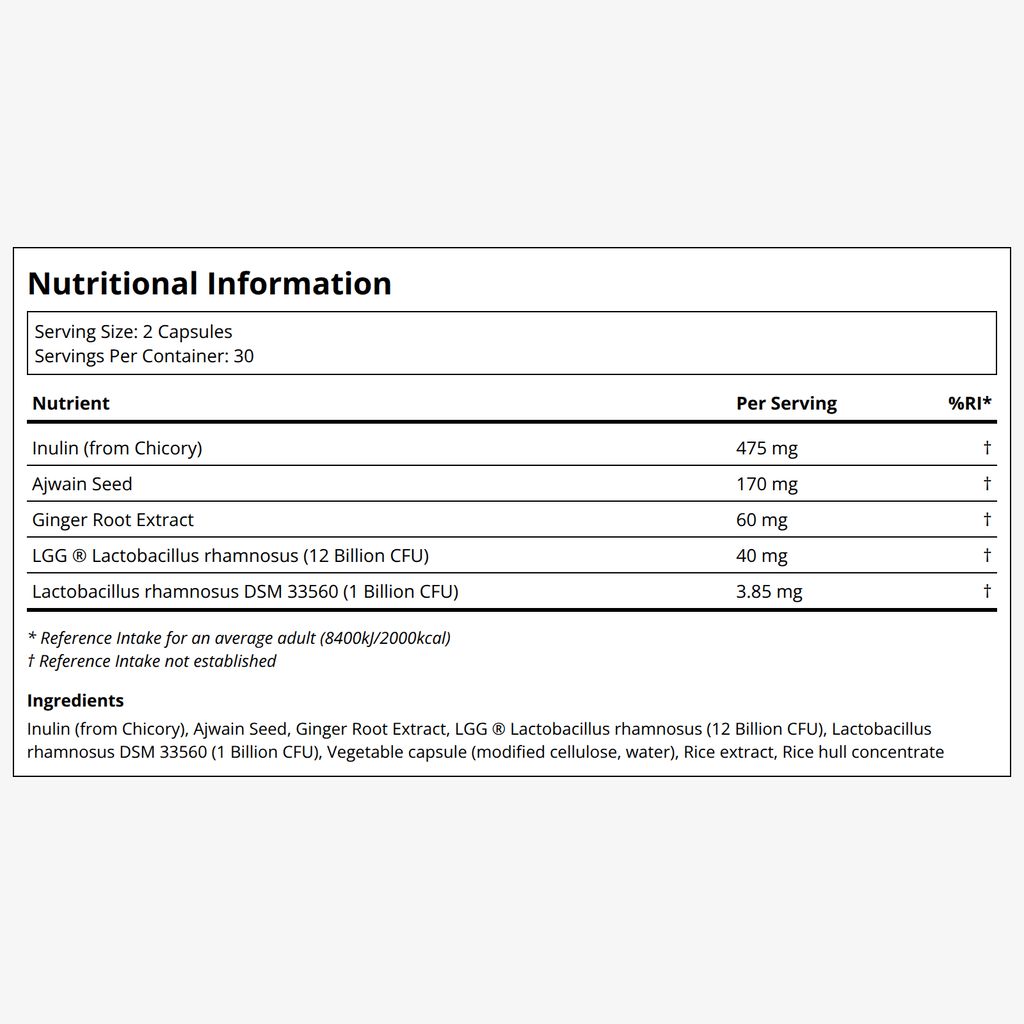
Hilma Daily Pre + Probiotic (Pre + Probiotic) A gentle, approachable formula, this one blends live cultures with chicory root prebiotic fibre and soothing botanicals like ginger and ajwain. Ideal for daily digestive balance, especially for those wanting gut support that feels simple, natural and easy to maintain.

For all three in one
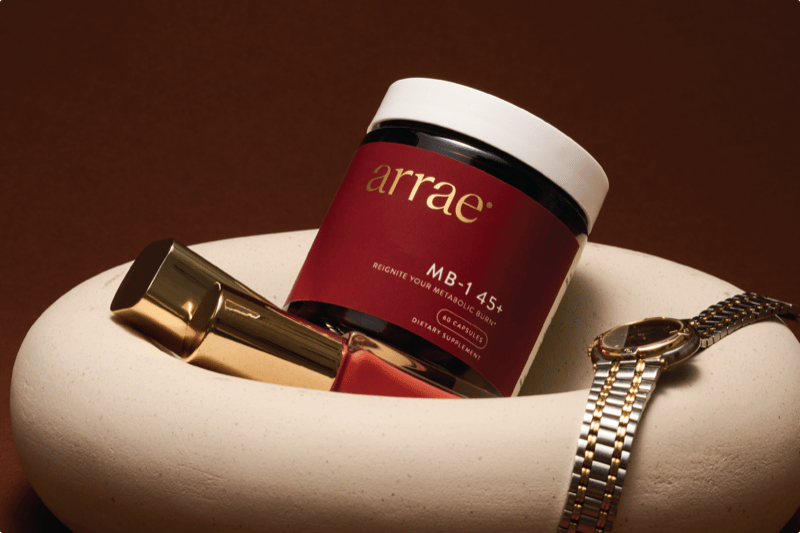
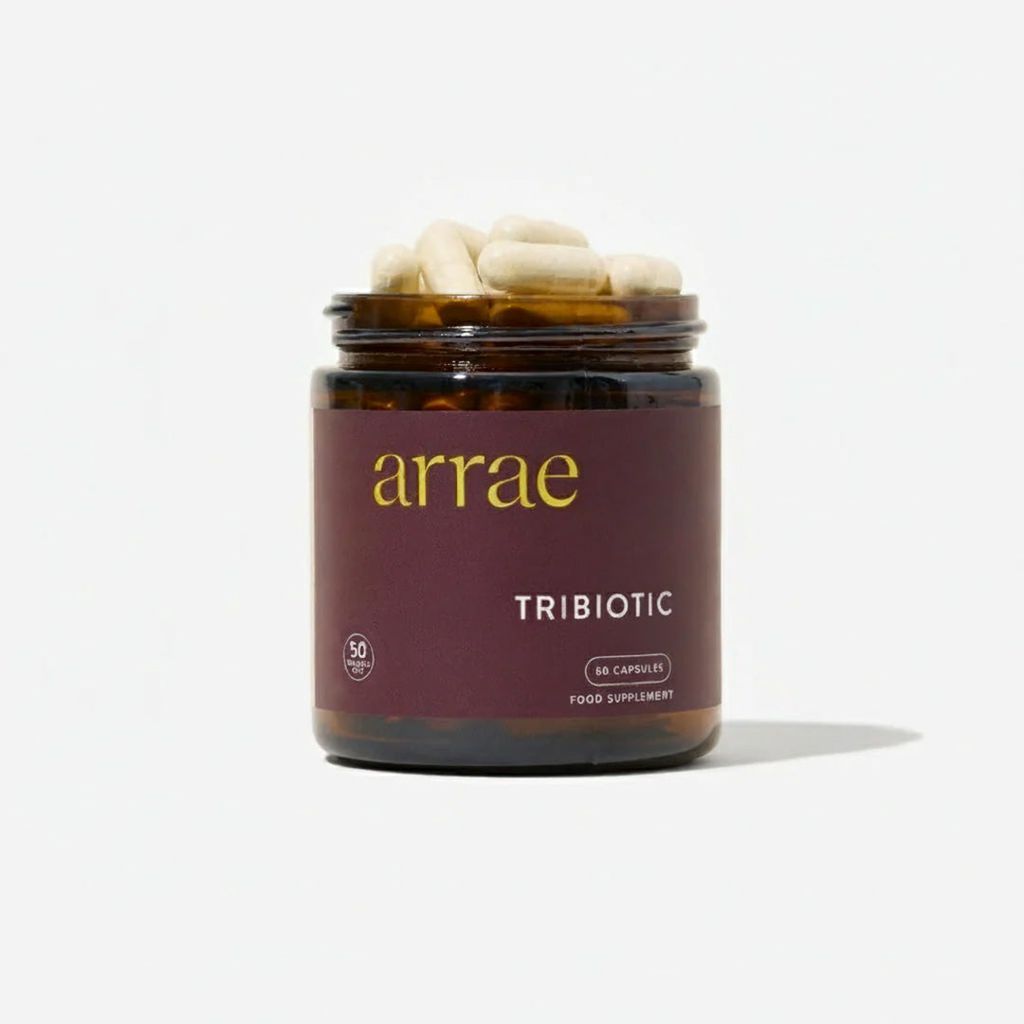
Arrae Tribiotic (Pre + Pro + Postbiotic) A true three-in-one blend of prebiotics, probiotics and postbiotics, plus immunoglobulin concentrate, this one is great for those seeking streamlined gut support. It delivers broad microbiome coverage in a single dose without needing multiple supplements which is always a win.

For gentle, fibre-first gut support
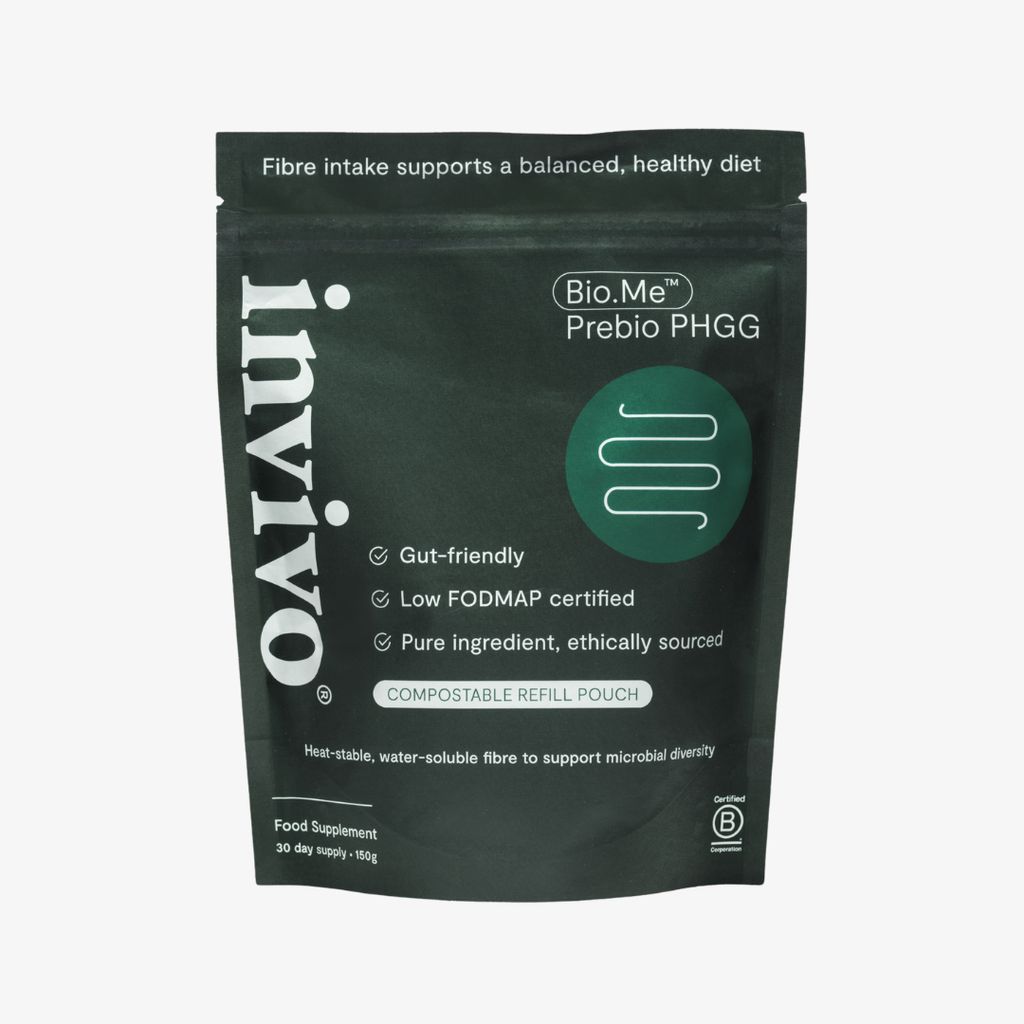
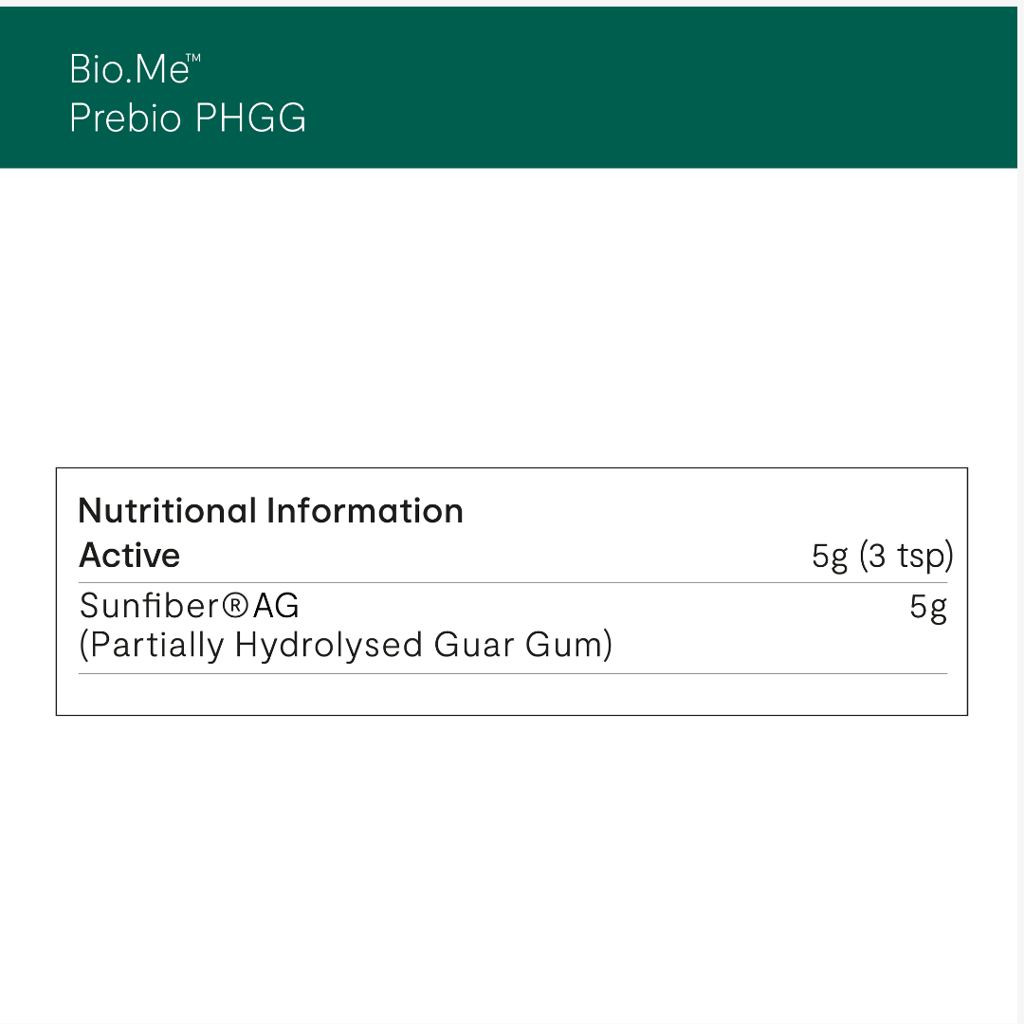
Invivo Bio.Me Prebio PHGG (Prebiotic only) A clinically researched, low-FODMAP prebiotic fibre made from partially hydrolysed guar gum, this is flavourless and easy to mix into food or drinks. We also love that it’s well suited to sensitive digestion and supports regularity without feeding live bacteria directly.
For a targeted probiotic
Cymbiotika Probiotic (Probiotic-focused) A multi-strain probiotic blend featuring 19 live cultures alongside botanical extract, this is a solid option if you’re looking to increase microbial diversity with a premium, plant-forward formula that fits seamlessly into your existing routine.
A few possible side effects and watch-outs
“Prebiotic and probiotic supplements are generally safe for most people,” says Karen. “Some individuals may experience mild bloating or gas initially.” These symptoms are usually temporary. However, those with underlying health conditions, compromised immunity or recent surgery should always seek professional guidance before supplementing.
The takeaway
Prebiotics, probiotics and postbiotics each play distinct, but interconnected roles in gut health. Prebiotics feed beneficial bacteria, probiotics help maintain and restore them and postbiotics deliver many of the compounds that support gut, immune and metabolic health. Understanding how they work together allows for a more informed, flexible and sustainable approach to gut support… one rooted in function rather than fads.
Your questions, answered
What is the best prebiotic supplement?
The best prebiotic supplement contains well-studied fibres such as inulin or FOS and is well tolerated at an appropriate dose.
What are the signs you need prebiotics?
Bloating, gas, constipation, irregular bowel movements or a low-fibre diet may indicate a need for prebiotics.
Is it better to take a probiotic or a prebiotic?
They work best together. Prebiotics feed probiotics, supporting their effectiveness.
What do postbiotics do?
Postbiotics are beneficial compounds produced by gut bacteria that support the gut lining, immunity and inflammation regulation.
Who should consider postbiotics?
Postbiotics may suit those with sensitive digestion, weakened immunity or those who don’t tolerate live probiotics well.
Can you take prebiotics, probiotics and postbiotics together?
Yes. In fact, they often work best as part of a combined approach to gut health.




This article is for informational purposes only, even if and regardless of whether it features the advice of physicians and medical practitioners. This article is not, nor is it intended to be, a substitute for professional medical advice, diagnosis, or treatment and should never be relied upon for specific medical advice. The views expressed in this article are the views of the expert and do not necessarily represent the views of Healf
Samantha Nice is a seasoned wellness writer with over a decade of experience crafting content for a diverse range of global brands. A passionate advocate for holistic wellbeing, she brings a particular focus to supplements, women’s health, strength training, and running. Samantha is a proud member of the Healf editorial team, where she merges her love for storytelling with industry insights and science-backed evidence.
An avid WHOOP wearer, keen runner (with a sub 1:30 half marathon) hot yoga enthusiast and regular gym goer, Samantha lives and breathes the wellness lifestyle she writes about. With a solid black book of trusted contacts (including some of the industry’s leading experts) she’s committed to creating accessible, well-informed content that empowers and inspires Healf readers.