








_2026-10-13_14-11-48.png)


Light Medicine: How Red Light Therapy Is Changing The Way We Heal
From boosting skin health and reducing inflammation to supporting hormones and thyroid function, here's how this therapy is changing the way we heal.
Written by: Eleanor Hoath
Written on: 6 March 2026
Red light therapy has rapidly gone from niche clinical intervention to one of the most talked-about tools in modern wellbeing and for good reason. As research deepens, the evidence behind this modality continues to grow, validating what early adopters and innovators like Bon Charge have long believed: red light therapy supports healing at the cellular level, and its applications stretch far beyond beauty.
But what exactly is red light therapy? Why is it suddenly everywhere? From elite sports facilities to home bathrooms and what makes it such a powerful, multi-system tool for recovery, longevity and mental wellbeing?
To explore the science and future of red light, I spoke with Andy and Katie Mant, founders of Bon Charge, a brand committed to translating research-backed health technologies into accessible, at-home wellness solutions.
Diving into the science: how red light works at a cellular level
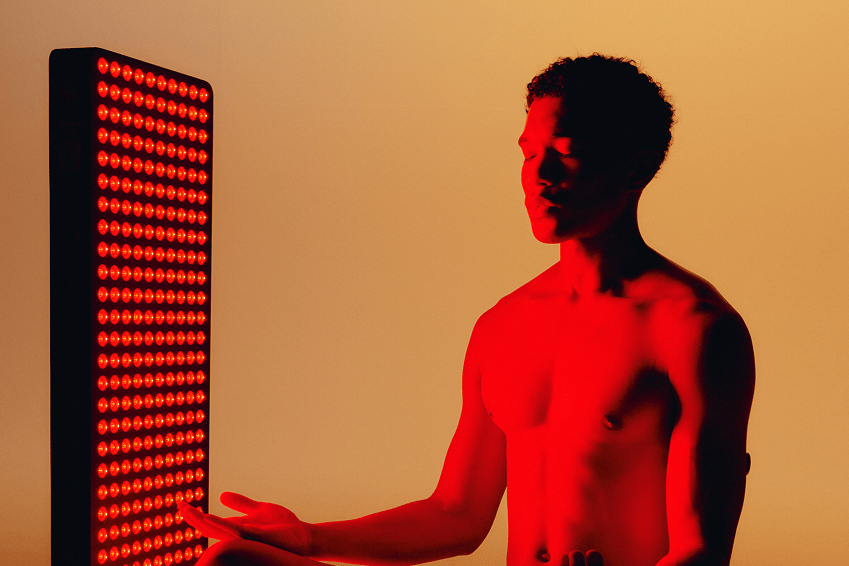
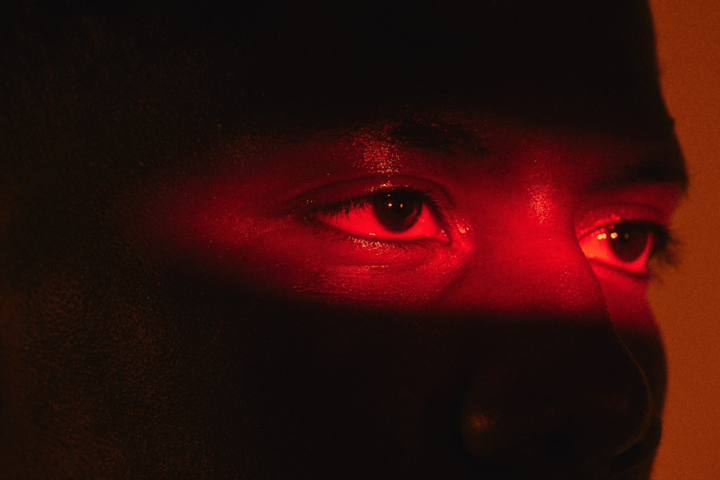
At its core, red light therapy (RLT) involves exposing the body to specific wavelengths of red (typically 620–750 nm) and near-infrared (NIR, 750–1,100 nm) light. These wavelengths penetrate the skin and are absorbed by our cells, particularly the mitochondria, the tiny organelles responsible for energy production.
“When red and near-infrared light reaches the mitochondria, it helps to optimise the function of cytochrome c oxidase, a key enzyme in the electron transport chain,” explains Andy. “This improves the production of ATP, or adenosine triphosphate, which is the energy currency of the cell.” In simpler terms, red light therapy supports energy production, reduces oxidative stress, and improves cellular repair mechanisms without generating heat or damaging tissue. This cascade of effects translates into tangible outcomes: reduced inflammation, enhanced circulation, faster recovery, and improved tissue regeneration.
Evidence-backed benefits of Red Light Therapy
Clinical studies and real-world applications have shown red light therapy to be effective in a wide range of areas:
Skin Health: Red light has been shown to increase collagen synthesis, improve skin texture, reduce fine lines and wrinkles, and accelerate wound healing. Dermatological studies have consistently demonstrated improvements in conditions such as acne, rosacea, and post-inflammatory pigmentation.
Muscle Recovery & Performance: Athletes are increasingly turning to red light therapy to reduce delayed onset muscle soreness (DOMS) and speed up recovery post-training. It also enhances circulation, reduces oxidative stress in muscle tissue, and may help improve endurance and strength when used pre-exercise.
Pain Management: RLT is widely used for joint pain, arthritis, and chronic inflammatory conditions. It’s been shown to reduce pain markers and improve mobility, making it an appealing alternative or adjunct to pharmaceutical interventions.
Mood & Sleep: Emerging evidence suggests red and near-infrared light can influence melatonin production, improve sleep onset, and support mood regulation by balancing circadian rhythms. “There’s increasing awareness of how light exposure affects mental health, and red light therapy is proving to be a valuable tool for emotional resilience,” says Katie.
Cognitive Function: Studies are now exploring red light’s impact on brain health. Near-infrared light can penetrate the skull and enhance cerebral blood flow, supporting memory, focus, and neuroplasticity. This area of research is particularly promising in the context of neurodegenerative conditions like Alzheimer’s and Parkinson’s.


Shifting from clinic to home
Five years ago, red light therapy was primarily confined to clinical settings, elite sports recovery programmes, or specialised dermatology practices. Today, it’s making its way into homes and becoming a daily habit for many - helped along by the growing availability of trusted, science-led wellness brands such as Bon Charge and retailers like Healf.
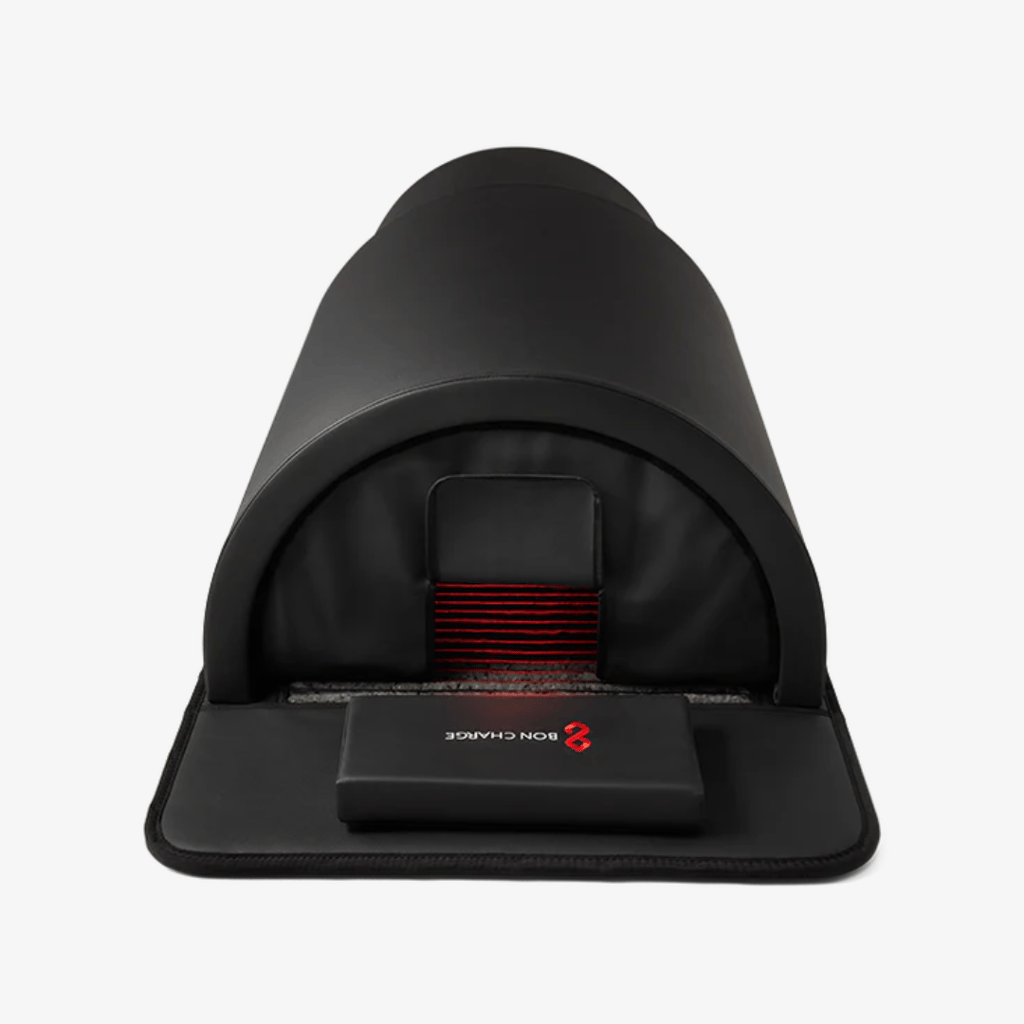
This shift is largely due to improvements in technology and accessibility. Bon Charge has been at the forefront of that transformation, designing devices that combine clinical-grade efficacy with user-friendly design.
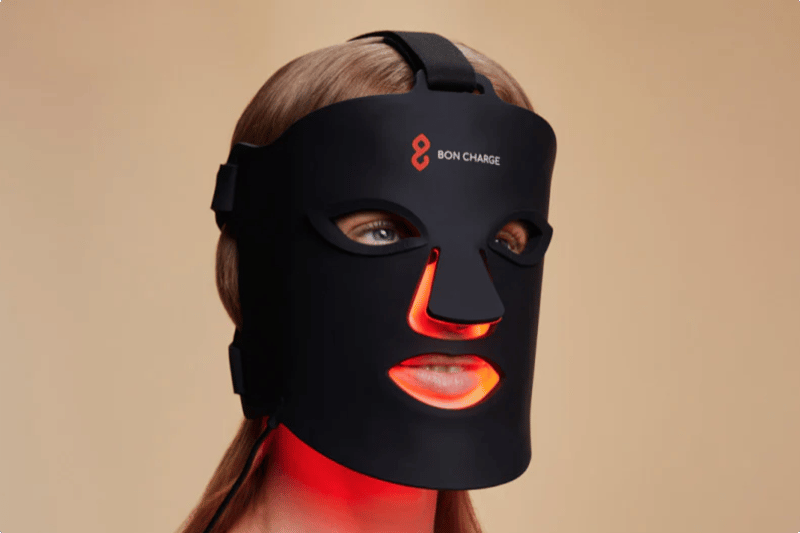
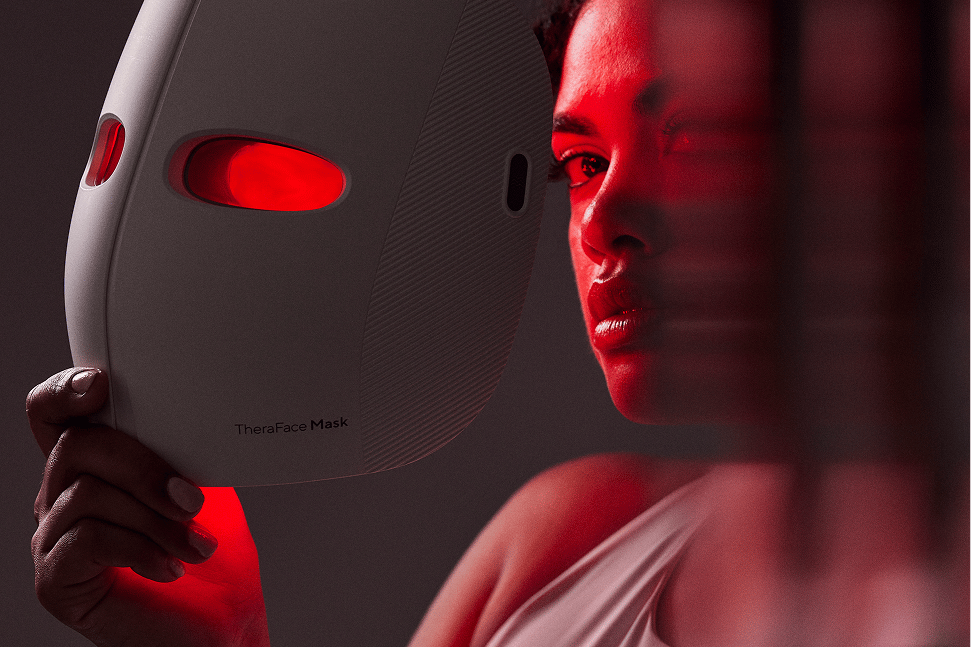
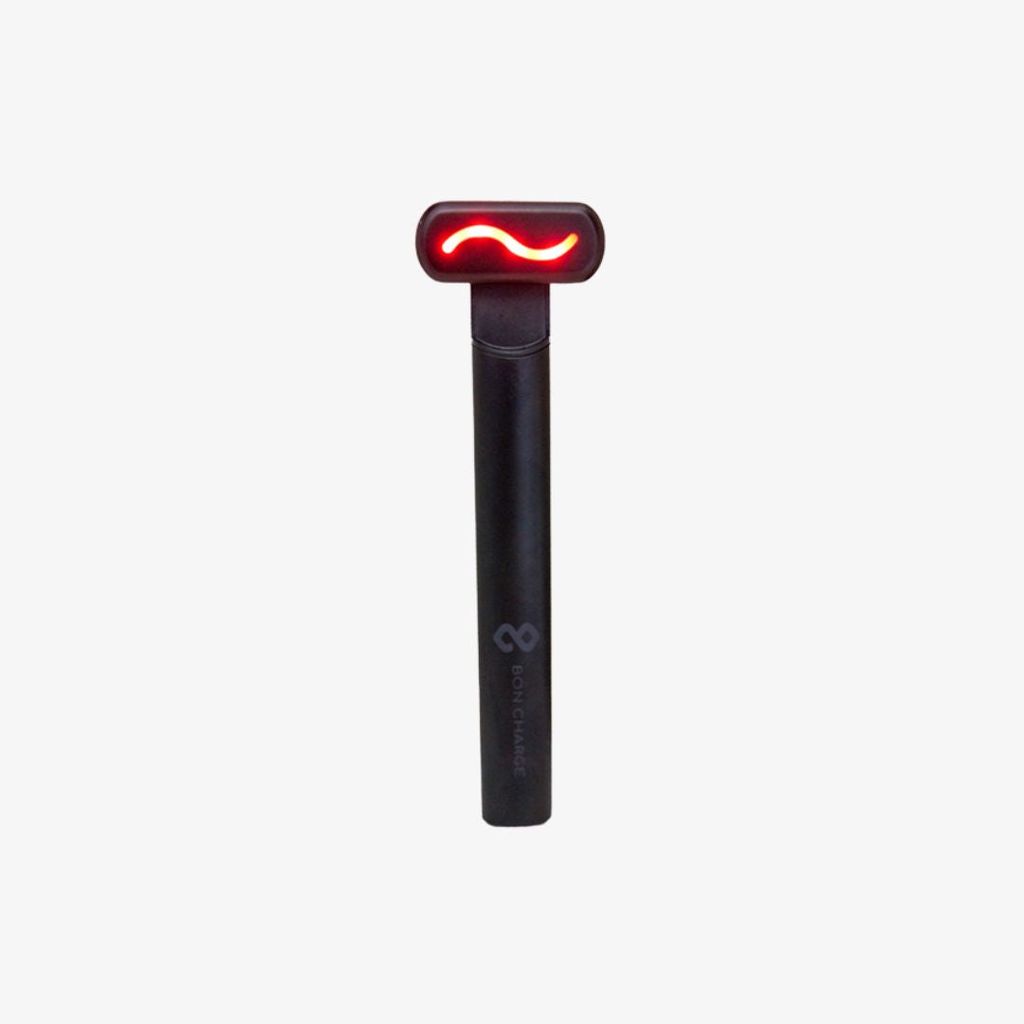
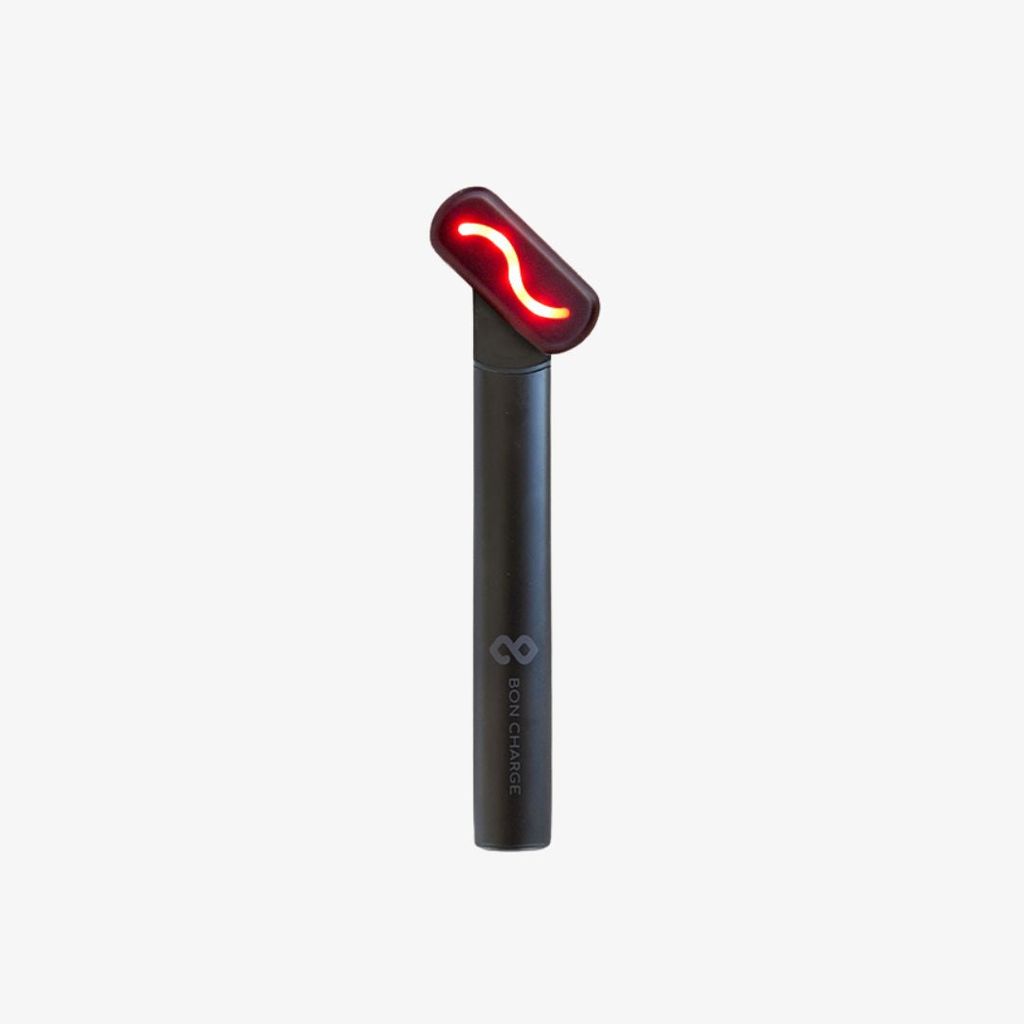
“Advances in LED technology have allowed us to create targeted, wearable, and full-body devices that deliver the correct wavelengths and irradiance levels without requiring clinical supervision,” says Katie. “From our red light face wand to full-body panels and blankets, our goal is to make red light therapy convenient, effective, and consistent.”
The importance of routine and education
Like exercise or nutrition, the benefits of red light therapy build with consistent use. One common misconception is that results are instant or purely cosmetic. “It’s not just a beautiful light,” Andy stresses. “Red light therapy is a systemic health tool. But you need regular exposure, ideally three to five times per week to see and feel lasting benefits.”
To address misinformation, Bon Charge invests heavily in education. They simplify complex research into easy-to-understand content, helping consumers understand safe usage, ideal session lengths (typically 10–20 minutes per area), and frequency guidelines. “We want people to know what they’re doing and why it works,” says Katie. “That’s what builds trust, and ultimately, results.”
Innovations on the horizon
Red light therapy is also starting to intersect with other technologies and treatment protocols. “We’re seeing surgeons incorporate red light into procedures - such as using it to optimise stem cells before fat transfer,” says Katie. “It’s early-stage, but incredibly exciting.” Other emerging areas include:
Hair Regrowth: Low-level laser therapy (LLLT) using red light is showing promise for androgenetic alopecia (hair loss), with studies reporting increased hair density and follicle activity.
Hormonal Health: Red light exposure may influence thyroid function, testosterone levels, and oestrogen metabolism—though more data is needed.
Gum Health: Red and near-infrared light may also support oral health by reducing inflammation in the gums, promoting tissue regeneration, and improving blood flow. Preliminary studies have shown potential benefits in managing periodontal disease and supporting recovery following dental procedures.
From red light to real life
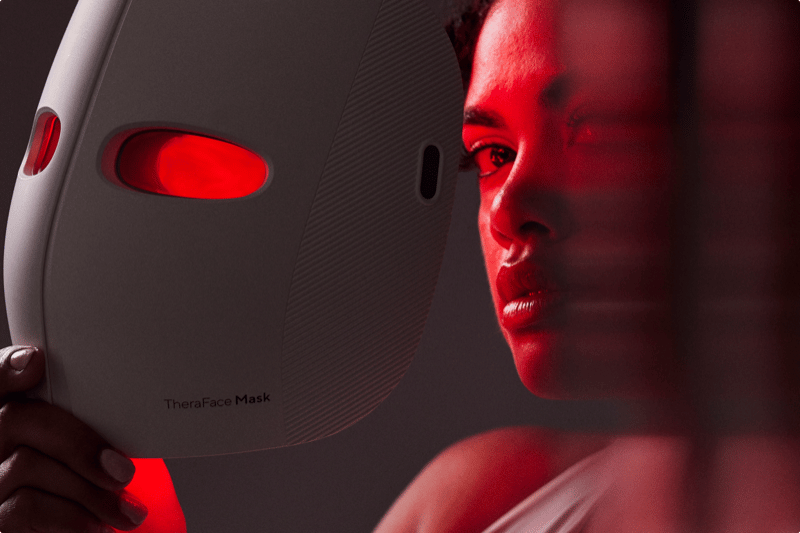
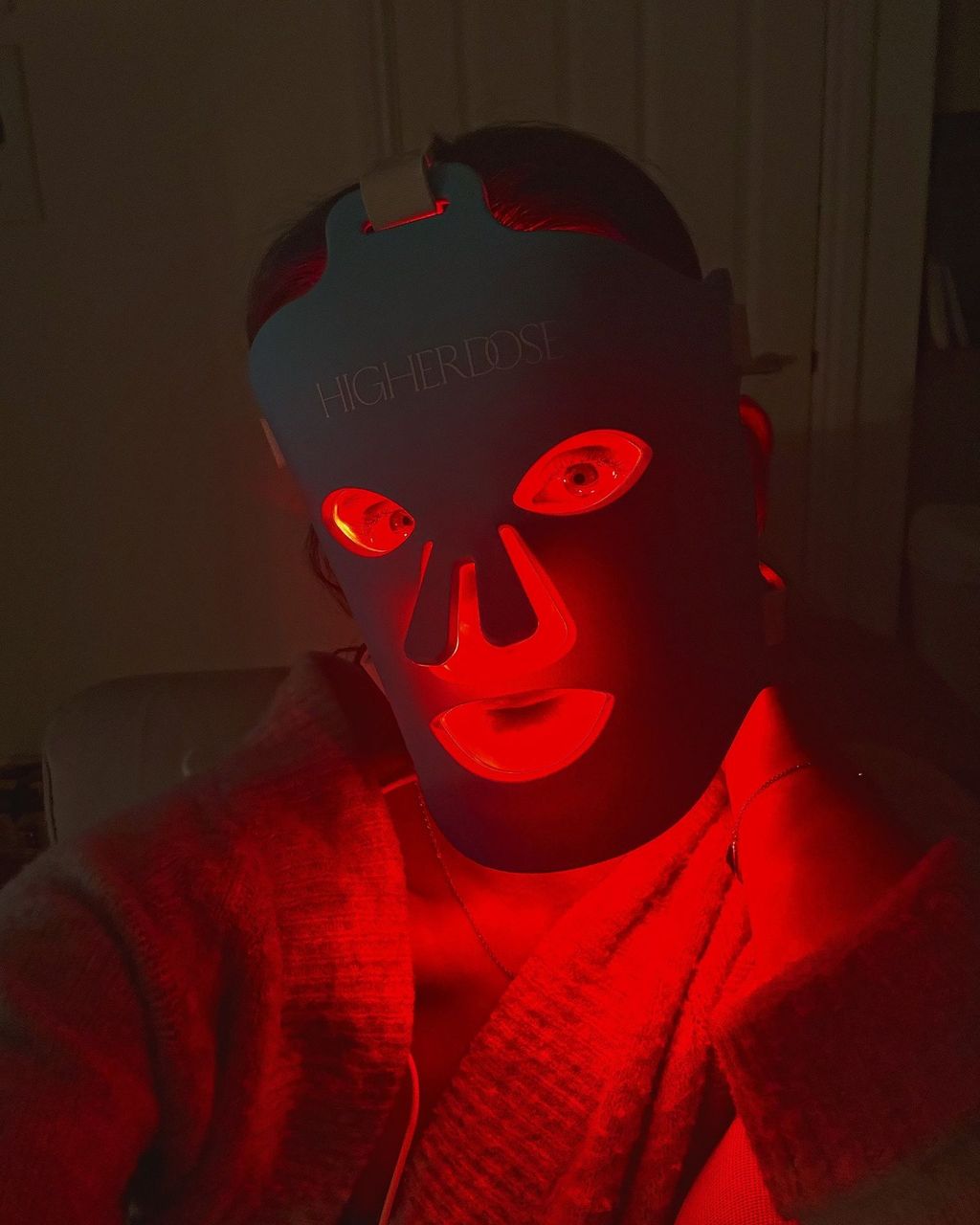
For Katie, red light therapy is more than a business, it's part of her daily wellbeing routine. “I use our Red Light Face Wand most mornings, do a face mask three times a week, and schedule full-body sessions with our panel or blanket. Even at work, our office is lit with red light - our Demi device is on every desk.”
This level of integration reflects what red light therapy is becoming: not just a treatment, but a lifestyle tool. A way to support recovery, vitality, and emotional wellbeing without friction, side effects or downtime.
A paradigm shift in healing
As someone who has explored wellbeing both personally and professionally, I see red light therapy as a marker of where the industry is headed: science-backed, non-invasive, and rooted in systems thinking.
It’s no longer about treating symptoms in isolation. It’s about supporting the body holistically at the cellular level with tools that empower people to take healing into their own hands. Red light therapy is not a miracle cure. But it is one of the most well-researched, multi-dimensional, and user-friendly tools we have today—and it’s changing the future of wellbeing, one wavelength at a time.


This article is for informational purposes only, even if and regardless of whether it features the advice of physicians and medical practitioners. This article is not, nor is it intended to be, a substitute for professional medical advice, diagnosis, or treatment and should never be relied upon for specific medical advice. The views expressed in this article are the views of the expert and do not necessarily represent the views of Healf
Eleanor Hoath is a Registered Nutritional Therapist (DipNT, mANP, mBANT) specialising in gut, skin and women’s health. She is the Editor of The Healf Source and founder of Well Nourished Nutrition Ltd.
Passionate about holistic wellbeing and balanced living, Eleanor combines evidence-based nutrition with a practical, approachable style to help people feel their best through content.
Based in London, she is dedicated to empowering individuals to nurture their health and understand the root cause of their symptoms from the inside out.