





















_2026-10-13_14-11-48.png)

.jpg)
What Actually Is Hormetic Stress?

Written by: Olivia A Ferragamo
Written on: 17 March 2025
Stress is known as the major villain in the modern world, but not all stress is detrimental. Hormetic stress is here to prove how certain kinds of stress can actually be deeply beneficial for the body and mind.
Hormetic stress, also known as hormesis, is a biological state that occurs when one is exposed to low levels of stressors that stimulate an adaptive, positive response within the body improving resilience and performance. A bit like the saying goes “what doesn’t kill you makes you stronger” principle that is applied at a physiological and cellular level.
What’s the science behind hormesis?
The word comes from the Greek “hormesis” meaning “to stimulate”. It stems from the belief that small doses of stress can activate the organism’s protective pathways preparing the body to better handle future challenges in a more efficient manner. This adaptive response is seen in various species and biological systems from humans to plants.
Hormetic stress triggers mild cellular disruption switching the body into repair mode to build stronger defences. The cells are exposed to mild oxidative stress (similar to exercise and fasting) and they activate a mechanism to neutralise free radicals and improve antioxidant capacity. This keeps the body in an alert mode where it can easily switch to a repair mode and fend off more significant damage.
What types of hormetic stressors are there?
Hormetic stressors come in many forms each with their own benefits:
Exercise: One of the most common forms of hermetic stress is exercise. Physical activity creates micro tears in the muscles whilst increasing oxidative stress pushing the body to grow stronger, repair and improve endurance.
Intermittent Fasting: Calorie restriction to a specific time window stresses the cells and triggers autophagy, which is the process where the body clears and renews cellular components.
Cold Exposure: One of my favourite forms of hermetic stressors is cold exposure. Cold showers or ice baths create a cold stress where you literally feel your circulation enhancing whilst also boosting metabolism and improving your immune system function.
Heat Stress: Saunas are known for their controlled heat stress that increases heat-shock proteins, supporting detoxification and improving cardiovascular health.
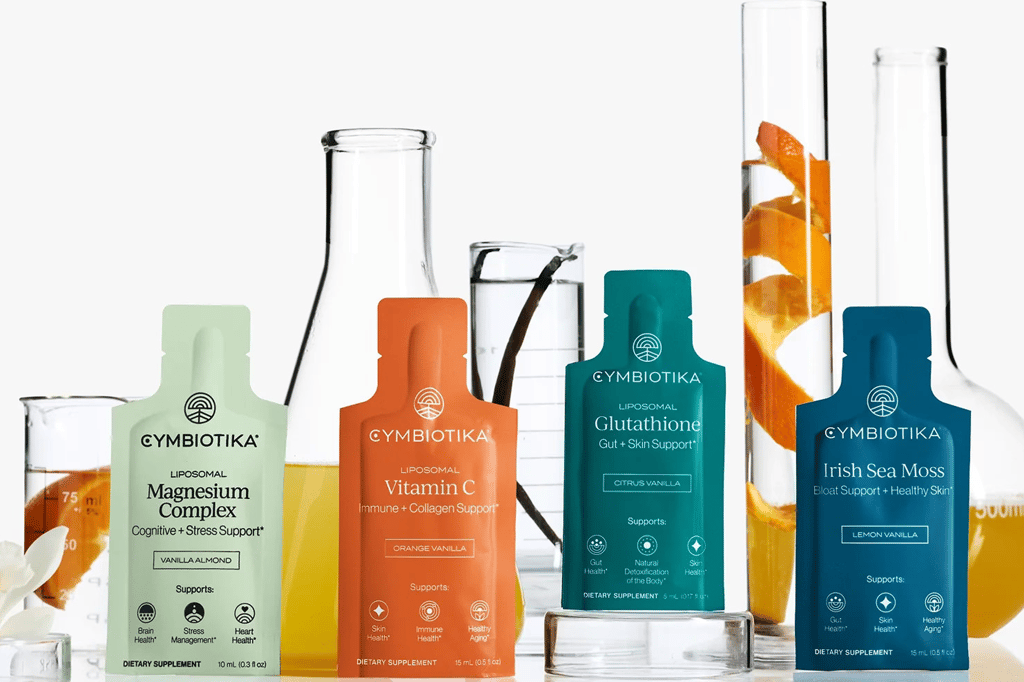
Phytochemicals: Plant compounds and certain chemicals in plants such as Curcumin (in turmeric) or Resveratrol (in grapes) mildly stress the body reducing inflammation and activating antioxidant pathways.
Mental Challenges: Challenging tasks such as stepping outside your comfort zone can be a hermetic stress because it builds cognitive resilience and mental toughness after the initial discomfort.
But how does it benefit the body?
There are many benefits to Hormetic stressors:
Better Cellular Function: Hormesis helps cells work more efficiently improving energy production and mitochondrial health.
Longevity: Calorie restriction and fasting is a hermetic stressor that activates genes associated with longevity slowing down the ageing process.
Stress Tolerance: Regularly exposing oneself to mild stressors trains the body to be more resilient and better prepared to handle future challenges reducing the impact of chronic stress on the body.
Immunity Boost: When your body is exposed to mild stressors it stimulates the immune system to function more efficiently.
Inflammation Reduction: Chronic inflammation that is the starting point to most diseases such as heart disease and diabetes is lowered with hermetic stress.
Brain Health: BNDF known as brain-derived neurotrophic factor are increased with hermetic stressors like exercise and fasting, supporting neuroplasticity and cognitive function at the same time.
What is the ideal balance?
When dealing with Hormetic stress it's very much about the Goldilocks Principle. The amount of exposure to a hermetic stressor is the dose that makes the poison. Excessive exposure to stressors even if they are from beneficial sources can do more harm than good. For example, fasting for longer than needed may cause nutrient deficiencies or overtraining without proper recovery time can lead to injury, fatigue and also spike cortisol levels achieving the exact opposite.
The key in finding the right balance is to introduce these stressors in small controlled doses allowing the body to recover in between. This makes sure the stress remains beneficial rather than overwhelming. I am an avid cold plunger and find my body responds better when I don’t do it everyday but leave a day in between for my body to recover and rest.
How to start incorporating hormetic stress into your life
Exercise: Start including strength training, Interval training or moderate cardio sessions into your weekly routine.
Intermittent Fast: Start with a simple 12 hour fasting window and adjust based on your body's response to what feels right for you! New research suggests it might be a good idea to alternate your fasting windows to keep the body alert.
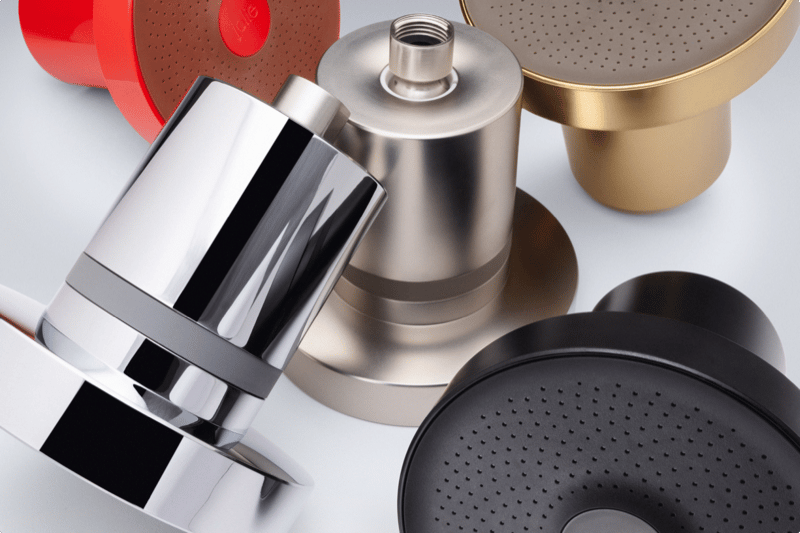
Cold Exposure: Start with taking a cold shower at the end of your shower for 30 seconds and work your way up to a few times a week to reap the benefits of cold stress.
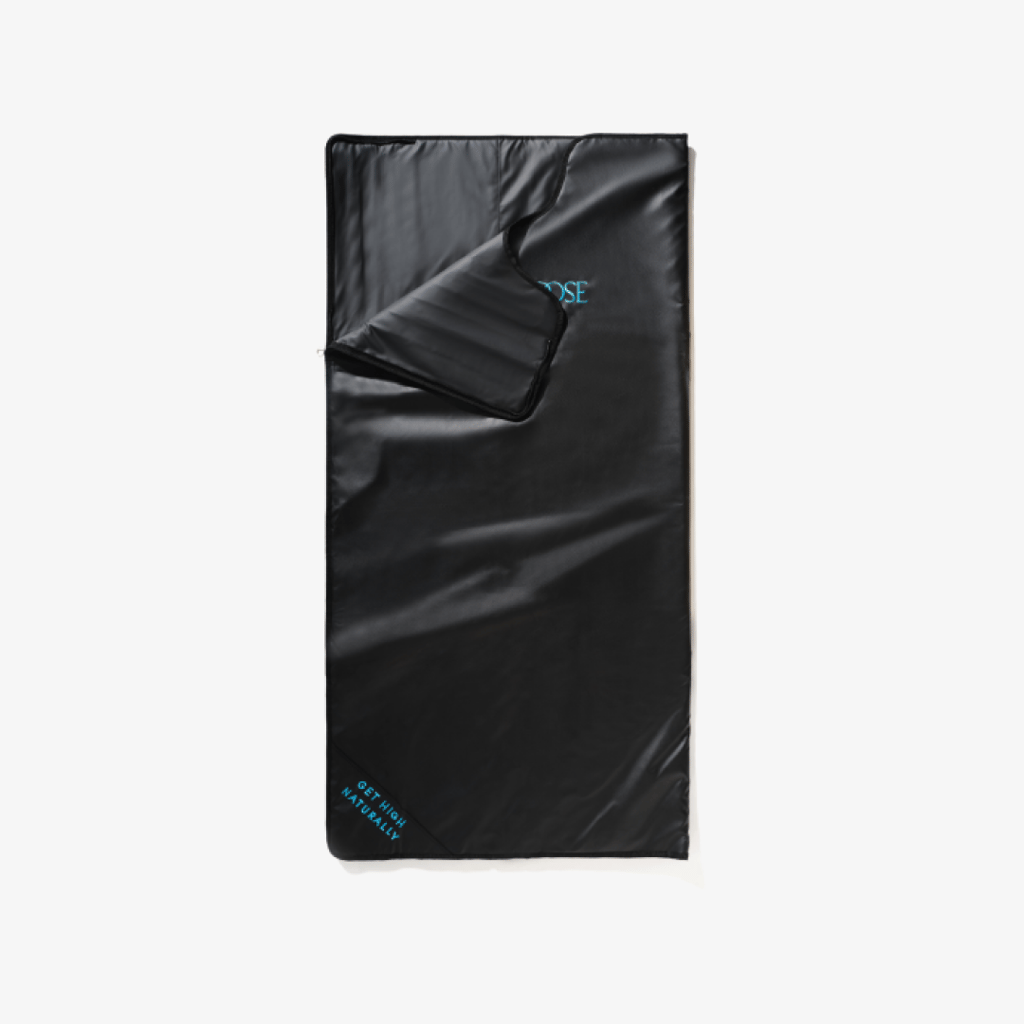
Heat Therapy: If you have access to a sauna try using it regularly to experience the protective and relaxing effects of heat stress.
Eat the Rainbow: Include colourful fruits and vegetables and spices into your diet to access those hermetic compounds.
Mental Challenges: Get out of your comfort zone by solving puzzles, meditating or trying a new skill you are not completely comfortable with.



Hormetic stress is proof not all stress is harmful when done in the right dose. Stress can be a powerful tool to create resilience, growth and vitality. Controlled challenges in our daily life unlocks our body’s natural ability to repair, adapt and thrive demonstrating how our body can grow stronger in the face of adversity. As the old saying goes, where there is discomfort there is growth!




This article is for informational purposes only, even if and regardless of whether it features the advice of physicians and medical practitioners. This article is not, nor is it intended to be, a substitute for professional medical advice, diagnosis, or treatment and should never be relied upon for specific medical advice. The views expressed in this article are the views of the expert and do not necessarily represent the views of Healf