

























What Is Your Joyspot And How To Find It?

Written by: Pippa Thackeray
Written on: 22 March 2025
What’s your joyspot?
Welcome to your joyspot. It can be defined by the location, activity, or person that brings you the most fulfilment. It’s what you choose when someone asks you to “shut your eyes and go to your happy place.”
The joyspot is uniquely yours and you can either keep it to yourself, or share it all around. Find out more in the latest research making connections between your joyspot and health status.
The science of happiness
Studies show that consciously acknowledging sources of joy and gratitude can have profound effects on physical and mental wellbeing. Firstly, those who actively practice gratitude experience up to a 23% reduction in cortisol leading to lower levels of anxiety and improved emotional resilience. Secondly, engaging in positive reflection before sleep has been found to enhance sleep quality. On average, people who used mindfulness meditations long-term experienced a 54% greater improvement in sleep quality scores than those in the placebo control group.
Perhaps what is even more fascinating is that even brief moments of joyful reflection can rewire neural pathways, strengthening the brain’s ability to focus on positive experiences. This is reflected in research, including an analysis of 64 clinical trials, which found that gratitude and mindfulness-based practices significantly reduced anxiety and depression.
The ancient wisdom to be found in loving a place, person, or thing
Human history documents our timeless connection to the precious things that bring us joy:
The Stoics believed that finding joy in what we already have, rather than seeking external validation, is key to a content life. It is a principle still mirrored in modern gratitude practices used today.
Indigenous traditions often associate deep gratitude with connection to the land. And many Native American cultures, for example, incorporate gratitude rituals as a daily practice.
In Buddhism, the concept of Mudita (sympathetic joy) emphasises celebrating others' happiness as a way to increase personal joy.
Choosing your joyspot wisely: why you can overdose on ‘happiness’
Most people, when asked, would say that dopamine makes them happy, but to this, there is evidence to the contrary. Serotonin and dopamine shape our mental wellbeing in strikingly different ways. One can fulfil sustainable happiness, the other cannot.
The true meaning of dopamine
Dopamine fuels the pursuit of pleasure. It is an intense sugar rush, fleeting, and addictive. It again, just like a sugar rush, results in an inevitable crash. The real problem? It demands more and more to deliver the same high, leading to a downward spiral of depletion when abused, which ultimately leads to burnout rather than true satisfaction.
The true meaning of serotonin
Serotonin, on the other hand, is about forming a deeper, steadier type of relationship. It rises with meaningful connections, exercise, and a deep sense of purpose. Unlike dopamine, it doesn’t push you into a cycle of craving and depletion. Build serotonin, and you create a happiness that lasts, quite simply, without the crash.
In short, true joy comes from places, people, or things that nourish lasting contentment—not fleeting, addictive pleasure that leaves you chasing more. It is something to be aware of when connecting to and reflecting on your joyspots.
The art of nostalgia
Nostalgia can seem upsetting at times, but it doesn’t necessarily have to carry negative connotations.
Memory plays a profound role in shaping our wellbeing. A study published in Nature Human Behaviour found that recalling positive autobiographical memories can buffer stress responses, dampen cortisol levels, and improve mood, even after exposure to acute stress.
So nostalgia is deeper than just a wistful indulgence. It reinforces our sense of identity, and of emotional resilience. Recalling a past moment of genuine joy, be it a spontaneous laugh, a moment of unexpected connection, or even a simple sensory experience, can elevate your mood in just a moment.
Attaching meaning to your joyspot
Your joyspot might change, month on month, or even day-to-day. If you're struggling with the concept of defining your own joyspot, there are some simple points to reflect on as you ponder on its meaning:
Joyspot journal – Record daily sources of happiness to identify patterns.
Savouring exercises – Mentally revisit a joyful moment for at least 30 seconds.
Sensory reminders – Use scents, music, or objects to trigger positive memories.
Real-time gratitude – Acknowledge moments of gratitude as they happen.
Micro-rituals – Create small, consistent habits that bring joy (e.g., your favourite morning tea, or a song that brings a happy memory).
Sharing joy – Talk about positive experiences, and relive them through conversation.
What to remember
For the sake of our wellbeing, the significance of identifying and appreciating one's joyspot — in light of both modern scientific evidence and of ancient practices — cannot be denied.
Don’t forget, your joyspot isn’t just a place, it’s a practice. To notice, to nurture, and revisit it often. And that true joy is built, not chased.
Shop MIND at Healf to create wellbeing habits that stand the test of time, rooted in science, reflection, and long-lasting joy.
Editor's picks:
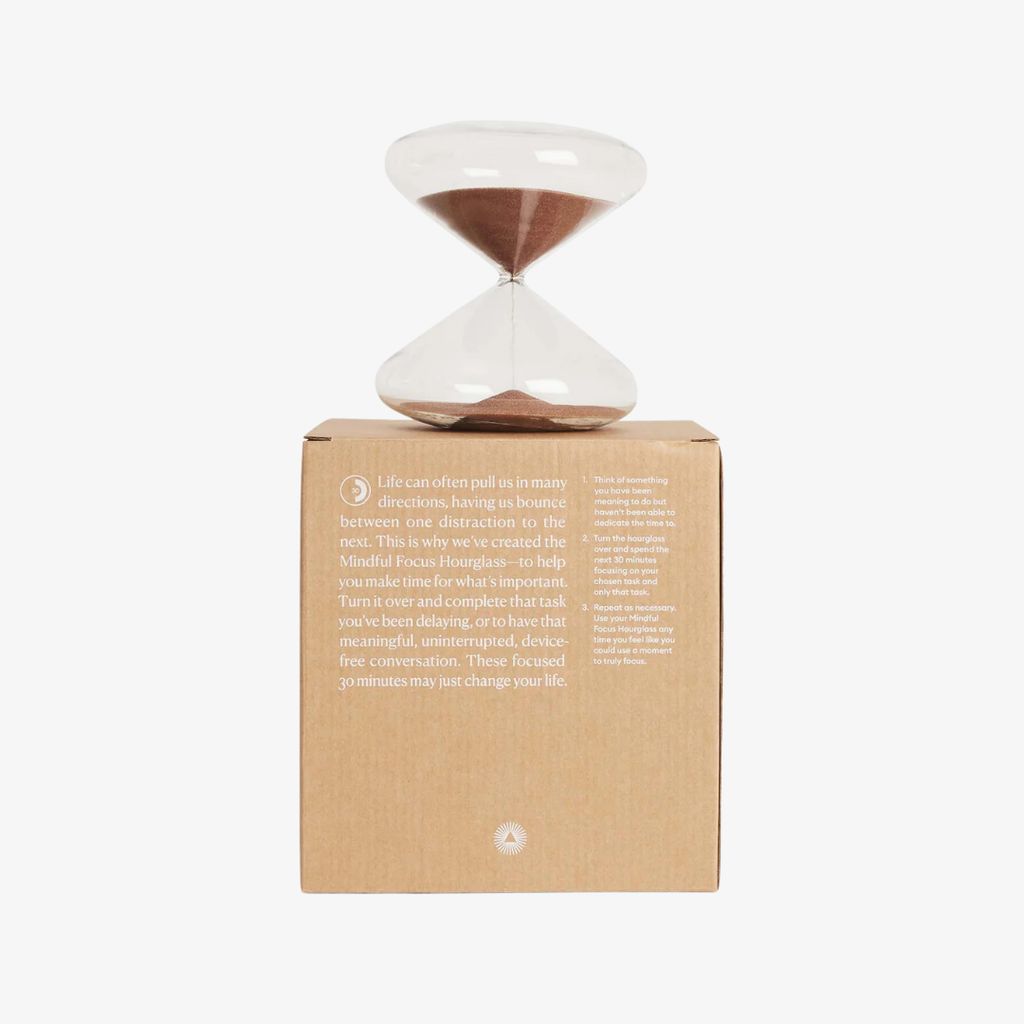
Mindful Focus Hourglass – A quiet reminder to pause, focus, and savour the present—one grain at a time.
Muse 2 Meditation Device – A guide for tuning into your mind, finding calm, and building a steadier sense of joy.







References
1. The neuroscience of gratitude: A leadership perspective https://www.forbes.com/councils/forbesbusinesscouncil/2024/11/05/the-neuroscience-of-gratitude-a-leadership-perspective/
2. Gratitude and mental health (PMC article) https://pmc.ncbi.nlm.nih.gov/articles/PMC6557693/
3. Effects of gratitude on wellbeing (Journal Einstein article) https://journal.einstein.br/wp-content/uploads/articles_xml/2317-6385-eins-21-eRW0371/2317-6385-eins-21-eRW0371.pdf
4. The link between Stoicism and happiness (Medium article) https://medium.com/@stoicminds.channel/the-surprising-link-between-stoicism-and-happiness-e320c37aac9e
5. Gratitude and mindfulness in clinical trials (PMC article) https://pmc.ncbi.nlm.nih.gov/articles/PMC10575522/
6. Mudita: Cultivating happiness through others’ joy (Medium article) https://satijen.medium.com/mudita-bhavana-cultivating-happiness-through-the-joy-of-others-dfb7faf19ebc
7. Study on positive autobiographical memory and stress reduction (PMC article) https://pmc.ncbi.nlm.nih.gov/articles/PMC2673986/
8. Cortisol, memory, and nostalgia effects (PMC article) https://pmc.ncbi.nlm.nih.gov/articles/PMC2077351/
9. Neuroscience of memory recall (PMC article) https://pmc.ncbi.nlm.nih.gov/articles/PMC6719713/
10. Duplicate link (PMC article on memory recall) https://pmc.ncbi.nlm.nih.gov/articles/PMC6719713/
This article is for informational purposes only, even if and regardless of whether it features the advice of physicians and medical practitioners. This article is not, nor is it intended to be, a substitute for professional medical advice, diagnosis, or treatment and should never be relied upon for specific medical advice. The views expressed in this article are the views of the expert and do not necessarily represent the views of Healf
Pippa is a content writer and qualified Nutritional Therapist (DipNT) creating research-based content with a passion for many areas of wellbeing, including hormonal health, mental health and digestive health.
As a contributor to The Healf Source, she regularly attends seminars and programmes on a plethora of contemporary health issues and modern research insights with a drive to never stop learning. In addition, interviewing experts and specialists across The Four Pillars: EAT, MOVE, MIND, SLEEP.
In her spare time, she is an avid swimmer, mindfulness and yoga lover, occasionally bringing a raw, honest approach to the topics she faces. You may also discover some personal accounts of eye-opening wellbeing experiences amidst the reality of a disorientating, and often conflicting, modern wellbeing space.
_2026-10-13_14-11-48.png)