














































Can You Ctrl, Alt, Delete Stress From Your Life?

Written by: Eleanor Hoath
Written on: 31 March 2025
Stress has become an unavoidable part of modern life. From work deadlines to social pressures, our bodies are constantly bombarded with stimuli that trigger our nervous system’s fight-or-flight response. While short-term stress can be beneficial - heightening focus and improving reaction times, chronic stress wreaks havoc on our health. It disrupts sleep, weakens immunity, and contributes to inflammation, anxiety, and long-term disease.
But stress isn’t just something we have to endure. By focusing on the Four Pillars of Wellbeing - EAT, MOVE, MIND, and SLEEP - you can effectively ‘delete’ stress, reset your nervous system, and reclaim balance.
Understanding stress and the nervous system
The nervous system is the body’s command centre, regulating everything from movement to thought processes. It consists of two key branches: the sympathetic nervous system (responsible for fight-or-flight responses) and the parasympathetic nervous system (which promotes rest and recovery). Chronic stress keeps the sympathetic nervous system activated for too long, leading to burnout, digestive issues, hormonal imbalances, and even cardiovascular disease.
To counteract this, we must activate the parasympathetic nervous system - our built-in stress-relief system. The good news? We can do this through conscious lifestyle choices, rooted in the Four Pillars of Wellbeing.
EAT: Fuel your body for resilience
What you eat directly influences your nervous system and stress response. The right nutrients support neurotransmitter production, balance blood sugar levels, and reduce inflammation, all of which help your body handle stress more effectively.
Key Nutrients for Stress Reduction
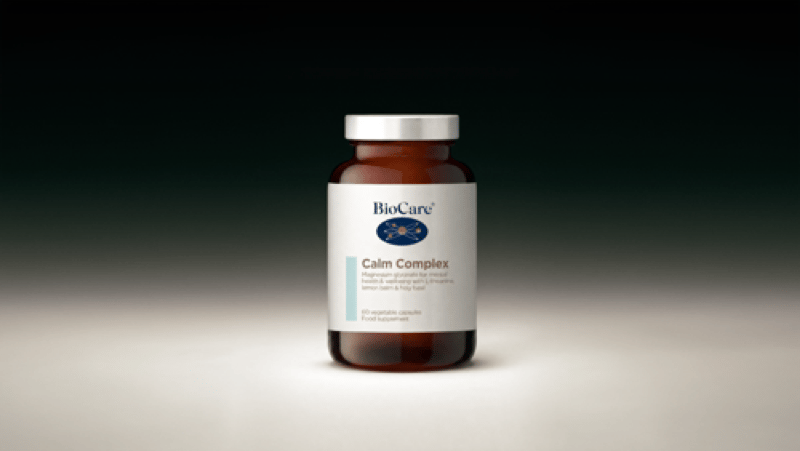
- Magnesium: This ‘relaxation mineral’ helps calm the nervous system and improve sleep quality. You can find it in leafy greens, nuts, and seeds, or supplement with Magnesium Breakthrough.
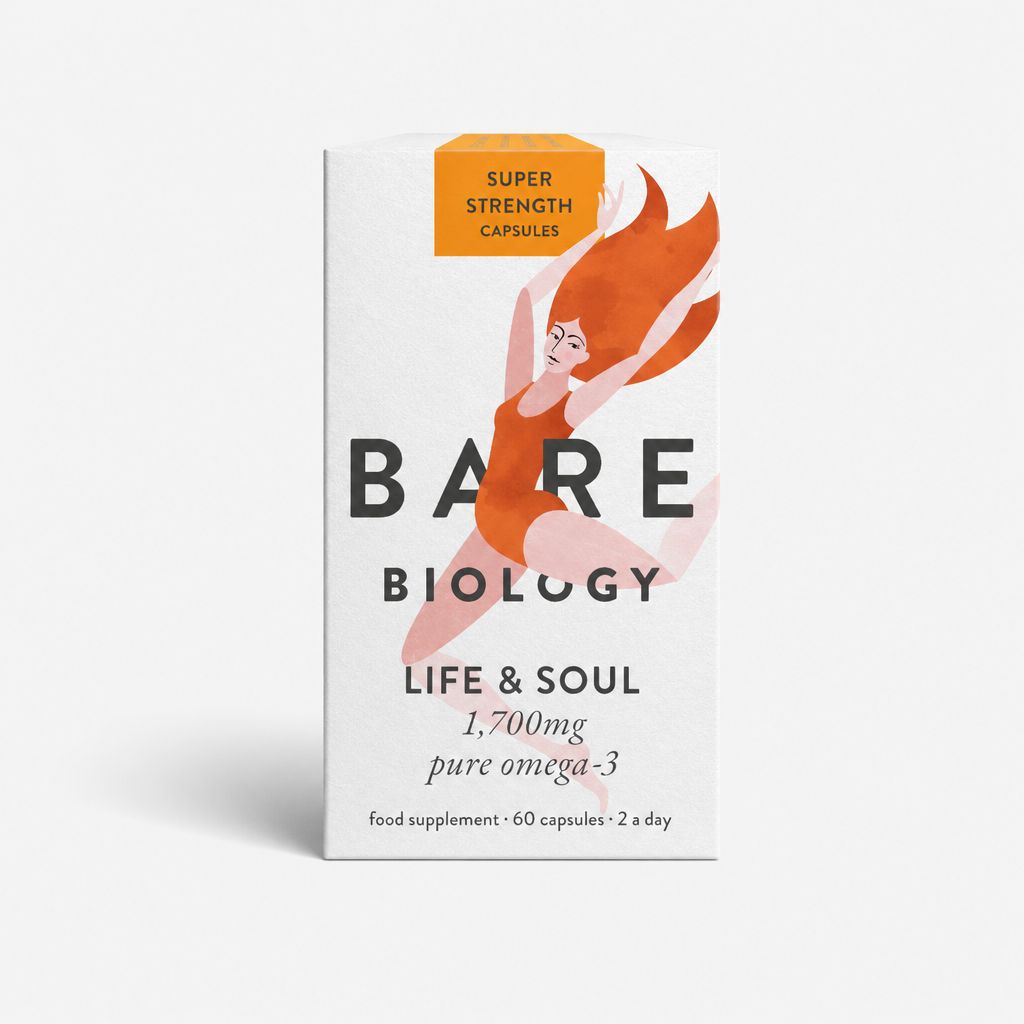
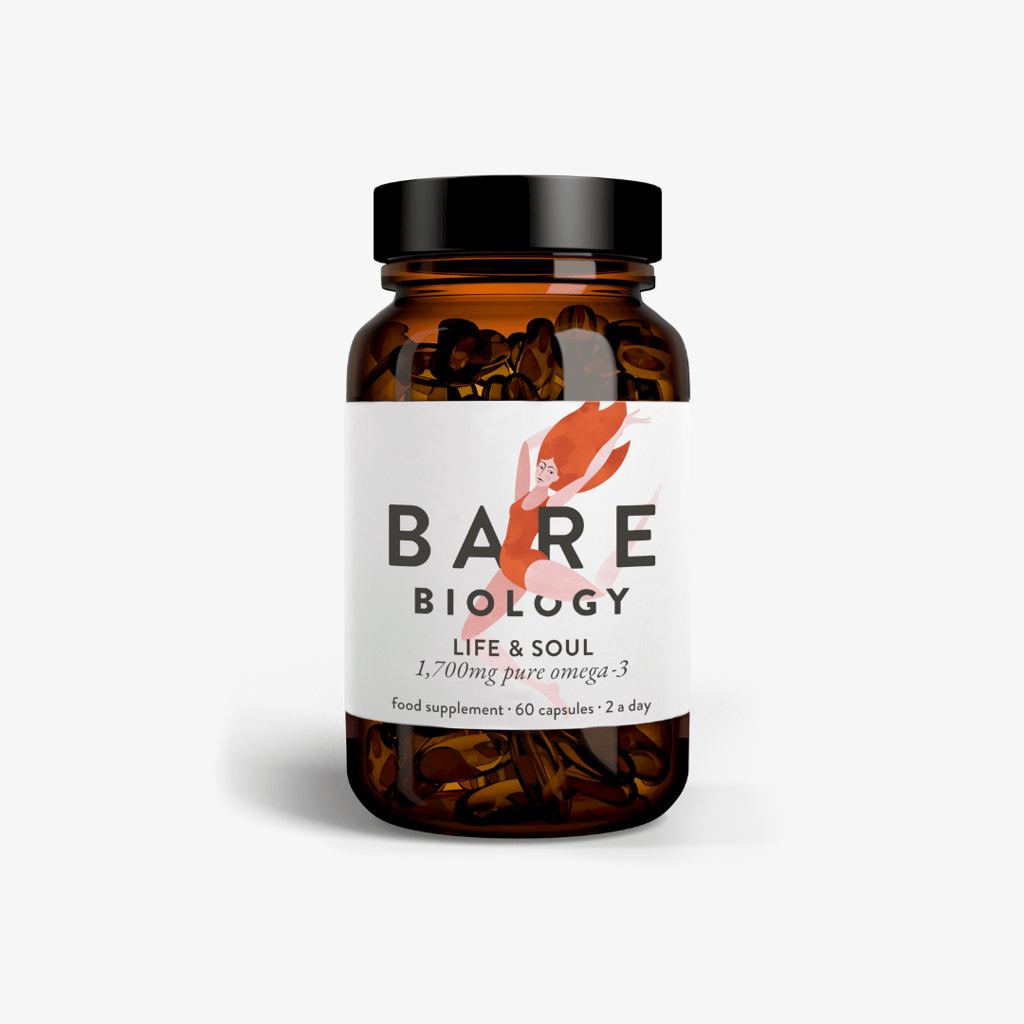
- Omega-3 Fatty Acids: Found in fatty fish, walnuts, and flaxseeds, omega-3s help lower cortisol levels (the stress hormone) and improve brain function. Nutrients such as C15:0 are also important like Omega's such as Bare Biology.
- Adaptogens: Herbs like ashwagandha and rhodiola help regulate the stress response.
Avoiding Stress-Triggering Foods
- Refined sugars and processed foods cause blood sugar spikes, leading to mood swings and anxiety.
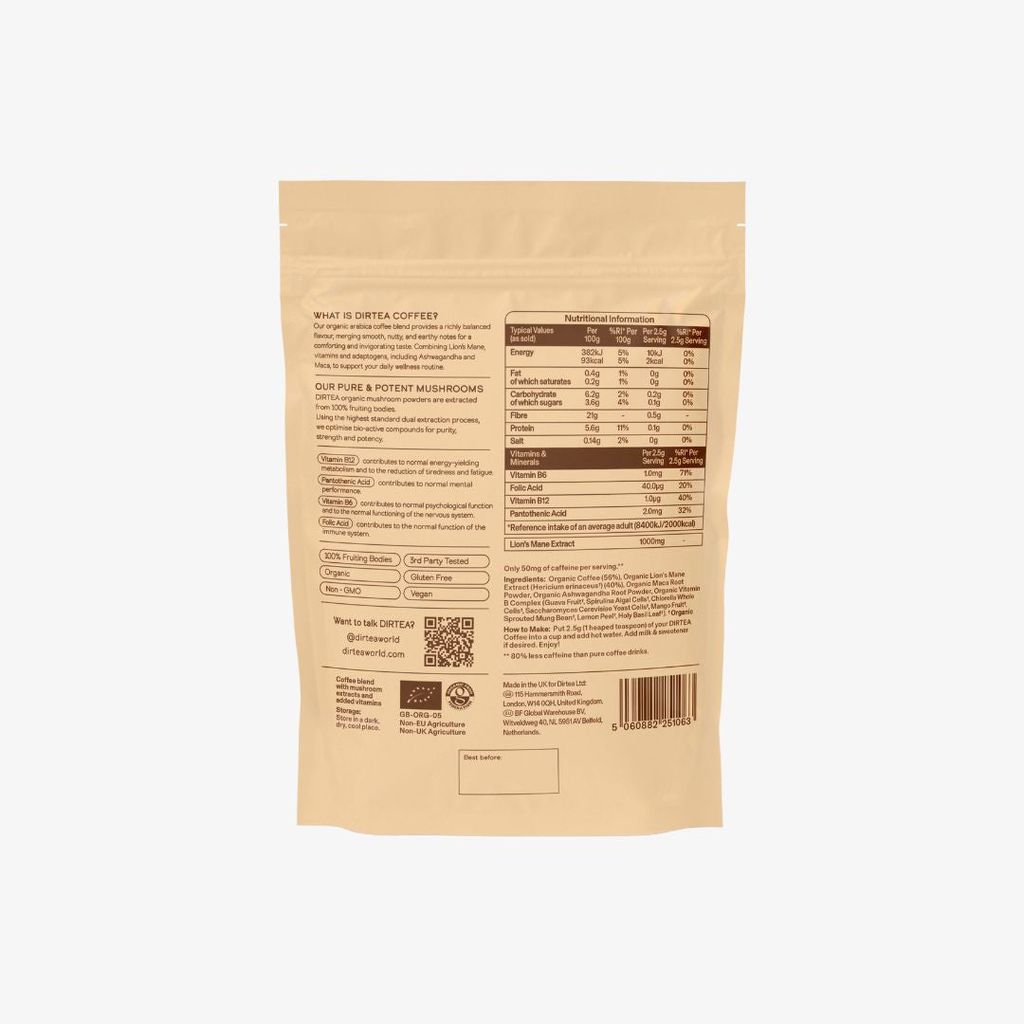
- Excess caffeine overstimulates the nervous system - consider switching to DIRTEA Coffee which also contains adaptogens and functional mushrooms to naturally increase energy without the crash.
MOVE: Use exercise to shake off stress
Movement is one of the fastest ways to regulate stress hormones and stimulate endorphins, the body's natural mood boosters. But not all exercise is created equal when it comes to stress relief.
Best Types of Movement for Stress Reduction
- Low-Intensity Exercise: Walking, yoga, and Pilates activate the parasympathetic nervous system and lower cortisol. Incorporating tools like the Therabody Theragun help release muscle tension and support recovery.
- Strength Training: Lifting weights helps regulate blood sugar levels and improve resilience to stress over time.
- Outdoor Exercise: Running or cycling in nature has been shown to lower stress and improve mood.
Avoid overtraining, as excessive high-intensity workouts can elevate cortisol levels and contribute to burnout.

MIND: Rewire your brain for calm
Mental wellbeing is at the heart of stress regulation. Chronic stress changes the structure of the brain, reducing neuroplasticity and making it harder to stay calm. However, certain practices can rewire the brain to better handle stress.
Mindfulness and Breathwork
- Meditation: Regular meditation strengthens the prefrontal cortex (responsible for rational thinking) and shrinks the amygdala (the brain’s fear centre). Including tools such as Sensate and Pulsetto deliver infrasonic vibrations to deepen relaxation.
- Breathwork: Techniques like diaphragmatic breathing or box breathing activate the vagus nerve, shifting the nervous system into a relaxed state.
Tech Detox
Constant exposure to screens and blue light overstimulates the brain. Red light therapy, such as the Bon Charge Red Light device, can help counteract digital stress and promote recovery whilst wearing Blue Blocking glasses in the evenings when you're exposed to screens in the evening.
SLEEP: Reset your nervous system overnight
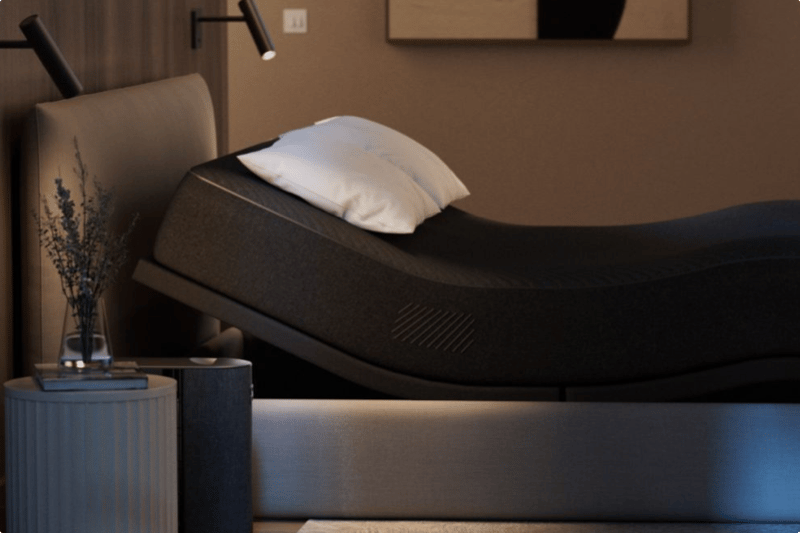
Sleep is the ultimate reset button for stress. Poor sleep increases cortisol levels, disrupts circadian rhythms, and makes it harder to cope with daily challenges.
Optimising Sleep for Stress Reduction
- Maintain a Consistent Sleep Schedule: Going to bed and waking up at the same time every day regulates the circadian rhythm.
- Use Natural Sleep Aids: Melatonin isn’t the only option — try magnesium supplements, herbal teas, or Momentous Sleep Pack.
- Reduce Blue Light Exposure: Limiting screens before bed and using Bon Charge Mini Light for red light therapy can support deeper sleep.
Creating a bedtime routine - such as stretching, journaling, or using aromatherapy - signals to the nervous system that it’s time to unwind.
Taking control of stress
Stress may be inevitable, but suffering from it isn’t. By integrating the Four Pillars of Wellbeing into your daily routine - nourishing your body, moving intentionally, calming the mind, and prioritising sleep - you can train your nervous system to respond to stress with resilience rather than reactivity.
Healf.com provides a curated selection of high-quality products designed to support these pillars, making it easier to take control of your wellbeing. Whether it’s magnesium for relaxation, red light therapy for recovery, or the Sensate device for deep nervous system support, small changes can have profound effects on your ability to ‘delete stress’ and thrive in everyday life. Your nervous system is listening—what will you tell it today?



This article is for informational purposes only, even if and regardless of whether it features the advice of physicians and medical practitioners. This article is not, nor is it intended to be, a substitute for professional medical advice, diagnosis, or treatment and should never be relied upon for specific medical advice. The views expressed in this article are the views of the expert and do not necessarily represent the views of Healf
Eleanor Hoath is a Registered Nutritional Therapist (DipNT, mANP, mBANT) specialising in gut, skin and women’s health. She is the Editor of The Healf Source and founder of Well Nourished Nutrition Ltd.
Passionate about holistic wellbeing and balanced living, Eleanor combines evidence-based nutrition with a practical, approachable style to help people feel their best through content.
Based in London, she is dedicated to empowering individuals to nurture their health and understand the root cause of their symptoms from the inside out.