


























_Madeline_Spanier_Photos_ID7424.jpg)
Why Getting Sick Might Actually Make You Healthier
The science of immune ‘recalibration’, why total avoidance isn’t the goal and the surprising role good viruses like bacteriophages and gut health play in your resilience.

Written by: Samantha Nice
Written on: 1 December 2025
Every winter, the same question resurfaces: Why am I always sick? We reach for supplements, blame our “weak immune system,” or assume that being ill is a sign something is wrong. But what if the occasional mild infection isn’t a failure but actually a function of a healthy, responsive immune system?
As immunologist Dr Jenna Macciochi explains, we need to rethink what immunity really means. Getting sick doesn’t always point to weakness. In many cases, it’s a form of seasonal recalibration… an opportunity for your immune system to update its memory, test its defences and learn how to respond to the same germ better next time. “Getting ill doesn’t automatically mean your immune system is failing,” says Jenna. “A lot of the time, it’s simply doing what it’s designed to do - respond, repair and rebuild resilience.”
And here’s where things get even more interesting. Not all microbes are the enemy. We now know that the trillions of microbes that live in and on us – especially in the gut – are crucial trainers of the immune system. They help regulate inflammation, support barrier health and teach immune cells when to respond or stand down. Even some viruses that infect bacteria (called bacteriophages) appear to play a role in shaping this ecosystem – an area of exciting new research. Let’s unpack what “immune strength” really looks like, why occasional mild infections are normal and the things that genuinely support your immunity far more effectively than just megadoses of vitamin C.
Reframing immunity: why mild illness isn’t a failure
We tend to view immunity as either strong or weak with no real middle ground, but infections don’t work like that. Your immune system learns through exposure,” explains Jenna. “Each time you meet a microbe, you’re not just ‘fighting it off’, you’re updating your internal library and developing a memory of that specific infection.”
This is especially true of childhood infections like chickenpox, where cell memory can last a lifetime. But most winter colds and viruses behave differently. They infect the mucosal surfaces of the nose and throat, where immunity is designed for tolerance rather than total elimination. “Mucosal immunity is designed for controlled response, not full elimination,” says Jenna. “The immune memory generated here is often shorter and easier for viruses to evade.”
This could explain why you can have a cold every year without it meaning your immune system is weak. With countless amounts of different viruses in circulation, your body is simply encountering new versions. The real marker of immune fitness is actually resilience.
“Illness becomes problematic not because you got sick, but because your system struggles to recover,” adds Jenna. “What really matters isn’t whether you get sick, but how often, how long it lasts and how quickly you bounce back.”
Why some people feel constantly ill every winter
If winter feels like an endless loop of colds, it rarely comes down to one cause. It’s usually what Jenna calls a “micro-stressor pile-up.” “Shorter daylight lowers vitamin D, cold dry air weakens mucosal barriers, indoor living increases viral exposure, sleep dips, festive busyness rises and richer food plus alcohol adds strain,” she says. “It’s never just one thing as these micro-stressors stack up all at once.”
This may be the reason why winter hits some people harder than others and again, why it doesn’t mean your immune system is broken. It means your load is high and your recovery capacity is low. The immune system is energetically demanding and it needs sleep, boundaries and genuine rest.“A resilient system handles infections efficiently, resolves inflammation quickly and gets you back to baseline without a long tail of symptoms.”
Your gut controls a lot of your immunity and here’s why that matters
Your gut is home to 70-80% of your immune cells and acts as their central learning hub. “It’s the body’s largest interface with the outside world and immune cells gather here to monitor, learn and respond,” says Jenna. This is where your immune system learns the difference between good stuff and bad stuff… like harmless food or harmful pathogens, beneficial bacteria or not-so beneficial bacteria.
“The gut acts as a command centre for immune calibration, shaping inflammatory tone and readiness across the whole body,” says Jenna. Essentially this means your gut microbiome is constantly ‘educating’ your immune cells.
When the gut barrier is stressed through things like ultra-processed foods, stress, alcohol or infection, your immune signalling becomes confused. This is why gut health and winter immunity are so closely linked. It also sets the stage for one of the most surprising tools for supporting winter health…
Bacteriophages: the ‘good viruses’ you need to know
Bacteriophages are not the kind of viruses that make you sick. They’re something completely different. Often just called phages, they are tiny viruses that only infect bacteria, not humans. They’re naturally found in your gut, on your food, in water and in the environment. You already have billions of them inside you right now.
According to Jenna, they play an important behind-the-scenes role in keeping your gut balanced.
“Bacteriophages live in the gut as part of its built-in regulatory system. They help shape microbial diversity, prevent harmful species from overgrowing and subtly influence immune activity along the gut lining,” she says.
They get to work behind the scenes keeping harmful bacteria in check so the good ones can thrive. This becomes especially useful in winter when your gut microbiome can become out of balance. When this happens, phages act as precision helpers, stepping in to stop problematic bacteria from overgrowing.
“The science is promising but still early,” says Jenna. Think of phages less as an ‘immunity booster’ and more as quiet ecological managers working in the background.” They’re definitely not a magic cure and they won’t replace vitamin D, zinc, probiotics or the basics of good sleep and good food, but they may offer a gentle, targeted way to support gut balance and, in turn, your overall immune resilience.
Why you shouldn’t try to avoid every germ
There’s a big difference between sensible hygiene and sanitising your way out of better immunity. While harmful pathogens (like the viruses and bacteria that do cause infectious illness) deserve caution, the everyday benign microbes we encounter in normal life don’t. The problem isn’t handwashing; it’s treating all microbes as if they’re dangerous.
“Over-sanitising and constant antibacterial use can interrupt the normal ‘training’ the immune system relies on,” says Jenna. “Good hygiene is essential for preventing infectious disease, especially in hospitals or around food. But living as if every microbe is a threat isn’t how our immune system stays resilient long-term.”
Our biology evolved alongside non-harmful environmental microbes like those from soil, pets, plants, fresh air, outdoor spaces and even other people. These everyday microbes don’t cause illness, but they do help teach the immune system what’s safe, support microbiome diversity and regulate inflammation. Without regular exposure to harmless microbes, the immune system becomes less skilled at distinguishing real danger from things that don’t matter. In other words, avoiding infectious germs is smart but avoiding all microbes is not.
Your immune system doesn’t get stronger by being isolated… it gets smarter by being appropriately exposed.
Why some people catch everything and others catch nothing
Part of this comes down to genetics but more specifically HLA variation. HLA (Human Leukocyte Antigen) genes are basically your immune system’s ID system. They help it understand what it’s dealing with when you pick up a virus or bacteria. “HLA diversity determines how effectively you recognise and present microbes to immune cells. Differences in HLA influence which viruses or bacteria you clear efficiently and which linger or cause more symptoms.”
Other factors include viral receptor variations, entirely unique microbiomes, sleep quality, stress load, hormonal fluctuations, early-life exposures and trauma, which affects psychoneuroimmunology pathways.
One of Jenna’s most important insights however is that never getting sick could be a sign of underlying immune deregulation. “It may mean your immune system is stretched so thin that it is struggling to respond appropriately.” Essentially, if you’re getting a few colds per year, this is considered normal. If you’re constantly battling illness, it could mean you’ve got a high load but low recovery. If you’re never ill, it could possibly mean you’ve got potential immune suppression.
The evidence-based immune supporters (that aren’t just vitamin C)
Vitamin C is useful, especially during illness, but it’s not the hero supplement we treat it as. According to Jenna, immune nutrients work as networks, not quick fixes. “The real goal isn’t to ‘boost’ immunity but to prevent deficiencies, maintain balance and support the body’s ability to respond and resolve inflammation efficiently,” she says. Here are six worth adding to your stack:
Best bacteriophages for precision gut defence
Bacteriophages offer a level of precision traditional probiotics can’t: they seek out and dismantle only problematic bacteria, helping clear microbial overgrowth that can disrupt immune signalling. Probiophage DF™ blends PrePhage™ phages with seven sturdy probiotic strains in a delayed-release capsule, creating a targeted, next-generation approach to supporting a balanced gut environment and stronger immune response.


Best vitamin D for resilience and correcting deficiencies
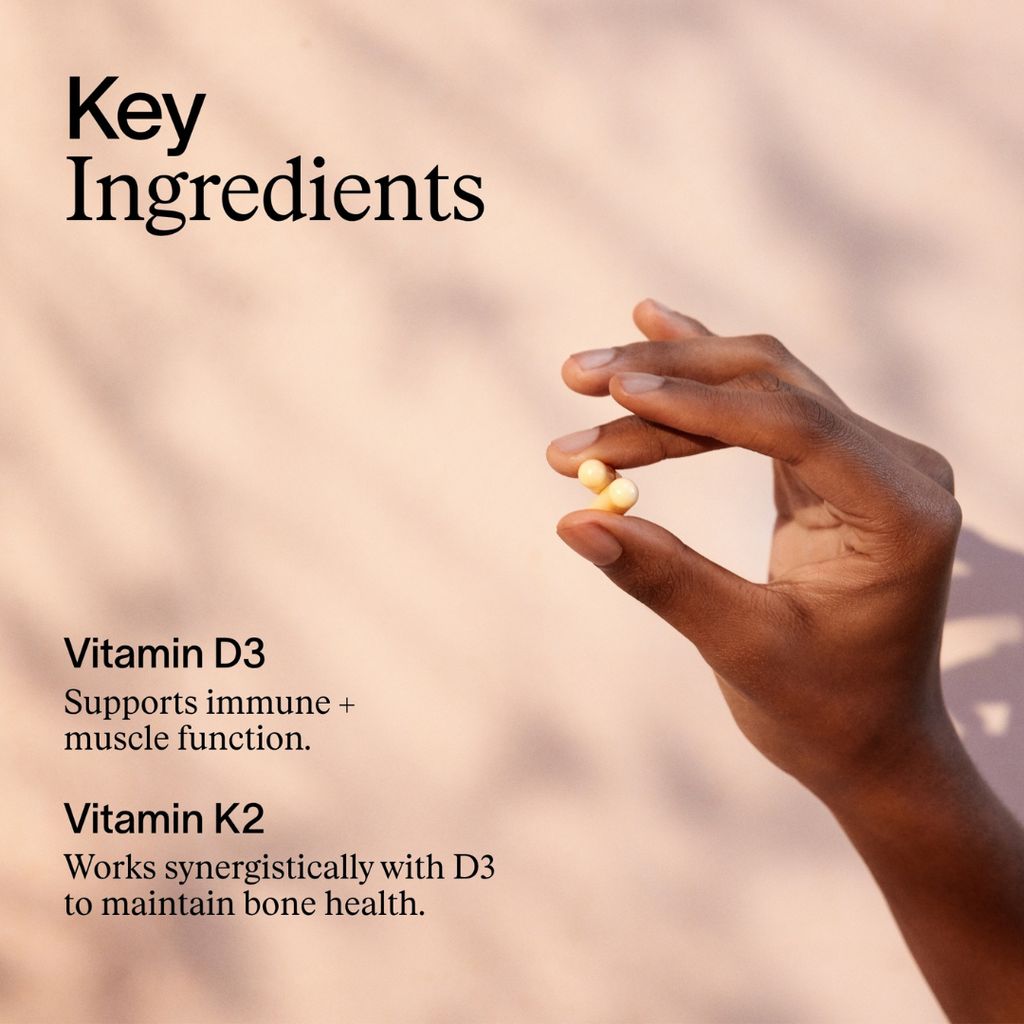
Vitamin D deficiency is one of the clearest predictors of weakened winter immunity. Artah’s D3/K2 delivers a high-strength dose designed for optimal absorption, helping restore levels quickly and support immune cell function. Perfect if you’re indoors more, sunlight is scarce or you’re prone to seasonal crashes—it keeps your immune system responsive, not sluggish.

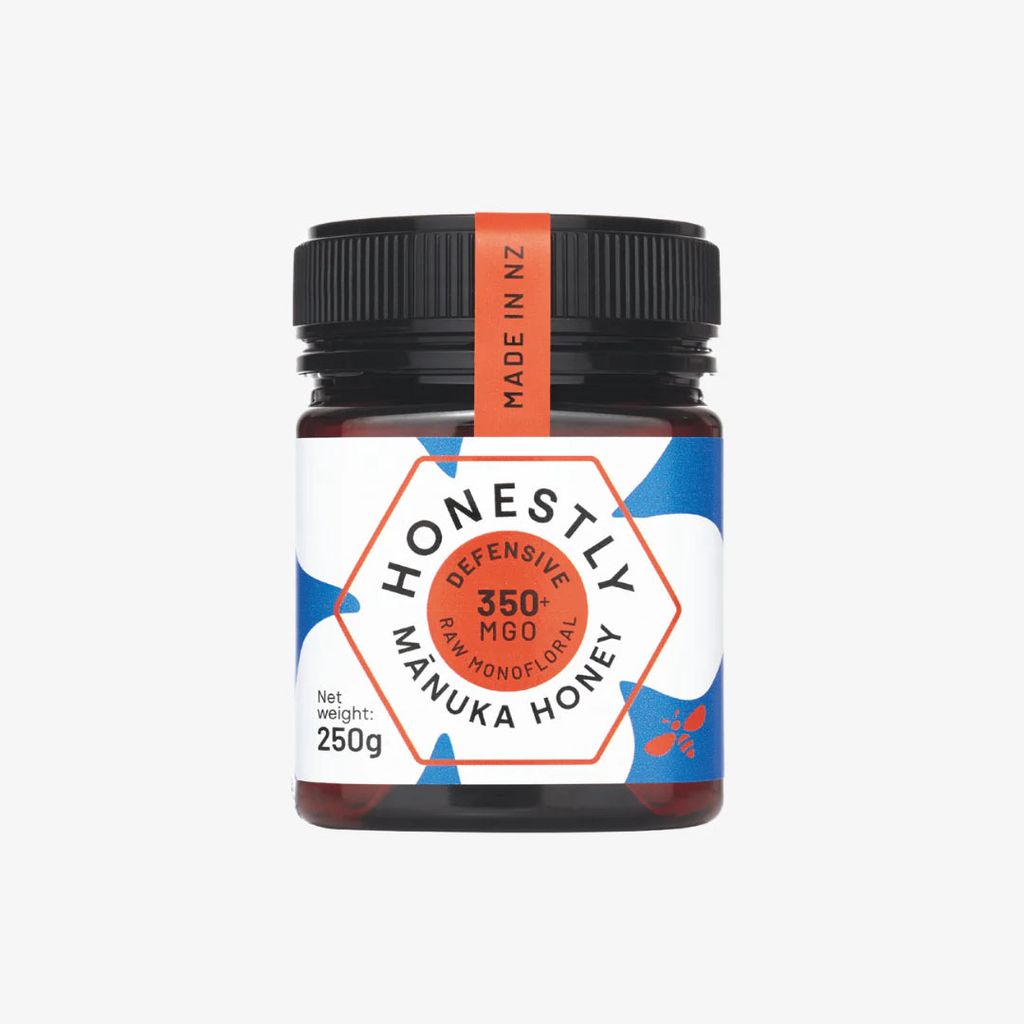
Best manuka honey for soothing inflammation and daily immune nourishment
Manuka honey supports immunity by calming inflammation and offering natural antimicrobial activity. Honestly’s 350+ MGO honey is raw, unprocessed and lab-verified for genuine MGO - the compound behind its antiviral effects. Smooth, potent and sustainably harvested, it’s a simple daily way to ease sore throat, support gut immunity and add some soothing sweet nourishment through the winter.

Best elderberry formula for fast, family-friendly immune support
Elderberry is known for its ability to support the body’s rapid response to seasonal viruses. Codeage pairs organic elderberry with vitamin C, vegan D3 and highly absorbable zinc to strengthen immune signalling and reduce oxidative stress. Delicious, antioxidant-rich and child-friendly, it’s a fast-acting, fuss-free daily support for those craving a reliable, natural boost.
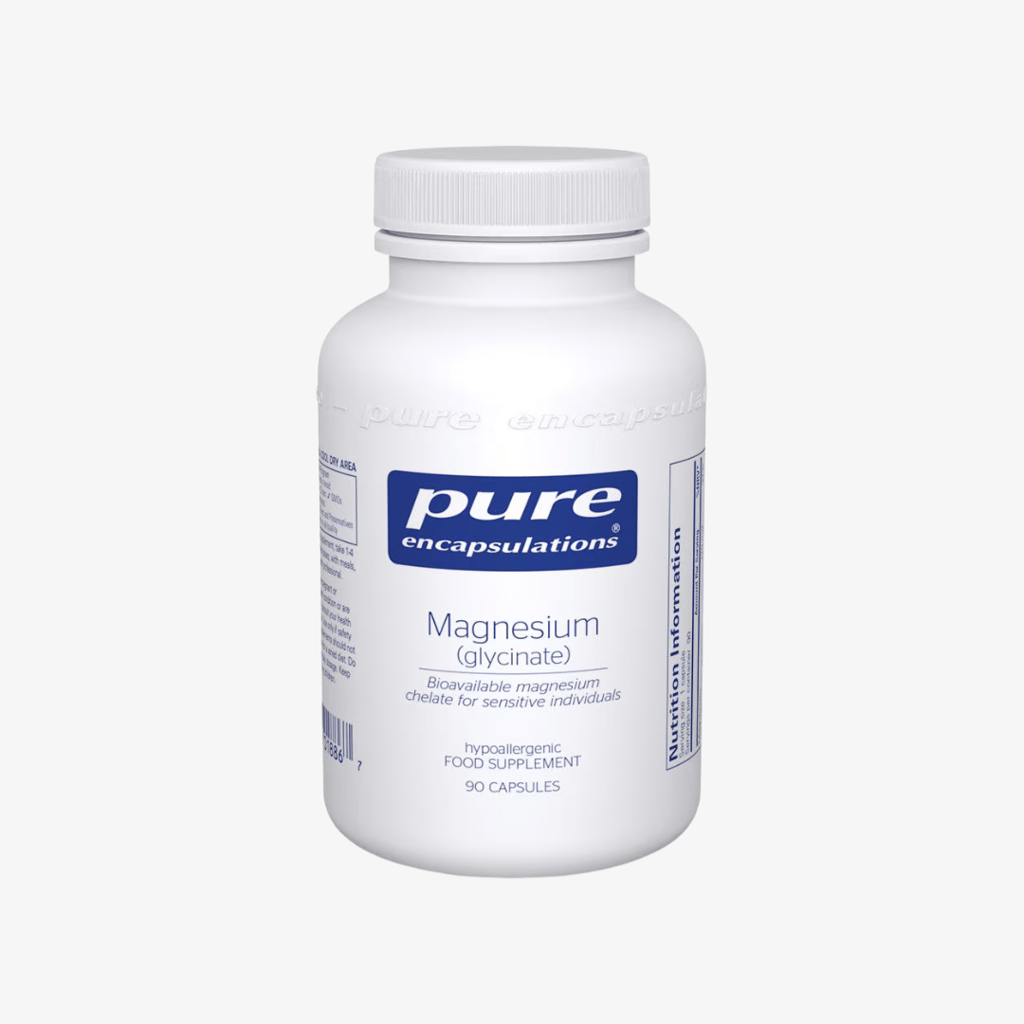
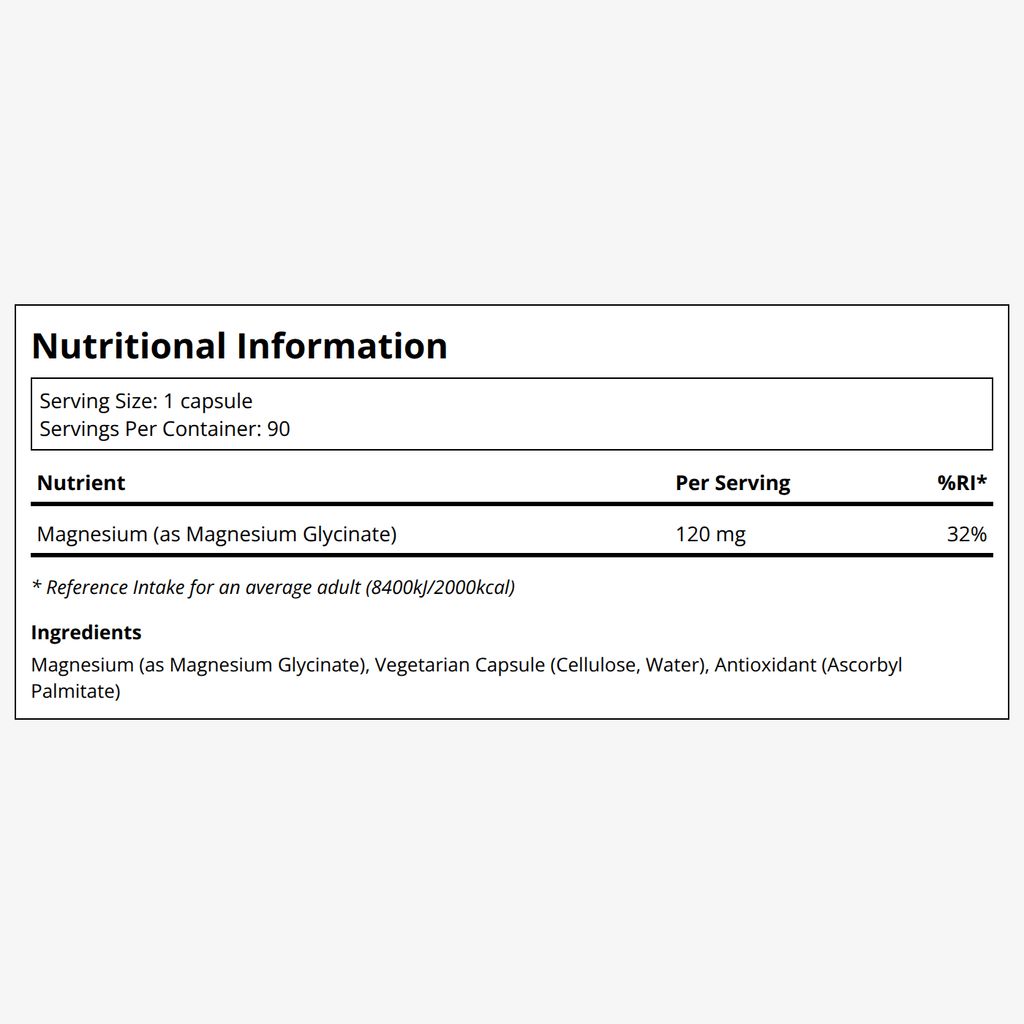
Best magnesium for calming immune stress and supporting recovery
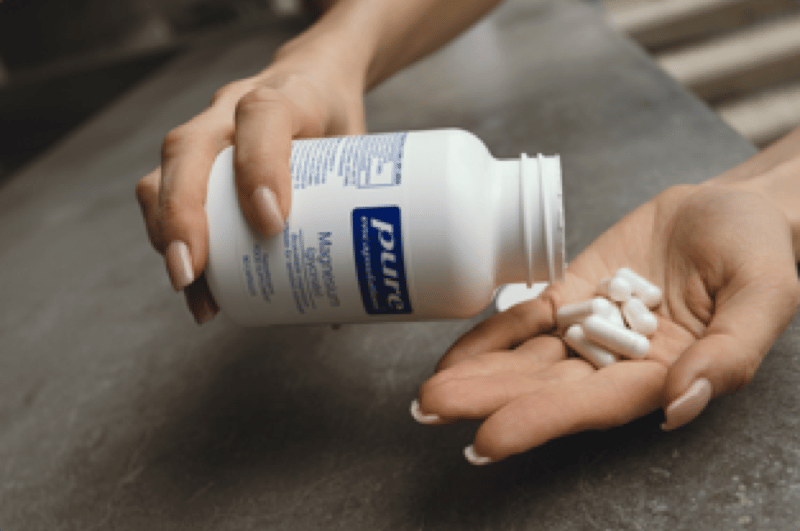
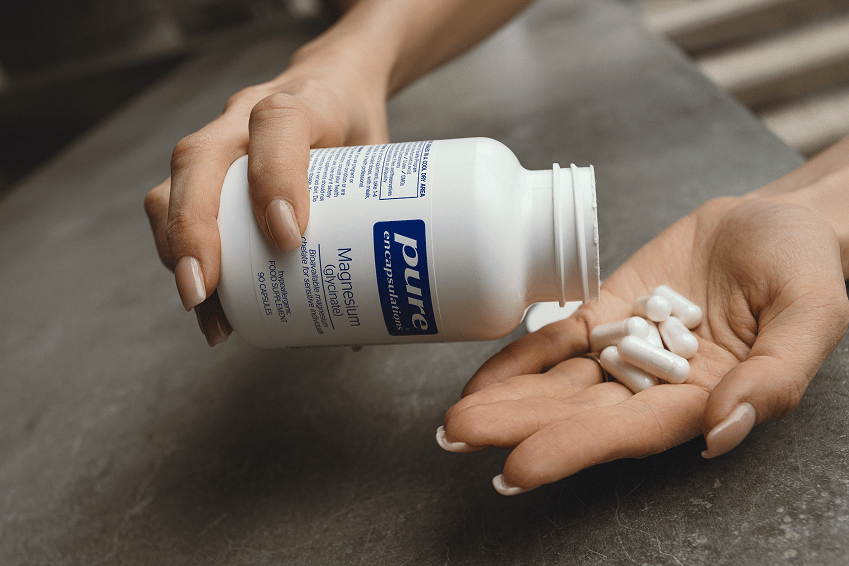
Magnesium supports immunity by regulating the stress response—one of the biggest suppressors of immune strength. Pure Encapsulations uses gentle, highly absorbable glycinate to soothe the nervous system, ease tension and support restorative sleep. A good go-to for when stress spikes or recovery slows, it helps keep your immune system steady by reducing the physiological load that weakens it.
Best probiotic for broad-spectrum gut defence
Rather than targeting specific bacteria, this formula focuses on diversity - an essential foundation for stable, resilient gut ecology. AMMD delivers 100 billion CFU across 14 Lactobacillus and Bifidobacterium strains, offering wide-ranging support for gut integrity, microbial balance and steady immune communication. Shelf-stable and easy to take daily, it’s built for maintaining overall digestive and immune harmony.


Three things that can help improve your immune resilience according to an immunologist
Here are three winter non-negotiables Jenna also swears by:
1. Prioritise your recovery: Convalescence isn’t indulgent. It’s essential for preventing the long tail of illness and allowing the system to recalibrate.
2. Strengthen your barriers: Hydration, omega-3s, zinc, vitamin D, polyphenol-rich foods and fibre all reinforce the gut and respiratory lining.
3. Get outside daily: Morning light, movement in fresh air and gentle exposure to the natural microbial environment regulate circadian rhythms, stress physiology and immune readiness.”
Final word: immune health isn’t about never getting sick
“Immune health isn’t about not getting ill,” says Jenna. “It’s about the quality of your response, the efficiency of your recovery, and the resilience you build in the process.” A mild illness once a year isn’t a flaw in your system. It’s a reminder that your immune cells are learning, updating and recalibrating.




This article is for informational purposes only, even if and regardless of whether it features the advice of physicians and medical practitioners. This article is not, nor is it intended to be, a substitute for professional medical advice, diagnosis, or treatment and should never be relied upon for specific medical advice. The views expressed in this article are the views of the expert and do not necessarily represent the views of Healf
Samantha Nice is a seasoned wellness writer with over a decade of experience crafting content for a diverse range of global brands. A passionate advocate for holistic wellbeing, she brings a particular focus to supplements, women’s health, strength training, and running. Samantha is a proud member of the Healf editorial team, where she merges her love for storytelling with industry insights and science-backed evidence.
An avid WHOOP wearer, keen runner (with a sub 1:30 half marathon) hot yoga enthusiast and regular gym goer, Samantha lives and breathes the wellness lifestyle she writes about. With a solid black book of trusted contacts (including some of the industry’s leading experts) she’s committed to creating accessible, well-informed content that empowers and inspires Healf readers.