


















_2026-10-13_14-11-48.png)


The 5-10-20 Rule That Will Reset Your Circadian Rhythm
Here's why Andrew Huberman and Mel Robbins swear by the morning ritual.

Written by: Tom Ward
Written on: 23 March 2026
Daylight savings is just around the corner, and with it, the promise of some much-missed morning sunshine ahead. By the time March rolls around, it can feel like we haven't seen a proper sunny day in years, so it's no wonder an estimated one in 15 people in the UK experience Seasonal Affective Disorder. But, lack of sunlight doesn’t just impact our mood; it’ll also wreak havoc on our circadian rhythm, sleep, and overall health. That's where the 5-10-20 Rule comes into play.
Unlike some wellness trends, this rule is beautifully simple and easy to add to your morning routine. Introduced by neuroscientist Andrew Huberman and popularised by wellness gurus like Mel Robbins, the rule posits that you should get outside within an hour of waking and spend a certain amount of time outside – the idea being that a jolt of sunshine (even if you can't technically see it) first thing in the morning works wonders on your circadian rhythm.
But is it really that simple? Maja Schaedel, a sleep expert and clinical psychologist at St Thomas’ NHS Foundation Trust, says that while “the underlying principle makes sense” there’s not a ton of actual peer-reviewed data on this particular method, but “it is definitely helpful to get outside in the daylight.”
Here’s everything you need to know about the circadian rhythm reset rule and how to make it work for your schedule.
Why morning light is the most powerful signal for your body clock
Our circadian rhythm, the internal, 24-hour clock that regulates sleep, hormones, metabolism, and alertness, is primarily controlled by light exposure. “Light detected by the eyes signals a small region of the brain called the suprachiasmatic nucleus (SCN) in the hypothalamus, which acts as the body's master clock,” explains Wesley Tensel, an NHS GP and the co-owner of Prestige Private Health.
Dr. Tensel says that morning light is essential for letting the brain know that the day has begun. “When sunlight enters the eye, specialised light-sensitive retinal cells detect blue-wavelength light and send signals directly to the SCN,” he says. “This synchronises the body's internal clock with the external day-night cycle.”
Without adequate morning light, our brains can struggle to get into the proper rhythm, leading to messed up sleep and reduced daytime alertness. “In countries like the UK, where winter mornings can be dark and overcast, circadian disruption becomes more common,” Dr. Tensel warns.
And, while there aren’t yet any studies on "The 5-10-20 Rule" specifically, research published in Current Biology found that even brief exposure to natural outdoor light in the morning significantly advances circadian timing and improves sleep onset later in the evening. “In simple terms, morning light helps set the body's internal clock for the rest of the day,” says Dr. Tensel.
The hormonal science behind morning sunlight
Other than causing us to squint when we open the curtains, that first hit of daylight impacts our minds and bodies in three main ways, as Dr. Schaedel explains:
First is melatonin, which is a neurotransmitter that signals our body that it's time to go to sleep. “But we also need to know when to stop producing it," says Dr. Schaedel. Morning light triggers the SCN to suppress melatonin production to help regulate sleep, which is a concept explored in a 2019 peer-reviewed study in Somnologie.
It's also key to triggering an essential dose of cortisol, a "stress" hormone. “Cortisol gets a bad press, but the morning spike is a useful thing. It's your body's way of mobilising energy and readying your immune system for the day," says Dr. Schaedel. Research shows that morning light amplifies these biological responses, with early exposure to bright light linked to higher cortisol peaks in the first hour after waking. "When you don't get that light, the response can be blunted — which goes a long way to explaining why dark mornings leave us feeling sluggish," he adds.
Finally, morning light prompts the brain to release serotonin, another neurotransmitter known as the "feel good" hormone which can support wakefulness. "Serotonin is also the biochemical precursor to melatonin, so healthy daytime serotonin production directly feeds better melatonin quality at night," says Dr. Schaedel.
What the 5-10-20 rule actually means
In practical terms, Dr Tensel calls the 5-10-20 rule “a great way to ensure your body receives enough light to anchor your circadian rhythm.” But, as anyone who has lived through a dark, cold winter knows, non-stop sunshine can be hard to access, even during summer months. So how do we make sure we’re hitting our light exposure goals?
It's pretty simple:
If it's sunny, aim for 5 minutes of direct sunlight
If it's cloudy, aim to spend 10 minutes outside.
If it's dark or overcast, aim to spend 20 minutes outside.
Even if you can't see it, the light is still there. “We can’t accurately judge the light levels with the naked eye,” explains health scientist and sleep coach Tom Coleman. He recommends downloading a light meter app on your phone to measure the strength of light, or ‘lux’, you’re receiving.
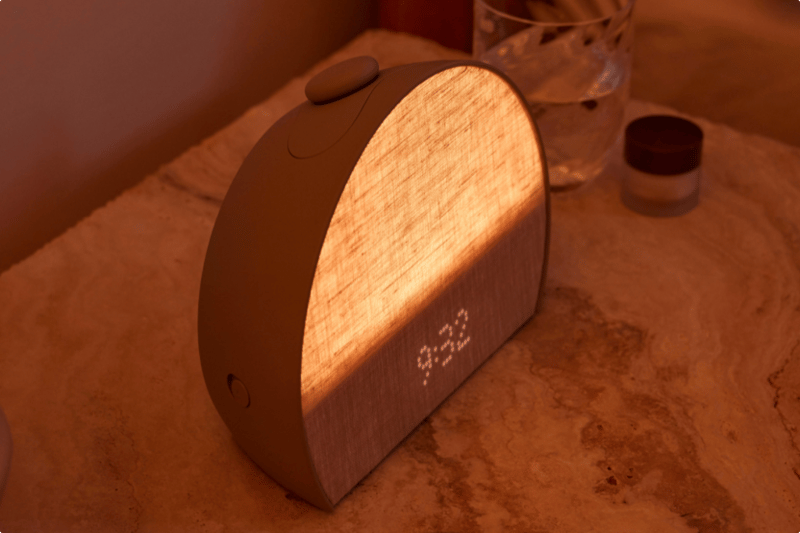
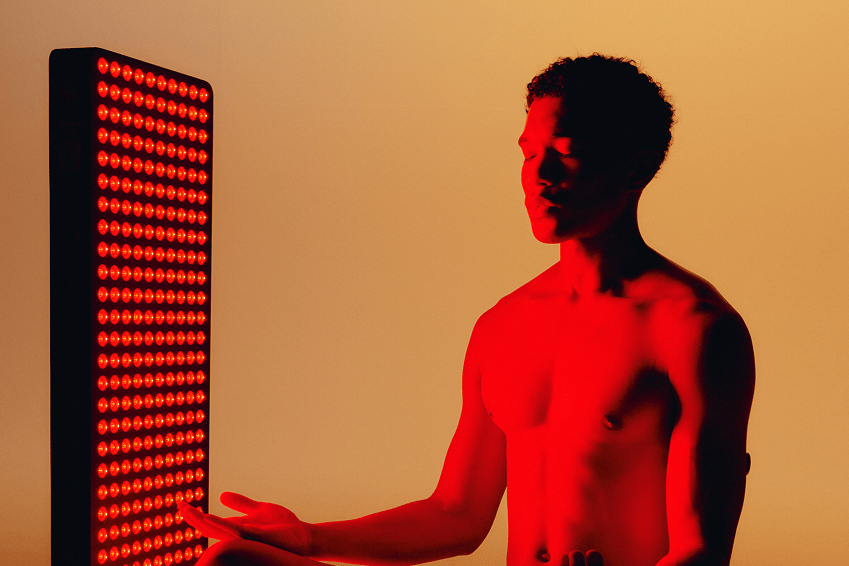
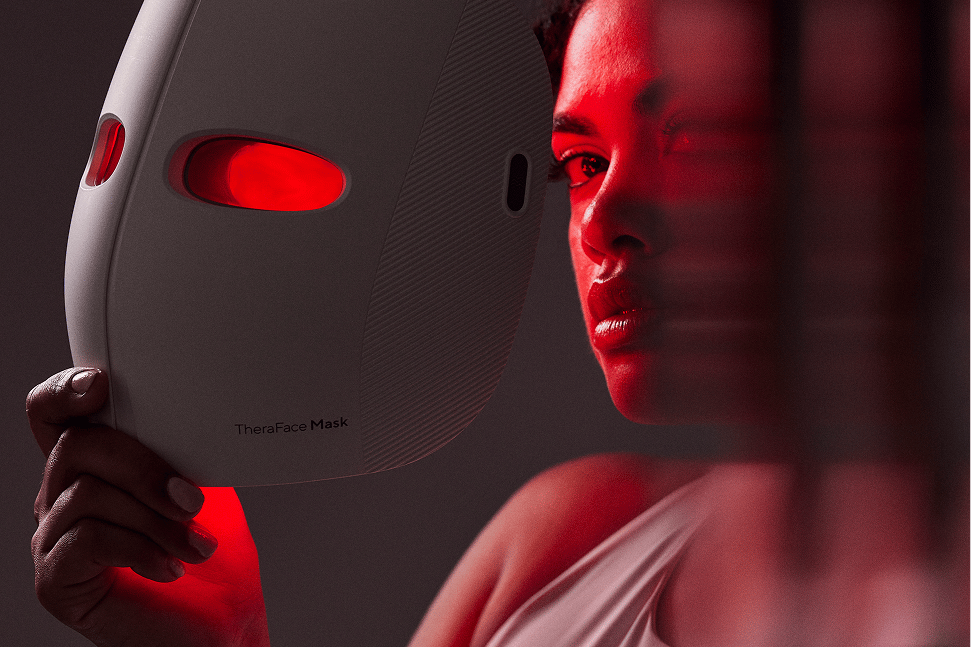
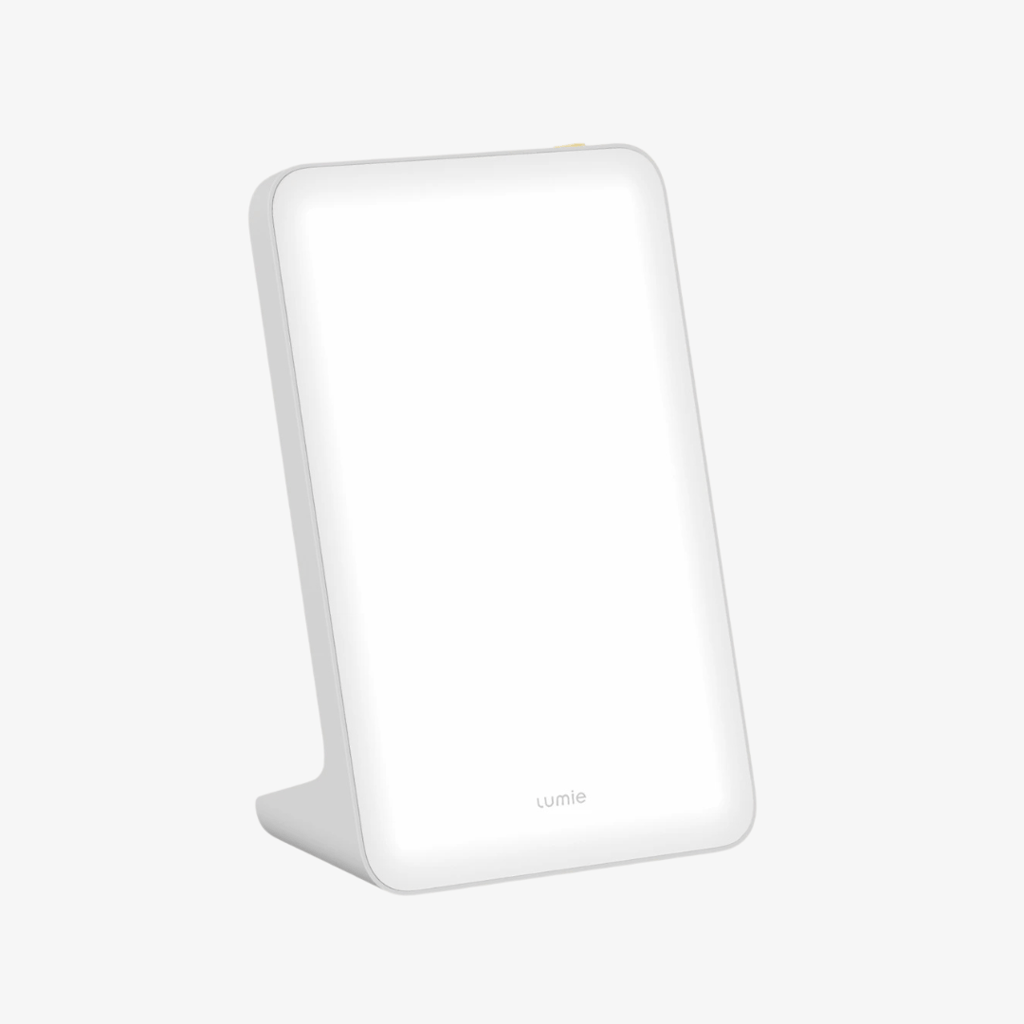
Then there’s the issue of those dark winter mornings. “The CAR response [or the Cortisol Awakening Response, the jolt of stress hormone that helps us snap to attention] doesn’t kick in until 45 minutes after we wake up, and it could still be pitch black in winter,” says Coleman. One solution? A specialised lamp, like the ones made by Lumie, that can mimic natural light and helps fight off Seasonal Affective Disorder in the gloomy winter months when sunlight is hard to find. "You plug it in and it emits full-spectrum light that will do much the same as outside light," he says.
There's data to back this up. An older study found that 20 to 30 minutes of light lamp usage in the morning, at a distance of around 16 to 24 inches from your face, delivers a light dose that research shows can meaningfully shift the circadian clock.




Does indoor light count?
While a SAD lamp is a useful tool, unfortunately, your standard 50-watt indoor bulbs can't be a stand-in, as they don’t have the same impact. “Most indoor environments are lit at levels below 500 lux, which is usually insufficient to strongly stimulate the circadian system,” says Dr Tensel. “By contrast, natural daylight outdoors typically ranges from 10,000 to over 100,000 lux.”
In other words, going outside on a grey, drizzly Tuesday in March still delivers significant circadian benefit over staying indoors under artificial light.
Simple ways to build morning light into your routine
As with any new routine, the easiest way to make the 5-10-20 rule stick is to attach it to something you're already doing. “Think walking to the bus stop, nipping out with the dog, getting your coffee at the local shop, doing a lap of the block before you sit down at your desk,” suggests Dr. Schaedel.
If you can combine it with a short walk, even better; research published in the journal Cureus found that outdoor morning exercise was associated with meaningfully better sleep quality and stable circadian markers.
“What matters most is consistency,” says Dr. Schaedel. “The SCN learns through repetition, and the more reliably you give it that morning signal — whether outdoors or via a bright lamp on the truly grim days — the more reliably your sleep, energy and mood will follow.”
This article is for informational purposes only, even if and regardless of whether it features the advice of physicians and medical practitioners. This article is not, nor is it intended to be, a substitute for professional medical advice, diagnosis, or treatment and should never be relied upon for specific medical advice. The views expressed in this article are the views of the expert and do not necessarily represent the views of Healf
Tom Ward is a former Men's Health features editor, and writes regularly on sports, fitness and adventure for the Red Bulletin, Outside, and the Sunday Times. He is the author of the novels The Lion and The Unicorn, and TIN CAT.