
























_2026-10-13_14-11-48.png)


Small Habits To Boost Your Fertility In 2026
From sperm quality and egg health to stress, nutrition and daily routines, fertility nutritionist Natasha Evans explains the science-backed habits that will actually move the needle.

Written by: Samantha Nice
Written on: 12 January 2026
Fertility is often framed as something that suddenly matters when you’re actively trying to conceive. But in reality, reproductive health reflects what’s been happening in the body for months (and sometimes years) before that point.
Sperm quality, egg health, hormone balance, inflammation, metabolic health and stress all play a role, and these are all heavily influenced by the things we do each day. The good news? Many of the most impactful changes are small, achievable and well within your control. This really isn’t a reason for overwhelm, but actually a reason for optimism.
Here, expert fertility nutritionist Natasha Evans, talks us through the habits that matter most and offers some practical, evidence-backed ways to support both male and female fertility without turning it into another full-time job.
Why male fertility deserves more attention
“Sperm are highly sensitive to lifestyle factors because they’re continuously produced meaning daily habits matter more than people realise,” Natasha explains. Unlike eggs, which are finite, sperm are regenerated constantly. That makes male fertility incredibly responsive to changes in nutrition, sleep, stress and toxin exposure, for better or for worse.
“The quality of a sperm that’s ejaculated today is the result of a man’s lifestyle over the past three months,” she says. “That’s why this should feel empowering. Men can often turn fertility around within 8-12 weeks.” Essentially, what you do now genuinely matters.
The daily habits that have the biggest impact on sperm quality
Natasha is clear that sperm health isn’t built on one supplement or hack; it’s built on foundations. “The most impactful foundations for good quality swimmers are nutrition, sleep, movement, stress management and reducing toxic exposure,” she says. Sperm quality is influenced by testosterone levels, antioxidant capacity and mitochondrial function, all of which are affected by how you eat, sleep and live day to day. The biggest needle-movers include:
Eating a nutrient-dense, varied diet
Prioritising antioxidants to protect sperm DNA
Getting 7-8 hours of sleep
Managing stress to avoid suppressing testosterone
Reducing excess heat and environmental toxins around the testes
The ‘sperm menu’: What the evidence actually supports
When we shared a ‘sperm menu’ over on Instagram (here in case you missed it), it sparked a surprising amount of interest. Perhaps it struck a nerve, because for a long time, male fertility hasn’t really been part of the everyday health conversation. The idea that what you eat can meaningfully influence sperm quality might sound simplistic, but Natasha says it absolutely makes sense. “Diet has a direct impact on sperm quality,” she explains. When you step back from individual ‘superfoods’ and look at overall dietary patterns, the evidence points to a clear and consistent picture.
“The strongest data supports a Mediterranean-style diet which is rich in vegetables, fruit, whole grains, legumes, oily fish, olive oil, nuts and seeds.” This way of eating is consistently linked to improvements in sperm count, motility and morphology. A few nutrients really stand out:
Omega-3 fatty acids: support sperm membrane integrity
Zinc: essential for testosterone and sperm formation
Selenium: supports motility and DNA integrity
Folate & B12: important for sperm DNA and movement
Antioxidants (vitamin C, E, polyphenols): protect against oxidative damage
Just as important is what to limit. “Ultra-processed foods, trans fats, refined carbs, excessive alcohol and high sugar intake are all associated with poorer sperm parameters,” adds Natasha.
Does ejaculation frequency really matter?
Yep, and it’s one of those details that rarely gets spoken about. “Long periods of abstinence can increase sperm count but reduce motility and increase DNA fragmentation,” Natasha explains. On the other hand, very frequent ejaculation can temporarily lower your count. “For most couples trying to conceive, ejaculating at least every three days helps keep sperm fresh,” she says. “Sex every other day during the fertile window tends to give the best results.”
Sleep, stress and blood sugar: The hidden fertility levers
Male fertility is closely tied to overall metabolic health. “Poor sleep and chronic stress raise cortisol, which can suppress testosterone and impair sperm production,” Natasha explains. “Even a few nights of short sleep can measurably lower testosterone.” Blood sugar regulation matters too. “Insulin resistance increases oxidative stress and inflammation, which damages sperm DNA,” she says, which is one reason sperm quality is often poorer in men with pre-diabetes or obesity. Supporting fertility here often looks very unsexy:
Eating balanced meals regularly
Avoiding extreme dieting
Moving consistently (but not excessively)
Sleeping well
Boring, but it works.
Environmental exposures worth paying attention to
“The biggest concerns are heat, endocrine-disrupting chemicals and chronic low-grade toxin exposure,” Natasha explains. Some simple but realistic swaps include:
Avoid laptops on laps and phones in front pockets
Limit frequent hot baths, saunas and jacuzzis when trying to conceive
Reduce plastic food packaging (especially for hot food)
Use glass or stainless steel bottles
Wash your fresh produce thoroughly and if you can, choose organic for high-residue foods
Reduce heavy fragrances where possible
“Even just making a handful of these changes can make all the difference,” she adds.
Female fertility: Supporting egg quality, not just ovulation
While ovarian reserve is largely fixed, egg quality is not. “Egg quality is influenced by the environment the egg matures in over several months,” Natasha explains. “It’s particularly sensitive in the three months prior to ovulation.” That again means daily habits really matter, and they matter well before you’re actively trying.
Small habits that genuinely support egg quality
Egg quality is shaped by the environment an egg matures in over several months, so daily habits really do matter. “A diverse, nutrient-dense diet is really key,” Natasha explains, because it supplies the building blocks needed for healthy cell development, hormone signalling and protection against oxidative stress. She suggests paying particular attention to:
Healthy fats Essential for hormone production and cell membrane integrity. Think olive oil, avocado, oily fish (like salmon and sardines), nuts and seeds.
Adequate protein Provides the amino acids needed for egg development and hormone balance. Include eggs, poultry, fish, Greek yoghurt, lentils, beans and tofu.
Folate Critical for DNA synthesis and egg maturation, you’ll find this in leafy greens (spinach, kale), asparagus, broccoli, lentils and chickpeas.
Iron Supports oxygen delivery to the ovaries and developing eggs. Focus on red meat, sardines, lentils, beans, spinach and pumpkin seeds (and pair plant sources with vitamin C to improve absorption).
Choline Often overlooked but vital for cell division and early embryonic development. Rich sources include egg yolks, liver, salmon and soybeans.
Iodine Essential for thyroid hormones, which play a key role in ovulation and cycle regulation. You can get this from seafood, eggs, dairy and sea vegetables (in moderate amounts).
Antioxidants Help protect eggs from oxidative damage as they mature. Go big on colourful fruit and vegetables, berries, herbs, spices, green tea and dark chocolate.
Movement helps too, when it’s balanced. “Gentle, regular movement improves insulin sensitivity and blood flow to the ovaries,” she explains. Excessive exercise or under-fuelling, on the other hand, can act as a stressor and negatively affect egg quality.
Cycle tracking: What’s useful and what to avoid over-interpreting
“If you’re only using a cycle-tracking app, you might be missing your fertile window entirely,” Natasha warns. Ovulation timing varies, so she recommends also looking at:
“Getting familiar with your cervical mucus is one of the most useful real-time indicators of fertility,” Natasha explains. “Cervical mucus production usually begins a few days after your period ends and continues up until ovulation. When you’re producing fertile cervical mucus, you are in your fertile window, which makes it a practical way to time sex more accurately than an app prediction alone.”
This kind of body-led tracking helps shift the focus from estimated cycles to what your hormones are actually doing in real time, which is especially valuable if cycles are irregular or fertility is a priority.
Inflammation, fertility and everyday anti-inflammatory habits
“Chronic, low-grade inflammation can be damaging to egg quality and is increasingly common,” Natasha explains. Some of the best ways to keep yours in check include:
Mediterranean-style eating
Oily fish 2-3 times per week
Minimising ultra-processed foods and sugar
Prioritising sleep
Regular movement
Reducing alcohol and avoiding smoking
Gut health and the fertility connection
Gut health might not be the first thing that comes to mind when thinking about fertility, but the two are very closely linked. “We now know the gut microbiome plays a role in oestrogen metabolism, immune regulation and inflammation,” Natasha explains - all of which are fundamental to your reproductive health.
What’s more, the gut doesn’t work in isolation. The balance of microbes in your digestive system also influences the reproductive microbiomes, including the vaginal, uterine and even semen microbiomes, which are increasingly being linked to fertility outcomes. Supporting your gut doesn’t require extreme protocols or restrictive diets. It starts with simple, consistent food choices:
Include fermented foods regularly, such as kefir, yoghurt, kimchi, sauerkraut or miso.
Eat prebiotic-rich plant foods daily, including vegetables, fruits, wholegrains, legumes, nuts and seeds.
Prioritise plant diversity over perfection by rotating different colours and types week to week.
“Your microbes love variety,” Natasha says. “Try something new and add more colour to your plate.” Over time, these small habits can help create a more supportive internal environment for hormone balance, immune function and fertility.
For those who struggle to get enough diversity consistently, a high-quality supplement can also be a helpful addition. A broad-spectrum synbiotic like Seed’s DS-01 Daily Synbiotic is designed to support overall microbiome balance, combining clinically studied probiotic strains with a prebiotic to help beneficial bacteria thrive. Used alongside a fibre-rich diet, it can be a practical way to support gut and reproductive health during preconception.
Realistic fertility-friendly routines for busy lives
Trying to support your fertility alongside work, a social life and everyday stress doesn’t mean doing more. In fact, Natasha says the most effective routines are often the ones that reduce physiological stress, not add to it. “Fertility-supportive habits should feel grounding, not like another item on your to-do list,” she explains. The routines that tend to make the biggest difference are surprisingly simple:
Eat regular, balanced meals, even on busy days. Natasha really stresses the importance of not skipping brekkie as stable blood sugar works wonders for hormone balance.
Protect your sleep where you can and aim for consistency rather than perfection.
Move little and often, standing or walking every 45-60 minutes to support circulation to reproductive organs.
Reduce your alcohol intake, particularly when you’re actively trying to conceive.
Consider targeted supplementation, especially as many people are trying to conceive later in life and may benefit from extra nutritional support.
These habits may not feel headline-worthy, but they quietly support hormone regulation, metabolic health and resilience which are all the foundations fertility depends on.
Male vs female fertility: A quick checklist
You don’t need to overhaul your life to support fertility. The biggest wins come from consistently getting the basics right and those basics look slightly different for men and women…
For males:
Focus on a Mediterranean-style diet as much as you can
Up your intake of omega-3s, zinc, selenium, antioxidants
7-8 hours sleep
Avoid too much heat and plastic exposure
Ejaculate every 2-3 days
Manage stress levels
Keep your blood sugar balanced
The best male supplements that can support sperm health:
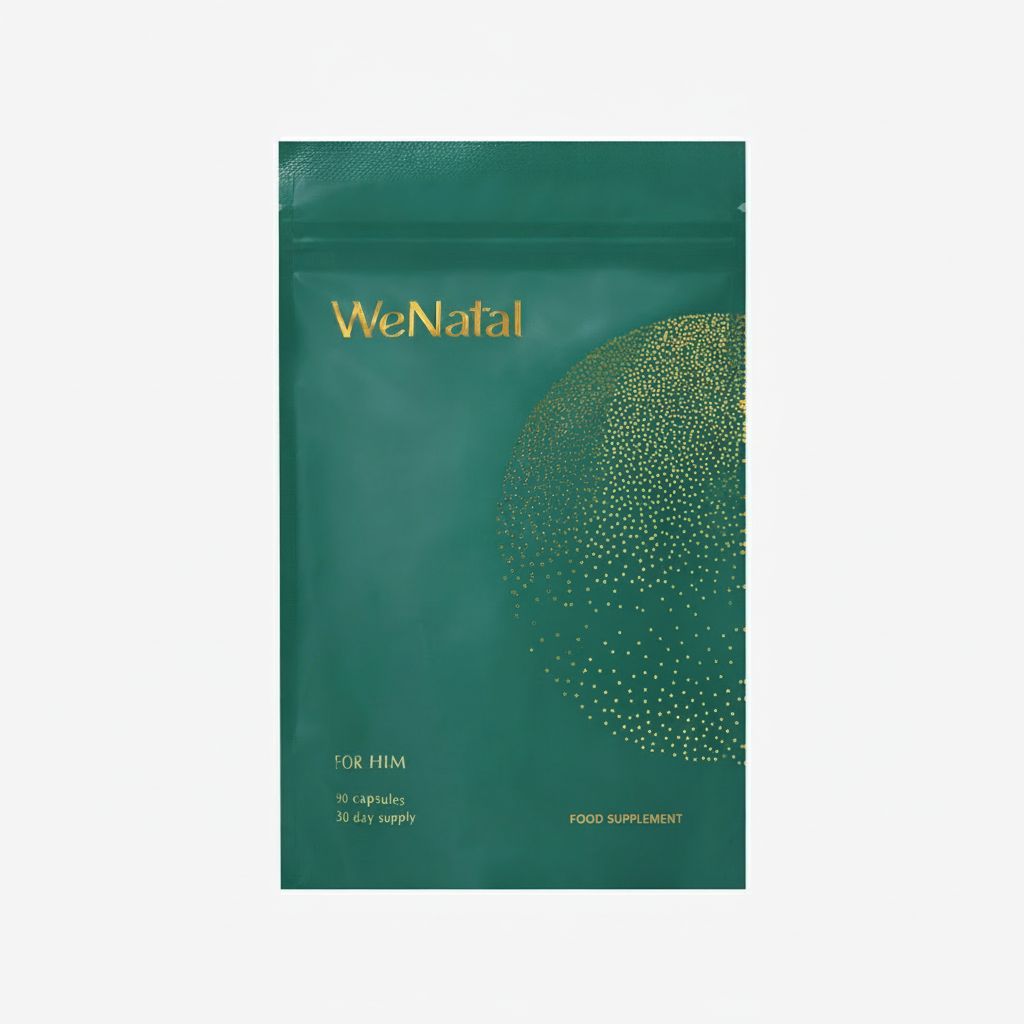
Fertility multi: A targeted male fertility formula (like WeNatal For Him) to support normal fertility, testosterone levels and protect sperm from oxidative stress.
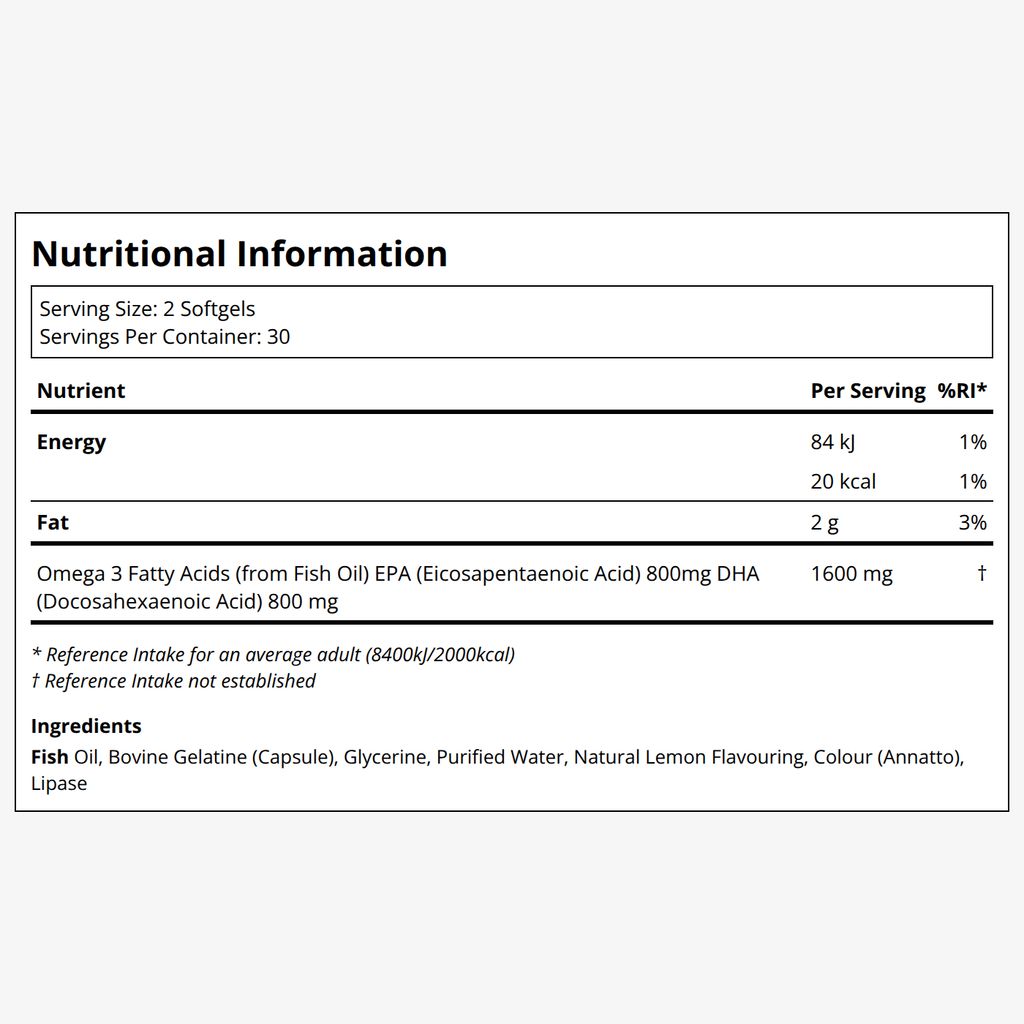
Omega-3: A high-quality omega-3 (try Momentous’ Omega-3) to support sperm membrane integrity, inflammation balance and overall metabolic health.


For females:
Eat a nutrient-dense, diverse diet
Track real fertility signs, not just apps
Reduce inflammation
Support your gut health
Avoid overtraining
Protect your sleep
Focus on recovery
The best supplements to support female fertility:
Prenatal: A comprehensive prenatal (like ARTAH’s Enhanced Fertility) to support reproductive health, hormone balance and overall wellbeing before conception, not just during pregnancy.
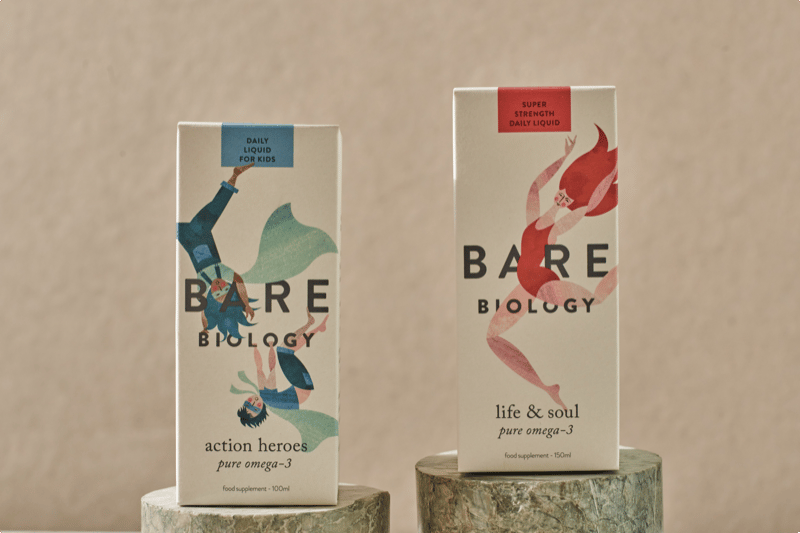
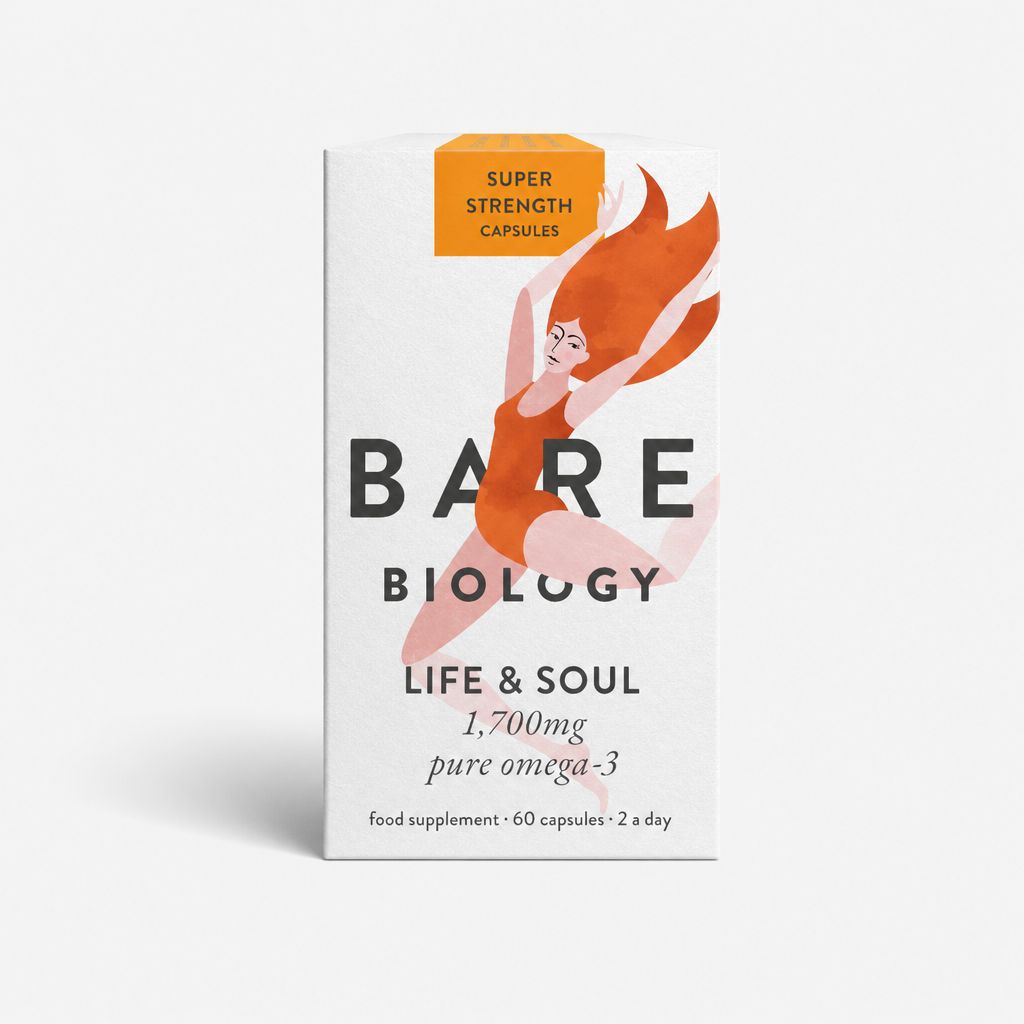
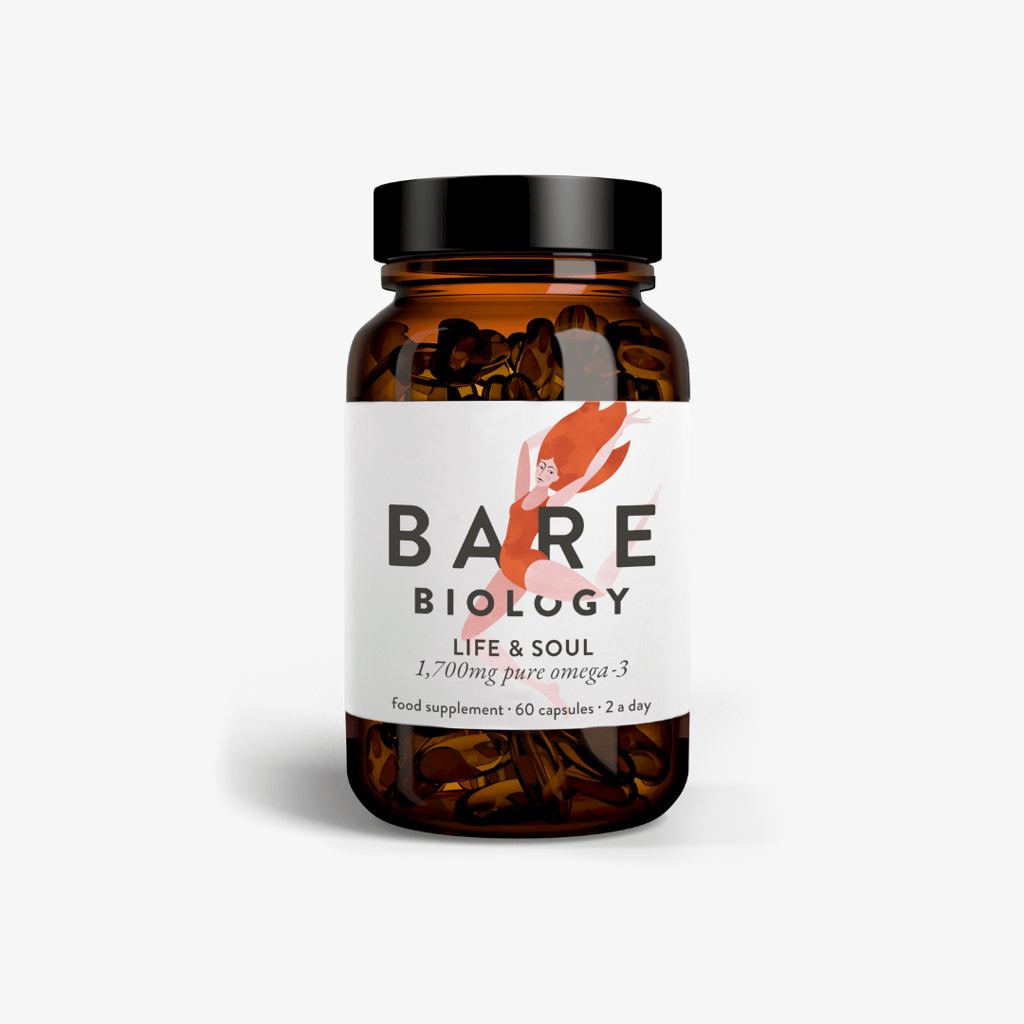
Omega-3: A high-strength omega-3 (try Bare Biology’s Life & Soul) to support hormone signalling, egg quality and inflammation balance, with concentrated EPA and DHA.
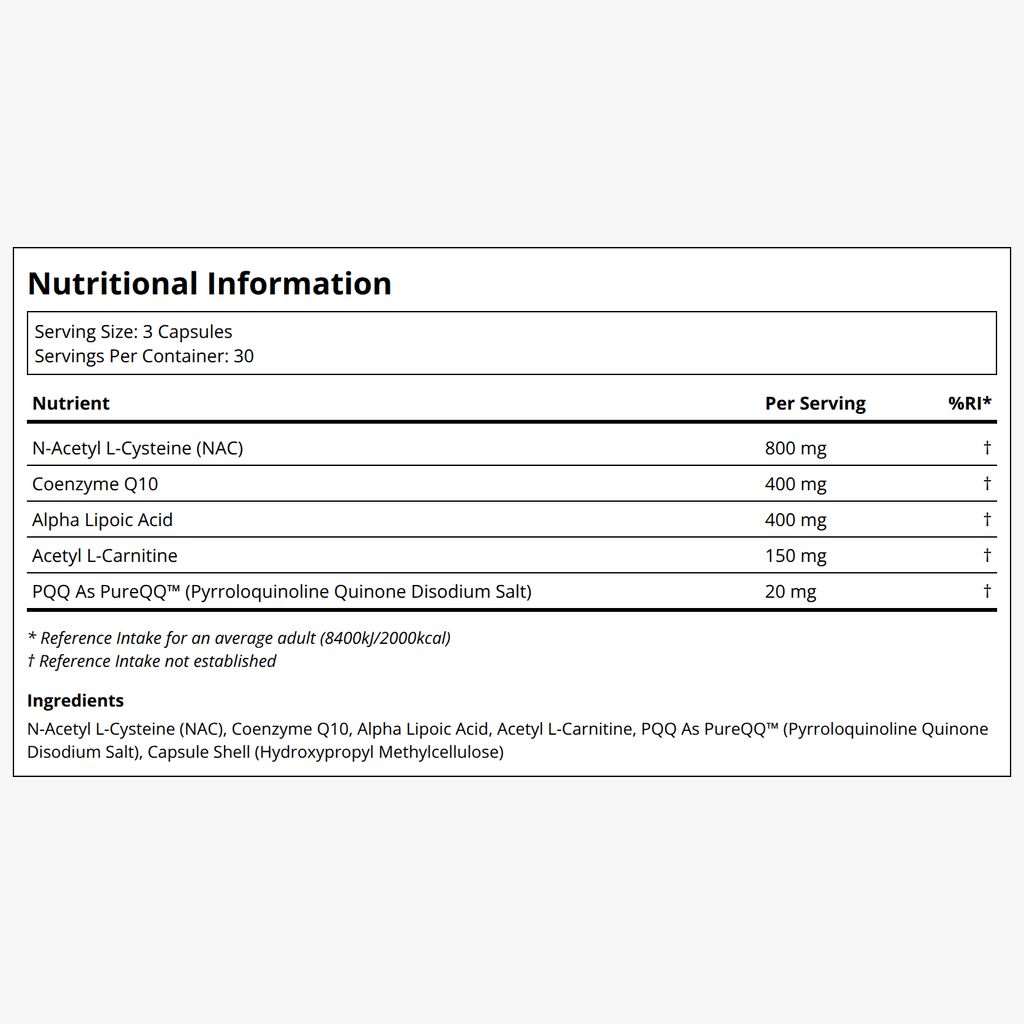
Extra egg quality support (especially for those aged 40+): A targeted formula (WeNatal Egg Quality is a good choice) designed to support cellular energy and egg health, featuring nutrients such as CoQ10, PQQ, NAC and Alpha Lipoic Acid.

The best bits to takeaway
Fertility isn’t fragile… but it is responsive. Small, consistent habits around nutrition, sleep, stress, movement and toxin exposure can meaningfully improve your sperm quality and egg health within just a few months. When you focus on creating the right internal environment, fertility becomes far less about pressure and far more about support.
Small daily habits matter more than perfection
Sperm health can improve within 8–12 weeks
Egg quality reflects months of lifestyle inputs
Diet, sleep, stress and toxin exposure all influence fertility
Supporting fertility early is proactive, not premature
Expert reviewed by: Natasha Evans, Fertility Nutritionist specialising in evidence-based nutrition for male and female fertility
Your most asked fertility questions, answered
How quickly can sperm health improve?
Sperm are constantly being produced, which means lifestyle changes can influence quality relatively quickly. Improvements are often seen within 8-12 weeks, reflecting the previous few months of diet, sleep, stress and environmental exposure.
Does what you eat really affect fertility?
Yes, nutrition directly influences hormone balance, inflammation and reproductive cell quality in both men and women. A consistent, nutrient-dense eating pattern supports healthier sperm and eggs over time.
Which foods best support sperm quality?
Research consistently points to a Mediterranean-style diet rich in vegetables, fruits, whole grains, legumes, oily fish, olive oil, nuts and seeds. Key nutrients such as omega-3s, zinc, selenium, folate, B12 and antioxidants are all linked to better sperm count, movement and structure.
How often should men ejaculate when trying to conceive?
Very long periods without ejaculation can reduce sperm quality, while extremely frequent ejaculation may lower count. For most couples, ejaculating every two to three days strikes the best balance.
Can women influence egg quality naturally?
Yes, egg quality is shaped by the environment the egg matures in, particularly in the months before ovulation. Nutrition, sleep, stress levels, movement and toxin exposure all play a meaningful role.
Does stress impact fertility outcomes?
Chronic stress can disrupt reproductive hormones and increase inflammation, which affects both ovulation and sperm production. Managing stress and prioritising sleep supports healthier fertility signals in the body.
Why does gut health matter for fertility?
The gut microbiome influences oestrogen metabolism, immune balance and inflammation which are all central to reproductive health. Supporting it through plant diversity and fermented foods helps create a more fertility-friendly environment.
Is male fertility just as important as female fertility?
Absolutely… sperm quality is highly sensitive to lifestyle factors and often overlooked. Supporting male metabolic, hormonal and environmental health is essential for conception.
Do supplements improve fertility?
Supplements can help address deficiencies or support fertility as age increases, but they’re most effective when targeted. A strong nutritional foundation should always come first.
How quickly can sperm health improve?
Sperm are constantly being produced, which means lifestyle changes can influence quality relatively quickly. Improvements are often seen within 8-12 weeks, reflecting the previous few months of diet, sleep, stress and environmental exposure.
Does what you eat really affect fertility?
Yes, nutrition directly influences hormone balance, inflammation and reproductive cell quality in both men and women. A consistent, nutrient-dense eating pattern supports healthier sperm and eggs over time.
Which foods best support sperm quality?
Research consistently points to a Mediterranean-style diet rich in vegetables, fruits, whole grains, legumes, oily fish, olive oil, nuts and seeds. Key nutrients such as omega-3s, zinc, selenium, folate, B12 and antioxidants are all linked to better sperm count, movement and structure.
How often should men ejaculate when trying to conceive?
Very long periods without ejaculation can reduce sperm quality, while extremely frequent ejaculation may lower count. For most couples, ejaculating every two to three days strikes the best balance.
Can women influence egg quality naturally?
Yes, egg quality is shaped by the environment the egg matures in, particularly in the months before ovulation. Nutrition, sleep, stress levels, movement and toxin exposure all play a meaningful role.
Does stress impact fertility outcomes?
Chronic stress can disrupt reproductive hormones and increase inflammation, which affects both ovulation and sperm production. Managing stress and prioritising sleep supports healthier fertility signals in the body.
Why does gut health matter for fertility?
The gut microbiome influences oestrogen metabolism, immune balance and inflammation which are all central to reproductive health. Supporting it through plant diversity and fermented foods helps create a more fertility-friendly environment.
Is male fertility just as important as female fertility?
Absolutely… sperm quality is highly sensitive to lifestyle factors and often overlooked. Supporting male metabolic, hormonal and environmental health is essential for conception.
Do supplements improve fertility?
Supplements can help address deficiencies or support fertility as age increases, but they’re most effective when targeted. A strong nutritional foundation should always come first.




This article is for informational purposes only, even if and regardless of whether it features the advice of physicians and medical practitioners. This article is not, nor is it intended to be, a substitute for professional medical advice, diagnosis, or treatment and should never be relied upon for specific medical advice. The views expressed in this article are the views of the expert and do not necessarily represent the views of Healf
Samantha Nice is a seasoned wellness writer with over a decade of experience crafting content for a diverse range of global brands. A passionate advocate for holistic wellbeing, she brings a particular focus to supplements, women’s health, strength training, and running. Samantha is a proud member of the Healf editorial team, where she merges her love for storytelling with industry insights and science-backed evidence.
An avid WHOOP wearer, keen runner (with a sub 1:30 half marathon) hot yoga enthusiast and regular gym goer, Samantha lives and breathes the wellness lifestyle she writes about. With a solid black book of trusted contacts (including some of the industry’s leading experts) she’s committed to creating accessible, well-informed content that empowers and inspires Healf readers.