




















_2026-10-13_14-11-48.png)


Is Your Spine Affecting Your Sex Life?
Written by: Pippa Thackeray
Written on: 10 November 2025
When there are negative sexual changes, most people are quick to blame hormones or emotional stress. But recent discoveries suggest that spinal dysfunction could be disrupting sensation, movement, and desire more than once thought.
“Sexual dysfunction can act like a check engine light for spinal or brain health.” — Dr Jared Ament on The Genius Life
Sexual function can be related to many physical health parameters
It is easy to attribute changes in libido or performance simply to factors such as hormonal imbalances, emotional stress or trauma. But when patients of a spinal doctor describe what has changed in their experience of sex, it often transpires that the changes were noted gradually, alongside physical discomfort or restricted movement of the spine.
In many of Dr Jared Ament’s cases, the issue is not that sexual desire disappears altogether, more so that the physical experience becomes dulled or difficult to access.
Sometimes that means an inability to climax in more serious cases, or it could be discomfort or the feeling of emotional distance that often accompany chronic pain, all of which are debilitating on some level.
Yet, whatever the symptom, the source is often following a familiar pattern relating to either nerve compression, inflammation or postural collapse in the lower spine, which may be interfering with the body’s ability to respond.
This article explores these themes, as well as looking at some practical measures involving posture and the parasympathetic nervous system that one can take to avoid the negative impacts of poor spinal health on sexual function.
When lumbar nerves are compressed, the pelvic system stops listening
The nerve roots that exit the lumbar and sacral spine are the same ones responsible for arousal, orgasm and control of the pelvic floor. So, when these nerves are compressed, signals between the brain and genitals become weakened or even blocked.
In such cases, a person may still feel aroused but lack the full spectrum of physical sensation that once accompanied it.
Reflex pathways become sluggish, paired with blood flow being disrupted and sensory feedback that may be muted.
Reflexogenic and psychogenic arousal are regulated through the spine
Getting into the science of it, reflexogenic arousal, triggered by physical touch, depends on the parasympathetic pelvic nerves that emerge from the S2 to S4 segments.
When those nerves are irritated or compressed, even direct stimulation may fail to produce much response.
Psychogenic arousal, which originates in the brain and travels through sympathetic pathways in the T11 to L2 segments, is less easily disrupted but still vulnerable if the lower spinal cord is not functioning properly.
In summary, without that full loop of nervous system communication, the mechanics of arousal begin to break down, regardless of mental desire.
Spinal health studies confirm that sexual dysfunction is not just about sensation
From a biological perspective, an orgasm results from a sequence of muscular contractions, driven by the pudendal nerve and governed by the same spinal pathways that regulate pelvic coordination.
When these systems are interrupted by compression or degeneration, the signal may not be strong enough to activate the correct muscles at the correct time. And the result is often difficulty climaxing, shortened intensity or a complete absence of physical release.
In women, this can also present as tightness, dryness or a sense that sensation is delayed or incomplete. In men, it often leads to issues with ejaculation or the inability to maintain erection through orgasm.
The dreaded “Phone Neck”: How posture shapes the body’s ability to perform and respond
“I'm looking down and pretending that I'm on my phone. It’s a constant wear on your disc and your facet joints in your neck and your cervical spine that we've never had before. Even decades ago when people would sit in front of their TVs, they're still looking at their TVs straight on. It's a very different posture.” – Dr Jared Ament in conversation with Max Lugavere on The Genius Life
Information surrounding the importance of posture is omnipresent, especially in the wellbeing space. But it is also something to consider for sexual function.
You carry your spine into every movement you make, and the way it supports or collapses affects your entire pelvic system. Over time, poor posture creates patterns of tension and weakness that compromise sexual function.
Dr Jared says forward head carriage, rounded shoulders and anterior pelvic tilt place ongoing strain on the core, diaphragm and pelvic floor, reducing the ability of these systems to work together.
This can lead to poor muscle engagement, reduced circulation and disrupted breathing mechanics, all of which have a direct impact on arousal and performance.
Pelvic muscle dysfunction builds over years, not days
He further stresses that when the pelvis is tipped too far forward or backward for long periods of time, the pelvic floor muscles lose their natural balance.
They either become too tight, which leads to discomfort and reduced sensitivity, or too loose, which contributes to poor stamina, difficulty reaching orgasm or an overall drop in physical responsiveness.
Disc replacement often restores more than just mobility
In Dr Jared’s clinical experience, a key example of the power of a healthy spine is reflected in the discussion of how surgical correction of spinal compression often leads to sexual recovery.
When people regain sensation, they may report stronger orgasms, improved control and a renewed sense of ease in their own body. These changes are reflective of the reactivation of nerve pathways, plus the return of pelvic muscle coordination and a restored ability to move without restriction or pain.
In the interview, it was mentioned that one patient who had avoided intimacy for years due to chronic back pain and reduced function found himself able to return to sex. He had not expected that result. But once his spinal mobility was restored, so was the function of the systems that support pleasure and connection.
Chronic pain changes everything, including desire
“It’s not just the spine. The way your brain and spinal cord interpret pain can interfere with your ability to be intimate.” — Dr Jared Ament
Long-term spinal discomfort affects the physical body, it also rewires the nervous system and changes the way the brain processes stimulation.
Therefore, patients living with persistent back pain often describe a flattening of emotion, difficulty sleeping and a slow-building reluctance to engage in anything physical, especially sex.
What’s more, pain heightens stress hormone production, which suppresses sex hormones and dulls mood. It also alters posture and movement, making once-familiar positions feel strained or risky.
Anticipation of discomfort is just as limiting as pain itself
In a very real sense, when pain is not present in the moment, the fear of triggering it can keep people from moving freely. They begin to guard, and sex begins to feel like something that must be managed rather than enjoyed.
Hormonal, emotional and sexual function are deeply connected to spinal health
When mobility returns, cortisol levels drop, circulation improves and the nervous system becomes less reactive. This is because hormones begin to regulate more efficiently, and libido comes back without the need for intervention.
Sleep can improve, just as mood may stabilise, and, as a result, emotional closeness becomes likely easier. These may be signs that the spine has resumed its role as the foundation for communication between body and brain.
Explaining further the involvement of the parasympathetic nervous system
When pain is chronic or movement is limited, the nervous system often defaults to a state of sympathetic overdrive, that fight-or-flight response designed to help us survive.
It is a familiar pattern which elevates cortisol and keeps the body on high alert. Over time, that alert state suppresses the parasympathetic nervous system, which is essential for arousal, physical release and intimacy.
For men, parasympathetic activation controls vasodilation and blood flow to the penis. If that system is suppressed, erectile function becomes harder to maintain.
For women, the same suppression affects clitoral and vaginal blood flow, lubrication and muscular coordination.
Utilising breathwork for sympathetic and parasympathetic tone
“There’s real data showing breathwork and meditation can shift the nervous system out of fight or flight and back into rest and sexual responsiveness.” — Dr Jared Ament
Techniques like breath work and guided relaxation can help recalibrate the balance between sympathetic and parasympathetic tone, and many patients benefit from these tools during recovery. Or in a more general sense, these exercises can be helpful in improving sexual experience, even in the absence of significant injury.
But in certain cases, it is often the structural correction, i.e., the removal of compression or the return of full spinal mobility that makes these tools effective in the first place. Once the spine stops broadcasting its distress, the rest of the system is more able to move into a state where intimacy feels possible again.
What you should know about the spine and sexual wellbeing
Lumbar and sacral spinal nerves control the physical mechanisms behind arousal and orgasm
Compression or inflammation in these areas can disrupt sensation and pelvic muscle function
Poor posture alters circulation, breathing and muscle balance across the pelvic floor
Chronic pain can suppress desire, reduce confidence and create patterns of avoidance
Rebuild from your spine up.
Explore spinal mobility tools and postural training to support circulation, nerve flow and pelvic stability, these are the foundations that help protect both movement and sexual function. Shop MOVE at Healf.
The Queen of the Thrones Castor Oil Pack for the back and abdomen is designed to provide targeted relief for sore muscles and joints in the mid to lower back, potentially reducing sciatic pain.
For stable support for the spine and head during yoga and meditation, the Yoga Studio Organic Buckwheat Bolster helps you achieve better posture and relaxation.
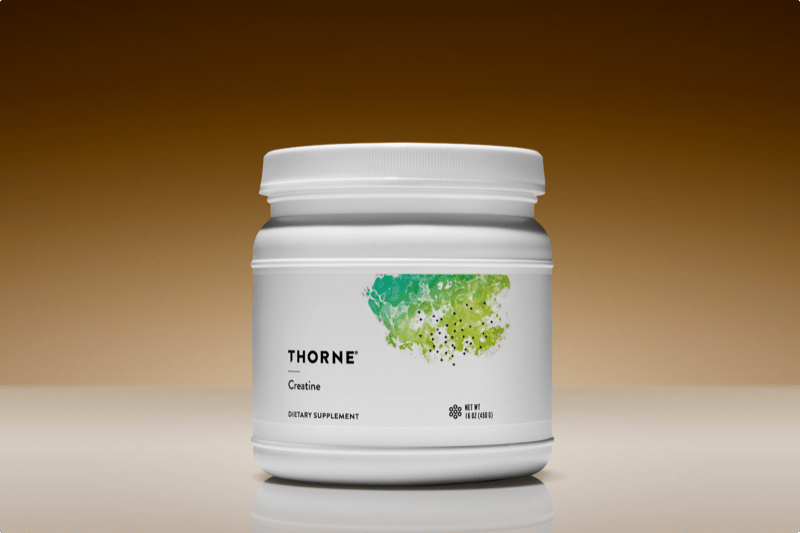
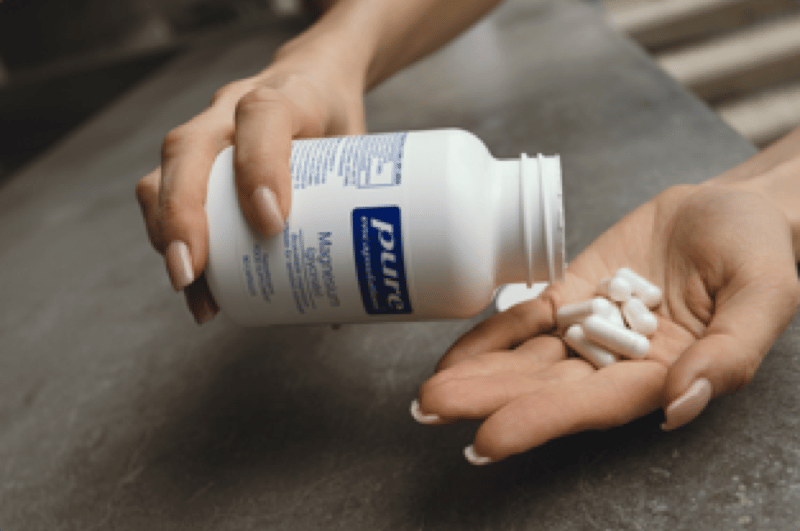
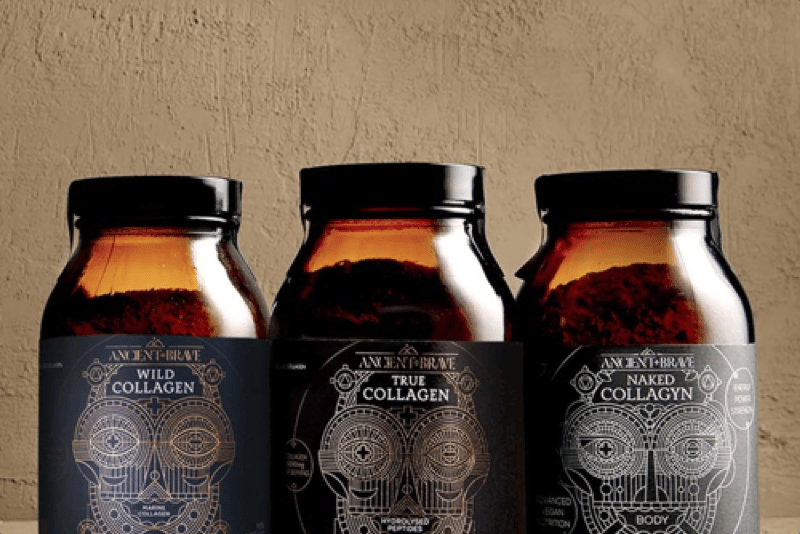
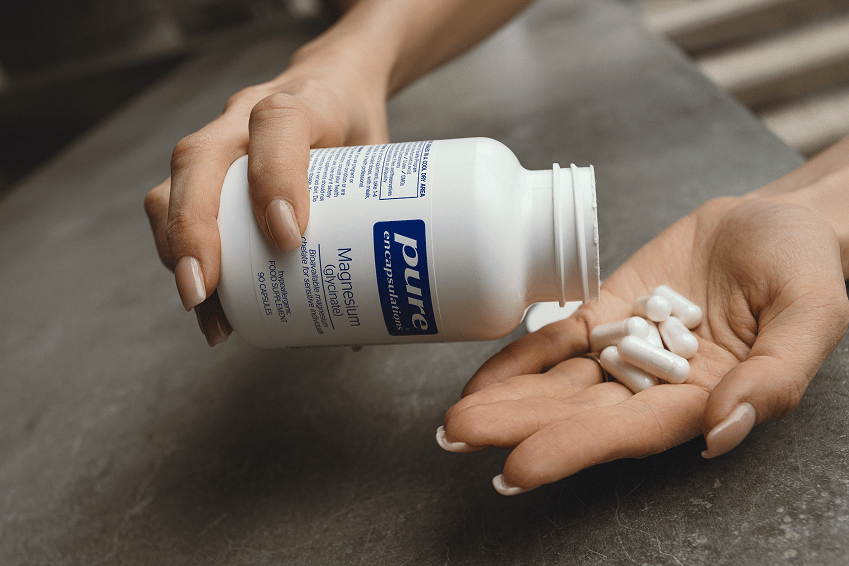
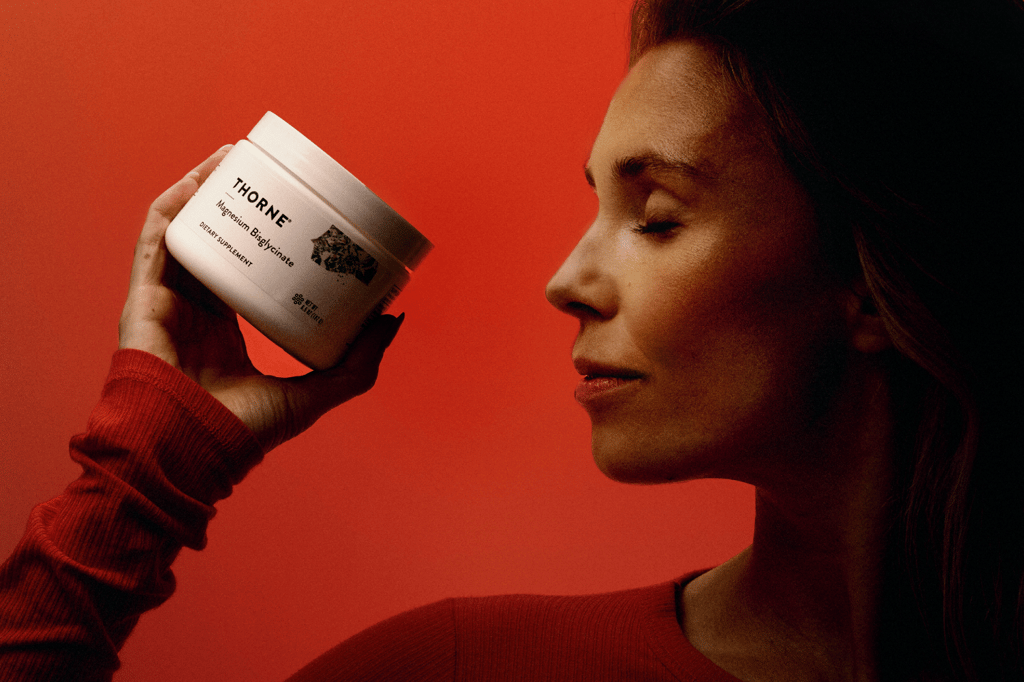
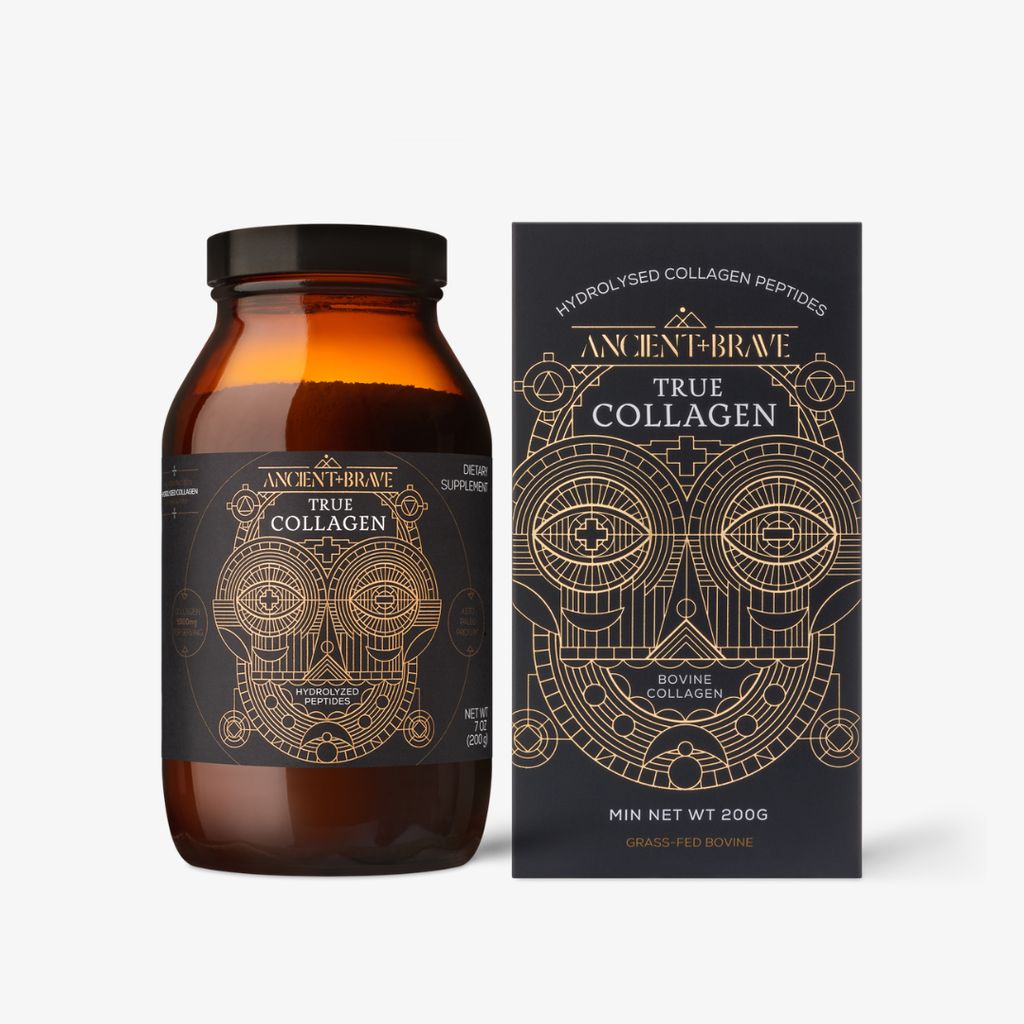
Healf’s Bones & Joints collection features several supplements with ingredients known to support bone and connective tissue health, including collagen products like Ancient + Brave True Collagen Powder and Hunter & Gather Bovine Collagen Peptides for joint and muscle support, magnesium, such as Pure Encapsulations Magnesium (glycinate), Thorne Vitamin D & K2 Drops to support the maintenance of strong bones, and specialised formulas such as Designs For Health OsteoForce, a comprehensive blend specifically designed to promote healthy bones and joints.



FAQs: The link between spine health and sexual function
1. How can spinal problems affect sexual performance?
Compression, inflammation or postural collapse in the lower spine can interrupt the nerve signals that travel between the brain, pelvic floor and genitals. This disruption can lead to reduced sensation, slower arousal, weaker orgasms and, in some cases, discomfort during sex.
2. What are the early signs that my spine might be involved?
Many people notice subtle physical changes before pain appears. Reduced flexibility, tight hips, numbness or a gradual loss of sensation during intimacy can all point toward compromised spinal health. These changes often develop alongside stiffness or chronic lower‑back fatigue.
3. Can stress and spinal pain really suppress libido?
Yes. Ongoing pain or restricted movement can keep the nervous system in a constant state of alert. That sympathetic overdrive raises cortisol levels and suppresses the parasympathetic response required for arousal and physical release. When the spine is calm and mobile, the body can relax into intimacy again.
4. Are there natural ways to support parasympathetic balance?
Breath work, gentle movement, meditation and restorative yoga can all help to calm the stress response and improve parasympathetic tone. These practices are most effective when the spine itself is healthy enough to move freely and send accurate signals throughout the body.



This article is for informational purposes only, even if and regardless of whether it features the advice of physicians and medical practitioners. This article is not, nor is it intended to be, a substitute for professional medical advice, diagnosis, or treatment and should never be relied upon for specific medical advice. The views expressed in this article are the views of the expert and do not necessarily represent the views of Healf
Pippa is a content writer and qualified Nutritional Therapist (DipNT) creating research-based content with a passion for many areas of wellbeing, including hormonal health, mental health and digestive health.
As a contributor to The Healf Source, she regularly attends seminars and programmes on a plethora of contemporary health issues and modern research insights with a drive to never stop learning. In addition, interviewing experts and specialists across The Four Pillars: EAT, MOVE, MIND, SLEEP.
In her spare time, she is an avid swimmer, mindfulness and yoga lover, occasionally bringing a raw, honest approach to the topics she faces. You may also discover some personal accounts of eye-opening wellbeing experiences amidst the reality of a disorientating, and often conflicting, modern wellbeing space.