






























_2026-10-13_14-11-48.png)


The Science Of Comfort Food: How To Eat For Joy Without The Crash

Written by: Pippa Thackeray
Written on: 11 May 2025
With more of us focused on performance and nutritional gains from what we eat, here is the question: can food still be comforting without hindering your wellbeing goals? This piece investigates what forms a balanced view on food for nourishment as well as enjoyment.
Not all comfort food can be tarred with the same brush
Comfort food sales have spiked across the UK, with industry experts reporting that convenience foods like crisps and spreads are currently in high demand.
Comfort food often comes with a negative connotation to those interested in eating healthily. And yet life isn’t always predictable, so avoiding convenience foods altogether isn’t entirely realistic. If you’re low on time or exhausted, it’s all too easy to reach for something that isn’t the most beneficial for your health.
Why comfort food can fall down
Meals or snacks like this offer a sense of relief, something warming and familiar. But it can lead to feelings of sluggishness down the line, not ideal for training in the morning or staying zoned in on important tasks throughout the day.
Comfort, however, is still important. And it is worth considering that food should provide pleasure as well as nutrients. So can a balance be struck?
Where do the cravings comes from?
Out of the blue, cravings can hit when you’re run down or under pressure. On a psychological level, studies show that comfort foods are tied to childhood memories and emotional safety. It could explain those default desires for a certain taste or food texture in times that feel chaotic.
But if these foods are not beneficial, what effect are they having on our health? Research has found that although comfort meals can briefly lift your mood, they’re just as likely to leave you feeling worse shortly afterwards, especially if they’re packed with sugar, sodium and additional ultra-processed ingredients.
It’s not news to us. Most people are well aware of the detrimental effects of ultra-processed food. In a 2022 UK-wide survey of 2,000 adults, one in four people said they were eating comfort food at least five times a week. Over half (56%) reported feeling physically worse afterwards, and 57% said they felt guilty after eating it. This is where ‘comforting food’ may offer an alternative, fitting the emotional role without the side effects.
What counts as comforting food?
Food is a very personal topic, however, many would unanimously agree that it is satisfying flavour, aroma and texture that build a good gastronomic experience. Not everything has to be photo-perfect, but it should also give your body something back. The difference lies in the ingredients and the intention behind the preparation.
Comforting food allows you to choose dishes that give you energy, whilst supporting your immune system, cardiovascular health and gut health. Moreover, these dishes should actually taste good enough to enjoy without distraction or over-seasoning to banish the bland.
Why comfort food exists and what needs to change
Modern-day stressors and lifestyle pressures could be to blame. Less capacity to socialise and relax, alongside the simple need for something soothing at the end of a long day, all present a push-back from maintaining good health.
The turning point for comfort food
But while these easy foods are rising in popularity, so is the demand for healthier, higher-quality options. Recent analysis shows that the average evening meal now takes just 31 minutes to prepare, with most meals containing fewer than five ingredients. It reflects a need for simpler meals, faster preparation times and less clean-up time. Yet people still expect those meals to support health, taste and overall enjoyment.
How to eat well and still feel good
Common issues like after lunch energy slumps, stressed-out skin, poor digestive health, and finding it difficult to maintain the energy to train or work long hours could all be linked to an over-reliance on ultra-processed comfort foods. Some simple swaps and changes can make all the difference:
Look at the base
Start with what’s already familiar and make it more beneficial for your health. Taking an example of cooking pasta in a pinch, to upgrade to a ‘comforting food’ level, it may just need some roasted squash, a great-quality olive oil and maybe a handful of toasted seeds on top.
Spend time on food when you can
Taking time to plan and prepare food can help in the avoidance of lower-quality food choices. Findings from studies reflect that the time spent on home food preparation indicated healthier eating, including significantly more frequent intake of vegetables, salads and fruit.
Kitchen swaps
Stocking up your kitchen can reduce the risk of relying on impulse. A few suggestions include:
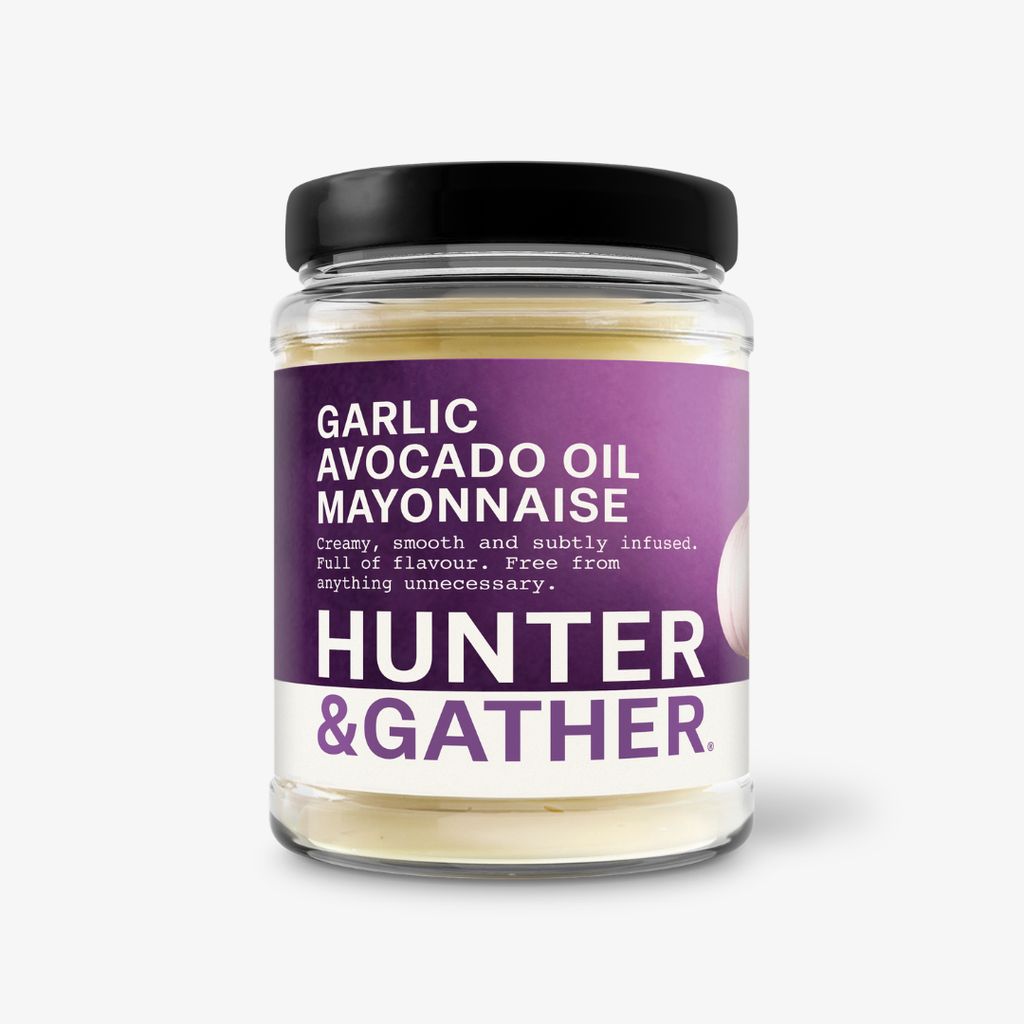
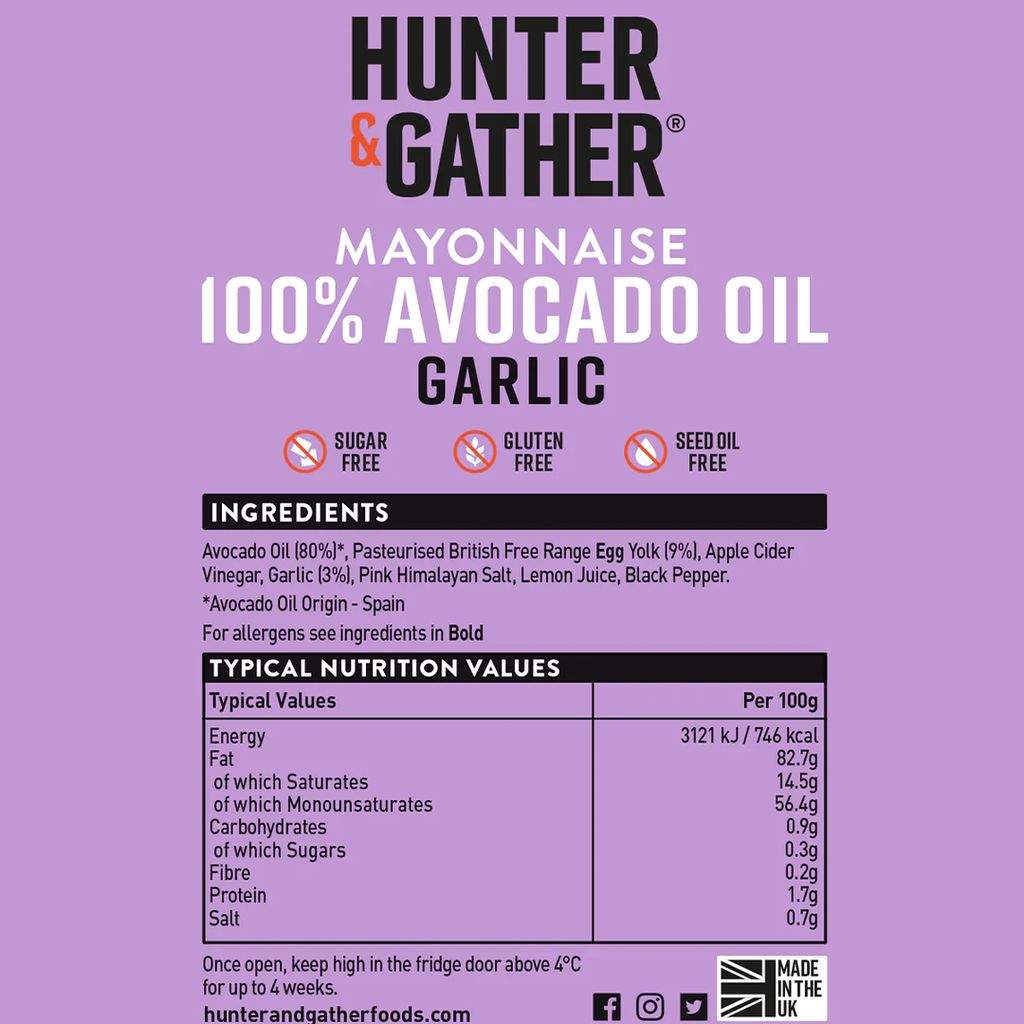
- Replacing conventional dips and condiments (often containing damaged oil) with products made with good fats, such as Garlic Avocado Oil Mayonnaise by Hunter & Gather.
- Adding Freja Foods Instant Bone Broth Sachet to soups or stews for extra collagen, skin and joint support .
- Boosting your evening meals with the Wild Nutrition Organic Protein + Superfood Blend stirred into smoothies for blood sugar-balancing benefits.
Don’t omit the joy
Keep your food pleasures alive without sacrificing your health, experiment with new recipes and savour the ones of your childhood. You can also create some wholefood comfort with something simple like stewed fruit with cinnamon and oats to provide some warm nourishment without the crash.


Focus on function
Change often begins by identifying the problem. Question if you are getting enough energy from your food, in addition to recovery-benefiting and anti-inflammatory compounds from what is in your diet.
It is also possible to eat for good mood and performance at the same time. Adding turmeric, ginger or healthy fats like avocado or nuts can bring both depth of flavour and health benefits to your meals.
Eat like it really matters
Meal times can bring joy, and they offer a much needed pause in a busy day. That could count for more than the ‘macros’ in terms of your mental health and the health of your digestion. So, it is recommended to sit down, put your phone out of reach and let your body be aware of what you’re eating.
Final thoughts
Comfort food is a long-established concept, and the chances are it isn’t going anywhere anytime soon. But on a personal level, positive steps can be made regarding routines around food. If we focus on the essence of comfort and what it means to us, we can transition from those ‘quick relief foods’ to those of equal pleasure and nourishment. This way, both our minds and bodies can be satisfied.
Shop at Healf for satisfying snacks that support your goals, and browse Cooking Essentials to make comforting meals that are easy but work harder for your health.


References:
- https://www.ibisworld.com/united-kingdom/industry/potato-crisps-snacks-production/490/
- https://www.mordorintelligence.com/industry-reports/united-kingdom-food-spreads-market-industry ?
- https://www.tandfonline.com/doi/full/10.1080/02699931.2025.2479170 ?
- https://www.sciencefocus.com/the-human-body/processed-food-impact-brain
- https://www.bbc.com/worklife/article/20210218-why-we-may-have-to-re-learn-to-socialise
- https://ahdb.org.uk/news/consumer-insight-consumer-cooking-trends-healthy-and-convenient-meals-on-the-rise
- https://pmc.ncbi.nlm.nih.gov/articles/PMC4254327/
- https://pubmed.ncbi.nlm.nih.gov/9416027/
This article is for informational purposes only, even if and regardless of whether it features the advice of physicians and medical practitioners. This article is not, nor is it intended to be, a substitute for professional medical advice, diagnosis, or treatment and should never be relied upon for specific medical advice. The views expressed in this article are the views of the expert and do not necessarily represent the views of Healf
Pippa is a content writer and qualified Nutritional Therapist (DipNT) creating research-based content with a passion for many areas of wellbeing, including hormonal health, mental health and digestive health.
As a contributor to The Healf Source, she regularly attends seminars and programmes on a plethora of contemporary health issues and modern research insights with a drive to never stop learning. In addition, interviewing experts and specialists across The Four Pillars: EAT, MOVE, MIND, SLEEP.
In her spare time, she is an avid swimmer, mindfulness and yoga lover, occasionally bringing a raw, honest approach to the topics she faces. You may also discover some personal accounts of eye-opening wellbeing experiences amidst the reality of a disorientating, and often conflicting, modern wellbeing space.