









































Do You Really Need Amino Acids If You’re Already Taking Protein?
From EAAs to BCAAs, a nutrition expert explains when amino acid supplements make sense and when they’re probably overkill.

Written by: Samantha Nice
Written on: 13 March 2026
Recovery is high on the agenda for most of us right now. Whether you’re training regularly, running more miles, lifting heavier, or simply trying to stay consistent with workouts, the focus isn’t just on performance anymore. It’s about how quickly you can recover and adapt.
It’s no surprise then that supplements promising better muscle repair are attracting so much attention. Among the most popular are amino acid supplements like BCAAs and EAAs, which are often promoted as a way to support muscle growth, endurance, and recovery.
But this is where things start to get a little confusing. Most protein powders are already made up of amino acids. In fact, that’s exactly what protein is: chains of amino acids linked together. Which raises an obvious question that more people are beginning to ask — if protein already contains amino acids, does taking both actually do anything?
If you’re navigating the increasingly crowded world of supplements, it can feel like you’re constantly being encouraged to add something new to your stack. But more products don’t always mean better results. To help understand whether amino acids genuinely offer something different, or whether protein alone already covers your bases, we spoke to Rob Hobson, RNutr SENR, a registered nutritionist, who explains how the body actually uses protein and amino acids, when supplements might be useful, and why for most people the basics matter far more than stacking extra powders.
What’s the difference between protein and amino acids?
Before deciding whether you’re going to raid our protein powder and amino acid line-up, it helps to understand how the two relate. Put simply, protein is a complete source of amino acids, while amino acid supplements provide those same components in their isolated form.
When you eat protein, whether in food or powder form, your body breaks it down during digestion into individual amino acids. These are then absorbed into the bloodstream and used for several essential processes, including repairing muscle tissue and building new muscle protein.
Hobson explains that this relationship between protein and amino acids is exactly where the supplement trend began. “Early sports nutrition research showed you can stimulate muscle protein synthesis (MPS) by raising blood levels of essential amino acids (EAAs) quickly, especially the amino acid leucine,” he says. “This led to the supplement industry thinking that if amino acids trigger the signal, why not take them directly.”
There were also practical reasons why these supplements became popular. “Amino acids are portable, low-volume, and don’t feel ‘heavy’ in the stomach, which matters for some people around training or with low appetite,” Hobson says. “In most real-world diets, whole protein already does the job very well.”
This is why the distinction matters. Amino acid supplements can raise specific amino acids in the bloodstream quickly, but whole protein already supplies the full range needed to support recovery and adaptation.
How your body actually uses protein for muscle repair
Once protein has been broken down and absorbed, the amino acids it contains are used to repair and rebuild muscle tissue after exercise. This allows the body to repair damaged muscle fibres and gradually adapt to training over time.
Different protein sources influence how quickly these amino acids become available in the bloodstream. Some, like whey protein, are absorbed rapidly and are often used around workouts, while others, such as casein, digest more slowly and release amino acids over a longer period.
“Whole protein is digested into amino acids — plus small peptides — then absorbed,” Hobson explains. “It provides all the EAAs needed to build new muscle protein and it tends to keep amino acids available for longer depending on the source.”
Free-form amino acid supplements behave slightly differently. They hit the bloodstream and spike EAA availability more quickly, which then switches on the muscle protein synthesis process, per Hobson. “But that rise can also be shorter-lived.”
One key point Hobson highlights is that muscle repair and growth depend on the full spectrum of essential amino acids working together. “What’s really important to point out is that to actually build new muscle protein, your body needs the full set of EAAs, not just a couple of ‘headline’ amino acids.”
If you’re already hitting your protein target, do you need additional amino acids?
According to Hobson, usually not. If you’re consistently hitting your protein target throughout your day, the added benefit is “usually small to negligible,” he explains. That’s because the proteins most people rely on for muscle recovery already contain the essential amino acids required to support muscle repair and growth.
“High-quality proteins such as whey, dairy, eggs, meat, fish and soy already contain all EAAs in the right ratios, and they come with other nutrients as well.” In other words, if your diet already provides adequate protein throughout the day, amino acid supplements often end up duplicating what your body is already receiving.
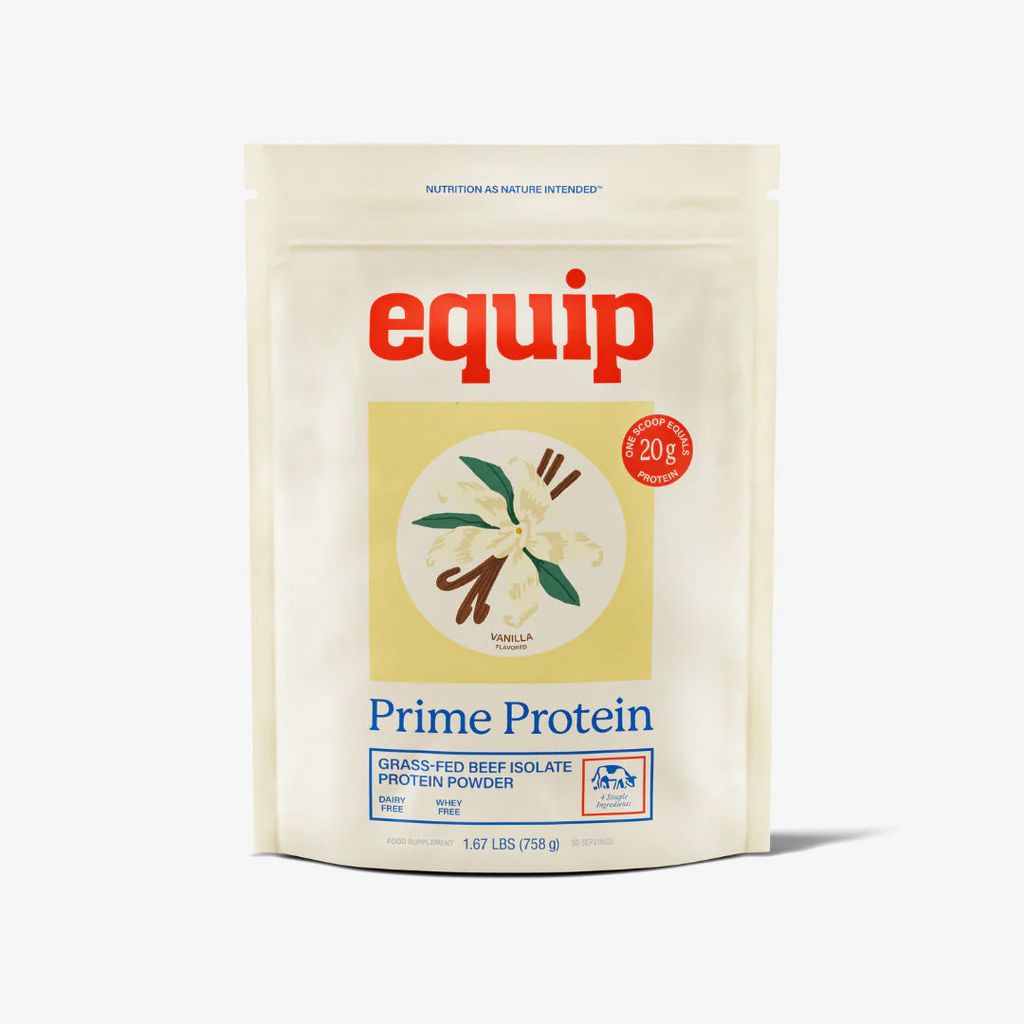
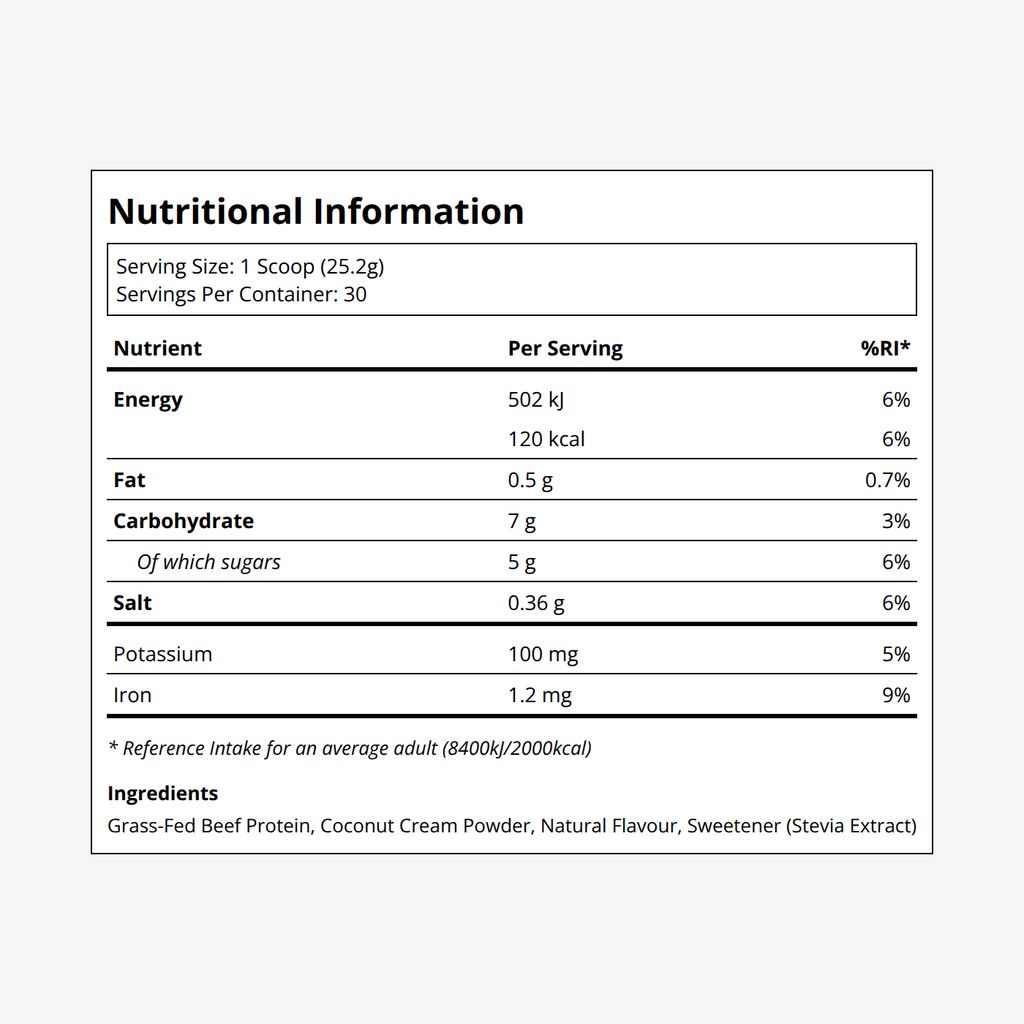

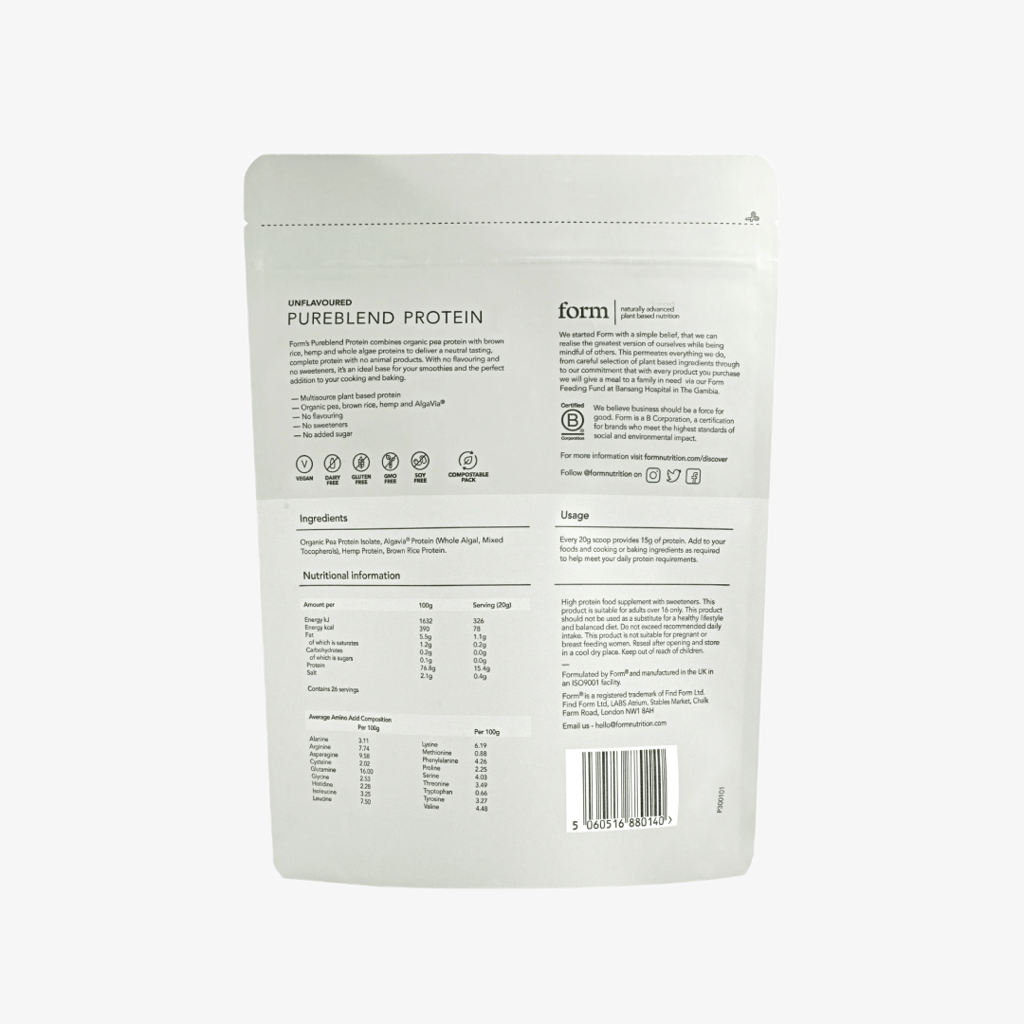
Are BCAAs still worth taking?
For years, branched-chain amino acids (BCAAs) were one of the most popular workout supplements available. They’re made up of three specific amino acids: leucine, isoleucine and valine, which are involved in muscle metabolism. But their relevance has increasingly been questioned as research has progressed.
“BCAAs are largely a legacy supplement,” Hobson explains. “Leucine is a key signal but BCAAs alone don’t provide the full set of EAAs required to build new muscle protein, so the ceiling on their benefit is pretty obvious.”
“Some studies show potential reductions in soreness or fatigue in certain contexts,” Hobson says, “but overall the evidence for meaningful improvements in muscle, strength or performance is inconsistent — especially compared with simply consuming adequate protein in your diet.” For most people focused on muscle growth or recovery, this means whole protein or full-spectrum essential amino acids tend to be more effective than BCAAs alone.
When amino acid supplements might actually make sense
While amino acids aren’t necessary for everyone, there are certain scenarios where they may be useful. According to Hobson, the first involves situations where eating a full meal isn’t realistic. “Low appetite — including some people on GLP-1 medications, illness recovery or early mornings — can make it difficult to consume enough protein,” he explains. “EAAs can be a low-volume way to get an anabolic signal when a full meal isn’t happening.”
Older adults may also benefit from targeted amino acid intake. “Ageing leads to something known as anabolic resistance,” Hobson says. “Older adults often need a stronger stimulus per meal to maximise muscle protein synthesis, so targeted EAAs or leucine-rich protein can help if overall protein intake is borderline.”
High training loads may be another situation where amino acids could provide a boost. “During endurance blocks with big load or energy deficit, the evidence is mixed but amino acids — more often EAAs than BCAAs — may be useful when total protein or energy intake is compromised and recovery needs are high.”
Fasted training is another commonly discussed context. “If someone insists on training fasted and won’t tolerate protein beforehand, EAAs are one way to reduce the ‘nothing in the system’ problem,” Hobson says. “But if performance matters, a small protein and carbohydrate feed usually wins.”
So yes, amino acids can be helpful in situations where protein intake is low or difficult but not necessarily when protein intake is already adequate.
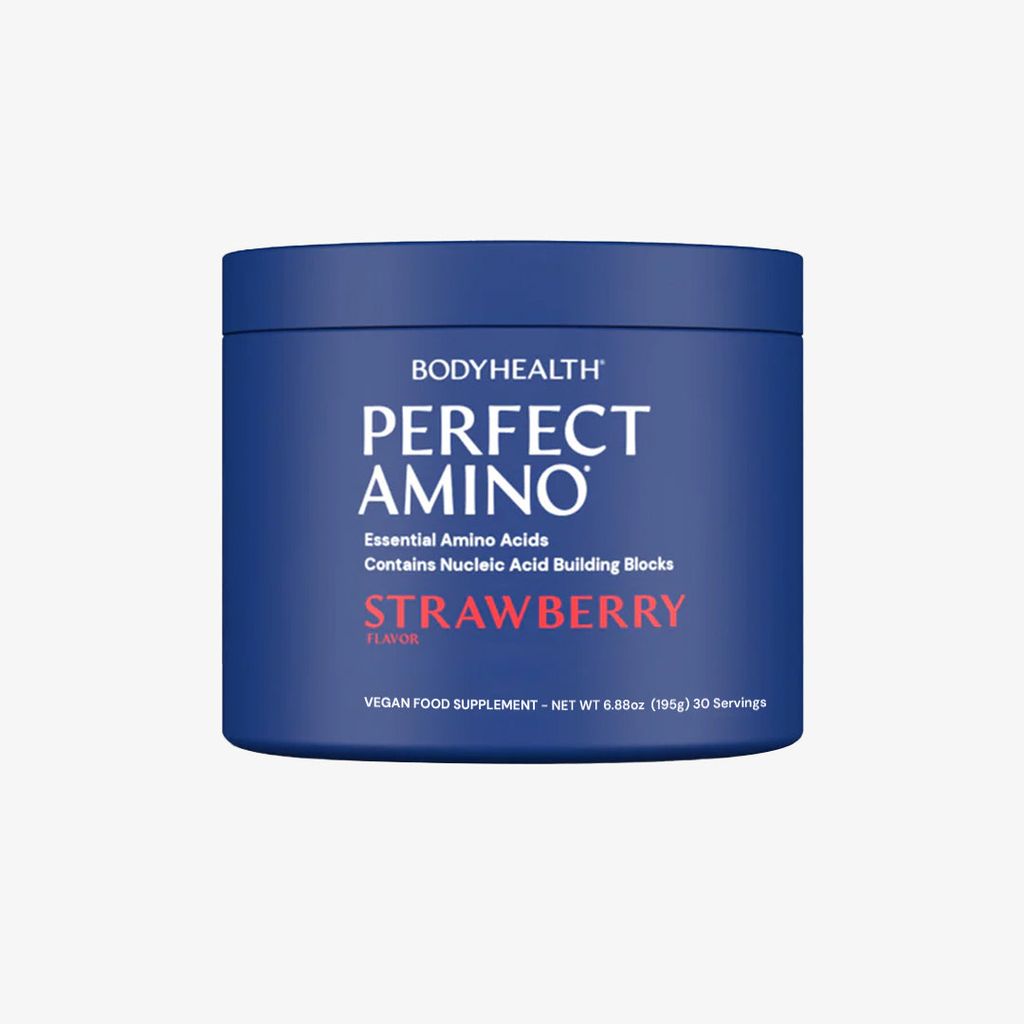
Should you take amino acids with a protein shake?
Many people combine amino acid supplements with protein shakes thinking that this will maximise muscle growth, but this combo often provides little extra benefit. “Most of the time it’s redundant,” Hobson explains. “A whey shake already contains plenty of EAAs and leucine to trigger muscle protein synthesis in the majority of people. Adding EAAs on top often just means you’re paying for more of what you already got.”
This highlights one of the most common issues in the supplement world: overlap. When different products promise similar benefits, it’s easy to assume stacking them will multiply results. In reality, the body often already has what it needs.
Does timing matter for protein and amino acids?
Nutrient timing is another confusing element of this equation, specifically in light of the so-called “anabolic window” that occurs right after training. You might have heard the advice that if you don’t consume protein straight after a workout, you might miss your chance to maximise recovery. But Hobson suggests timing is often overemphasised. “The key things are total daily protein and distribution — getting a meaningful protein dose three to four times a day,” he explains.
While consuming protein around training can certainly support recovery, it doesn’t need to happen immediately after you finish exercising. “If you train, then eat a protein-rich meal within a couple of hours, you’re generally covered,” Hobson says. In practice, this means that consistent protein intake across the day matters far more than hitting a very specific post-workout window.
What to look for if you are going to supplement amino acids
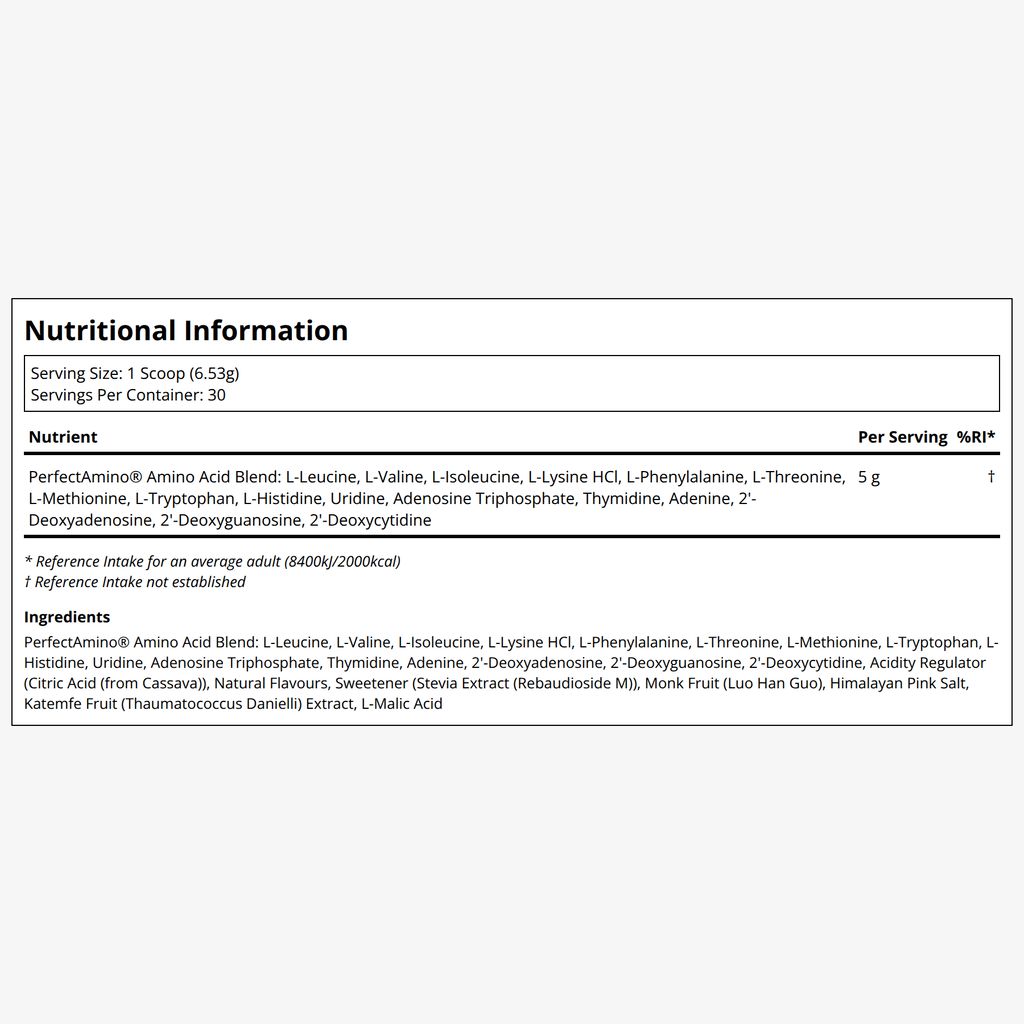
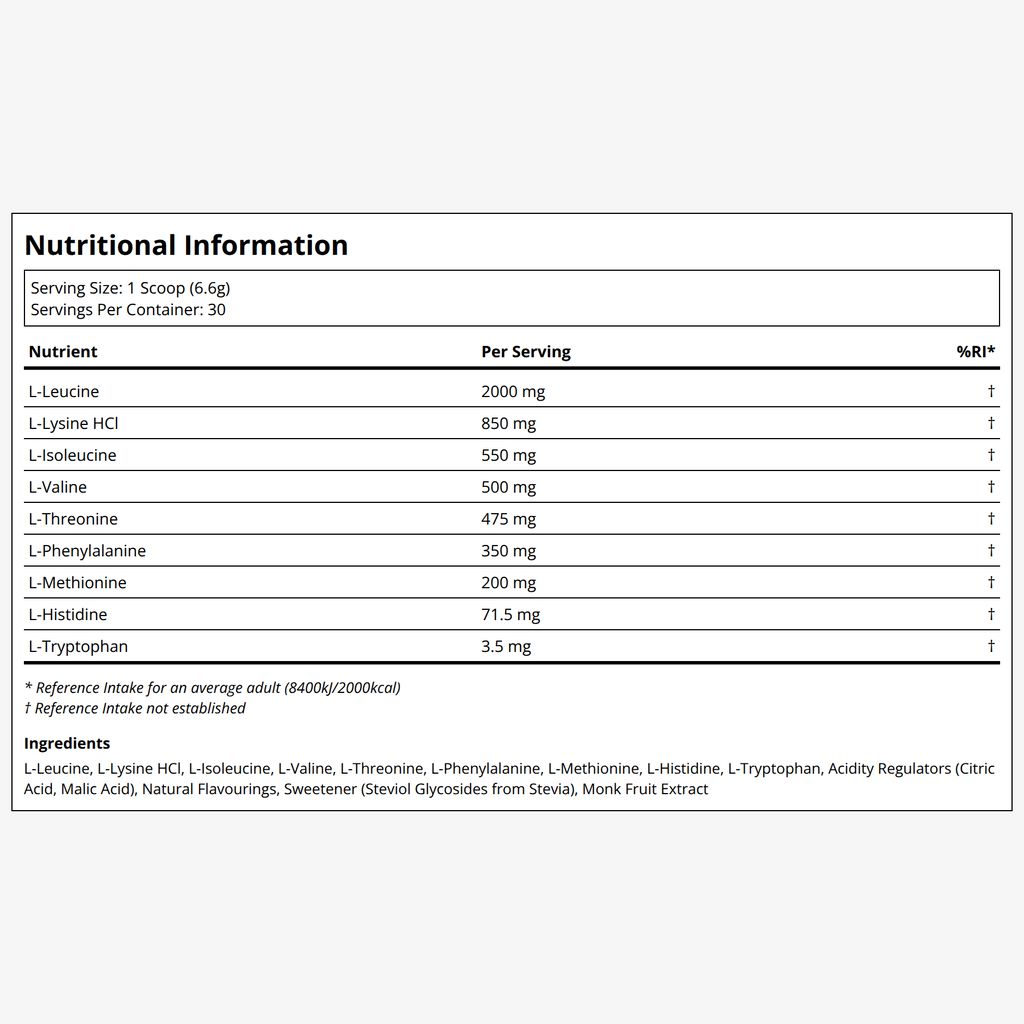
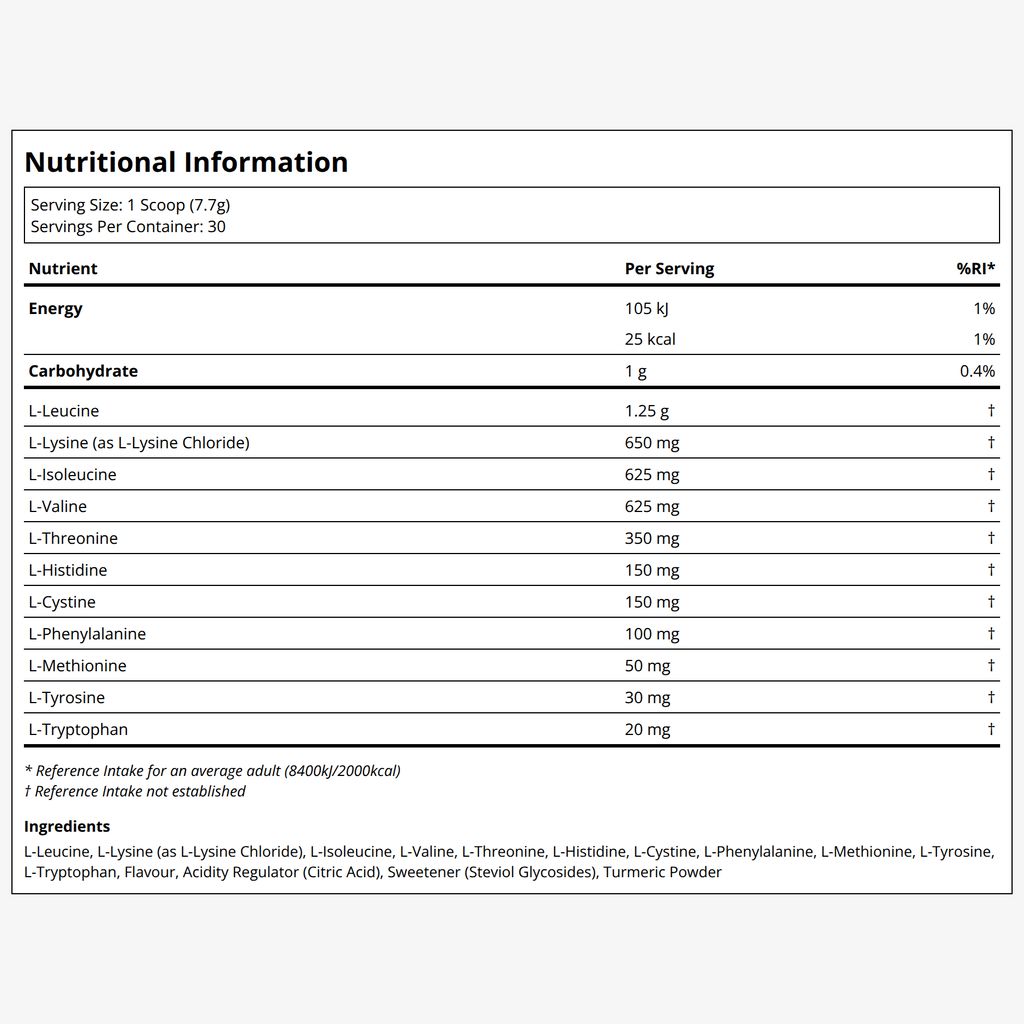
“Choose EAAs over BCAAs if the goal is muscle repair and growth support,” says Hobson, who advises that dosage also matters. “Many effective EAA protocols land roughly in the six to fifteen gram range per serving, depending on the formulation and brand.”
Quality and formulation are equally important. So, make sure to look for a full EAA profile (meaning all nine essential amino acids are present) rather than just leucine, isoleucine and valine, Hobson says. And it’s always good to choose products that are third-party tested such as Informed Sport or NSF Certified.
Certain individuals should also approach amino acid supplements carefully. “Anyone with kidney disease, liver disease, inherited amino acid disorders such as PKU, or those who are pregnant or breastfeeding should be cautious when considering these types of supplements,” Hobson says. “In many cases I would just go for food.”
So, do you actually need amino acid supplements?
For most people who already consume enough protein, the honest answer is no — you probably don’t need them. “Those most likely to benefit from amino acid supplementation are older adults who struggle to hit adequate protein intake, people with low appetite or high barriers to eating, and athletes in heavy training blocks who are under-fuelling,” Hobson explains.
For everyone else, the focus should stay on the basics. “My honest answer is just get the simple things right — total protein, meal distribution and high-quality sources — and you’ll capture 95% of the benefit without needing another tub in the cupboard.”
Put simply, if your protein intake is already dialled in, amino acids are more of a nice-to-have than a must-have.


This article is for informational purposes only, even if and regardless of whether it features the advice of physicians and medical practitioners. This article is not, nor is it intended to be, a substitute for professional medical advice, diagnosis, or treatment and should never be relied upon for specific medical advice. The views expressed in this article are the views of the expert and do not necessarily represent the views of Healf
Samantha Nice is a seasoned wellness writer with over a decade of experience crafting content for a diverse range of global brands. A passionate advocate for holistic wellbeing, she brings a particular focus to supplements, women’s health, strength training, and running. Samantha is a proud member of the Healf editorial team, where she merges her love for storytelling with industry insights and science-backed evidence.
An avid WHOOP wearer, keen runner (with a sub 1:30 half marathon) hot yoga enthusiast and regular gym goer, Samantha lives and breathes the wellness lifestyle she writes about. With a solid black book of trusted contacts (including some of the industry’s leading experts) she’s committed to creating accessible, well-informed content that empowers and inspires Healf readers.