
































Amino Acids
Amino acids for your training routine.
As the building blocks of protein, amino acids contribute to protein synthesis and the maintenance of normal muscle function when consumed as part of a diet containing sufficient protein. The body uses 20 amino acids, including nine essential amino acids it cannot produce itself. Others are classed as non-essential or conditionally essential, meaning the body’s requirements may change during certain periods of illness or physiological stress.
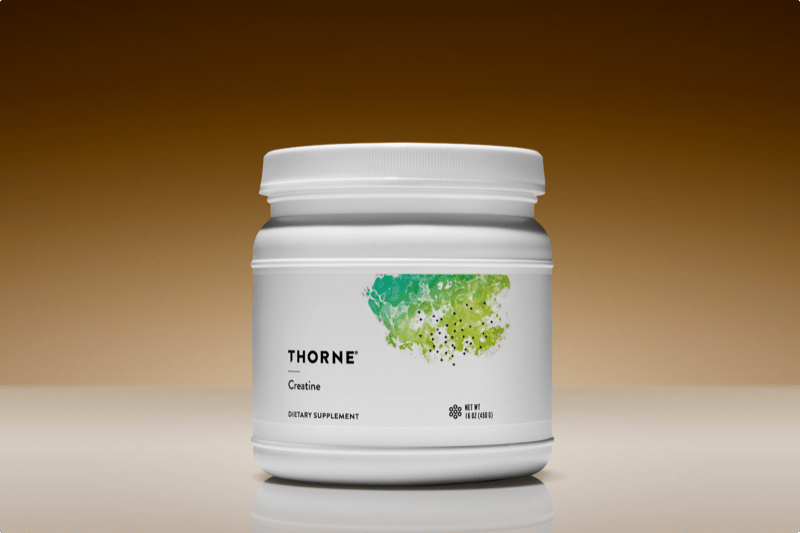
Our range includes isolated amino acids such as L-glutamine, L-carnitine, taurine and N-acetyl cysteine, alongside BCAA formulas, complete EAA complexes and selected blends with added electrolytes.
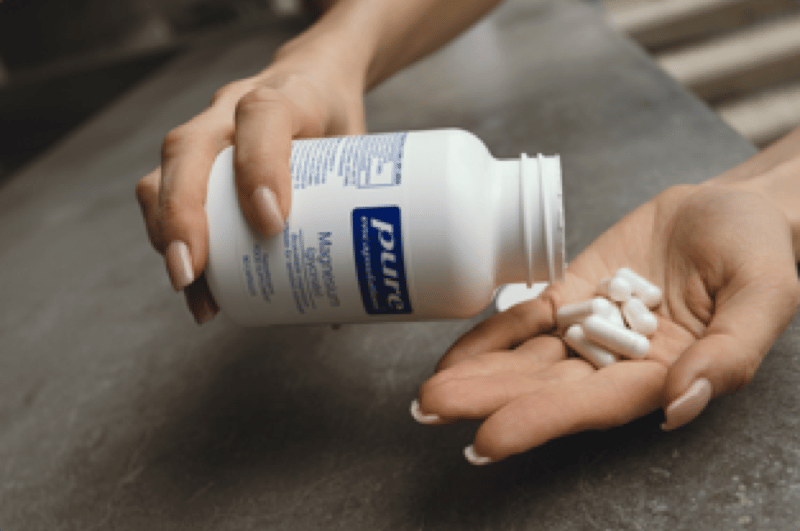
Amino acid supplements are available in formats including powders, tablets and capsules, making it easier to find an option that fits your routine. Powders can be mixed into water, shakes or training drinks and used before, during or after exercise, while tablets and capsules offer convenient, precise dosing throughout the day.
Whether you're looking to focus on endurance-style sessions, your post-training routine or muscle-focused goals, our amino acid supplements are a versatile addition to your fitness regime. Every product is selected with quality, purity and potency in mind, so you can keep your training on track.
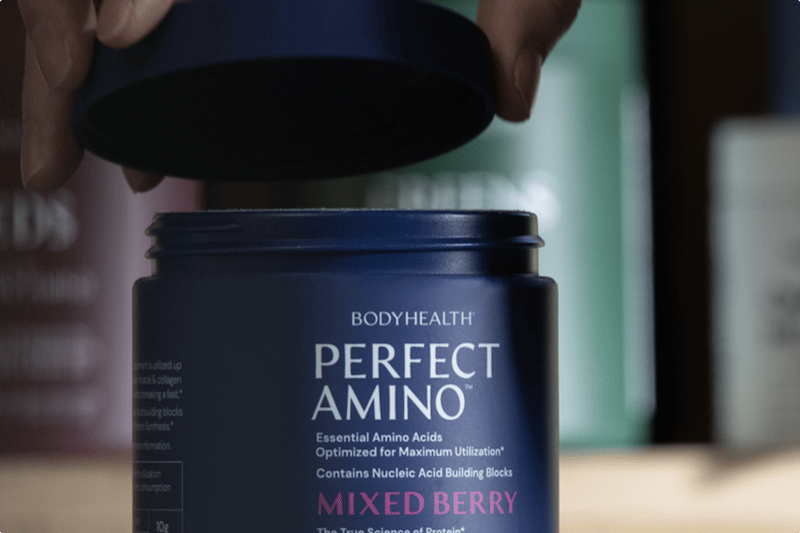
Available in a variety of flavours and dosages, it's never been easier to align your supplementation with your performance ambitions. Choose essential amino acid supplements from leading brands, including BodyHealth and NOW Foods.


Frequently asked questions
What are amino acids?
Amino acids are the building blocks of protein, helping the body repair muscle and tissue while supporting functions such as hormone and enzyme production, brain signalling, immunity and energy metabolism. When you digest protein, it is broken down into amino acids that the body can use to maintain and rebuild tissues.
There are three main types. Nine are essential, meaning the body cannot produce enough of them and they must come from food or supplements. These include the three BCAAs (leucine, isoleucine and valine) alongside histidine, lysine, methionine, phenylalanine, threonine and tryptophan. Non-essential amino acids are made by the body, while conditionally essential amino acids may be needed in greater amounts during illness or periods of increased demand.
EAA supplements provide all nine essential amino acids in a readily available format, while protein powders contain complete proteins that need to be broken down during digestion. They are often lower in calories than a protein shake, making them a convenient option for specific training or nutrition goals.
They can be especially useful for people following plant-based or protein-limited diets, but they should support, not replace, a balanced diet. Complete protein sources such as eggs, dairy, soy and quinoa also provide all nine essential amino acids.
Are amino acid supplements good for you?
They can be, particularly if your diet does not fully support your training or nutrition needs. Depending on the formula, amino acids may support muscle protein synthesis, tissue maintenance, post-exercise recovery and reducing post-training soreness, with some also playing a role in energy metabolism, digestion, immunity and brain signalling.
Benefits vary by ingredient and individual, so amino acid supplements work best as part of a balanced diet, not as a replacement for complete protein foods.
Do amino acids burn belly fat?
No supplement can selectively burn belly fat. Amino acids may complement a structured diet and training plan by supporting protein intake, muscle maintenance or exercise routines, but they do not cause fat loss on their own. Sustainable fat loss depends primarily on overall energy intake, activity and long-term consistency.
Can you take amino acids everyday?
Yes, amino acids can be taken daily. A balanced diet will usually provide the essential amino acids you need, but supplements may be useful if you train regularly or have specific goals around muscle growth and recovery. They can also be taken alongside protein powders, creatine and other sports supplements.