














































_2026-10-13_14-11-48.png)


Are You Eating Enough Fibre? Here Are The Best Sources A Nutritionist Recommends
From chia to chickpeas, these are the staples with the biggest bang for your gut health.

Written by: Samantha Nice
Written on: 4 February 2026
Fibre is finally getting the attention it deserves. Long overshadowed by sexier macros like protein and carbs, in recent years, it has quietly become one of the most searched-for nutrients linked to gut health, digestion, metabolic health and long-term wellbeing. Interest in fibre-rich foods and fibre supplements has risen sharply, driven by a growing understanding that gut health underpins far more than digestion alone, according to recent search trend data from Spate.
Despite the hype, most of us still fall short when it comes to fibre. The average adult consumes just 16 to 18g of fibre per day compared to the recommended 30g daily target, according to the UK National Diet and Nutrition Survey.
If you’re trying to meet your fibre goals, it can be hard to know where to start. Which foods actually count? How much is enough? Is it better to spread fibre across meals? And when does supplementing make sense?
Here, we break it all down with expert insight from ARTAH’s Head of Nutrition, April Morgan. Consider this your no-nonsense guide to doing fibre right.
Why fibre matters
Fibre doesn’t just support digestion; it plays a pretty big role in blood sugar regulation, cholesterol balance, satiety and gut microbiome health. “Not all fibre works the same way in the body,” explains Morgan. “Fibre differs in its structure, how it interacts with water, and whether gut bacteria can ferment it.”
Fibre is broadly classified as soluble or insoluble, both of which are important. “Soluble fibre dissolves in water to form a gel-like substance that slows digestion, supports blood sugar control and helps lower LDL cholesterol—the type that can build up in blood vessels when levels are too high. Insoluble fibre adds bulk to stool and supports regular bowel movements. Some fibres are also fermentable, meaning gut bacteria can break them down and produce short-chain fatty acids that support gut, metabolic and immune health,” Morgan says.
The takeaway? Variety matters and whole foods tend to deliver more benefits than isolated fibres added to processed products.
The fibre-rich foods worth prioritising
Not all fibre-rich foods provide the same bang for your buck. The most beneficial options are whole, minimally processed plant foods that naturally contain a mix of fibre types alongside polyphenols (AKA compounds that further nourish your gut microbiome), according to Morgan.
Ready to shop smarter? Here are the fibre-picks Morgan recommends:
Lentils and chickpeas: For fibre that actually keeps you full
Legumes are some of the most effective (and easy) ways to increase fibre intake without trying. “They provide large amounts of soluble and fermentable fibre alongside plant protein, which supports gut health, blood sugar balance and satiety,” says Morgan.
Why they work: Legumes deliver a rare combination of multiple fibre types plus protein, making them especially useful for meals that keep you full and support metabolic health.
How to eat them: They work best added to lunches or dinners. Think: Lentil-based soups, chickpea salads, stews, curries, grain bowls or simply stirring them into whatever you’re already cooking.
How much per serving: A typical portion (around 100 to 120g cooked) easily contributes 6 to 9g of fibre in one go.
How often to eat them: Three to four times a week is a realistic and beneficial rhythm for most. If you tolerate them well, you can add more. It’s a good idea to rotate between lentils, chickpeas and other legumes, as it gives your gut a broader mix of fibres to work with and supports greater microbial diversity. Make sure to cook them until soft and fully tender, as well-cooked legumes are easier to digest.
Chia and flaxseeds: For small servings with a big return
Seeds are one of the easiest ways to boost fibre intake without actually changing how you eat. “Chia seeds and flaxseeds are especially rich in gel-forming fibre that slows digestion and improves stool consistency,” says Morgan.
Why they work: Seeds like chia and flax form a gel in the gut that not only helps with stool consistency but also slows the release of carbohydrates into the bloodstream, which is why they’re such an easy fibre upgrade.
How to eat them: They work best added to breakfasts or snacks. Try stirring them into porridge, yoghurt, or smoothies, or sprinkling them on lunch-time salads.
How much per serving: One tablespoon provides roughly 45g of fibre which is pretty impressive. These are undeniably one of the easiest quick wins.
How often to eat them: You can consume these seeds daily, but rotating types can help diversify your fibre intake. Mixing them into moist foods also supports easier digestion.
Raspberries: For the easiest (and quickest) way to eat more fibre
Fruit is a biggie when it comes to fibre wins. Morgan’s favourite? Raspberries. Not only do they offer a high fibre-to-calorie ratio, they also deliver antioxidant compounds, says Morgan.
Why they work: Raspberries bring a meaningful amount of fibre in a light, easy-to-eat form, making them one of the simplest and well tolerated ways to increase your intake.
How to eat them: Add to breakfast bowls, yoghurt, smoothies or eat as a snack alongside nuts or seeds.
How much per serving: A typical serving of raspberries (around 120–125g or roughly two generous handfuls) provides approximately 8g of fibre.
How often to eat them: Raspberries can be eaten as often as you like. There are no real drawbacks for most people.
Oats, barley and whole grains: For steady energy and steady digestion
Whole grains are still a super reliable way to up your fibre, particularly when they’re not overly refined and remain in an unprocessed state. “Oats, barley and other intact whole grains contain beta-glucan fibre, which has been extensively studied for its cholesterol-lowering effects,” explains Morgan.
Why they work: Beta-glucan fibre slows digestion and glucose absorption, supporting blood sugar balance, heart health and sustained energy.
How to eat them: Oats are an easy win at breakfast, while barley, rye and other whole grains tend to work better in lunch and dinner-style meals. Try adding cooked grains to soups, folding them through salads, or serving them as a base alongside vegetables and a protein. Their slow-digesting fibre helps keep you fuller for longer and supports more stable energy levels, making them a smart choice before training or as part of a post-workout meal.
How much per serving: A typical cooked portion (around 40 to 50g dry weight) provides roughly 4 to 6g of fibre.
How often to eat them: Whole grains can be eaten daily.
Artichokes and fibre-rich vegetables: For fibre plus prebiotic support
Vegetables are more than bulk fibre. “Vegetables such as artichokes and sweet potatoes provide a combination of fibre and prebiotic compounds that promote microbial diversity,” says Morgan.
Why they work: Veggies provide prebiotic fibres that feed beneficial gut microbes, helping sustain a more diverse microbiome over time.
How to eat them: Try roasting or steaming your greens and adding them to stews or as a side to most dinners. You can also serve leftovers cold the next day in a salad.
How much per serving: One medium artichoke (around 120g cooked) or a generous serving of sweet potato (around 150g cooked) provides approximately 5 to 7g of fibre.
How often to eat them: Aim to include a variety of fibre-rich vegetables daily.
Avocados: For fibre that works better with fat
Avocados play a slightly different role in a fibre-rich diet. They’re not the highest-fibre food on paper, but they offer a useful combination of moderate fibre and healthy fats that support digestion and nutrient absorption.
Why they work: Avocados combine fibre with healthy fats, which can slow the pace of digestion and improve the absorption of other nutrients, creating a subtle but valuable pairing.
How to eat them: Try sliced or mashed on toast with eggs at breakfast or on a salad or grain bowl at lunch.
How much per serving: Half an avocado (around 70 to 80g) is around 5g of fibre.
How often to eat them: Several times a week is a good baseline. Avocados are particularly useful on days when your meals are plant-heavy, as the added fats help make fibre-rich foods easier to digest and more filling.
Beans: For the most underrated fibre staple
Beans are one of the most consistent (and affordable) ways to increase your fibre. Think: Black beans, kidney beans, cannellini beans, borlotti beans and butter beans. Each brings a slightly different fibre profile to the table. April highlights legumes broadly as some of the most effective fibre sources because of how they interact with the gut. They naturally contain fermentable fibres that gut bacteria can break down and use, alongside plant protein and complex carbohydrates.
Why they work: Beans provide a mix of fermentable and insoluble fibres that support regular digestion while also helping slow carbohydrate absorption. This keeps your energy levels steadier and creates a more gradual blood sugar response instead of quick spikes and crashes.
How to eat them: They’re easy to add to soups, stews, chillies and salads, but they also work well blitzed into dips and spreads (which is a handy option for afternoon snacks or light meals when you want something filling without being too heavy).
How much per serving: A typical cooked portion (around 100 to 120g) equates to around 6 to 8g of fibre.
How often to eat them: Aim to include beans in your diet three to four times a week. This frequency provides regular fibre exposure without overwhelming your digestive system.
What does “enough fibre” actually look like?
Reaching the recommended 30g of fibre a day doesn’t require extreme portions or rigid tracking. “It’s about spreading fibre across meals,” says Morgan. “A day of 30g of fibre doesn’t require specialty foods either.”
It’s actually surprisingly simple and easy. “I always say to clients: aim for around eight handfuls of different vegetables a day, one to two pieces of fruit and half to one cup of beans or legumes,” says Morgan.
A fibre-rich breakfast might include raspberries (around 8g of fibre) alongside half an avocado (5g). At lunch, a cup of cooked lentils (15g), with vegetables bringing the meal closer to 18 to 19g. Dinner doesn’t need to be fibre-heavy. Try half a cup of chickpeas plus vegetables for 10 to 11g. This approach comfortably helps you reach 30 to 32g of daily fibre, without supplements or tracking apps. It’s not about perfection; it’s about consistency and variety.
How do I know if I’m getting the right amount of fibre?
If you’re low on fibre, you may experience constipation, irregular bowel movements, frequent hunger after meals, blood sugar crashes or elevated cholesterol levels, Morgan says.
But remember more isn’t always better. Eating too much fibre too quickly can lead to bloating, gas or abdominal discomfort, says Morgan. But this usually happens when you ramp up your fibre too fast (not that you’re eating an “unhealthy” amount of fibre. Her advice? Increase fibre gradually over one to two weeks and drink enough water to let your gut adapt.
When does it make sense to supplement with fibre?
Food always comes first — but fibre supplements have a place and time. Busy schedules, digestive sensitivities and inconsistent access to fibre-rich foods all mean hitting daily targets through diet alone isn’t always realistic. Think of supplementation as a practical bridge, not a replacement.
“Fibre supplements can be helpful in specific situations, such as chronic constipation, elevated cholesterol, blood sugar instability or when it’s difficult to meet fibre needs through food alone,” says Morgan.
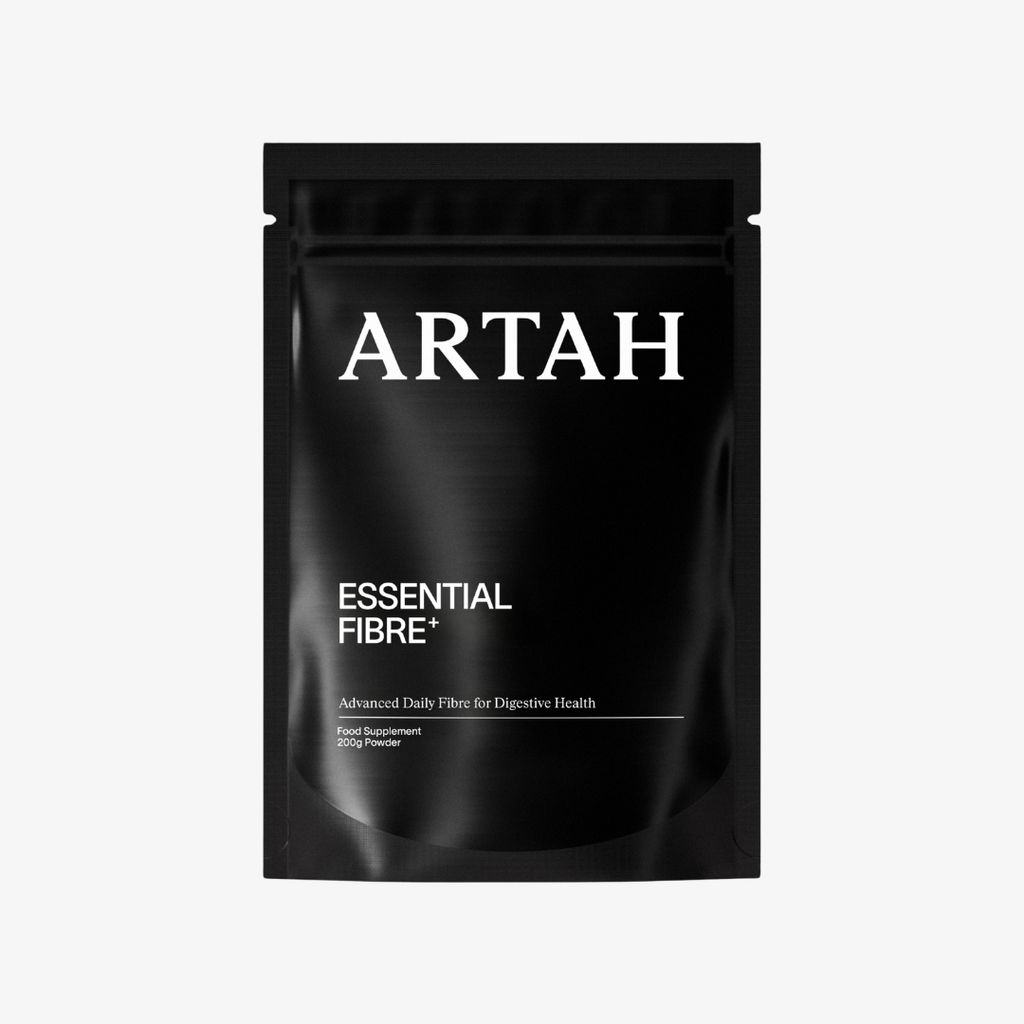
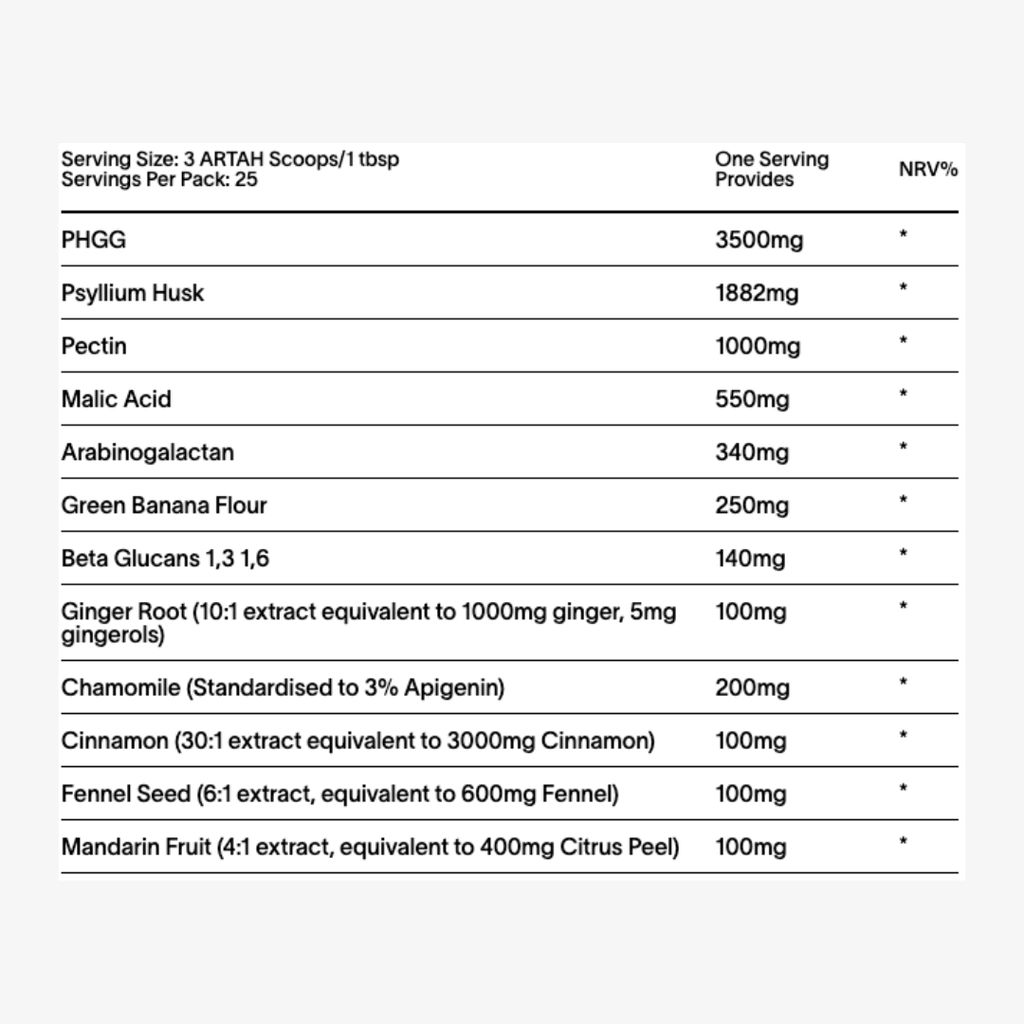
When it comes to psyllium husk, a favorite fibre-rich add-on, Morgan advises starting low and building gradually. “Mix it with a full glass of water, take it away from medications by one to two hours, and increase the dose slowly,” she says. Used this way, fibre supplements can support gut and metabolic health, while still keeping whole foods at the forefront.





This article is for informational purposes only, even if and regardless of whether it features the advice of physicians and medical practitioners. This article is not, nor is it intended to be, a substitute for professional medical advice, diagnosis, or treatment and should never be relied upon for specific medical advice. The views expressed in this article are the views of the expert and do not necessarily represent the views of Healf
Samantha Nice is a seasoned wellness writer with over a decade of experience crafting content for a diverse range of global brands. A passionate advocate for holistic wellbeing, she brings a particular focus to supplements, women’s health, strength training, and running. Samantha is a proud member of the Healf editorial team, where she merges her love for storytelling with industry insights and science-backed evidence.
An avid WHOOP wearer, keen runner (with a sub 1:30 half marathon) hot yoga enthusiast and regular gym goer, Samantha lives and breathes the wellness lifestyle she writes about. With a solid black book of trusted contacts (including some of the industry’s leading experts) she’s committed to creating accessible, well-informed content that empowers and inspires Healf readers.