



















The Best Testosterone Booster: What Works (And What Doesn’t)
Wondering what the best testosterone booster really is? Spoiler: it’s not a miracle pill. Healthy testosterone levels are a result of smart lifestyle choices, though a few evidence-backed supplements may help. Still, not all supplements touted as “testosterone boosters” are safe or effective, and it’s just as important to know which hyped-up products to avoid. Here’s your crash course on how to increase testosterone levels naturally.

Written by: Jaime Osnato
Written on: 16 October 2025
Medically reviewed by: Jared Meacham, PhD, RD, CSCS and Patricia Weiser, PharmD
Looking for the best testosterone booster but tired of wading through hype and dodgy ingredient lists? You’re not alone. Whether you’re chasing more energy, strength, focus, or libido, the testosterone market is overflowing with bold promises and — quite honestly — not enough science.
That’s where this guide comes in. We’re cutting through the noise to show you what really works, what doesn’t, and what lifestyle choices have the most impact on testosterone levels.
We’ll dig into the research behind natural supplements to increase testosterone, flag the ones with solid evidence, and call out the overhyped products that waste your money — or worse, put your health at risk. This is your no-nonsense roadmap to increasing testosterone: clear, practical, science-first advice for people who want results without the gimmicks.
Testosterone 101
Testosterone isn’t just about sex drive — it keeps a lot of systems running smoothly. This essential hormone helps keep bones and muscles strong, fuels sex drive and erections, supports sperm production, boosts energy and mood, shapes hair growth and fat distribution, and even promotes red blood cell production.
And while people assigned female at birth make testosterone too (fun tidbit: before menopause, they actually produce about three times more testosterone than oestrogen), in this article, we’ll focus on how testosterone works in people with testes.
Behind the scenes, testosterone production is controlled by a system called the hypothalamic-pituitary-gonadal axis. Here’s how it works, in short: the hypothalamus sends out GnRH (a hormone messenger) to the pituitary gland, which then releases luteinising hormone (LH) and follicle-stimulating hormone (FSH). These travel to the testes, where LH stimulates special cells in the testes, called Leydig cells, to make testosterone. When testosterone levels rise, your body hits the brakes with a built-in feedback loop that dials down production.
At the start of puberty, GnRH dramatically rises, causing a surge in testosterone levels, which lead to physical and hormonal changes of puberty. From there, the hypothalamus keeps releasing GnRH in pulses every 1 to 3 hours, which keeps LH and FSH (and therefore testosterone) fairly steady through a man’s prime reproductive years. Testosterone levels peak between age 20 to 29 and then start to come down gradually.
All that to say, testosterone production naturally declines with age. Roughly 20 to 40% of men aged 40 and older have low levels. For some men, the drop is mild and causes no problems. As levels drop, men may notice shrinking testicular size, a lagging libido, weaker bones, less muscle, more body fat, and even anaemia due to reduced red blood cell production.
Low-testosterone (or low-T) is defined as blood levels under 300 nanograms per decilitre (ng/dL). The clinical name for low testosterone levels in men is hypogonadism. Some men experiencing this condition may feel fine, but others may experience symptoms like:
Low sex drive or erectile dysfunction
Low sperm count
Fatigue or sleep problems
Loss of muscle size and strength
Bone thinning
Increased body fat
Mood shifts like irritability, depression, or trouble concentrating
Of course, these symptoms can also show up with other health issues like diabetes, high blood pressure, or thyroid problems. That’s why testing matters. If you’re noticing changes, talk with your GP — or consult an expert at Healf Zone — to pinpoint the cause and figure out the best way forward.
Do testosterone boosters work?
If you’re hoping for a magic pill to skyrocket your T, it’s time to adjust your expectations. Sometimes the most positive changes come from simple actions like getting enough sleep and maintaining a healthy body weight.
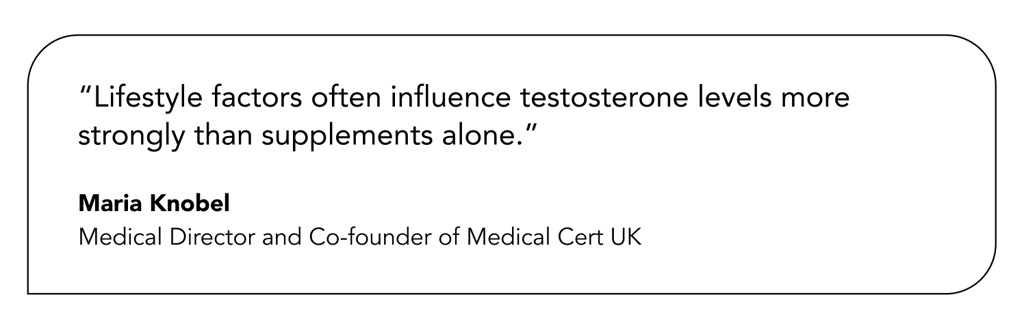
“Lifestyle factors often influence testosterone levels more strongly than supplements alone,” says Maria Knobel, medical director and co-founder of Medical Cert UK, who is board-certified in lifestyle medicine. Translation: your best bet for hormonal balance is addressing the basics first.
That doesn’t mean supplements for testosterone are useless. If low T is tied to nutrient gaps — like vitamin D, magnesium, or zinc — filling those dietary gaps can make a difference. Some herbs (which we’ll get into later) also show modest promise for boosting testosterone in the right circumstances.
Here’s the truth: there’s no miracle testosterone pill. If a product promises overnight results, it’s probably too good to be true. Dr. Knobel stresses setting realistic expectations. Avoiding risky shortcuts is critical too. For example, substances like prohormones and SARMs (selective androgen receptor modulators) may bump testosterone, but they also come with serious health dangers and, in many cases, aren’t even legal.
Lifestyle testosterone boosters
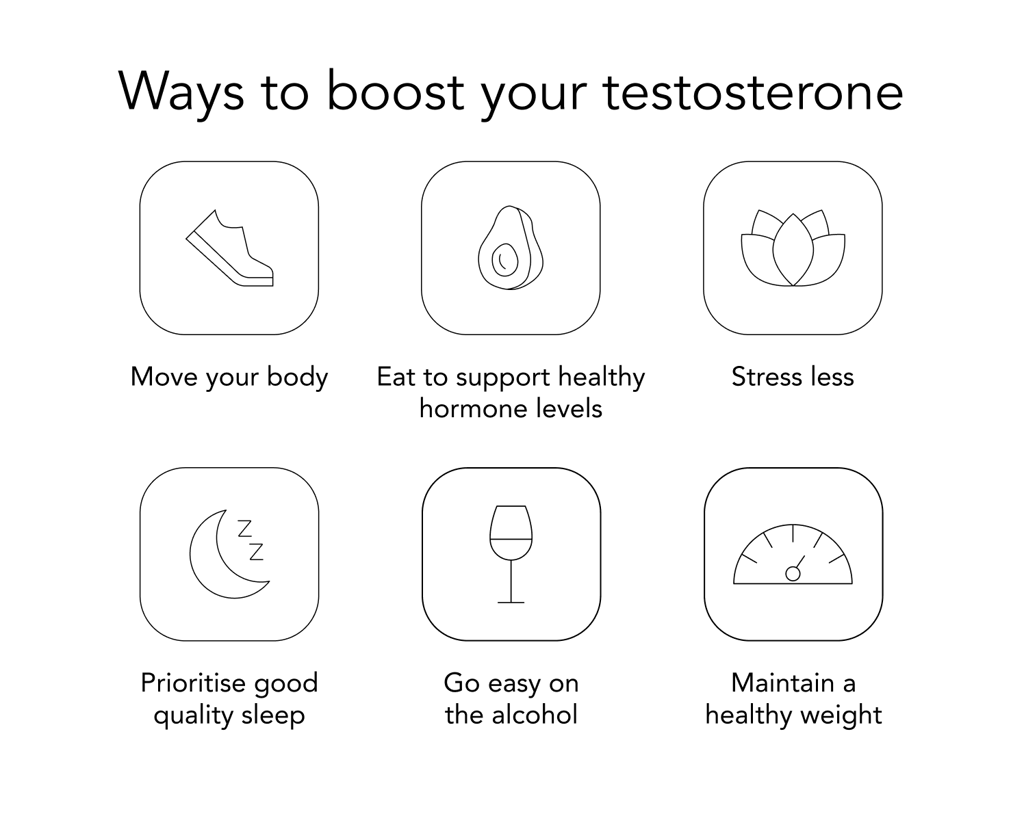
Before reaching for supplements to increase testosterone, remember this: nothing beats the basics. Sleep, movement, food, stress management, and a balanced diet are way “more powerful than any supplement” when it comes to supporting healthy testosterone, says Elizabeth Rubin MD, a board-certified physician and clinical adviser at Embers Recovery.
Move your body
One of the best ways to nudge testosterone up? Exercise. Research shows that moderate-to-intense physical activity can give T levels a short-term bump. While both endurance exercise and resistance exercise have been shown to increase testosterone levels, strength training focused on multi-joint movements, performed at medium to high intensity with short rests between sets, was optimal for elevating T levels after a workout. This boost may be smaller in men who are older or have obesity.
But balance is key. Overtraining, especially when paired with calorie restriction, can backfire and actually lower testosterone.
Eat to support healthy hormone levels
Your diet doesn’t just fuel you — it literally shapes hormone production. Too much or too little of certain nutrients can throw testosterone out of whack.
Fats: Healthy fats (think fish, avocado, nuts) support hormone production and tame inflammation. But low-fat diets may lower testosterone, particularly in men of European ancestry.
Protein: Needed for muscle, satiety, and hormone support. Lean fish in particular has been linked to higher testosterone, but going overboard on protein (especially low-carb, high-protein diets) may actually tank T levels.
The rest: Fill your plate with whole foods like veggies, fruits, whole grains, and lean proteins. Cut back on sugar, red meat, saturated/trans fats, processed foods, and too much dairy.
Stress less
Stress and testosterone are biochemical enemies. Cortisol (your stress hormone) directly suppresses testosterone, encourages fat storage, and triggers the conversion of testosterone into oestrogen.
Proven stress-busters include:
Regular exercise: physical activity (both aerobic and resistance training) makes you more resilient and adaptive to other stressors
Mindfulness meditation: the practice of observing your thoughts, sensations, and emotions without judgement and using your breath as an anchor
Heart-rate variability biofeedback: a type of therapy that teaches a person to change and control heart rate through practice
Sleep like it’s your job
Most testosterone is made while you’re deep in rapid eye movement (REM) sleep. Skimp on sleep consistently, and your T production may pay the price. Moral of the story? Prioritise healthy sleep habits:
Keep a consistent bedtime and wake-up time
Make your bedroom cool, dark, and quiet
Power down screens 30+ minutes before bed
Skip heavy meals, alcohol, and caffeine close to bedtime
Practise regular exercise
Treat sleep like it’s part of your training regimen — it’s that important.
Go easy on the booze
Too many drinks can sink testosterone levels because alcohol interferes with hormone signaling. Just 3 days of heavy drinking can alter testosterone production, and chronic heavy drinking has an even greater impact. Stick to 14 units a week max (equivalent to 6 pints of beer or 10 small glasses of wine). Bonus: your heart, liver, and future self will thank you.
Maintain a healthy weight
Here’s the tough truth: extra visceral fat (belly fat) and low testosterone fuel each other in a vicious cycle. Belly fat increases aromatase activity, which converts T into oestrogen. More oestrogen = more fat storage = even lower T. Meanwhile, low testosterone itself promotes fat gain and insulin resistance.
The good news: every one-point drop in BMI is linked to about a one-point rise in testosterone. In other words, even small, steady weight loss can reset the cycle.
Natural testosterone boosters
The world of self-proclaimed “T-boosters” is crowded, and science is still catching up. Some nutrients and herbs show real promise, while others have mixed (or limited) data. Here’s the rundown of what looks most credible so far.
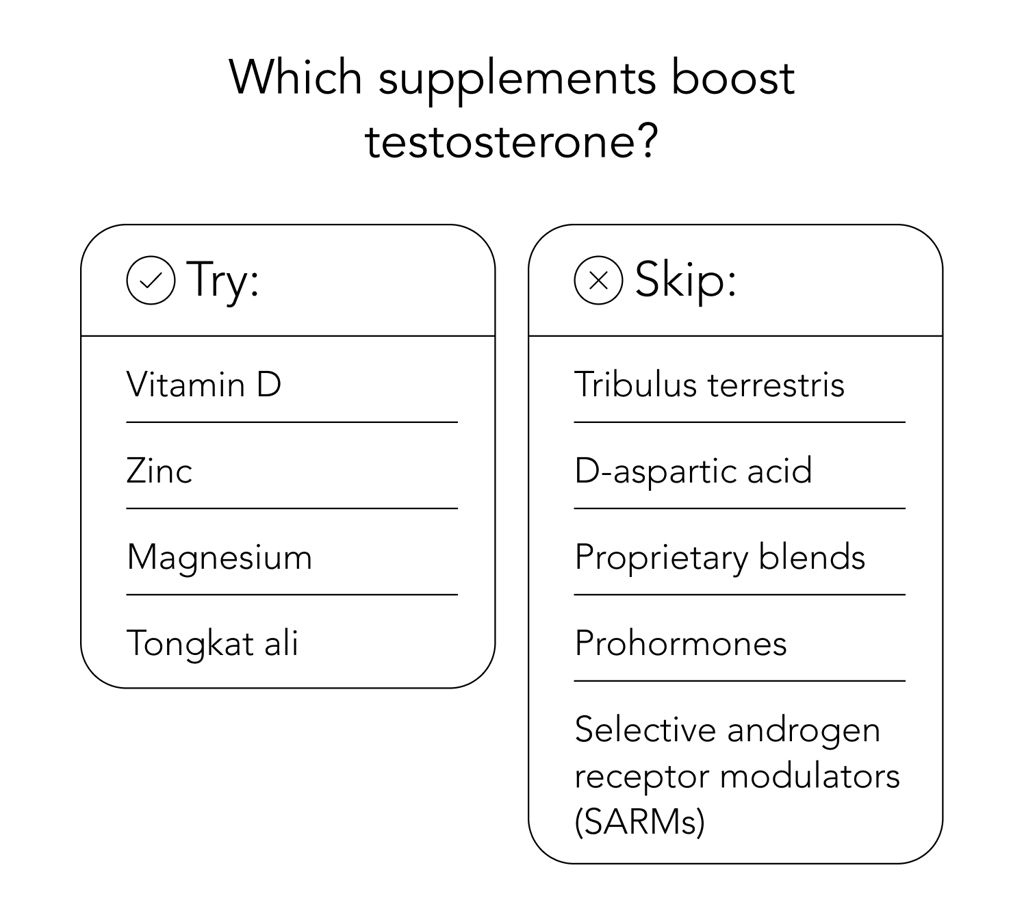
Vitamin D
Low vitamin D is strongly linked to low testosterone. Supplementing may help some men raise levels, but the results are mixed — some studies show a boost; others don’t. Even so, some data suggests vitamin D may ease symptoms resulting from low T, even if it doesn’t always move the needle on blood tests.
Zinc
Zinc is crucial for reproductive health and hormone production (everything from sperm to testosterone relies on it). Low zinc is even tied to infertility.
Supplementation seems to directly support testosterone production by protecting the Leydig cells that make it. Clinical use often involves zinc sulphate (220 mg, about 50 mg elemental zinc) twice daily for 1-4 months, but dosage and timing aren’t yet standardised.
Magnesium
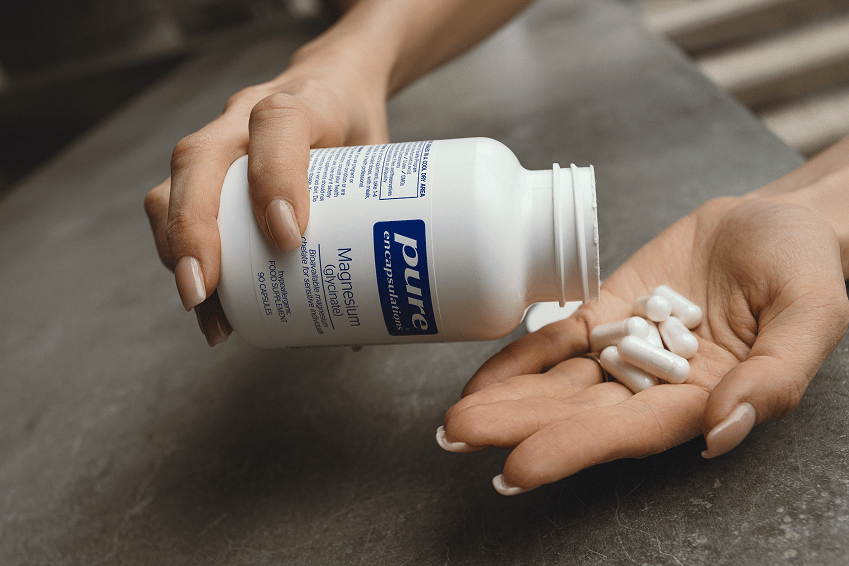
Magnesium doesn’t act directly on testosterone but helps protect it by reducing oxidative stress and inflammation. It may also free up more “bioavailable” testosterone by preventing it from binding to sex hormone-binding globulin (SHBG). Translation: adequate magnesium can keep testosterone working harder for you.
Shilajit
This sticky mineral-rich substance has been used in Ayurvedic medicine for centuries as an aphrodisiac. Today, research is backing it up. One study showed men taking 250 mg of shilajit twice daily for 90 days had higher testosterone, free testosterone, and DHEA compared to placebo.
Boron
Supplementing with the mineral boron has been linked to higher free testosterone and dihydrotestosterone (DHT). Plus, boron may help the body better absorb vitamin D and magnesium while lowering inflammation (all crucial for healthy testosterone levels).
Ashwagandha
Ashwagandha is an adaptogenic herb known for improving energy, muscle strength, and stress resilience, and it may also give testosterone a lift. One study found that an 8-week course of standardized ashwagandha extract increased DHEA-S (a precursor to T) by 18% and testosterone by nearly 15% compared to placebo.
Fenugreek
This humble kitchen spice has been linked to improved heart and metabolic health and lower chronic inflammation, and it may also support testosterone. Research suggests that fenugreek extract supplementation has a significant effect on testosterone levels in men.
Tongkat ali
Also known as “Long Jack,” this Southeast Asian root has been used in traditional medicine for everything from infections to diabetes. Modern studies show it may even improve testosterone. In one trial, men with low T who took tongkat ali and trained consistently for six months (a combo of aerobic and resistance exercise) saw significant improvements in both testosterone levels and sexual health.
Keep in mind: While these promising supplements have science behind them, they should still be “used carefully and with realistic expectations,” says Dr. Rubin. It’s best to consult a medical expert before adding a supplement to your daily routine.
Testosterone boosters without evidence
Not all “T boosters” live up to their bold promises. Some don’t work at all, others barely move the needle, and a few can be downright dangerous. Here’s the lowdown on the most hyped supplements, and why you should think twice.
Tribulus terrestris
“One of the most popular marketed supplements, Tribulus terrestris, does not appear to affect testosterone levels in clinical trials,” says Sadia Saeed, MD, a general practitioner with Welzo. “Despite its vogue, it’s unsupported by its grandiose claims.” Meaning, it won’t likely raise your T.
D-aspartic acid
“Another supplement that has generated some interest is D-aspartic acid,” says Dr. Saeed. “However, research is still varying. Early studies had hinted at its benefits; newer ones have found less or only short-lived benefits.”
Proprietary blends
Ever see “proprietary blend” on a label? It’s basically a brand’s special recipe they don’t want to share publicly. In other words, you have no idea how much of each ingredient you’re actually getting. That means you can’t tell if the supplement is effective, safe, or made with excess filler ingredients. Without clear ingredient lists, it’s impossible to make informed choices, so steer clear of mystery formulas that hide behind “trade secrets.”
Other “boosters”
Supplements like “maca, saw palmetto, horny goat weed, and mucuna pruriens are widely marketed as testosterone boosters but lack strong scientific support,” says Dr. Rubin. “Most may help with libido, mood, or fertility in some cases, but they don’t meaningfully raise testosterone levels.”
Prohormones
“Prohormones are synthetic hormone precursors designed to mimic the effects of anabolic steroids,” says Dr. Rubin. “They do raise testosterone or steroid-like hormones but at the cost of serious health risks (hormone imbalance, liver toxicity, infertility, and cardiovascular problems).” Dr. Saeed agrees the risks far outweigh any short-term gains.
SARMs
SARMs (selective androgen receptor modulators) are compounds that have similar properties to steroids. Spoiler: they’re not safe, not legal for supplements, and not approved by the European Medicines Agency for any medical use. Risks include heart attack, stroke, and unknown long-term effects.
Despite this, SARMs keep popping up in dodgy supplements. The takeaway? They’re neither safe nor legal for boosting testosterone.
When supplements aren’t enough: testing & medical options
If sleep, stress management, and supplements still aren’t helping — and you’re dealing with stubborn symptoms like weaker erections, low libido, or shrinking testes — it might be time to talk about prescription options for low testosterone.
The British Society for Sexual Medicine supports testosterone replacement therapy (TRT) for men with symptoms of hypogonadism and confirmed low testosterone levels. Diagnosis starts with two early-morning blood tests (between 8–10 AM). If both come back under 300 ng/dL, your doctor may order follow-up labs to figure out whether the issue is primary (related to the testes) or secondary hypogonadism (related to pituitary-hypothalamus function).
These tests may include:
Follicle-stimulating hormone (FSH) and luteinising hormone (LH)
Prolactin and thyroid stimulating hormone (TSH)
Complete blood count (CBC)
PSA (prostate-specific antigen) for men over 40 years
Comprehensive metabolic panel (CMP)
If results are borderline or unclear, more advanced tests — like free testosterone, SHBG, or albumin levels — can reveal how much bioavailable testosterone your body actually has. In some cases, doctors may order imaging (like pituitary MRI, testicular ultrasound), semen analysis, or even genetic testing if there’s suspicion of another underlying condition.
Once low T is confirmed, prescription TRT comes in several formulations — but gels and intramuscular injections are the most common.
Testosterone gels: A favorite for many men thanks to convenience, insurance coverage, and fewer hormone spikes. Applied daily to the shoulders, upper arms, or abdomen (never the scrotum), gels deliver a steady testosterone supply, which helps stabilise libido, mood, and energy.
Testosterone injections: Typically given every week, injections can be effective but may cause bigger hormonal swings, which some men find less tolerable.
Like any medication, TRT isn’t risk-free. It may raise cardiovascular risk and is a no-go for men with prostate cancer since it can fuel disease progression. Before you start, your GP will review your health history and potential risks to make sure TRT is the right (and safe) move for you.
Safety precautions
Even the “cleanest” supplements from reputable brands with solid science aren’t risk-free. Here are the precautions you should consider before adding a supplement to your daily intake:
Watch for medication interactions
Just because something is “herbal” doesn’t mean it plays nice with prescriptions. “Patients using medicines like blood thinners or insulin” should always check with their doctor first, says Dr. Knobel. Even natural substances can change how drugs are absorbed or unexpectedly spike blood sugar, she says. A quick chat with your GP to check for unsafe interactions can save you a world of trouble.
Not safe for everyone
Some ingredients in T-boosters can affect blood pressure, liver function, or hormone activity, says Dr. Saeed. That’s why Drs. Saeed, Knobel, and Rubin caution against them in certain groups. Testosterone-boosting supplements can cause unwanted side effects, so skip them if you:
Have a history of prostate cancer or other prostate issues
Live with cardiovascular disease or have had a heart attack
Have sleep apnoea
Are under 25 (your natural hormone production is still in full swing)
Have breast cancer risk factors
Have fertility concerns
Have liver or kidney disease
Are pregnant or breastfeeding
Not sure if a testosterone booster is safe for you? Don’t roll the dice. Talk it over with a healthcare professional — or book a consultation with an expert at Healf Zone — to figure out whether supplements are right for your unique situation.
How to choose quality supplements for testosterone
Testosterone boosters are everywhere, but not all of them deliver on their promises. In fact, one study found that while 90% of “T boosters” claimed to raise testosterone, only about 25% had any data backing those claims. Even worse, 10% contained ingredients linked to lower testosterone, and many packed in mega-doses of vitamins or minerals that can be harmful. So, knowing how to spot a quality product is key.
Quality comes first
A good supplement should be third-party tested, says Dr. Saeed. That means what’s on the label is actually what’s in the bottle — at the right dose, without “harmful impurities” (like heavy metals or mould) or “unknown substances that may damage the liver or heart,” says Dr. Knobel.
Look for the Traditional Herbal Registration (THR) mark, which signals a product meets certain safety and quality standards (though it doesn’t guarantee it’s right for everyone).
Labels should tell all
“A trustworthy product is a “well-labeled” one, says Dr. Knobel. In other words, if the label’s vague, it’s a miss. Similarly, steer clear of “proprietary blends” that hide exact dosages, adds Dr. Saeed. You deserve to know what (and how much) you’re putting in your body. Transparency is non-negotiable.
Evidence over hype
Not every herb or powder with a flashy advert actually works. “The safest and most effective testosterone-boosting supplements are those with clinically supported ingredients,” says Dr. Rubin.
Look for supplements with ingredients backed by solid research, agree Drs. Saeed and Knobel. Some ingredients — like vitamin D, zinc, ashwagandha, or fenugreek — do have clinical evidence to support their benefits. Just keep your expectations realistic. Consider it a red flag if a supplement brand over-promises. Again, if it sounds too good to be true, it probably is.
Best testosterone boosters to consider
Do testosterone boosters work? Yes, legitimate, science-backed supplements can support healthy testosterone levels.
So if you’re looking for T-boosters that’re actually worth your money, here are four top natural testosterone supplements that combine evidence-based ingredients with solid quality standards.
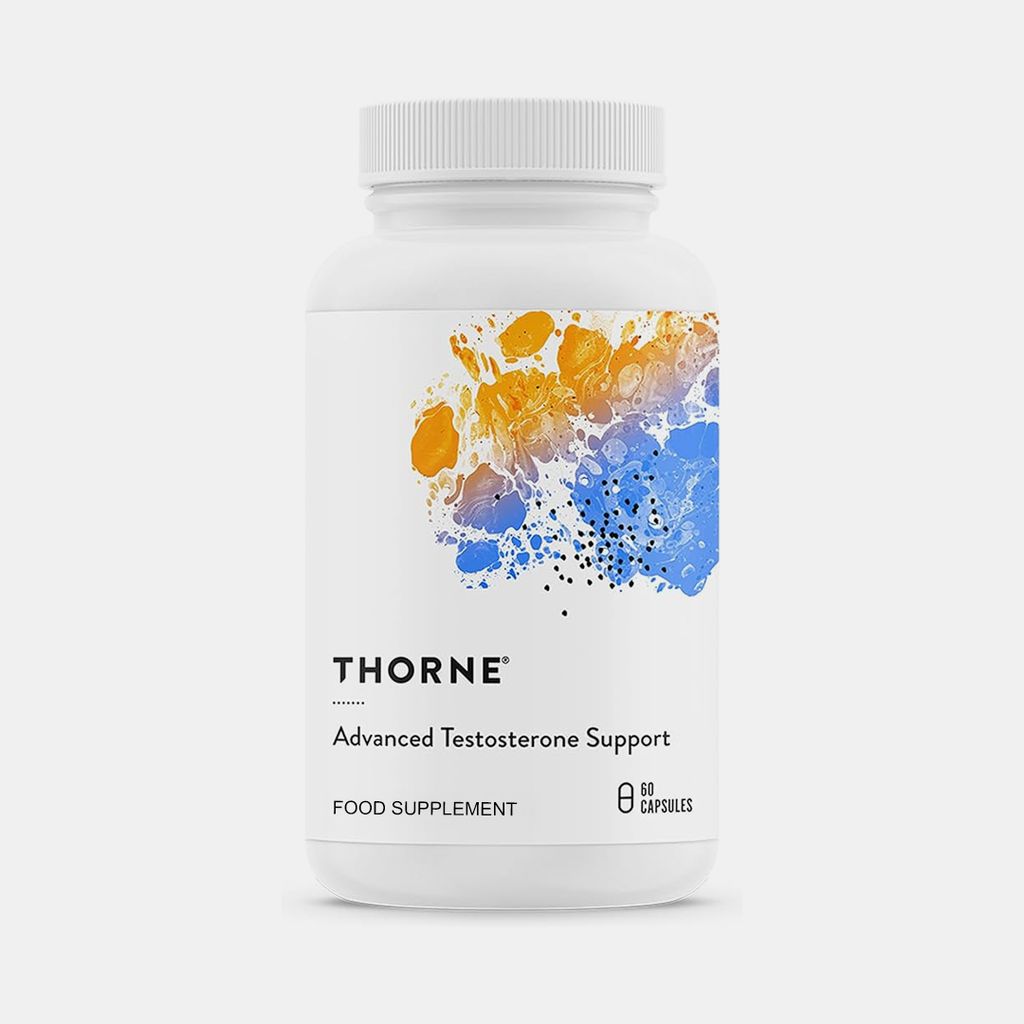
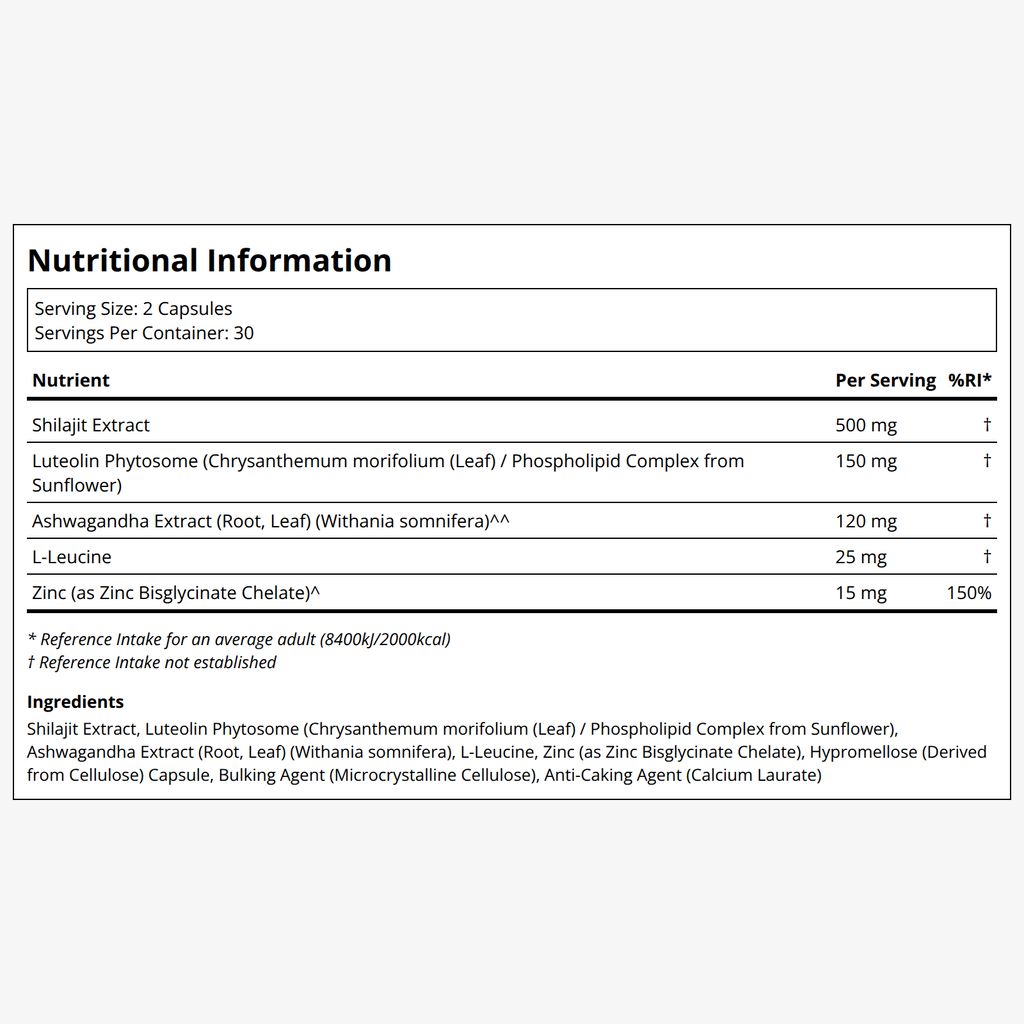
Thorne’s Advanced Testosterone Support
Think of this one as the testosterone trio: zinc, shilajit, and ashwagandha — three ingredients with solid science behind them. Thorne doesn’t mess about with quality either: every batch goes through four rounds of rigorous testing to ensure potency, purity, and zero contamination. They’re also mindful of allergens and sensitivities, making this a safe, high-quality choice.
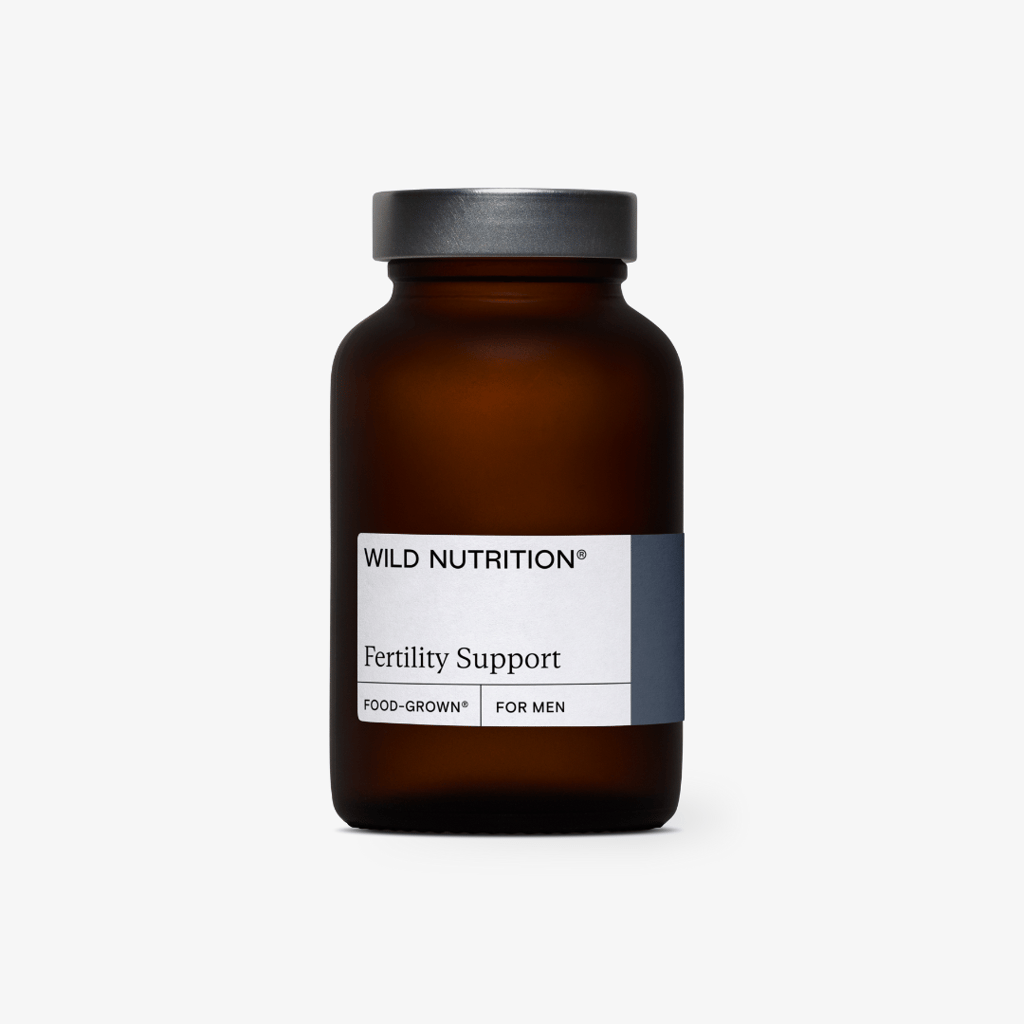
Wild Nutrition’s Food-Grown Fertility Support for Men
If you’re planning for fatherhood, this is a go-to. Packed with zinc (to maintain normal testosterone and fertility), plus magnesium, vitamin D, and other essential nutrients, it’s designed to support sperm health, hormone balance, and overall vitality. Bonus: the ingredients are naturally sourced with no fillers or mega-doses, so your body absorbs them like real food.
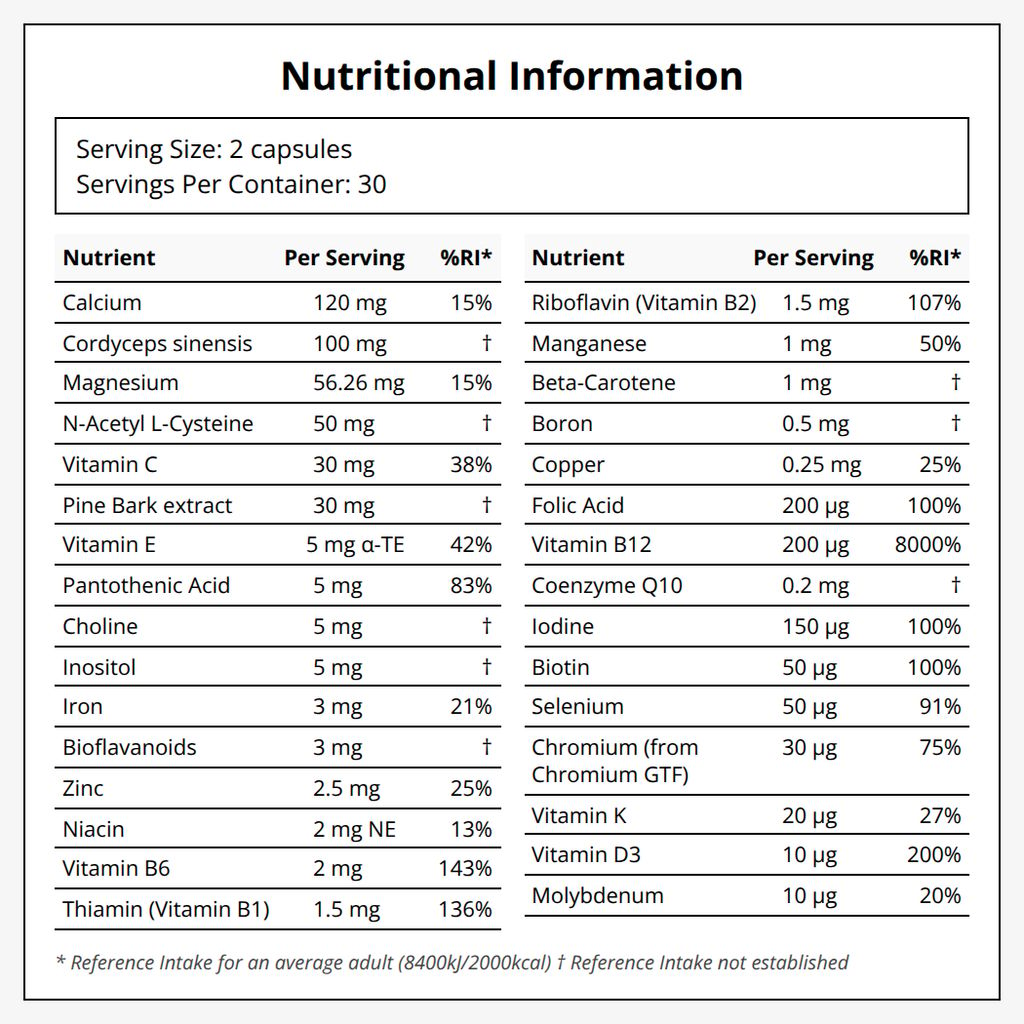
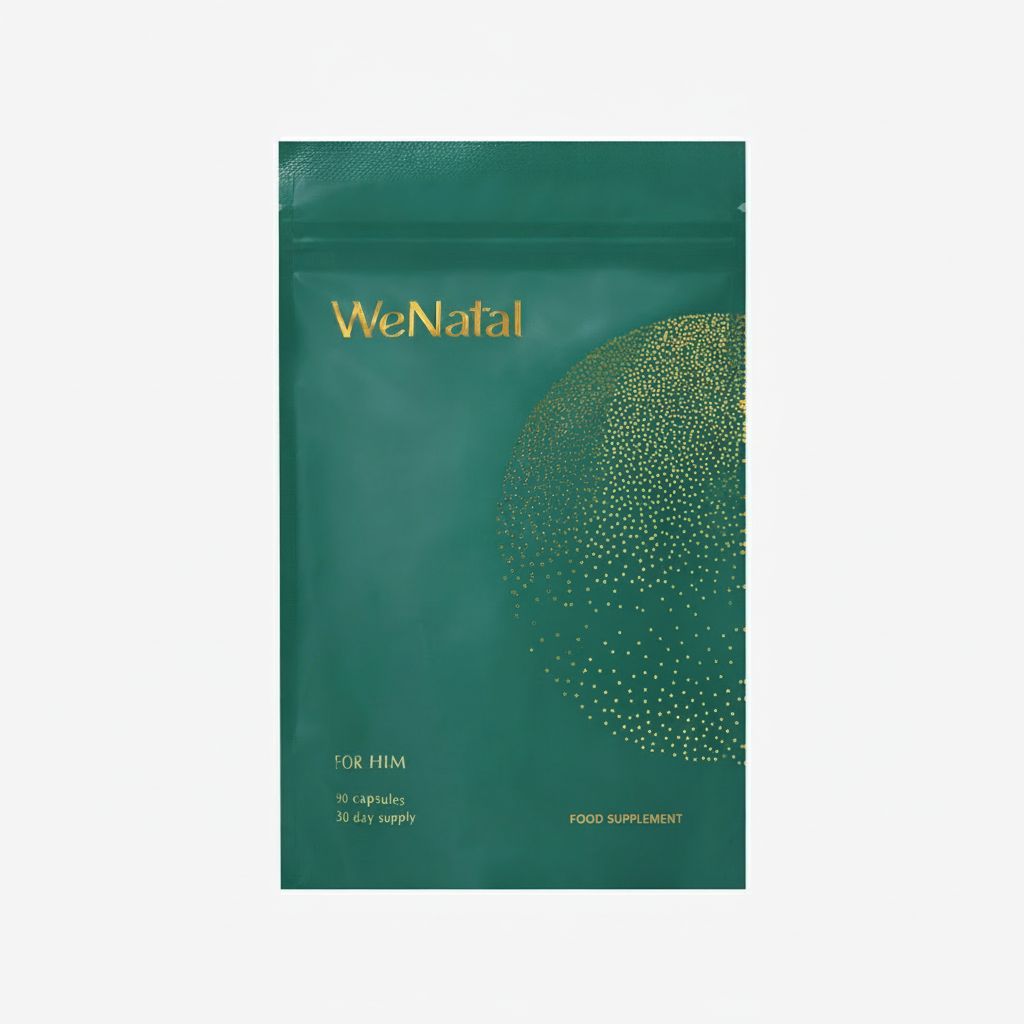
WeNatal For Him
More than just testosterone support, this formula is a fertility powerhouse. It pairs vitamin D and zinc with antioxidants like selenium, CoQ10, NAC, L-Carnitine, and vitamins A, C, and E to support sperm health and boost chances of pregnancy. Every batch is third-party tested for safety, so you know it’s legitimate.
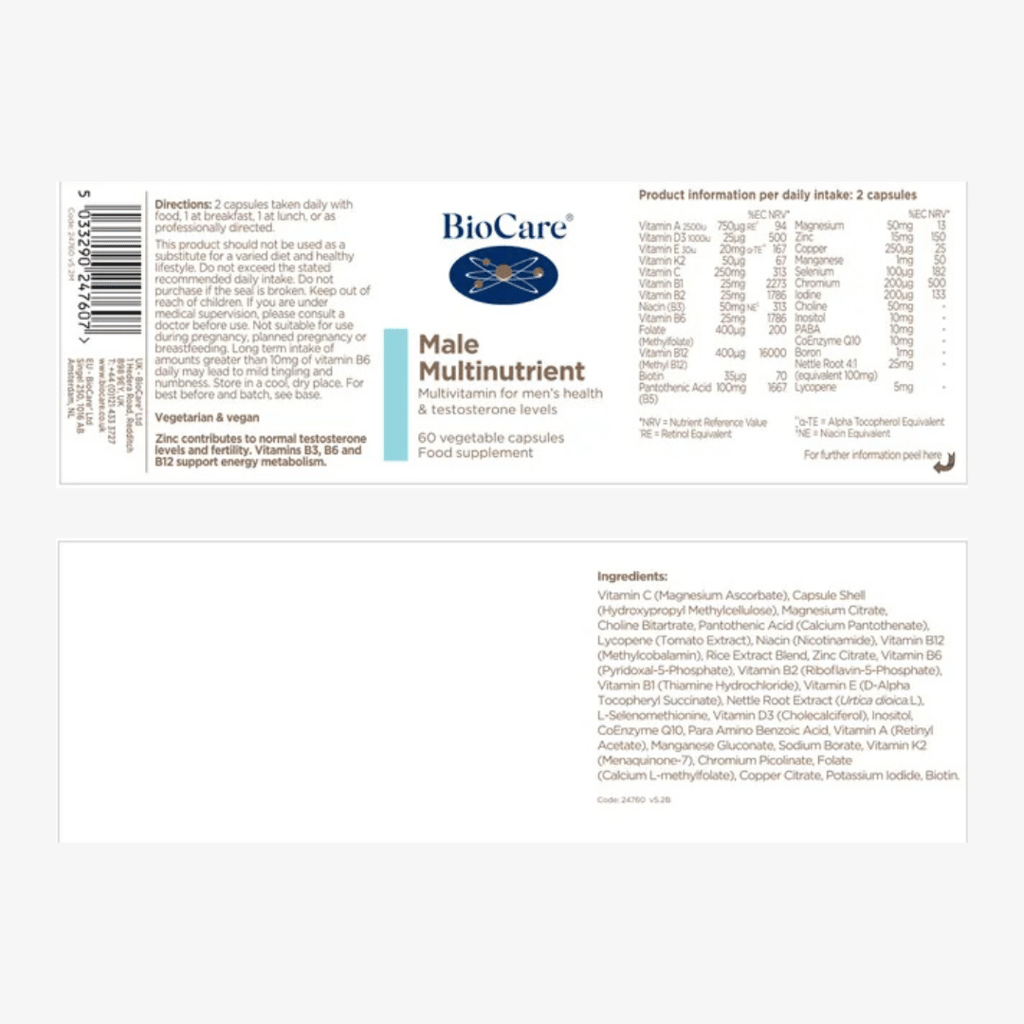
Biocare’s Male Multinutrient
Looking for an everyday multivitamin with testosterone benefits? This one covers all the bases. With vitamin D, magnesium, boron, and zinc, it helps support healthy testosterone, while B vitamins and botanicals keep your energy and wellbeing on point. That makes this supplement a solid daily choice with added hormone support.
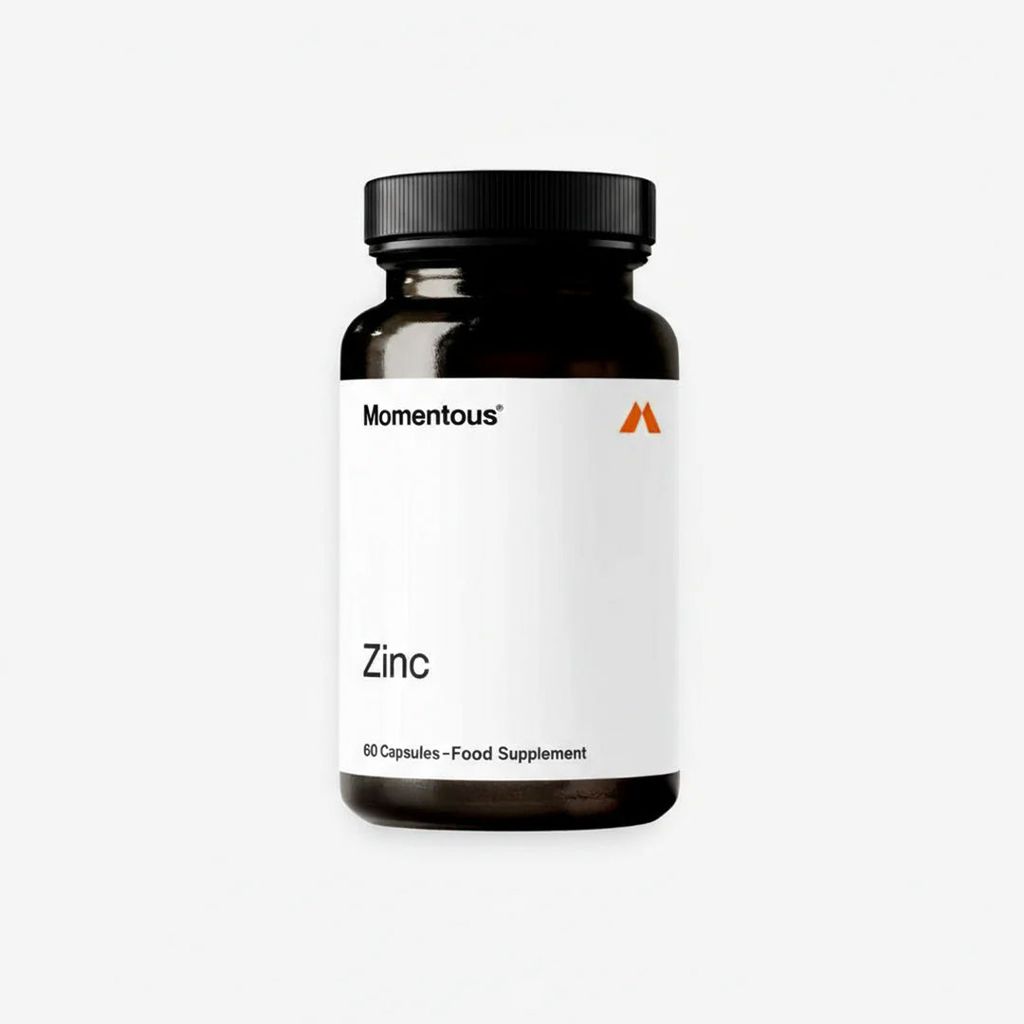
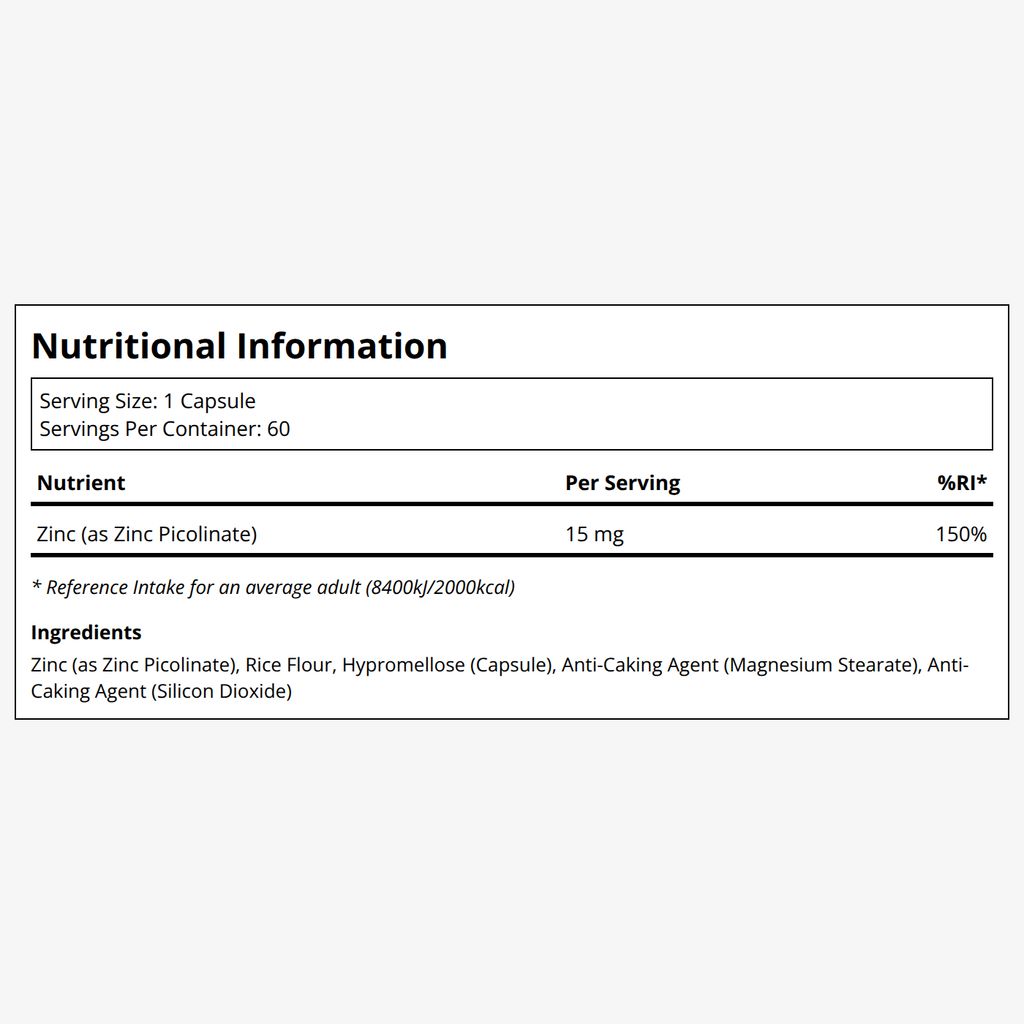
Momentous Zinc Picolinate
Sometimes less really is more. This supplement keeps it simple with just one powerhouse ingredient: zinc picolinate.
It helps maintain normal fertility, reproduction, and testosterone levels, while giving your immune system the backup it needs. On top of that, it protects your cells from oxidative stress and contributes to healthy skin, hair, nails, bones, and even vision. One capsule, countless benefits.


The bottom line
At the end of the day, there’s no magic bullet for testosterone. The best way to support healthy T levels is by getting the basics right — sleep, stress, movement, diet — then layering in science-backed supplements if needed. Steer clear of flashy “miracle” boosters that overpromise and underdeliver, and always loop in your GP before starting anything new.
For people who still struggle despite healthy habits, medical testing and treatments like TRT can be game-changers.
Remember: the best testosterone booster isn’t found in a bottle — it’s a smart combination of positive lifestyle habits, vetted supplements, and medical guidance when necessary.
Key takeaways
Lifestyle habits (sleep, stress management, exercise, diet, and weight management) do more for testosterone than any pill ever could.
Some supplements — like vitamin D, zinc, magnesium, ashwagandha, fenugreek, and shilajit — have real evidence behind them, though results are often modest.
Many hyped “testosterone boosters” (like Tribulus, D-aspartic acid, or proprietary blends) don’t actually work — and some, like SARMs or prohormones, can be downright dangerous.
Quality matters: only buy supplements that are third-party tested, transparently labelled, and clinically dosed.
When lifestyle tweaks and safe supplements aren’t enough, testing and medical options (like testosterone replacement therapy) may be necessary under a doctor’s care.
Frequently asked questions (FAQ’s)
Q: What is the best testosterone booster that really works?
A: There’s no one-size-fits-all best testosterone booster, but the supplements with the strongest science behind them include vitamin D, zinc, magnesium, ashwagandha, fenugreek, and shilajit. Just remember: lifestyle habits like sleep, exercise, stress control, and diet usually have the most impact.
Q: Do testosterone boosters actually work?
dest results. Supplements can help if you’re deficient in nutrients like vitamin D or zinc, but lifestyle changes have a much bigger impact. The flashy miracle pills? Usually overhyped. Some things touted as testosterone boosters, like SARMs or prohormones, are even risky and unsafe.
Q: What is the best testosterone booster in the UK?
A: The “best” testosterone booster in the UK is living a healthy lifestyle: eating a balanced diet rich in whole foods and healthy fats, regular exercise, stress management, and quality sleep. When it comes to supplements, look for third-party tested products with evidence-backed ingredients (like vitamin D, zinc, and ashwagandha) available from reputable UK retailers. Avoid non-transparent proprietary blends and anything promising “miracle” results.
Q: What boosts testosterone quickly?
A: Nothing works instantly. Consistently getting quality sleep, staying active, eating nutrient-rich foods, and keeping a healthy weight make more of a difference than any “quick fix.”
Q: Is a testosterone booster safe?
A: It depends. Legitimate, clinically dosed supplements (like vitamin D or zinc) are generally safe when used appropriately. But some products are useless, and others — like SARMs, prohormones, or dodgy proprietary blends — can be dangerous. Always check labels, buy from trusted brands, and talk to your GP before starting.
Q: What is the best thing to boost a man's testosterone?
A: Healthy lifestyle habits, hands down. Getting good sleep, stress management, regular exercise, eating a nutrient-dense diet, and maintaining a healthy weight are the real testosterone boosters. Supplements can help in some cases, but no capsule replaces the basics.




This article is for informational purposes only, even if and regardless of whether it features the advice of physicians and medical practitioners. This article is not, nor is it intended to be, a substitute for professional medical advice, diagnosis, or treatment and should never be relied upon for specific medical advice. The views expressed in this article are the views of the expert and do not necessarily represent the views of Healf
Jaime Osnato is a health journalist and licensed social worker based in NYC. With over a decade of experience writing for top digital health and wellness outlets like Well+Good, SELF, Shape, FitPregnancy, [LIVESTRONG.com](https://www.livestrong.com), and more. Jaime brings insight and integrity to every story.
Living with chronic conditions herself, Jaime believes health information should be clear and understandable - no medical degree required. She's fuelled by a mission to transform complex science into clear, usable guidance. Her goal? To arm readers with trustworthy, evidence-backed knowledge, so they can confidently advocate for their own health.