



















_Madeline_Spanier_Photos_ID7424.jpg)

Can A Bedtime Selfie Help You Sleep?

Written by: Pippa Thackeray
Written on: 21 April 2025
A curious bedtime trend is gaining some traction. Though it sounds odd, experts suggest it may have unexpected benefits for sleep quality, self reflection and the way we wind down.
At first glance, it may sound a bit ridiculous. But this isn’t about boosting engagement. It’s all about better sleep. If you’ve been waking up groggy, aching or weirdly tilted, reflecting on your posture in bed might be the missing piece of the puzzle you have been looking for. Who knew a quick snap would lead the way as a solution?
Who really needs a bedtime selfie?
The trend dictates snapping a side-on selfie once you’ve settled into your usual sleeping position. It’s so that when you look back at the image, you can imagine a vertical line running from the centre of your nose, down your chin and through your torso. And then valuate accordingly. Vanity aside, this selfie presents a chance to look at how our bodies are actually positioned in bed.
If your head is lifted too high or dipping too low, that line will look a bit off. This could be a sign that your pillow is either too thick or too flat and that your head is positioned too high or low.
Even the smallest of tilts can strain your neck and throw your spine out of alignment, and you may not be aware of it.
Small misalignments, big consequences
Sleeping with your head angled upwards for hours at a time puts pressure on the neck and upper spine. Over time, it can lead to jaw clenching, tension headaches or that really annoying sensation of numbness and pins and needles in the arms. The same applies if your head is dipping too far below your shoulders. It pulls the spine out of its natural curve and can prevent you from falling into the deeper stages of sleep.
Sleep experts know that just a few centimetres of posture misalignment every night can leave you feeling unrested in the morning.
What the research says
A cross-sectional study found that participants who experienced spinal symptoms in the morning spent significantly more time in sleep postures linked with poor spinal alignment, and also reported lower sleep quality compared to those without symptoms.
Another showed that pillow height and filling had a measurable impact on neck muscle tension and sleep disruption.
Physical therapists also point out that spinal alignment is just as important during rest as it is during waking hours. It affects everything from how long it takes to fall asleep to how refreshed you feel after seven or eight hours.
Supporting the head during sleep
What can be taken from this research in a practical sense? Optimal head support is a must. Products like the Ostrich Pillow are designed to contour gently to the neck while holding it in a neutral position. Leave overstuffed pillows in the past and find one with ergonomic support to help maintain alignment through the night.
6 ways to support better sleep posture
1. Take a selfie
Number one on the list, it would appear. It sounds silly, but experts are urging us to do so. Checking your alignment in a photo is a quick way to spot if your pillow is helping or hindering your posture. Just make sure you have your screen settings on night mode and notifications off to avoid the lure of endless scrolling.
2. Reconsider your pillow height
Your pillow should support your neck in a neutral position. Side sleepers typically need more height than back sleepers, and stomach sleepers often need none at all. In fact, the position you sleep in can determine a lot of factors regarding your health status. You can read more in our article on sleep positions.
3. Support the whole body
Try a pillow between the knees if you sleep on your side, or under the knees if you sleep on your back. These simple adjustments help ease pressure on the lower back and keep the spine in line. The Momcozy F Shaped Pillow is designed for use during pregnancy but is also a great support if you struggle with your sleep position.
4. Look into natural sleep aids
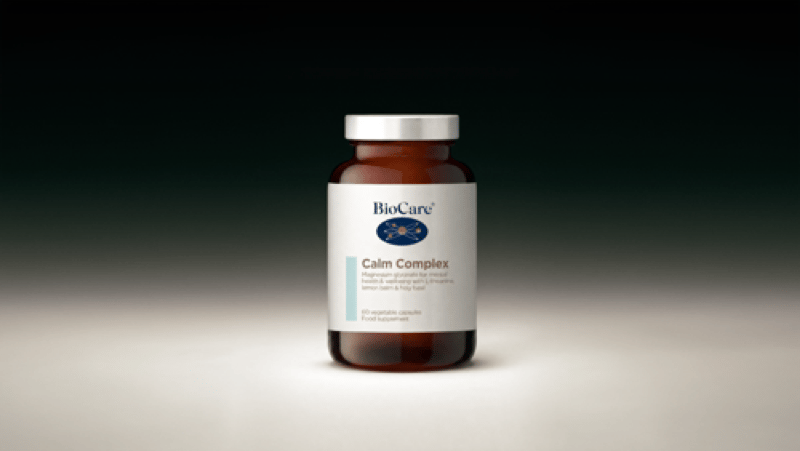
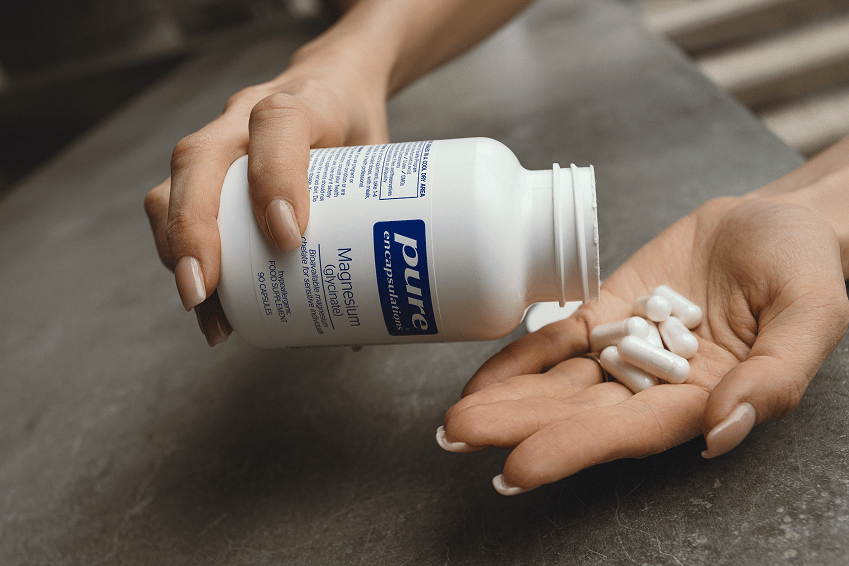
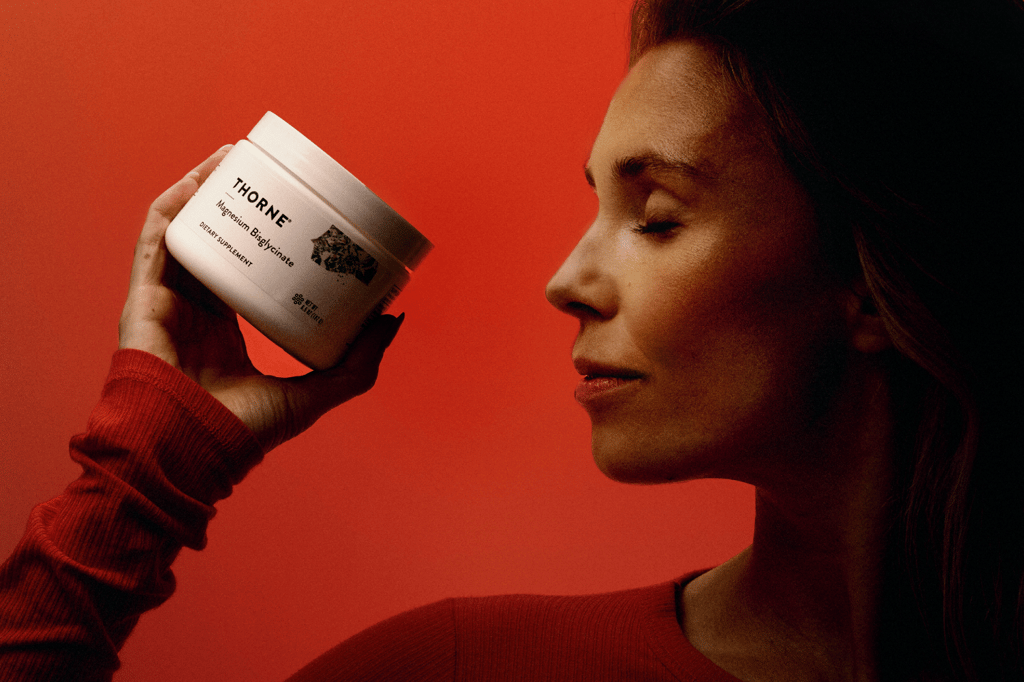
If posture isn't the only thing affecting your rest, supplements containing magnesium glycinate or calming botanical extracts like lemon balm and ashwagandha such as SLEEP+ may help support your sleep rhythm more gently than pharmaceutical options.
5. Try aromatherapy to calm the senses
Scents like lavender and frankincense have been shown to encourage deeper, more restful sleep. A pillow mist or diffuser can help set the tone at bedtime.
6. Do a few gentle stretches
Simple movements like knee-to-chest, cat-cow or child’s pose can help loosen the spine, reduce built-up tension and ease your body into a more relaxed mode for sleep.
What to remember
It’s unlikely that a bedtime selfie will solve very serious sleep issues, but the trend does serve as a healthy reminder to check your sleep posture and to stay accountable for your sleep hygiene. Your sleep setup counts for a lot, so use your phone for a few seconds to take a photo, check your alignment and make a small adjustment if things look off.
From there, it might be worth exploring natural ways to support sleep. You may use a calming herbal supplement or one of the posture-conscious tools from Healf’s sleep-quality collection.
Shop SLEEP, a major pillar of wellbeing at Healf. Here you can explore practical ways to support proper rest and recovery.



References:
1. Instagram. Glamour UK https://www.instagram.com/glamouruk/p/DFisAQuv99-/ Published April 2023. Accessed April 15, 2025.
2. Sleep Foundation. Sleep Posture: What You Need to Know. https://www.sleepfoundation.org/sleeping-positions/sleep-posture Published March 2022. Accessed April 15, 2025.
3. Cary D, Jacques A, Briffa K. Examining relationships between sleep posture, waking spinal symptoms and quality of sleep: A cross-sectional study. PLoS One. 2021;16(11):e0260582. https://doi.org/10.1371/journal.pone.0260582. Accessed April 15, 2025.
4. Daryushi S, Allahyari T, Karimi Z. The influence of pillow shape and content on neck muscular activity and perceived comfort. Open Public Health J. 2025;18: e18749445371712. DOI: 10.2174/0118749445371712250130065843 Accessed April 15, 2025.
5. SpineHealth. Sleeping and the Spine. https://spinehealth.org/article/sleeping-and-the-spine/ Published January 2024. Accessed April 15, 2025
This article is for informational purposes only, even if and regardless of whether it features the advice of physicians and medical practitioners. This article is not, nor is it intended to be, a substitute for professional medical advice, diagnosis, or treatment and should never be relied upon for specific medical advice. The views expressed in this article are the views of the expert and do not necessarily represent the views of Healf
Pippa is a content writer and qualified Nutritional Therapist (DipNT) creating research-based content with a passion for many areas of wellbeing, including hormonal health, mental health and digestive health.
As a contributor to The Healf Source, she regularly attends seminars and programmes on a plethora of contemporary health issues and modern research insights with a drive to never stop learning. In addition, interviewing experts and specialists across The Four Pillars: EAT, MOVE, MIND, SLEEP.
In her spare time, she is an avid swimmer, mindfulness and yoga lover, occasionally bringing a raw, honest approach to the topics she faces. You may also discover some personal accounts of eye-opening wellbeing experiences amidst the reality of a disorientating, and often conflicting, modern wellbeing space.