
























_2026-10-13_14-11-48.png)

.jpg)
Can Seed Oils Actually Be Good For Us?

Written by: Pippa Thackeray
Written on: 22 September 2025
Are seed oils good or bad? They’re often demonised as the opposition for our wellbeing, health, energy and vitality, but are seed oils really the enemy on your plate, or might they hold their own unique benefits? It’s time to open the debate.
The conversation starter: are seed oils unhealthy?
You’re at dinner and a friend orders a side of chips. You order the salad, but not before scanning the menu twice to ensure the dressing isn’t made with rapeseed oil. They laugh, you start frowning.
Should eating for the benefit of our health really be this complicated?
It’s a familiar game of tug of war to anyone who cares about what they're putting in their bodies. In a world where convenience food is ever-present, much of one’s energy can be used continuously dodging canola, sunflower, etc.
Meanwhile, in your headphones, wellbeing podcasters and influencers continue to reinforce the message that the fight on these oils as 'unnecessary toxins' is indeed worth it for so many vital processes of our cardiovascular system, our livers, our brains...
But, when the internet shouts in absolutes, food choices such as this are rarely binary. This article aims to explore the nuances of the ‘big seed oil’ debate.
What are seed oils defined as?
In essence, seed oils are pressed or extracted from seeds.
Commonly used seed oils in the UK include:
Rapeseed oil
Sunflower oil
Soybean oil
Corn oil
Safflower oil
Grapeseed oil
They’re widely used in both home cooking and processed foods because they’re easy to obtain, cheap, versatile and fairly neutral in flavour.
What do governing bodies have to say on the matter?
Health organisations continue to recommend unsaturated fats, including those in seed oils, in place of saturated fats.
The Scientific Advisory Committee on Nutrition (SACN) says that reducing saturated fat lowers blood cholesterol and risk of heart disease, and recommends swapping saturated fats for unsaturated fats.
Similarly, the NHS guidance “How to eat less saturated fat” says to cut down on saturated fat, for example by replacing it with unsaturated fat, including omega-3 fats and seed oils, to reduce cholesterol and heart disease risk.
Yet, these oils that are recommended in the mainstream have become a source of controversy online because they are accused of fuelling inflammation and being processed to the point of no return.
What are wellbeing influencers arguing about?
On the extreme end of the seed oil battle, RFK Jr and Joe Rogan are famous for advocating a strict ban on seed oil use.
On his podcast, Rogan said seed oils are “terrible for you” and claimed “your body doesn’t know what the f*** to do with canola oil.”
He argued they make people hungrier and has himself switched to using alternatives, such as animal fats, which he believes are more “natural.”
Similarly, on social media and in public remarks, RFK Jr has said Americans have been “unknowingly poisoned by heavily subsidized seed oils”. He links the rise in seed oil consumption to obesity, diabetes and other chronic diseases, and he has framed seed oils as harmful enough to require political action.
So where does the truth sit among these opposing viewpoints, both of the establishment, and those who challenge it?
Why seed oils get a bad rep
If you boil down the noise that the seed oil critics are making, several recurring points can be recognised:
Omega-6 load: Many seed oils are high in omega-6 fatty acids. When diets are dominated by omega-6 and low in omega-3, evidence suggests a tilt toward inflammation.
Processing: Industrial refining often involves solvents and high heat. This strips antioxidants like vitamin E and raises concerns about oxidation.
Cooking stability:Reheating oils or frying at high temperatures can generate harmful byproducts, including aldehydes.
Association with junk food: In the UK, over half of daily calories come from ultra-processed foods, which often contain seed oils plus other potentially harmful ingredients such as high sodium, sugar and starch.
However, to say “We should cut omega-6 from seed oils entirely,” may be missing the point. What it’s really about is balance.
Harvard researchers say that omega-6 fats lower LDL cholesterol and, within a balanced diet, can support heart health. And what causes the most trouble isn’t a drizzle of rapeseed oil over roasted veg, it’s more so a diet heavy in crisps, pastries and fried foods. More on this later.
So, can seed oils actually be good for us?
Here comes the bit you’ve been waiting for: is it possible seed oils can support wellbeing?
Heart health: Cold-pressed, unrefined seed oils are often praised for retaining more of their natural antioxidants, polyphenols, and plant compounds (like lignans in flax), which are thought to protect cardiovascular health.
Brain function: Omega-3 and omega-6 fatty acids play roles in cognitive function and infant development.
Nutrient content: Certain seed oils carry vitamin E compounds, which protect cells from oxidative stress.
The caveat is that these oils, like most tools for our wellbeing, should be used in moderation. Expert nutritionists at Oregon State University claim that excess intake without counterbalancing omega-3 sources can skew the body’s inflammatory pathways. Seed oils, as with other fats, are also calorie-dense.
How to ensure wellbeing when choosing your oils
Choosing oils wisely means looking at purity, the method of extraction, the nutrients they provide and how they fit into your everyday cooking and diet.
Cold pressed or unrefined oils are the best option because they retain natural antioxidants and essential fatty acids.
Organic certification and minimal processing are strong indicators of quality, and, as mentioned previously, the balance of omega-3 to omega-6 within a given oil is also worth paying attention to.
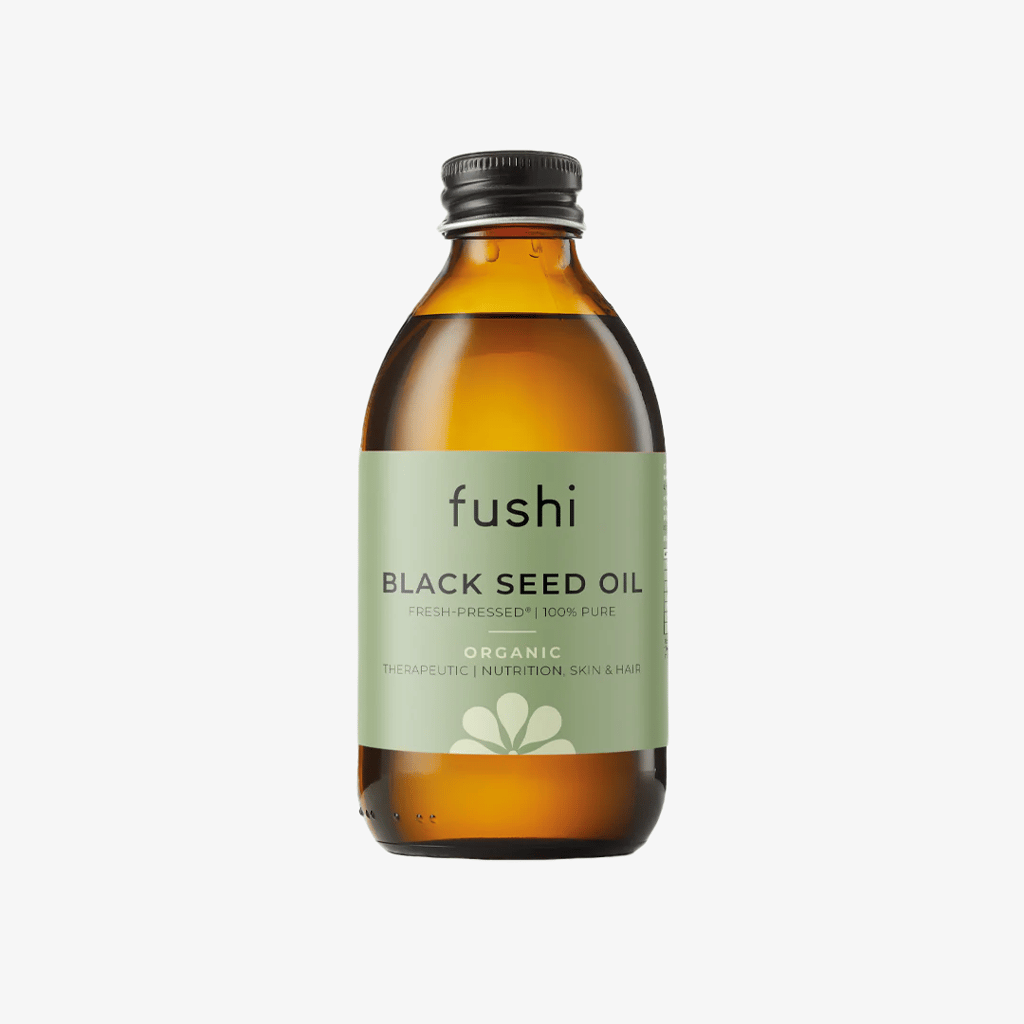
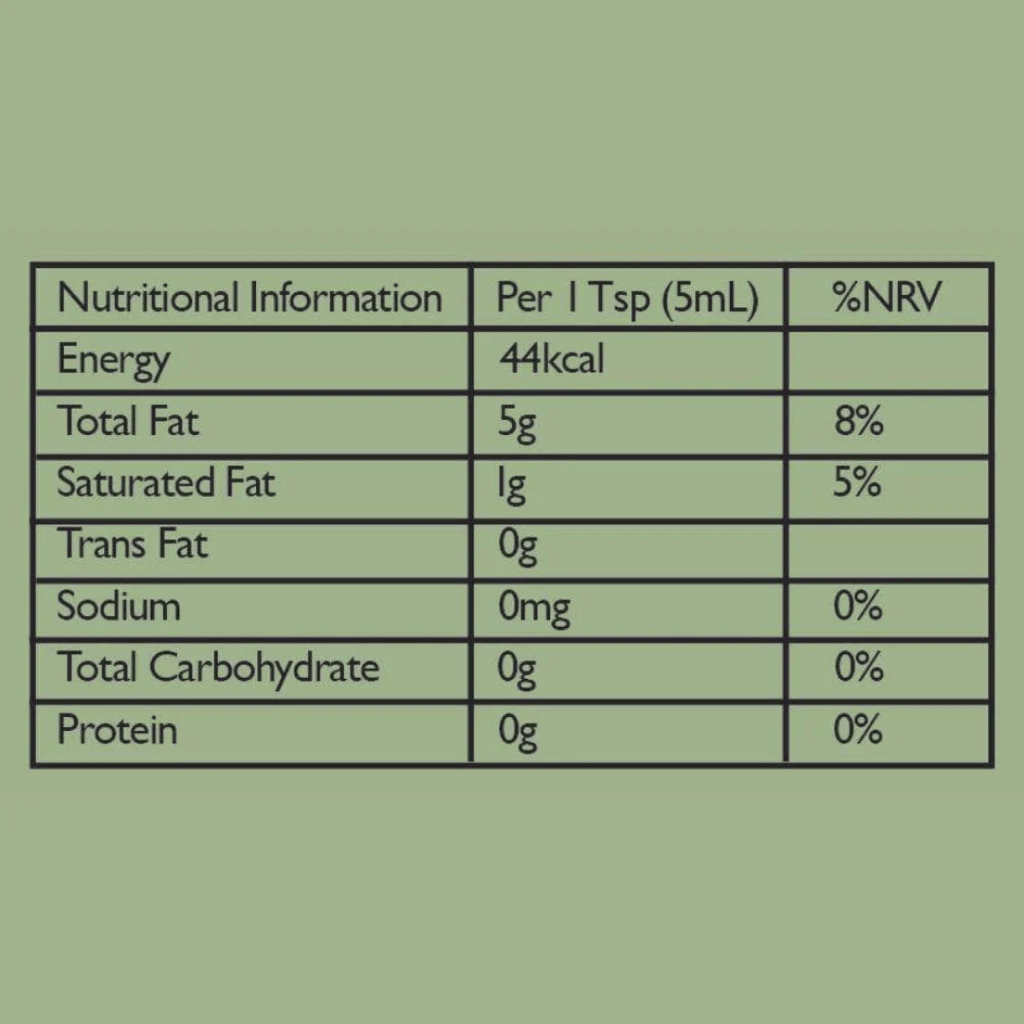
For example, Fushi Organic Black Seed Oil is fresh pressed, unrefined and rich in essential fatty acids, making it a nutrient-dense choice as a supplement or even to use lightly as a finishing oil. Fushi Organic Flaxseed Oil is another cold pressed, unrefined choice that provides ALA, a plant form of omega-3 that supports healthy cholesterol levels.
It matters how oils are used, too. Nutritionist Karen Newby shares some useful tips on Instagram. She explains how stable fats are better suited for high heat, while delicate cold pressed oils are best kept for drizzling or dressings. She also advises that olive oil is also good for low heat cooking like a casserole, but not on a high heat, like a stir fry. On a high heat, known stable oils such as coconut oil or ghee may be preferable.
Plus, storing oils properly in dark bottles and away from heat helps protect them from oxidation and keeps their benefits intact.
Zooming out to the bigger picture of wellbeing
Wellbeing is never just about one macro or micronutrient.
Food is also about context: meals with friends, Sunday roasts with family, enjoying new cuisines when travelling.
It is also worth considering that food sharing forms a significant portion of our social activities on a global scale.
A landmark meta-analysis of 148 studies found that people with stronger social connections had a 50% higher chance of survival over time compared to those more isolated. That’s comparable to many classic risk factors like smoking or high blood pressure.
Four smart ways to use oils without losing the joy
Pick the right oil for the right job: Extra virgin olive oil is ideal for everyday cooking and finishing. Try Graza Sizzle for pan work and Graza Drizzle for raw dressings.
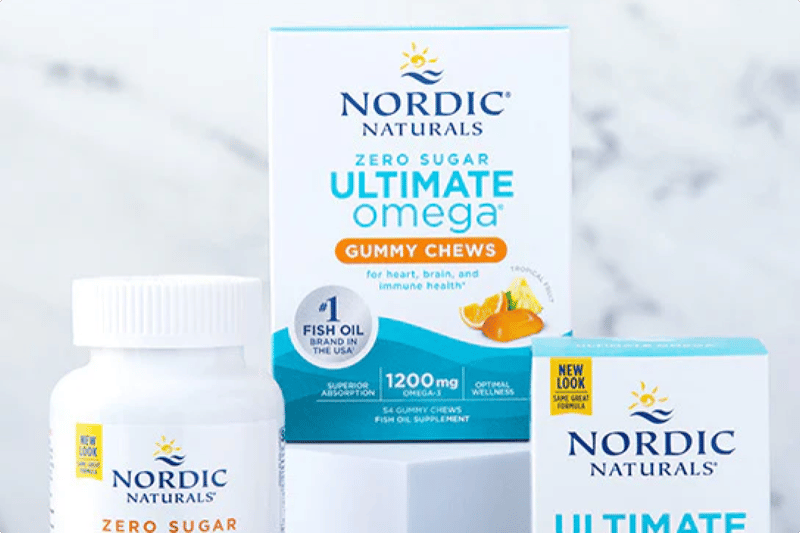
Balance omega-3 intake: If you rarely eat fish, or follow a plant-based diet, consider algae-based supplements rich in EPA and DHA. Options include Nordic Naturals Algae Omega and Vivo Life Omega 3.
Respect the heat: Avoid reusing oils for frying. High-heat cooking with PUFA-rich oils produces harmful byproducts. Consider cooking from fresh, and using more stable oils like extra virgin olive oil when possible.
Separate oils from ultra-processed foods: Oils in crisps, biscuits and takeaways are often quite different from oils drizzled over a home-cooked salad. By moving more meals into the home kitchen, you can be in control of the ingredients.
What science says about lifestyle and vitality
The narrow focus on seed oils often distracts from the larger factors at play that shape the trajectory of our energy processes and, ultimately, longevity.
Consistent and good-quality sleep supports metabolic function and heart health, while regular movement helps to reduce inflammation and improve the way the body manages glucose.
Social connection carries equal weight, with strong relationships shown to have a direct impact on survival.
The way we eat is also significant, since preparing more meals at home naturally lowers reliance on ultra-processed products that tend to be loaded with hidden salt, sugar and low-quality fats.
Reframing the question: can seed oils improve wellbeing?
It could be argued that the demonisation of seed oils, while not always sharing the nuances of the subject, has opened a useful debate.
There is now a recognition and a positive move toward awareness in terms of ‘good’ and ‘bad’ oils. For most, it is apparent that oils damaged in cooking and those in over-processed foods, are not good for you. But there is also an argument that some seed oils, when sourced carefully, can play a role in our health.
Other acknowledgments put forward by BANT, an association for nutritionists in the UK, include using seed oils (alike any oils or fats) in moderation and balanced with omega-3s.
Daily habits and consistent efforts to consume fats and oils in a way that is healthy to you, that’s what the body will appreciate. The odd celebratory meal with friends or family? Your body can most likely handle it for the sake of your mental wellbeing.
The takeaways
Some of the main takeaways are that energy and productivity are less about criticising oil types and more about maintaining steady habits that emphasise whole foods, a healthy balance of omega-3, and the rich experiences whereby meals are shared, cherished and truly enjoyed.
Shop EAT at Healf
Find kitchen staples that fuel your vitality with balance and joy.


This article is for informational purposes only, even if and regardless of whether it features the advice of physicians and medical practitioners. This article is not, nor is it intended to be, a substitute for professional medical advice, diagnosis, or treatment and should never be relied upon for specific medical advice. The views expressed in this article are the views of the expert and do not necessarily represent the views of Healf
Pippa is a content writer and qualified Nutritional Therapist (DipNT) creating research-based content with a passion for many areas of wellbeing, including hormonal health, mental health and digestive health.
As a contributor to The Healf Source, she regularly attends seminars and programmes on a plethora of contemporary health issues and modern research insights with a drive to never stop learning. In addition, interviewing experts and specialists across The Four Pillars: EAT, MOVE, MIND, SLEEP.
In her spare time, she is an avid swimmer, mindfulness and yoga lover, occasionally bringing a raw, honest approach to the topics she faces. You may also discover some personal accounts of eye-opening wellbeing experiences amidst the reality of a disorientating, and often conflicting, modern wellbeing space.