
































Could Copper Be The Missing Key To Your Supplement Stack?
The nutrient generally only gets a spotlight in the context of zinc... but there's so much more to it.

Written by: Pippa Thackeray
Written on: 6 April 2026
Copper simply doesn't get the recognition it deserves. The nutrient is most often mentioned as a footnote when talking about zinc; as something you should make sure to take in tandem to zinc supplements. But copper is actually super essential for some of your most important biological processes, quietly keeping cholesterol regulation, neurological function, and connective tissue strong.
Here, Healf breaks down the nutrient, drawing a fuller picture of its power and ability to deliver big, total-body benefits. We'll also explore the signs you're not getting enough, and explain how to smartly supplement, with insights from nutritionists.
Why does copper matter for our health?
While copper doesn’t often get the same hype as other nutrients (like vitamin D or magnesium), it has far-reaching benefits for many crucial aspects of our health. The trace mineral is central to red blood cell formation, supports oxygen transport, and helps maintain energy levels. It also contributes to neurological performance, and plays a part in balancing blood pressure and cholesterol, and is needed for the strength and elasticity of connective tissues throughout the body.
Perhaps most importantly, copper plays quite a fundamental role in supporting long-term heart and brain health, says Sarah Bocquillon, nutritional therapist and Member Experience Lead at Healf Zone. It also contributes to the strength and resilience of our skin, joints and connective tissues, making it essential for maintaining structural integrity across the body.
Copper's health benefits at a glance:
- Supporting red blood cell production (helps prevent anaemia)
- Maintaining healthy immune function
- Aiding neurological and brain function
- Providing antioxidant defence (primarily as a cofactor in antioxidant enzymes such as Cu/Zn superoxide dismutase)
- Helping to regulate blood pressure
- Supporting healthy cholesterol levels
- Promoting healthy connective tissue (collagen and elastin)
Who might require copper supplementation?
Most people can get enough copper through a balanced diet. However, supplementation may be helpful in a couple different circumstances.
If you’re taking high doses of zinc: It is especially important to consider taking a copper supplement if you’re already supplementing zinc. Bocquillon expands on this: “a balanced ratio is key, as the two minerals work together to support immune function, collagen production, and nerve health.”
Copper and zinc actually compete for absorption in the gut, so it's important to understand this relationship and figure out the right ratio to take them, says Ian Craig, nutritional therapist, exercise physiologist, and founder of Integrative Sports Nutrition. Researchers tend to suggest this ratio is around 8:1 to 12:1 zinc to copper. Zinc is often supplemented at higher doses for immune support, fertility, or antioxidant function, which can disrupt this delicate balance, Craig points out. Nutritional therapist, Belinda Lartey, agrees, adding that, for this very reason, copper levels can decrease with high levels of zinc supplementation, even in healthy individuals.
In medical literature, there are some dosages based also on 15:1 zinc to copper, following childbirth, certain diseases, or acute trauma or surgery. That said, experts say that it's hard to know the exact ratio you should aim for without wider health context and the amount of zinc that person is already taking.
If you have a copper deficiency: Impaired iron use occurs when the body has stored iron but cannot properly utilise it for red blood cell production. However, copper deficiency is relatively uncommon in the general population, Bocquillon says.
If you have certain digestive or absorption difficulties: Copper absorption happens in a very specific part of the gut called the duodenum, so if it's not functioning properly, that can lead to a copper deficiency. Digestive conditions, surgery, or even taking too much zinc can block copper uptake, meaning the copper does not effectively reach circulation, and you'll need to take a copper supplement to restore levels.
People with disorders of copper handling, especially Wilson disease, should not take copper supplements unless medically directed.
How much should I take?
For daily supplementation, you really only small amounts of between 1 to 2 mg of copper unless otherwise directed, per Bocquillon. She also recommends taking it with food, both to support absorption and to reduce the likelihood of stomach discomfort or nausea.
Bocquillon also points out that you can get most of your copper through the foods you eat, noting that good dietary sources include nuts, seeds, shellfish, whole grains, organ meat, and dark chocolate. The NHS states adults generally need 1.2 mg/day and should usually be able to get this from diet. While 10 mg is often cited as the tolerable upper level, some authorities suggest a more cautious 5 mg/day.
What to look for in a quality copper supplement
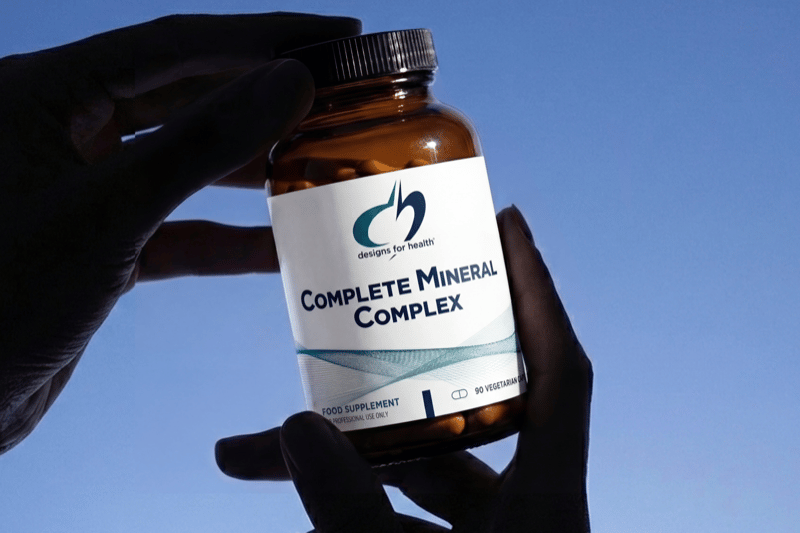
Nutritional copper supplements generally use salts or chelates, like gluconate and sulfate, so that the copper can be absorbed efficiently.
When choosing a copper supplement, Bocquillon says to focus on quality and efficacy. Look for a bioavailable form such as bisglycinate, alongside a clean formulation, with minimal fillers or additives.
Third-party testing is another useful marker of quality, as is purchasing from trusted retailers.
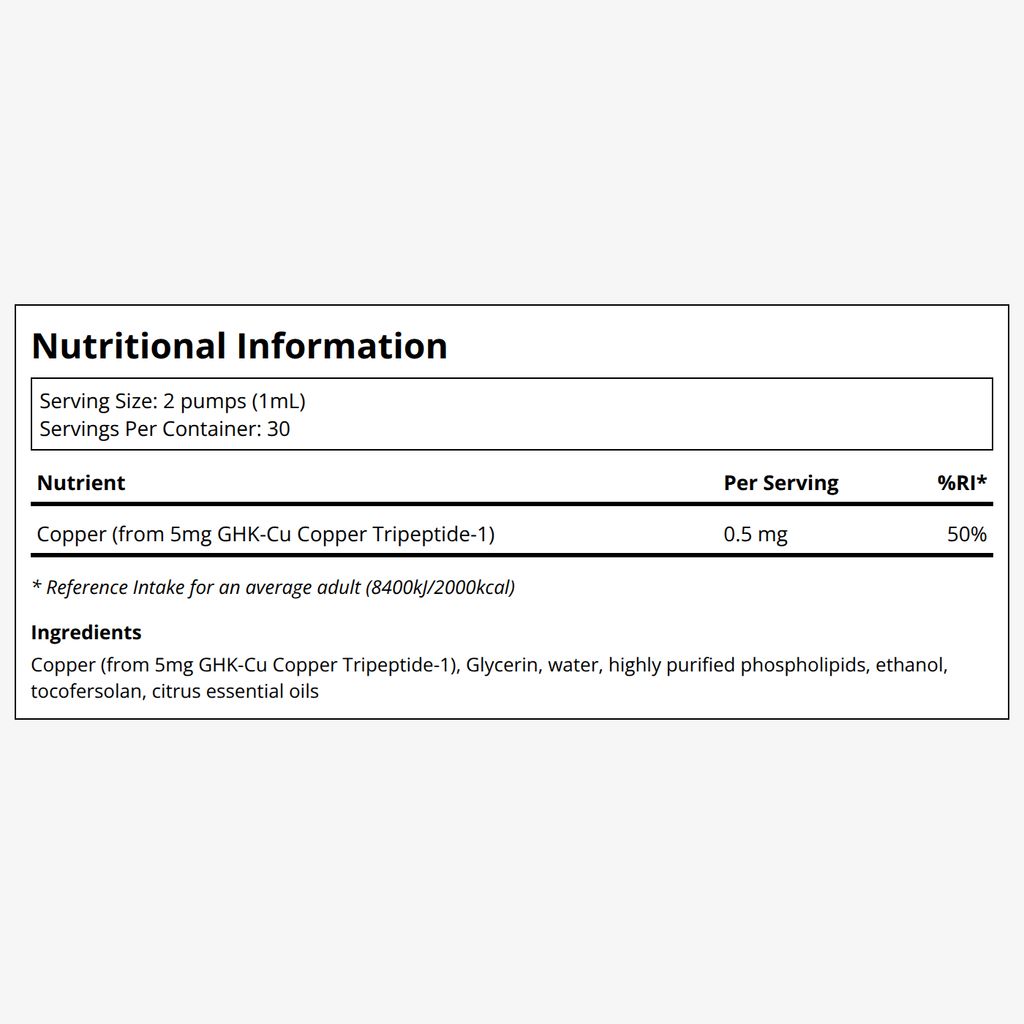
- Quicksilver Scientific Liposomal Copper GHK (Oral): Using advanced liposomal delivery for enhanced absorption, this liquid copper GHK supports collagen production, tissue repair, antioxidant activity, and broader cellular health benefits.
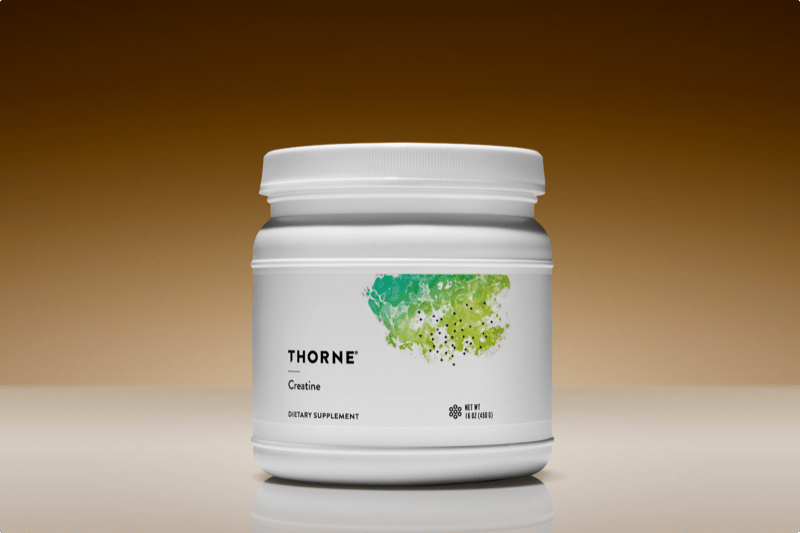
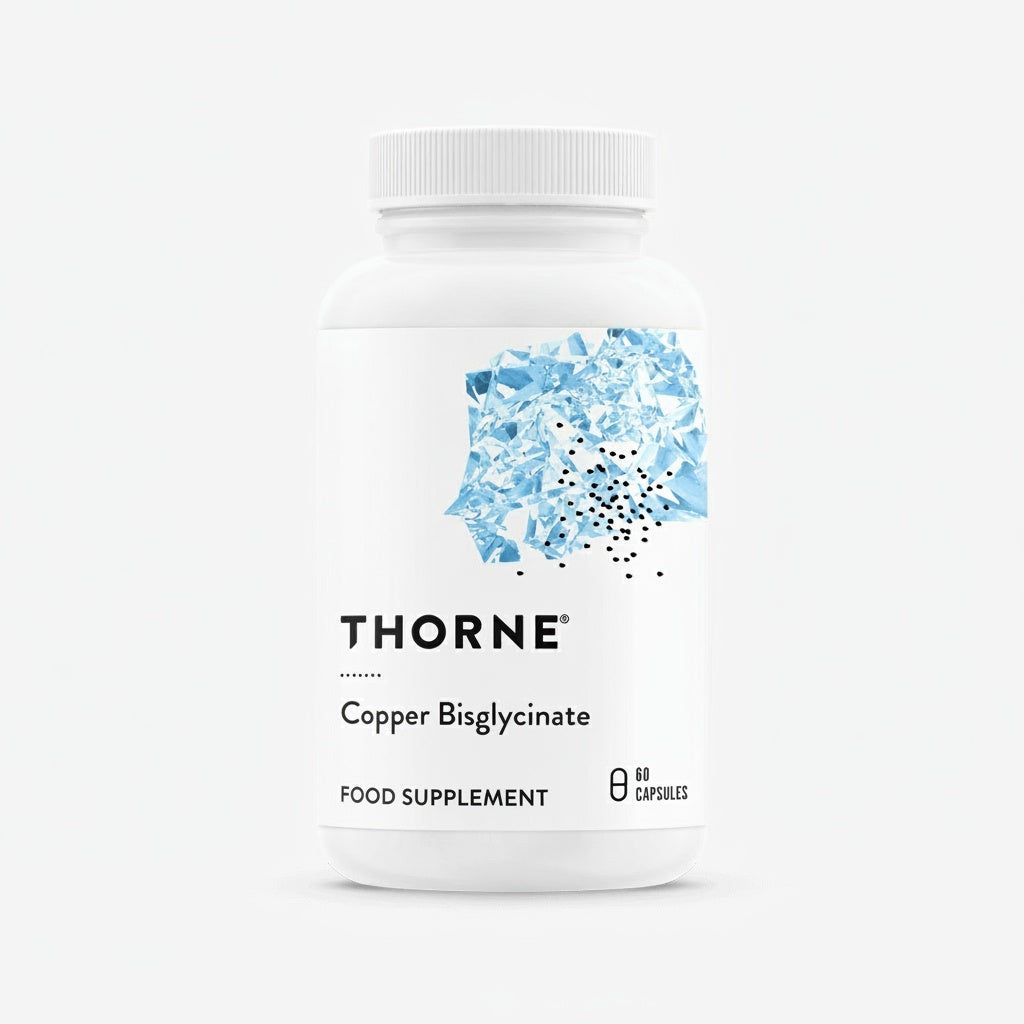
- Thorne Copper Bisglycinate: Provides a highly absorbable chelated form of copper.
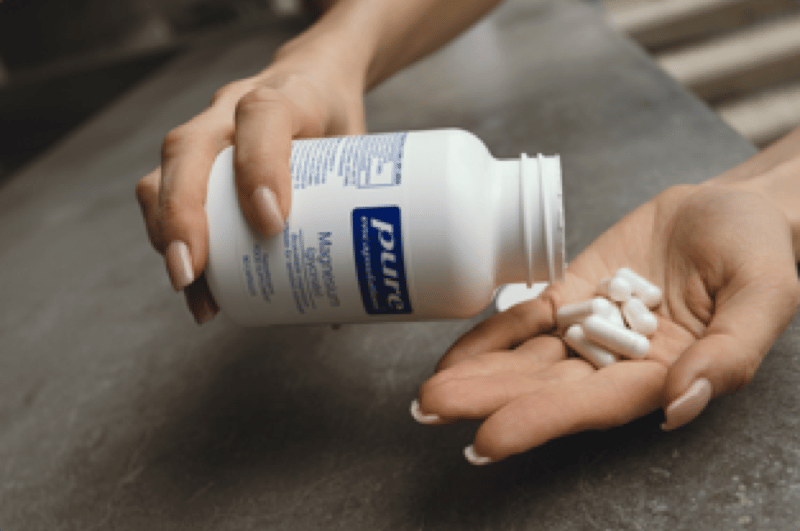
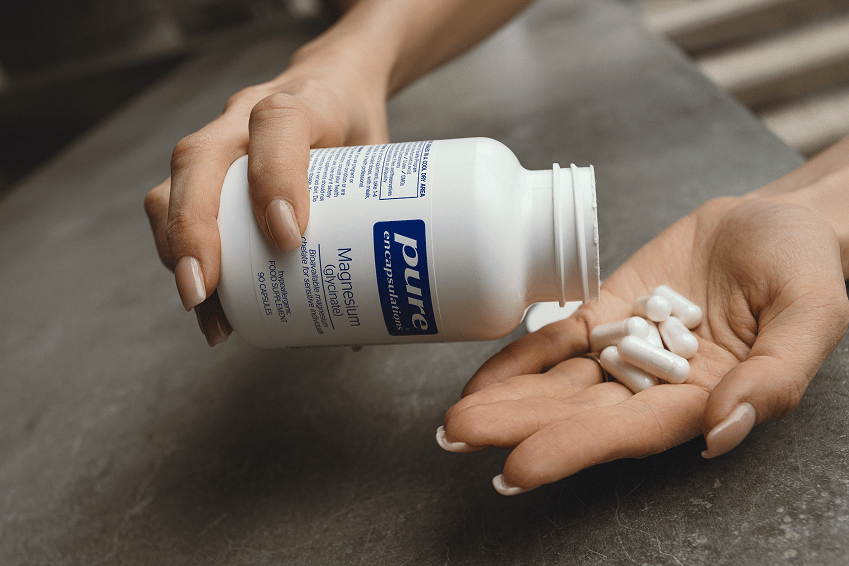
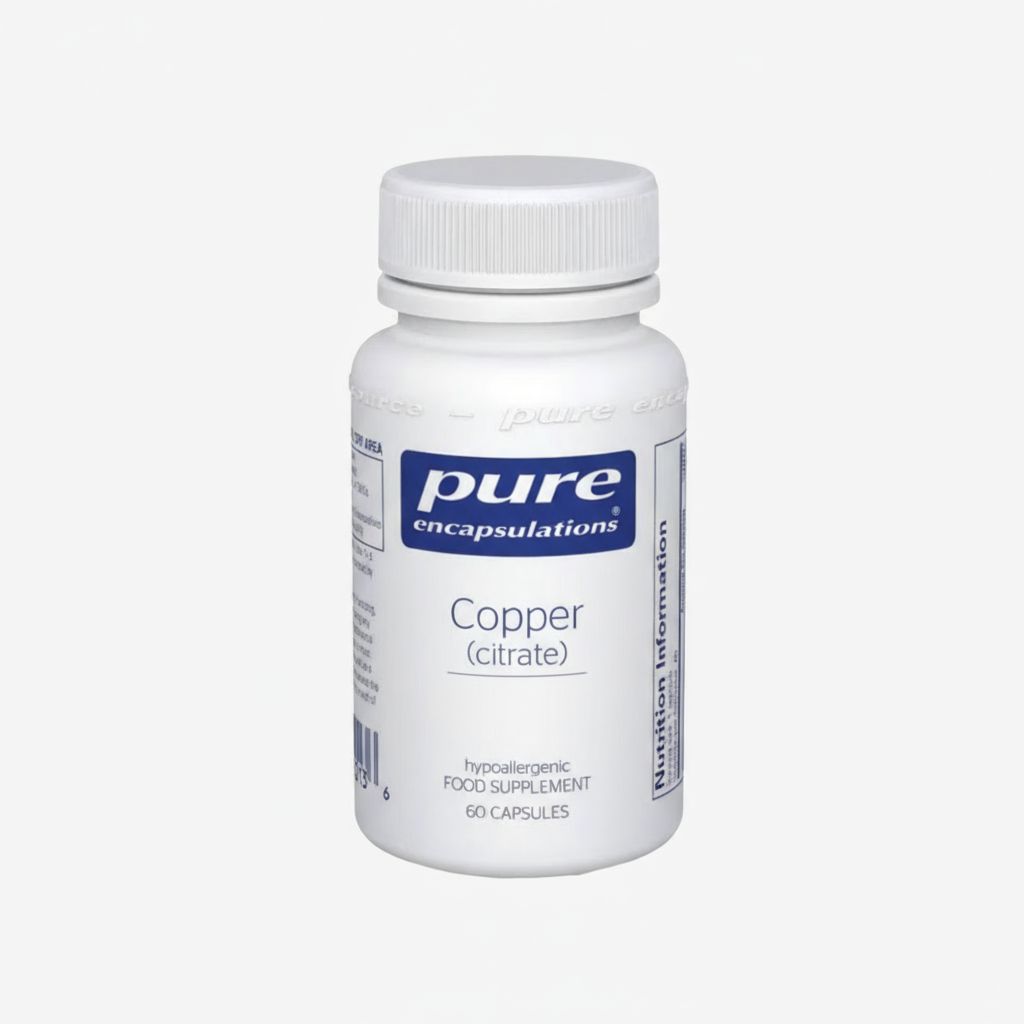
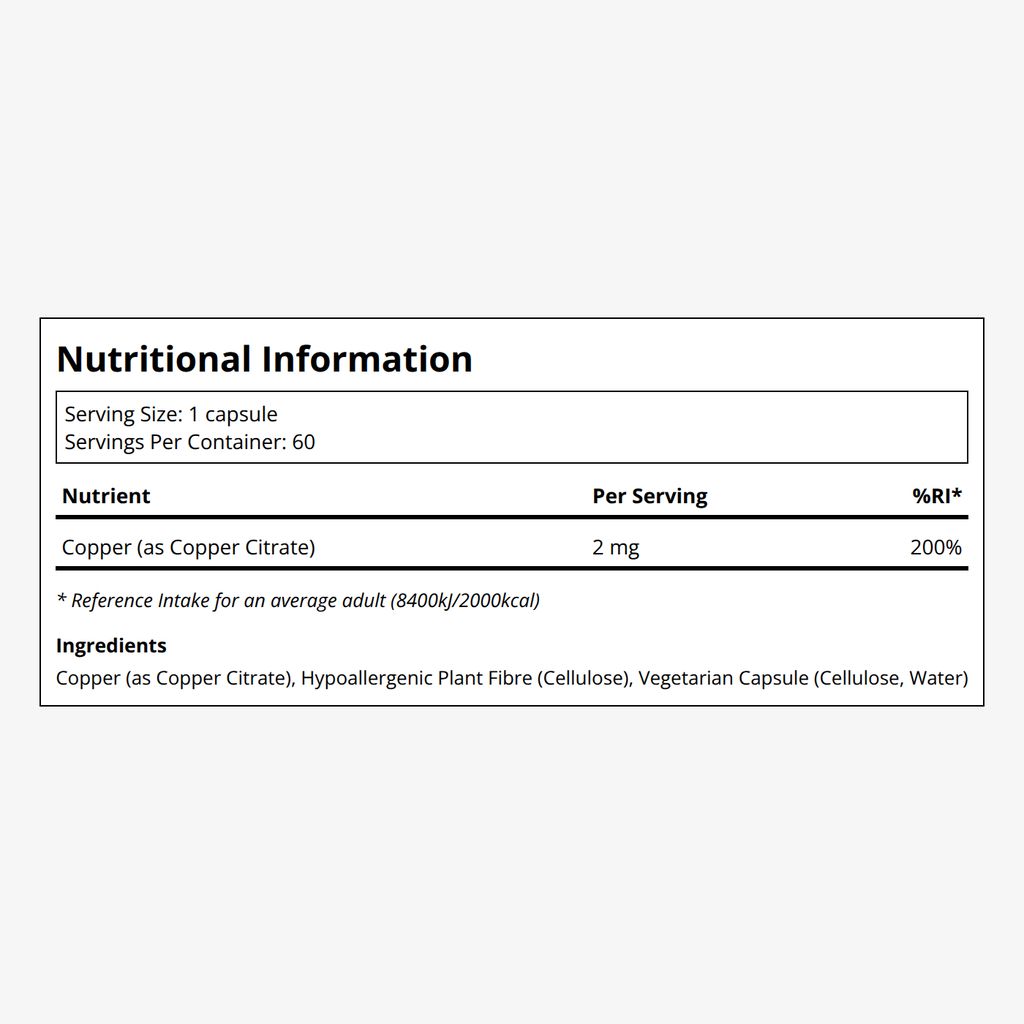
- Pure Encapsulations Copper (Citrate): A clean, hypoallergenic copper citrate formula designed to support copper levels without unnecessary additives. It is also considered the more stable form of copper, providing benefits when it comes to storage of the supplement.
- Gutology Copper Tongue Scraper: Not a supplement as such, but made from pure copper, this traditional Ayurvedic tool naturally inhibits microbial growth, helping remove tongue coating, support fresher breath, and promote a more balanced oral microbiome.
“The bisglycinate form is considered one of the most bioavailable forms of copper available, essentially pre-processed for absorption, which means less waste and less risk of digestive upset," says Bocquillon.
"Additionally, Pure Encapsulations is the brand of choice for people with sensitivities, intolerances, or simply those who want to know exactly what they are putting in their body with no hidden extras, so this is a really great option.”



What does the research say about copper and health benefits?
Copper is a very busy nutrient when it comes to what it does in the body, serving many important roles related to cholesterol, blood pressure, antioxidant activity, anaemia prevention, neurological and immune function, and more. Here’s a closer look at what the research says:
Cholesterol: Researchers found that copper deficiency may raise cholesterol and make blood fats more prone to damage, two factors that are linked to heart disease risk. This suggests that low copper could be an underlying factor, with abnormal cholesterol levels serving as a visible sign. It's important to note that abnormal cholesterol levels are primarily observed in deficiency states of copper versus insufficiency states (which is different to having a severe, clinical deficiency disease).
Blood pressure: Copper also acts as a cofactor for enzymes (a chemical compound that binds to an enzyme and makes it active and able to catalyze biological reactions) that maintain cardiovascular health and prevent high blood pressure. Although evidence in humans is limited and inconsistent, studies in rodents have shown that copper deficiency reduces the ability of blood vessels to dilate or constrict, and this likely contributes to hypertension. Again, such findings might only be relevant to deficiency states.
Antioxidant enzymes: Copper helps protect the body from harmful free radicals by supporting antioxidant enzymes. One key enzyme, superoxide dismutase (SOD), relies on copper to convert damaging superoxide radicals into less reactive molecules, which are then further detoxified by other enzymes. This process helps reduce oxidative stress and protects cells from everyday environmental and metabolic damage. However, while limiting oxidative damage is important, it is only one aspect of ageing. Research suggests that targeting antioxidant systems alone has a limited effect on extending maximum lifespan, as other processes play a significant role here (such as telomere shortening, epigenetic changes, and altered cellular signaling pathways like sirtuin activity).
Neurological function: Copper is a critical trace element for neurological health, acting as a cofactor for enzymes involved in energy production, neurotransmitter biosynthesis, and myelination. Research shows that copper deficiency may lead to severe neurological issues, like neurodegeneration, general cognitive decline, and even psychiatric problems. However, current evidence (from human studies) is not strong enough to suggest that routine supplementation necessarily boosts cognition.
Immune function: Copper acts as a primary regulator for both your innate (immediate) and adaptive (specialised) immune systems. Its effects range from killing bacteria to aiding the development of essential white blood cells. Recent research identifies copper as a critical regulator of immune processes, acting as a signaling molecule that activates immune responses against bacteria via ALPK1. What’s more, studies in mice indicate that copper deficiency causes structural damage to immune organs, like the spleen.
Anaemia prevention: Copper is essential for red blood cell production and when you're copper deficient, it may lead to anaemia.
Anaemia can present in several forms (microcytic, normocytic, or macrocytic), and usually occurs because copper helps in iron absorption and transport, and allows the body to form haemoglobin. Deficiency is also classically associated with neutropenia, and sometimes it occurs together with anaemia.
Connective tissue (collagen and elastin): Copper is essential for the formation, stabilisation, and maturation of connective tissue, specifically by serving as a required cofactor for the enzyme lysyl oxidase (LOX), which helps the cross-linking of collagen and elastin fibres to provide structural integrity to skin, blood vessels, and bone.



This article is for informational purposes only, even if and regardless of whether it features the advice of physicians and medical practitioners. This article is not, nor is it intended to be, a substitute for professional medical advice, diagnosis, or treatment and should never be relied upon for specific medical advice. The views expressed in this article are the views of the expert and do not necessarily represent the views of Healf
Pippa is a content writer and qualified Nutritional Therapist (DipNT) creating research-based content with a passion for many areas of wellbeing, including hormonal health, mental health and digestive health.
As a contributor to The Healf Source, she regularly attends seminars and programmes on a plethora of contemporary health issues and modern research insights with a drive to never stop learning. In addition, interviewing experts and specialists across The Four Pillars: EAT, MOVE, MIND, SLEEP.
In her spare time, she is an avid swimmer, mindfulness and yoga lover, occasionally bringing a raw, honest approach to the topics she faces. You may also discover some personal accounts of eye-opening wellbeing experiences amidst the reality of a disorientating, and often conflicting, modern wellbeing space.