


























_Madeline_Spanier_Photos_ID7424.jpg)
How To Quit Vaping With Food: A Healf Guide
Specific foods and tailored nutrition can help curb cravings, especially when you’re trying to quit vaping. Here, our experts share advice to help you through.

Written by: Tom Ward
Written on: 13 March 2026
If you’ve ever attempted to quit vaping, you’ll know that breaking the habit goes far beyond willpower. Success actually depends on managing complex behavioural triggers and coping mechanisms, which play a vital role in helping do away with old habits and lock new, healthier habits in place. And that can be really, really tough. “Quitting vaping isn’t just breaking an addiction — it’s dismantling a behavioural system,” explains Wendy Dignan, a psychologist and mental health expert. Dignan adds that nicotine dependency is only part of the story. In many cases, the vaping habit has become embedded in everything from our morning routines to our social identity and stress responses.
“Most cravings aren’t chemical emergencies. They’re learned responses to familiar triggers,” Dignan says. When most people try to quit vaping, it isn’t just the nicotine they miss, but the “structure” of being able to nip out for a vape break, enjoy a smoke with the first coffee of the day, or go for a vape as a way of calming down at work, she explains.
But, if you’re struggling to quit, you aren’t alone. Dignan and other experts explain how to send your habit up in smoke. Ahead, learn how food can play a vital role in helping manage your cravings, rewire your hand-to-mouth habits, and stabilise distress when the going gets tough.
What's really happening when you quit vaping
If you’ve ever tried to quit something that has a strong grip on you, you’ll know that you start to go through withdrawal—whether it’s sugar, caffeine, or nicotine. “When your brain and body are suddenly cut off from the nicotine supply, you can experience unpleasant physical and emotional symptoms,” explains Erika Kawamura, a psychologist and director of practice initiatives at Equilibria Psychological and Consultation Services in the Greater Philadelphia area.
The first three days are often the most difficult to manage as cravings peak, but should start to subside after a week or so. It makes sense when you think about it: the brain and body have become accustomed to a flood of nicotine that it’s no longer receiving. Sometimes, people find better success if they start slowly and intentionally, first, lowering their dosage, then increasing the time between hits of their vape, or creating “vape free” spaces in their life, per the NHS.
At a biochemical level, your brain no longer receives the flood of mood and behaviour-impacting chemicals like dopamine. Emotionally, Kawamura says that “you may suddenly realise that your go-to coping strategy has been taken away, even though it was unhealthy.”
She adds that losing a coping strategy and that hit of feel-good chemicals can increase the desire for a nicotine fix, leading to strong cravings and other common withdrawal symptoms such as irritability, restlessness, tiredness, increased appetite, sleep difficulties, anxiety, sadness, difficulty concentrating, or headaches. In short, trying to quit can be an emotional rollercoaster with no quick exit in sight.
How can food help curb cravings for nicotine?
If you are trying to quit, it’s important to remember that you aren’t the first person to try, and there are a lot of resources out there, including the NHS’s advice page on vaping. But few people know that your kitchen can also play a role.
“Eating can provide a similar hand-to-mouth action as vaping, and keep your hands and mouth busy, with foods rich in vitamin C helping lower levels of stress hormone cortisol,” says Kawamura. She adds that foods rich in tryptophan (an essential amino acid found in turkey and dark chocolate) and vitamin B can stabilise mood by increasing serotonin, one of our "feel-good" hormones.
“It’s about interrupting the loop,” adds Dignan, who explains what’s happening on a biological level. In essence, our cravings will surge, peak, and then pass. The key is to ride out that wave and distract your brain. “Eating something small creates friction in this automatic reach pattern,” she says, essentially helping you avoid the impulse and break the chain.
Food can also help in another way, by offering small, frequent "reward moments" throughout the day. In fact, research suggests that the absence of nicotine actually increases the rewarding value of food. When you stop vaping, those little "reward moments" disappear, and the brain feels under-stimulated. At the same time, withdrawal increases your ‘reward’ threshold, so sweet and carb-heavy foods can provide an even greater boost. Dignan recommends that you replace the vape hit stimulation with “crunchy, minty, or textured foods to provide a substitute reward that prevents your brain from feeling deprived.” It’ll taste good and help scratch that itch in your brain.
Finally, that “rhythmic hand-to-mouth movement is deeply linked to self-soothing behaviours,” says Dignan. If you aren’t getting that reassurance from your vape, mimicking the motion with healthy food can help.
Which foods can help naturally curb cravings?
Kawamura and Dignan agree that crunchy, healthy foods can help manage both nicotine cravings and the increased appetite that may occur when a person quits vaping. Examples of tasty meals and snacks to help you fuel your vape-free journey might include:
- Oatmeal sprinkled with nuts and fresh berries
- Carrots and celery with hummus
- Apple slices with peanut butter
- Whole grains like brown rice
- Raw nuts
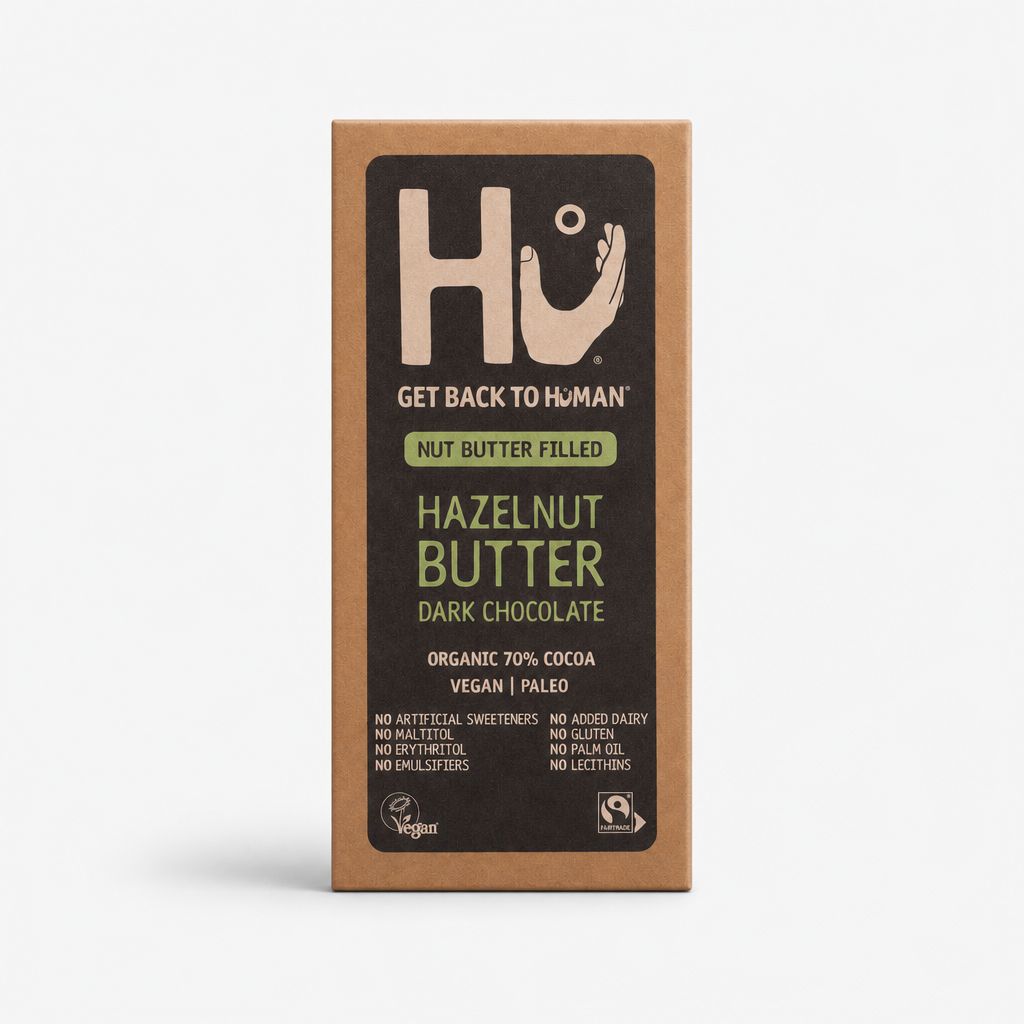
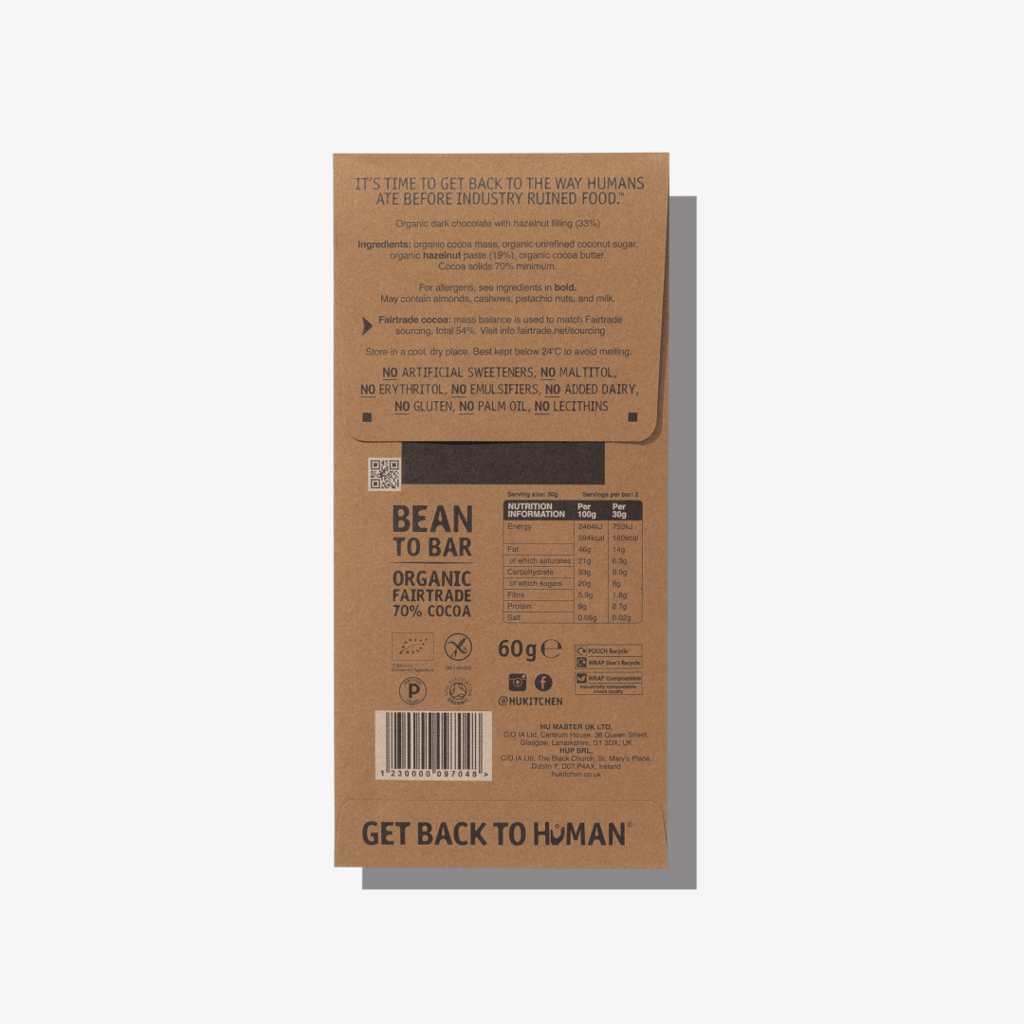
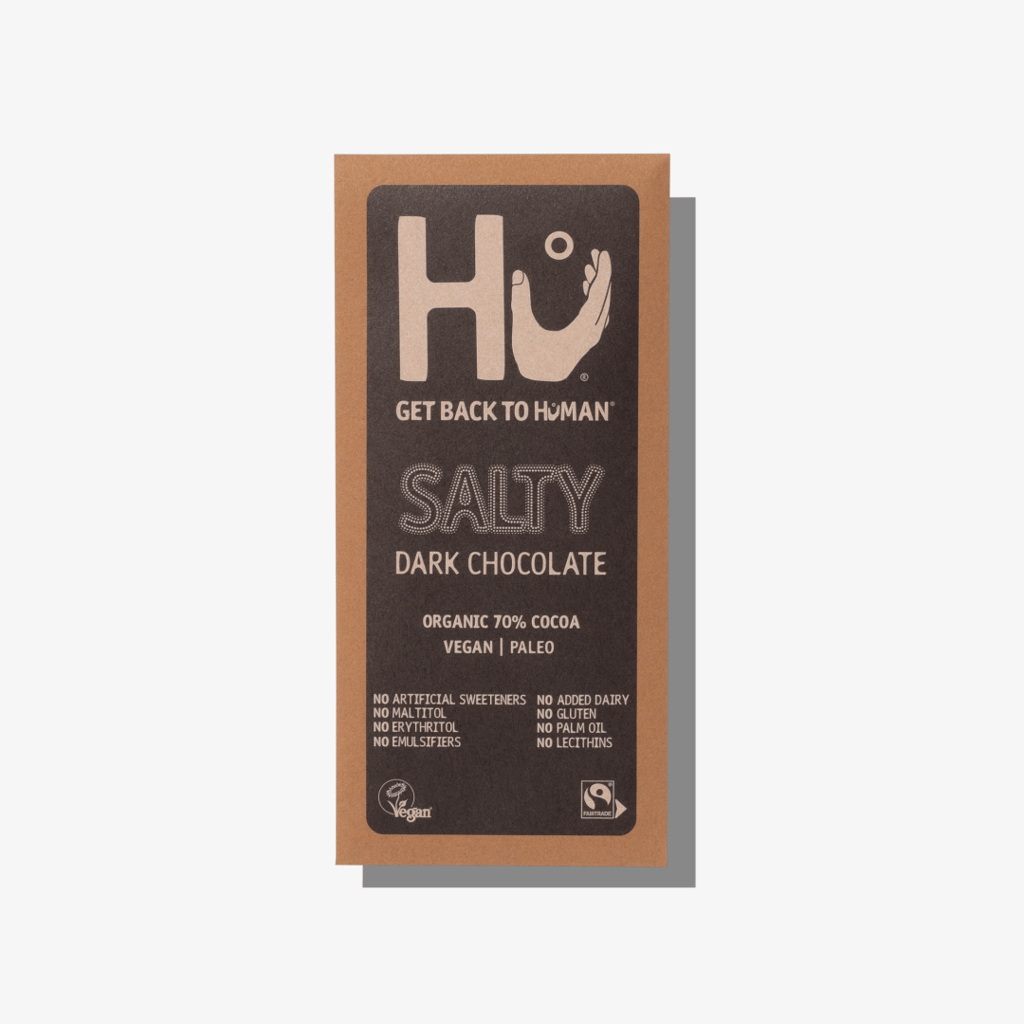
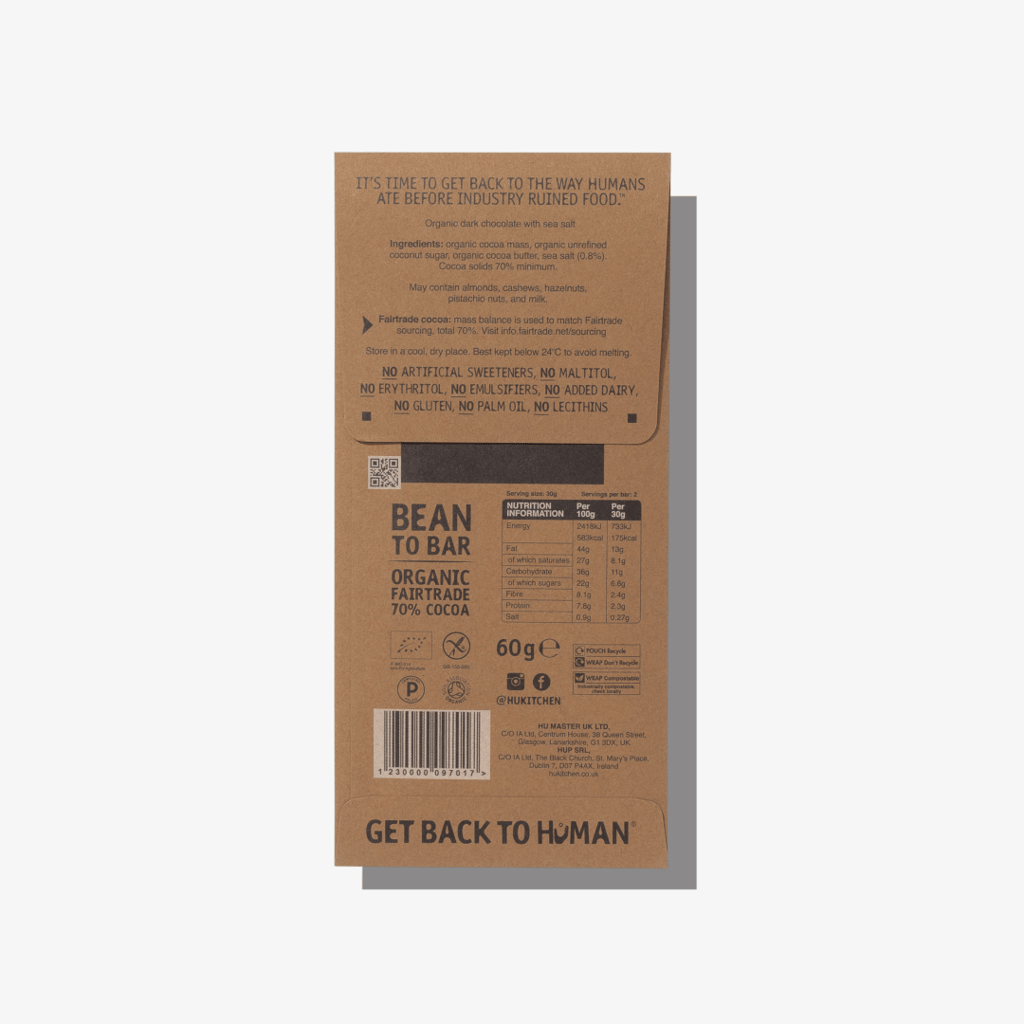
Managed to rack up a few days with no vaping? Reward yourself with dark chocolate for an instant feel-good brain boost.
Your blood sugar balance matters more than you think
It’s no secret that nicotine suppresses appetite, so banish it, and your stomach will probably start rumbling again. What you might not be aware of is that nicotine also causes your blood sugar to spike and crash, which can lead to low mood, irritability, and trouble focusing. If you vape, you’ll know that the answer to all of these issues is usually to go hit the vape again, thereby feeding an unhealthy feedback loop.
Instead, by eating frequent, small meals, you will not only help rewire your brain’s pathways around the act of smoking, but also help balance your blood sugar and prevent all the negative side effects that come from a peak and crash. “Stabilize your blood sugar by eating smaller, frequent meals, and choosing high-fibre, protein-rich foods,” Kawamura advises. “This allows sugar to release gradually, helping you to stay full longer and regulating your energy levels.”
Protein can also help by increasing our feelings of satiety, or fullness, while carbs help balance our energy throughout the day. After all, a vape is far more tempting when our stomach is rumbling and we’re feeling tired and fed up.
Building rituals that can replace the habit
Along with the change in nutrition, JaLorean Hayes, a registered nurse and founder of Meal Maps, says that creating and building new rituals that can replace the hand-to-mouth habit associated with vaping can make quitting easier and more sustainable. “The goal is to create a ritual that can be easily implemented when the craving to vape shows up,” she says.
The key, per Hayes, is to identify the daily routines and other triggers that make vaping feel like an automatic response. For example, if you usually vape during your drive to work and skip breakfast, Hayes suggests snacking on nuts or cut-up fruit during your commute to satisfy that hand-to-mouth action. Or, if you struggle with needing to keep your hands and mouth busy, you could try chewing sugar-free gum between meals. You might even just try to create a ritual around cooking breakfast, lunch or dinner, when you might otherwise go for a vape break.
And it’s not just about rethinking your meals or adding in new food rituals and tasty snacks. Hayes says that simply using a straw when you’re drinking something can help mimic the feeling of raising something to your lips and satisfy that hand-to-mouth action.
All this isn’t to say the process is easy. Kawamura knows how much hard work it can be. “When you first quit vaping, you may realise that you're surrounded by environmental reminders, especially if vaping is part of your day, like using it with your morning coffee or when driving to work,” she says.
Ultimately, it’s important to remember that lifestyle changes like this take time. Don’t be disheartened if it doesn’t happen overnight. Keep a record of your progress, noting what foods and rituals work best for you. You can then double down on these, and even increase their frequency to reward weekly progress. Who knows, you may even become a better cook in the process.


This article is for informational purposes only, even if and regardless of whether it features the advice of physicians and medical practitioners. This article is not, nor is it intended to be, a substitute for professional medical advice, diagnosis, or treatment and should never be relied upon for specific medical advice. The views expressed in this article are the views of the expert and do not necessarily represent the views of Healf
Tom Ward is a former Men's Health features editor, and writes regularly on sports, fitness and adventure for the Red Bulletin, Outside, and the Sunday Times. He is the author of the novels The Lion and The Unicorn, and TIN CAT.