

















_2026-10-13_14-11-48.png)


The Ultimate Guide To Detoxing While You Sleep
From rest positions to supplements and innovative breathing techniques, how you prepare for night time can lead to supercharged improvements in both body and brain while you sleep.

Written by: Tom Ward
Written on: 25 February 2026
A good night’s sleep just makes everything feel—and work—better in your body. That’s not only because it’s an essential rest period for your entire body, but because that crucial 8+ hour window can actually help you get rid of harmful biological toxins that build up in your body throughout the day. Think of it as a type of “sleep detox.”
But of course, getting good sleep is often easier said than done. As of mid-February 2026, there are over 45,000 TikTok videos promising to help hack your sleep to create a more restful night and a happier you. The problem is, everyone knows by now that endlessly scrolling before bed doesn’t exactly promote that much sought-after rest.
Instead of listening to all the noise online, we spoke to a range of medical professionals about how you can really help body and mind properly detox while we sleep, and what that means for you. From clearing metabolic waste to flushing cortisol, this is how you can promote better sleep hygiene, starting tonight.
How does your body detox while sleeping?
The body’s clean-up crew is most active while we sleep. All the mental and physical stresses of the day get cleared out and patched up to get us ready to do it all again in the morning. In scientific terms, Simran Malhotra, MD, a physician turned lifestyle and wellness coach, and founder of Wellness By LifestyleMD, says that sleep is actually when the brain’s glymphatic system, which she calls a “plumbing network that washes waste products and toxins out of the brain,” comes online.
It isn’t just about detoxing your brain for tomorrow, either. A restful night’s sleep can help safeguard your health for decades to come. “The glymphatic system removes proteins—like beta-amyloid and tau—which have been linked to conditions like Alzheimer's disease,” Dr. Malhotra explains, pointing to a study review in the journal Neurochemical Research which found that that glymphatic system work practically disappears when we are awake, meaning we can’t gain the same benefits unless we are actively sleeping.
Brains aside, Dr. Malhotra explains that there are a lot of other key detoxification functions that occur while we get our shut-eye. While we sleep, the liver and kidneys work hard to clear metabolic waste products, while our immune system clears out cellular debris. The nocturnal shifts in cortisol and melatonin can even help reduce inflammation and support cellular repair.
What does a “sleep detox” entail?
Detoxing while you sleep doesn’t have to cost anything, but can sometimes be difficult to achieve simply because of what it requires. “A sleep detox doesn’t involve any juices or cleanses,” says Dr. Malhotra. Instead our body has complex, built-in detox systems that really just need good, consistent sleep to kick into action. “A ‘sleep detox’ simply means getting enough restorative sleep, especially deep, slow-wave sleep which is when the brain's cleanup systems are most active,” she explains. “Consistent, high-quality sleep is crucial for maximizing the benefits of the body's internal self-repair and cleaning systems.”
Which supplements and foods help the detoxification process?
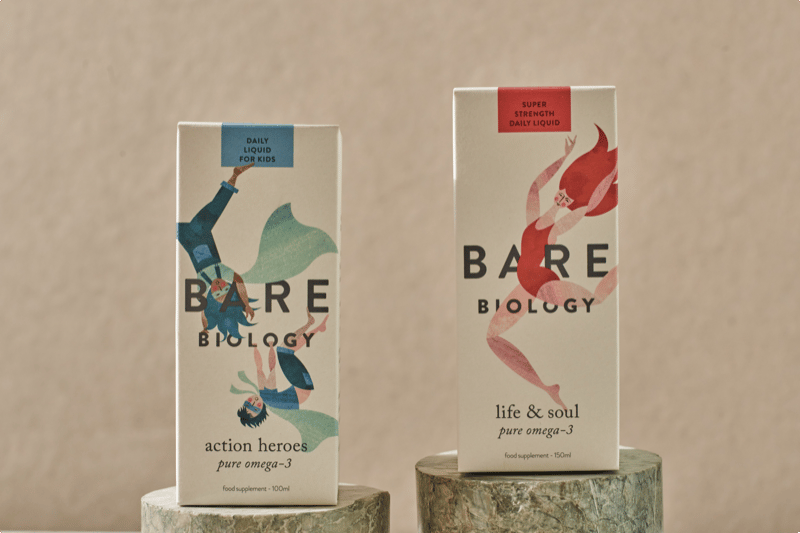
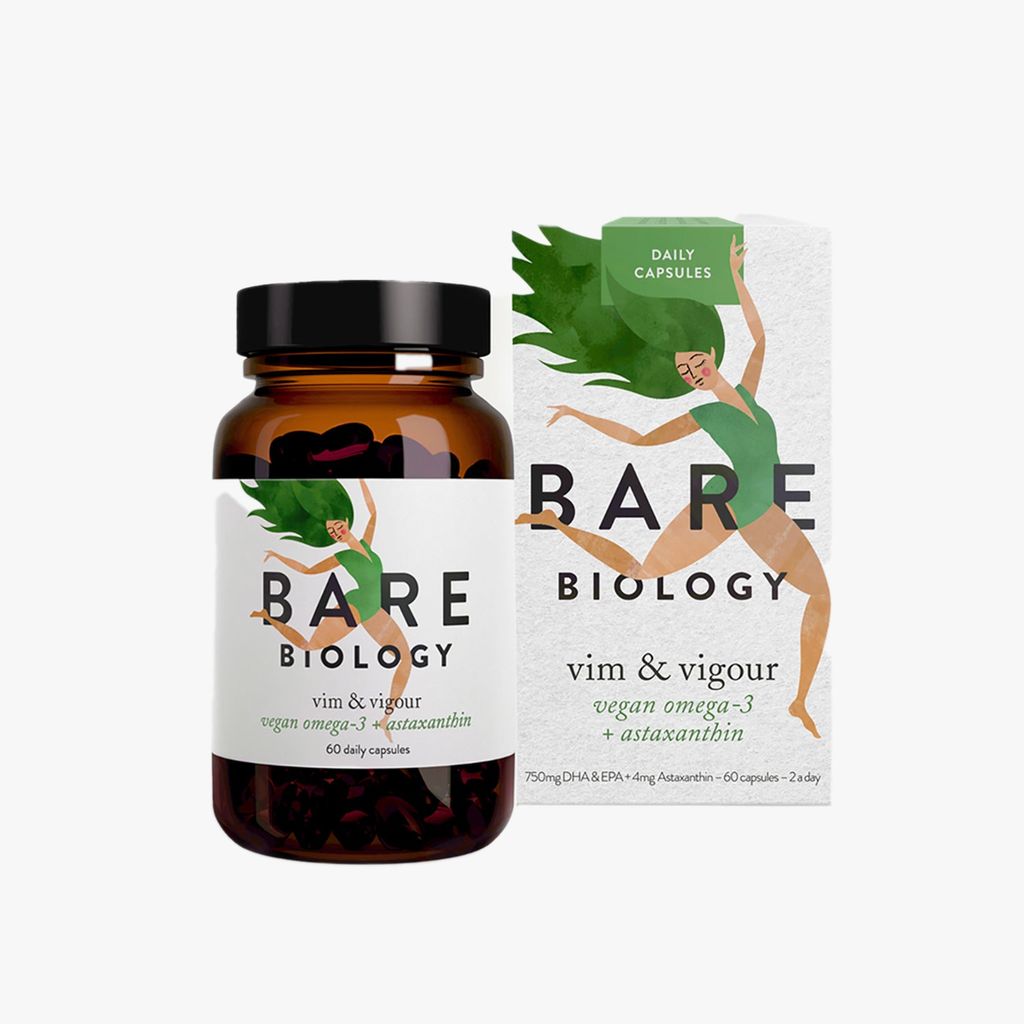
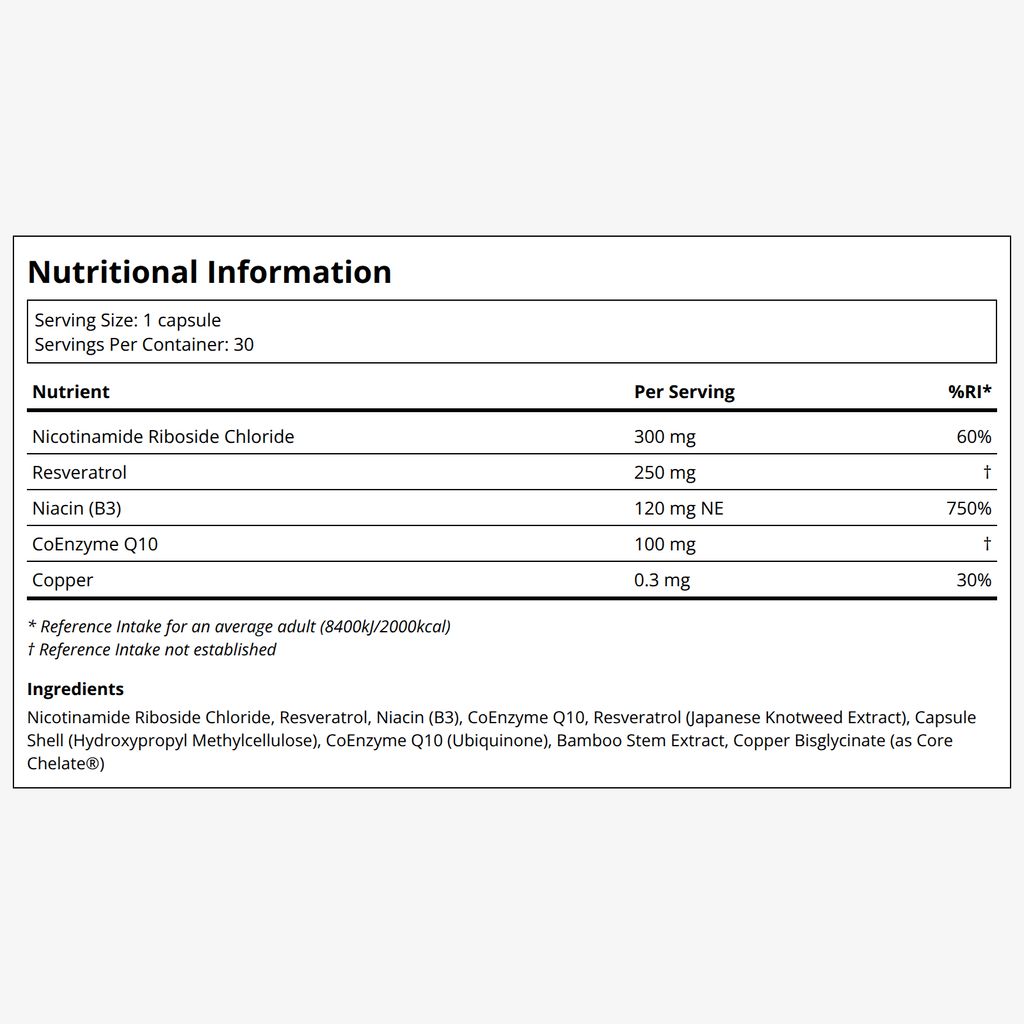
If you’re looking for an optimal “glymphatic flush,” focus on supporting the flow of fluids throughout the brain, says Jean-Marc Sobczyk, MD, an integrative medicine and longevity physician at Hooke London. One supplement that can help? Omega-3s. The nutrient can help reduce neuroinflammation in older subjects with Parkinson’s Disease, according to a 2020 study in Frontiers in Aging Neuroscience. But you also don’t have to collect a pension to reap the benefits, and daily supplements can help, says Dr. Sobczyk.
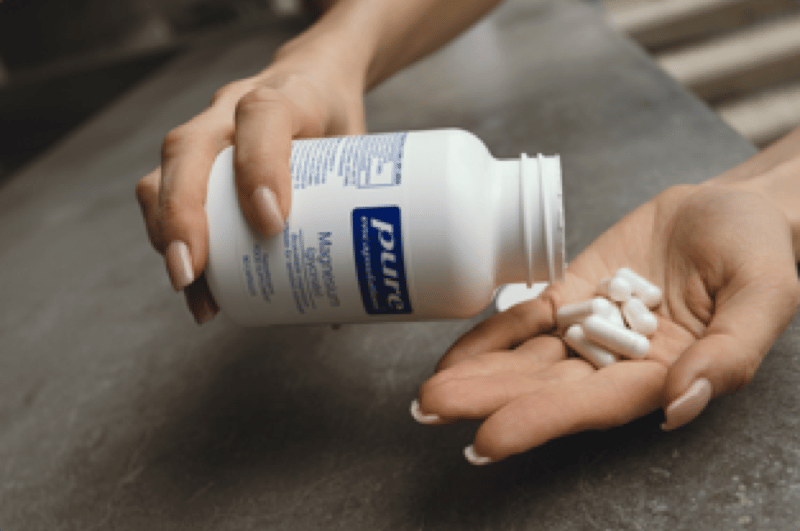
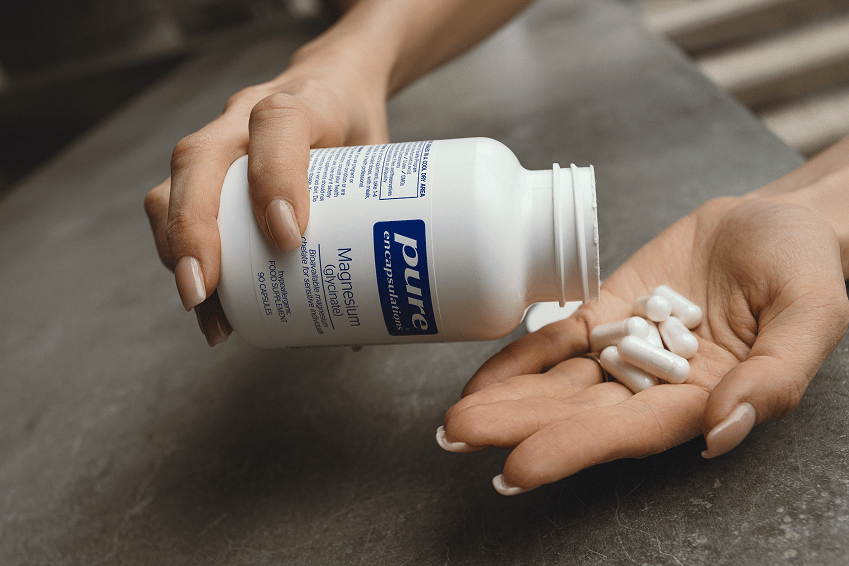
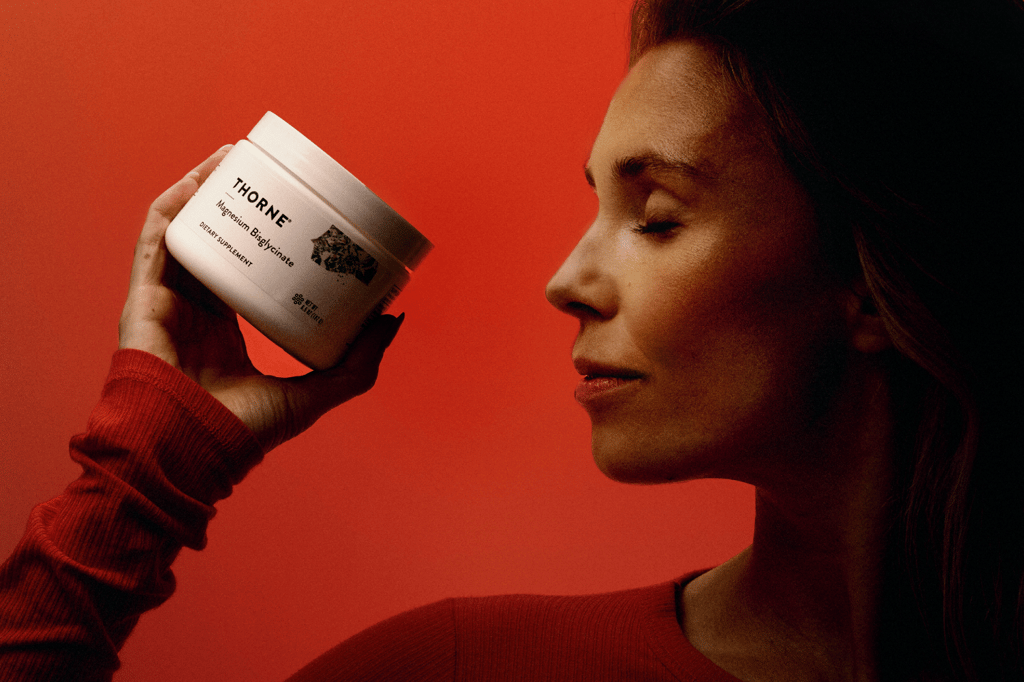
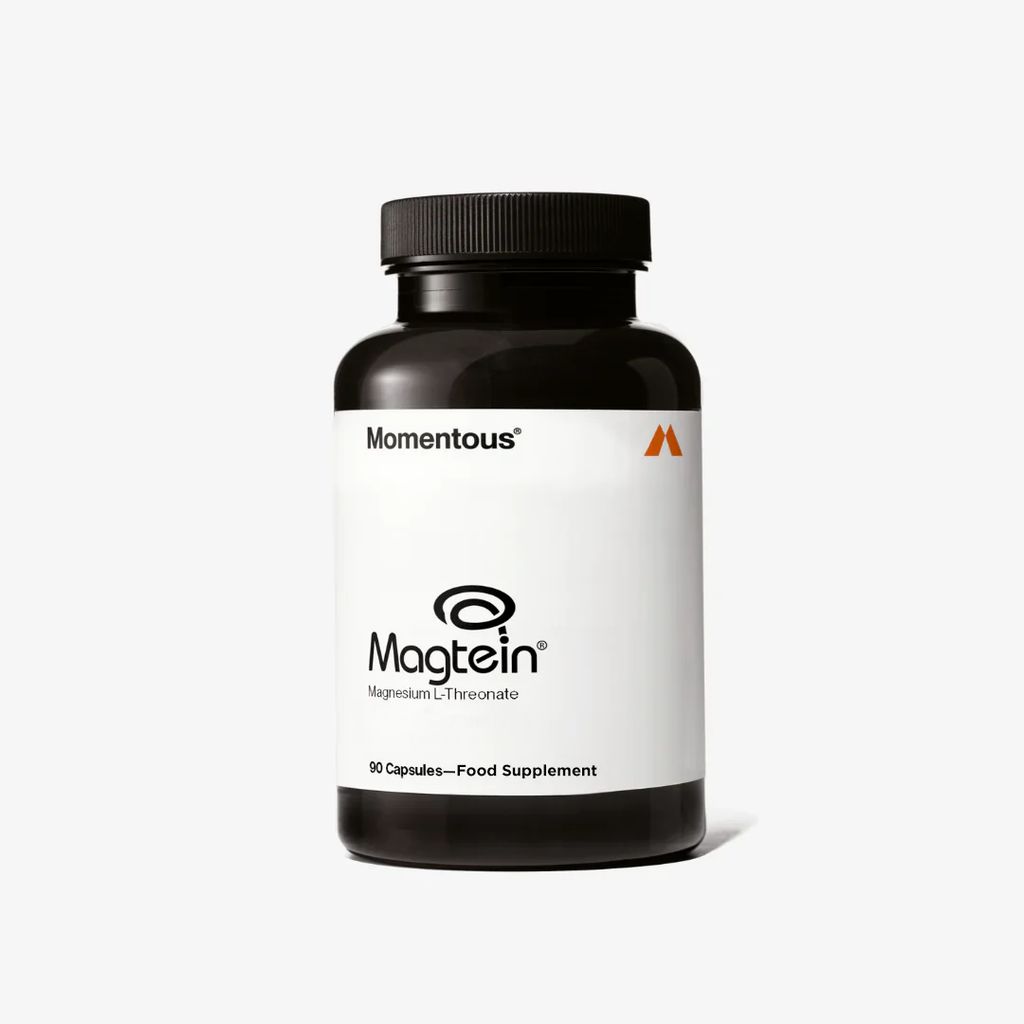
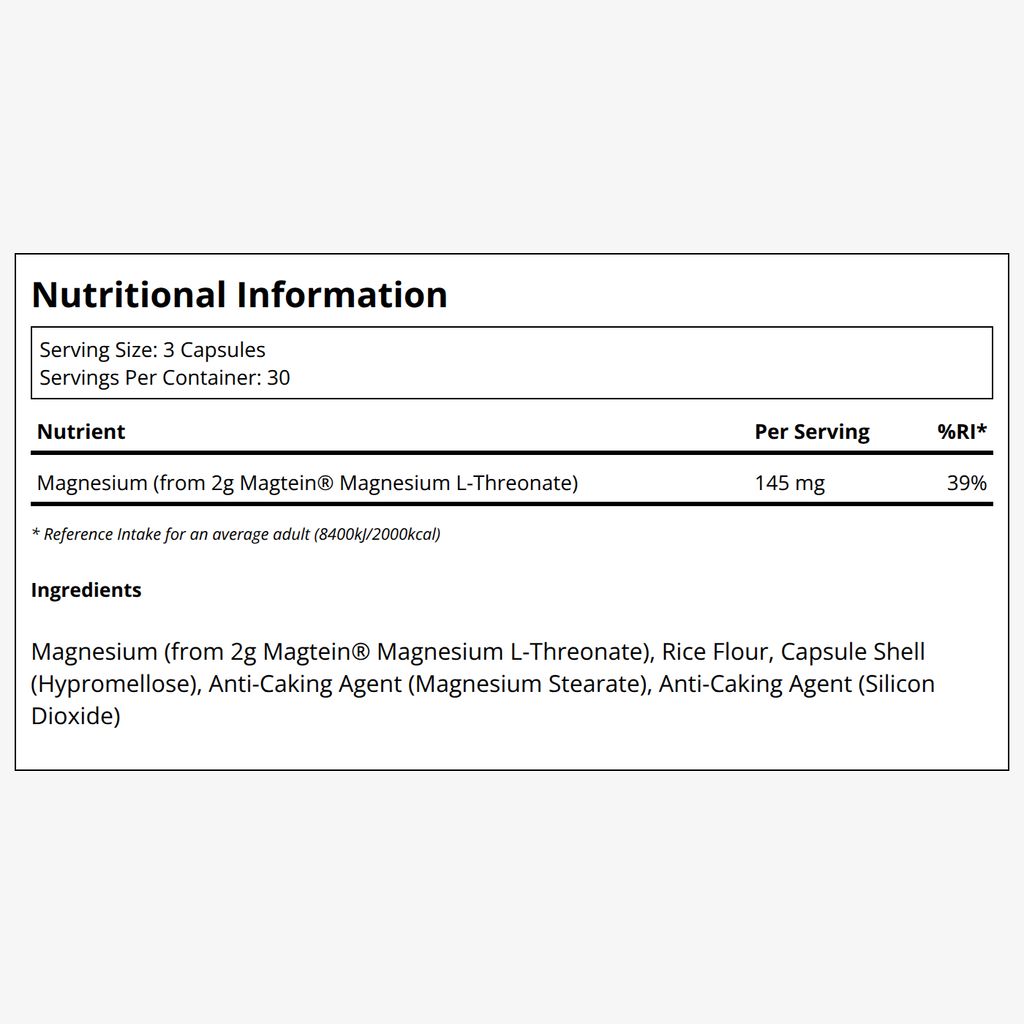
“Magnesium L-Threonate is also highly recommended,” he says. “Threonate efficiently crosses the blood-brain barrier, maximising efficacy and helping the brain transition into the deep, slow-wave states required for detoxification.”
Magnesium supps can also help relax the nervous system by boosting the inhibitory neurotransmitter gamma-aminobutyric acid (GABA), while also toning down excitatory neurotransmitter glutamate. All of this helps quiet the brain and wind down at night, leading to more optimal sleep.
Finally, Dr. Sobczyk says nutritional timing is critical for ultimate detox. “Practising time-restricted feeding by finishing your last meal at least three hours before bed is essential, as digestion raises core body temperature and diverts blood flow to the gut. For the glymphatic system to ‘turn on,’ the body must prioritise blood flow to the brain and allow the core temperature to drop.”

Can exercise help my body detox?
Ummer Qadeer, MD, a general practitioner and one of Dr. Sobczyk’s colleagues at Hooke London, is a big fan of using exercise to aid your sleep detox. “Exercise enhances circulation and improves the clearance of metabolic waste from the brain,” he says. “It also promotes better sleep quality and increases the likelihood of reaching deep sleep.”
But this doesn’t mean just fitting in a yoga session before bed. A 2025 study published in Nature Communications found that adults had improved glymphatic processes after a 12-week program of moderate-intensity cycling. So, getting in some good exercise any time during the day is key for optimised sleep detox.
What can I do to lower cortisol before bed?
This one is key. “If cortisol is elevated at night, you stay in ‘performance mode’ instead of shifting into ‘repair mode,’” explains Michael Sagner, a clinical advisor and researcher at King’s College London.
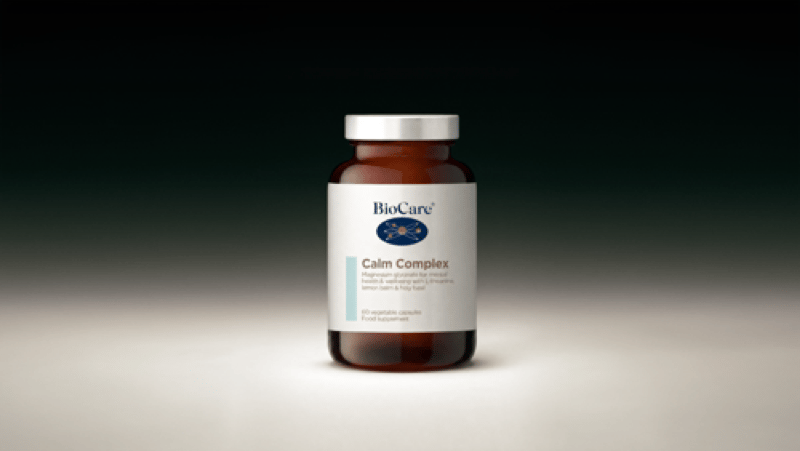
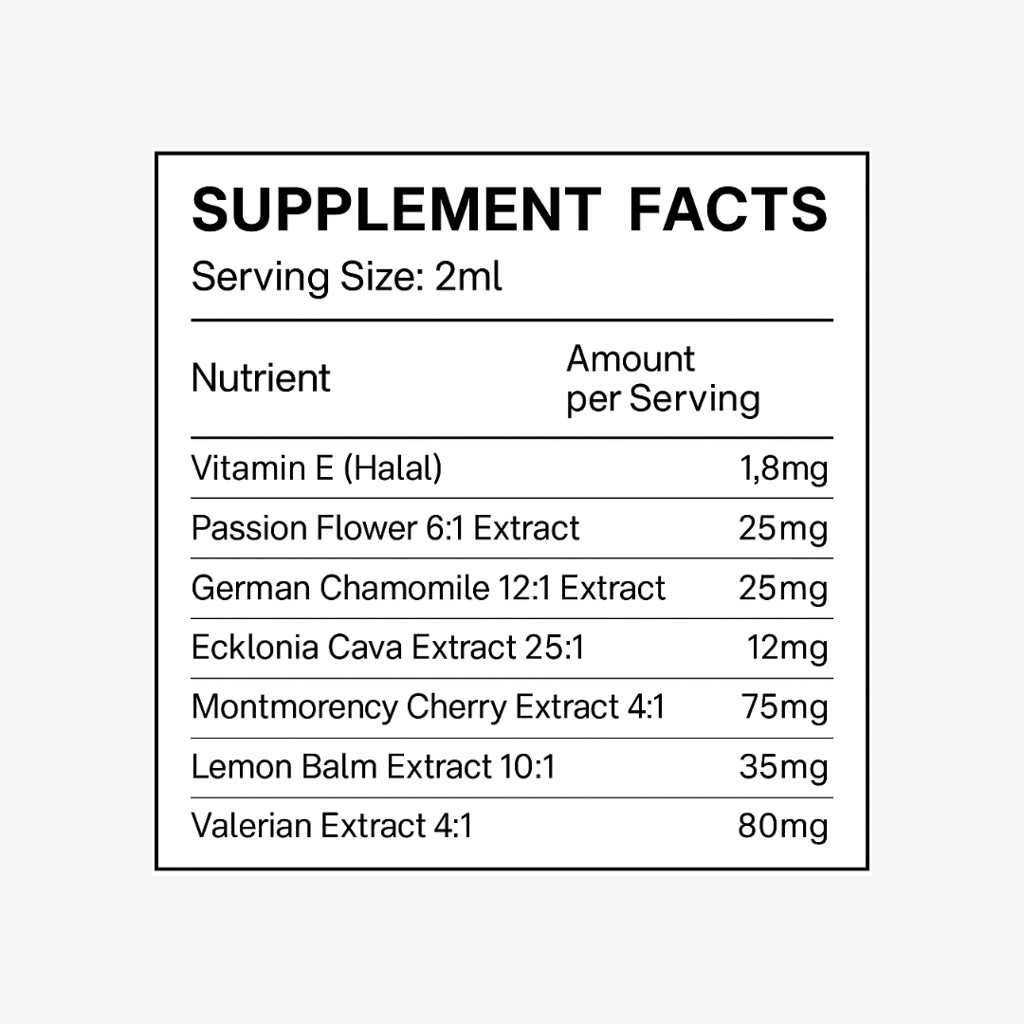
Sagner says the first step to helping your body shift into repair mode is through behavioural tweaks, like creating a deliberate transition at the end of the day. “Dimming lights, limiting screens, keeping a consistent wind-down routine, and incorporating practices like slow breathing, prayer, journaling, or mindfulness all help lower sympathetic nervous system activity,” he says. An herbal supplement that can aid relaxation and support your nighttime routine can help you start to wind down—especially if you make it part of your regular routine. Even a short walk around the block with your dog can aid digestion and clear some mental clutter to help you fall asleep and stay asleep.
“When you calm the nervous system behaviourally, you support the cellular energy systems that help the brain and body shift into recovery,” Sagner says.
If you’re really stressed, you might try a ‘cyclic sigh’: a deep breath followed by another quick inhale, and a slow exhale repeated for five minutes. The brain and body benefits from this breathing routine are backed by Stanford Medicine, and it’s an easy way to crush anxiety and improve mood, whatever time of day you do it.

How can I supercharge my sleep routine to aid detox?
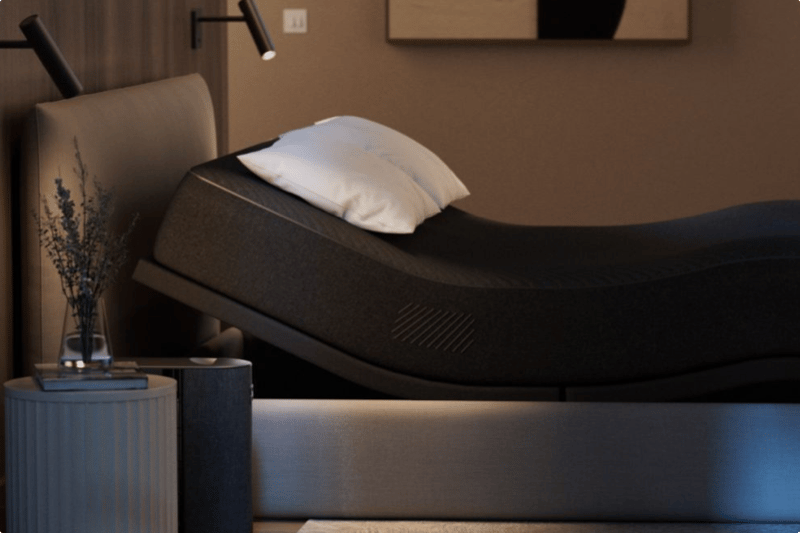
Everyone now knows how important it is to practice good sleep hygiene, getting at least eight hours of shut-eye in a cool room that is devoid of artificial light and screens. But Dr. Sobczyk says that mixing up your sleep posture could actually make a difference during your detox. “Ongoing research using dynamic contrast-enhanced MRI has revealed that sleep posture significantly affects brain waste clearance,” he says.
Specifically, the lateral (side) position appears to be the most efficient. “In the lateral position, the heart and brain are aligned, so that the pressure gradient between the arterial pulse and the venous drainage is maximised, allowing fluid to move through the brain with less resistance than when sleeping on your back (supine) or stomach (prone),” Dr. Sobczyk explains.
Optimising sleep detox at a glance
To reap the most health benefits from your sleep and promote detoxification, experts pointed out a slew of tips to try at home that include which supplements to take, habits to adopt, exercises to do, and more.
Try Omega-3s, Magnesium L-Threonate before bed to reduce neuroinflammation and promote slow-wave sleep.
Get good exercise as moderate-intensity workouts can improve your glymphatic processes.
Practise down-shifting at the end of your day to help promote sleep and to lower cortisol and signal to your body that detoxification is ready to begin.
Try side-sleeping to maximise venous drainage and allow fluid to move through the brain.
Why is it important for your brain and body to detox while you sleep?
As well as resetting the body’s baseline, the biggest benefits of a sleep detox lie in preventing “proteotoxicity,” which is the toxic accumulation of proteins that can damage neurons and disrupt cellular communication, according to Dr. Sobczyk.
Short-term failure to “clear the pipes” of this protein build-up while sleeping results in brain fog. If you’ve ever noticed that your reaction time is slower, your executive functions aren’t as sharp, or you’re more emotionally volatile after a bad night’s sleep, it’s probably because your brain wasn’t able to properly get rid of all that waste. Think of it as a hangover you don’t deserve. “Deep sleep is also the only period where systemic cortisol levels drop to their absolute lowest,” says Sobczyk. This is a biological requirement for systemic repair and is the reason we feel grouchy and even anxious after a poor night’s sleep.
Long-term, Dr. Sobczyk says a lack of a solid sleep detox on a regular basis can lead to “chronic glymphatic dysfunction” which is considered a primary risk factor for “nearly every major neurodegenerative disease, including Alzheimer’s, Parkinson’s, and ALS.”
So, making sure you optimise your night for the ultimate sleep detox isn’t just important for your energy at work the next day, it’s absolutely essential for your future wellbeing.


This article is for informational purposes only, even if and regardless of whether it features the advice of physicians and medical practitioners. This article is not, nor is it intended to be, a substitute for professional medical advice, diagnosis, or treatment and should never be relied upon for specific medical advice. The views expressed in this article are the views of the expert and do not necessarily represent the views of Healf
Tom Ward is a former Men's Health features editor, and writes regularly on sports, fitness and adventure for the Red Bulletin, Outside, and the Sunday Times. He is the author of the novels The Lion and The Unicorn, and TIN CAT.