







_2026-10-13_14-11-48.png)

.jpg)
Are You Using Red Light Therapy Wrong?
From timing to wavelength, here’s what actually matters, and where it might not be doing much at all.

Written by: Samantha Nice
Written on: 20 April 2026
Red light therapy promises a lot, from better skin and faster recovery to improved energy and even full-body optimisation, so it’s easy to understand the appeal. A tool that can directly influence your cells, support repair processes and enhance recovery feels like a smart, low-effort addition to your routine.
But most people are either using it incorrectly or expecting outcomes it’s not designed to deliver. The science behind red light is real, but understanding how to apply it properly, and where it actually makes a meaningful difference, is what separates a useful tool from something that ends up doing very little.
With red light therapy, results are far less about whether you use it, and far more about how you use it. So what does red light therapy actually work for, and where is it being oversold?
What red light therapy is actually doing
Red light therapy works by delivering specific wavelengths of light that interact directly with your body’s cells. “The process is well-established: photons in the 630–850 nm range are absorbed by an enzyme in the mitochondria called cytochrome c oxidase, boosting cellular energy production and triggering repair signalling cascades,” explains Charlie Cox, MBBS BSc FFICM NepDIMM EDEC, consultant in intensive care medicine and longevity and performance-focused doctor at Reborne Longevity.
Reamika West, MBBS, BSc, GP, functional medicine doctor and expert physician at HUM2N, adds that this increase in mitochondrial activity “results in increased energy production in the cell,” which is why red light is often linked to recovery, regeneration, and metabolic function. That cellular response is fairly consistent across studies, but how much of it translates into noticeable or measurable results varies quite a bit in practice.
The use cases that actually hold up
Red light therapy tends to work best when it’s applied to specific, well-studied targets rather than used as a general wellbeing tool. Dr. Cox says that “the strongest clinical evidence sits around chronic wound healing, peripheral neuropathy, acute radiation dermatitis, and hair loss.”
There is also a growing body of research around pain and recovery. “Musculoskeletal pain and osteoarthritis are areas where the trial literature is meaningfully accumulating,” he says, particularly in joints where light can physically reach the tissue, like elbows, shoulders, and knees.
When it comes to skin, the evidence is more established, especially for certain conditions. “There is particularly strong evidence for improving inflammatory skin conditions like acne, as well as some anti-ageing benefits and improvements in wound healing,” says Dr. West. These effects tend to build gradually, with more noticeable changes appearing over consistent use rather than after a few sessions.
The evidence around red light’s impact on sleep is less clear. There may be some indirect benefits from its influence on circadian rhythms, particularly when used at specific times of day, but this is not one of the most reliable or consistently proven outcomes.
Red light tends to work best when:
- The target tissue is close to the skin’s surface and easily reached by light
- There is some level of physical stress, damage, or inflammation to respond to
- It’s being used for a purpose that is already supported by clinical research
Outside of that, the effects are often more subtle or harder to measure.
Why it works better for some people than others
One of the most important insights from the research is that red light is not equally effective for everyone. “A key pattern emerging from the data is that red light appears to exert greater effect in stressed or damaged cells,” says Dr. Cox.
This explains why skin issues often respond more noticeably to red light therapy than already healthy skin, why it’s better for injury improvement than general performance optimisation, and why recovery protocols show clearer results than when it’s used for energy or mood. If your baseline is already strong, the impact is likely to be smaller.
Where the claims start to fall apart
This is where expectations need to be reset. “I've seen red light touted as a miracle therapy or a panacea,” says Dr. West, “but many claims are not supported by human evidence.” Dr. Cox is more direct. “Marketing consistently conflates ‘plausible mechanism’ with ‘proven benefit across all use cases’. Those are very different things.”
There are several areas where evidence is currently weak or inconsistent. These include things like fat loss, gut health, immunity, cognitive enhancement, and testosterone optimisation.
What’s more, light penetration is shallow, with tissue penetration for LED panels dropping to less than 1% of surface dose at just 6 to 12 mm depth, per Dr. Cox. That makes whole-body or deep systemic effects unlikely, especially with smaller at-home devices.
The real variables that determine whether red light actually works
One of the biggest reasons people don’t see results is because they likely underestimate how specific the red light setup needs to be. Dr. West notes that a 630 to 680 nm wavelength is used in most studies, and Dr. Cox adds that “biological efficacy depends on matching dose and power density to the right wavelength.” He highlights several factors that directly influence results:
- Power output (irradiance)
- Distance from the device
- Exposure time
- How often you use it
“Distance is the most underappreciated variable,” he adds. “Moving from 10 cm to 30 cm from the panel can reduce the actual dose delivered by around 90%.” This is why two people using similar devices can have completely different outcomes.
What effective use actually looks like
There is no exact rulebook, but the research does point to some fairly consistent guidelines. For skin and other surface-level concerns, most effective protocols tend to look a little like this:
- 630–660 nm wavelengths
- 10–20 minute sessions
- 2–4 times per week
“For skin, reduction of wrinkles and improved collagen synthesis to an extent that change is visible seems to happen after at least eight to 12 weeks,” says Dr. West. “Maximum benefit may take longer, around six months.” With acne and inflammatory conditions, the response is often faster, sometimes apparent in just a few weeks.
For recovery and inflammation, consistency is key. “The anti-inflammatory mechanism is real and increasingly well characterised,” says Dr. Cox. “For post-exercise recovery, the evidence points to a real reduction in muscle soreness and a modest improvement in subsequent performance.” He notes that "regular, repeated use matters more than any single session,” with daily or near-daily use over time producing better outcomes than sporadic use.
Why your device matters more than you think
Device quality is one of the biggest limiting factors when it comes to seeing results. “Home-use devices have wide variations in output power, beam spread, and dosing instructions that bear little relationship to evidence-based protocols,” says Dr. Cox.
If you’re going to invest in a red light device, there are a few things that actually make a difference:
- Irradiance measured in mW/cm² at a defined distance
- Coverage area that matches your intended use
- Wavelength range (630–660 nm for skin, 810–850 nm for deeper tissue)
“If a manufacturer won’t provide this, that tells you something,” he adds. Dr. West also points out that many at-home devices simply don’t meet these standards, which can mean slower or less noticeable results over time.
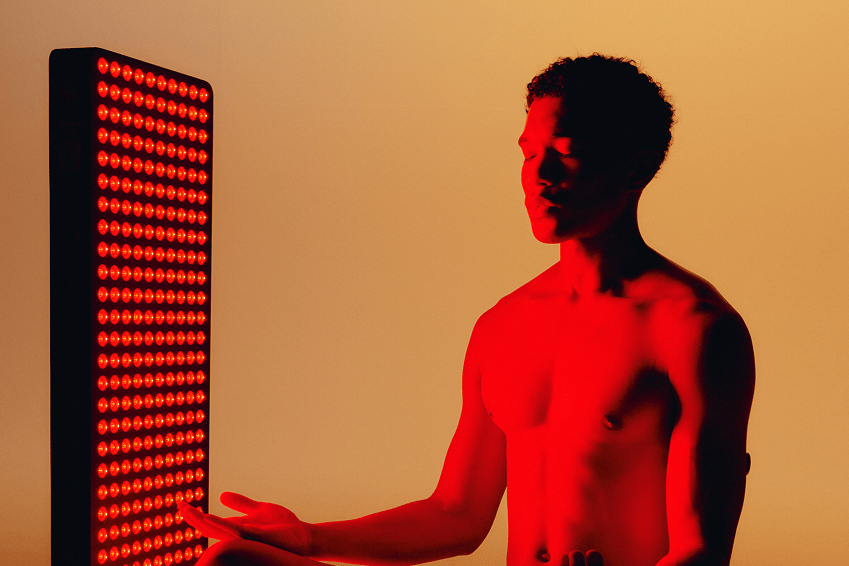
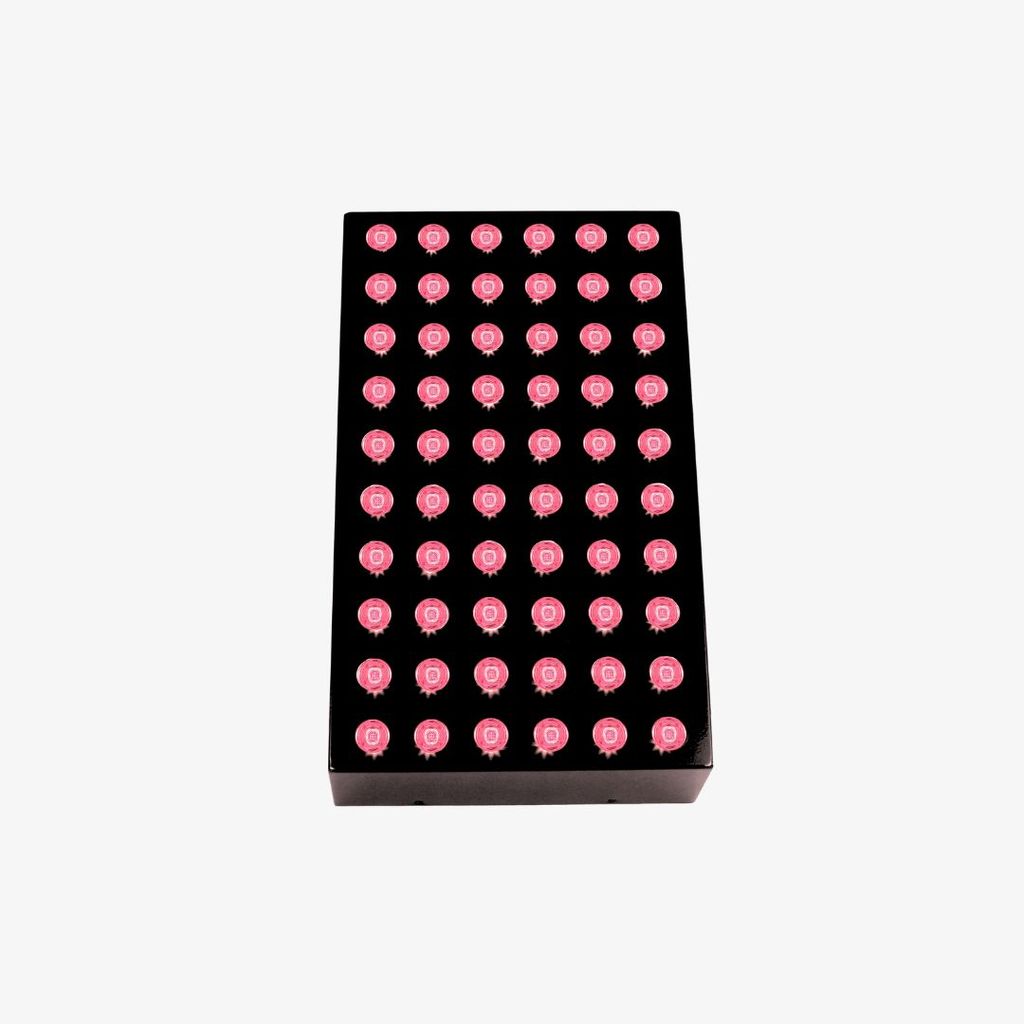
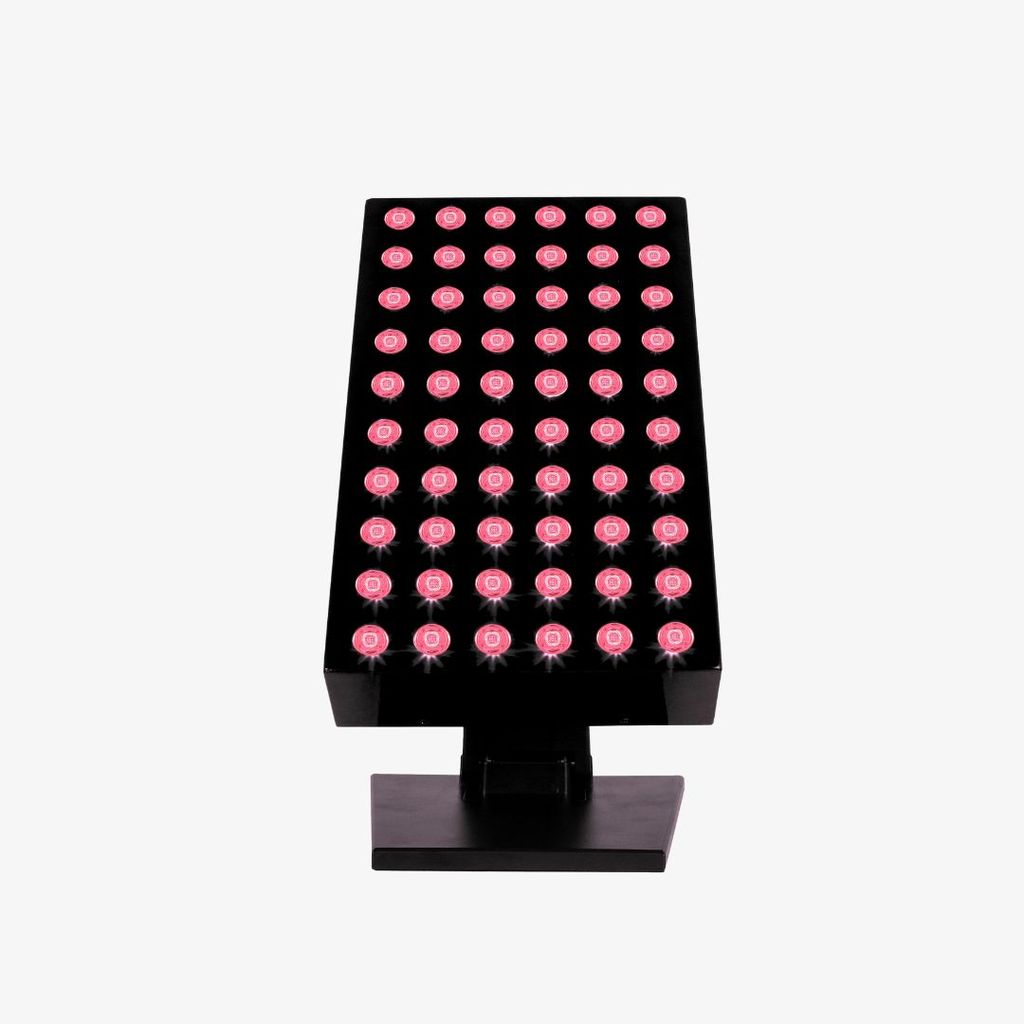
Bon Charge Demi Red Light Therapy Device
Best for muscle recovery, joint pain, inflammation and larger treatment areas
If you’re focusing on recovery or joint support, this is where a panel setup starts to make more sense. This half-body device is designed to cover more surface area in one go, which makes it more practical for muscles, joints, and post-training recovery than smaller, targeted devices. It has a higher output than most entry-level devices, and can support skin. But it’s really designed for recovery and deeper, larger-area use.
- Wavelengths: 660 nm (skin and surface-level) and 850 nm (deeper tissue and joints)
- How to use it: 10–20 minutes per area, around 2–4 times per week, keeping a consistent distance from the panel
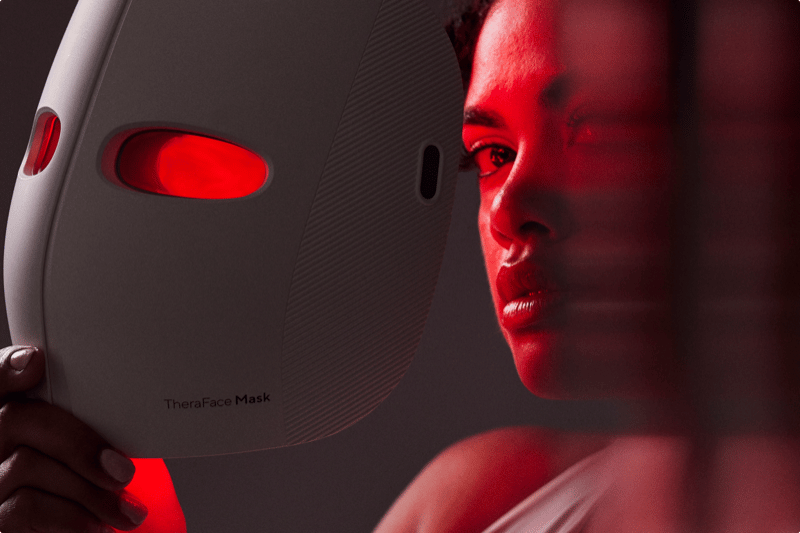
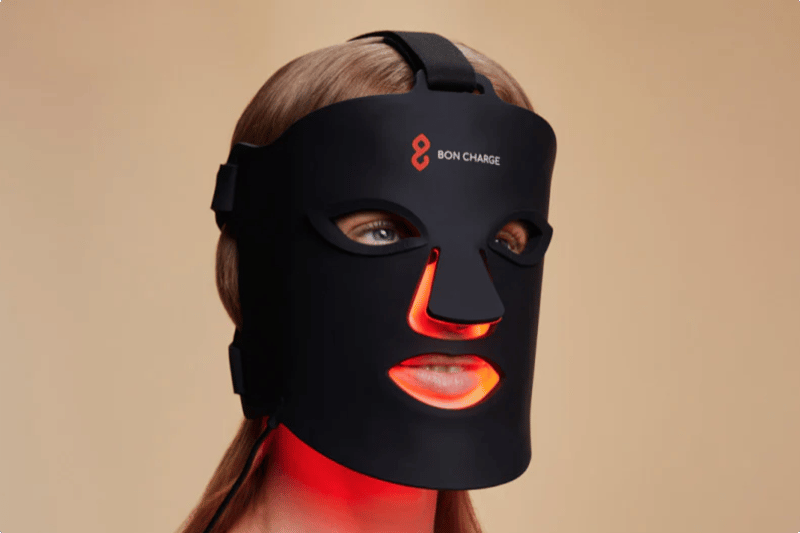
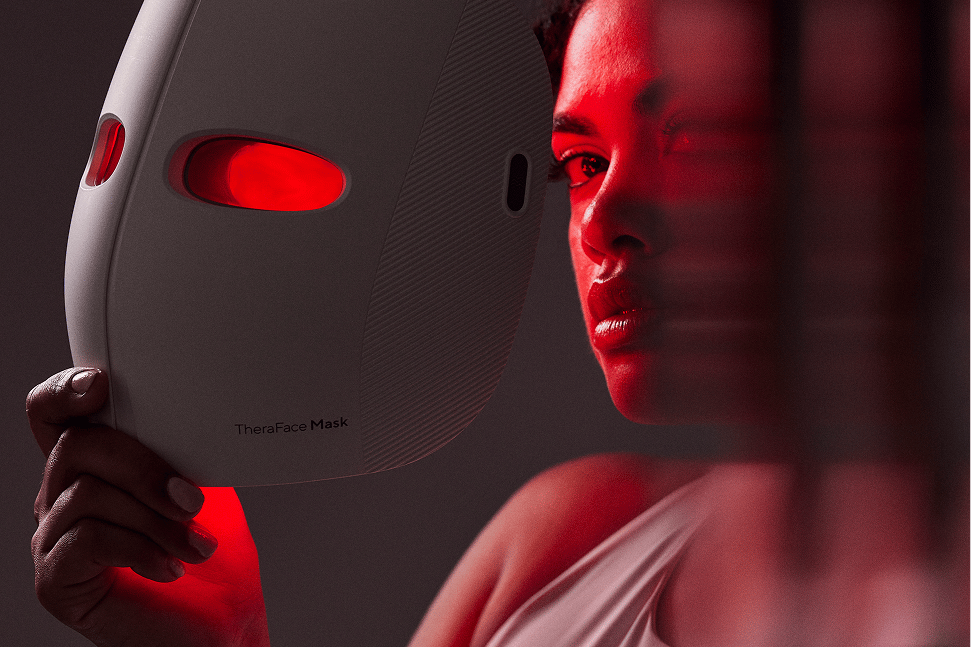
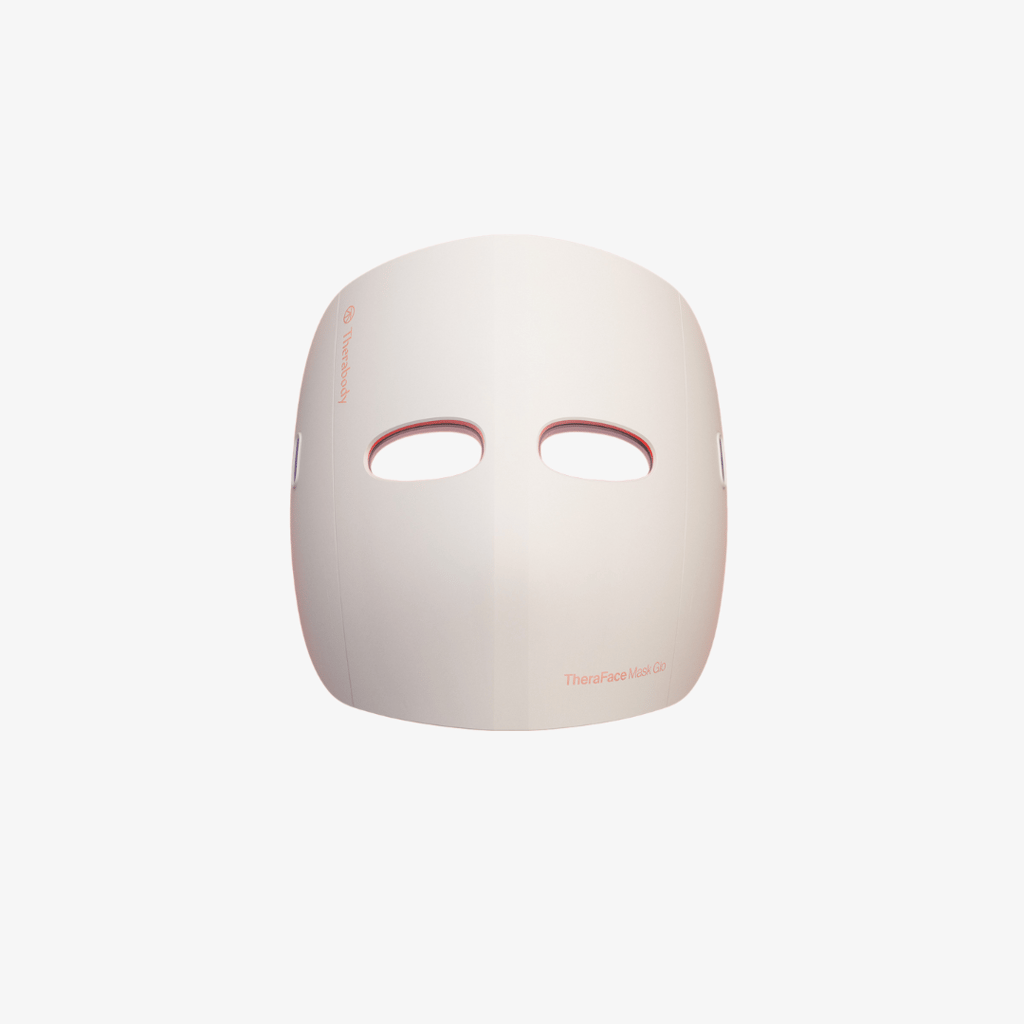
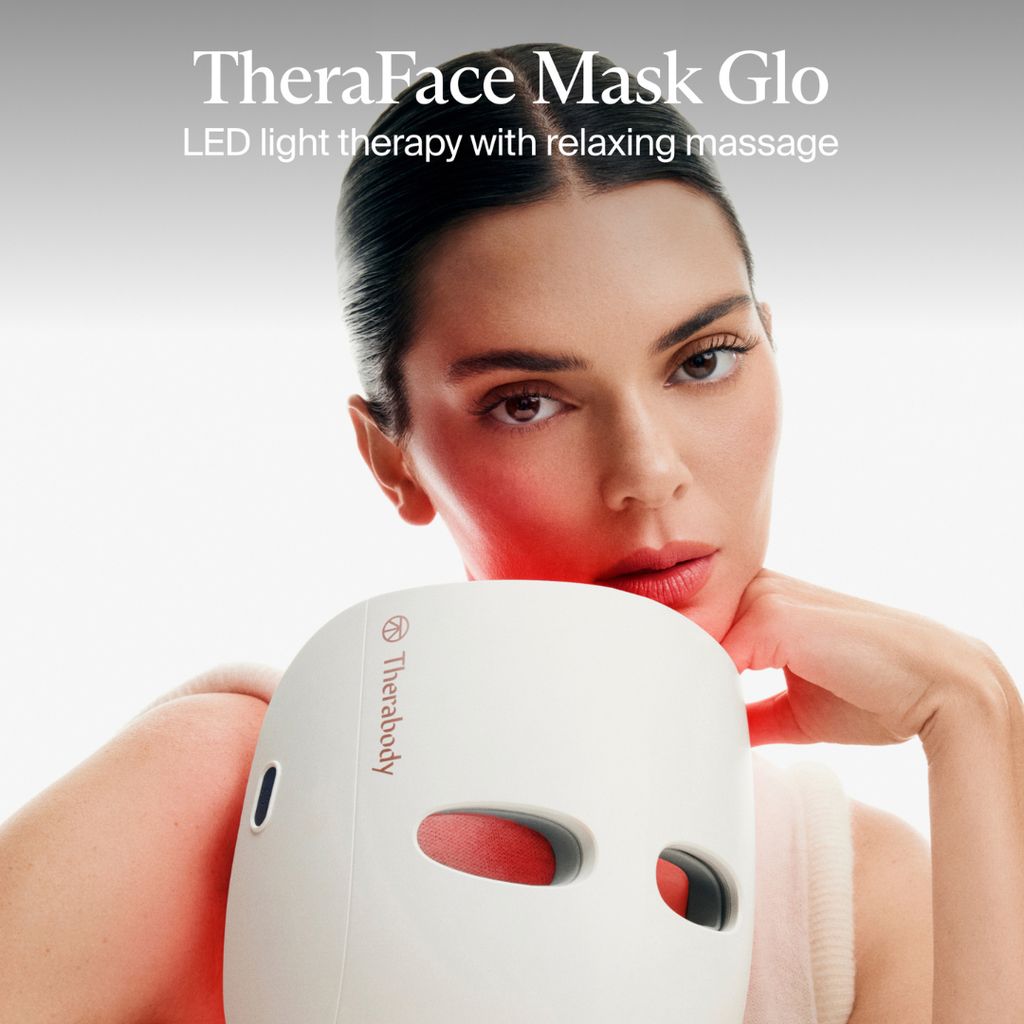
TheraFace Mask Glo
Best for all round skin health and helping with texture, acne, fine lines
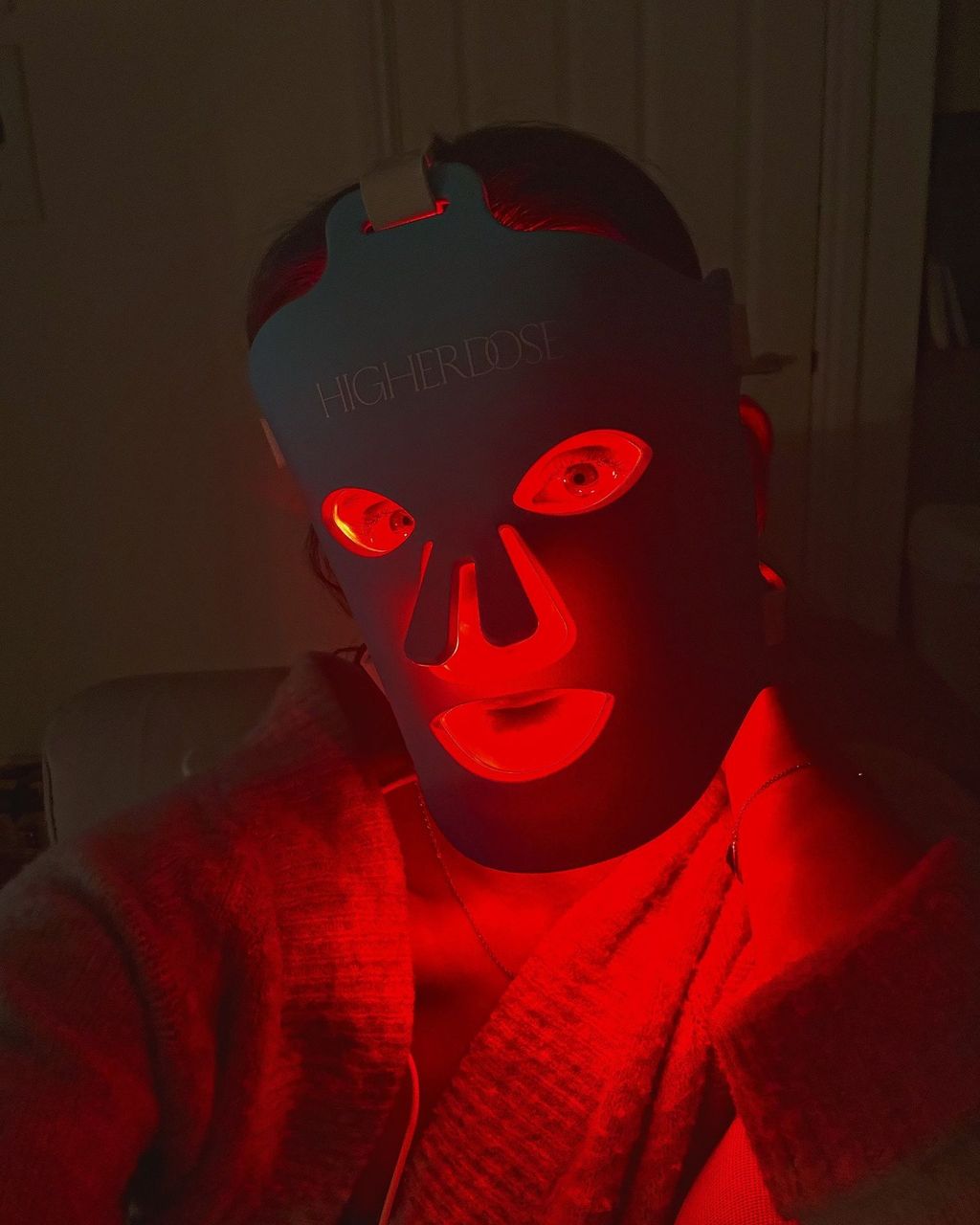
If your focus is great skin, a mask like this is one of the easiest ways to reap the red light rewards. Designed to sit directly over the face, it delivers even coverage without needing to think about distance or positioning, which is often where results fall short with other devices.
- Wavelengths: 633 nm (skin health), 830 nm (deeper collagen support) plus blue light for acne
- How to use it: One full 12-minute cycle, ideally most days or at least 3–5 times per week
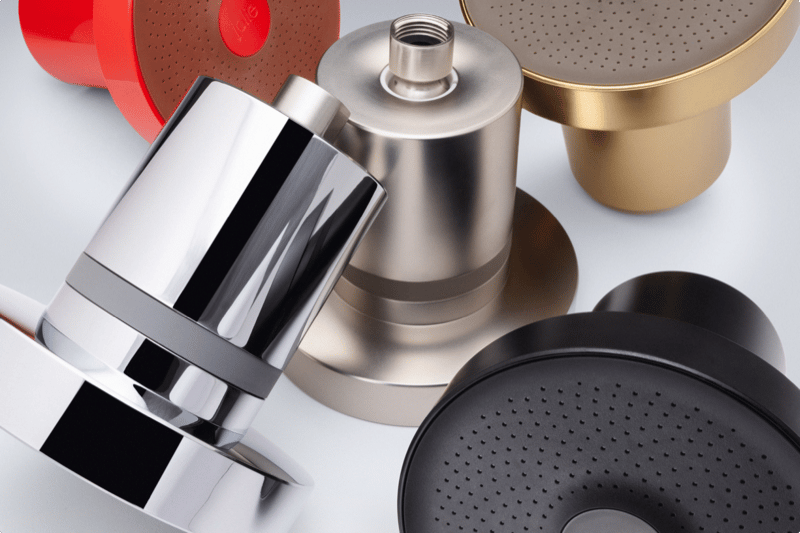
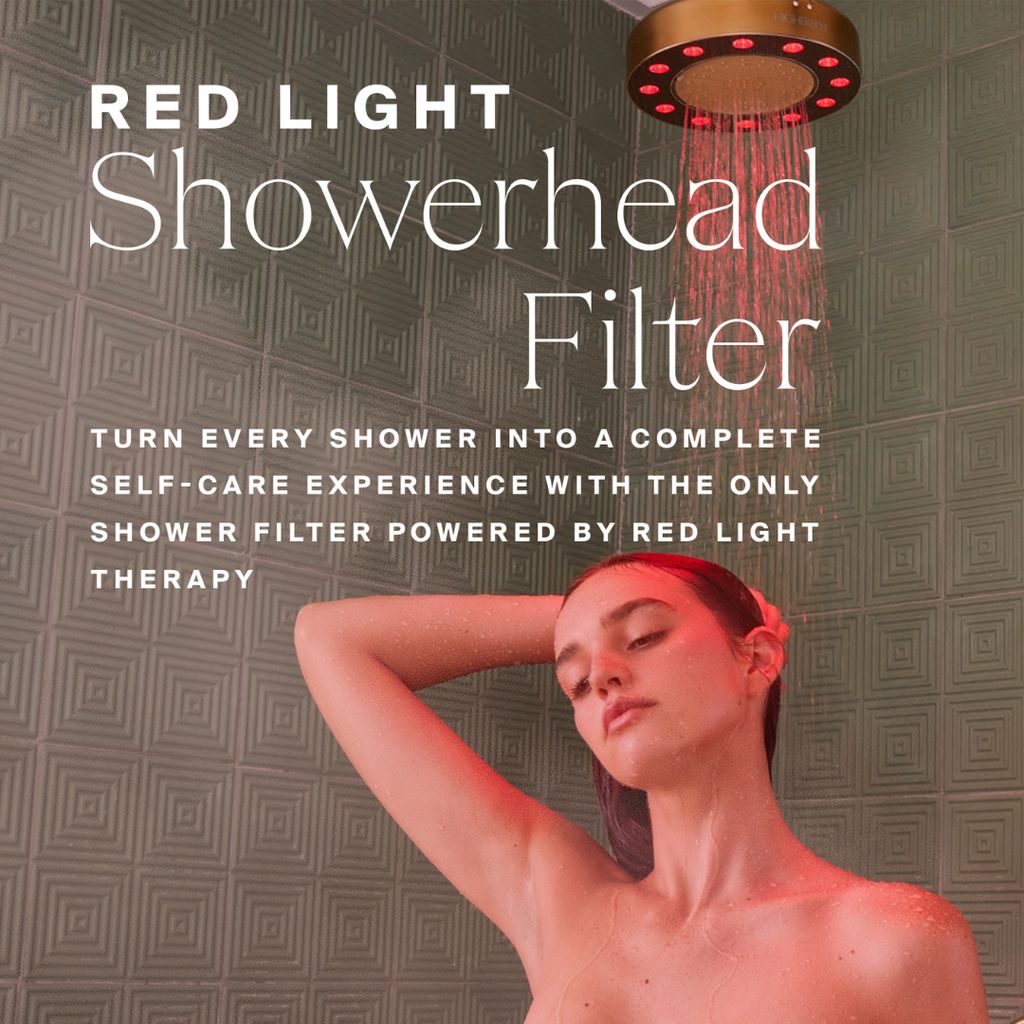
HigherDOSE Red Light Showerhead
Best for low-effort consistency and daily exposure
This latest innovation sits at the more passive end of the spectrum and aims to layer red light into something you’re already doing, rather than adding another step to your routine. That makes it easy to stay consistent, but it also means the exposure is less targeted than a panel or mask.
- Wavelengths: 650 nm (skin and surface-level) and 850 nm (deeper tissue)
- How to use it: 5–15 minutes during your regular shower
The added filtration is a useful extra, helping reduce chlorine and heavy metals while you shower. Just keep expectations realistic. This is more about steady, everyday input than treating a specific concern. If you’re curious about showering in red light, it’s worth reading Red Light Therapy Showerheads: Healf Or Hype?

The role red light should play
Red light therapy works best when it’s used as part of a wider approach. “It should be viewed as an adjunct rather than sole therapy,” says Dr. West. “The fundamentals of good sleep, exercise, a healthy diet and avoiding chronic stress are still important.”
This is where expectations often need adjusting. Red light is a supportive tool, not a shortcut.
When it’s worth using and when it’s not
Red light is most likely to be worth your time when:
- You have a specific, evidence-backed goal
- You’re using a device that can actually deliver a meaningful dose
- You’re applying it consistently over weeks or months
That’s when it starts to feel like a useful addition rather than just another habit.
It’s far less likely to do much when:
- You’re using it occasionally or inconsistently
- You’re relying on a low-powered device for broad, general outcomes
- You’re expecting systemic or full-body effects
“The honest summary is that red light therapy has a real biological mechanism, reasonable clinical applications, and an evidence base that is slowly maturing,” says Dr. Cox. “For the right use case, with the right device and the right protocol, it earns its place. For most of the claims made about it online, the evidence simply isn’t there yet.”
What to focus on if you’re using it
If you’re going to use red light, it helps to keep your approach focused instead of trying to cover everything at once:
- Choose one outcome, whether that’s improving skin, supporting recovery or helping with a specific area of pain
- Match the wavelength and protocol to that goal
- Stay consistent for at least 8 to 12 weeks
- Reassess based on actual changes, not expectations
Used this way, red light therapy can earn its place in your routine. Without that level of clarity, it just becomes another habit that feels productive but delivers very little in return.

This article is for informational purposes only, even if and regardless of whether it features the advice of physicians and medical practitioners. This article is not, nor is it intended to be, a substitute for professional medical advice, diagnosis, or treatment and should never be relied upon for specific medical advice. The views expressed in this article are the views of the expert and do not necessarily represent the views of Healf
Samantha Nice is a seasoned wellness writer with over a decade of experience crafting content for a diverse range of global brands. A passionate advocate for holistic wellbeing, she brings a particular focus to supplements, women’s health, strength training, and running. Samantha is a proud member of the Healf editorial team, where she merges her love for storytelling with industry insights and science-backed evidence.
An avid WHOOP wearer, keen runner (with a sub 1:30 half marathon) hot yoga enthusiast and regular gym goer, Samantha lives and breathes the wellness lifestyle she writes about. With a solid black book of trusted contacts (including some of the industry’s leading experts) she’s committed to creating accessible, well-informed content that empowers and inspires Healf readers.