
_Madeline_Spanier_Photos_ID7424.jpg)
I Tracked My Sleep, Stress And Cycle For Over A Year And This Is What I Found
Written by: Eleanor Hoath
Written on: 20 March 2025
I have been wearing an Oura Ring for nearly three years...let's dive in.
For the past three years, I have worn my Oura Ring every day. As a registered nutritional therapist, I have always been deeply in tune with the importance of lifestyle and data-driven insights when it comes to optimising health. But I never expected how much this tiny piece of technology would revolutionise the way I understand my body and also support my clients in their own wellbeing journeys.
The power of personalised data
One of the most profound aspects of the Oura Ring is its ability to track and interpret key health metrics—sleep, heart rate variability (HRV), temperature, and recovery. Initially, I used it out of curiosity, eager to see what my sleep patterns looked like beyond the simple “I feel rested” or “I don’t”. However, very quickly, I began to see patterns that changed the way I lived and also what I deemed as ‘healthy habits’.
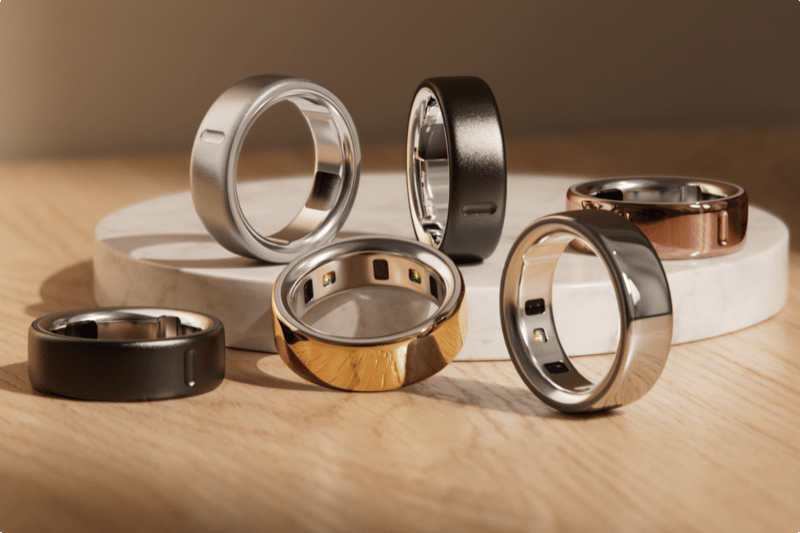
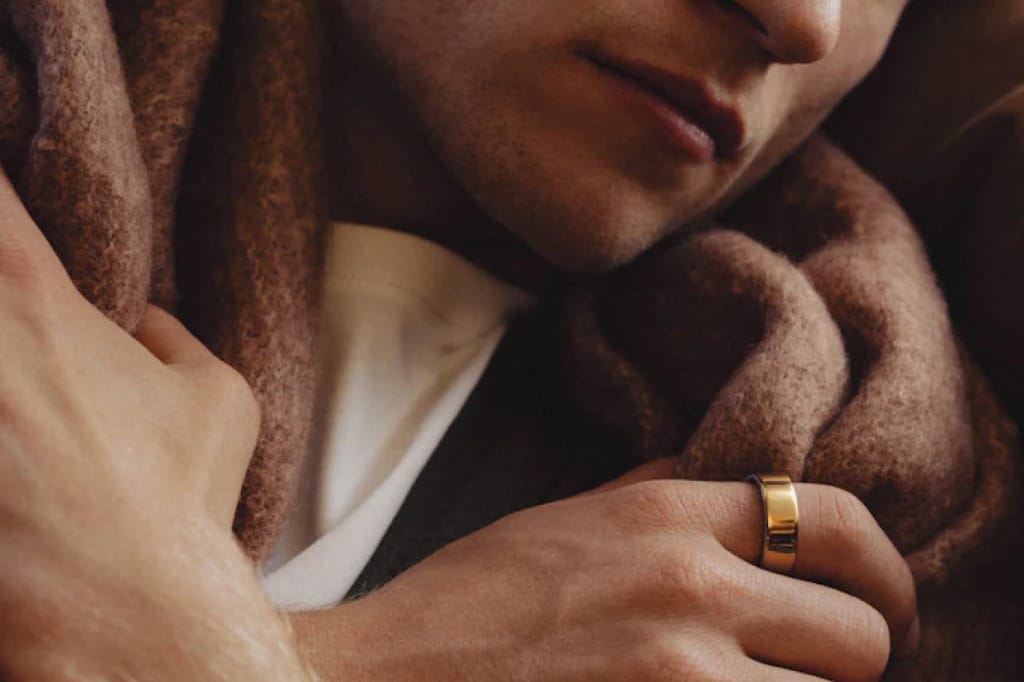
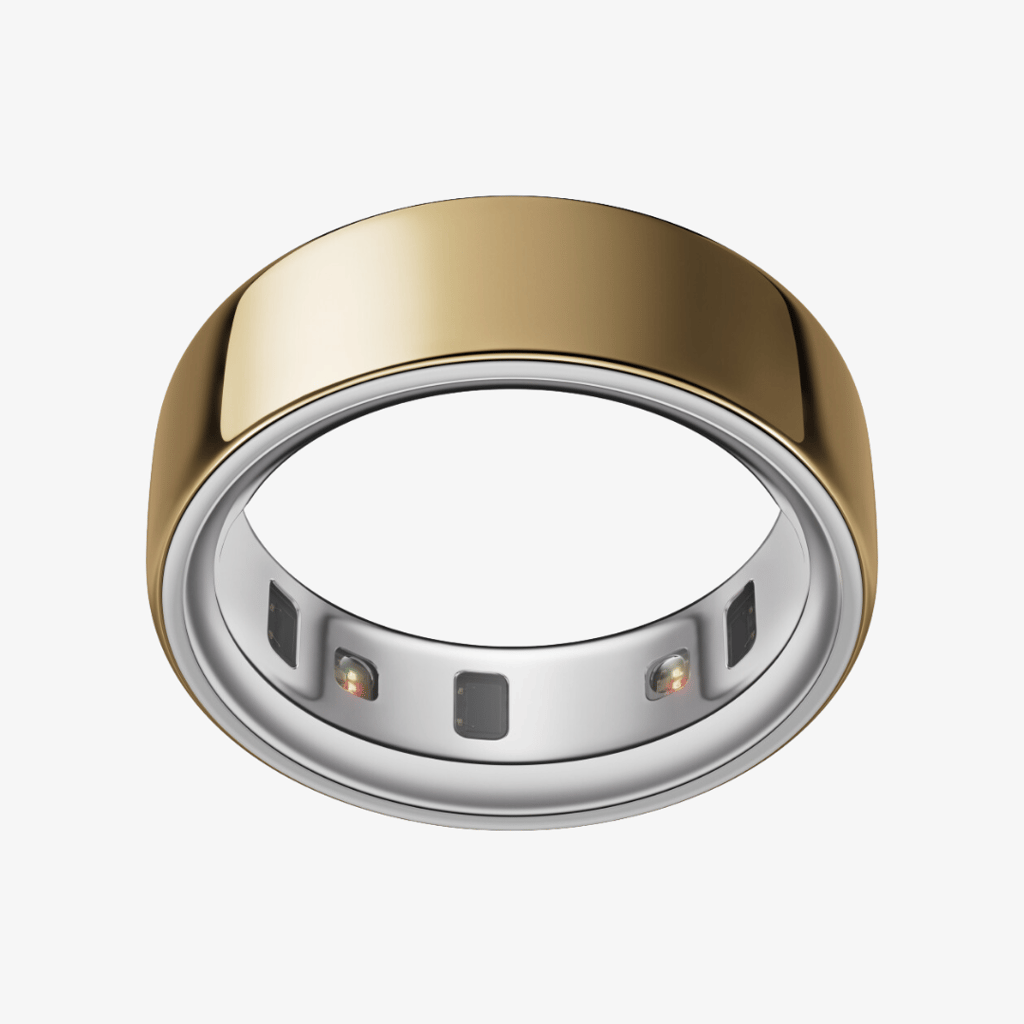
Before using the Oura Ring, I had an Apple Watch, but at times, found it incredibly triggering. The constant notifications and reminders about work-related tasks, as well as inactivity alerts, created a sense of stress rather than empowerment, and I also didn’t enjoy the look of it with an outfit and therefore, eventually decided to get rid of it. In doing so, I discovered just how important listening to your body is—both for your physical and mental wellbeing. As someone who does have EMF protection whispering in their ear when making purchases, I wanted a device that allowed me to switch off Bluetooth while still saving my data. Unlike some of the other wearables I looked at, the Oura Ring does this seamlessly. "The Oura Ring is a Bluetooth Smart®, class 2 device. Bluetooth is only active for a small portion of the day—well under 1%." Additionally, as someone who loves jewellery, I wanted something that looked slick and sophisticated, so my Gold Horizon Oura fits beautifully into that aesthetic.
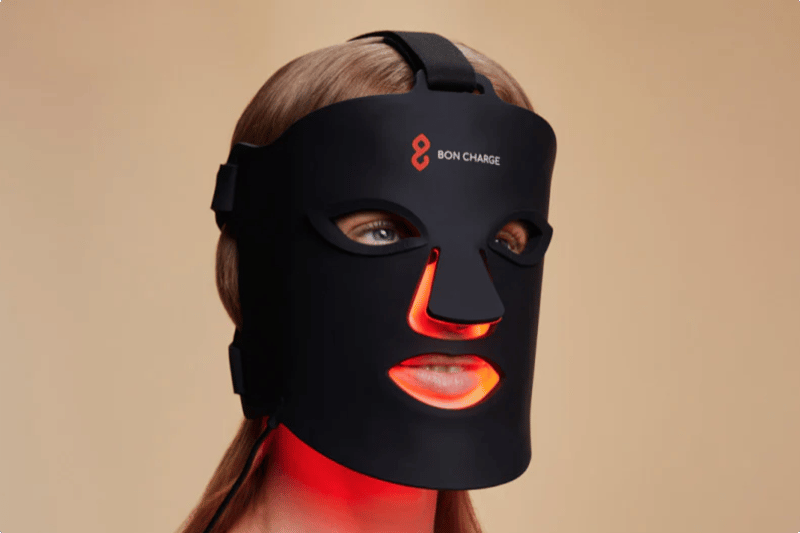
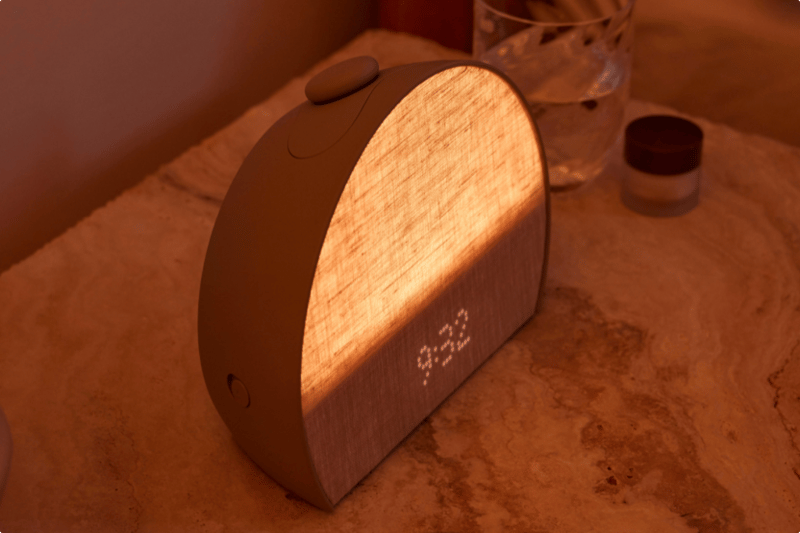
My findings were a way of confirming a lot of habits that I knew weren’t doing me any favours. I noticed that even one glass of wine in the evening dramatically affected my deep sleep. A late-night meal? My resting heart rate stayed elevated for hours, impairing my overnight recovery. On the flip side, when I prioritised wind-down rituals, like dimming the lights, using my Bon Charge Mini Light, and reading before bed practising breath work—I consistently saw improvements in my sleep score. The ring validated what I had long believed: that small, intentional choices can have a significant impact on our wellbeing.
Sleep and cycle tracking: the ultimate biofeedback tools
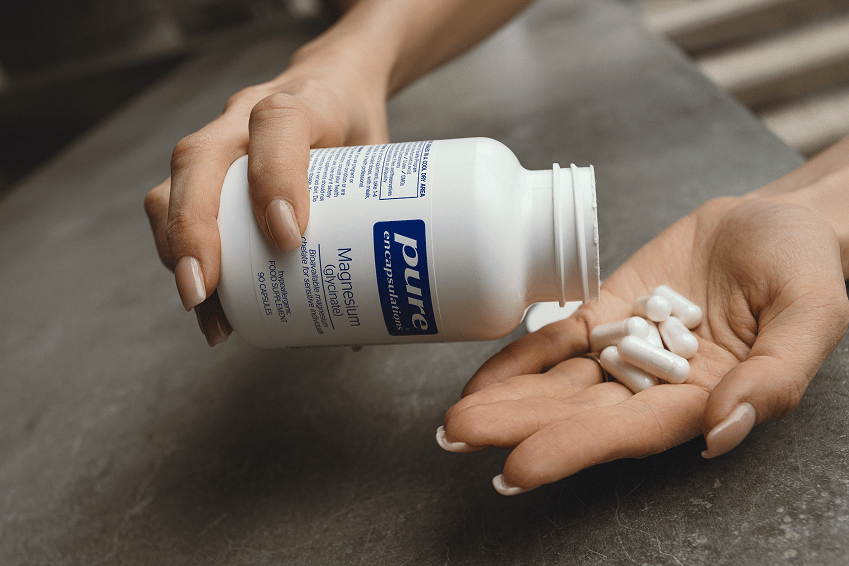
As someone who advises clients on sleep hygiene, I have always emphasised its importance. But using the Oura Ring has allowed me to go deeper. I could finally see exactly how factors like late-night screen exposure, exercise timing, and magnesium supplementation influenced my deep and REM sleep.
One of the biggest revelations came when I started tracking my menstrual cycle more closely. In the past, I had lost my periods entirely, and when they returned, they came back with a vengeance, making them difficult to track with pretty gnarly symptoms that would shift not only how I felt, but how I looked too – it was pretty debilitating. The Oura Ring subtly picks up hormonal fluctuations through temperature tracking, and I could see the precise point when my luteal phase began—days before traditional tracking apps would predict it. As someone who had been tracking their basal body temperature and ovulation the traditional ways before which, if you’ve done, know is a minefield. No more alarms for thermometers in the mouth nor peeing on a stick every day. This insight helped me adjust my nutrition, prioritising protein and healthy fats during the days my body needed more support. I also love the Natural Cycles integration, which empowers me to understand my body and explain why I feel certain ways at different times of the month.
Having access to this kind of information is empowering. It takes the guesswork out of why I might feel fatigued or less energetic on certain days and allows me to work with my cycle, rather than against it. Women’s health has long been under-researched, and yet, the insights available through something as simple as temperature tracking make such a huge difference in optimising lifestyle choices and possibly even contraception around it.
Recovery and readiness: listening to my body
As someone who leads a busy life, it’s easy to push through exhaustion. But the Oura Ring’s readiness score has been a game-changer in holding me accountable. There were days when I felt fine but my readiness score suggested I take it easy—and sure enough, if I ignored it and pushed too hard, I’d feel run down within 24 hours. The ring is also a much kinder and more appropriate tool for encouraging rest before things escalate.
For example, both times I had COVID, my Oura Ring notified me that my body was under pressure before I had any symptoms. Now, when I see those early signs, I know to take action—whether that means prioritising rest, hydration, or immune support—before it turns into something worse. This ability to predict and preempt potential health issues has been invaluable, not just for preventing illness but also for optimising training and recovery.
“There’s a big difference between being disciplined and being self-destructive, and learning when to push and when to rest has been one of the greatest lessons this technology has taught me.”
The balance between technology and intuition
The danger with wearable tech is that it can become an obsession rather than a tool. It’s important to remember that while data can guide us, it should never override how we actually feel. The Oura Ring is a silent observer rather than a demanding coach, and that’s what I love about it.
This, I think, is the future of wellbeing technology. Devices should enhance our connection to our bodies, not create unnecessary anxiety or perfectionism. There’s a fine line between using data as an empowering tool versus letting it dictate our behaviours to the point of stress. Learning to strike that balance is key to making wearables work for you rather than against you.
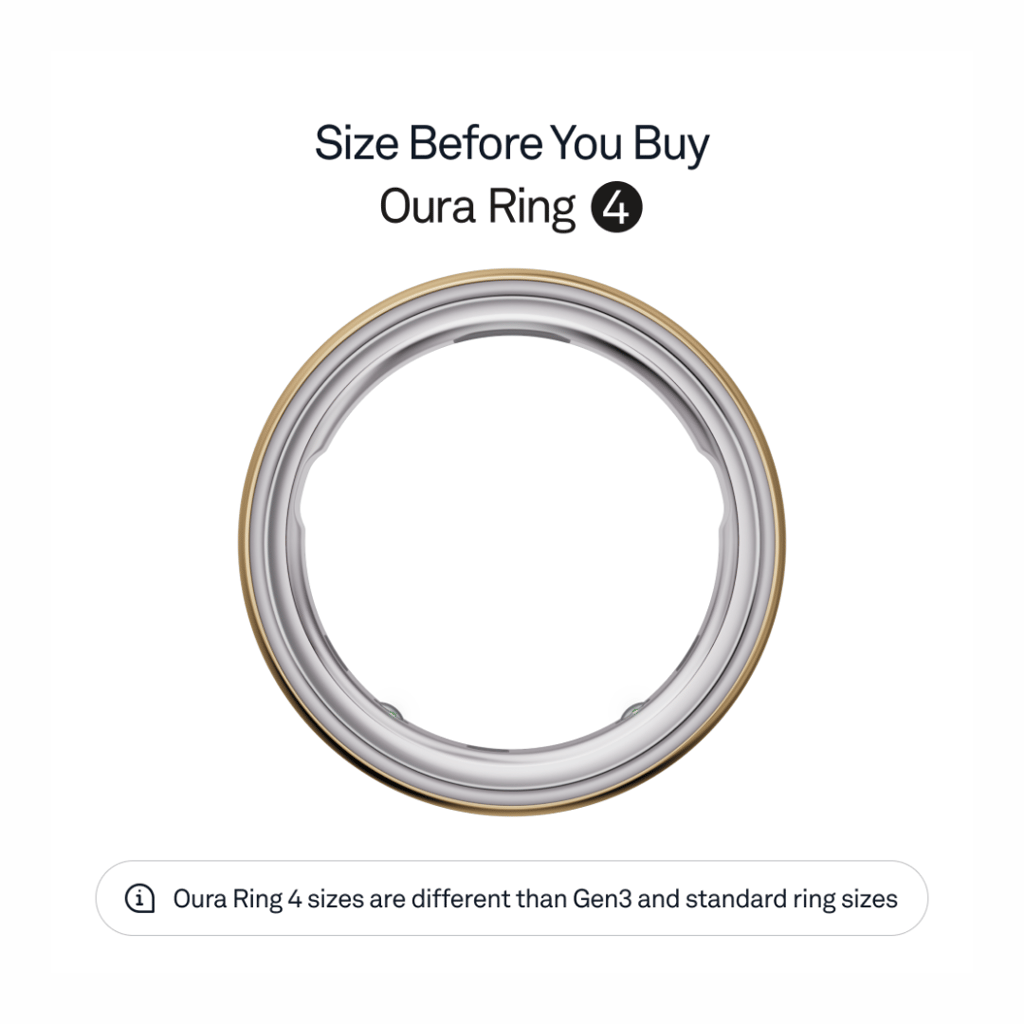
Now, with the launch of the Gen 4 Oura Ring, I’m really interested to see how it compares to my Gen 3. The updated sensors promise even more precise sleep tracking, improved menstrual cycle insights, and better recovery metrics. The introduction of advanced stress tracking and daytime heart rate variability (HRV) monitoring could provide a more nuanced view of daily fluctuations in wellbeing. I’m excited to see how these enhancements refine my approach to optimising health and whether they provide an even clearer picture of my body’s needs.

This article is for informational purposes only, even if and regardless of whether it features the advice of physicians and medical practitioners. This article is not, nor is it intended to be, a substitute for professional medical advice, diagnosis, or treatment and should never be relied upon for specific medical advice. The views expressed in this article are the views of the expert and do not necessarily represent the views of Healf
Eleanor Hoath is a Registered Nutritional Therapist (DipNT, mANP, mBANT) specialising in gut, skin and women’s health. She is the Editor of The Healf Source and founder of Well Nourished Nutrition Ltd.
Passionate about holistic wellbeing and balanced living, Eleanor combines evidence-based nutrition with a practical, approachable style to help people feel their best through content.
Based in London, she is dedicated to empowering individuals to nurture their health and understand the root cause of their symptoms from the inside out.