




























_2026-10-13_14-11-48.png)


Could You Be In Perimenopause Without Realising?
From anxiety and brain fog to sleep changes and heavy periods, the lesser-known signs of perimenopause and the natural ways experts say you can support your body.
-2.jpg)
Written by: Samantha Nice
Written on: 14 July 2026
For a lot of women, perimenopause doesn't start with hot flushes. It starts with waking up at 3am for no real reason, feeling unexpectedly anxious about things that wouldn’t normally phase you, struggling to remember a word that's usually on the tip of your tongue or realising your periods seem heavier, closer together or somehow different.
The challenge is that many of the early signs are easy to write off. You assume you're stressed, burnt out, not sleeping properly or simply getting older. It often takes years before women connect those changes to the hormonal shifts happening in the background.
"Many women are already experiencing perimenopause by the time they start looking for answers," says Dr Helen Wall MBBS, GP with a specialist interest in menopause. "For years, we weren't talking enough about the transition itself. Symptoms like poor sleep, anxiety, fatigue, joint pain and palpitations were often viewed in isolation rather than recognised as part of the same underlying process."
Perimenopause is thankfully attracting far more attention than it did a decade ago, but misconceptions remain. Some women still assume they’re too young whilst others think menopause only starts once periods stop altogether. Neither is in fact true.
What is perimenopause and when does it start?
Perimenopause is the transition leading up to menopause. During this time, the ovaries gradually become less predictable, hormone levels begin to fluctuate and menstrual cycles can start to change. Menopause itself is technically a single point in time and is reached once you have gone 12 consecutive months without a period. Everything that happens beforehand falls under perimenopause.
For some, that transition is relatively uneventful. For others, it can bring a wide range of physical, mental and emotional symptoms that can affect everything from sleep and energy levels to mood, concentration and confidence.
Many women start noticing changes in their forties, but perimenopause can begin earlier. "It can last up to ten years," says Dr Wall. "If the average age of menopause in the UK is 51, it could well start in your late thirties, although symptoms at that stage are often very subtle."
That helps explain why growing numbers of women are searching for answers to symptoms that can feel difficult to pin down.
Could you be in perimenopause without realising?
Absolutely. One of the biggest misconceptions about perimenopause is that it starts when periods stop. In reality, many women continue having periods throughout much of the transition, which can make it harder to recognise what's happening.
"Periods can become shorter, heavier, more irregular or change in cycle length, but many women are still having some form of period," says Dr Wall. "They're often waiting for their periods to stop before considering themselves menopausal."
Symptoms can also come and go without warning. You might feel completely like yourself for weeks, only for poor sleep, anxiety or brain fog to suddenly reappear.
"The symptoms come and go and they're unpredictable," says Dr Wall. "Blood tests often look normal in perimenopause because hormones are fluctuating. There isn't one absolute state that we can test for."
Then there's the timing of it all. For many women, perimenopause arrives alongside demanding careers, teenagers, ageing parents, relationship pressures and the general juggle of midlife. When you're trying to keep everything moving, it's easy to assume poor sleep, fatigue or feeling unusually overwhelmed must be down to stress.
Dr Wall says some women are also naturally more sensitive to hormonal fluctuations than others. "Two women can have similar hormone levels but completely different experiences," she explains. "Genetics, stress levels, neurodivergence, lifestyle factors and overall hormone sensitivity can all influence how someone experiences perimenopause."
That's why so many women spend months, sometimes years, feeling slightly out of sync before connecting the dots. They know something has changed. They just haven't necessarily considered that hormones could be driving it.
The perimenopause symptoms people don't immediately connect to hormones
Perimenopause often announces itself in a few unexpected ways:
Sleep changes
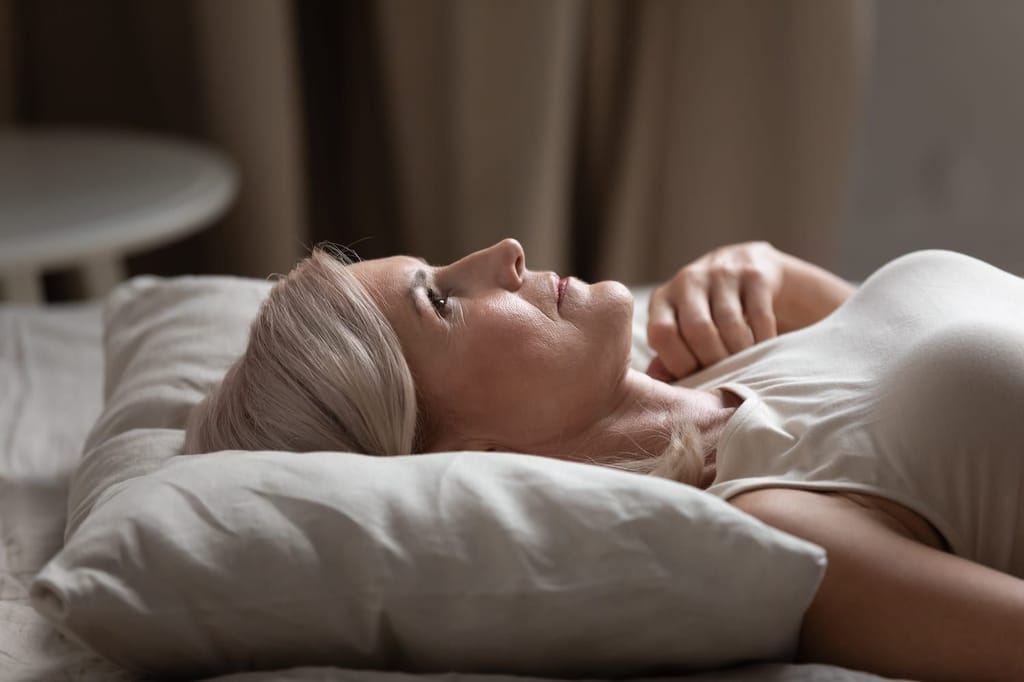
Sleep is often one of the first things to change. Whether it's struggling to fall asleep, waking in the early hours and staring at the ceiling, or finding that a full night's sleep no longer leaves you feeling rested, many women notice a shift long before they experience more recognisable symptoms. "Progesterone often declines first when ovulation becomes less reliable," says Dr Wall. "Progesterone has a calming, sleep-supporting effect in the brain." As levels begin to fluctuate, insomnia, restless sleep and feeling tired but wired become increasingly common.
Anxiety
Can perimenopause cause anxiety? Yes, and many women experience it long before they associate it with hormones. Some describe feeling more overwhelmed than usual, having a shorter fuse, racing thoughts or a sense of unease that seems to appear out of nowhere. According to Dr Wall, fluctuating oestrogen and progesterone levels affect several neurotransmitters involved in mood regulation, including serotonin, dopamine and GABA.
Brain fog
Brain fog is one of the symptoms women find most frustrating. Words disappear halfway through a sentence. Names refuse to come to mind. You walk into a room and immediately forget why.
Many women describe it as feeling less mentally agile than usual. Tasks that once felt automatic suddenly require more effort, while memory, concentration and focus can feel noticeably less dependable. Growing research suggests fluctuating oestrogen levels may influence several areas of brain function, helping explain why cognitive symptoms are among the most commonly reported features of perimenopause.
Heavier periods
Many women expect periods to become lighter as menopause looms, but the opposite often happens first. As ovulation becomes less predictable, fluctuating levels of oestrogen and progesterone can affect bleeding patterns. Heavier periods, shorter cycles and irregular timing are all signs of perimenopause.
Fatigue
Fatigue is one of the most frequently reported symptoms of perimenopause, but it doesn't always have an obvious cause. Sleep disruption, hormonal fluctuations, heavier periods, changing insulin sensitivity and increased stress can all chip away at energy levels. That's why many women find themselves feeling exhausted despite doing everything they normally would to stay on top of their energy.
Weight changes
Maintaining your usual weight can suddenly feel harder, even when diet and exercise habits haven’t changed. “As oestrogen starts to lower, we become more insulin resistant, and this can lead to quicker weight gain,” says Richa Puri dipION, mBANT, CNHC, nutritional therapist with a specialist interest in women’s health and fertility. Hormonal changes can also affect body composition, making it easier to lose muscle mass and accumulate fat around the abdomen, even if the number on the scales doesn’t change dramatically.
Low libido
Changes in libido are also very common during perimenopause, although they don’t affect everyone in the same way. Sleep, stress, mood, confidence and physical symptoms can all affect sexual desire. Dr Wall notes that testosterone, which women also produce, gradually declines as ovarian function changes, and current evidence links testosterone most strongly to libido in women.
Heart palpitations
A fluttering, racing or suddenly forceful heartbeat can feel alarming, especially when it seems to come out of nowhere. Heart palpitations are now recognised as a symptom of perimenopause, although they're not always caused by hormones and shouldn't be ignored if they're new or concerning. They're also one of the symptoms women are least likely to connect with hormonal changes.
Joint pain and aches
Aching joints aren't always the first thing people associate with perimenopause, but they can be surprisingly common. "We have oestrogen receptors throughout the body, including in muscles and joints," says Dr Wall. As oestrogen levels drop off, some women notice increased aches, stiffness and discomfort.
Histamine sensitivity
Some women find they suddenly become more reactive to foods, alcohol or environmental triggers that never used to cause issues. Researchers are still exploring the link, but changing oestrogen levels appear to interact with histamine pathways which could explain symptoms such as headaches, flushing, itching and allergy-like reactions.
Why do symptoms happen?
Perimenopause is often reduced to hot flushes, but as Dr Wall says, "it’s a whole-body neuroendocrine transition.” During perimenopause, the ovaries gradually become less predictable. Progesterone often declines first, while oestrogen begins fluctuating dramatically from one day to the next. Some days levels are high, others they are low. Those fluctuations affect far more than just reproductive health. Hormones interact with the brain, nervous system, metabolism, sleep-wake cycle, muscles, joints, skin and cardiovascular system. That’s why perimenopause symptoms can show up in such different ways. It’s also why two women with similar hormone levels can have completely different experiences.
Natural ways to support perimenopause
If you’ve already tried searching for natural remedies for perimenopause, you'll likely have found yourself staring at a long list of supplements, hormone-balancing hacks and conflicting advice. Puri takes a far more practical approach. "Women often try extreme dieting, large supplement regimes or intense exercise because they want to feel better as quickly as possible," she says. "What tends to work best is building strong foundations that help the body adapt to this transition."
1. Aim for 25-30g of protein at breakfast.
If there’s one nutrition habit Puri prioritises during perimenopause, it’s upping your protein. Most breakfasts, like cereal, toast or a pastry on your way into the office, contain less than 10g. The problem is that these are often digested quickly, leading to bigger blood sugar swings, energy dips and hunger later in the day.
"Starting the day with a high-protein meal sets your blood sugar on a steady course," says Puri, who recommends aiming for around 25-30g. That could look like:
- 3 eggs on toast (around 20g) plus a side of Greek yoghurt
- 250g Greek yoghurt with berries and seeds (around 25g)
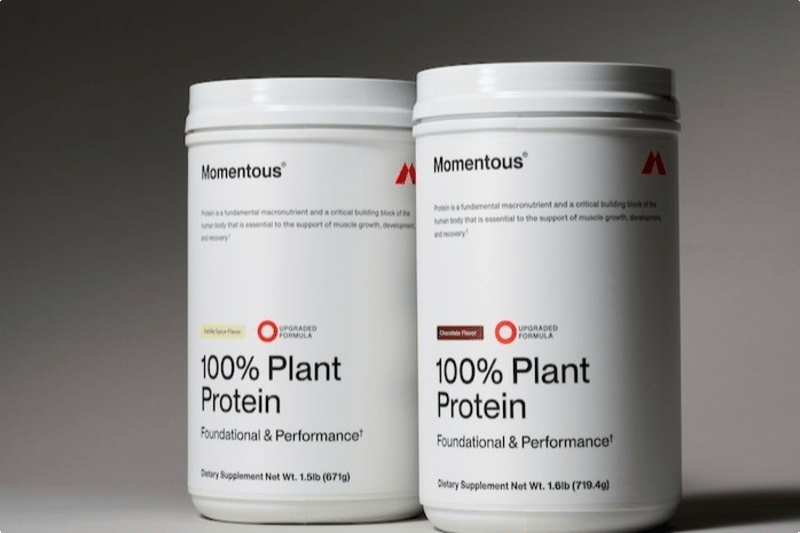
- A protein smoothie with milk, protein powder and nut butter (25-30g)
2. Follow the protein + fibre + fat formula
Rather than counting calories, focus on building meals around protein, fibre and a source of healthy fat. This combo slows digestion and helps reduce blood sugar spikes and crashes that can lead to fatigue, cravings and poor concentration. Try:
- Eggs + avocado + wholegrain toast
- Salmon + veg + olive oil
- Lentils + roasted veg + tahini
3. Lift weights two to three times a week
As mentioned, perimenopause is linked to a gradual decline in muscle mass and bone density. Strength training helps protect both. "As oestrogen starts to lower, we become more insulin resistant, and this can lead to quicker weight gain," says Puri. "I always advise incorporating strength training three times a week."
You really don’t need to become a powerlifter or spend hours in the gym to hit this one. Two to three sessions per week with weights, resistance bands or bodyweight exercises is enough to start building strength and preserving muscle.
4. Eat omega-3-rich foods at least twice a week
Perimenopause doesn't just affect your reproductive hormones. It can also influence brain health, mood, inflammation and cardiovascular health. Omega-3 fats play a role in all four. Puri recommends including oily fish such as salmon, sardines or mackerel at least twice a week. If fish isn't part of your diet, an omega-3 supplement is another option.
5. Get outside within an hour of waking
One of the easiest ways to improve sleep starts first thing in the morning. "I always recommend starting the day with a walk outside," says Puri. Morning light helps regulate the body's circadian rhythm, which boosts sleep quality later that night. Even 10-15 minutes can help reinforce those signals.
6. Schedule proper time for recovery
Many women approach perimenopause by adding more: more exercise, more supplements, more things to fix. Recovery often gets overlooked. Yet stress and poor recovery can amplify symptoms such as poor sleep, anxiety and fatigue.
Puri recommends flipping that approach and looking to do things like yoga, breathwork sessions, magnesium baths, journaling or reading before bed. The nervous system doesn’t know the difference between work stress, personal stress and life admin. Regular recovery helps reduce the cumulative load that can make perimenopause symptoms feel harder to manage.
Which supplements help perimenopause?
If you've spent any time searching for perimenopause advice, you've probably been told to buy half the supplement aisle. It’s actually far less complex and expensive than that. No single supplement fixes perimenopause, but a handful have become practitioner favourites when sleep, mood, stress and cognitive symptoms are front of mind.
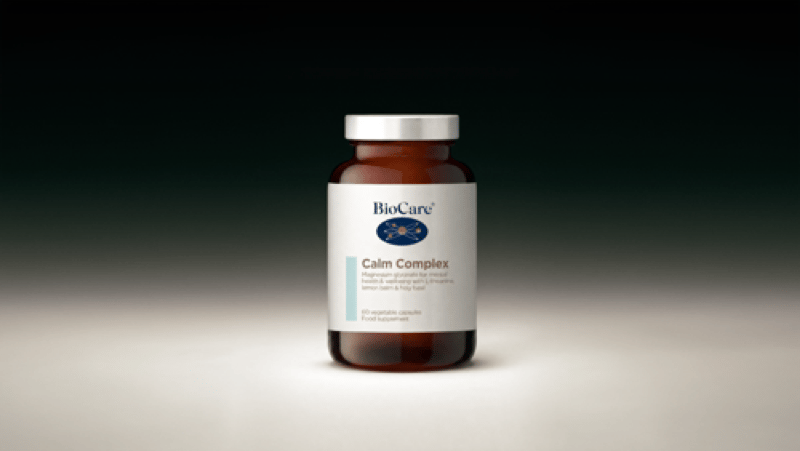
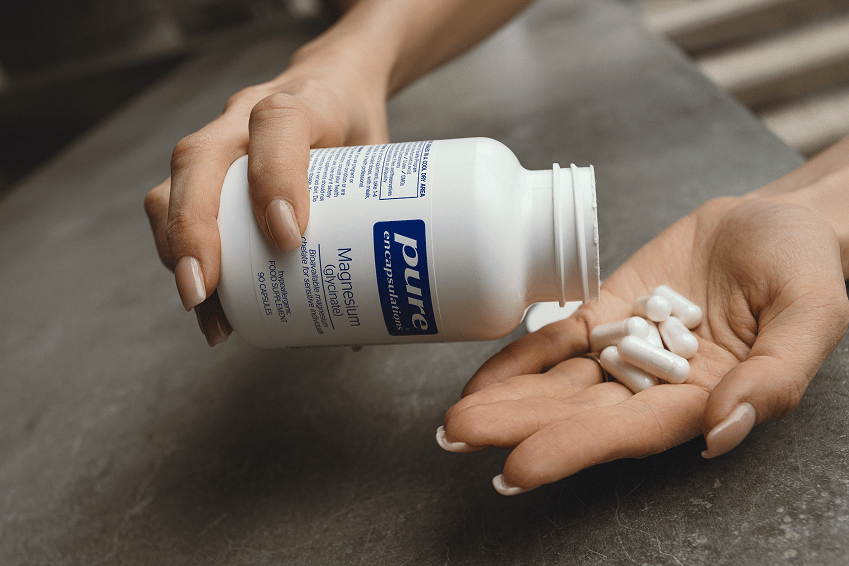
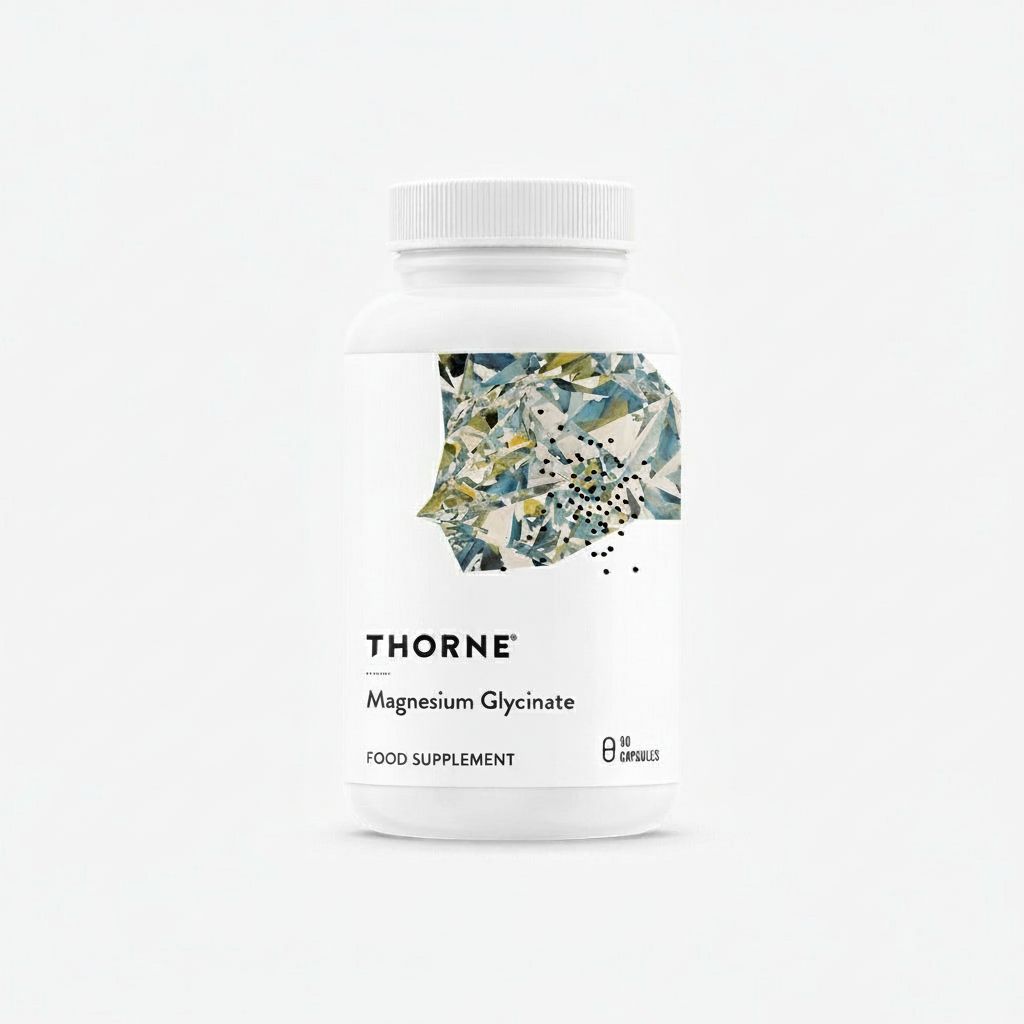
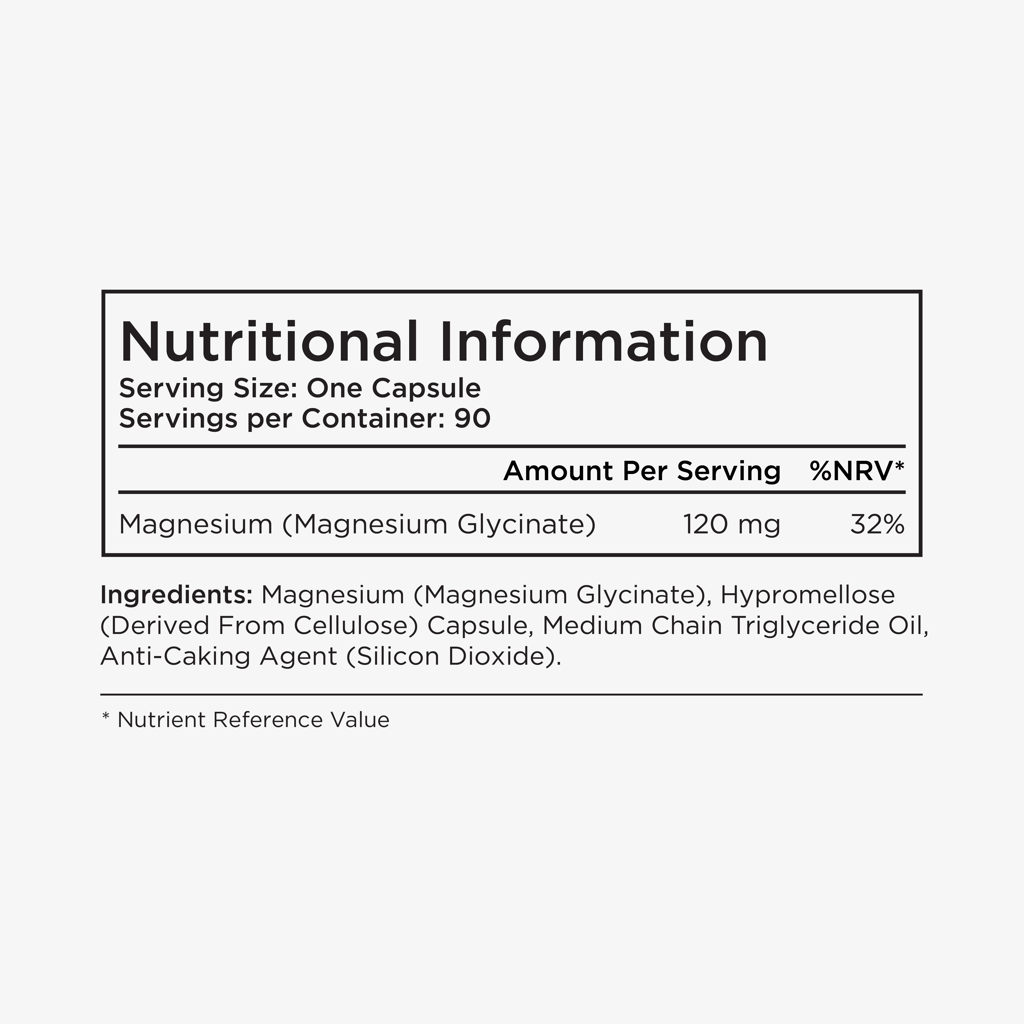
Magnesium
During perimenopause, magnesium is often recommended when poor sleep, feeling wired-but-tired or increased stress become recurring issues.
What to look for: Magnesium glycinate is often preferred because it’s well absorbed and commonly used for relaxation and sleep.
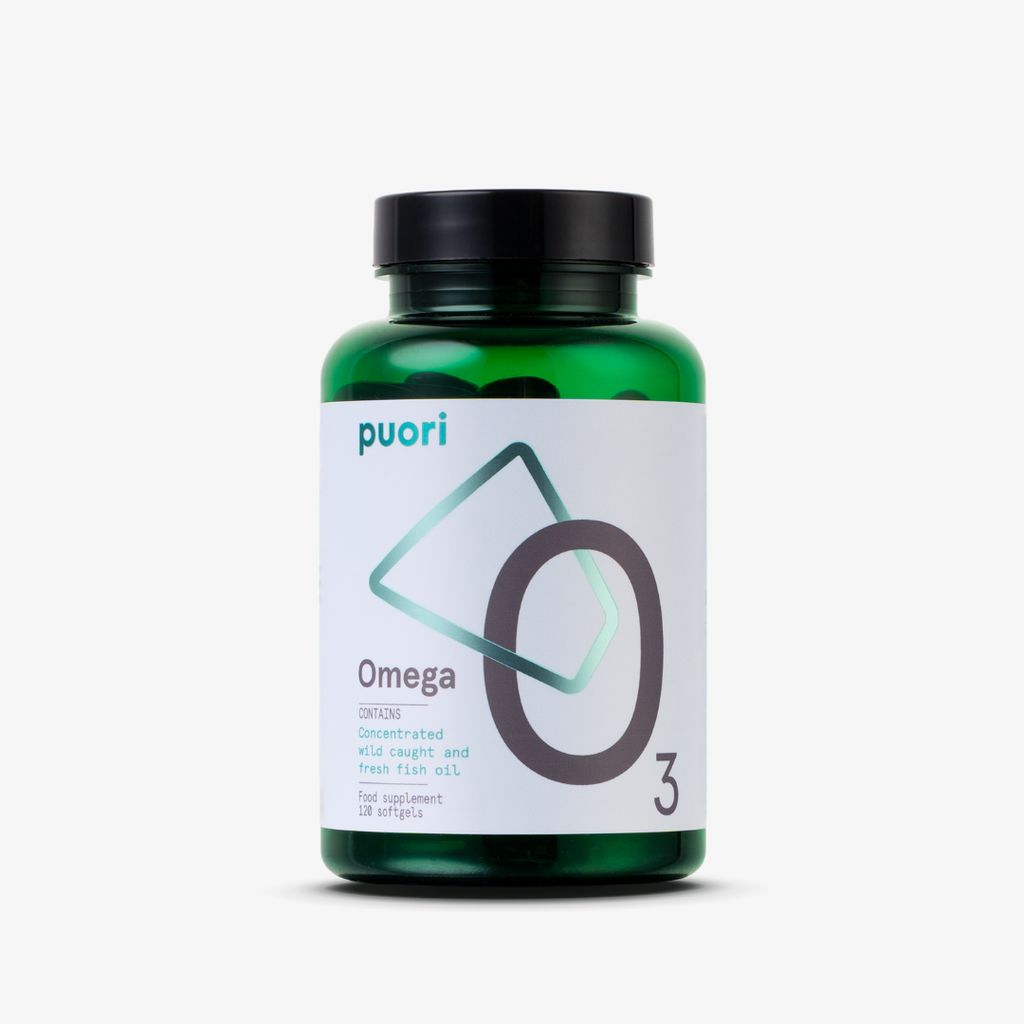
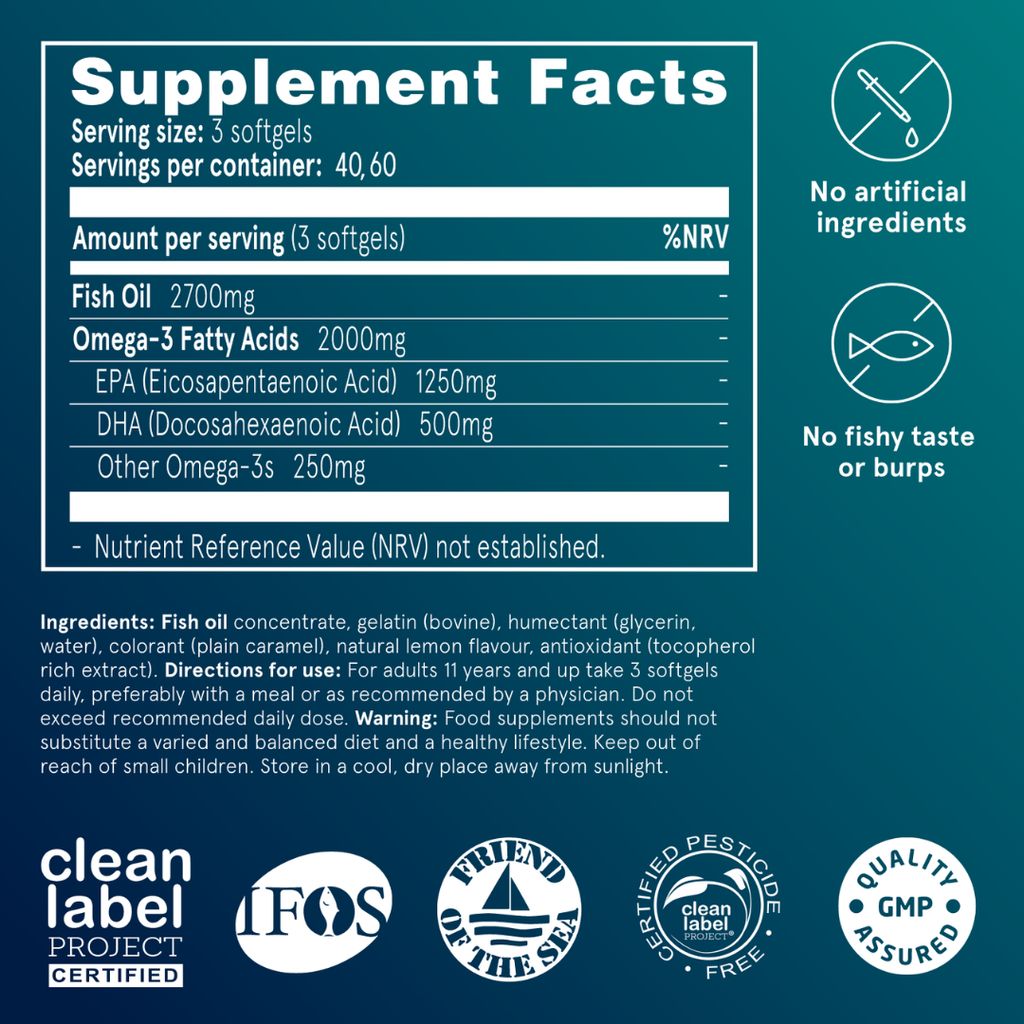
Omega-3
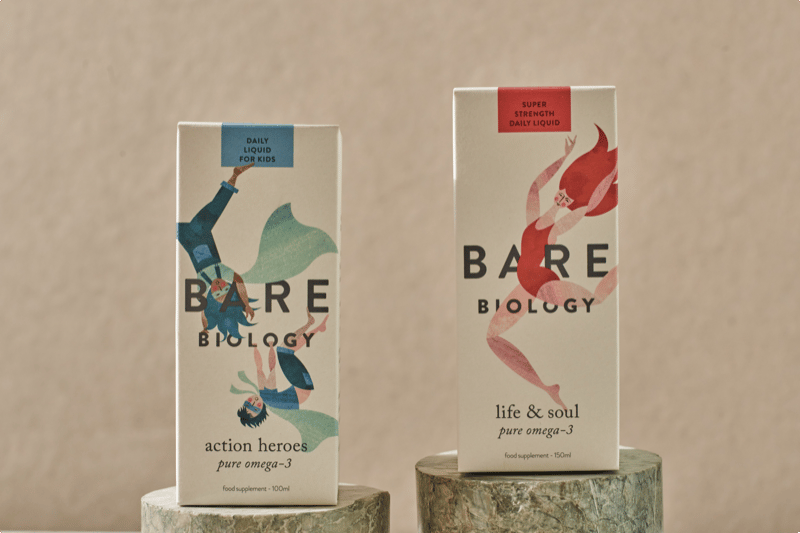
Omega-3 fatty acids play an important role in brain health, cardiovascular health and the body’s inflammatory response. As oestrogen levels decline during perimenopause, they may help maintain areas of health that often come into sharper focus, including mood, cognition and heart health.
What to look for: A high-quality omega-3 providing both EPA and DHA. If you do not eat fish, an algae-based omega-3 is a plant-based alternative.
L-Theanine
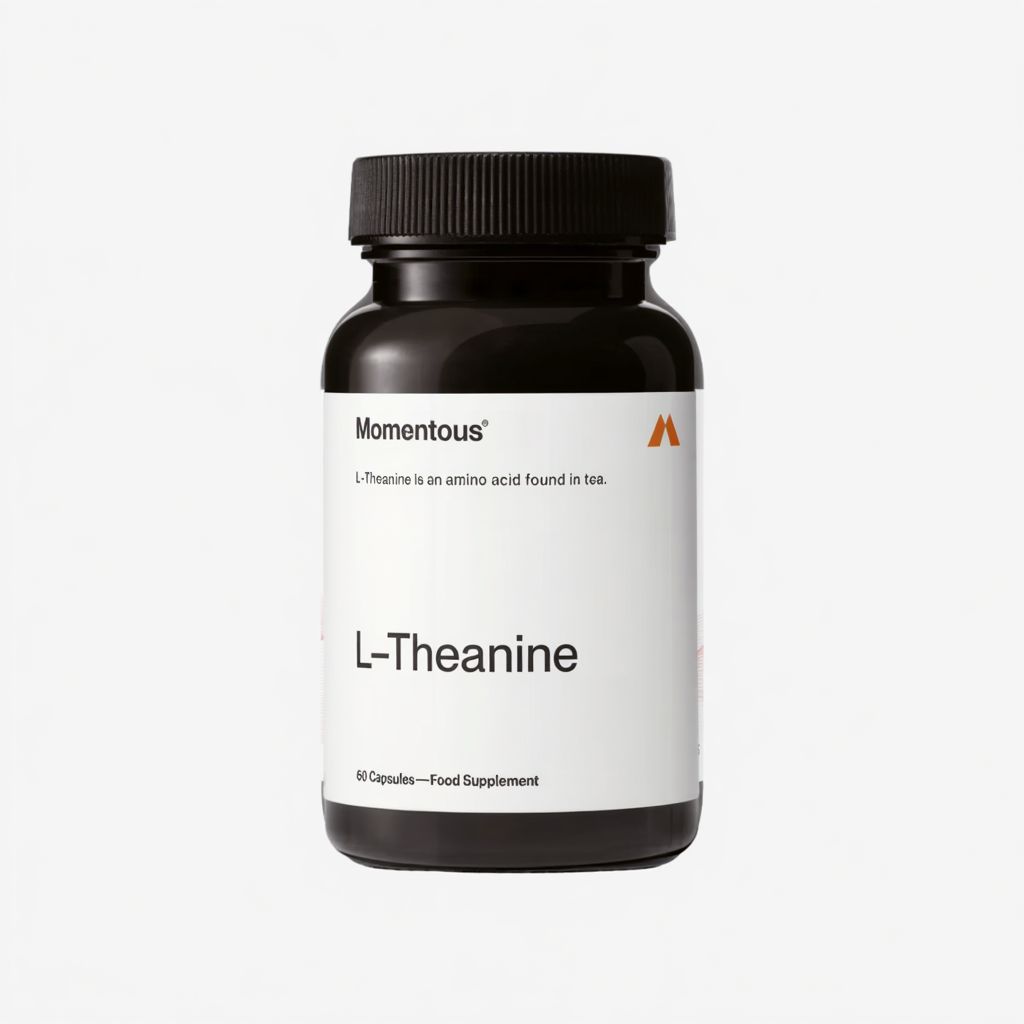
L-theanine is a naturally occurring amino acid found in green tea, best known for promoting a calmer mental state without causing drowsiness. For women navigating perimenopause, it may be useful when racing thoughts, stress or a busy mind are making it harder to switch off.
What to look for: L-theanine as a standalone supplement, or naturally through matcha and green tea.

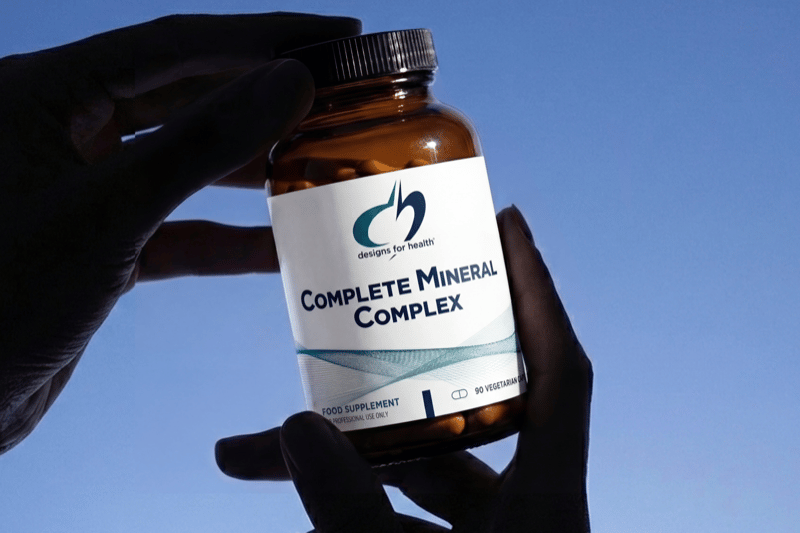
Taurine And Glycine
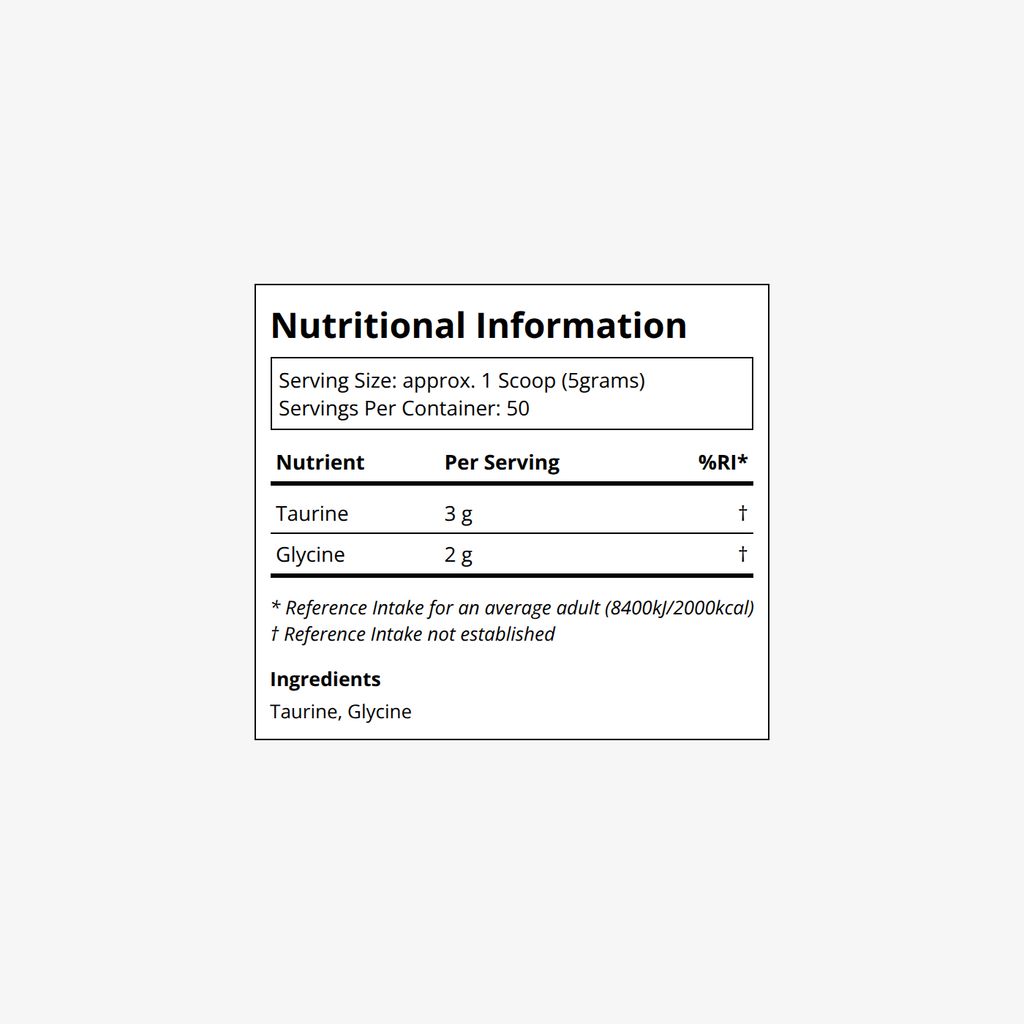
Taurine and glycine are amino acids involved in sleep quality, recovery and nervous system regulation. They're attracting increasing interest during perimenopause, particularly among women dealing with restlessness, disrupted sleep or a feeling of being permanently switched on.
What to look for: Taurine and glycine are usually taken as individual supplements but you can get a combined blend. Glycine is also naturally found in collagen-rich foods and bone broth.

It can be tempting to build a large supplement stack when symptoms hit, but more isn't always better. If you’re introducing supplements, start slowly, focus on your biggest symptom and consider speaking to a qualified healthcare professional before adding multiple things at once.
When to speak to a doctor
Not every symptom needs to be pushed through. Perimenopause can be to blame for everything from poor sleep and anxiety to brain fog and heavier periods, but those symptoms can also have other explanations. It’s worth keeping an open mind about what might be driving them.
"You don't need to wait until your periods stop," says Dr Wall. If symptoms are starting to affect your sleep, mood, relationships, work or overall quality of life, it’s worth speaking to a healthcare professional. Changes in bleeding patterns, ongoing fatigue, worsening anxiety, cognitive symptoms and heart palpitations all deserve attention.
Getting answers earlier can make the whole experience feel far less confusing.
Your perimenopause questions, answered
What are the first signs of perimenopause?
For many women, the earliest signs aren't hot flushes. Sleep changes, anxiety, brain fog, heavier periods, fatigue and feeling less like yourself often appear first.
Can perimenopause cause anxiety?
Yes. Fluctuating levels of oestrogen and progesterone can affect neurotransmitters involved in mood regulation, including serotonin, dopamine and GABA. For some women, anxiety is one of the earliest signs of hormonal change.
Is anxiety one of the first signs of perimenopause?
It can be. While many people associate perimenopause with hot flushes, anxiety, sleep disruption and changes in mood often appear earlier. Some women notice these symptoms years before their periods stop.
Can perimenopause start in your 30s?
Yes. While the average age of menopause in the UK is around 51, perimenopause can begin years earlier. Symptoms are often subtle at first, which is one reason many women do not immediately connect them to hormones.
How do you know if you're in perimenopause?
There’s no single test that confirms perimenopause. Doctors typically consider symptoms, menstrual cycle changes, age and medical history rather than relying on one blood test alone.
Can a blood test diagnose perimenopause?
Not usually. Hormone levels fluctuate significantly during perimenopause, which means blood tests can often look normal even when symptoms are present. This is why diagnosis is usually based on the wider picture rather than a single result.
What supplements are most commonly recommended for perimenopause?
Magnesium, omega-3 fatty acids and L-theanine are among the supplements practitioners discuss most often, particularly when sleep, mood and stress resilience are concerns. Individual needs can vary considerably, however.
What helps perimenopause naturally?
This is all about locking in good foundations. Experts commonly recommend prioritising protein, strength training, blood sugar balance, sleep, stress management and a nutrient-dense Mediterranean-style way of eating.
This article is for informational purposes only, even if and regardless of whether it features the advice of physicians and medical practitioners. This article is not, nor is it intended to be, a substitute for professional medical advice, diagnosis, or treatment and should never be relied upon for specific medical advice. The views expressed in this article are the views of the expert and do not necessarily represent the views of Healf
Samantha Nice is a seasoned wellness writer with over a decade of experience crafting content for a diverse range of global brands. A passionate advocate for holistic wellbeing, she brings a particular focus to supplements, women’s health, strength training, and running. Samantha is a proud member of the Healf editorial team, where she merges her love for storytelling with industry insights and science-backed evidence.
An avid WHOOP wearer, keen runner (with a sub 1:30 half marathon) hot yoga enthusiast and regular gym goer, Samantha lives and breathes the wellness lifestyle she writes about. With a solid black book of trusted contacts (including some of the industry’s leading experts) she’s committed to creating accessible, well-informed content that empowers and inspires Healf readers.